
Call Us
+86 136 6007 9809
Call Us
+86 136 6007 9809

Apr. 12, 2026
Automotive Pipe Clamps and Tubing Fasteners: Reliable Solutions for Hydraulic, Cooling & Low-Pressure Systems
In modern automotive manufacturing, automotive pipe clamps and tubing fasteners are essential for ensuring the safe, stable, and efficient operation of fluid and air systems. From hydraulic lines to engine cooling circuits and HVAC systems, these components play a decisive role in leak prevention, vibration control (NVH), and long-term durability.
Engineers and procurement professionals increasingly rely on high-performance pipe clamp solutions to meet strict OEM requirements for safety, reliability, and lightweight design in high-vibration environments.
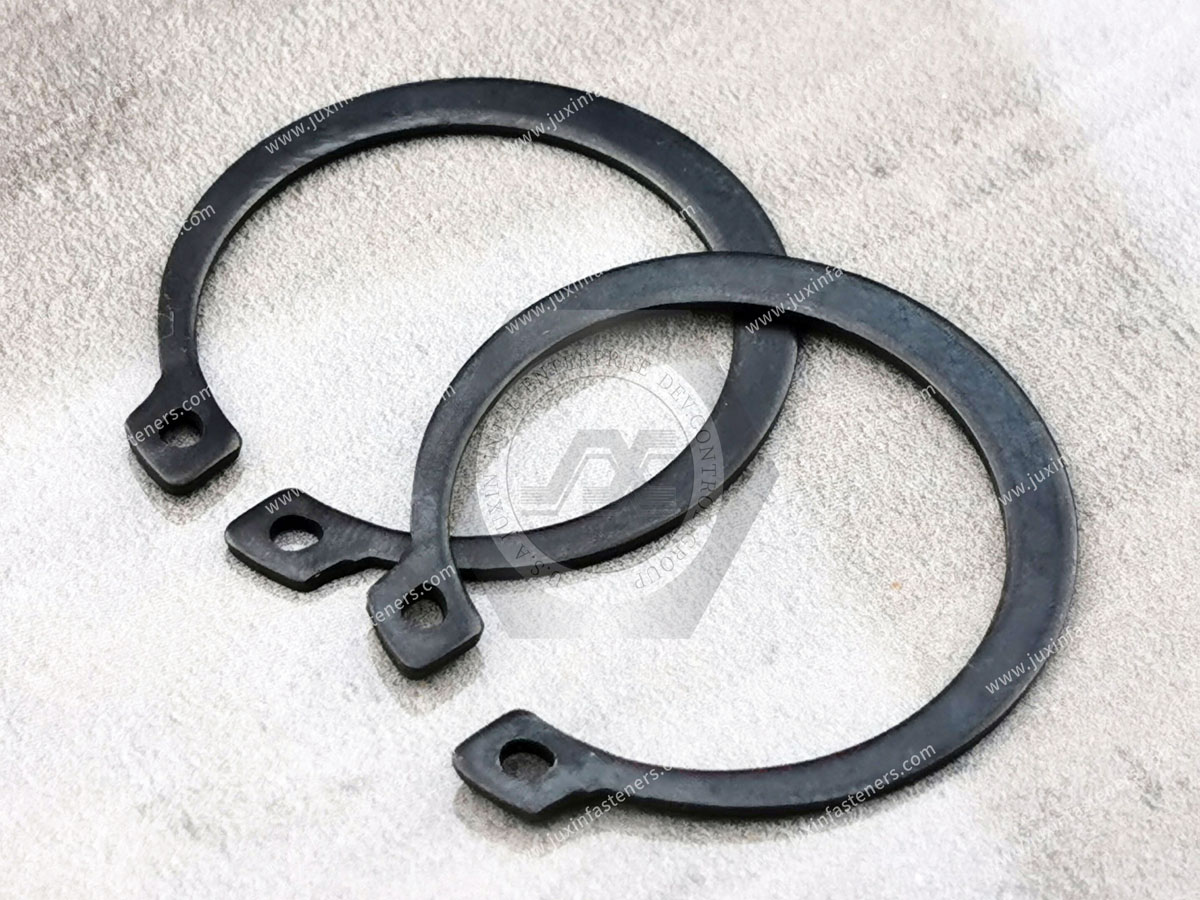
Why Automotive Pipe Clamps and Tubing Fasteners Are Critical
Vehicle systems operate under constant vibration, thermal cycling, and mechanical stress. Improper pipe fixation can result in:
Fluid leakage and pressure loss
Pipe fatigue and cracking
Increased noise and vibration (NVH issues)
Premature system failure
Automotive pipe clamps and tubing fasteners are engineered to:
Secure routing of pipes and hoses
Maintain consistent clamp preload.
Isolate vibration and reduce noise.
Ensure long-term sealing performance.
Key Applications in Automotive Systems
1. Brake and Fuel Line Systems
Pipe clamps for automotive applications are widely used to secure:
Brake lines
Fuel delivery systems
Low-pressure hydraulic tubing
These systems demand precision clamping force and high reliability to prevent leakage and ensure safety under dynamic driving conditions.
2. Engine Cooling and Heating Circuits
Cooling system pipe clamps are critical for:
Radiator and coolant hose routing
Engine thermal management systems
EV battery cooling pipelines
Key requirements:
High temperature resistance
Corrosion protection (coolants and chemicals)
Leak-proof sealing performance
3. HVAC and Air Conditioning Systems
Tubing fasteners and pipe clamps are used in:
Air conditioning refrigerant lines
HVAC ducting and airflow systems
Cabin heating pipelines
Proper clamp design ensures:
Stable airflow routing
Reduced vibration-induced noise
Improved passenger comfort
Classification of Automotive Pipe Clamps
By Structure and Function
Standard Pipe Clamps
Full-circle (heavy-duty and light-duty)
Split clamps (two-piece design)
Suitable for pipe diameters from small tubing to large assemblies
Anti-Vibration Pipe Clamps
Integrated rubber or elastomer inserts
Absorb vibration and prevent pipe fatigue
Ideal for hydraulic and engine-mounted systems
Specialized Functional Clamps
Self-locking pipe clamps (anti-slip design)
Quick-release clamps for maintenance efficiency
Anti-rotation clamps for wiring and tubing stability
Rubber-lined clamps for noise reduction and protection
By Material Selection
Selecting the right material is essential for performance and durability:
Stainless Steel Pipe Clamps (304 / 316L):
Excellent corrosion resistance for coolant, fuel, and harsh environments
Aluminum Pipe Clamps:
Lightweight and corrosion-resistant, ideal for weight-sensitive designs
Engineering Plastic Clamps:
Cost-effective, lightweight, and suitable for low-pressure systems
Carbon Steel Clamps:
High strength with surface treatments (zinc plating, coating) for general applications

Engineering Insights: Designing for Performance
1. Clamp Preload and Load Distribution
Correct clamp preload ensures:
Even force distribution on pipes
Prevention of localized stress points
Reduced risk of leakage and deformation
Engineers must evaluate:
Axial loads
Shear forces
Thermal expansion effects
2. Vibration Isolation & NVH Optimization
Anti-vibration pipe clamps with rubber inserts create a flexible interface between the pipe and vehicle body.
Benefits include:
Reduced vibration transmission
Lower cabin noise levels
Extended service life of piping systems
3. Leak Prevention and Routing Optimization
An effective pipe clamp layout is critical:
Keep routing short and straight
Avoid excessive bending
Maintain proper spacing between pipes
Use sufficient clamp points for stability
Combining high-quality pipe clamps and hose fastening solutions ensures long-term leak-free performance.
4. Environmental and Durability Considerations
Automotive pipe clamps must withstand:
High temperatures (engine compartments)
Moisture and corrosion
Chemical exposure (fuel, coolant, oil)
Material selection and surface treatment are key to ensuring long-term durability.
Advanced Technical Solutions
Anti-Loosening and Structural Stability
Modern automotive pipe clamps incorporate:
Self-locking mechanisms
Elastic steel structures
Split clamp designs for secure assembly
These features prevent loosening under continuous vibration.
Flexible and Modular Clamp Systems
To support modern automotive production:
Modular clamp designs fit multiple pipe sizes
Reduce inventory and tooling costs
Improve assembly efficiency
High-Precision Manufacturing
Advanced production technologies include:
CNC machining for metal clamps
Injection molding for plastic fasteners
Rapid prototyping for custom designs
These ensure tight tolerances and consistent clamp performance.
Installation Best Practices
Correct installation is essential to maximize performance:
Pre-mark mounting positions
Install clamp base or bracket
Position pipe and secure with upper clamp
Tighten to specified torque using a torque wrench
Apply anti-loosening features if required
⚠ Avoid over-tightening or under-tightening, which can lead to pipe damage or loosening.
Selection Guidelines for Engineers & Buyers
When selecting automotive pipe clamps and tubing fasteners, consider:
Application Requirements
Pressure level (hydraulic vs. low-pressure systems)
Temperature range
Fluid type (fuel, coolant, air)
Mechanical Performance
Clamp strength and elasticity
Vibration resistance
Sealing reliability
Cost vs. Performance
Standard clamps for high-volume production
Custom solutions for complex assemblies
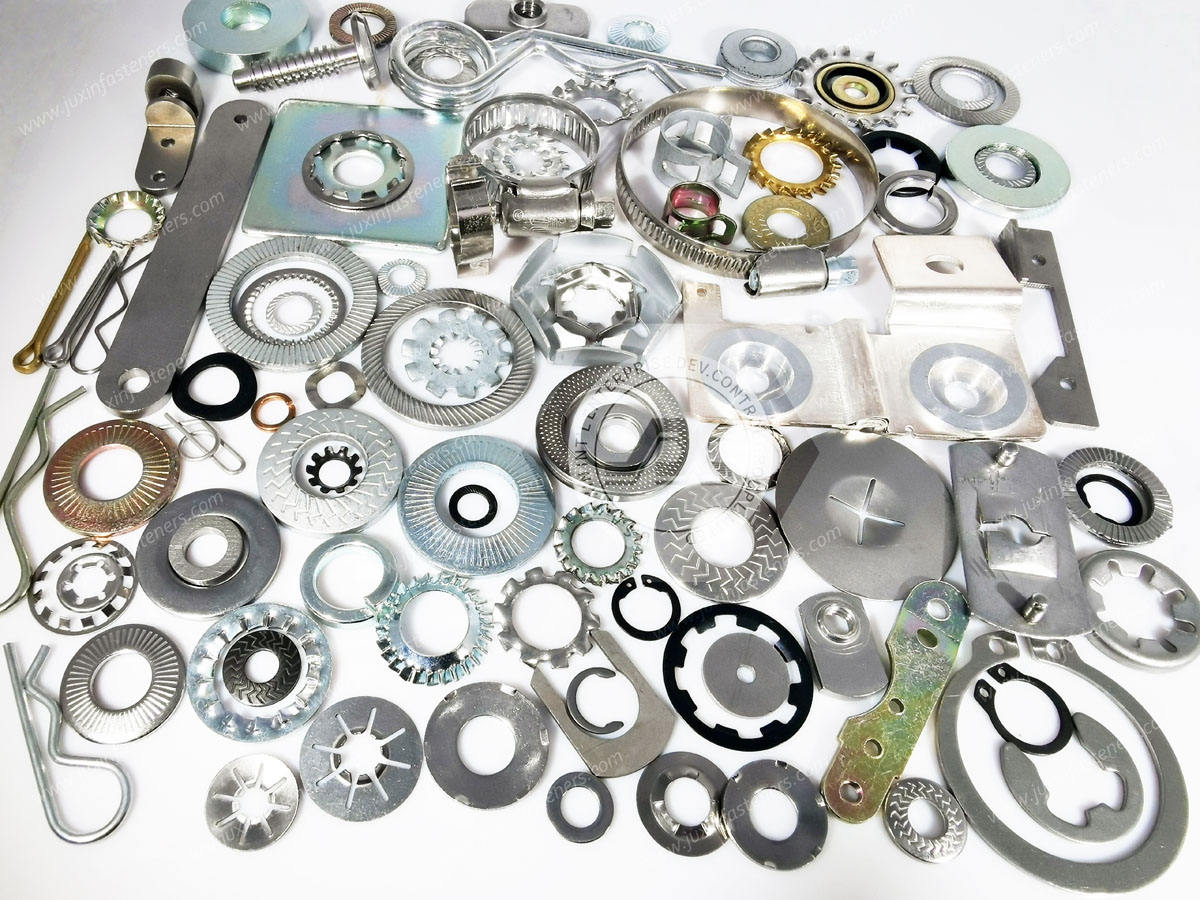
Conclusion: Optimized Pipe Clamping for Automotive Reliability
Automotive pipe clamps and tubing fasteners are not just supporting components—they are critical to ensuring the safety, efficiency, and durability of vehicle systems.
By combining:
Proper clamp selection
Advanced materials
Optimized installation practices
manufacturers can achieve:
Leak-free operation
Reduced vibration and noise
Extended system lifespan
Improved overall vehicle performance
As the automotive industry evolves toward electrification, lightweight design, and intelligent manufacturing, high-performance pipe clamp solutions will continue to be a key factor in engineering success.
 MORE NEWS
Sep. 27, 2026
Sep. 27, 2026
Sep. 27, 2026
Contact Us
Tel.:
+86 020 8621 0320
+86 020 3121 6067
E-mail:
Technical Support:
Navigation
SEND INQUIREY