
Call Us
+86 136 6007 9809
Call Us
+86 136 6007 9809

Jun. 09, 2024
Modern vehicle manufacturing requires advanced joining technologies that deliver high strength, lightweight design, production efficiency, and consistent quality. As automotive structures increasingly adopt high-strength steel, galvanized sheets, aluminum alloys, and complex lightweight designs, traditional welding and fastening methods must evolve to meet new engineering requirements.
Stud welding technology has become an important joining solution in automotive body manufacturing because it creates strong, reliable threaded attachment points without drilling holes or adding additional components.
By integrating automotive weld studs, flange welding studs, capacitor discharge weld studs, arc stud welding fasteners, and projection welding solutions, manufacturers can improve assembly efficiency, reduce production costs, and achieve excellent structural performance.
Juxin Fasteners provides professional OEM weld stud fasteners and automotive stud welding solutions for global vehicle manufacturers, EV suppliers, and industrial customers.
Email: info@juxinfasteners.com
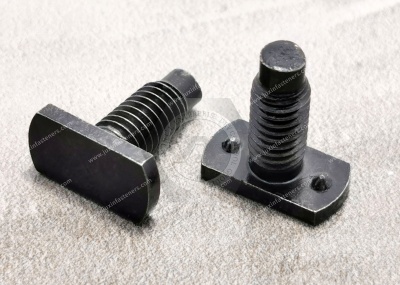
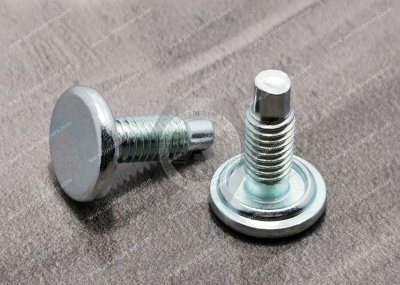
Stud welding is an advanced welding process that permanently joins a metal stud to a metal workpiece through controlled electrical energy and pressure.
During the welding process:
The stud is positioned against the metal surface.
An electric arc generates heat between the stud and workpiece.
The contact surfaces melt rapidly.
Pressure is applied to complete the fusion.
The molten metal solidifies, creating a strong welded joint.
Stud welding combines the advantages of:
Arc welding
Pressure welding
Fastener technology
The result is a strong connection with excellent mechanical performance and minimal deformation.
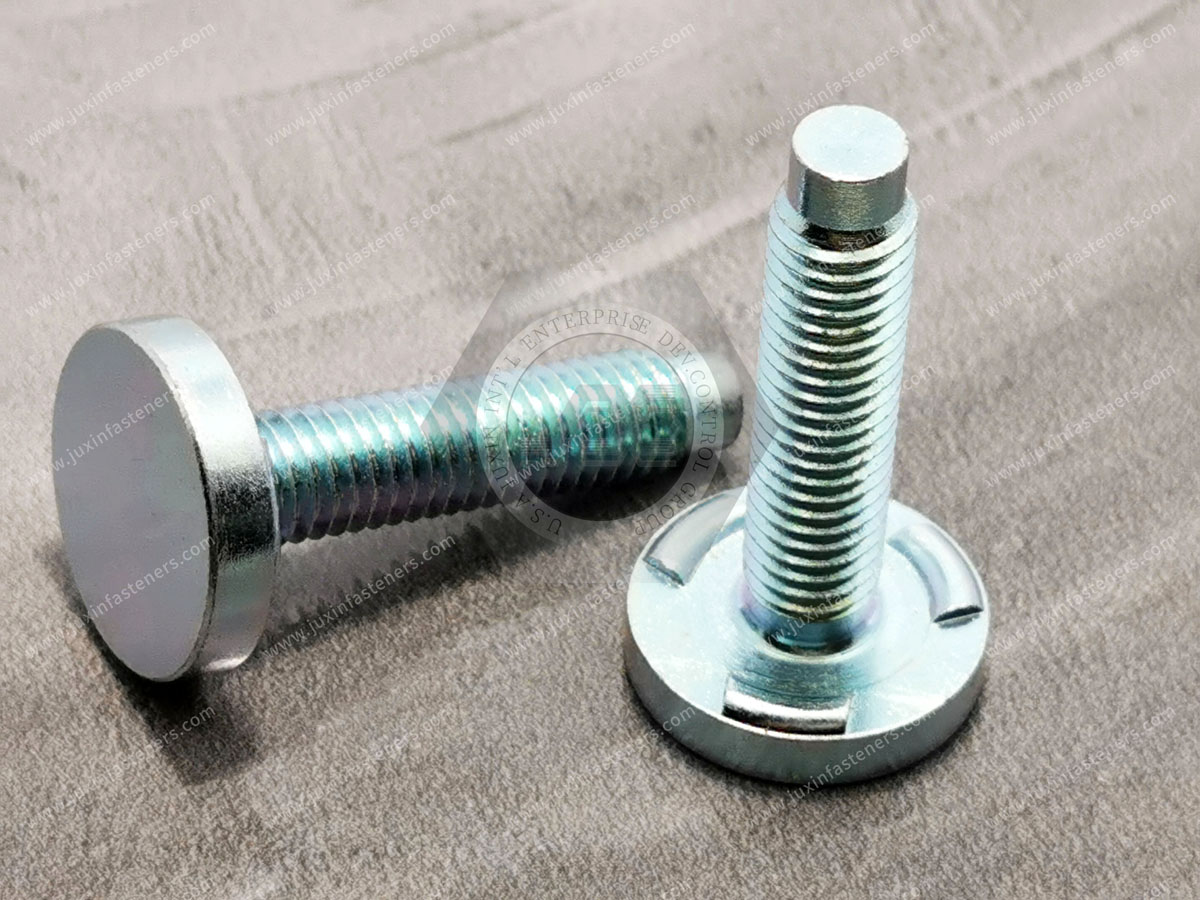
The quality of automotive body welding directly affects:
Vehicle structural strength
Crash safety
Waterproof performance
Noise reduction
Long-term durability
Modern vehicle bodies contain numerous fastening points for:
Wiring harnesses
Brake lines
Fuel systems
Battery components
Interior modules
Heat shields
Electronic components
Traditional methods such as brazing, resistance welding, or mechanical fastening may require additional parts or machining operations.
Automotive stud welding provides a more efficient alternative by creating direct fastening points on vehicle panels.
Arc stud welding is widely used in automotive manufacturing.
Features:
High welding strength
Suitable for thicker materials
Excellent structural reliability
Strong penetration performance
Applications:
Vehicle body structures
Chassis components
Heavy equipment
Short-cycle arc stud welding is commonly applied in automotive production because of its:
Fast welding speed
Low deformation
High efficiency
Easy automation
Excellent repeatability
It is especially suitable for thin automotive sheet metal.
Capacitor discharge stud welding uses stored electrical energy to create a rapid welding process.
Advantages:
Extremely short welding time
Minimal heat input
Low distortion
Suitable for thin materials
Applications:
Automotive electronics
Sheet metal assemblies
Electrical cabinets
Precision components
Compared with conventional fastening methods, stud welding eliminates additional operations such as:
Drilling holes
Installing nuts
Additional bracket manufacturing
Secondary machining
This reduces:
Production time
Labor cost
Assembly complexity
Stud welding creates a full-area welded connection between the stud and base material.
Benefits:
High tensile strength
Strong shear resistance
Excellent fatigue performance
Reliable vibration resistance
This makes weld studs suitable for automotive safety-related components.
Modern automotive engineering focuses on reducing vehicle weight.
Stud welding supports lightweight design by:
Eliminating unnecessary brackets
Reducing component count
Supporting thin sheet structures
Maintaining strong connections
This is especially important for:
EV vehicles
Battery systems
Aluminum structures
Stud welding has:
Short welding time
Controlled heat input
Small heat-affected area
Therefore, it reduces the risk of:
Sheet distortion
Surface damage
Dimensional changes
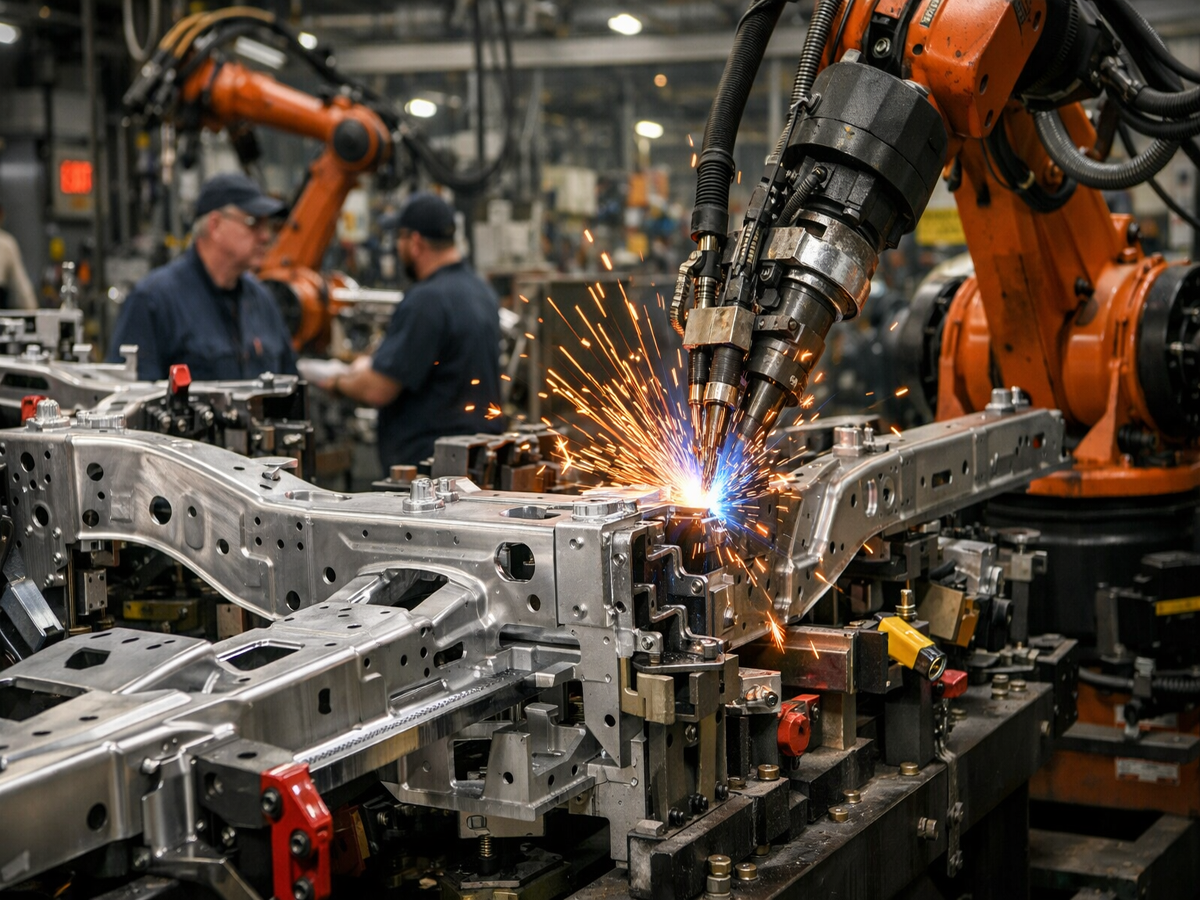
Stud welding is widely used in:
Floor panels
Side walls
Longitudinal beams
Roof structures
Reinforcement panels
Benefits:
Improved assembly efficiency
Reduced component weight
Better structural integrity
One of the most common applications of automotive weld studs is fixing:
Electrical harnesses
Brake lines
Fuel lines
Cooling pipes
Sensor cables
Advantages:
Reliable positioning
Reduced assembly time
Cleaner vehicle design
Electric vehicles require advanced fastening systems for battery safety and durability.
Weld studs are used in:
Battery pack housings
Battery trays
Cooling system brackets
High-voltage electrical assemblies
Protection covers
Benefits:
Strong attachment points
Vibration resistance
Lightweight construction
Excellent reliability
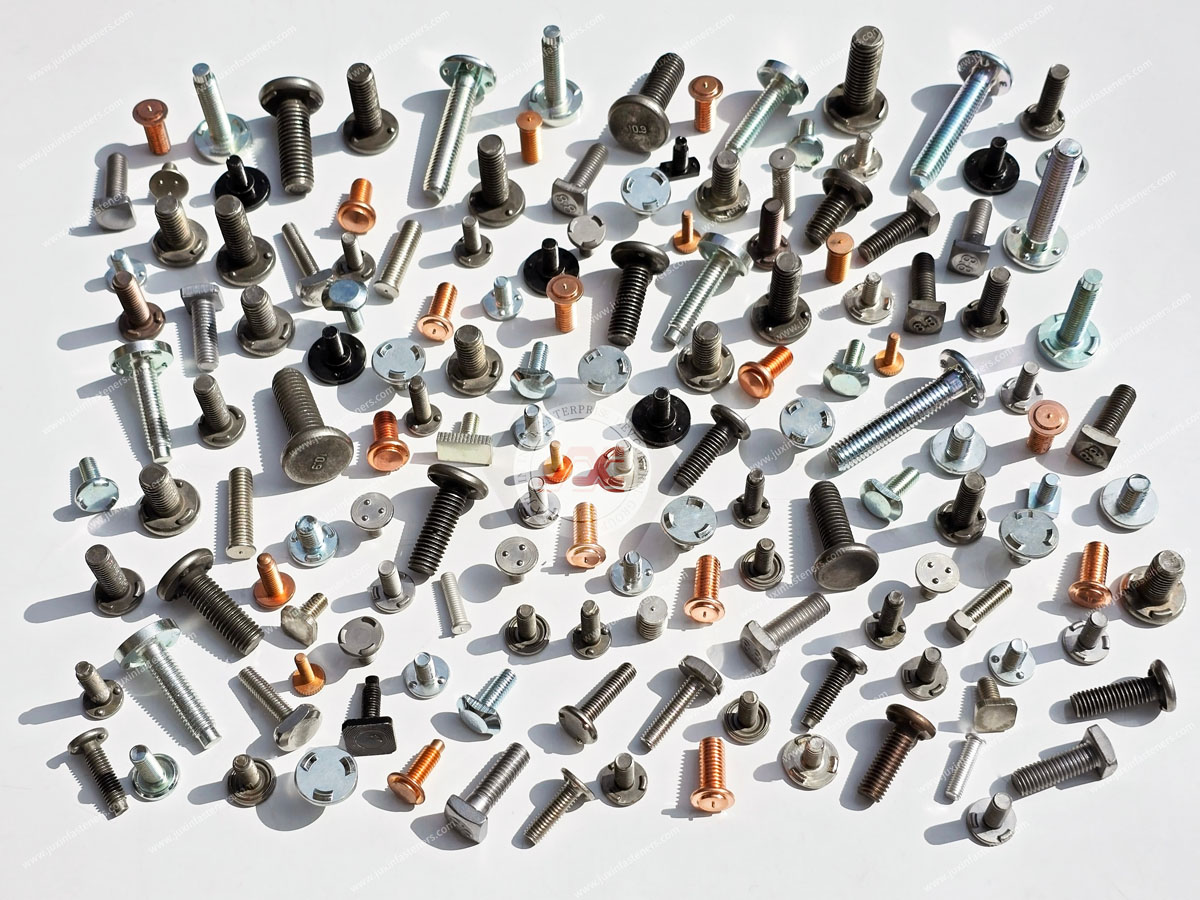
Proper welding parameters directly affect weld quality.
Important factors include:
Controls heat generation and melting performance.
Incorrect current may cause:
Weak welds
Excessive penetration
Surface defects
The welding duration must match:
Stud diameter
Material thickness
Base material type
The stud lift height determines arc stability.
Incorrect settings may cause:
Porosity
Incomplete fusion
Reduced strength
Projection length affects:
Weld shape
Molten metal movement
Joint strength
Engineers should select suitable stud dimensions according to material thickness and application requirements.
A reliable stud welding process includes:
Before welding:
Check welding cables
Confirm voltage stability
Inspect welding equipment
Select correct stud type
The welding gun must ensure:
Correct alignment
Proper contact
Vertical positioning
The welding angle should normally remain approximately 90 degrees to the workpiece surface.
The process includes:
Stud contacts workpiece
Stud lifts to create arc
Arc melts stud tip and base material
Stud presses into molten pool
Metal solidifies to form a permanent joint
To ensure reliability, manufacturers should perform inspection procedures including:
Check:
Weld appearance
Stud alignment
Surface defects
A mechanical test can verify:
Weld strength
Joint stability
Regular equipment inspection helps prevent:
Welding failures
Production interruptions
Quality variation
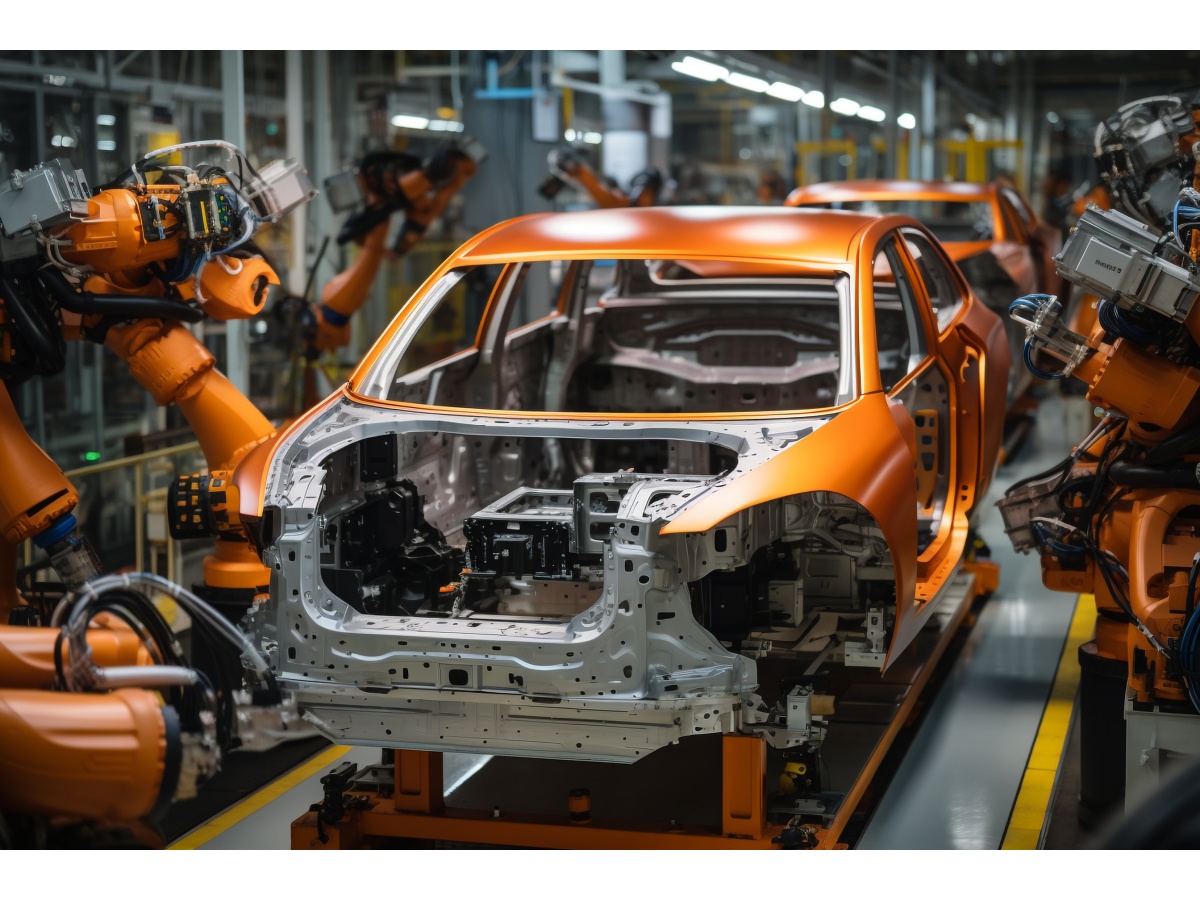
Juxin Fasteners provides weld stud and fastening solutions for multiple industries.
Applications:
Body-in-White structures
Wiring systems
Interior assemblies
Chassis components
Products:
Automotive weld studs
Flange welding studs
Arc weld studs
Applications:
Battery enclosures
Cooling systems
Electrical mounting structures
Products:
Stainless steel weld studs
Carbon steel weld studs
Custom weld fasteners
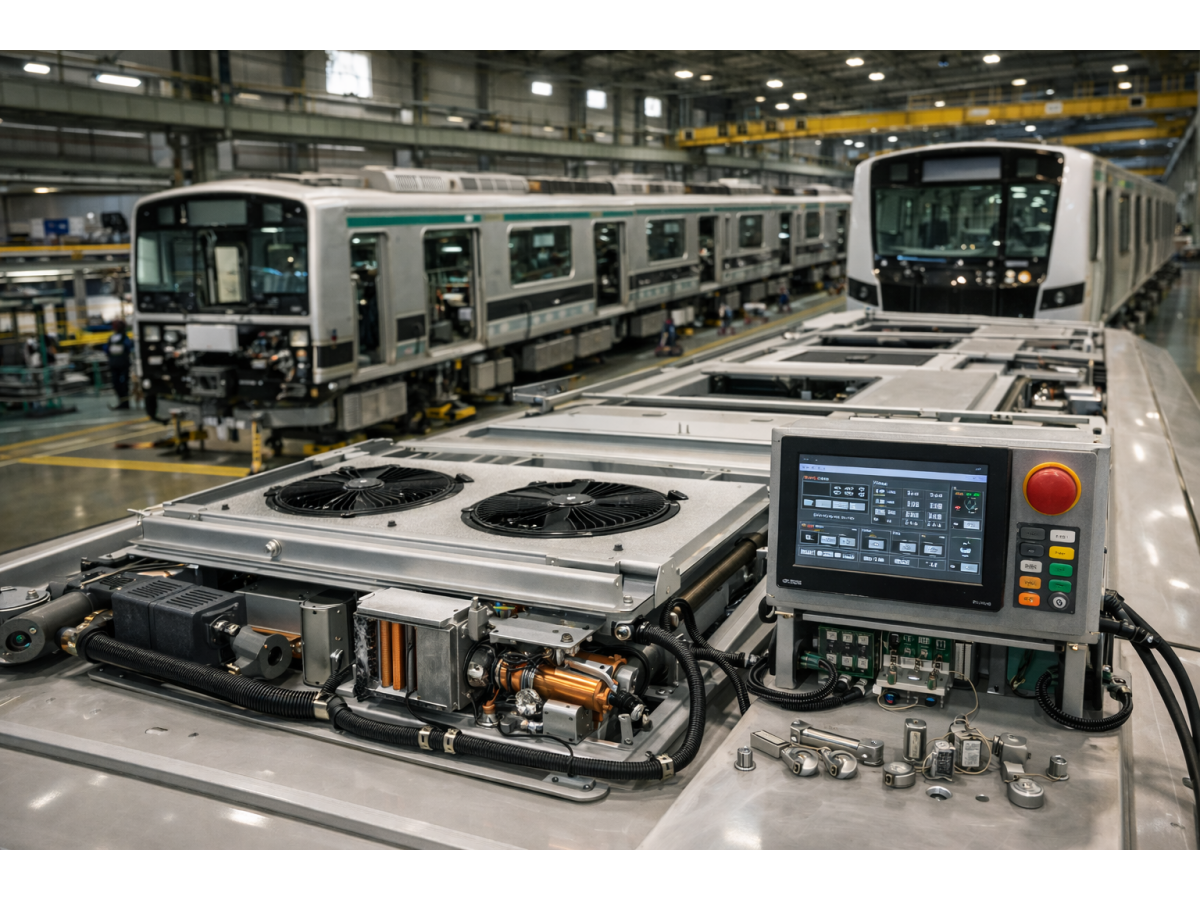
Applications:
Train body structures
Interior panels
Equipment mounting systems
Applications:
Aircraft interiors
Lightweight structures
Equipment brackets
Applications:
Control panels
Industrial enclosures
Switchgear systems
Applications:
Ventilation systems
Air conditioning equipment
Sheet metal housings
Applications:
Equipment frames
Precision sheet metal assemblies
Applications:
Steel structures
Architectural metal systems
Applications:
Heavy equipment
Industrial machines
Agricultural machinery
Applications:
Robot structures
Automation equipment
Smart manufacturing systems
Applications:
Metal enclosures
Precision fabricated components
Industrial cabinets
Juxin Fasteners specializes in manufacturing high-quality weld stud fasteners and automotive fastening solutions for global OEM customers.
Our products include:
Automotive Weld Studs
Flange Welding Studs
Capacitor Discharge Weld Studs
Arc Weld Studs
Threaded Weld Studs
Custom OEM Welding Fasteners
We provide:
✔ Custom engineering support
✔ OEM production according to drawings
✔ Carbon steel and stainless steel materials
✔ Zinc plating and corrosion protection solutions
✔ Automotive application experience
✔ Strict quality control
✔ Global export capability
Our weld stud solutions help customers improve manufacturing efficiency, reduce costs, and achieve reliable connections in demanding applications.
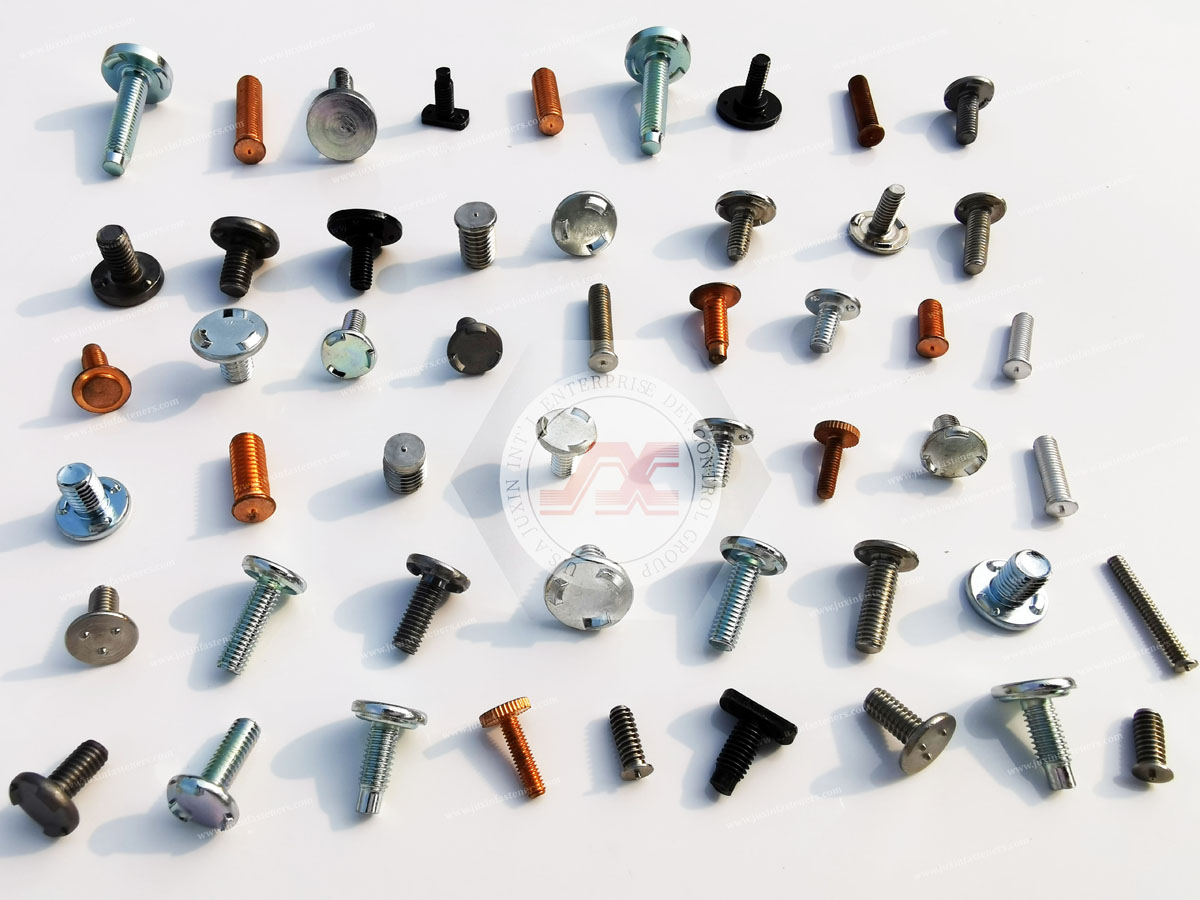
Looking for professional automotive stud welding solutions, weld studs, or custom welding fasteners?
Our engineering team can provide optimized fastening solutions based on your materials, design requirements, and production process.
Email: info@juxinfasteners.com
Website: https://www.juxinfasteners.com
 MORE NEWS
Sep. 27, 2026
Sep. 27, 2026
Sep. 27, 2026
Contact Us
Tel.:
+86 020 8621 0320
+86 020 3121 6067
E-mail:
Technical Support:
Navigation
SEND INQUIREY