
Call Us
+86 136 6007 9809
Call Us
+86 136 6007 9809

Jun. 02, 2026
Blind Rivets for Rail Vehicle Manufacturing: Lightweight Panels, Interiors and OEM Assembly
Engineering Fastening Solutions for Rolling Stock, Metro Vehicles, Passenger Trains and Lightweight Railway Equipment
Modern railway vehicle manufacturing requires a careful balance between structural performance, lightweight construction,
production efficiency, serviceability and long-term reliability.
Passenger trains, metro vehicles, light rail vehicles and high-speed rolling stock incorporate a wide range of aluminum profiles,
stainless steel panels, formed sheet-metal components, composite assemblies and modular equipment.
Many of these components must be joined in locations where access to the reverse side is restricted.
Blind rivets for rail vehicle manufacturing provide a practical permanent fastening method for suitable assemblies that require installation from one side.
Depending on the application, manufacturers may select conventional open-end blind rivets, closed-end rivets, large-flange designs, multi-grip rivets or specially engineered structural blind rivets.
However, these product types are not mechanically equivalent.
The correct selection depends on the joint's function, material combination, grip range, hole geometry, environmental exposure, required mechanical performance and installation process.
Juxin Fasteners supplies industrial fastening products and accepts drawing-based inquiries for blind rivets and custom fastening components.
This guide explains how rolling stock manufacturers, structural and design engineers, manufacturing engineers, production managers and procurement teams can evaluate blind riveting solutions for lightweight railway assemblies.
What Are Blind Rivets and How Do They Work?
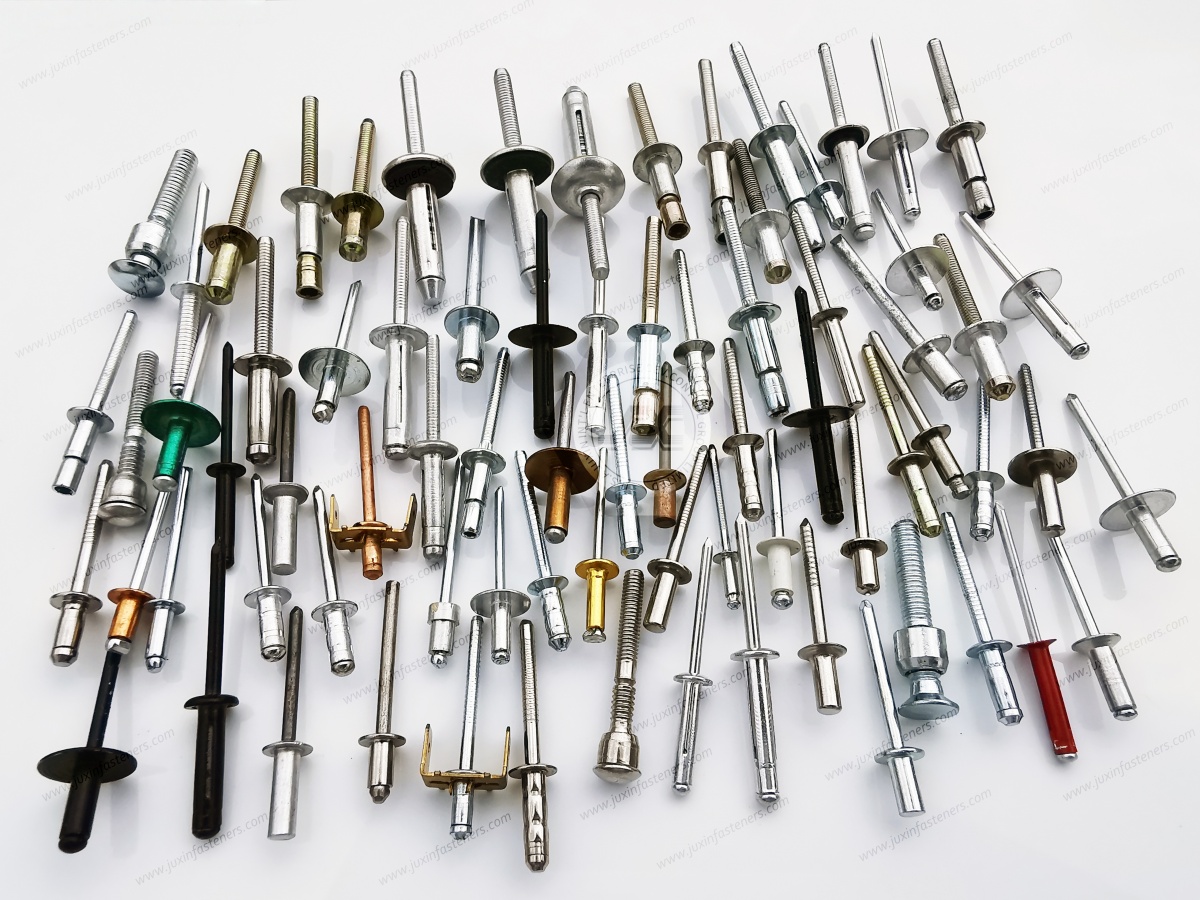
A blind rivet is a permanent mechanical fastener that can be installed from one accessible side of a joint.
A typical breakstem blind rivet consists of a tubular rivet body and a mandrel.
During installation, a suitable riveting tool pulls the mandrel while supporting the rivet head.
The rivet body deforms behind the assembled materials, creating a closing head on the blind side.
The mandrel then breaks at a designed location.
The resulting connection mechanically retains the joined components.
Key Characteristics
Single-sided installation
Permanent mechanical joining
Compatibility with selected sheet-metal assemblies
Different rivet body and mandrel material combinations
Multiple head styles and grip ranges
Potential compatibility with automated installation equipment
Important Engineering Distinction
Blind rivets are not the same as blind rivet nuts.
A blind rivet normally creates a permanent connection without a reusable internal thread.
A blind rivet nut provides a threaded attachment point for a removable screw or bolt.
Where a railway panel must be removed regularly for maintenance, a blind rivet nut or another serviceable fastening method may be more appropriate.
Why Blind Riveting Is Useful in Lightweight Railway Manufacturing
Single-Sided Access
Railway equipment frequently contains enclosed sections, hollow profiles and assembled housings.
Access to the reverse side may be limited after the structure has been fabricated.
Blind riveting allows suitable connections to be installed without placing a conventional nut behind the joint.
Cold Mechanical Installation
Blind rivets are installed without the localized heat input required for welding.
This can be advantageous for selected coated or thin-sheet components.
However, riveting can still create local deformation, coating damage or residual stress.
Modular Assembly
Railway manufacturers increasingly use modular equipment and interior subassemblies.
Blind riveting may support repeatable production of suitable permanent connections.
Manufacturing Flexibility
Different rivet configurations can accommodate selected material combinations, head requirements and joint thicknesses.
Important Limitation
The suitability of a blind rivet must be established from the actual joint requirements.
A fastener should not be selected solely because it is easy to install.
Rail Vehicle Applications for Blind Rivets
Interior Wall Panels and Ceiling Assemblies
Railway interiors incorporate lightweight lining systems, decorative panels, brackets and supporting structures.
Blind rivets may be considered for suitable permanent connections involving:
Interior wall panel subassemblies
Ceiling lining supports
Lightweight trim brackets
Decorative metal components
Auxiliary panel supports
Selected interior equipment housings
Engineering Considerations
Parent material
Panel thickness
Head appearance
Blind-side clearance
Installation accessibility
Vibration
Service requirements
Maintenance Consideration
If a component requires frequent removal, a permanent rivet may increase maintenance labor.
The fastening strategy should therefore reflect the expected service procedure.
Passenger Information and Electrical Equipment
Passenger information systems and electrical equipment may include metal enclosures, support brackets and auxiliary mounting structures.
Potential blind rivet applications include:
Sheet-metal enclosure subassemblies
Cable-management brackets
Equipment covers
Auxiliary supports
Protective panels
Electrical Engineering Consideration
A metallic blind rivet does not automatically provide an approved electrical grounding connection.
Electrical continuity, contact resistance and protective bonding must be evaluated separately.
Rail Vehicle HVAC Systems
Heating, ventilation and air-conditioning equipment often contains formed metal housings, ducts and auxiliary brackets.
Blind rivets may be considered for suitable:
Ventilation duct subassemblies
HVAC housing panels
Lightweight mounting brackets
Air distribution components
Protective covers
Manufacturing Benefits
Single-sided access
Compatibility with repetitive sheet-metal assembly
Potential for controlled tool-based installation
Reduced need for some secondary fastening operations
Engineering Requirements
Joint stiffness
Vibration
Corrosion
Hole quality
Material thickness
Installation consistency
Lightweight Aluminum Panels and Profiles
Aluminum alloys are used in railway manufacturing because of their favorable strength-to-weight characteristics and manufacturing versatility.
Blind rivets may be appropriate for selected aluminum sheet and profile connections.
Design Priorities
Parent alloy strength
Rivet material
Hole diameter
Grip range
Bearing stress
Edge distance
Galvanic corrosion
Fatigue loading
Important Limitation
A rivet suitable for an aluminum equipment housing is not automatically suitable for a primary aluminum carbody structure.
The latter may require substantially different design and qualification procedures.
Rail Vehicle Roof Equipment and Auxiliary Covers
Roof-mounted equipment may include covers, ducts, protective housings and auxiliary mounting components.
Blind rivets may be considered for selected approved subassemblies.
Potential Exposure Conditions
Moisture
Temperature changes
Corrosion
Vibration
Aerodynamic loading
Maintenance access
Safety Consideration
Exterior attachments require project-specific evaluation of mechanical loads and failure consequences.
A blind rivet should not be approved for an exterior safety-critical connection solely from its catalog strength.
Door Module Subassemblies
Railway doors contain mechanical, electrical and safety-related components.
Blind rivets may be considered for selected noncritical covers, trim and auxiliary subassemblies.
However, primary door retention, locking mechanisms, load-bearing guides and other safety-related connections
require the railway manufacturer's approved fastening design.
Engineering Principle
The presence of vibration does not automatically justify selecting a structural blind rivet.
The joint's actual function, loads and consequences of failure determine the required fastening method.
Auxiliary Brackets and Equipment Supports
Railway vehicles contain numerous brackets and supporting components.
Potential applications include selected:
Cable tray brackets
Lightweight equipment supports
Sensor enclosure brackets
Protective covers
Auxiliary sheet-metal assemblies
Selection Requirements
Applied load
Joint geometry
Parent material
Number of rivets
Rivet spacing
Edge distance
Fatigue
Installation access
Important Structural Boundary
A component described as a bracket may still perform a safety-critical function.
Its classification must be determined by the responsible railway engineering authority.
Types of Blind Rivets for Railway Assemblies
Open-End Blind Rivets
Open-end blind rivets are widely used in general industrial sheet-metal joining.
They may be suitable for selected noncritical railway assemblies.
Potential Advantages
Simple installation
Different head styles
Multiple material combinations
Compatibility with suitable thin-sheet applications
Potentially economical production
Limitations
Open-end designs should not automatically be treated as sealed or structural fasteners.
The mechanical performance must be verified for the selected product.
Closed-End Blind Rivets
Closed-end blind rivets use a rivet body designed to close the blind end.
They may help limit certain leakage paths through the rivet body.
Potential Applications
Selected protective housings
Equipment covers
Moisture-exposed auxiliary assemblies
Certain sheet-metal enclosures
Important Sealing Limitation
A closed-end rivet does not automatically make the entire joint waterproof or dustproof.
Leakage may still occur through:
The rivet head interface
The hole perimeter
Gaps between assembled panels
Other enclosure openings
If an IP rating or specified leakage performance is required, the complete assembled joint must be tested.
Multi-Grip Blind Rivets
Multi-grip rivets are designed to accommodate a defined range of assembled material thicknesses.
Potential Advantages
Fewer rivet lengths for certain product families
Reduced inventory complexity
Simplified assembly selection
Greater flexibility across specified stack thicknesses
Engineering Considerations
Minimum grip
Maximum grip
Actual joint thickness
Hole diameter
Closing-head formation
Mechanical strength
Tool compatibility
Procurement Insight
A multi-grip design may reduce the number of purchased part numbers.
However, the commercial benefit must be evaluated against rivet cost, tooling and installation performance.
Structural Blind Rivets
Structural blind rivets are engineered for specified mechanical performance requirements.
Depending on the design, they may incorporate:
Mechanically retained mandrels
Improved hole filling
Defined locking mechanisms
Wider grip ranges
Increased shear or tensile performance
Controlled blind-side deformation
Important Product Qualification
Not all blind rivets are structural blind rivets.
Not all structural blind rivets use the same locking mechanism.
The presence of a retained mandrel does not guarantee resistance to every fatigue or vibration failure mode.
Railway Application Boundary
A structural blind rivet should not be used as an automatic replacement for a primary structural weld,
lockbolt or other approved railway fastening system.
Such substitutions require dedicated engineering analysis, testing and authorization.
Bulb-Type and Large Blind-Side Rivets
Certain blind rivet designs form a relatively large closing head behind the joint.
Potential Advantages
Larger blind-side bearing area
Improved load distribution in suitable thin materials
Reduced local contact pressure in some applications
Engineering Considerations
Closing-head diameter
Parent material strength
Panel thickness
Pull-through resistance
Edge distance
Local deformation
Composite Material Limitation
A larger closing head does not automatically prevent crushing or delamination in composite or sandwich panels.
The complete panel structure must be evaluated.
Blind Rivet Head Styles
Common head styles include dome heads, large-flange heads and countersunk heads.
Dome Head
Suitable for many general sheet-metal applications.
Large-Flange Head
Provides a larger bearing surface on the accessible side.
May be considered for selected thin or softer materials.
Countersunk Head
May be used where a recessed head is required.
Engineering Limitation
Countersinking removes material from the host component.
For thin sheet metal, the remaining thickness and bearing capacity must be checked.
Selecting the Correct Blind Rivet Material
Aluminum Blind Rivets
Aluminum blind rivets may be suitable for selected lightweight assemblies.
Potential Advantages
Low mass
Compatibility with certain aluminum components
Different available head and body designs
Engineering Considerations
Aluminum alloy
Mandrel material
Mechanical strength
Corrosion
Installation force
Fatigue requirements
Steel Blind Rivets
Steel blind rivets may be considered where higher mechanical strength or specific cost requirements apply.
Engineering Considerations
Steel grade
Rivet body properties
Mandrel properties
Protective coating
Corrosion exposure
Tool capability
Stainless Steel Blind Rivets
Stainless steel blind rivets may be selected for applications requiring particular corrosion or mechanical characteristics.
Engineering Considerations
Stainless grade
Strength
Installation force
Mandrel material
Galvanic compatibility
Cost
Important Material Principle
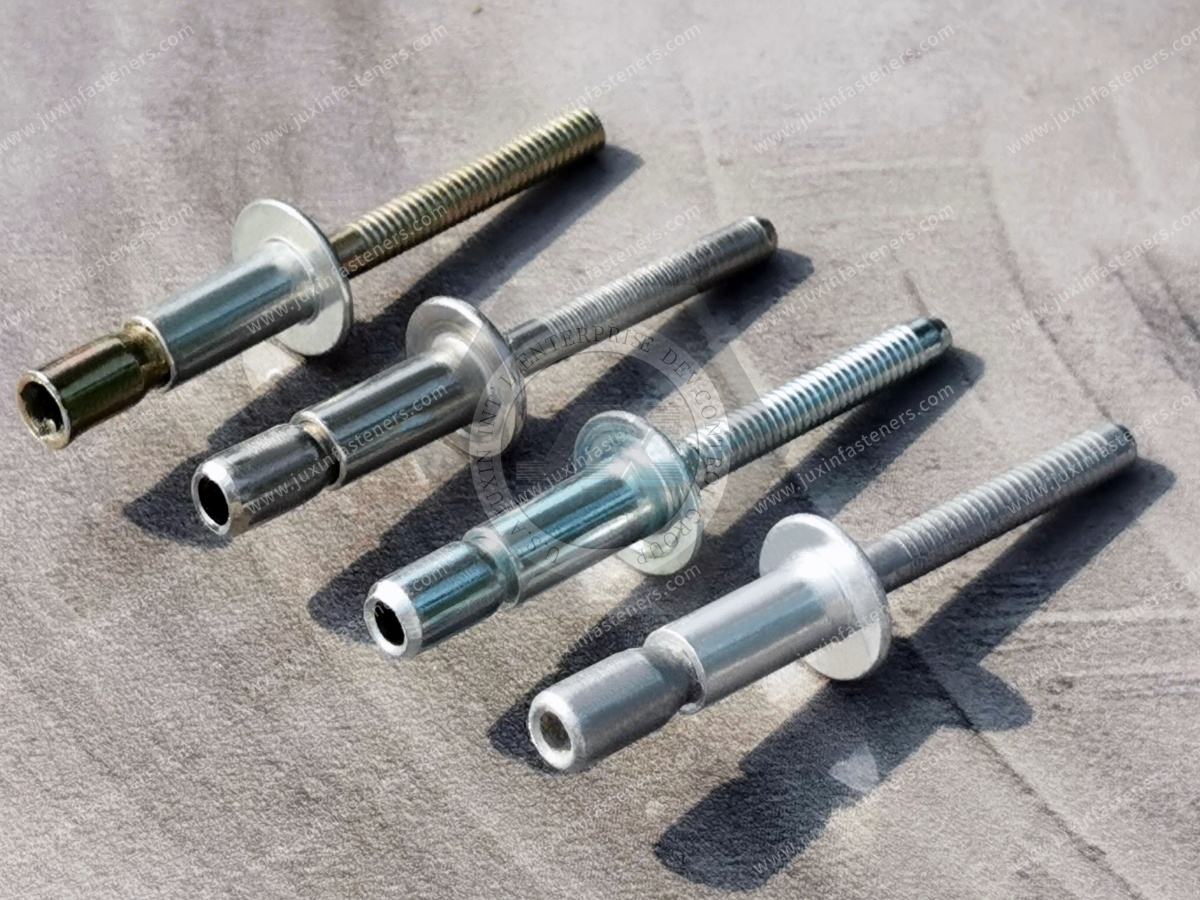
The rivet body and mandrel may use different materials.
Both components must be included in the material and corrosion assessment.
Galvanic Corrosion in Lightweight Rail Assemblies
Galvanic corrosion can occur when dissimilar metals are electrically connected in the presence of a suitable electrolyte.
For example, an aluminum panel joined with a steel or stainless steel rivet may require corrosion evaluation.
Relevant Factors
Parent material
Rivet body material
Mandrel material
Coating
Moisture exposure
Contact area
Electrical continuity
Potential Engineering Controls
Suitable material selection
Protective coatings
Approved isolation measures
Surface preparation
Environmental testing
Important Limitation
Stainless steel is not universally corrosion-proof.
Corrosion behavior depends on the alloy, environment and complete joint configuration.
Surface Treatments and Environmental Testing
Depending on the product and application, relevant surface treatments may include zinc plating,
zinc-nickel plating, stainless steel passivation and other approved protective systems.
ISO 9227
Provides salt spray test methods for evaluating corrosion behavior under defined laboratory conditions.
ASTM B117
Provides practices for operating salt spray apparatus.
Engineering Interpretation
Salt spray test hours do not directly establish the service life of a railway fastening assembly.
The test method and acceptance criteria must be defined for the project.
Grip Range: The Foundation of Correct Blind Rivet Selection
Grip range is the thickness range of the assembled material stack for which a particular rivet is designed.
Required Information
Minimum total stack thickness
Maximum total stack thickness
Coating thickness
Compressible layers
Actual joint geometry
Under-Grip Conditions
A stack thinner than the approved grip range may result in incorrect closing-head formation.
Over-Grip Conditions
A stack thicker than the approved grip range may prevent correct setting or reduce joint performance.
Engineering Rule
Grip range must be selected from the approved product drawing.
A multi-grip rivet still has defined installation limits.
Hole Diameter and Hole Quality
The receiving hole is a critical part of the joint.
Oversized Holes
May reduce the intended hole filling or increase movement.
Undersized Holes
May cause installation difficulties or local material damage.
Burrs
Can interfere with proper head seating.
Hole Misalignment
Can introduce unwanted stresses or assembly defects.
Incorrect Edge Distance
Can increase the risk of tearing or deformation.
Manufacturing Recommendation
Hole preparation and inspection should be included in the riveting process plan rather than treated as unrelated upstream operations.
Blind-Side Clearance
The closing head must have sufficient space to form correctly.
This is particularly important in:
Hollow aluminum profiles
Closed metal sections
Narrow equipment housings
Compact interior structures
Multi-layer assemblies
Engineering Consideration
A rivet may fit through the hole but still be unsuitable if the blind-side deformation cannot occur as designed.
Shear Strength, Tensile Strength and Joint Capacity
Shear Strength
Relates to resistance against forces tending to slide joined components relative to one another.
Tensile Strength
Relates to resistance against forces tending to separate the assembled components.
Combined Loading
Railway assemblies may experience combined shear, tension, bending and cyclic loading.
Why Rivet Catalog Strength Is Not Enough
The installed joint may fail through:
Rivet shear
Rivet tension
Parent-material bearing
Sheet tearing
Pull-through
Edge failure
Local deformation
Fatigue
Engineering Principle
The capacity of the complete connection is determined by the relevant failure modes, not simply the nominal strength of the rivet.
Blind Rivet Fatigue and Vibration
Railway equipment may experience repeated mechanical loading during service.
Fatigue performance depends on:
Rivet geometry
Material
Hole quality
Joint stiffness
Loading direction
Installed condition
Corrosion
Stress concentration
Potential Failure Modes
Rivet body cracking
Mandrel-related failure
Hole elongation
Parent-material cracking
Joint slip
Loss of stiffness
Important Limitation
No general blind rivet should be described as completely vibration-proof or fatigue-proof.
The required performance must be demonstrated under the actual application conditions.
Mechanical Testing of Blind Rivets
ISO 14589:2000 — Blind Rivets: Mechanical Testing
ISO 14589 specifies mechanical test methods for blind rivets within its defined scope.
Relevant tests include:
Shear testing
Tensile testing
Mandrel head retention
Mandrel push-out resistance before setting
Mandrel break load
The standard applies to blind rivets with nominal diameters up to and including 6.4 mm.
For products outside the scope or for specialized structural designs, the applicable test method must be agreed with the customer.
ISO 14588 — Blind Rivet Terminology
Provides terminology and definitions relevant to blind rivets and their installation.
Important Standards Distinction
Mechanical test methods establish how certain properties are measured.
They do not automatically establish railway application approval.
Railway Shock and Vibration Requirements
Railway equipment may be subject to specified shock and vibration requirements.
IEC 61373:2026
Addresses shock and vibration testing for equipment intended for railway vehicles.
Its relevance depends on the equipment category, mounting location and project requirements.
Important Limitation
IEC 61373 is not a universal product certification for an individual blind rivet or the railway carbody's primary structure.
Railway Interior Fire Protection
EN 45545-2
Addresses fire behavior requirements for materials and components used on railway vehicles.
For a blind-riveted assembly, relevant nonmetallic materials may include:
Composite panels
Coatings
Polymer components
Seals
Adhesives
A metal rivet does not automatically establish fire compliance for the complete assembly.
Railway Welding and Mechanical Fastening
EN 15085 Series
Addresses welding of railway vehicles and components.
It is not a blind rivet product standard.
Blind riveting may avoid welding heat input in suitable assemblies, but it introduces mounting holes and requires mechanical joint validation.
Engineering Rule
Replacing an approved welded joint with rivets requires an engineering assessment.
Automated Blind Riveting in Rolling Stock Production
Blind riveting may be integrated into manual, semi-automated or automated assembly processes.
Potential Production Functions
Rivet feeding
Tool positioning
Controlled pulling
Installation monitoring
Process data recording
Defect detection
Mandrel collection
Manufacturing Engineer Priorities
Tool compatibility
Pulling capacity
Nosepiece selection
Rivet feeding
Hole variation
Installation repeatability
Inspection method
Production Manager Priorities
Assembly cycle time
Accepted output
Scrap
Rework
Tool downtime
Operator access
Changeover time
Cost per accepted assembly
Important Automation Principle
An automated riveting system must be matched to the specific rivet design.
Automation compatibility should not be assumed merely because the fastener is a blind rivet.
Mandrel Collection and Foreign-Object Control
Many breakstem blind rivets generate a separated mandrel stem during installation.
Loose fragments may create contamination or rattling risks in certain assemblies.
Production Controls
Mandrel collection
Tool maintenance
Workstation cleanliness
Inspection
Defect reporting
Engineering Recommendation
Foreign-object control should be considered during process planning, particularly near electrical equipment and enclosed vehicle assemblies.
Installation Process and Quality Inspection
A typical installation sequence includes:
Confirm rivet type
Verify material stack
Inspect hole diameter
Check grip range
Confirm blind-side clearance
Select the correct tool
Install the rivet
Verify mandrel break
Inspect head seating
Inspect the completed joint
Common Installation Defects
Incorrect rivet length
Wrong grip range
Oversized hole
Incomplete setting
Incorrect mandrel break
Surface damage
Poor head seating
Incorrect blind-side formation
Why Installation Monitoring Matters
The installed joint is the final product.
A correctly manufactured rivet can still produce an unacceptable connection if installed incorrectly.
Engineering Information Gain: Match the Rivet to the Failure Mode
Rather than selecting a rivet by material or nominal diameter alone, begin with the likely failure mechanism.
| Engineering concern | Relevant selection factor | Required validation |
|---|---|---|
| Sheet pull-through | Head and closing-head geometry | Joint pull-through test |
| Rivet shear | Rivet design and material | Shear test |
| Joint separation | Tensile capacity and joint geometry | Tensile test |
| Thin-sheet deformation | Bearing area and setting force | Assembly trial |
| Hole elongation | Hole fit and cyclic loading | Joint fatigue evaluation |
| Moisture ingress | Rivet design and interface sealing | Complete-joint leakage test |
| Galvanic corrosion | Material pairing and coatings | Environmental evaluation |
| Installation defects | Tooling and process controls | Production trial |
| Maintenance difficulty | Permanent versus removable fastening | Serviceability review |
| Excessive SKU count | Defined multi-grip capability | Technical and cost comparison |
Design Engineers: Choosing the Correct Joint Architecture
Before selecting a blind rivet, define:
Is the joint permanent?
Is backside access restricted?
What loads must the joint withstand?
What are the parent materials?
Is the assembly safety-critical?
Will the component require routine removal?
Is sealing required?
What installation tools are available?
What inspection method is appropriate?
Key Decision
The correct joint architecture should be chosen before selecting a particular rivet part number.
Manufacturing Engineers: Converting the Drawing into a Reliable Process
A drawing may specify a rivet that is mechanically suitable but difficult to install consistently.
Production Engineering Questions
Can the tool access the rivet?
Is there sufficient blind-side clearance?
Are the holes repeatable?
Can the rivet be fed automatically?
Is the mandrel collected?
Can defects be detected?
Is rework practical?
Can the installed joint be inspected?
Engineering Recommendation
Conduct installation trials using representative production materials and equipment before approving high-volume assembly.
Production Managers: Evaluating Manufacturing Performance
The performance of a fastening solution should be measured at the production-line level.
Relevant Metrics
Accepted assemblies per hour
Installation defects
Scrap
Rework
Tool availability
Changeover time
Operator access
Inspection workload
A rivet with a higher purchase price may still be economically attractive if it reduces verified assembly costs.
However, these benefits must be established through actual trials and cost analysis.
Procurement and Supplier Development: Beyond Unit Price
Railway purchasing teams may compare multiple blind rivet suppliers.
Technical Comparison
Rivet type
Material
Head geometry
Grip range
Hole requirements
Mechanical properties
Mandrel retention
Tool compatibility
Quality Comparison
Dimensional inspection
Material documentation
Mechanical test reports
Traceability
Change control
Packaging requirements
Commercial Comparison
MOQ
Prototype quantity
Sample quantity
Volume pricing
Lead time
Annual demand
Delivery schedule
Supply continuity
Second-Source Qualification
Two blind rivets with the same nominal diameter may differ in:
Rivet body geometry
Mandrel design
Grip range
Installation force
Mechanical strength
Hole filling
Corrosion behavior
Important Procurement Rule
Visual similarity does not establish technical interchangeability.
Any alternative supplier must be qualified against the approved product and assembly requirements.
Custom Blind Rivets for Railway OEM Projects
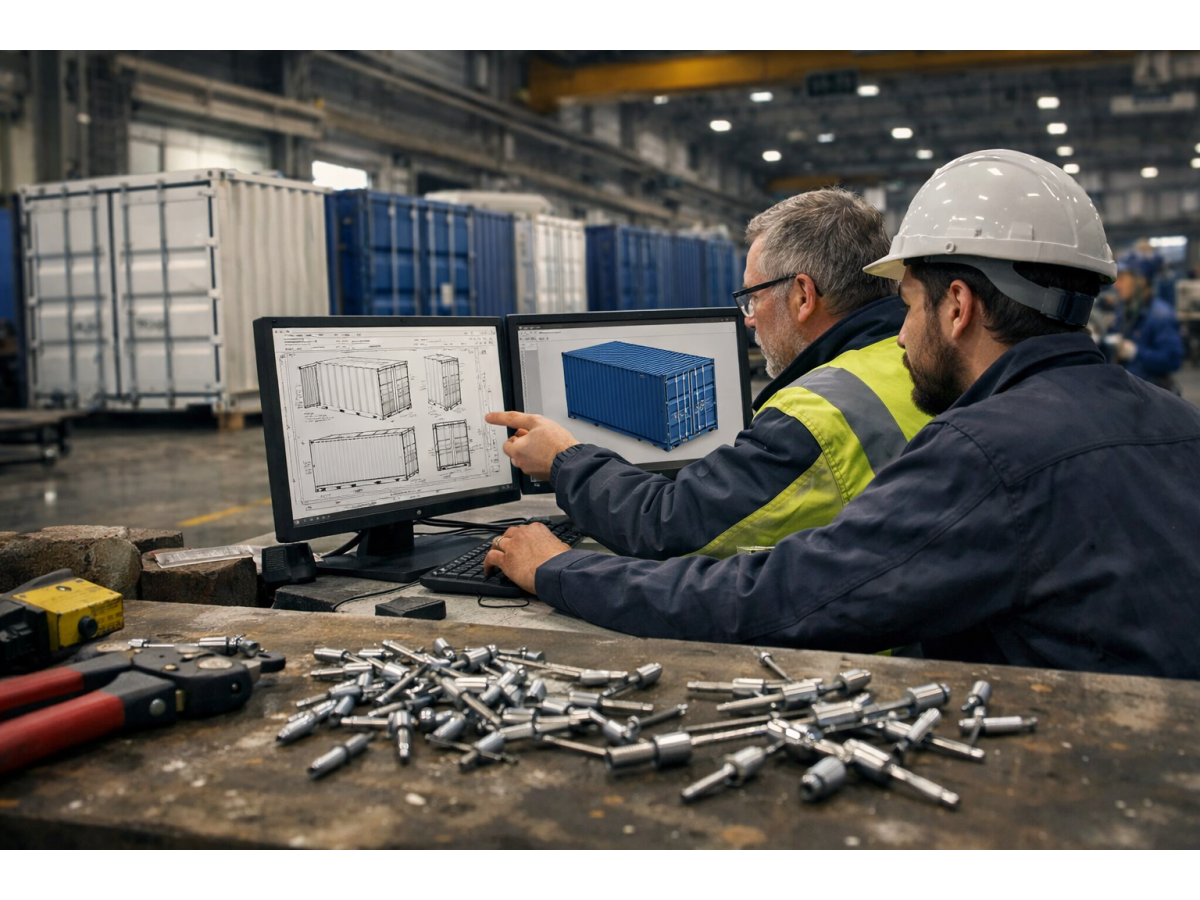
Standard blind rivets may not satisfy every railway manufacturing requirement.
Juxin Fasteners accepts drawing-based inquiries for industrial blind rivets and custom fastening components.
Potential Custom Requirements
Rivet body diameter
Rivet length
Grip range
Head type
Rivet body material
Mandrel material
Surface treatment
Hole requirements
Critical tolerances
Mechanical testing
Packaging
Important Product Qualification
Special structural locking mechanisms, patented geometries and proprietary installation systems must be confirmed individually.
Juxin Fasteners does not claim that every competitor's structural rivet design is available as an interchangeable product.
Total Installed Cost of Blind Riveting
The total cost of a blind-riveted assembly includes more than the fastener price.
Potential Cost Factors
Hole preparation
Rivet cost
Installation equipment
Tool maintenance
Labor
Rivet feeding
Mandrel collection
Inspection
Scrap
Rework
Supplier qualification
Logistics
Commercial Insight
A purchasing decision should consider the cost of producing an approved, reliable assembly rather than focusing exclusively on the unit price of the rivet.
Related Railway Fastening Solutions
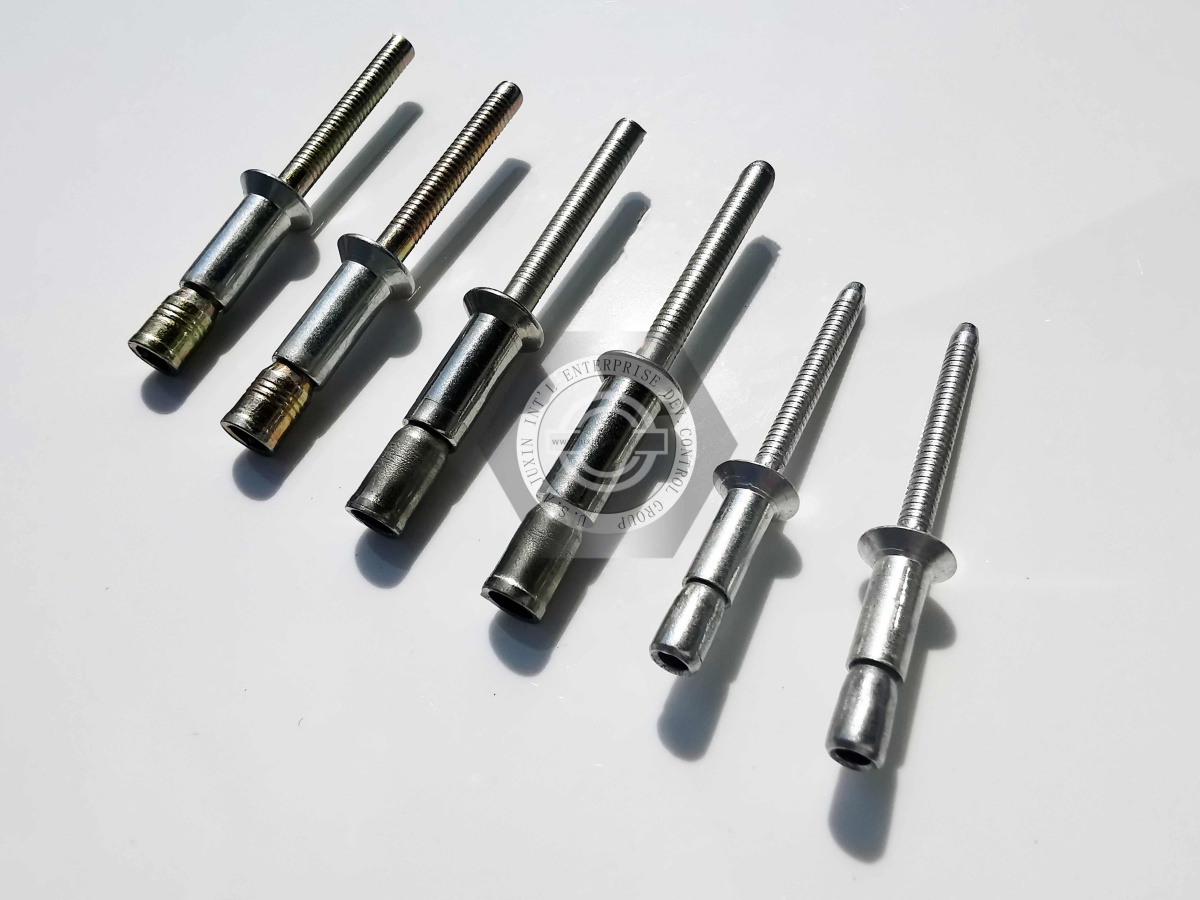
Different railway assemblies may require different fastening methods.
Blind Rivets
Suitable for selected permanent, single-sided mechanical joints.
Blind Rivet Nuts
Provide internal threads for removable screw connections in suitable sheet metal or hollow sections.
Self-Clinching Fasteners
Provide threaded attachment points in compatible sheet-metal designs where the required installation access and material conditions are available.
Weld Studs
May be used where welding is an approved joining method and the substrate and production process are suitable.
Locking Nuts
May provide rotational resistance in selected bolted joints, subject to the complete joint design.
Custom Machined Fasteners
May be considered for applications requiring special dimensions or connection geometries.
Explore Juxin Fasteners' industrial product families:
Juxin Fasteners — Industrial Fastening Solutions
Frequently Asked Questions
What blind rivets are used in railway vehicle manufacturing?
Different open-end, closed-end, multi-grip and structural blind rivets may be considered for suitable assemblies.
Selection depends on the approved joint requirements.
Can blind rivets be used in aluminum railcar panels?
Yes, in suitable applications. Material strength, hole geometry, corrosion and joint loading must be evaluated.
Are blind rivets suitable for railway interior panels?
They may be suitable for selected permanent interior connections, subject to the relevant mechanical, fire safety and maintenance requirements.
Can blind rivets replace welding in rail vehicle structures?
Not automatically. Any replacement of an approved structural weld requires engineering assessment and authorization.
What is the difference between open-end and closed-end blind rivets?
Open-end designs are commonly used for general mechanical joining. Closed-end designs may help restrict leakage through the rivet body,
but complete-joint sealing still requires evaluation.
Are closed-end blind rivets waterproof?
They are not automatically waterproof at the assembly level. Leakage can occur at other interfaces.
What is a multi-grip blind rivet?
A multi-grip rivet accommodates a defined range of assembled material thicknesses.
What makes a blind rivet structural?
Structural blind rivets are engineered for specified mechanical performance.
Some designs incorporate mechanically retained mandrels and other specialized features.
Do blind rivets resist railway vibration?
Properly designed and qualified joints may perform under specified vibration conditions,
but no general blind rivet should be described as universally vibration-proof.
What is ISO 14589 used for?
It provides mechanical test methods for blind rivets within its stated scope.
Does IEC 61373 certify individual blind rivets?
No. It addresses shock and vibration testing of railway equipment within its scope.
Can blind rivets be installed automatically?
Suitable designs can be integrated into automated riveting systems when the feeding, tooling and inspection equipment are compatible.
Are aluminum and stainless steel blind rivets interchangeable?
Not automatically. Their mechanical properties, installation requirements and corrosion behavior can differ.
Can Juxin Fasteners supply custom railway blind rivets?
Juxin Fasteners accepts drawing-based inquiries for blind rivets and custom fastening components.
Product capability and qualification requirements must be confirmed for each project.
OEM RFQ — Blind Rivets for Rail Vehicle Manufacturing
Juxin Fasteners welcomes inquiries from railway rolling stock OEMs, metro vehicle manufacturers,
high-speed train manufacturers, railcar interior suppliers, HVAC equipment manufacturers, electrical enclosure suppliers,
aluminum fabrication companies, mechanical engineers, manufacturing engineers, production managers,
purchasing teams and supplier development specialists.
For technical evaluation and quotation, please provide the following information where applicable.
Rivet Specifications
2D engineering drawing
3D CAD model
Rivet body diameter
Rivet length
Grip range
Head style
Open-end, closed-end, multi-grip or structural design
Rivet body material
Mandrel material
Surface treatment
Critical dimensions and tolerances
Joint Information
Parent material grades
Individual sheet thicknesses
Total stack thickness
Hole diameter
Hole tolerance
Edge distance
Rivet spacing
Blind-side clearance
Joint geometry
Required serviceability
Mechanical and Environmental Requirements
Shear load
Tensile load
Fatigue requirements
Vibration conditions
Corrosion exposure
Temperature range
Sealing requirements
Applicable railway specifications
Installation Requirements
Manual or automated riveting
Installation tool
Nosepiece
Available pulling force
Cycle time
Mandrel collection
Inspection method
Production-line constraints
Quality Requirements
Material documentation
Dimensional inspection
Mechanical test reports
Traceability
Initial sample approval
Change-control requirements
Customer-specific specifications
Commercial Requirements
Prototype quantity
Sample quantity
Initial order quantity
Estimated annual demand
MOQ expectations
Volume pricing
Required delivery schedule
Packaging requirements
Why Work with Juxin Fasteners?
Juxin Fasteners has more than two decades of experience serving international industrial fastener customers.
Our industrial fastening portfolio supports a range of metal assembly and threaded fastening requirements.
For railway-related projects, we welcome technical inquiries involving blind rivets, rivet nuts and drawing-based custom fastening components.
Our Commercial Approach
Review customer drawings and specifications
Confirm product type and material
Evaluate dimensional requirements
Discuss installation and inspection needs
Confirm available product configurations
Prepare quotations based on actual quantities and project requirements
Product-specific mechanical performance, test documentation, lead time and supply capability must be confirmed during the RFQ process.
Important Qualification Statement
Railway structural or safety-critical applications require the responsible manufacturer's engineering approval.
Juxin Fasteners does not claim that its entire industrial fastener range has been independently certified for every railway application.
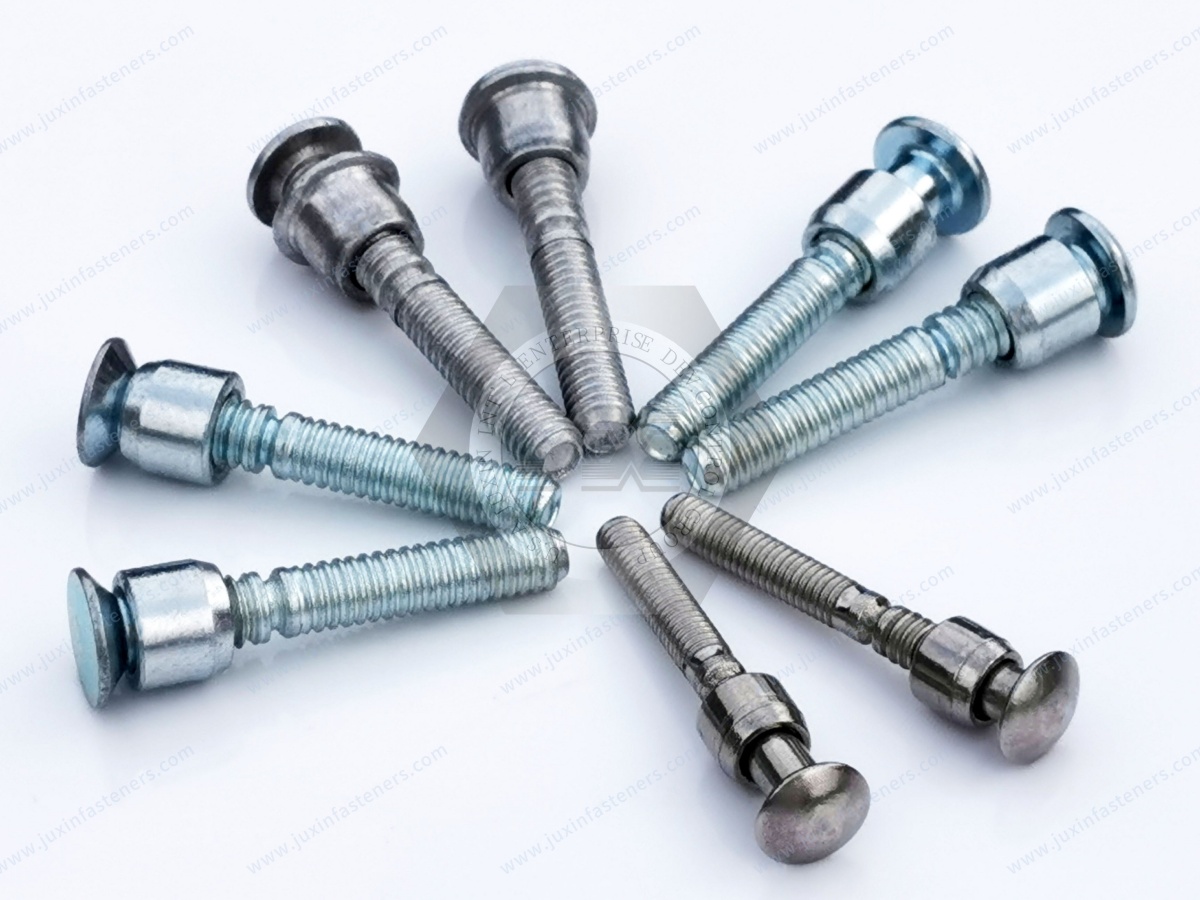
Looking for Blind Rivets for Rail Vehicle Manufacturing?
Juxin Fasteners supplies industrial fastening products and accepts drawing-based inquiries for suitable railway and transportation equipment applications.
Whether your project involves lightweight aluminum panels, passenger vehicle interiors,
HVAC equipment, electrical enclosures or auxiliary sheet-metal components, our team can review your fastening requirements and purchasing specifications.
Send us your drawings, material specifications, required performance, installation conditions and estimated order quantities.
Company: Juxin Fasteners
Website: https://www.juxinfasteners.com/
Email: info@juxinfasteners.com
Request an OEM quotation, sample evaluation or technical product review for your next rail vehicle manufacturing project.
Reliable railway fastening begins with the correct joint design, suitable rivet geometry, material compatibility,
controlled installation and application-specific validation.
Contact Us
Tel.:
+86 020 8621 0320
+86 020 3121 6067
E-mail:
Technical Support:
Navigation
SEND INQUIREY



