
Call Us
+86 136 6007 9809
Call Us
+86 136 6007 9809

Aug. 11, 2026
Grade 10.9 vs Grade 10.9S Bolts: Engineering Differences, Standards, and Correct Selection for Structural Applications
In high-strength fastening systems, selecting the correct bolt grade is critical for structural safety and compliance. Among commonly used fasteners,
Grade 10.9 bolts and Grade 10.9S bolts are often misunderstood because they share identical strength classes but differ significantly in application,
installation system, and engineering standards.
1. Fundamental Difference: General Fastener vs Structural System Bolt
Although both Grade 10.9 and Grade 10.9S bolts have the same mechanical strength level (1000 MPa tensile strength / 900 MPa yield strength),
they are designed for different engineering purposes:
Grade 10.9 bolts → General high-strength fasteners for machinery and engineering assemblies
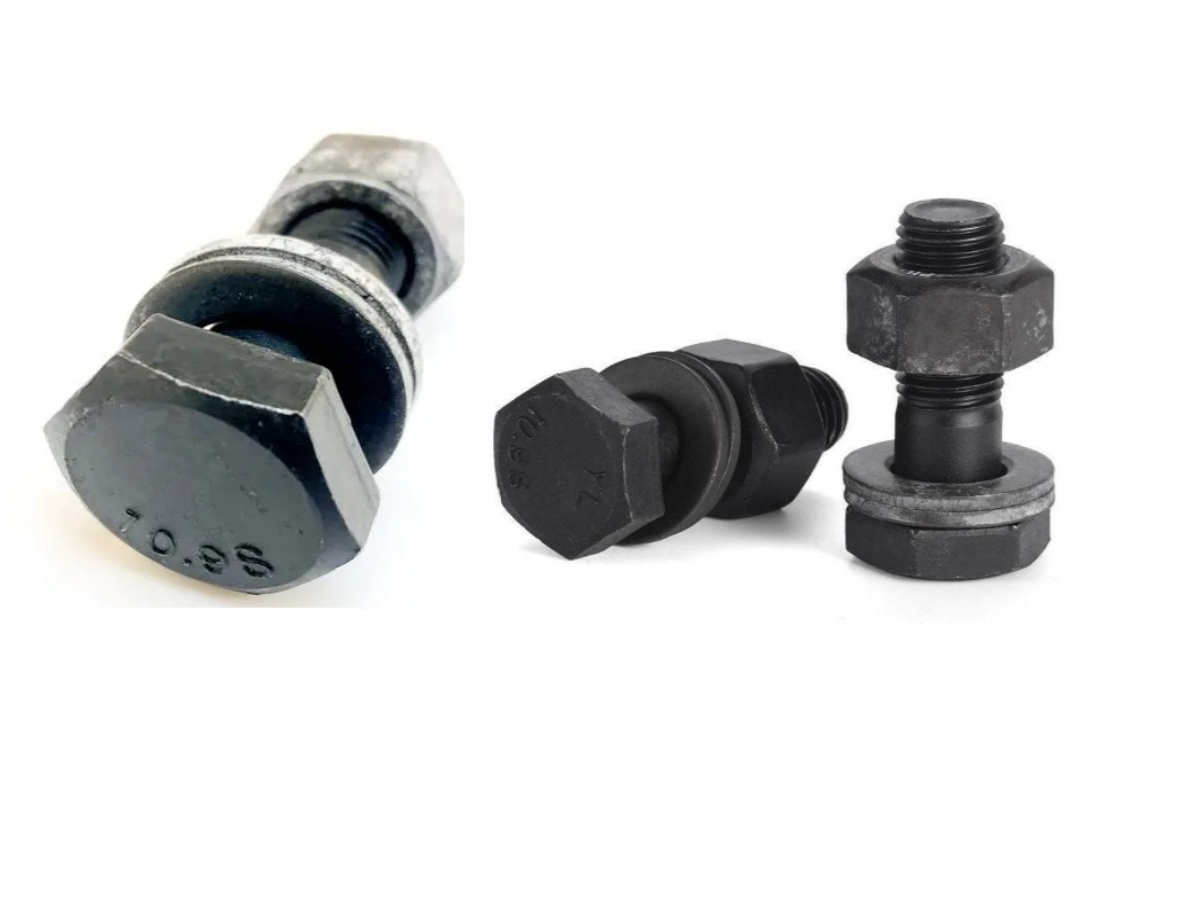
Grade 10.9S bolts → High-strength structural bolts for steel construction friction-type joints
The “S” indicates Steel Structure use, meaning it is intended exclusively for structural applications requiring controlled preload systems.
2. International Standards Mapping (ISO / DIN System)
Grade 10.9 Bolts (General High-Strength Bolts)
Mechanical property standard: ISO 898-1
Typical dimensional standards:
ISO 4014 (hex head bolts, partially threaded)
ISO 4017 (hex head bolts, fully threaded)
DIN 933 / DIN 931 (equivalent legacy DIN standards)
Application scope:
Machinery assemblies
Industrial equipment
General engineering structures
Grade 10.9S Structural Bolts (Steel Structure Bolting System)
Structural system reference:
ISO 7411 / ISO 7412 / ISO 7413 (high-strength structural bolting assemblies)
DIN EN ISO structural bolting equivalents used in European engineering practice
System requirement:
Bolt + nut + washer as a matched assembly system
Application:
Steel structure friction-type joints
Bridges and civil steel construction
Heavy industrial structural frames
3. Mechanical Properties: Same Strength, Different Quality Control Level
Both grades share identical nominal strength:
Tensile strength: 1000MPa
Yield strength: 900 MPa
However, Grade 10.9S bolts require stricter metallurgical and performance control, including:
Higher impact toughness requirements (≥ 47J at room temperature typical engineering requirement)
Controlled hardness range
Reduced variation in mechanical properties
Alloy steel materials suchas:
20MnTiB
35VB
42CrMo
These materials are commonly referenced in DIN/ISO engineering practice for high-strength structural fasteners.
4. Structural Design Differences
Grade 10.9 Hex Bolts
Standard ISO/DIN hex head geometry
Head standards:
ISO 4014 / ISO 4017
DIN 931 / DIN 933 equivalents
Surface finishes:
Zinc plating (ISO 4042 system)
Black oxide
Phosphating
Applications:
Machinery
Automotive
General industrial fastening
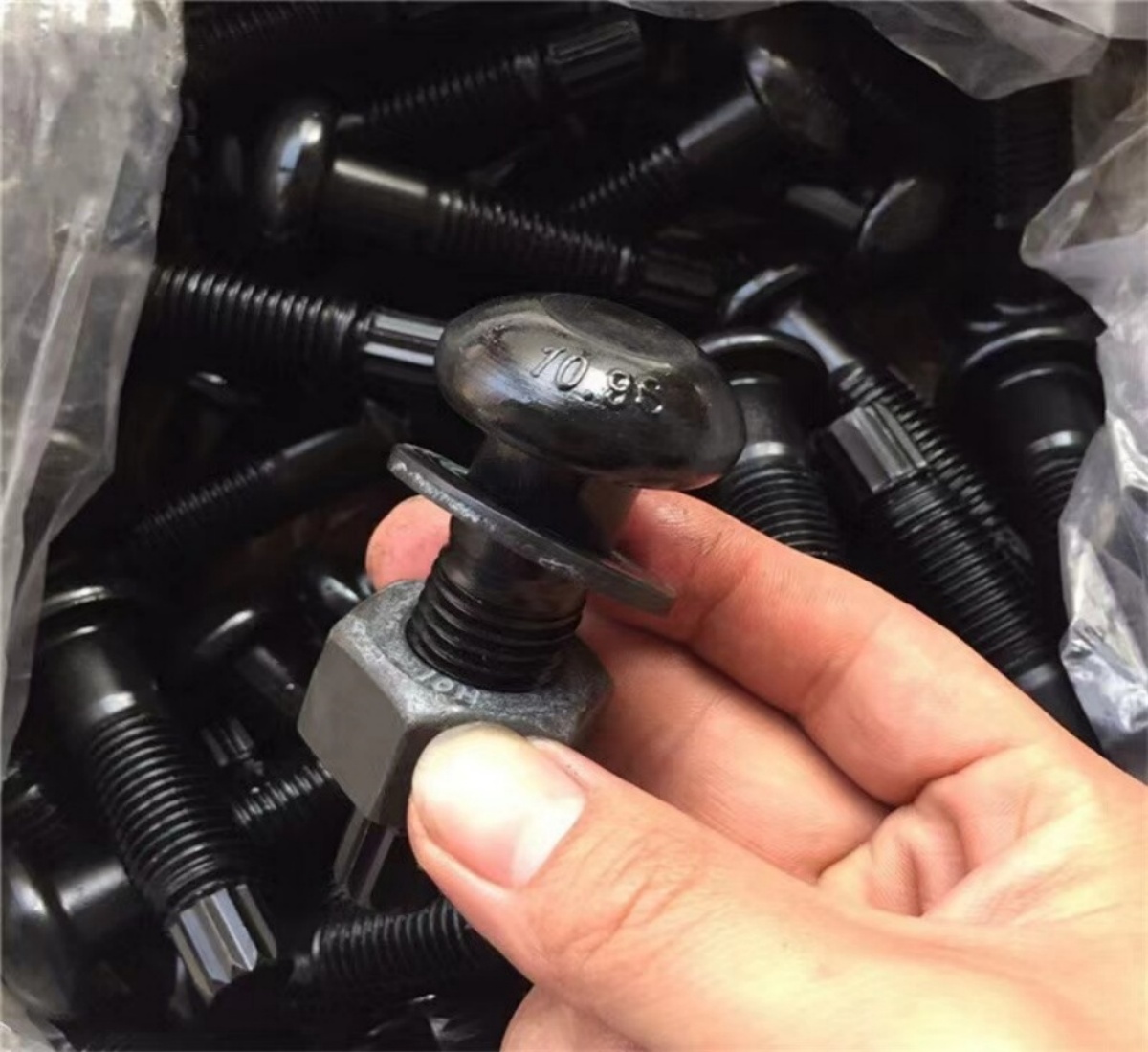
Grade 10.9S Structural Bolts (TC Bolts)
Large hex head designed for structural preload systems
Spline or shear-end (TC bolt design)
Controlled fracture groove for installation verification
Optimized thread length for preload consistency
Surface treatment requirement:
Phosphate + oil coating only
(to stabilize friction coefficient / k-factor control)
This ensures consistent preload performance in steel structure joints.
5. Installation Method Differences
Grade 10.9 Bolts (Torque-Control Installation)
Installed using standard torque wrench
Preload achieved via torque application
Based on ISO torque tightening principles
Operator experience influences final preload accuracy
Grade 10.9S Bolts (Tension Control System)
Installed using TC electric wrench
Dual socket system:
Nut side tightening
Spline-side reaction control
Installation steps:
Initial tightening (approx. 50% preload)
Secondary tightening alignment
Final tightening until spline shears off
This provides:
Visual confirmation of correct installation
Controlled and repeatable preload
High efficiency in large steel projects
6. Application Fields
Grade 10.9 Bolts
Industrial machinery
Equipment assembly
Automotive systems
General engineering structures
Advantages:
Flexible application range
Multiple surface treatment options
Lower installation complexity
Grade 10.9S Structural Bolts
Steel building structures
Bridges
Wind towers
Heavy industrial steel frames
Railway structural systems
Advantages:
High reliability under vibration and dynamic loads
Standardized preload control
Mandatory assembly system design
Clear installation verification method
7. Inspection and Quality Requirements
Grade 10.9 (ISO Fasteners)
ISO 898-1 mechanical testing
Dimensional inspection based on ISO/DIN standards
Optional coating verification depending on application
Grade 10.9S (Structural Assembly System)
Requires system-level control based on ISO/DIN structural fastening practice:
Friction coefficient (k-factor) testing
Preload verification testing
Batch consistency control
Assembly system traceability
Strict variation control of torque/preload behavior
8. Engineering Summary
Although Grade 10.9 and Grade 10.9S bolts share identical mechanical strength, they differ in engineering system design:
10.9 = ISO general-purpose high-strength bolt (machinery & equipment use)
10.9S = Structural bolting system (DIN/ISO structural preload application)
Selection Rule:
Machinery / equipment / general use → Grade 10.9 (ISO 4014 / ISO 4017)
Steel structure friction joints → Grade 10.9S structural bolt system
Incorrect substitution may cause:
Preload failure
Joint slippage
Structural inspection rejection
Non-compliance with engineering requirements
9. Engineering Fastener Supply
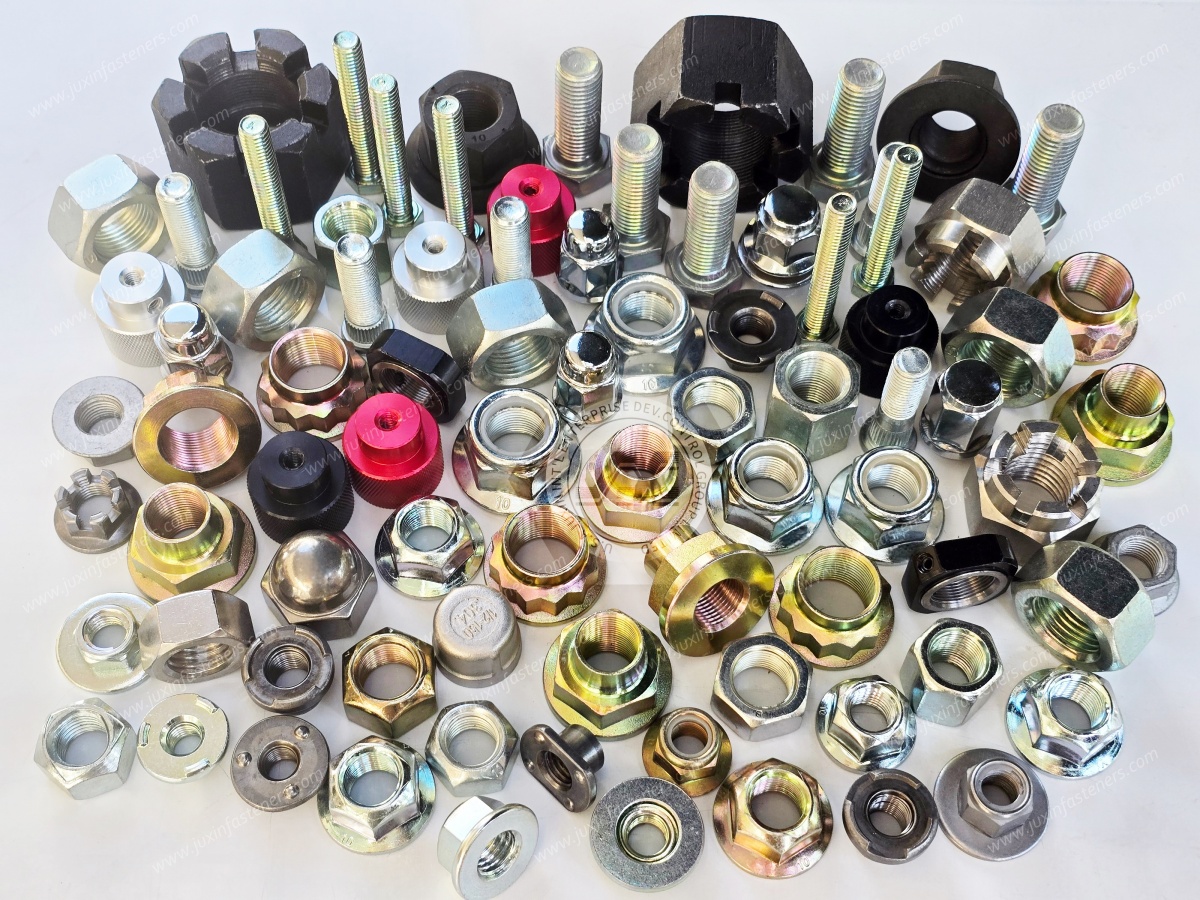
Juxin Fasteners supplies ISO/DIN-compliant high-strength fastening systems for global engineering applications, including:
ISO 898-1 Grade 10.9 bolts
ISO/DIN structural bolting systems (10.9S TC bolts)
High-strength nuts and washers
OEM customized fastening solutions
Visit:
Juxin Fasteners
Conclusion
The difference between Grade 10.9 and Grade 10.9S bolts is not strength—it is engineering system design and application standard.
Grade 10.9 → ISO general-purpose high-strength bolt
Grade 10.9S → ISO/DIN structural bolting system for steel construction
Correct selection ensures:
Structural safety compliance
Reliable preload performance
Proper installation control
Long-term connection stability
In structural engineering, choosing the correct fastening system is a safety decision, not just a procurement choice.
 MORE NEWS
Sep. 27, 2026
Sep. 27, 2026
Sep. 27, 2026
Contact Us
Tel.:
+86 020 8621 0320
+86 020 3121 6067
E-mail:
Technical Support:
Navigation
SEND INQUIREY