
Call Us
+86 136 6007 9809
Call Us
+86 136 6007 9809

Jul. 06, 2023
Industrial machinery, automotive chassis systems, structural equipment, marine applications, and heavy-duty assemblies all depend on reliable bolted joints.
In these applications, the bolt and nut are not simply commodity components.
Their strength class, material, thread geometry, surface treatment, preload behavior, installation conditions,
and compatibility with the mating materials can directly influence joint reliability, assembly performance, maintenance requirements, and service life.
JUXIN FASTENERS provides high-strength bolts, nuts, custom threaded fasteners, and precision fastener components for industrial and automotive applications.
With more than 20 years of fastener manufacturing experience, we support customers with application-oriented product selection, custom manufacturing, technical documentation, and RFQ development.
This guide is designed for mechanical engineers, structural engineers, design engineers, automotive engineers, procurement teams, sourcing managers,
supplier development teams, and supply chain managers who need to evaluate high-strength industrial bolts and nuts for demanding applications.
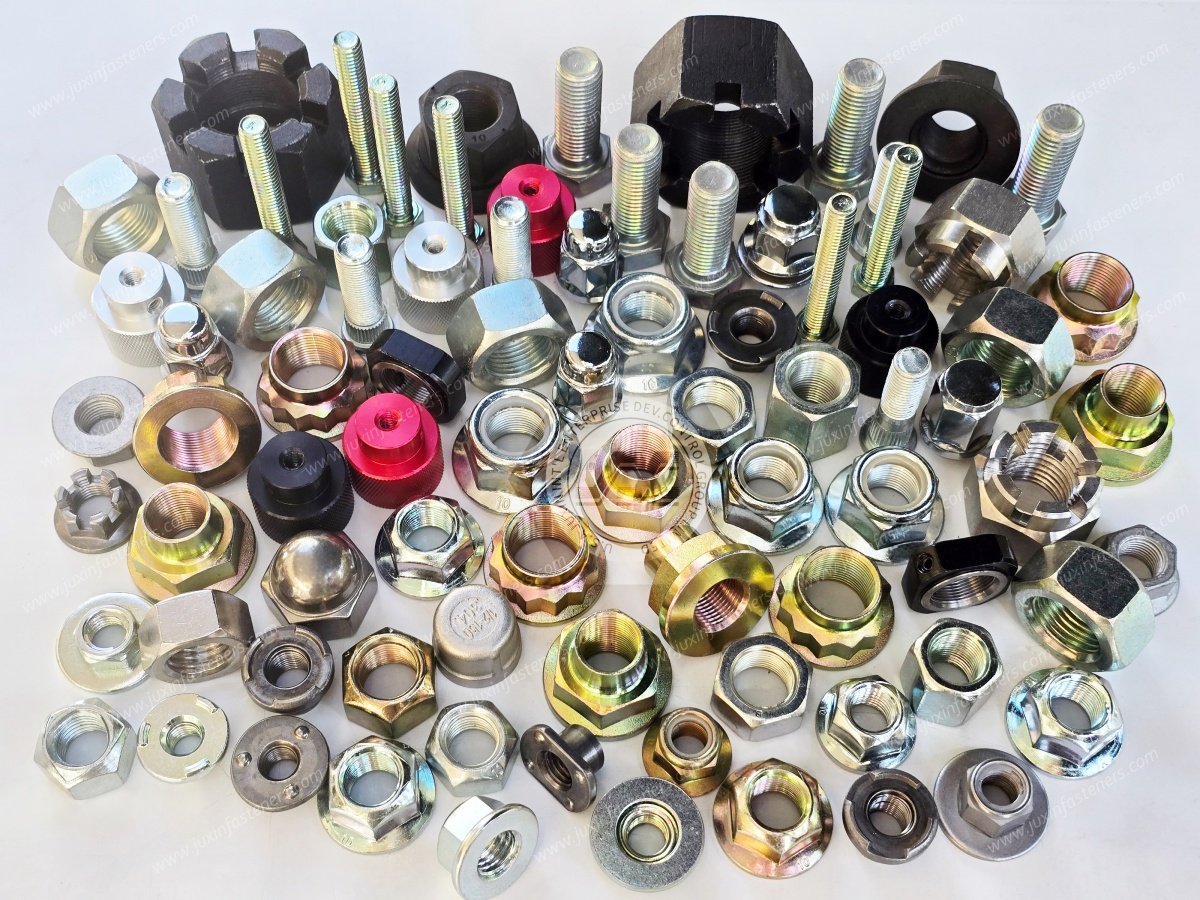
A reliable bolted joint requires more than selecting a bolt with a high tensile strength.
Joint performance depends on the relationship between the fastener, the clamped materials, the applied load, the installation process, and the operating environment.
Common engineering challenges include:
Maintaining adequate clamp load under cyclic loading
Controlling preload variation during assembly
Preventing joint relaxation and loss of clamping force
Selecting an appropriate bolt and nut property class
Managing corrosion in aggressive environments
Preventing thread galling in stainless steel assemblies
Controlling friction and installation torque
Maintaining thread engagement and dimensional compatibility
Avoiding galvanic corrosion between dissimilar materials
Establishing traceability for production fasteners
Balancing strength, corrosion resistance, cost, and manufacturability
The correct fastener solution therefore begins with the complete joint application rather than the bolt diameter alone.
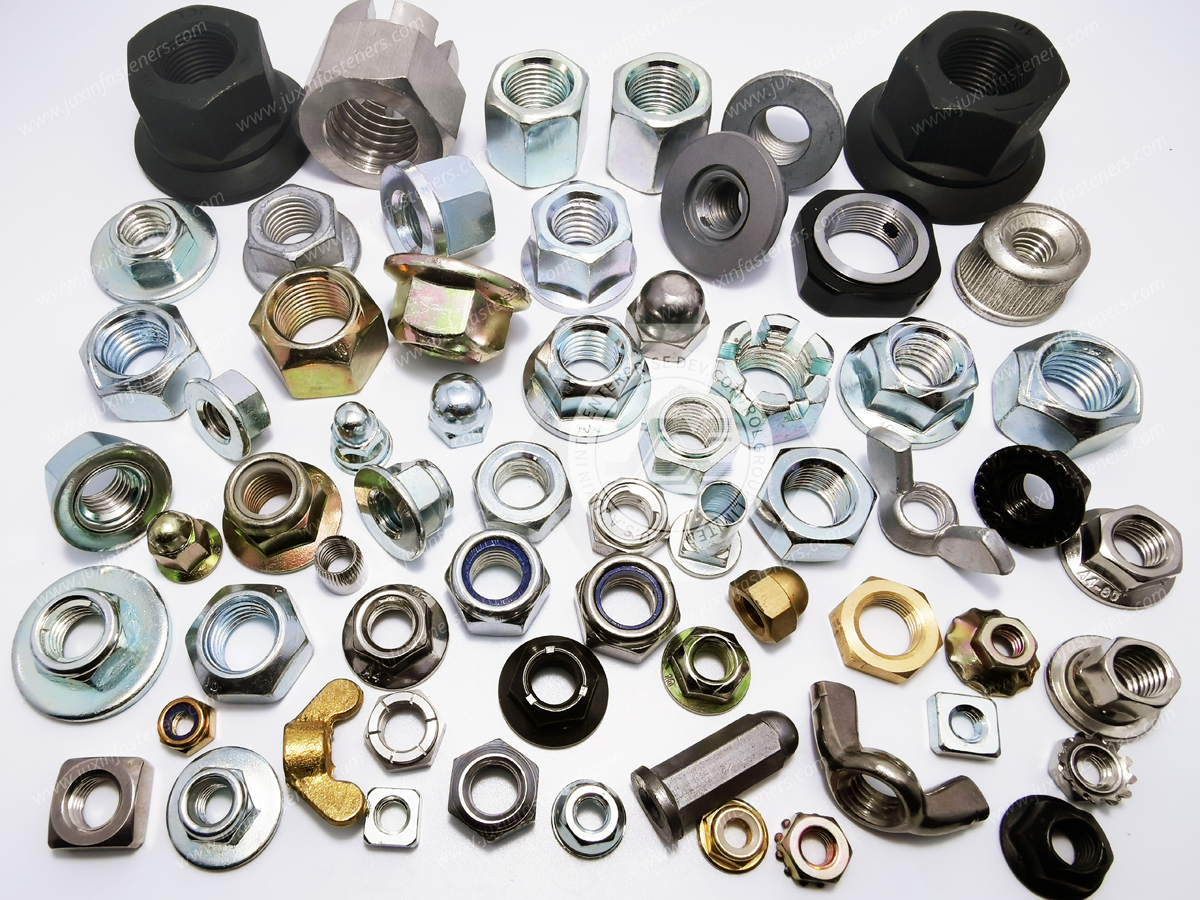
Heavy industrial machinery, power equipment, gearboxes, construction equipment, and other vibration-intensive assemblies can experience fluctuating tensile and shear loads.
If the initial clamp load is insufficient, the joint may experience separation, slip, fretting, or increased load variation on the fastener.
If installation conditions create excessive or inconsistent preload, the fastener or mating component may also be overstressed.
For applications requiring high mechanical strength, engineers may specify alloy or carbon steel fasteners according to internationally recognized property-class or material requirements.
Common ISO property classes include:
8.8
10.9
12.9
For metric fasteners, ISO 898-1 provides mechanical and physical property requirements for carbon steel and alloy steel bolts, screws and studs, while corresponding nut requirements are covered by ISO 898-2.
The appropriate property class should be selected according to the complete joint design, not simply because a higher class provides higher nominal strength.
For example, moving from an 8.8 fastener to a 10.9 or 12.9 fastener may change the required tightening conditions and can expose weaknesses in the clamped components, threads, washers, or joint design.
Thread geometry is an important part of fastener performance because the thread root creates localized stress concentrations.
For demanding applications, engineers should evaluate:
Thread size and pitch
Thread tolerance
Engagement length
Thread form
Surface condition
Material strength
Installation method
Lubrication or coating condition
Where rolling, heat treatment, coating, and other manufacturing processes are specified, the complete process route should be controlled according to the applicable product and customer requirements.
Fastener fatigue performance should always be evaluated as part of the complete joint system rather than assuming that a higher-strength bolt automatically provides better fatigue performance.
One of the most important practical considerations in bolted-joint engineering is that installation torque is not the same as bolt preload.
A simplified relationship often used for preliminary engineering evaluation is:
T = K × F × d
Where:
T = tightening torque
K = torque coefficient representing friction-related effects
F = target preload
d = nominal bolt diameter
The actual relationship can vary significantly with thread friction, bearing-surface friction, lubrication, coatings, surface finish, installation speed, and assembly conditions.
This means that specifying a torque value without considering the friction condition can result in substantial variation in actual clamp load.
For automotive and industrial production, the fastening specification should therefore consider the complete installation system, including:
Bolt and nut material
Surface treatment
Lubrication
Thread condition
Washer configuration
Assembly tooling
Tightening strategy
Required clamp load
Joint stiffness
Production variation
This is an important distinction for both design engineers and procurement teams: changing the fastener finish or lubrication condition can change assembly
friction and therefore affect the relationship between torque and preload.
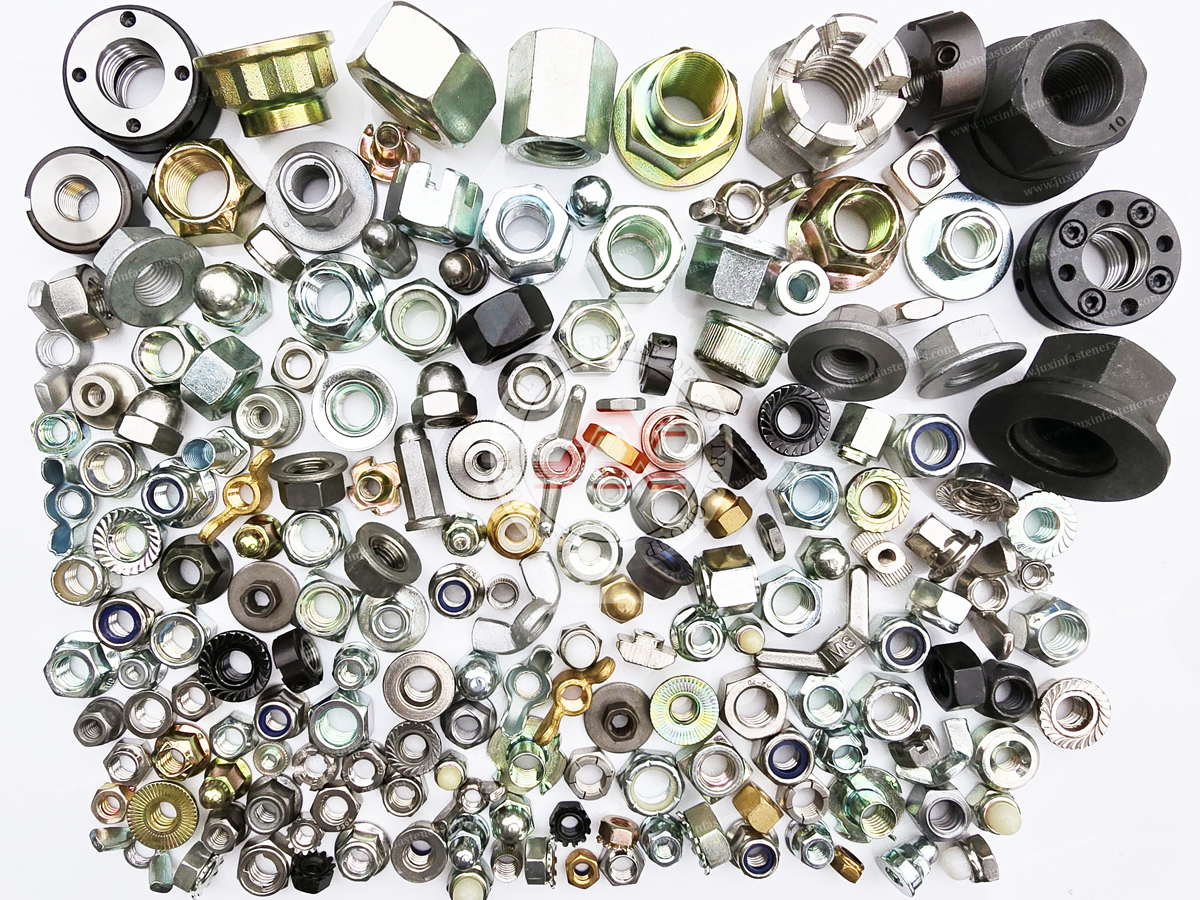
Marine equipment, offshore structures, chemical-processing equipment, outdoor machinery, and other exposed systems can subject fasteners to moisture,
chlorides, temperature variation, and chemically aggressive environments.
Fastener selection should therefore consider both corrosion resistance and compatibility with the surrounding materials.
Austenitic stainless steel fasteners such as A2 and A4 grades are widely considered for corrosion-sensitive applications.
Depending on the required material specification, commonly referenced stainless fastener standards include the ISO 3506 series.
For more demanding chloride or marine environments, engineers may evaluate higher-alloy stainless materials or other corrosion-resistant alloys according to the application.
Material selection should consider:
Chloride exposure
Temperature
Chemical environment
Mechanical loading
Installation conditions
Contact with dissimilar metals
Required service life
Maintenance conditions
Corrosion resistance should never be evaluated independently from mechanical requirements.
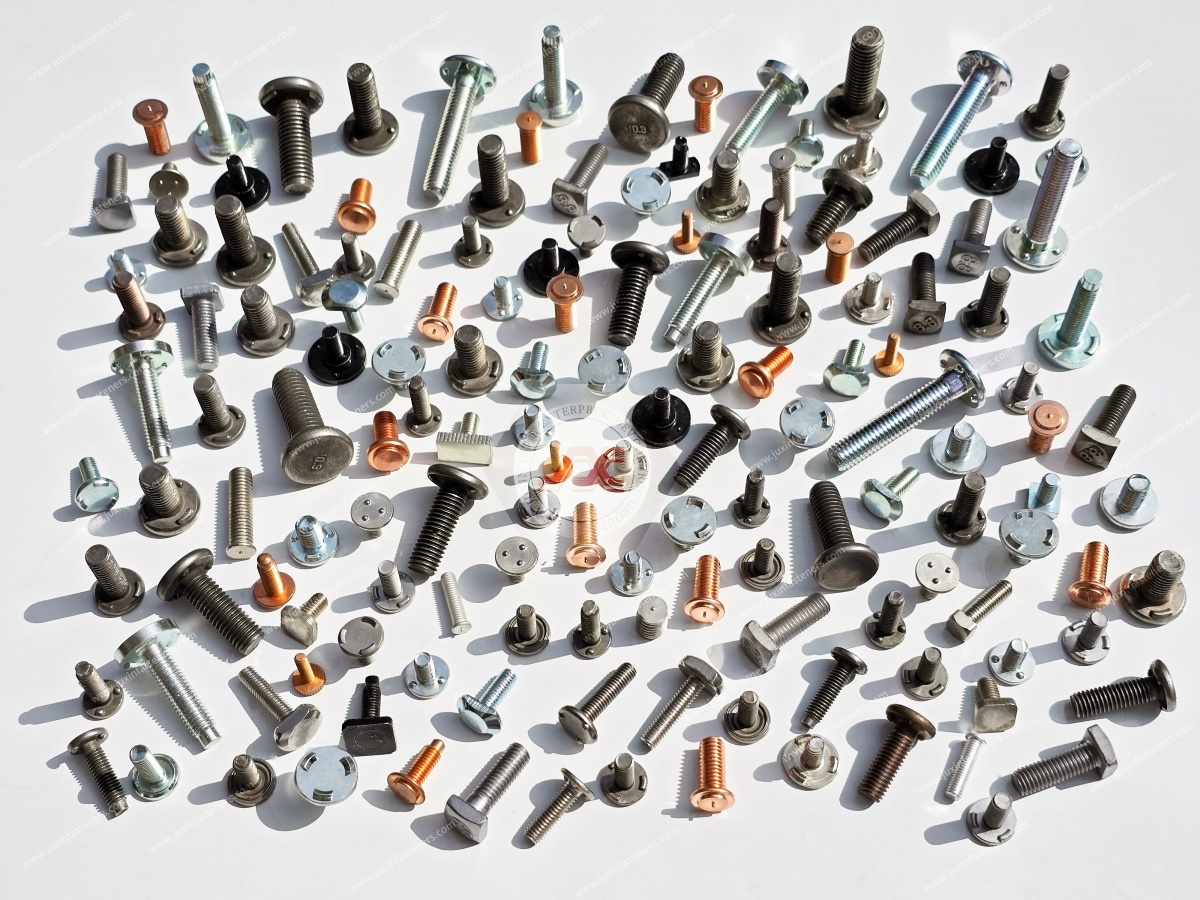
For carbon and alloy steel fasteners, surface treatments can provide additional corrosion protection while maintaining the mechanical advantages of steel fasteners.
Zinc-flake coating systems are covered by ISO 10683, subject to the specific coating system and applicable requirements.
Zinc-nickel and other zinc-based finishes may also be considered for automotive and industrial applications where a combination of corrosion resistance, appearance, and functional performance is required.
Actual corrosion performance depends on the complete coating system, substrate, thickness, processing conditions, geometry, test method, and application environment.
For this reason, blanket statements such as a fixed number of salt-spray hours should not replace application-specific coating specifications and validation.
| Fastener Category | Common Standards / References | Typical Material Options | Key Applications |
|---|---|---|---|
| High-Strength Hex Head Bolts & Nuts | ISO 4014, ISO 4017, ISO 4032; applicable DIN specifications | Carbon Steel, Alloy Steel | Industrial machinery, gearboxes, equipment frames, mechanical assemblies |
| Structural Assembly Fasteners | Applicable ASTM / ASME structural fastener requirements | High-Strength Carbon and Alloy Steels | Structural equipment, construction assemblies, heavy machinery |
| Corrosion-Resistant Stainless Fasteners | ISO 3506 series; applicable dimensional standards | Stainless Steel such as A2/A4 grades | Marine equipment, outdoor machinery, industrial equipment |
| Automotive Chassis & Suspension Fasteners | Applicable ISO, SAE, DIN and customer specifications | Carbon / Alloy Steel | Chassis, suspension, brackets, mounts and mechanical assemblies |
| Custom Industrial Bolts | Customer drawing and applicable international standards | Carbon Steel, Alloy Steel, Stainless Steel and other specified materials | OEM machinery, equipment and custom assemblies |
| Custom Nuts and Threaded Components | Customer drawing and applicable dimensional/material standards | Steel, Stainless Steel and other specified materials | Automotive, machinery, electrical equipment and industrial assemblies |
The exact material, property class, dimensional standard, coating, tolerance, and inspection requirements should be established from the customer's drawing or technical specification.
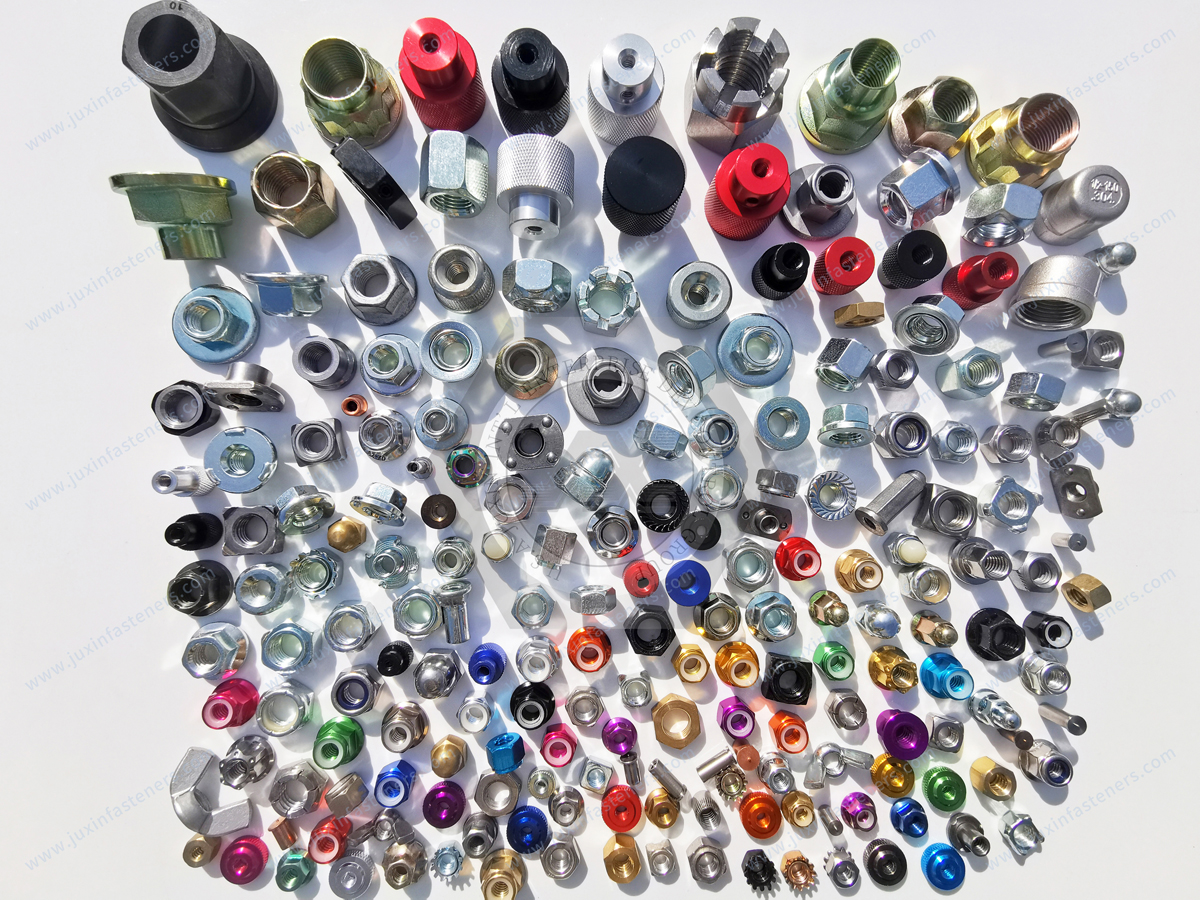
Automotive applications place particularly demanding requirements on fastening systems because vehicles experience vibration, thermal cycling, repeated loading, assembly variation, and space constraints.
JUXIN FASTENERS can support sourcing and custom manufacturing requirements for automotive threaded components such as:
High-strength automotive bolts
Chassis bolts
Suspension bolts
Bracket bolts
Engine and transmission fasteners
Mounting bolts
Custom nuts
Weld nuts
Weld studs
Custom screws and threaded components
CNC-machined fastening components
For automotive applications, the fastener specification should be evaluated together with the joint design, mating materials, assembly method, and applicable customer or vehicle requirements.
Chassis and suspension assemblies can experience combinations of tensile, shear, vibration, impact, and cyclic loading.
Fastener selection should therefore consider:
Required mechanical property class
Bolt diameter and effective stress area
Thread engagement
Joint stiffness
Required clamp load
Surface treatment
Friction condition
Assembly tooling
Corrosion environment
Validation requirements
A high-strength bolt alone does not guarantee a high-strength joint.
The threads in the mating component, bracket thickness, hole geometry, joint stiffness, washer arrangement, and installation process can all become limiting factors.
A common sourcing mistake is to begin an RFQ with only:
“M10 high-strength bolt, quantity 20,000 pcs.”
That description may be insufficient for production sourcing.
A more useful engineering and procurement specification should identify as many of the following as possible:
Nominal diameter
Thread pitch
Thread length
Overall length
Head style
Drive configuration
Property class or material grade
Nut type
Surface treatment
Coating requirements
Friction or torque requirements
Dimensional tolerances
Special geometry
Packaging requirements
Inspection requirements
Required documentation
Annual or forecast quantity
Initial order quantity
Application environment
This information reduces quotation ambiguity and helps suppliers evaluate manufacturability before pricing.
A common engineering assumption is that the strongest available fastener should always be selected.
That is not necessarily correct.
Fastener selection must balance:
Strength + Joint Design + Environment + Assembly + Manufacturability + Cost
A higher property class may require different tightening conditions and may increase the mechanical demands placed on the mating threads or components.
The correct question is therefore not:
“What is the strongest bolt available?”
It is:
“What fastener specification provides the required joint performance for this application?”
This distinction is particularly important for OEM engineering and supplier-development teams.
Stainless steel fasteners can be susceptible to thread galling, particularly when mating stainless components are assembled under high pressure, high friction, or repeated/high-speed installation conditions.
Galling can become more likely when:
Similar stainless materials are mated
Thread surfaces are rough or damaged
Installation speed is high
Contact pressure is high
Lubrication is inadequate
The assembly process generates excessive frictional heat
Potential engineering approaches include:
Selecting a suitable material combination
Controlling thread surface condition
Using an appropriate lubricant where permitted
Applying a suitable functional coating
Controlling installation speed
Evaluating torque and preload together
Validating the complete nut-and-bolt combination
JUXIN FASTENERS can evaluate specified stainless steel bolts, nuts, threaded components, and surface-treatment requirements according to the customer's application and technical specification.
The appropriate anti-galling solution should be selected for the actual material combination and assembly process rather than applied as a universal coating recommendation.
Thread pitch can influence installation, engagement, adjustment, stripping resistance, and joint behavior.
Fine-pitch threads may be considered when the application requires:
More adjustment per unit rotation
Greater thread engagement per unit length
Specific dimensional packaging
Certain preload or assembly characteristics
Compatibility with an existing fine-thread design
Coarse threads may be advantageous in applications requiring:
Faster assembly
Better tolerance to contamination or minor damage
General-purpose industrial fastening
Practical assembly and maintenance
The correct choice depends on the complete joint design.
For inch-based applications, engineers may evaluate UN/UNF thread systems according to the applicable ASME/ANSI requirements.
For metric applications, ISO metric coarse and fine thread systems may be specified according to the relevant ISO standards.
Bolted flange assemblies require careful control of bolt load because uneven or inadequate clamping can contribute to gasket seating problems, joint leakage, or uneven load distribution.
For pressure-containing systems, fastener selection should be based on the applicable equipment, piping, flange, gasket, pressure, temperature, and regulatory requirements.
Engineering evaluation may include:
Bolt material
Bolt size and quantity
Thread type
Required preload
Flange stiffness
Gasket characteristics
Operating temperature
Internal pressure
Corrosion environment
Tightening sequence
Installation tooling
Fine-pitch threads may be suitable for specific applications, but thread selection should be based on the applicable engineering specification rather than assumed to be universally superior.
For critical pressure applications, the complete flange and joint design should be validated by the responsible engineering organization.
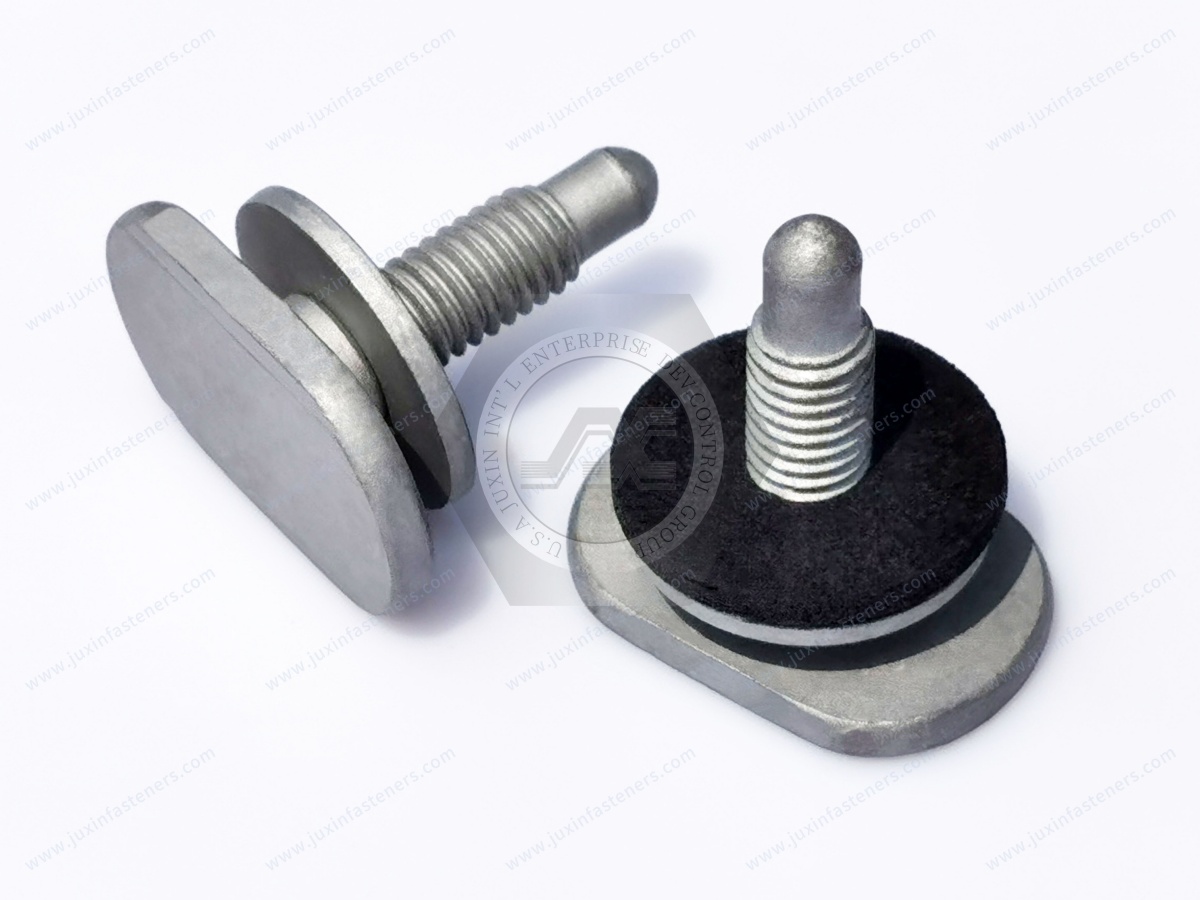
Many OEM applications cannot be solved by selecting a standard catalog bolt.
Custom fasteners may be required when the application involves:
Non-standard dimensions
Special head geometry
Custom thread lengths
Special under-head configurations
Specific coatings
Special material requirements
Controlled friction characteristics
Assembly-space limitations
Integration with brackets or stamped components
Automotive-specific packaging constraints
JUXIN FASTENERS supports custom bolt, nut, screw, and threaded-component sourcing based on customer drawings and specifications.
For a custom RFQ, a 2D drawing, 3D model, sample, or detailed technical specification can provide the most useful starting point.
A successful industrial fastener program requires both engineering confidence and supply-chain control.
Engineering teams typically need to establish:
Fastener material
Property class
Dimensional standard
Thread specification
Joint configuration
Required clamp load
Surface treatment
Corrosion environment
Installation method
Inspection and validation requirements
JUXIN FASTENERS can review customer drawings and specifications to determine the appropriate manufacturing and sourcing route for the requested fastener.
Where customer documentation requires specific material or inspection records, the documentation package can be defined during the RFQ process.
Procurement teams generally need to evaluate more than unit price.
A production fastener supplier should be assessed against:
Product consistency
Drawing revision control
Material traceability
Surface-treatment traceability
Dimensional inspection requirements
Certificate requirements
Packaging and labeling
Lot identification
Change-control expectations
Production capacity
Communication and technical support
Long-term supply stability
This is particularly important when the same fastener is used across multiple production programs.
Supplier qualification should connect technical requirements with commercial execution.
A practical supplier-evaluation process can include:
Drawing and specification review
Material and property-class confirmation
Manufacturing process evaluation
Surface-treatment review
Sample or prototype evaluation where required
Dimensional and mechanical inspection
Documentation review
Production approval
Ongoing quality monitoring
Engineering-change control
This approach helps prevent a common sourcing problem: selecting a supplier based only on the lowest initial quotation and discovering later that the supplier cannot consistently maintain the complete specification.
For OEM and industrial supply programs, documentation requirements should be agreed according to the application and customer specification.
Potential documentation may include:
Certificate of Conformance (CoC)
Material certificates where specified
Dimensional inspection reports
Mechanical test reports where required
Surface-treatment documentation
Lot traceability information
Packaging and labeling records
Customer-specific quality documentation
Material certificates such as EN 10204 documentation may be requested for applicable materials and supply programs, with the required certificate type established by the customer specification.
Mechanical testing and verification should be performed according to the applicable product standard and agreed inspection plan.
Standards such as ISO 6892 for tensile testing and ISO 6506 / ISO 6508 for hardness testing may be relevant depending on the material and fastener specification.
For environmental requirements, customers may also specify regulatory and material-data requirements such as:
RoHS
REACH
Customer-specific restricted-substance requirements
Material declaration requirements
Conflict-minerals-related supply-chain information where applicable
These requirements should be evaluated against the actual material, coating, manufacturing process, and destination-market requirements rather than treated as generic certifications for every fastener.
Surface treatment is not simply a cosmetic decision.
The selected finish can influence:
Corrosion resistance
Friction
Torque-preload relationship
Thread behavior
Appearance
Electrical contact behavior
Compatibility with mating materials
Assembly performance
Common industrial and automotive options may include:
Zinc-based finishes
Zinc-nickel finishes
Zinc-flake coating systems
Black finishes
Stainless steel without additional coating
Other customer-specified surface treatments
The coating should be selected according to the required corrosion environment, mechanical property class, assembly process, friction requirements, and customer specification.
For high-strength steel fasteners, coating and post-treatment processes should also be evaluated with regard to hydrogen-embrittlement risk and the applicable coating specification.
High-strength bolts, nuts, custom screws, and threaded components can be used across a wide range of industrial applications, including:
Chassis assemblies
Suspension systems
Brackets
Engine and transmission systems
Body structures
Seating systems
Exhaust-related assemblies
EV structural and mechanical components
Gearboxes
Machine frames
Mechanical equipment
Automation systems
Robotics
Heavy equipment
Industrial assemblies
Equipment frames
Cabinets
Electrical assemblies
Power equipment
Transformer-related mechanical assemblies
Industrial support structures
Marine machinery
Outdoor equipment
Corrosion-sensitive assemblies
Equipment exposed to moisture and environmental conditions
Heavy equipment
Structural assemblies
Machinery frames
Material-handling equipment
Industrial infrastructure components
The correct fastener specification depends on the actual application, load conditions, environment, materials, and applicable engineering requirements.
For procurement teams, the quality of the RFQ directly affects the quality of supplier quotations.
A practical industrial bolt and nut RFQ should include:
1. Drawing or sample
Provide the latest 2D drawing, 3D model, or physical sample where available.
2. Material
Specify the required material or allow the supplier to propose an appropriate material for engineering review.
3. Strength requirement
Identify the required property class, mechanical grade, or performance requirement.
4. Dimensions
Include diameter, length, pitch, thread length, head dimensions, tolerances, and special features.
5. Surface treatment
Specify the required finish, corrosion requirement, color where relevant, and friction requirements where applicable.
6. Quantity
Provide current order quantity and, where possible, annual demand or forecast volume.
7. Application
Explain whether the fastener is used in automotive, machinery, marine, structural, electrical, HVAC, robotics, or another industrial application.
8. Quality documentation
Specify required CoC, material certificates, inspection reports, traceability, or customer-specific documentation.
9. Packaging
Identify labeling, lot control, packaging quantity, and delivery requirements.
This information allows JUXIN FASTENERS to evaluate the technical and commercial requirements before preparing a quotation.
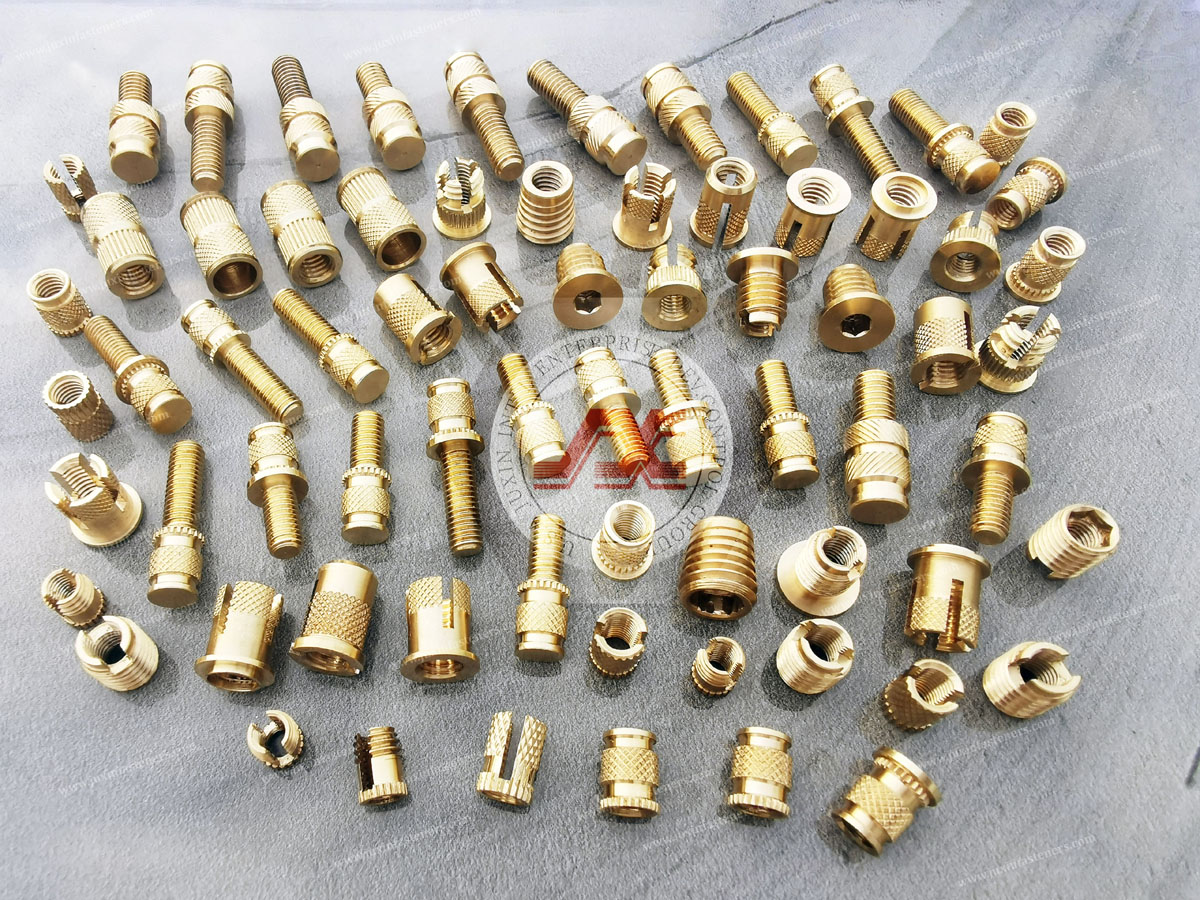
JUXIN FASTENERS focuses on practical fastener manufacturing and sourcing solutions for OEM and industrial customers.
Our product scope includes:
High-strength bolts
Hex head bolts
Custom bolts
Automotive fasteners
Industrial nuts
Weld nuts
Weld studs
Self-clinching fasteners
Rivet nuts
Custom screws
Stainless steel fasteners
CNC-machined fastener components
Custom threaded components
The objective is not simply to supply a bolt or nut at the lowest unit price.
The objective is to establish a fastener specification that can be manufactured consistently and integrated into the customer's engineering and supply-chain requirements.
For engineering teams, this means starting from the application and drawing.
For procurement teams, it means evaluating the complete specification, documentation, quality requirements, and supply conditions.
For supplier-development teams, it means establishing a repeatable manufacturing and quality-control framework before moving into production volumes.
Whether you need standard high-strength bolts and nuts, automotive chassis fasteners, corrosion-resistant industrial fasteners, or custom-designed threaded components, JUXIN FASTENERS can evaluate your requirements based on the available drawing, sample, specification, and application information.
For a faster and more accurate RFQ, provide:
2D drawing or 3D model
Material requirement
Fastener property class
Dimensions and thread specification
Surface-treatment requirement
Quantity or annual demand
Application information
Inspection or documentation requirements
Contact JUXIN FASTENERS:
Email: info@juxinfasteners.com
Website: www.juxinfasteners.com
Our team can review your industrial or automotive fastener requirements and develop a manufacturing and sourcing solution based on your technical specification.
High-strength industrial bolts are used in applications where the bolted joint requires defined mechanical performance under tensile, shear, vibration, or cyclic loading.
Typical applications include machinery, automotive assemblies, heavy equipment, structural equipment, and other demanding mechanical systems.
8.8, 10.9 and 12.9 are ISO metric fastener property classes with different specified mechanical properties.
The correct class depends on the joint design, load requirements, mating materials, installation conditions, and applicable engineering specification.
They can be used in automotive applications where the required mechanical properties, dimensions, surface treatment, joint design, and customer specifications call for them.
The highest property class should not automatically be selected without evaluating the complete joint.
The choice depends on mechanical loading, corrosion environment, temperature, mating materials, installation conditions, and required service life.
Stainless steel can offer useful corrosion resistance, while alloy steel may provide higher mechanical strength for specific applications. The correct choice should be based on the complete application.
Galling risk can be reduced through appropriate material combinations, controlled thread surfaces, suitable lubrication or coatings where permitted, and controlled installation conditions.
The correct solution depends on the stainless materials and assembly process.
The most useful information includes a current 2D drawing or 3D model, material, property class, dimensions, thread specification, surface treatment, quantity, application, packaging, and required quality documentation.
JUXIN FASTENERS supports custom bolts, nuts, screws, threaded components, and other fastener requirements based on customer drawings and specifications.
Manufacturing feasibility, material, tolerances, finishes, inspection, and production requirements are evaluated according to each project.
Applications include automotive, EV, machinery, robotics, industrial equipment, electrical equipment, HVAC, marine equipment, construction-related machinery, rail transit,
and other OEM manufacturing sectors requiring engineered fastening solutions.
 MORE NEWS
Sep. 25, 2026
Sep. 25, 2026
Sep. 25, 2026
Contact Us
Tel.:
+86 020 8621 0320
+86 020 3121 6067
E-mail:
Technical Support:
Navigation
SEND INQUIREY