
Call Us
+86 136 6007 9809
Call Us
+86 136 6007 9809

Jul. 10, 2023
From medical equipment components and automotive sensor hardware to telecommunications housings and industrial machinery parts,
modern manufacturing increasingly requires custom components with controlled dimensions, complex geometries, corrosion resistance, and consistent production performance.
Standard off-the-shelf hardware is often insufficient when a component combines multiple diameters, cross-holes, milled features, threads, grooves,
tight positional relationships, or application-specific material requirements.
JUXIN FASTENERS provides custom CNC machined parts, stainless steel CNC components, precision turned parts, custom fasteners,
and non-standard mechanical components for OEM and industrial applications. With more than 20 years of fastener manufacturing experience,
we support customers with drawing-based manufacturing, material and surface-treatment selection, technical review, and production sourcing.
This solution guide addresses the engineering and procurement considerations involved in selecting stainless steel CNC machining parts for automotive,
medical equipment, telecommunications, industrial machinery, electrical equipment, and other demanding applications.
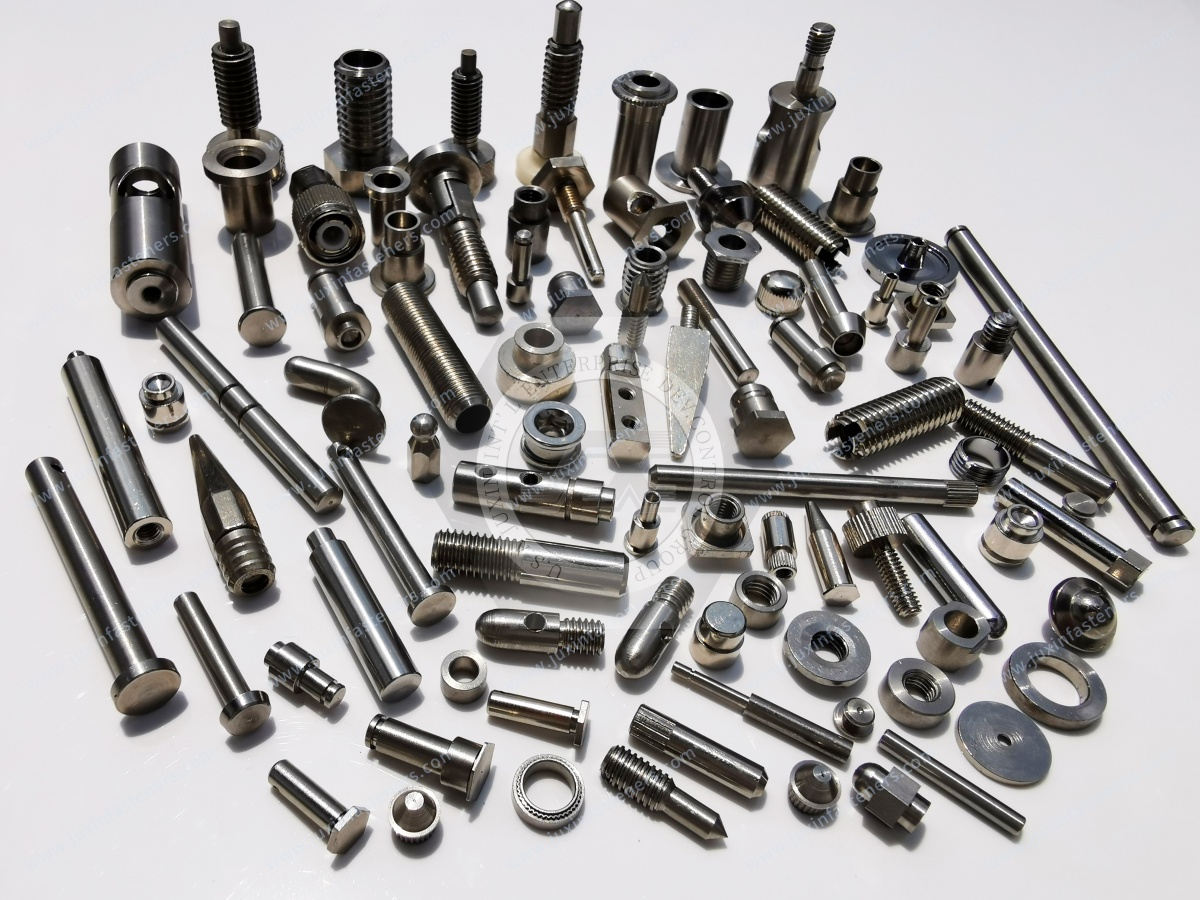
Stainless steel offers a combination of corrosion resistance, mechanical properties, durability, and appearance that makes it attractive for many industrial applications.
However, different stainless steel grades behave very differently during machining.
The machining strategy should therefore be selected according to the actual material grade, geometry, tolerance requirements, surface finish, production volume, and component design.
Common engineering considerations include:
Work hardening
Cutting-force management
Heat generation
Tool wear
Chip control
Dimensional stability
Thin-wall deformation
Burr formation
Surface finish
Thread quality
Concentricity
Runout
Post-machining cleaning
Corrosion requirements
Austenitic stainless steels such as 304 and 316 are widely used in industrial components but can present machining challenges because of their tendency to work harden.
If cutting conditions are poorly matched to the material, repeated tool contact with the same surface can increase localized hardness and cutting forces.
This can contribute to:
Accelerated tool wear
Poor surface finish
Dimensional instability
Increased cutting forces
Chipping or premature tool failure
Difficult chip evacuation
For this reason, machining parameters should be established according to the specific stainless steel grade and component geometry.
For stainless steel CNC components, machining strategy can include appropriate tooling, rigid workholding, controlled cutting conditions, suitable coolant management, and optimized tool paths.
The exact equipment and process route should be selected according to the part drawing and production requirements.
For complex components requiring both rotational and milled features, CNC turning and milling operations can be combined where the geometry and production economics make this approach appropriate.
Stainless steel generally transfers heat differently from many free-machining materials.
During CNC machining, excessive heat can concentrate around the cutting zone and influence:
Tool life
Surface condition
Dimensional stability
Burr formation
Workpiece deformation
Production consistency
Appropriate cutting parameters, tool geometry, coolant strategy, and workholding are therefore important when machining thin-wall or dimensionally sensitive stainless steel components.
For precision components, dimensional control should be evaluated after machining rather than assuming that nominal CNC machine positioning alone guarantees the final part tolerance.
The applicable standard depends on the material, component geometry, dimensional requirements, customer drawing, and intended application.
Common international references may include:
ISO 2768 for specified general dimensional and geometrical tolerances where applicable
ISO 1101 for geometrical product specifications and geometrical tolerancing
ASTM A276 for stainless steel bars and shapes where applicable
ASTM A484 for general requirements for wrought stainless steel products where applicable
ISO 3506 for applicable stainless steel fastener requirements
An important engineering distinction is that a tolerance such as ±0.005 mm is not automatically required or guaranteed by ISO 1101.
ISO 1101 defines the framework for geometrical tolerancing; the actual tolerance value must be specified for the relevant feature on the drawing or technical specification.
For CNC components, tolerances should therefore be defined feature-by-feature according to functional requirements.
Over-specifying tolerances can increase machining cost without improving product performance.
| Component Category | Typical Material Options | Manufacturing Approach | Key Industrial Applications |
|---|---|---|---|
| Precision Medical Equipment Components | 316L, 17-4 PH where specified | CNC Turning, Milling, Swiss-Type or Multi-Axis Processes as applicable | Medical equipment housings, instrument components, fittings and mechanical hardware |
| Automotive Sensor & Structural Components | 304, 430 and other specified grades | CNC Turning, Milling, Swiss-Type Processes | Sensor bodies, brackets, connectors, mechanical components and vehicle hardware |
| Telecommunication & Optical Components | 303, 304 and other specified materials | CNC Turning and Milling | Communication equipment hardware, optical components, housings and precision mechanical parts |
| Industrial Machinery Components | 303, 304, 316, duplex stainless steels and other specified grades | CNC Turning, Milling and Boring as applicable | Shafts, pins, fittings, machine components, valve-related parts and conveyor hardware |
| Custom Stainless Steel Fasteners | Stainless steel grades according to specification | CNC Turning, Milling and Secondary Operations | Custom screws, bolts, pins, nuts and threaded components |
| Non-Standard Precision Components | Customer-specified stainless steel or other engineering materials | Drawing-Based CNC Manufacturing | OEM equipment, automation, robotics, electrical and industrial assemblies |
Material availability and manufacturing feasibility should be confirmed against the actual customer drawing and required production volume.
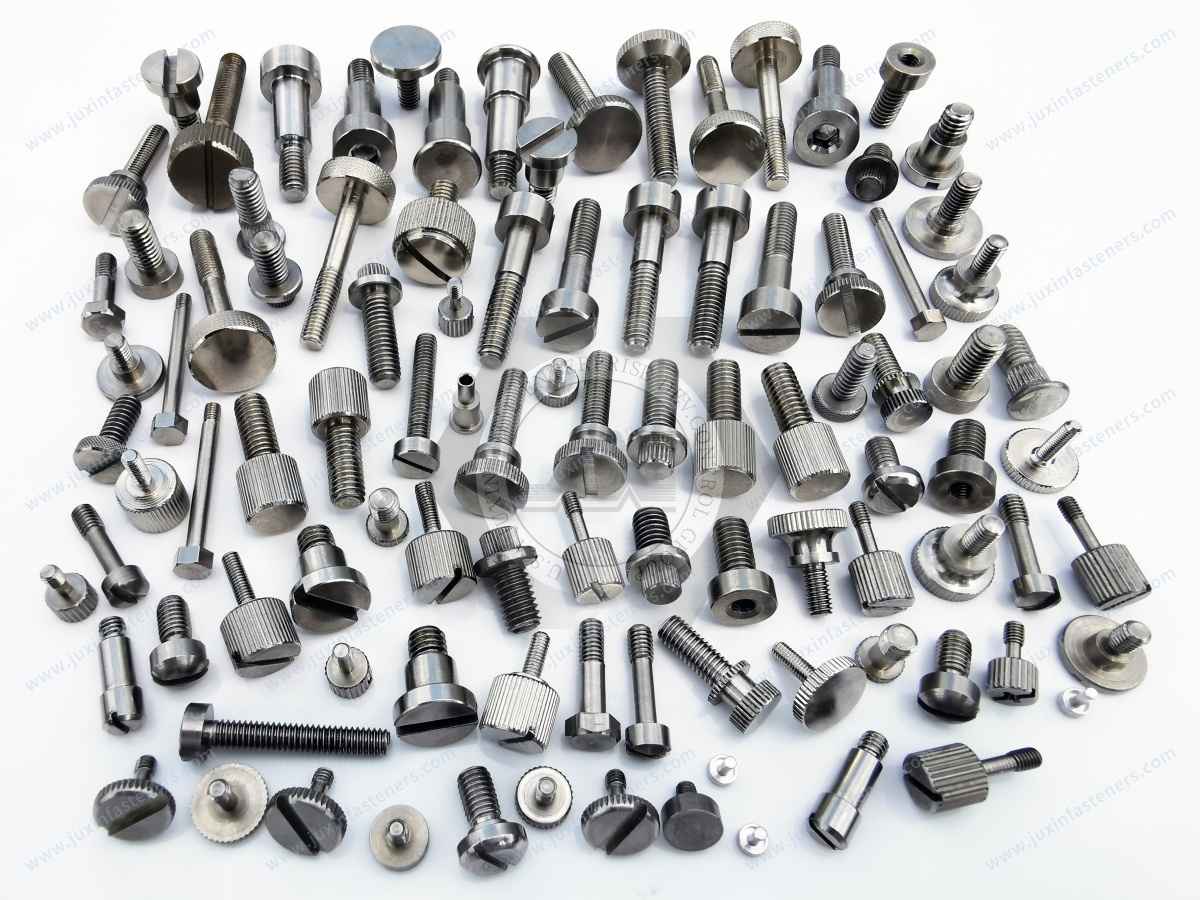
Selecting stainless steel solely because it is “corrosion resistant” can create unnecessary machining difficulty or fail to address the actual mechanical requirement.
The material should be evaluated across several dimensions:
Machinability + Corrosion Resistance + Mechanical Properties + Application Environment + Cost + Availability
303 stainless steel is commonly selected when improved machinability is an important requirement.
It can be considered for:
Precision turned components
Small machined hardware
Threaded components
Shafts and pins
General industrial mechanical parts
However, the appropriate grade should always be selected based on the required corrosion resistance and mechanical performance.
304 stainless steel is widely used for general industrial applications where corrosion resistance and broad material availability are important.
Potential applications include:
Automotive components
Electrical hardware
Industrial machinery
General mechanical components
Enclosures and brackets
316 and 316L stainless steels may be selected when greater resistance to certain corrosive environments is required compared with common 304 stainless steel.
They can be considered for:
Marine-related equipment
Chemical-processing environments
Medical equipment
Food-processing equipment
Outdoor industrial components
The correct grade should still be selected according to the actual environment and applicable specification.
17-4 PH stainless steel can provide a combination of corrosion resistance and high mechanical strength after appropriate heat treatment.
It may be considered for applications requiring higher mechanical performance than common austenitic stainless grades.
The required condition, heat treatment, mechanical properties, and applicable material specification should be clearly defined on the customer drawing or RFQ.
The machining process should follow the component geometry rather than the supplier's preferred machine.
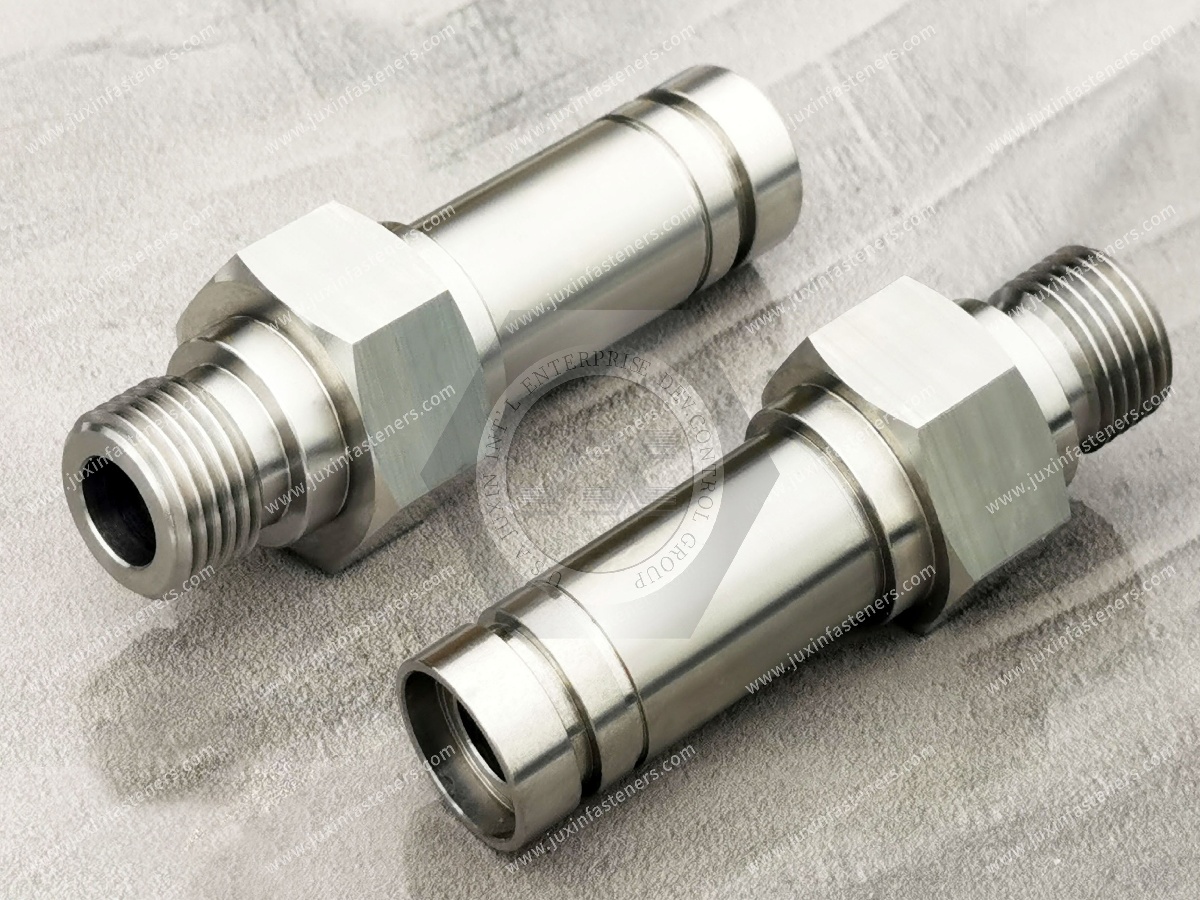
CNC turning is particularly suitable for components dominated by rotational geometry, such as:
Shafts
Pins
Bushings
Threaded components
Cylindrical fittings
Precision sleeves
CNC milling is suitable for components requiring:
Flats
Slots
Pockets
Cross-holes
Complex profiles
Multiple planar features
When a component contains both rotational and milled features, a turn-mill process may reduce the number of separate setups.
This can be particularly useful when the relationship between turned diameters and milled or drilled features is functionally important.
However, a single-setup process is not automatically better for every component. Tooling, machine availability, production volume, geometry, inspection requirements, and overall cost should all be evaluated.
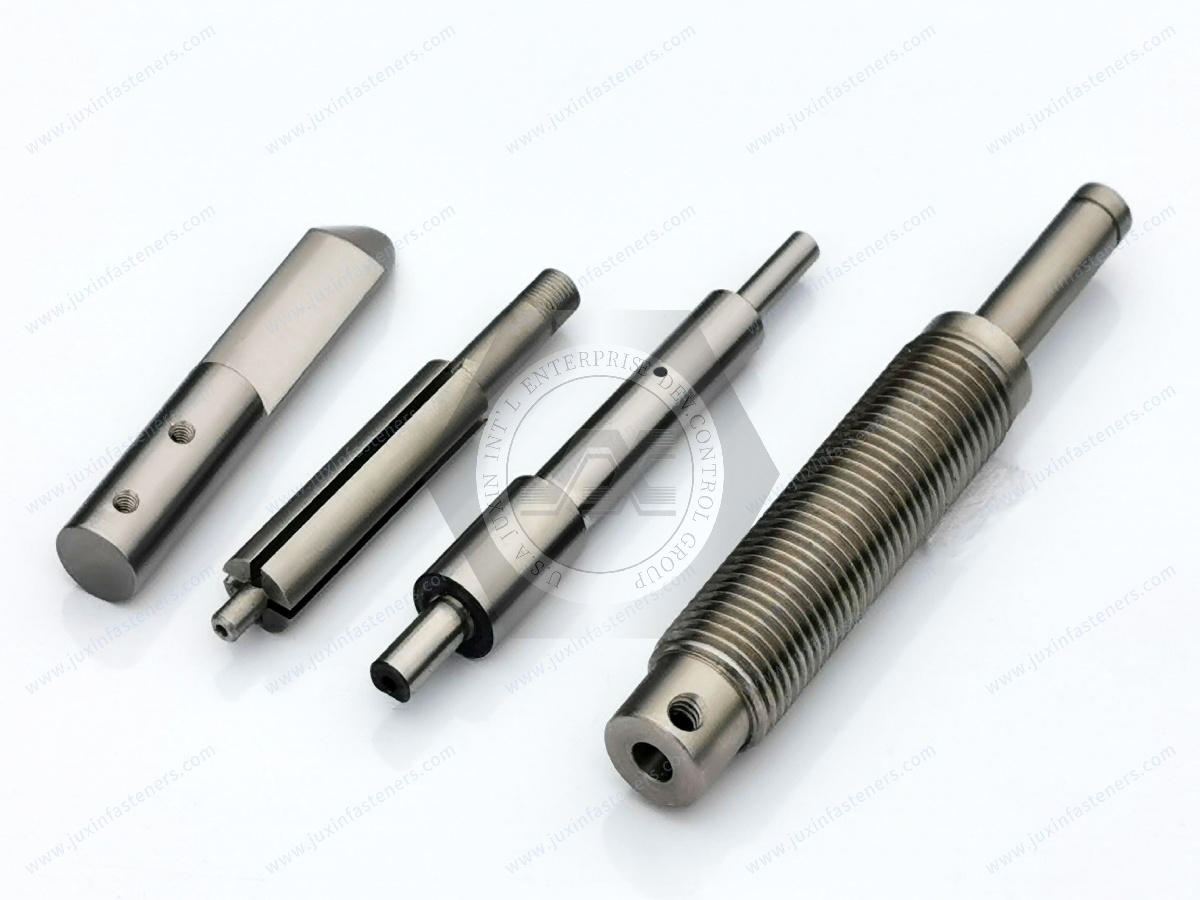
Complex machined components often require several manufacturing operations.
Every additional workholding or machine transfer can introduce another opportunity for:
Positioning variation
Concentricity error
Angular variation
Datum transfer error
Additional handling
Additional inspection requirements
For components where several features must maintain a precise relationship, the manufacturing strategy should be designed around functional datums.
A turn-mill process can sometimes reduce the number of setups by combining turning and milling operations.
Consider a stainless steel component with:
A precision external diameter
A threaded section
A cross-hole
A milled flat
A controlled relationship between the hole and flat
Instead of treating each feature independently, the manufacturing engineer should determine which features must share a common datum and whether they can be produced in a coordinated setup.
This is often more valuable than simply requesting the smallest possible dimensional tolerance.
Information Gain:
For CNC RFQs, identifying which dimensions are functionally critical can be more useful than applying a very tight tolerance to every dimension.
This approach can improve manufacturability while protecting the features that actually determine assembly performance.
One of the most overlooked factors in precision CNC sourcing is tolerance inflation.
A drawing that specifies very tight tolerances on non-functional dimensions may increase:
Machining time
Tooling requirements
Inspection frequency
Scrap risk
Setup complexity
Production cost
A better approach is to separate dimensions into:
These directly affect:
Assembly
Sealing
Alignment
Rotation
Load transfer
Interchangeability
Electrical or mechanical interface
These require dimensional control but do not necessarily require ultra-tight tolerances.
These can often use an applicable general tolerance standard where appropriate.
For engineers, this distinction can improve DFM without compromising the component's functional requirements.
For procurement teams, it can also help suppliers quote the part more accurately.
Machining stainless steel can leave residues, particles, embedded material, or surface contamination that may affect subsequent corrosion performance.
Passivation is a chemical treatment used for applicable stainless steel components to improve the condition of the surface by removing free iron and other contaminants
and promoting a more corrosion-resistant passive surface.
Standards such as:
ASTM A967
AMS 2700
may be relevant where passivation is specified.
However, not every stainless steel CNC component automatically requires passivation, and it should not be represented as a mandatory process for every JUXIN FASTENERS part.
The need for passivation depends on:
Stainless steel grade
Application environment
Surface condition
Customer specification
Cleanliness requirements
Corrosion-performance requirements
Subsequent assembly processes
Where passivation is required, the applicable specification and acceptance criteria should be included in the RFQ or drawing.
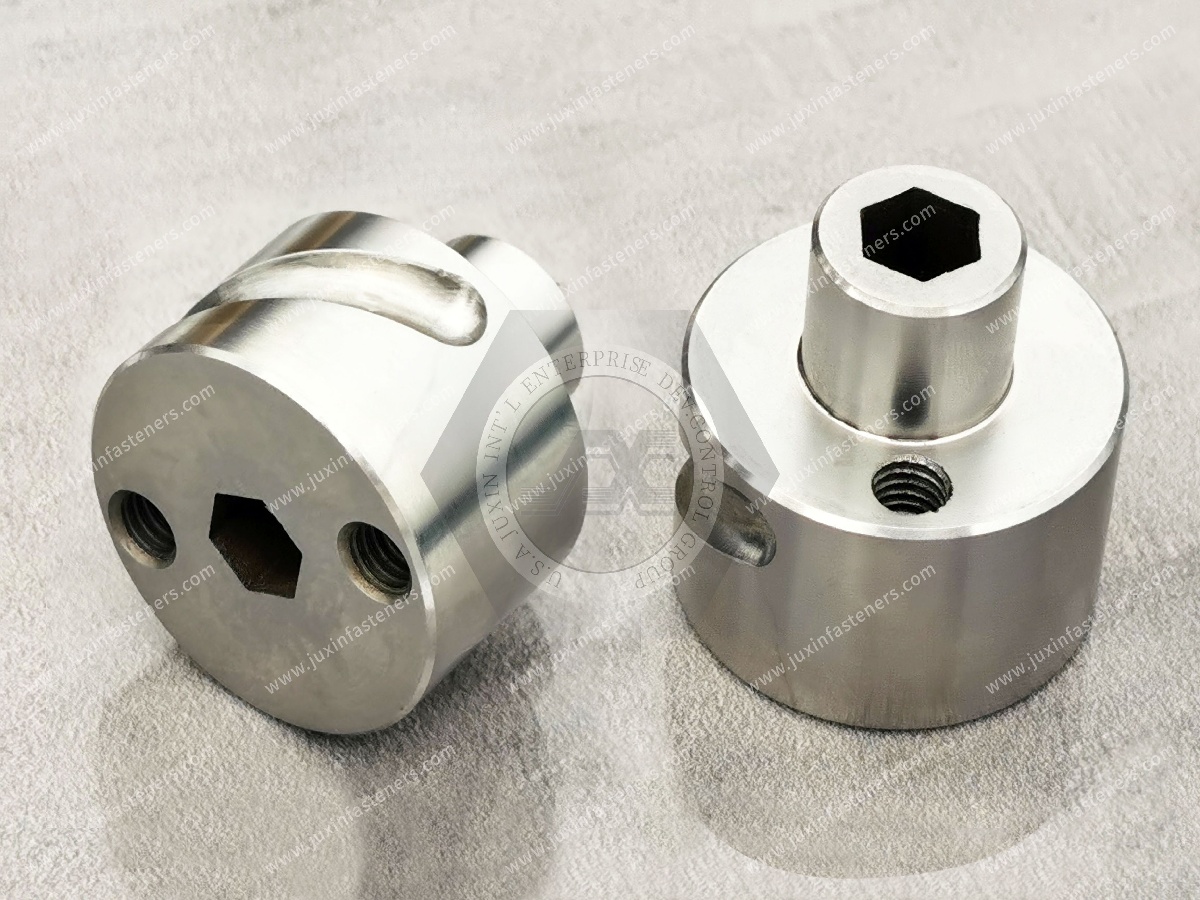
Medical equipment manufacturers often require components with controlled geometry, corrosion-resistant materials, clean surfaces, and repeatable dimensional performance.
Potential applications include:
Diagnostic equipment
Instrument components
Fluid-handling hardware
Mechanical housings
Precision fittings
Equipment frames
Custom stainless steel mechanical components
For medical equipment applications, the fastener or machined component supplier should follow the customer's material, dimensional, cleanliness, inspection, packaging, and documentation requirements.
JUXIN FASTENERS does not represent general CNC components as FDA-approved or as automatically certified to medical-device standards.
Where a customer project has specific regulatory or quality-system requirements, those requirements should be defined as part of the sourcing and qualification process.
Automotive manufacturers and component suppliers use CNC-machined stainless steel components in a variety of mechanical and functional applications.
Potential applications include:
Sensor components
Connector bodies
Brackets
Pins
Shafts
Bushings
Precision mechanical components
Custom fasteners
Engine-related hardware
Electrical and electronic module hardware
Automotive projects can involve high-volume production, strict drawing revision control, material traceability, inspection requirements, and customer-specific quality documentation.
The correct manufacturing process should therefore be selected based on the part geometry, annual volume, dimensional requirements, material, surface treatment, and customer qualification process.
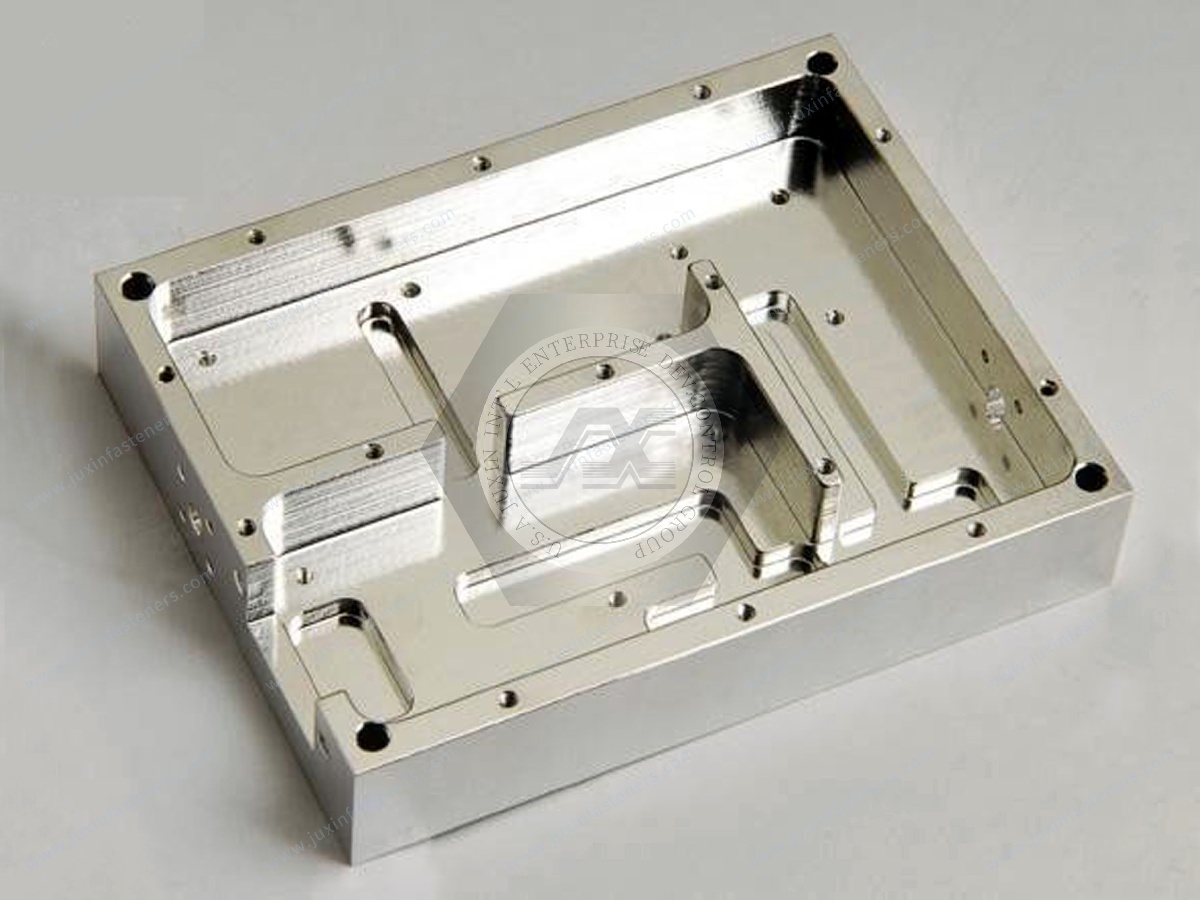
Telecommunications and optical equipment frequently require compact components with controlled dimensions and reliable mechanical interfaces.
Stainless steel CNC machining can be considered for:
Precision housings
Connector components
Mounting hardware
Optical equipment mechanical parts
Communication equipment components
Small shafts and pins
Custom mechanical interfaces
For these components, positional accuracy and surface condition can sometimes be more important than simply achieving the smallest dimensional tolerance.
Engineering teams should identify the actual assembly interface and critical datum structure on the drawing.
CNC-machined stainless steel parts can support many industrial applications, including:
Packaging machinery
Automation equipment
Robotics
Food-processing equipment
Chemical-processing machinery
Conveyors
Pumps
Valves
Industrial fixtures
Mechanical assemblies
Depending on the application, material selection may include 303, 304, 316, 316L, 17-4 PH, duplex stainless steel, or another customer-specified material.
For moving components such as shafts, pins, and bushings, engineers should also evaluate:
Wear
Surface finish
Hardness
Dimensional stability
Mating-material compatibility
Lubrication
Corrosion environment
Successful CNC sourcing requires two different but connected evaluations: technical manufacturability and supply-chain reliability.
Engineering teams should provide:
2D manufacturing drawing
3D CAD model where available
Material grade
Heat-treatment condition where applicable
Dimensional tolerances
Geometric tolerances
Surface-finish requirements
Thread specifications
Critical functional dimensions
Surface-treatment requirements
Inspection requirements
Application environment
A useful DFM review should focus on whether the requested geometry, tolerance, material, and process can be manufactured consistently.
Instead of simply asking:
“Can you machine this to ±0.005 mm?”
a more useful engineering discussion is:
“Which features require ±0.005 mm, and what functional relationship does that tolerance control?”
This distinction can materially affect tooling, inspection, process selection, and production cost.
Procurement teams should evaluate:
Manufacturing capability relevant to the actual component
Material sourcing
Drawing revision control
Lot traceability
Inspection requirements
Surface-treatment control
Packaging
Production capacity
Lead-time expectations
Documentation
Change-control procedures
Long-term supply capability
A CNC supplier should be evaluated based on the complete production requirement rather than machine count alone.
A practical supplier-qualification process can include:
Drawing and specification review
Material and process review
Manufacturing feasibility assessment
Prototype or sample evaluation where required
Dimensional inspection
Functional validation where applicable
Documentation review
Production approval
Ongoing quality monitoring
Engineering-change control
This provides a more reliable path from prototype sourcing to repeat production.
A complete RFQ helps both the customer and supplier avoid unnecessary quotation revisions.
For stainless steel CNC machining parts, provide:
Part number
Drawing revision
2D drawing
3D CAD file
Sample if available
Stainless steel grade
Required material condition
Heat treatment where applicable
Alternative material requirements if permitted
Critical dimensions
General tolerances
Geometric tolerances
Surface finish
Thread specifications
Critical datum relationships
Passivation where required
Polishing
Coating
Other specified surface treatment
Prototype quantity
Initial order quantity
Annual volume
Forecast
Packaging requirements
CoC
Material certificate
Dimensional inspection report
Special inspection requirements
Lot traceability
Customer-specific documentation
This information gives the supplier a much clearer basis for evaluating manufacturing feasibility and preparing a commercial quotation.
For OEM and industrial production, material and process documentation can become an important part of supplier qualification.
Depending on the customer requirement, documentation may include:
Certificate of Conformance
Material certificates
Dimensional inspection reports
Mechanical test reports where applicable
Surface-treatment records
Heat-treatment records where applicable
Lot identification
Production records
Customer-specific quality documentation
For stainless steel materials, standards such as ASTM A276 and ASTM A484 may be relevant to particular wrought stainless steel products, while other material specifications may apply depending on the actual product form.
For stainless steel fasteners, the applicable ISO 3506 requirements may be relevant where the component falls within its scope.
The required documentation should always be established from the customer's drawing, purchase order, specification, and quality agreement.
International OEM supply chains may require information related to restricted substances and responsible sourcing.
Common requirements can include:
RoHS
REACH
Customer-specific restricted-substance requirements
Material declarations
Supply-chain mineral sourcing information where applicable
These requirements should be evaluated based on the actual material, machining process, lubricant, cleaning process, surface treatment, packaging, and destination market.
RoHS and REACH should be treated as regulatory requirements rather than generic product certifications.
Similarly, conflict-minerals-related information may be requested by customers depending on the materials and supply chain involved.
JUXIN FASTENERS provides custom manufacturing and sourcing support for stainless steel CNC components and other precision mechanical hardware.
Our product scope includes:
Stainless steel CNC machined parts
Custom turned components
CNC milled components
Custom bolts
Custom screws
Custom nuts
Precision pins
Shafts
Bushings
Threaded components
Automotive hardware
Industrial mechanical components
Custom fastener components
The manufacturing route is selected according to the customer's actual drawing, material, geometry, tolerance requirements, quantity, surface treatment, and application.
For engineers, the focus is manufacturability and functional performance.
For procurement teams, the focus is consistent specification, documentation, cost, and supply continuity.
For supplier-development teams, the focus is establishing a repeatable production and quality process suitable for the customer's sourcing requirements.
Whether you need a small precision stainless steel component, a custom automotive CNC part, a medical equipment mechanical component,
or a production-volume industrial component, the most effective sourcing process begins with a complete technical specification.
JUXIN FASTENERS can evaluate your requirements based on:
2D drawings
3D CAD models
Material specifications
Samples
Dimensional requirements
Surface-treatment requirements
Quantity
Application
Inspection requirements
Documentation requirements
The goal is to establish a practical manufacturing route that balances function, precision, material performance, manufacturability, quality requirements, and total sourcing cost.
For an RFQ, send your latest drawing or CAD file together with the required material, quantity, surface treatment, and inspection requirements.
Contact JUXIN FASTENERS
Email: info@juxinfasteners.com
Website: www.juxinfasteners.com
Our engineering and sourcing team can review your stainless steel CNC machining requirements and develop a manufacturing solution based on your actual component specification.
Stainless steel CNC machined parts are used for automotive components, medical equipment, telecommunications hardware, industrial machinery,
automation, robotics, electrical equipment, marine applications, and other mechanical systems requiring controlled dimensions and corrosion-resistant materials.
There is no single best grade for every CNC component. 303 may be attractive when machinability is a major consideration, while 304 and 316/316L are commonly selected for broader corrosion-resistance requirements. 17-4 PH may be considered where higher mechanical strength is required.
The correct grade depends on the complete application.
303 stainless steel is generally designed with improved machinability compared with standard 304 stainless steel.
However, material selection must also consider corrosion resistance, mechanical requirements, application environment, and customer specifications.
CNC turning is primarily used for rotational components such as shafts, pins, bushings, and cylindrical threaded parts.
CNC milling is used for features such as flats, slots, pockets, cross-holes, and complex profiles. Some components benefit from combined turn-mill manufacturing.
No. Passivation is application- and specification-dependent. Where required, ASTM A967 or AMS 2700 may be referenced depending on the customer's requirements.
The need for passivation should be established from the material, application, surface condition, and customer specification.
The achievable tolerance depends on the material, component geometry, feature size, machine process, workholding, surface treatment, production volume,
and inspection requirements. Critical tolerances should be identified on the customer drawing so manufacturing feasibility can be evaluated accurately.
Yes. JUXIN FASTENERS supports custom stainless steel CNC machined components, turned parts, milled parts, custom fasteners, pins, shafts, threaded components,
and other non-standard mechanical parts based on customer drawings and specifications.
The most useful RFQ package includes a current 2D drawing, 3D CAD model where available, material grade, tolerances, surface finish, threads, surface treatment, quantity,
application, inspection requirements, documentation requirements, and packaging specifications.
Yes. Stainless steel CNC components can be used for automotive sensors, brackets, pins, shafts, connectors, mechanical hardware, custom fasteners, and other vehicle components.
Automotive projects may also require customer-specific quality, traceability, documentation, and supplier-qualification requirements.
Yes, stainless steel CNC machined components can be used in medical equipment applications when the material, geometry, cleanliness, inspection, documentation,
and other requirements are defined and qualified according to the customer's application. The component should not be assumed to be medical-device certified simply because it is made from stainless steel.
 MORE NEWS
Sep. 25, 2026
Sep. 25, 2026
Sep. 25, 2026
Contact Us
Tel.:
+86 020 8621 0320
+86 020 3121 6067
E-mail:
Technical Support:
Navigation
SEND INQUIREY