
Call Us
+86 136 6007 9809
Call Us
+86 136 6007 9809

Jul. 04, 2024
By Juxin Fasteners Precision Engineering & Machining Solutions
In modern industrial manufacturing, modern engineering applications require housing solutions that deliver high structural integrity, superior thermal dissipation, tight dimensional tolerances, and aesthetic surface finishes. Computer Numerical Control (CNC) machining of aluminum alloys has emerged as the premier manufacturing method for high-performance enclosures across demanding technical sectors.
Whether developing high-voltage EV battery pack housings, ruggedized aerospace electronics, or 19-inch industrial rack-mount instrument chassis, understanding how to design parts for CNC machining is critical to optimizing mechanical performance, accelerating cycle times, and minimizing unit cost. This technical guide explores the core advantages of CNC-machined aluminum housings, essential Design for Manufacturability (DFM) rules, and multi-industry applications.
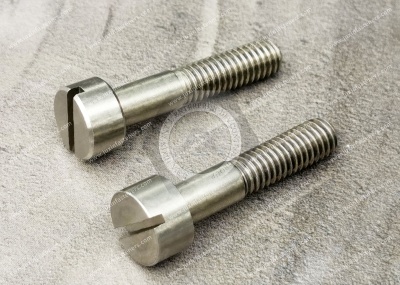
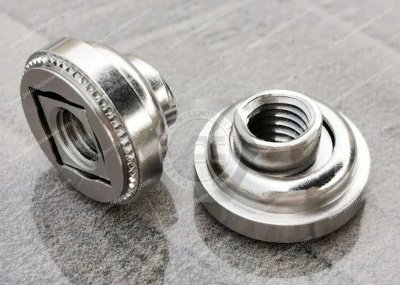
Compared to traditional manufacturing methods—such as die casting, manual milling, or basic sheet metal bending—CNC aluminum machining offers distinct mechanical, operational, and financial advantages:
Superior Structural Strength & Material Integrity: Wrought aluminum alloys (e.g., 6061-T6, 7075-T6) machined via multi-axis CNC maintain dense, void-free grain structures unlike cast metals, offering high tensile strength, fracture toughness, and impact resistance.
Process Stability & Repeatability: Automated CNC programming controls tool position coordinates, feed rates, spindle speeds, and coolant delivery. This eliminates human operator variance, ensuring dimensional accuracy across prototype and mass production runs.
Complex Geometries in Single Operations: Subtractive CNC processes execute intricate designs in one continuous workflow—including internal fluid channels, deep pocketing, integrated mounting bosses, precision drilling, tapping, and thin-wall heat sinks.
Rapid Prototyping to Scalable Production: CNC machining requires no expensive hard tooling or dies. Adjustments are made directly in the G-code program, shortening NPI (New Product Introduction) lead times and enabling multi-variety, variable-volume manufacturing.
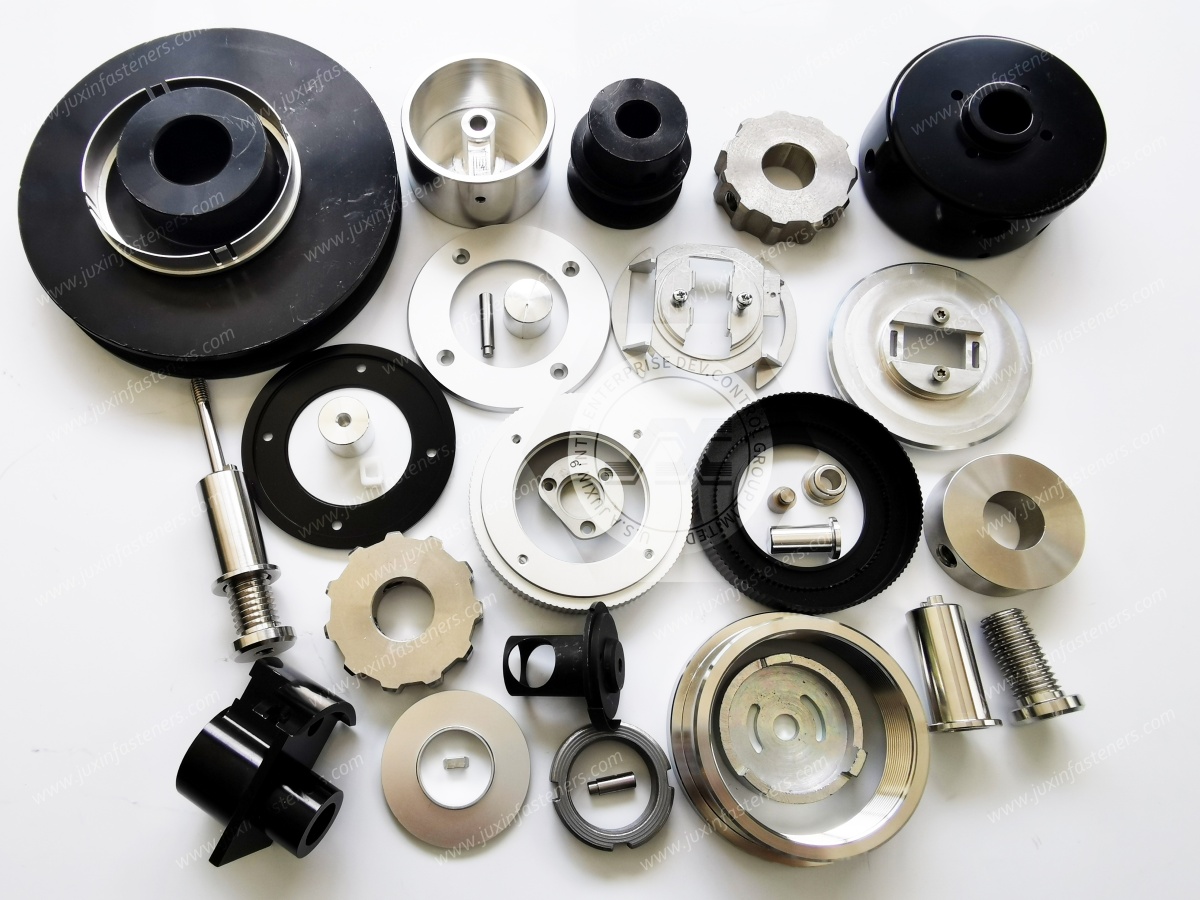
Designing aluminum enclosures for CNC efficiency requires adhering to foundational DFM rules to prevent tool chatter, reduce setup times, and eliminate unnecessary machining costs:
Because CNC rotary cutters (end mills) are cylindrical, sharp 90-degree internal vertical corners cannot be machined directly. Design internal pocket corners with a radius slightly larger than standard tool diameters (e.g., a 3.175 mm radius for a 6 mm end mill) to reduce mechanical stress on tools and avoid high-cost secondary EDM processing.
Although aluminum has excellent machinability, excessively thin walls can warp or vibrate under tool force and thermal buildup. Maintain a minimum wall thickness of 1.5 mm for non-structural enclosure walls, and 2.0 mm or greater for load-bearing faces or mounting bosses.
Design tapped holes to standard metric or UNC thread sizes. Ensure thread engagement depth is 1.5 to 2 times the nominal fastener diameter. Provide sufficient blind hole bottom clearance to allow for tool lead-in and chip evacuation during automated tapping.
Design features that can be machined in a single orientation or minimal setups. Leveraging 4-axis or 5-axis CNC machining centers allows multi-faceted features—such as cooling fins, connector ports, and ergonomic handles—to be machined seamlessly in one continuous clamping cycle.
At Juxin Fasteners, we combine multi-axis CNC precision machining capabilities with robust on-site quality control and digital management tools to produce high-grade aluminum housings, chassis, and custom hardware components:
HIFI Audio & High-End Instrument Components: Precision-milled audio amplifier enclosures featuring high-gloss control knobs, delicate surface textures, cylindrical isolation feet, and optimized lateral heat-dissipation panels engineered for minimal acoustic resonance.
A/B Series All-Aluminum Integrated Chassis: Ergonomic instrument enclosures equipped with heavy-duty CNC-machined front/rear handles and reinforced corner guards for field operations.
C Series 19-Inch Standard Industrial Chassis: High-plasticity, high-precision standard chassis designed for server racks, telecommunications, and industrial automation control systems.
D Series Hybrid Instrumentation Enclosures: Hybrid chassis designs combining flexible aluminum sheet metal, structural extruded profiles, and precision CNC machining for exceptional strength and adaptability.
Engineered aluminum enclosures play a vital role across major industrial sectors, meeting stringent operating requirements:
| Industry Sector | Application & Environmental Demand |
| Automotive / EV / Battery Pack | Lightweight, high-strength aluminum enclosures provide EMI/RFI shielding, structural crash protection, and thermal management for battery modules and EV inverters. |
| Rail Transit & Aerospace | High-strength 7075 aluminum housings withstand severe vibration, shock loads, and harsh weather conditions in avionics and signaling systems. |
| Electrical Cabinets & HVAC | Corrosion-resistant CNC enclosures maintain IP-rated seal surfaces, protecting internal controls from moisture, salt spray, and dust. |
| Medical Equipment & Robotics | Ultra-smooth, biocompatible, and anodized aluminum housings for surgical robotics and diagnostic devices requiring rigorous chemical sterilization. |
| Construction, Machinery & Sheet Metal | Heavy-duty instrument panels and modular chassis engineered for high impact resistance in industrial automation and heavy equipment. |
| Audio Systems & Precision Instrumentation | Aesthetic, vibration-damping HIFI audio enclosures and 19-inch rack chassis engineered for low acoustic resonance and high thermal efficiency. |
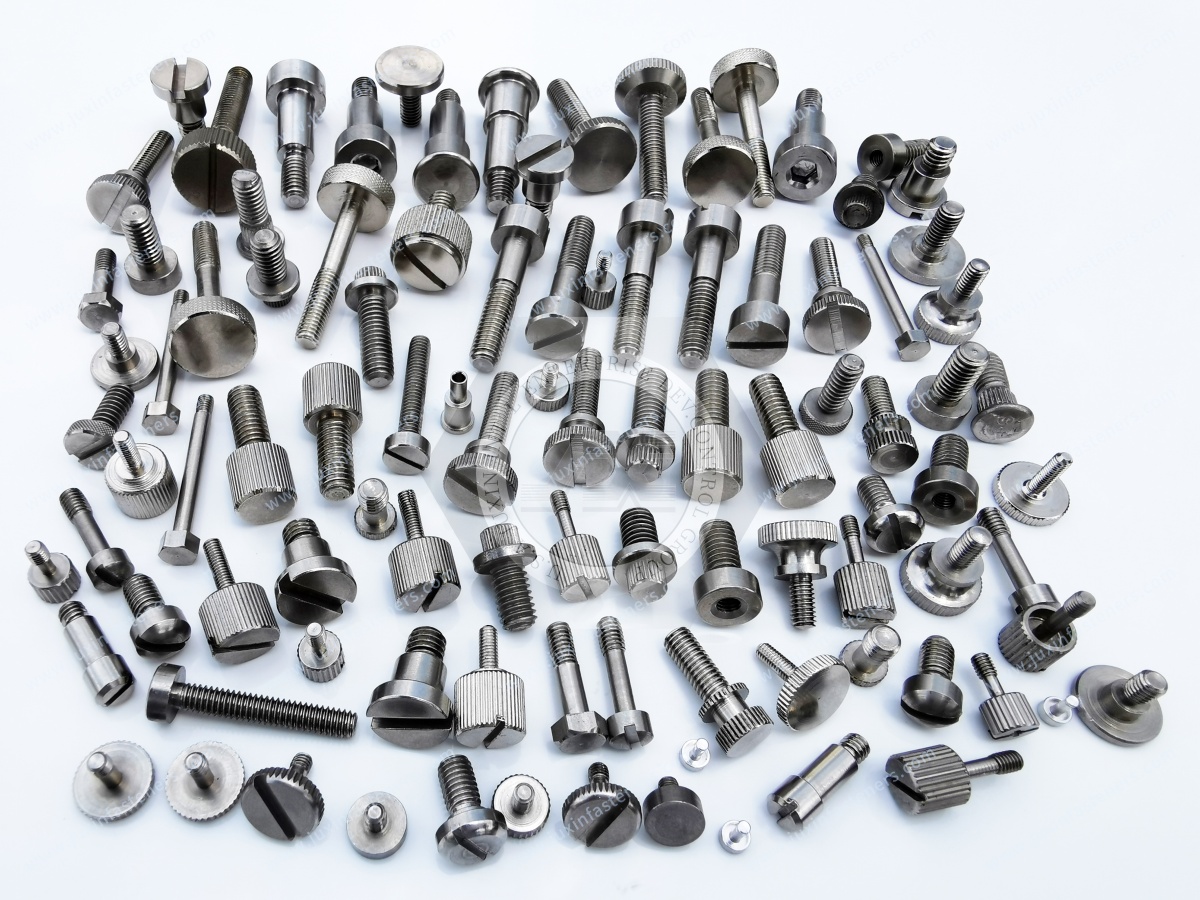
From initial DFM optimization and prototyping to full-scale automated multi-axis production, Juxin Fasteners delivers turn-key solutions tailored to international engineering standards.
Contact our dedicated engineering and procurement team today for DFM review, technical consultation, or custom RFQs:
Email:
Website:
 MORE NEWS
Sep. 27, 2026
Sep. 27, 2026
Sep. 27, 2026
Contact Us
Tel.:
+86 020 8621 0320
+86 020 3121 6067
E-mail:
Technical Support:
Navigation
SEND INQUIREY