
Call Us
+86 136 6007 9809
Call Us
+86 136 6007 9809

Jul. 03, 2024
By Juxin Fasteners Engineering Team
In high-demand industrial maintenance and OEM manufacturing, encountering seized, galling-locked, or rusted stainless steel fasteners is a frequent engineering bottleneck. Whether servicing an automotive assembly line, an EV battery pack enclosure, or rail transit signaling hardware, a frozen screw can cause costly operational downtime and risk damaging surrounding high-value components.
Although stainless steel is chosen for its passive corrosion resistance, harsh atmospheric exposure, chemical contact, or thread galling (cold welding) can cause fasteners to bind or strip. This guide outlines step-by-step engineering techniques to safely loosen rusted or stripped stainless steel screws while highlighting preventive fastener technologies.
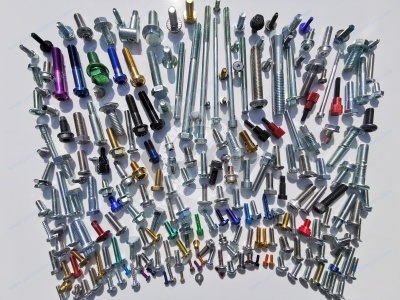
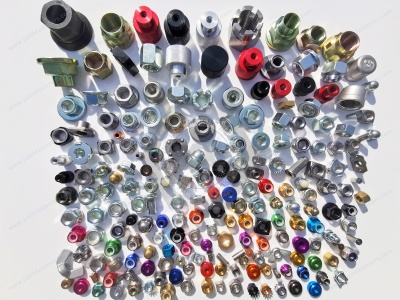
Before applying excessive torque, maintenance engineers must distinguish between corrosive oxidation (rust) and thread galling:
Galvanic & Oxide Rusting: Exposure to moisture, salt spray, or dissimilar metal contact breaks down the chromium oxide passive layer on lower-grade stainless steel. Iron oxide expands inside the thread engagement zone, wedging the fastener tightly in place.
Thread Galling (Cold Welding): High pressure and friction during high-speed installation break the protective oxide film, causing microscopic high spots on mating threads to fuse together.
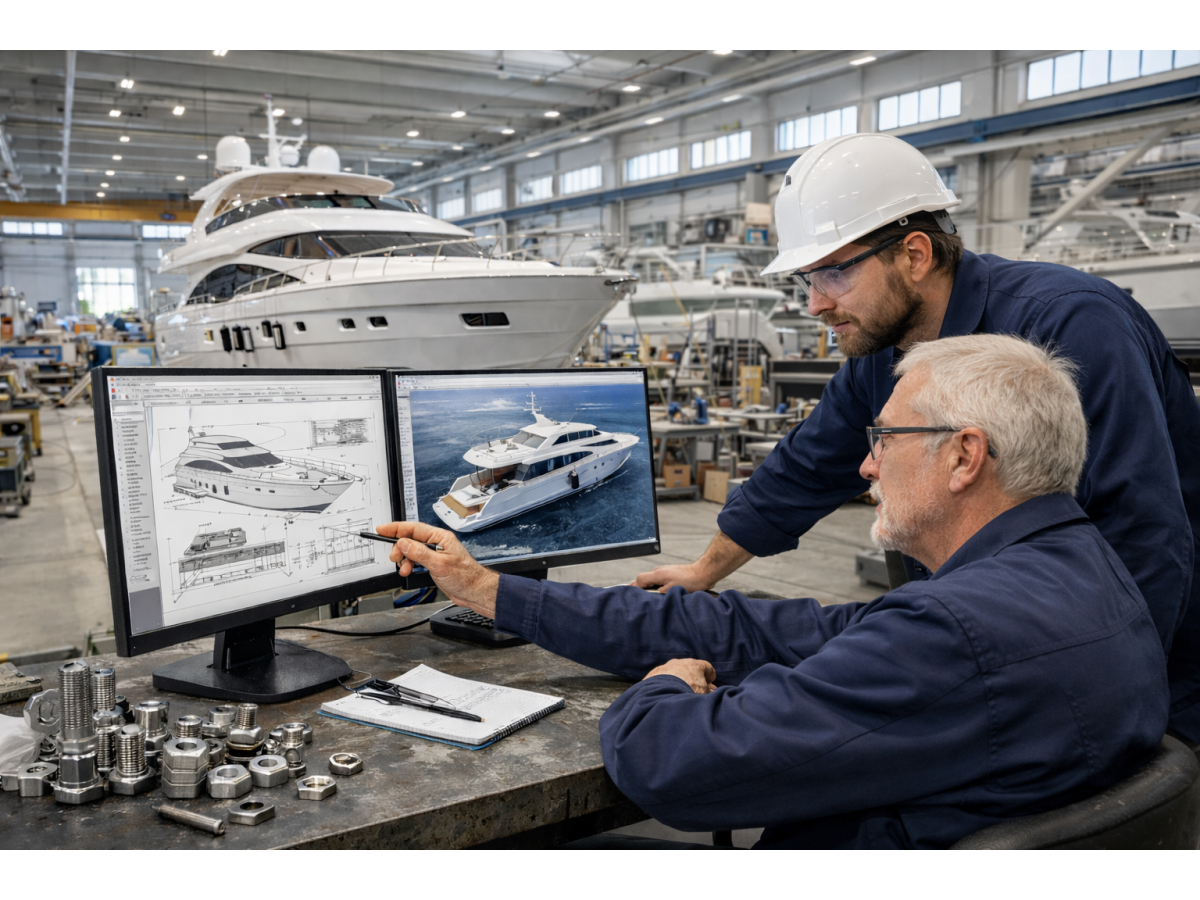
Standard lubricants often fail to penetrate tight thread tolerances. Use professional rust penetrants containing chemical agents (such as diluted organic acids or specialized solvents) that lower surface tension.
Protocol: Spray generously around the screw head and exposed thread interface. Allow 10–15 minutes for the solution to establish a diffuse chemical layer that weakens iron oxide bonding before turning.
Direct rotary force on a seized head often leads to driver slippage or head shear. Controlled axial shockwaves break up the micro-weld rust bridges inside the internal thread channel.
Protocol: Seat the proper drive bit (Hex, Torx, or Phillips) into the screw head. Attach a wrench or drive tool, and deliver firm, controlled hammer strikes to the end of the tool handle. The sudden shock breaks the rust bond, making counterclockwise unthreading significantly easier.
When mechanical vibration is insufficient, heat cycling exploits differential expansion between the screw shank and the surrounding tapped hole or nut block.
Protocol: Apply localized heat using an induction heater or precision gas torch to the fastener and surrounding metal. Immediately drop a few drops of penetrating oil or rapid-freeze spray onto the screw head. The rapid cooling shrinks the screw, pulling oil deep into the newly created clearance gap.
Caution: Avoid open flame near heat-sensitive components, such as rubber gaskets in EV battery enclosures or wiring harnesses in electrical cabinets.
For heavy-duty machinery or structural framing, manual tools may lack the consistent torque required. Use an electric impact wrench set to a lower initial torque setting with counterclockwise rotation. The rapid rotational impacts dislodge surface oxidation without applying excessive continuous shear stress.
In low-resource emergency field environments, mild acidic liquids (like concentrated vinegar or carbonic acid fluids) can be applied over an extended period. The mild acid reacts with iron oxide to loosen surface scale without degrading the parent stainless steel base metal.
If a screw socket or driver recess strips during removal, avoid applying higher torque ("vigorously forcing out the miracle") as it will shear the fastener head completely. Instead, apply these recovery methods:
Friction Friction Pads / Valve Grinding Compound: Place a rubber strip or abrasive compound between the driver bit and stripped socket to restore grip.
Left-Handed Screw Extractor (EZ-Out): Drill a small centered pilot hole into the damaged head, tap in a reverse-threaded screw extractor, and back out the screw.
Rotary Slot Cutting: Cut a narrow channel across the stripped screw head using a rotary wheel, then remove it using a flathead driver.
Different industrial sectors face specific environmental hazards that increase the risk of seized fasteners:
| Industry Sector | Environmental Hazard & Fastener Challenge |
| Automotive & EV / Battery Packs | Thermal cycling and severe road moisture cause micro-fretting and thread seizure in sealed battery enclosures. |
| Rail Transit & Aerospace | Continuous high vibration and extreme atmospheric pressure demand anti-galling coatings and high-tensile fasteners. |
| Electrical Cabinets & HVAC | Outdoor weather exposure and humidity risk thread oxidation, compromising IP-rated weatherproofing. |
| Medical Equipment & Robotics | High-precision micro-fasteners exposed to harsh sterilization chemicals require non-galling, smooth disassembly. |
| Construction & Machinery | Heavy mud, dirt, and water exposure require high-strength 304/316 grade hardware with secure threadlockers. |
| Sheet Metal Fabrication | Thin-gauge sheet assemblies require precision-engineered self-clinching or machine screws that resist stripping during automated installation. |
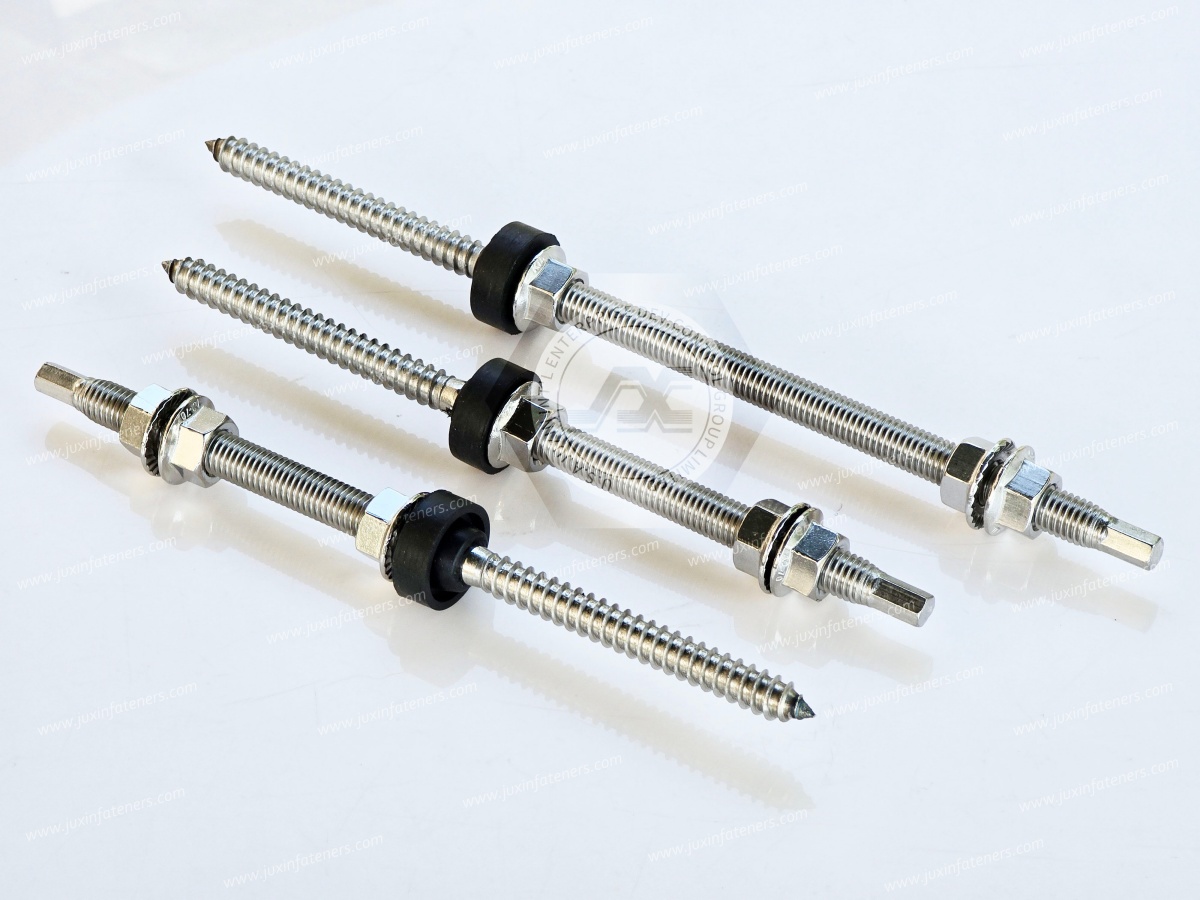
Preventing stuck screws begins during the engineering design phase. At Juxin Fasteners, we provide specialized fasteners engineered for extreme environmental durability:
High-Grade Stainless Alloys: Premium A2-70 (SUS304), A4-80 (SUS316), and custom alloy hardware engineered for harsh marine, chemical, and industrial environments.
Anti-Galling Coatings & Surface Treatments: Advanced Dacromet, Geomet, zinc-nickel plating, and custom passivations that eliminate friction welding and corrosion.
Custom Fastener Engineering: Tailored thread pitch, tamper-resistant drive heads, pre-applied microencapsulated threadlockers, and anti-seize patches.
For technical support on anti-galling thread solutions, standard fastener procurement, or custom OEM manufacturing, contact our engineering team today:
Email:
Website:
 MORE NEWS
Sep. 27, 2026
Sep. 27, 2026
Sep. 27, 2026
Contact Us
Tel.:
+86 020 8621 0320
+86 020 3121 6067
E-mail:
Technical Support:
Navigation
SEND INQUIREY