
Call Us
+86 136 6007 9809
Call Us
+86 136 6007 9809

Mar. 27, 2026
In modern industrial manufacturing, selecting the right fastener production process directly affects product cost, mechanical performance, quality consistency, and supply chain efficiency.
For engineers and purchasing teams, the decision between CNC machined fasteners and cold formed fasteners (cold heading fasteners) is especially important when developing customized components, high-strength fasteners, and OEM solutions.
Both manufacturing methods have unique advantages.
CNC machining provides excellent flexibility and precision for complex designs
Cold forming delivers superior cost efficiency for high-volume industrial production
Understanding the differences helps engineers choose the most suitable manufacturing solution for their applications.
As an experienced OEM fastener manufacturer, Juxin Fasteners provides customized fastener solutions including cold formed fasteners, precision machined components, threaded inserts, weld fasteners, rivet nuts, and special fasteners for global industries.
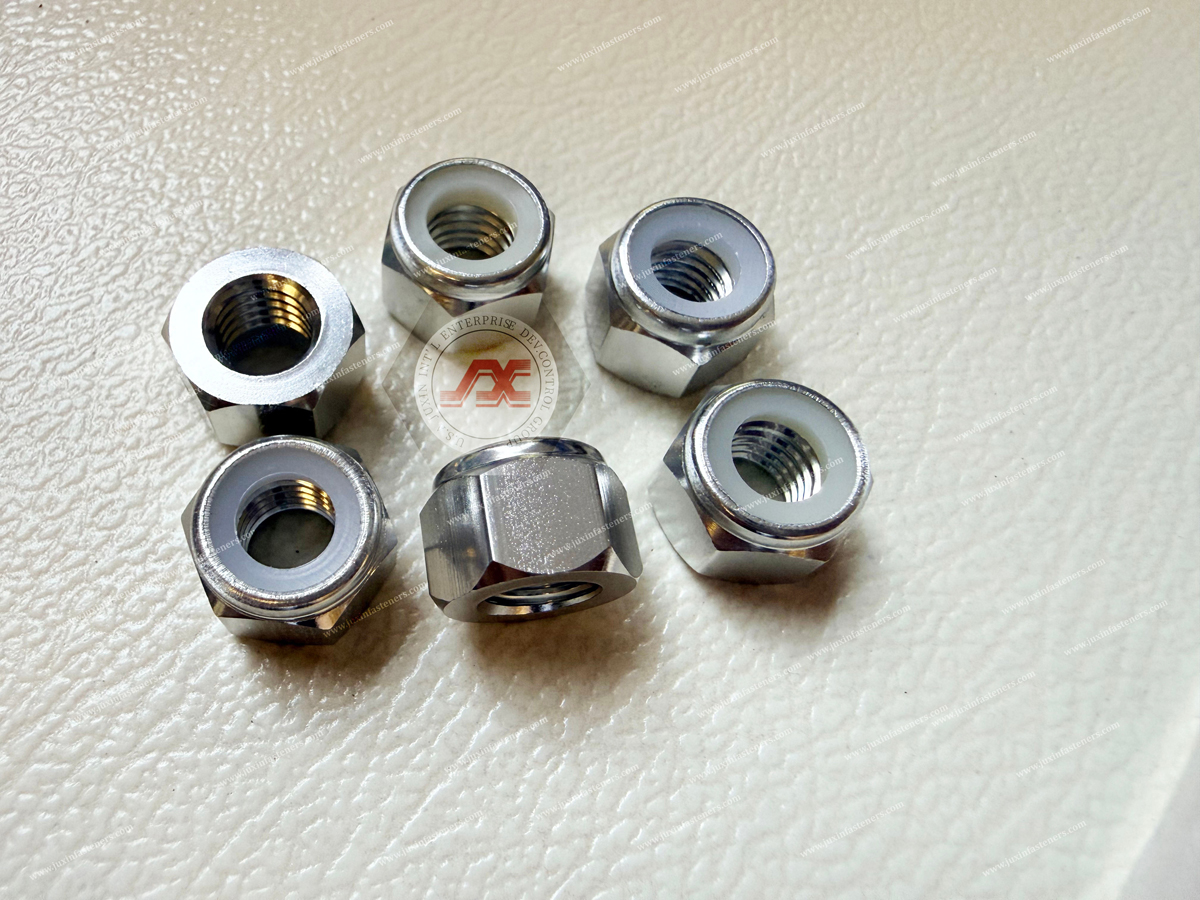
CNC machining is a subtractive manufacturing process where fasteners are produced by removing material from metal bars or blanks using computer-controlled cutting tools.
This process allows manufacturers to create highly customized components with complex geometries and tight dimensional requirements.
1. High Design Flexibility
CNC machining is ideal for:
Non-standard fasteners
Custom threaded components
Complex shapes
Prototype development
Low and medium-volume production
Engineers can easily modify dimensions, thread specifications, and special features without redesigning large production tooling.
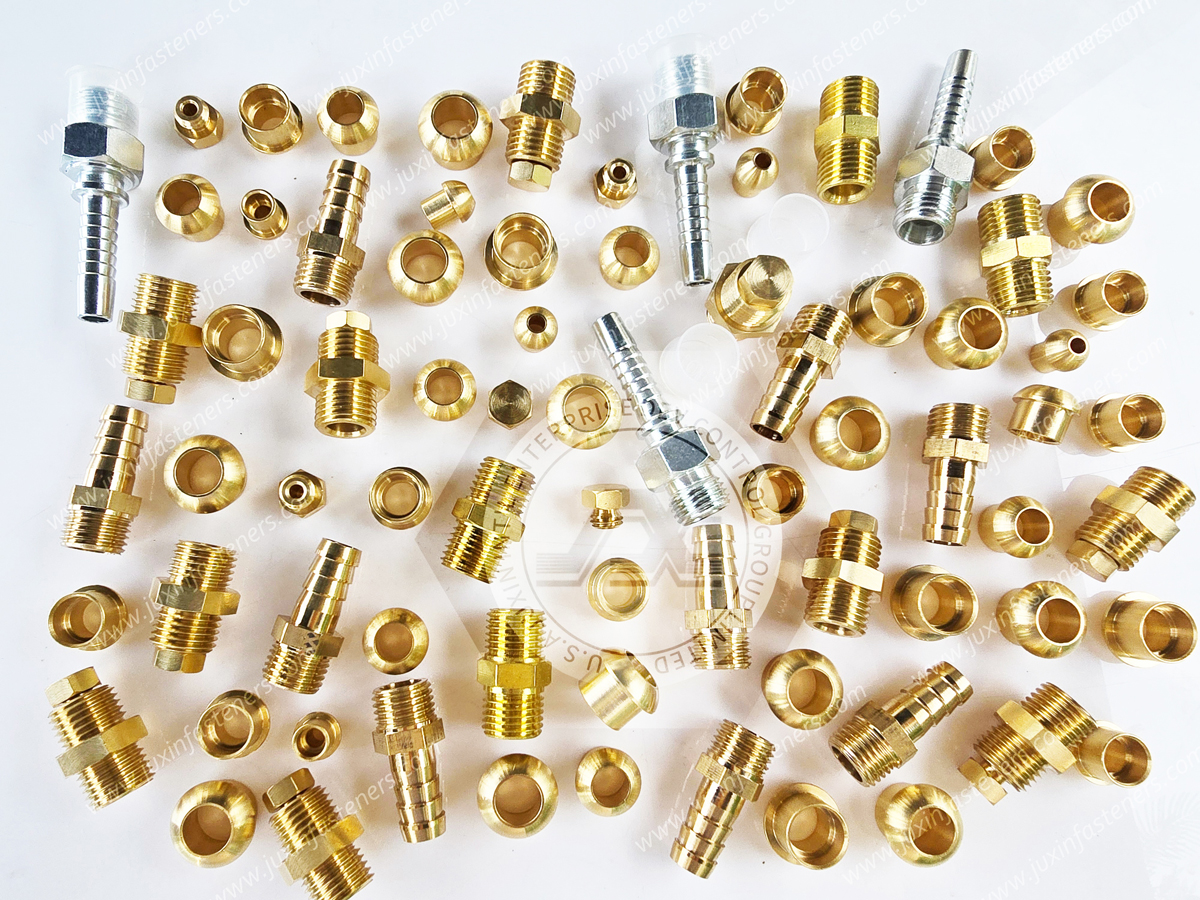
2. Excellent Precision and Tolerance Control
CNC machining is suitable for applications requiring:
Tight dimensional tolerances
Fine threads
Special profiles
Critical assembly requirements
Typical applications include precision equipment, medical devices, aerospace components, and automation systems.
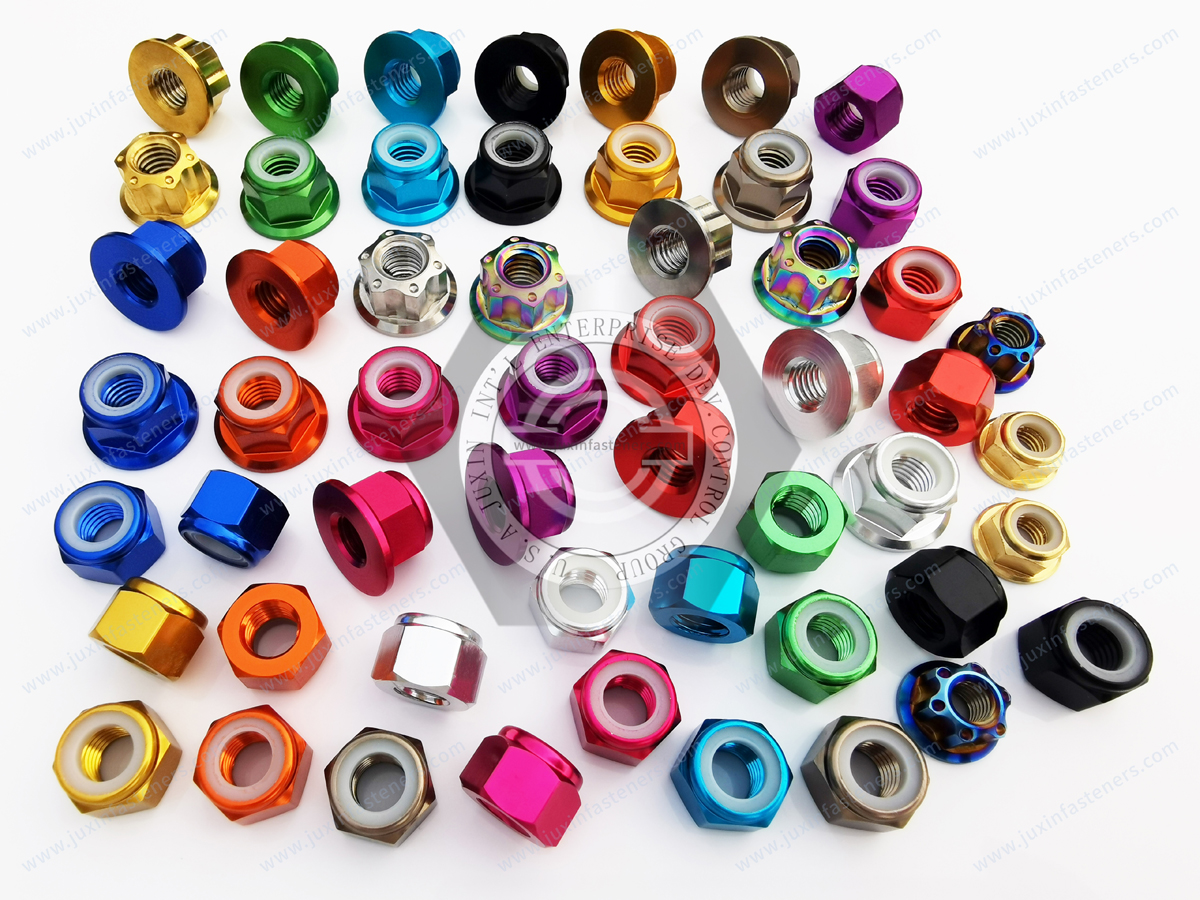
3. Wide Material Compatibility
CNC machining can process various materials including:
Stainless steel
Aluminum
Titanium
Brass
Alloy steel
This makes it suitable for industries requiring lightweight, corrosion-resistant, or high-performance materials.
Although CNC machining offers excellent flexibility, it also has cost limitations:
Higher labor cost
Longer production cycle
More material waste
Higher tooling wear
Higher unit cost for mass production
Therefore, CNC machining is usually preferred for customized or lower-volume fastener projects.
Cold forming, also known as cold heading, is a metal forming process where steel wire is shaped into fasteners through high-pressure dies and punches without removing material.
Unlike CNC machining, cold forming creates components close to their final shape with excellent material utilization.
This process is widely used for industrial fasteners such as:
Bolts
Nuts
Screws
Rivets
Studs
Special cold headed components
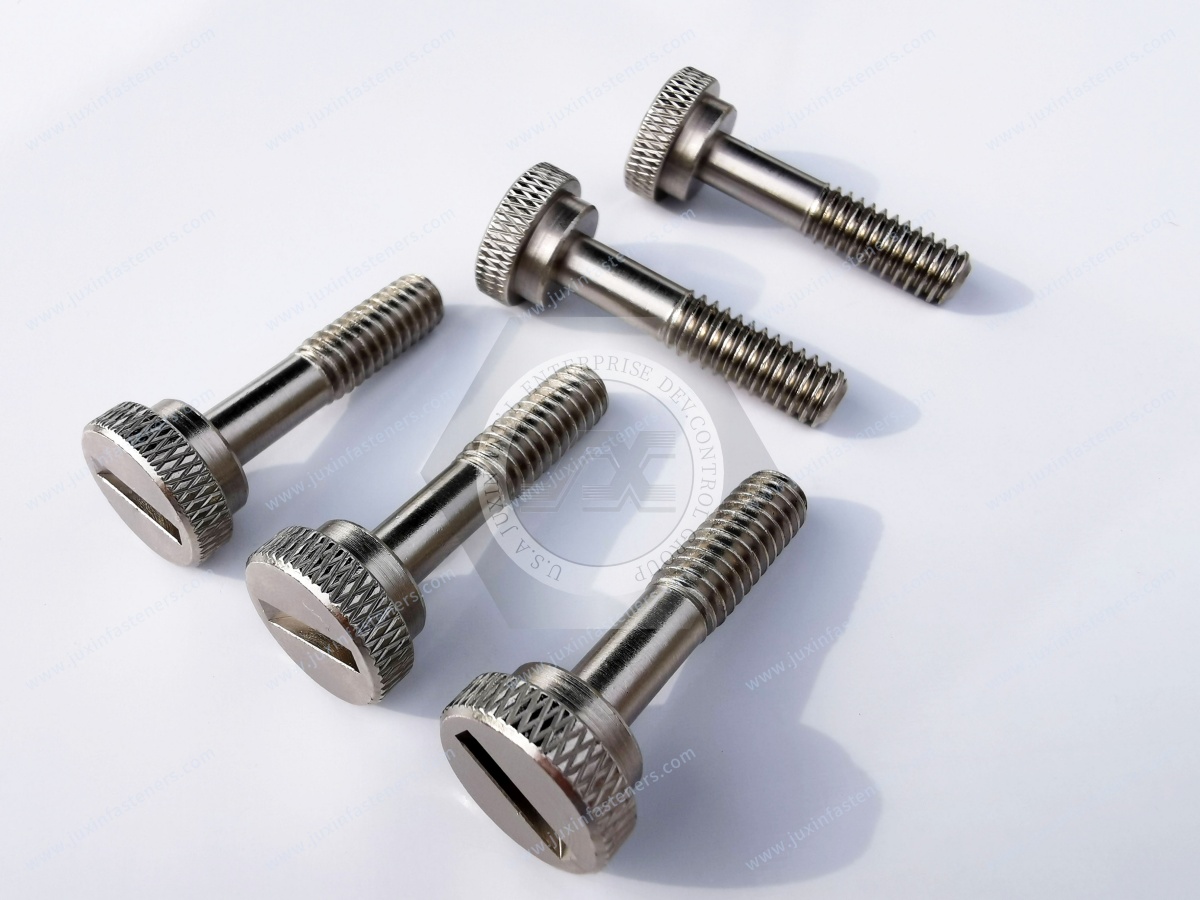
Cold forming enables extremely high-speed production.
Compared with CNC machining, cold heading provides:
Faster cycle time
Higher output capacity
Stable mass production
Lower labor cost
It is the preferred manufacturing method for automotive and industrial OEM applications.
For large production quantities, cold forming significantly reduces manufacturing cost because:
Material waste is minimized
Production speed is higher
Automated processes reduce labor requirements
This makes cold formed fasteners ideal for:
Automotive fasteners
EV battery pack fasteners
Electrical equipment fasteners
Machinery assembly components
Cold forming can improve material properties through work hardening and continuous grain flow.
Benefits include:
Higher tensile strength
Better fatigue resistance
Improved durability
Consistent mechanical performance
| Factor | CNC Machined Fasteners | Cold Formed Fasteners |
|---|---|---|
| Manufacturing Method | Material removal | Metal forming |
| Tooling Cost | Low to moderate | Higher initial die cost |
| Production Speed | Slow | Extremely fast |
| Low Volume Cost | Suitable | Less economical |
| High Volume Cost | Higher | Lowest unit cost |
| Material Utilization | More waste | Excellent efficiency |
| Customization | Excellent | Limited |
| Complex Geometry | Excellent | Moderate |
| Mass Production | Not ideal | Excellent |
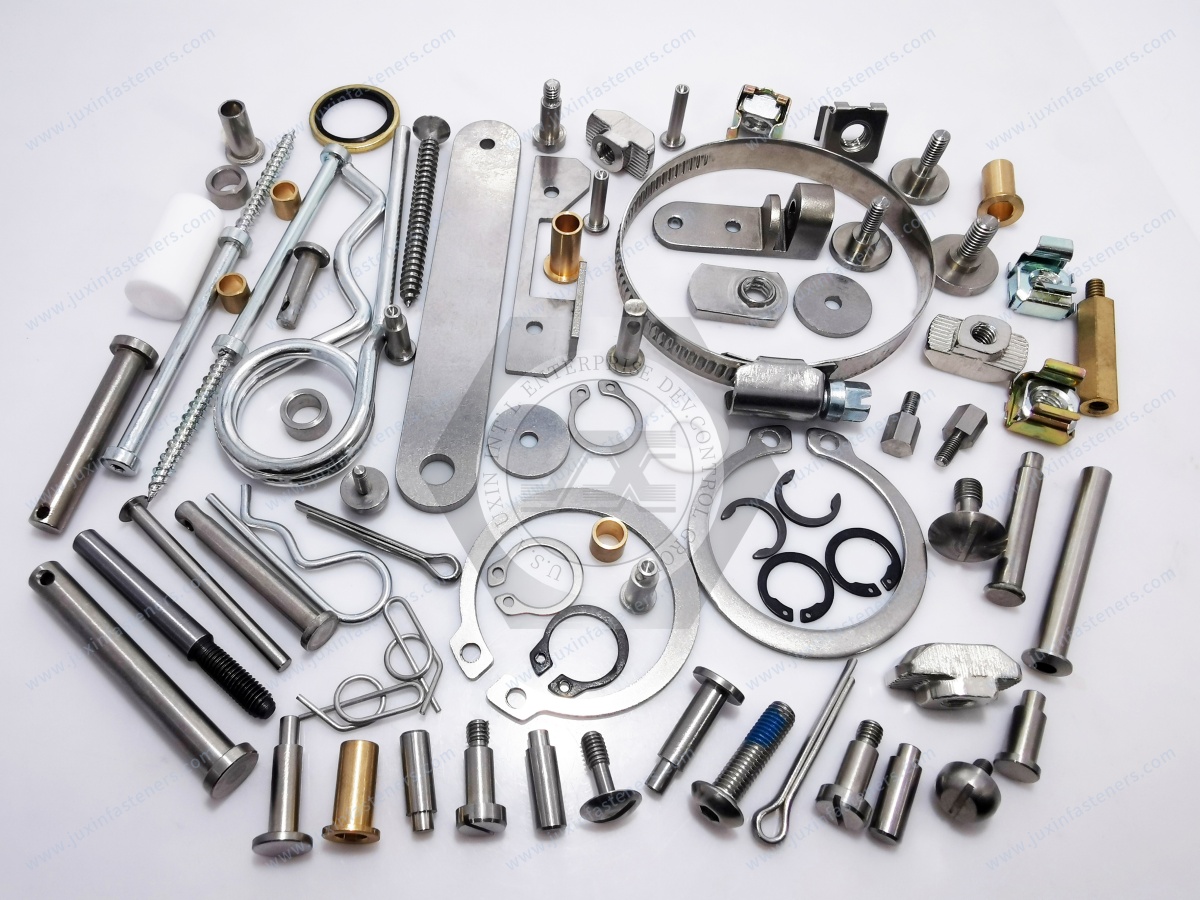
CNC machining is recommended when:
Examples:
Special shapes
Unique thread specifications
Non-standard dimensions
Prototype components
Suitable for:
Product development
Testing stages
Engineering samples
Small batch manufacturing
When using materials such as:
Titanium
Aluminum alloys
Stainless steel
CNC machining may provide better manufacturing flexibility.
Cold forming is the preferred solution when:
Typical applications:
Automotive assembly
EV battery systems
Rail transit components
Machinery manufacturing
Examples:
Metric bolts
Lock nuts
Flange nuts
Rivets
Threaded components
For OEM customers producing thousands or millions of components, cold formed fasteners provide significant cost advantages.
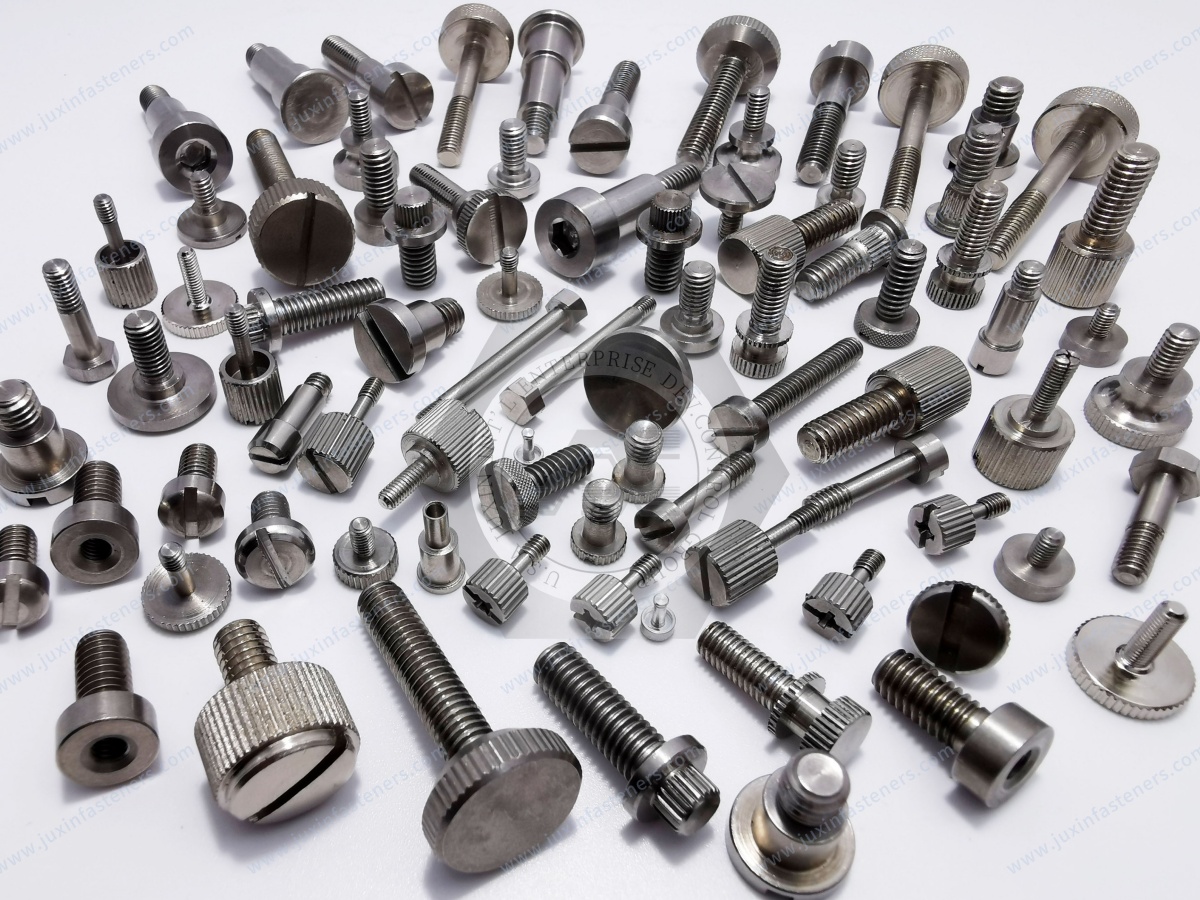
Juxin Fasteners supplies customized fastener manufacturing solutions for multiple industries worldwide.
Applications:
Battery pack fasteners
Chassis fasteners
Engine components
Body structure fasteners
Special locking nuts
Cold forming is widely used for high-volume automotive fasteners due to its efficiency and reliability.
Battery Pack Manufacturing
EV battery systems require:
High corrosion resistance
Stable torque performance
Lightweight solutions
Reliable mechanical fastening
Solutions include:
Rivet nuts
Thread inserts
Stainless steel fasteners
Special OEM fasteners
Applications:
Interior components
Structural assemblies
Electrical systems
Requirements:
High strength
Long service life
Corrosion protection
Applications:
Lightweight components
Precision assemblies
Special alloy fasteners
CNC machining is often selected for complex aerospace parts requiring strict tolerances.
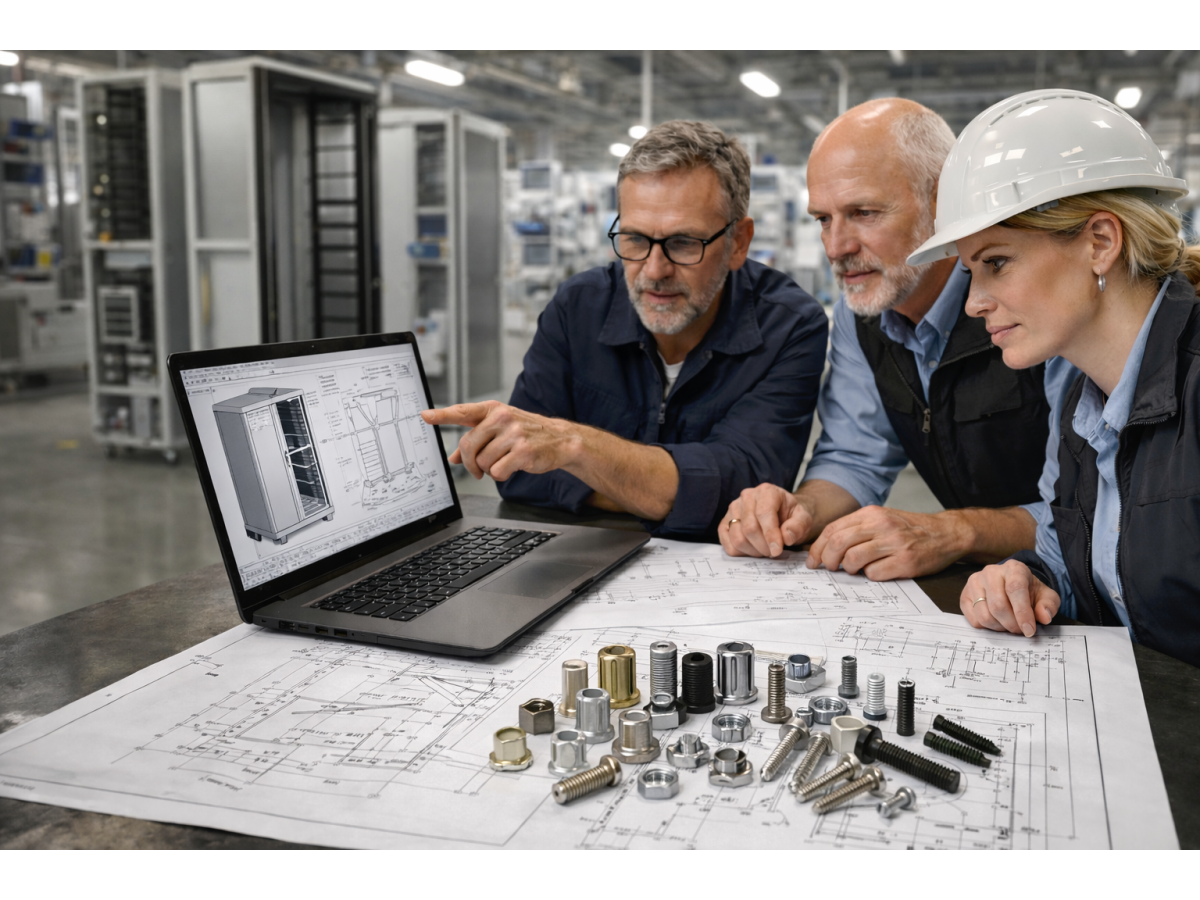
Applications:
Cabinet assembly
Control panels
Enclosure systems
Fastener solutions:
Self-clinching fasteners
Weld nuts
Thread inserts
Rivet nuts
Applications:
Equipment assembly
Sheet metal connections
Outdoor units
Requirements:
Corrosion resistance
Reliable fastening performance
Applications:
Precision equipment
Laboratory devices
Healthcare machinery
CNC machined fasteners are commonly selected for customized components with strict dimensional requirements.
Industrial applications include:
Heavy machinery
Automation equipment
Robotic systems
Structural assemblies
Cold formed fasteners provide reliable performance for large-scale manufacturing.
Engineers should evaluate five key factors:
Prototype → CNC machining
Small batch → CNC machining
Large volume → Cold forming
Consider:
Carbon steel
Stainless steel
Aluminum
Alloy materials
Complex geometry:
→ CNC machining
Standardized geometry:
→ Cold forming
Evaluate:
Tensile strength
Torque requirements
Corrosion resistance
Fatigue performance
The lowest unit price does not always mean the lowest total cost.
A professional fastener supplier can help optimize:
Material usage
Manufacturing process
Surface treatment
Quality inspection
Juxin Fasteners specializes in providing:
Cold formed fasteners
CNC machined fasteners
Custom OEM fasteners
Threaded inserts
Weld fasteners
Rivet nuts
Special industrial fasteners
With experience serving global customers, we support industries including:
Automotive / EV / Battery Pack / Rail Transit / Aerospace / Electrical Cabinets / HVAC / Medical Equipment / Construction / Machinery / Robotics / Sheet Metal Fabrication
Our manufacturing capabilities include:
Precision cold heading
CNC machining
Thread processing
Surface treatment
100% inspection solutions
OEM customized production
Whether you need a prototype component or millions of production fasteners, Juxin Fasteners helps optimize the balance between cost, quality, and performance.
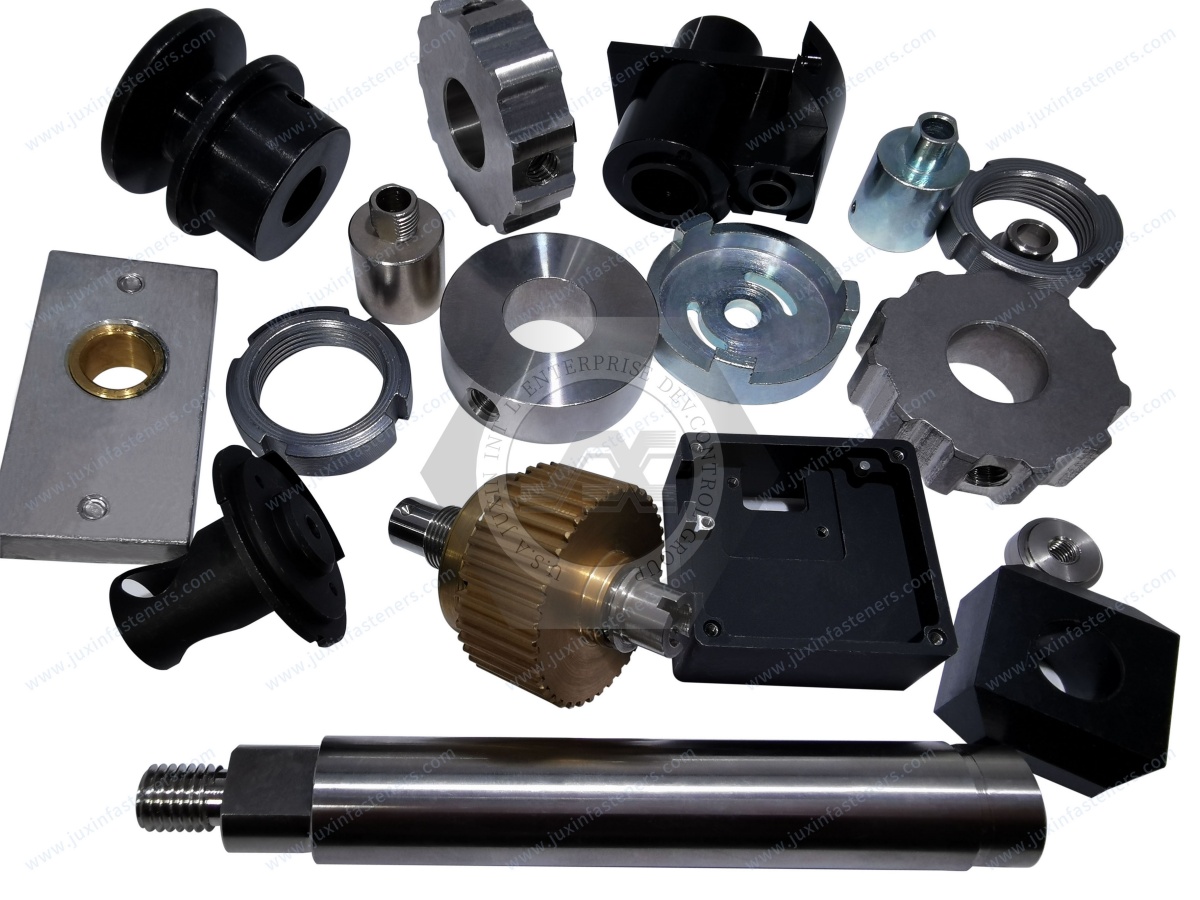
For customized fastener solutions, drawings review, or manufacturing consultation:
Email: info@juxinfasteners.com
Juxin Fasteners — Your Reliable OEM Partner for Industrial Fasteners Worldwide.
 MORE NEWS
Sep. 27, 2026
Sep. 27, 2026
Sep. 27, 2026
Contact Us
Tel.:
+86 020 8621 0320
+86 020 3121 6067
E-mail:
Technical Support:
Navigation
SEND INQUIREY