
Call Us
+86 136 6007 9809
Call Us
+86 136 6007 9809

Sep. 18, 2023
A copper washer can be selected for very different reasons.
One engineer may need a washer beneath an electrical terminal.
Another may need a conductive interface in power-distribution equipment.
A mechanical designer may require a nonferrous bearing washer.
A procurement team may simply receive a drawing that says:
Copper Washer — ID 10.5 mm × OD 20 mm × 1.5 mm
These applications should not automatically be treated as copper sealing-washer applications.
For industrial sourcing, the first question should therefore be:
What is the copper washer actually required to do?
The engineering path may be:
Bearing Interface → Electrical Contact → Thermal Function → Spacing → Surface Protection → Custom Geometry
Only after the function is known should the specification move toward:
ID → OD → Thickness → Copper Grade → Material Condition → Surface Requirement → Environment → Inspection → RFQ
JUXIN FASTENERS supports OEM sourcing of copper flat washers, custom stamped copper washers, electrical copper washers,
sealing washers and other industrial washer components for electrical equipment, power distribution, EV systems, energy storage,
industrial machinery, automation, telecommunications, AI data centers, thermal-management equipment and other engineered assemblies.
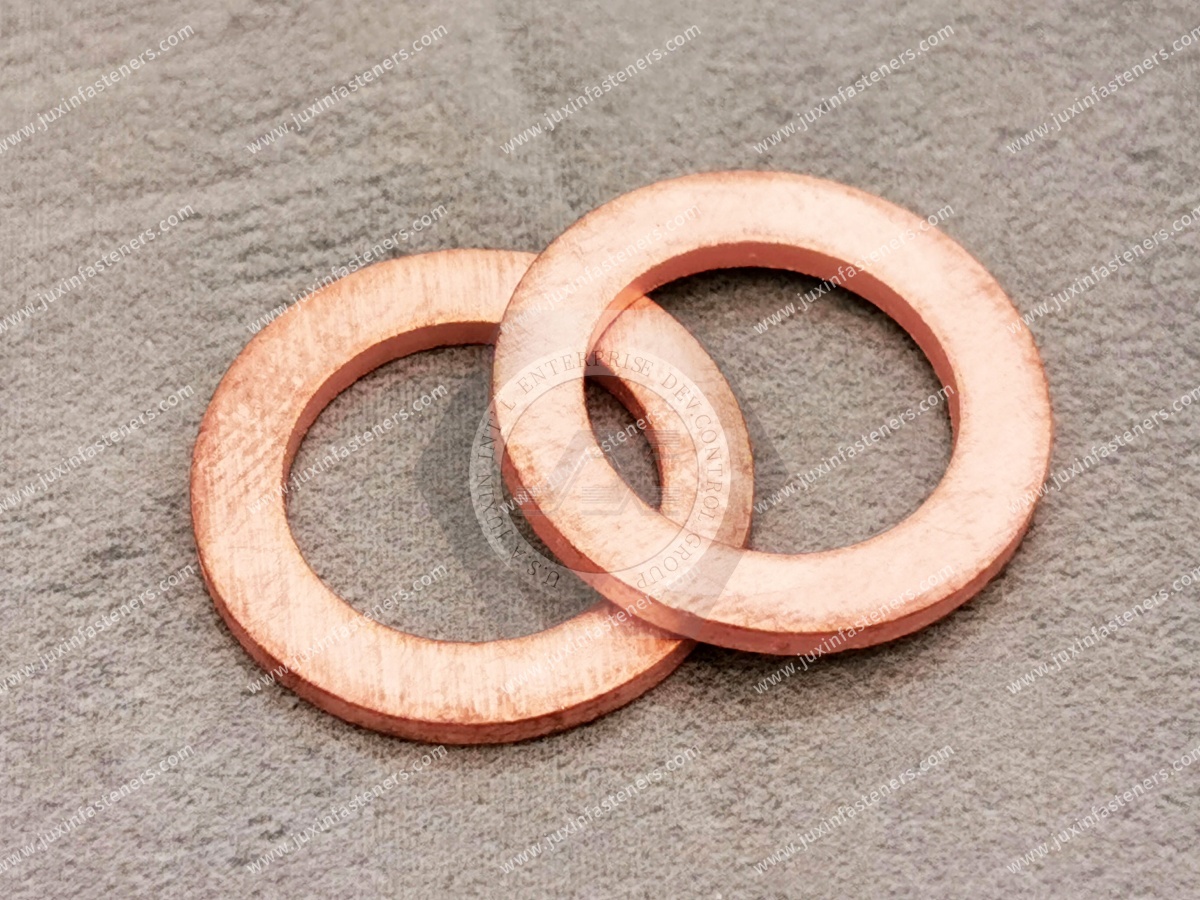
A copper flat washer is an annular component manufactured from copper or a specified copper material and installed within a mechanical or electrical assembly.
Depending on the design, its function may include:
increasing bearing area;
distributing local contact pressure;
protecting a mating surface;
providing spacing;
participating in an electrical interface;
conducting heat;
providing a custom nonferrous interface.
This leads to an important distinction:
Copper Flat Washer ≠ Automatically Copper Sealing Washer
Although both products may have similar circular geometry, their engineering functions can be very different.
A copper sealing washer is generally selected as a deformable metallic sealing element.
A copper flat washer may instead be selected for:
bearing;
electrical;
thermal;
spacing;
mechanical interface
requirements.
For a sealing washer, material softness and surface conformity may be central to the design.
For an electrical washer, engineers may focus more heavily on:
electrical conductivity;
contact resistance;
surface condition;
clamp stability;
corrosion.
For a mechanical flat washer, the priorities may instead include:
bearing area;
thickness;
geometry;
deformation;
parent-material protection.
Therefore:
Same Material + Similar Shape ≠ Same Engineering Function
A common procurement mistake is to begin with:
“We need a copper washer.”
A better engineering question is:
“Why does this joint require copper?”
Possible reasons include:
electrical conductivity;
thermal conductivity;
corrosion behavior;
nonmagnetic material requirement;
compatibility with adjacent components;
custom drawing requirement;
legacy replacement requirement;
controlled mechanical interface.
If none of these functions requires copper, another washer material may be more appropriate.
Copper has high electrical conductivity compared with many common engineering metals.
This makes copper components useful in electrical and power applications.
Potential copper washer applications may exist in:
electrical terminals;
power-distribution equipment;
switchgear;
busbar assemblies;
battery equipment;
energy-storage systems;
power-conversion equipment;
electrical cabinets;
telecommunications hardware.
However, material conductivity alone does not determine electrical-joint performance.
An electrical joint is a system.
Its resistance can depend on:
washer material;
mating materials;
contact area;
contact pressure;
oxide films;
surface contamination;
plating;
roughness;
clamp load;
thermal cycling;
corrosion.
Therefore:
High-Conductivity Copper Washer ≠ Automatically Low-Resistance Electrical Connection
The complete interface must be engineered.
Copper surfaces can oxidize.
Surface films may influence electrical contact behavior depending on:
interface pressure;
surface treatment;
environment;
assembly design.
For electrically sensitive joints, engineers should define the required:
surface condition;
cleaning;
plating where applicable;
contact preparation;
tightening procedure.
Do not assume that a visibly clean copper washer guarantees the required electrical performance.
A copper washer may be conductive.
That does not automatically make the complete connection a compliant grounding or protective-earth connection.
Grounding performance depends on the entire electrical path.
The engineer must evaluate:
contact interfaces;
coatings;
paint;
oxide layers;
fastener system;
clamp stability;
applicable electrical requirements.
Therefore:
Copper Material ≠ Verified Grounding Connection
Copper busbars are widely used in power-distribution and power-conversion systems.
A copper washer may be considered in selected busbar or terminal assemblies, but its use should be driven by the electrical and mechanical design.
Relevant considerations can include:
current path;
joint pressure;
contact resistance;
busbar material;
fastener material;
surface plating;
thermal cycling;
joint relaxation.
A copper washer should not be added simply because the busbar itself is copper.
Even when electrical performance is important, the washer remains a mechanical component.
A washer beneath a bolt head or nut changes the bearing interface.
A larger outside diameter can distribute load over a wider area.
Conceptually:
Fastener Bearing Area → Washer Bearing Area → Mating Component
This can be useful when the mating surface needs a larger load-distribution area.
However:
Larger OD ≠ Automatically Better
Available space, component stiffness and electrical-interface requirements still matter.
Copper is generally softer than hardened steel fasteners.
Under sufficient contact pressure, the washer may plastically deform.
This matters because washer deformation can influence:
joint settlement;
clamp load;
surface conformity;
long-term interface behavior.
A copper washer should therefore not automatically replace a hardened steel washer in a highly loaded bolted joint.
A hardened steel washer can be selected to provide a stable bearing surface beneath a high-strength fastener.
A copper washer has different mechanical properties.
Therefore:
Copper Washer ≠ Hardened Washer Substitute
If the joint uses high-strength bolts and requires a hardened bearing interface, changing to copper requires engineering review.
Copper can deform under sustained stress depending on:
material condition;
stress;
temperature;
time.
In preload-sensitive joints, this can contribute to settlement or clamp-load change.
The design should therefore consider whether the washer is being used primarily as:
an electrical interface;
a mechanical bearing washer;
a deformable sealing component.
These functions may require different material conditions.
“Copper” is not one single material grade.
International procurement may encounter multiple copper designations with different:
chemistry;
conductivity;
deoxidation method;
formability;
manufacturing behavior;
service characteristics.
A professional drawing should specify the required material where it matters.
ASTM B152/B152M covers several copper materials supplied as:
sheet;
strip;
plate;
rolled bar.
Examples include copper UNS numbers such as:
C10100;
C10200;
C11000;
C12000;
C12200.
These materials do not all have identical properties.
The appropriate material depends on the application.
This distinction is important.
ASTM B152/B152M is a material/product-form specification for copper sheet, strip, plate and rolled bar.
It does not by itself define the complete finished copper washer.
A finished washer still requires control of:
ID;
OD;
thickness;
tolerances;
burr condition;
flatness where required;
material condition;
surface requirement;
functional performance.
Therefore:
ASTM Copper Material Specification ≠ Finished Washer Specification
C11000 electrolytic tough pitch copper is one material buyers may encounter when sourcing copper components.
It can be relevant where high electrical and thermal conductivity are important.
However:
C11000 ≠ Universal Copper Washer Material
Another copper grade may be required because of:
manufacturing process;
environment;
customer drawing;
thermal conditions;
electrical requirement;
sealing requirement.
The material should follow the actual engineering task.
Oxygen-free copper grades may be specified for particular electrical, electronic or specialized applications.
Their use should be based on a real material requirement.
Do not specify oxygen-free copper merely because it sounds higher grade.
The commercial question should remain:
What property does the application require?
Phosphorus-deoxidized copper materials may be used in various fabricated copper products.
Again, the correct grade depends on the application.
For electrically conductive interfaces, conductivity requirements should be considered because different copper grades can have different electrical properties.
If a customer drawing specifies a particular copper UNS number, substitution should not occur silently.
Changing copper grade can affect:
conductivity;
formability;
mechanical properties;
thermal behavior;
corrosion behavior.
Therefore:
Copper Grade A ≠ Automatically Copper Grade B
even when the washers have identical dimensions.
Copper material can be supplied in different tempers or conditions.
The condition affects properties such as:
hardness;
strength;
ductility;
formability.
For stamped copper washers, material condition can also influence manufacturing and final component behavior.
Therefore an RFQ may need both:
Copper Grade + Material Condition
rather than simply:
Copper
Annealed copper is often discussed in relation to sealing washers because greater ductility can support surface conformity.
But an electrical or mechanical flat washer may have a different requirement.
Do not automatically anneal every copper washer.
The required material condition should follow the function.
ISO 7089 is a current international standard for plain washers, normal series, product grade A.
Other ISO plain-washer series address different geometry and product grades.
However:
ISO Washer Geometry ≠ Automatic Copper Material Specification
If a customer requests a copper washer using ISO 7089 dimensions, the RFQ should clarify whether the requirement is:
Copper Washer Manufactured to ISO 7089 Dimensional Geometry
and identify the required copper material separately.
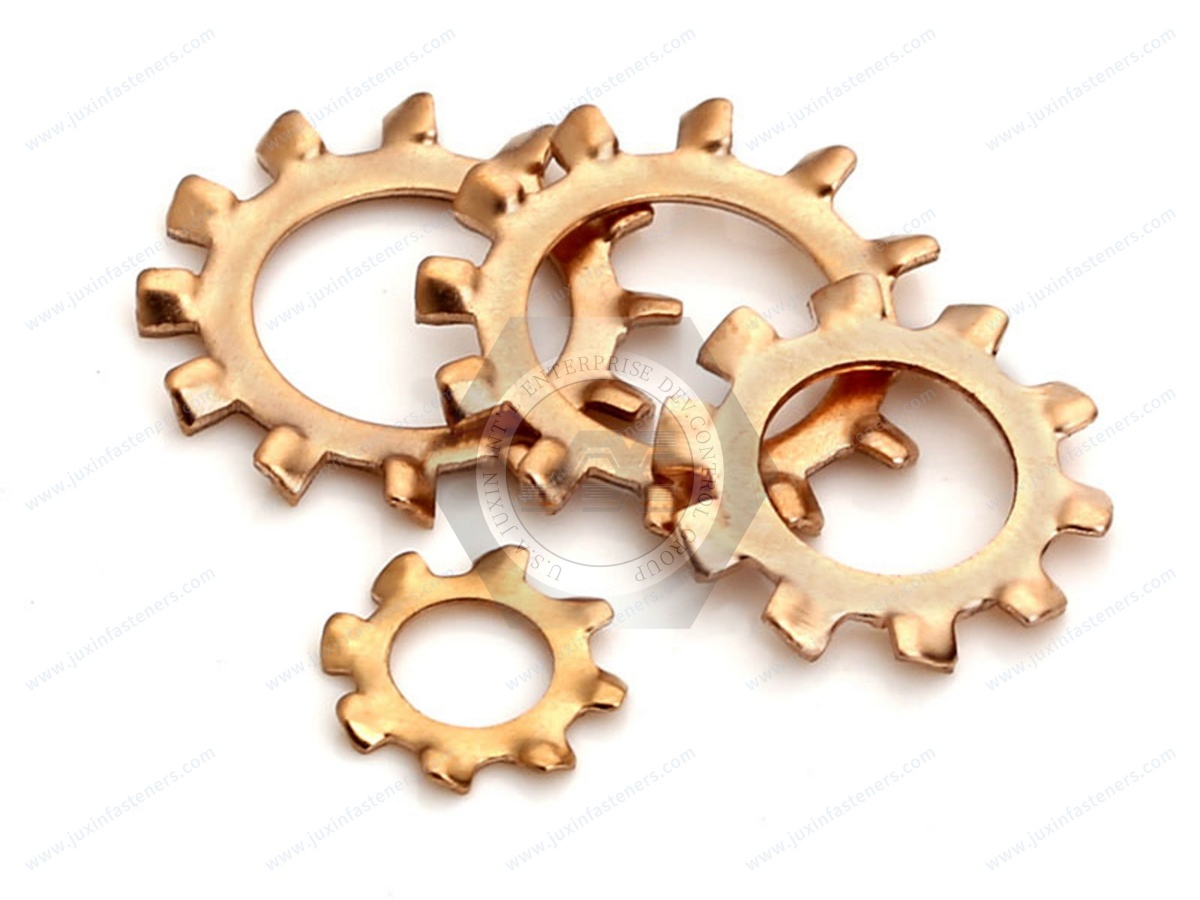
A washer that visually resembles an ISO normal-series plain washer is not automatically an ISO 7089 product.
Conformity should be based on the applicable requirements, not appearance.
For custom copper washers, it may be more accurate to use the customer drawing rather than forcing a standard designation.
Metric copper washers can be manufactured for various nominal fastener sizes.
However, a designation such as:
M8 Copper Washer
does not fully define:
ID;
OD;
thickness;
material;
condition;
tolerance.
Different washer series and custom designs can fit the same nominal fastener.
The same principle applies to inch-series washers.
A buyer should specify:
actual ID;
actual OD;
thickness;
material;
drawing or applicable standard.
Do not convert between metric and inch dimensions approximately for a precision production requirement.
The washer inside diameter must provide appropriate clearance for the intended:
bolt;
screw;
stud;
terminal post;
electrical connection.
Too much clearance can reduce usable bearing area.
Too little clearance can interfere with assembly.
Outside diameter influences:
bearing area;
available contact area;
package space;
electrical interface geometry.
The largest available washer is not automatically the correct washer.
Thickness influences:
stiffness;
deformation;
assembly stack height;
bearing behavior;
manufacturing capability.
For electrical assemblies, thickness can also affect mechanical stability of the contact stack.
Avoid specifying unnecessarily tight tolerances.
Tighter tolerances can increase:
tooling requirements;
inspection requirements;
manufacturing cost.
Tolerance should be based on actual function.
A procurement drawing should distinguish between:
Critical-to-Function Dimensions
and
General Manufacturing Dimensions
where appropriate.
Not every copper washer needs to be circular with a centered hole.
Custom stamped components can include:
nonstandard OD;
slots;
tabs;
flats;
multiple holes;
anti-rotation features;
special profiles.
When geometry moves beyond a conventional washer, a controlled drawing becomes increasingly important.
For volume production, copper washers can often be manufactured from sheet or strip by stamping.
A typical process can involve:
Copper Strip → Piercing → Blanking → Deburring → Cleaning → Inspection → Packaging
Additional processes depend on the drawing.
Stamping creates cut edges.
Burr direction and burr height can matter in:
electrical contact interfaces;
precision mechanical assemblies;
sealing interfaces;
automated assembly.
If burr condition is functionally important, define it on the drawing.
Flatness may matter where the washer participates in:
electrical contact;
controlled bearing;
precision assembly.
Required flatness should be based on the application rather than an invented universal tolerance.
Copper washer surfaces may need to meet requirements related to:
oxidation;
contamination;
oil;
fingerprints;
particles;
plating.
The required condition depends on the downstream assembly.
Some electrical applications may use plated copper components.
Potential plating systems depend on:
electrical contact requirement;
corrosion environment;
mating material;
temperature;
customer specification.
Do not assume bare copper is always the optimum electrical interface.
Copper may be assembled with other metals.
In the presence of an electrolyte, dissimilar-metal combinations can create galvanic-corrosion concerns.
Relevant variables include:
copper washer;
steel fastener;
aluminum component;
stainless component;
moisture;
salt;
coolant;
surface coatings.
Therefore:
Copper Corrosion Resistance ≠ Galvanic Compatibility with Every Metal
Copper and aluminum interfaces require particular attention in corrosive or wet environments.
The design may need to consider:
galvanic potential;
moisture exclusion;
coatings;
plating;
electrical requirements;
service environment.
Do not automatically add a bare copper washer to an aluminum joint.
Copper-stainless interfaces can also require environmental evaluation.
The fact that both materials individually resist corrosion does not eliminate galvanic considerations.
The complete material system should be reviewed.
Copper has high thermal conductivity.
This can be useful in selected thermal-management designs.
But a washer is only one small element in the thermal path.
Actual heat transfer depends on:
contact area;
interface pressure;
surface roughness;
oxide;
washer thickness;
adjacent materials.
Therefore:
High Copper Conductivity ≠ Guaranteed Thermal Performance
Copper, steel, aluminum and polymers have different thermal-expansion behavior.
In assemblies experiencing temperature cycling, designers should evaluate the complete stack.
A copper washer alone does not automatically compensate for thermal expansion.
Potential applications include:
terminal connections;
power equipment;
switchgear;
distribution systems;
electrical enclosures;
connector assemblies.
The exact washer function should be defined before material and dimensions are selected.
Potential applications can exist in:
power-distribution units;
inverters;
converters;
charging equipment;
electrical terminals;
auxiliary power systems.
However, a copper washer should not automatically be described as a battery busbar component without confirming the actual joint design.
ESS equipment may contain high-current electrical connections.
Copper components can be relevant to selected interfaces.
Engineering review should include:
current;
contact resistance;
thermal cycling;
clamping;
environment;
corrosion.
AI data centers increasingly use high-power electrical and thermal-management equipment.
Potential copper washer applications may occur in:
power-distribution hardware;
UPS equipment;
DC power equipment;
electrical cabinets;
cooling equipment;
mechanical support systems.
The washer should be selected according to its real mechanical or electrical function rather than simply because the equipment is part of a data center.
High-voltage DC and power-conversion systems can include:
busbars;
terminals;
converters;
distribution equipment;
power modules.
Copper washers may be evaluated for selected mechanical and conductive interfaces.
Electrical insulation, creepage, clearance and safety requirements remain separate engineering considerations.
Potential applications include:
power terminals;
cabinets;
equipment frames;
connector hardware.
A conductive copper washer does not automatically provide EMI shielding or grounding compliance.
Those functions require system-level design and validation.
Copper washers may be used in:
control equipment;
electrical connections;
actuators;
power modules;
machinery.
Mechanical load and electrical requirements should be reviewed together where the washer participates in both functions.
Copper washers can appear in automotive electrical and mechanical systems.
Potential areas include:
power connections;
electrical terminals;
charging systems;
power electronics;
selected mechanical interfaces.
Do not automatically use a generic copper flat washer for:
brake sealing;
fuel sealing;
hydraulic sealing.
Those applications may require dedicated copper sealing washers and controlled specifications.
The old assumption that copper washers are broadly used as structural load-distribution washers in steel construction should be treated cautiously.
High-load structural bolting systems have their own engineering requirements.
A soft copper washer should not automatically replace the specified structural or hardened steel washer.
Copper washers may instead be relevant to specialized:
electrical;
architectural;
equipment;
nonstructural
applications where specifically designed.
Copper has useful corrosion characteristics, but marine environments require evaluation of the complete material combination.
Potential concerns include:
saltwater exposure;
galvanic couples;
electrical interfaces;
coatings.
Do not describe copper washers as universally corrosion-proof in marine service.
Copper washers may be used in selected:
laboratory equipment;
diagnostic equipment;
electrical assemblies;
equipment housings.
A generic copper washer does not automatically provide:
medical-grade certification;
biocompatibility;
sterile compatibility.
These requirements must be separately specified.
A generic industrial copper flat washer should not automatically be marketed as an aerospace washer.
Aerospace hardware may require controlled:
drawing;
material;
specification;
traceability;
inspection;
supplier approval.
JUXIN FASTENERS can evaluate drawing-based requirements for appropriate industrial, MRO, tooling and ground-support applications, subject to customer specifications.
Copper and brass are different material families.
Brass can provide different:
strength;
hardness;
machinability;
electrical conductivity;
corrosion behavior.
Do not substitute brass for copper based only on appearance or dimensions.
Aluminum washers provide lower density and different mechanical, electrical and corrosion characteristics.
The correct choice depends on the complete application.
Stainless steel can provide greater mechanical strength in many washer applications and different corrosion behavior.
Copper may be preferred when conductivity or another copper-specific property is important.
Neither is universally superior.
Steel washers are common for general mechanical load distribution.
Copper washers should not replace them merely because copper provides corrosion resistance or conductivity.
The actual joint requirement should determine the material.
This is one of the most important distinctions in the JUXIN FASTENERS washer content cluster.
Primary search tasks:
electrical contact;
bearing interface;
spacing;
thermal interface;
custom geometry.
Primary search tasks:
static fluid sealing;
controlled deformation;
banjo fitting;
drain plug;
hydraulic connection;
DIN 7603 sealing ring.
If the customer's problem is leakage, the Copper Sealing Washer engineering route should be evaluated.
If the customer's problem is electrical or mechanical interface design, this Copper Flat Washer route is more relevant.
| Engineering Requirement | Key Selection Variable |
|---|---|
| Electrical contact | Copper grade, surface, clamp stability |
| Bearing interface | ID, OD, thickness, material condition |
| Thermal interface | Conductivity plus complete thermal path |
| Busbar connection | Contact pressure, surface, electrical design |
| Aluminum mating component | Galvanic compatibility |
| Stainless mating component | Environment and galvanic review |
| High-strength bolted joint | Bearing strength and deformation |
| Static fluid seal | Evaluate copper sealing washer instead |
| Custom electrical component | Drawing-based stamped washer |
| Legacy replacement | Match dimensions, material and condition |
| High-volume production | Stamping and tooling evaluation |
Copper washers have multiple engineering functions.
Copper grade and condition may matter.
Material selection should follow the actual application.
Contact resistance depends on the complete interface.
Copper can interact electrochemically with dissimilar metals.
The bearing behavior can be very different.
ISO 7089 is a plain-washer standard, not a copper raw-material specification.
It controls copper raw-material product forms, not the complete washer.
Nominal bolt size does not fully define ID, OD and thickness.
Temper and hardness can affect manufacturing and joint behavior.
Engineers may search:
copper washer;
copper flat washer;
electrical copper washer;
conductive copper washer;
C11000 copper washer;
copper washer conductivity;
copper washer for busbar;
copper washer grounding;
copper washer galvanic corrosion;
copper washer against aluminum;
copper washer material;
copper washer dimensions;
copper washer thickness;
custom copper washer.
These searches often represent active material-selection or joint-design tasks.
Procurement teams may search:
copper washer manufacturer;
copper flat washer supplier;
C11000 copper washer supplier;
electrical copper washer supplier;
custom copper washer manufacturer;
stamped copper washer supplier;
metric copper washer supplier;
inch copper washer supplier;
OEM copper washer;
custom copper washer stamping.
These queries indicate stronger commercial intent.
For technical and commercial evaluation by JUXIN FASTENERS, provide where applicable:
drawing;
customer part number;
sample;
washer function;
nominal fastener size;
inside diameter;
outside diameter;
thickness;
dimensional tolerances;
copper grade;
UNS designation where specified;
material standard;
material condition or temper;
hardness requirement where controlled;
conductivity requirement where controlled;
surface condition;
plating requirement where applicable;
burr requirement;
flatness requirement;
cleanliness requirement;
mating component material;
fastener material;
electrical function;
thermal function;
corrosion environment;
galvanic-corrosion considerations;
inspection requirement;
material documentation requirement;
prototype quantity;
production quantity;
estimated annual demand;
packaging requirement;
labeling requirement;
customer-specific requirements.
A copper flat washer is an annular copper component used in mechanical or electrical assemblies for functions such as bearing-area distribution, spacing, electrical contact or thermal conduction.
Not necessarily. A sealing washer is selected for controlled deformation and static sealing, while a flat copper washer may have mechanical, electrical or thermal functions.
Copper is highly conductive, but actual electrical-joint resistance depends on the complete interface, including contact pressure, surface condition, oxides and mating materials.
A copper washer can participate in a conductive path, but the washer alone does not guarantee a compliant grounding connection.
It is a washer manufactured from C11000 electrolytic tough pitch copper. Whether C11000 is appropriate depends on the application and drawing.
No. ASTM B152/B152M specifies copper sheet, strip, plate and rolled bar. Finished washer dimensions and functional requirements require separate control.
A customer may specify copper washers based on ISO plain-washer geometry where appropriate, but material and other requirements should be separately defined.
Copper has useful corrosion behavior in many environments, but service conditions and galvanic interaction with adjacent metals must be considered.
Potentially, but galvanic compatibility and environmental exposure should be evaluated.
Not automatically. Their mechanical properties and bearing behavior differ significantly.
They may be used in selected electrical interfaces, but the complete contact design, clamp load, surface condition and electrical requirements must be evaluated.
Copper retains useful thermal conductivity, but actual temperature suitability depends on material condition, mechanical load, relaxation and the complete assembly.
Custom copper washer requirements can be evaluated from drawings, samples, dimensions, copper grade, material condition, tolerances, surface requirements and production quantity.
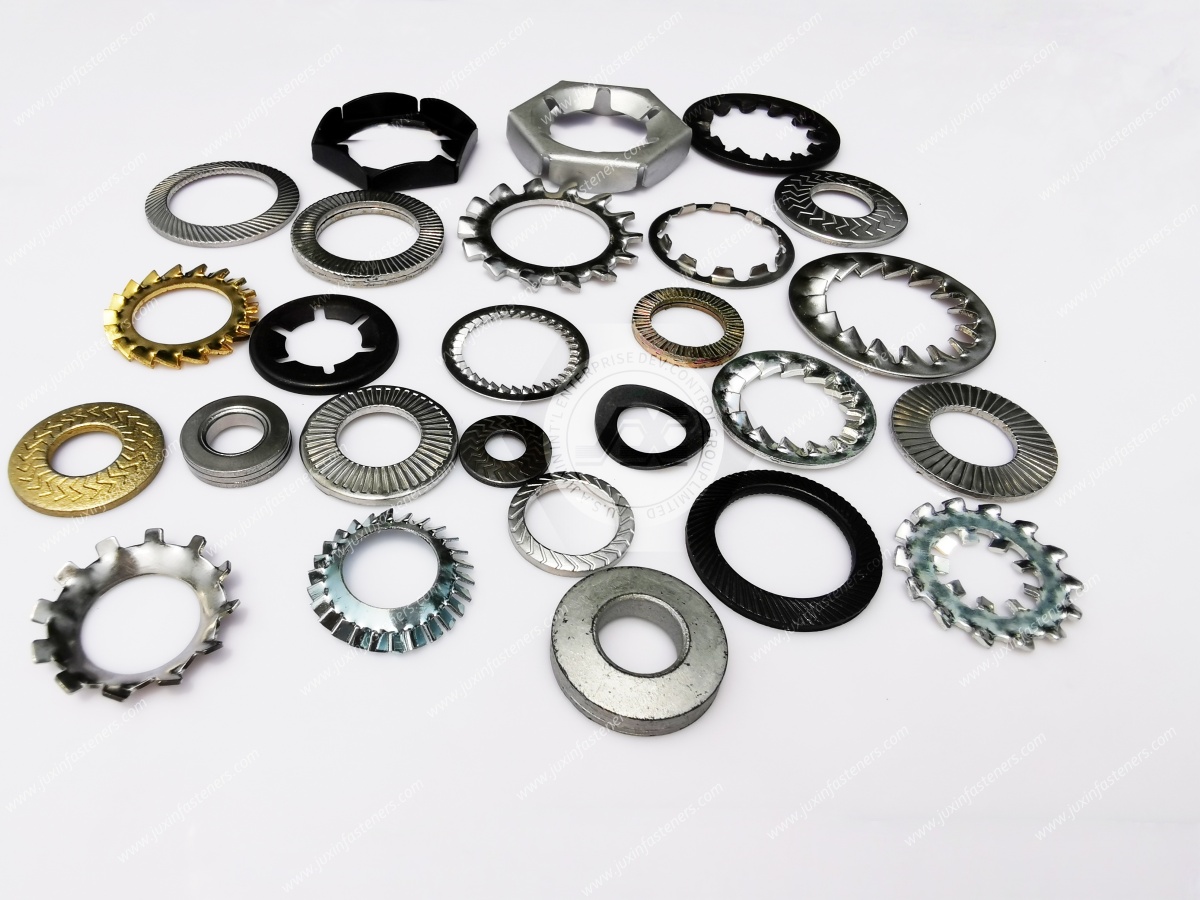
A buyer may initially ask:
“Please quote 100,000 copper washers for M8 bolts.”
That gives the supplier only:
general material family;
approximate fastener size;
quantity.
The next engineering questions should be:
What Is the Washer Function?
Is it for:
bearing;
electrical contact;
thermal transfer;
spacing;
sealing?
What Are the Actual Dimensions?
Specify:
ID;
OD;
thickness.
What Copper Grade Is Required?
For example, does the drawing require a specific UNS copper designation?
What Material Condition Is Required?
Is temper, hardness or annealed condition controlled?
What Materials Does the Washer Contact?
This matters mechanically and electrochemically.
Is Electrical Performance Required?
If so, define the relevant interface and validation requirements.
What Surface Condition Is Required?
Bare copper, plated copper and cleaned copper can behave differently.
What Environment Applies?
Consider:
moisture;
salt;
chemicals;
temperature;
thermal cycling.
The sourcing path becomes:
Function → Interface → ID / OD / Thickness → Copper Grade → Material Condition → Surface → Environment → Galvanic Review → Prototype → Validation → Production RFQ
That process converts a generic commodity request into a controlled industrial component specification.
JUXIN FASTENERS supports OEM and custom sourcing of:
copper flat washers;
electrical copper washers;
conductive washers;
custom stamped copper washers;
copper sealing washers;
copper crush washers;
industrial flat washers;
specialty washers;
custom fastening components.
Potential application sectors include:
electrical equipment;
power distribution;
HVDC systems;
UPS equipment;
power electronics;
EV electrical systems;
battery and energy-storage equipment;
AI data centers and HPC infrastructure;
telecommunications;
industrial automation;
industrial machinery;
thermal-management equipment;
HVAC equipment.
For copper static-sealing applications, refer to the JUXIN FASTENERS Copper Sealing Washers: Material, Annealing, Sealing Design & OEM Sourcing Guide.
For general washer engineering, see Industrial Washers: Types, Functions & Selection Guide.
For flat-washer size and bearing-area selection, refer to the JUXIN FASTENERS Flat Washer Selection Guide: Size, Bearing Area, ISO Standards & Industrial Applications.
For washer hardness and bolt compatibility, refer to the JUXIN FASTENERS Flat Washer Selection: Hardness, Bolt Grades & Industrial Applications.
For screw and washer system selection, see Washers and Bolts: Fastening Systems Selection Guide.
For OEM copper washer RFQs, send your drawing or sample, ID, OD, thickness, copper grade, material condition, surface requirement, application, quantity and estimated annual demand to:
For a copper flat washer, the most useful sourcing question is not:
“Is it made from copper?”
It is:
“What mechanical, electrical or thermal function does the copper washer need to perform in the complete assembly?”
 MORE NEWS
Sep. 27, 2026
Sep. 27, 2026
Sep. 27, 2026
Contact Us
Tel.:
+86 020 8621 0320
+86 020 3121 6067
E-mail:
Technical Support:
Navigation
SEND INQUIREY