
Call Us
+86 136 6007 9809
Call Us
+86 136 6007 9809

Jul. 04, 2023
Medical equipment manufacturing requires fastening systems that balance mechanical performance, corrosion resistance, dimensional control, serviceability, and long-term assembly reliability.
Diagnostic equipment, patient monitoring systems, laboratory instruments, surgical equipment, imaging systems, electronic medical equipment,
and robotic medical platforms can contain a combination of sheet metal structures, machined components, polymer housings,
aluminum frames, stainless steel assemblies, electrical enclosures, and precision mechanisms.
In these applications, a fastener is not simply a standard screw or nut. The selected fastening method can influence joint preload, vibration resistance, assembly repeatability,
corrosion behavior, accessibility, serviceability, and total manufacturing cost.
With more than 20 years of fastener manufacturing experience, JUXIN FASTENERS provides industrial fasteners, self-clinching fasteners, rivet nuts, blind rivets,
weld fasteners, locking hardware, custom screws and bolts, plastic and nylon hardware, and CNC-machined components for OEM engineering and manufacturing applications.
This guide explains the key fastening considerations for medical equipment manufacturers and provides a practical framework for engineers and procurement teams selecting components for new designs,
production assemblies, and custom OEM sourcing projects.
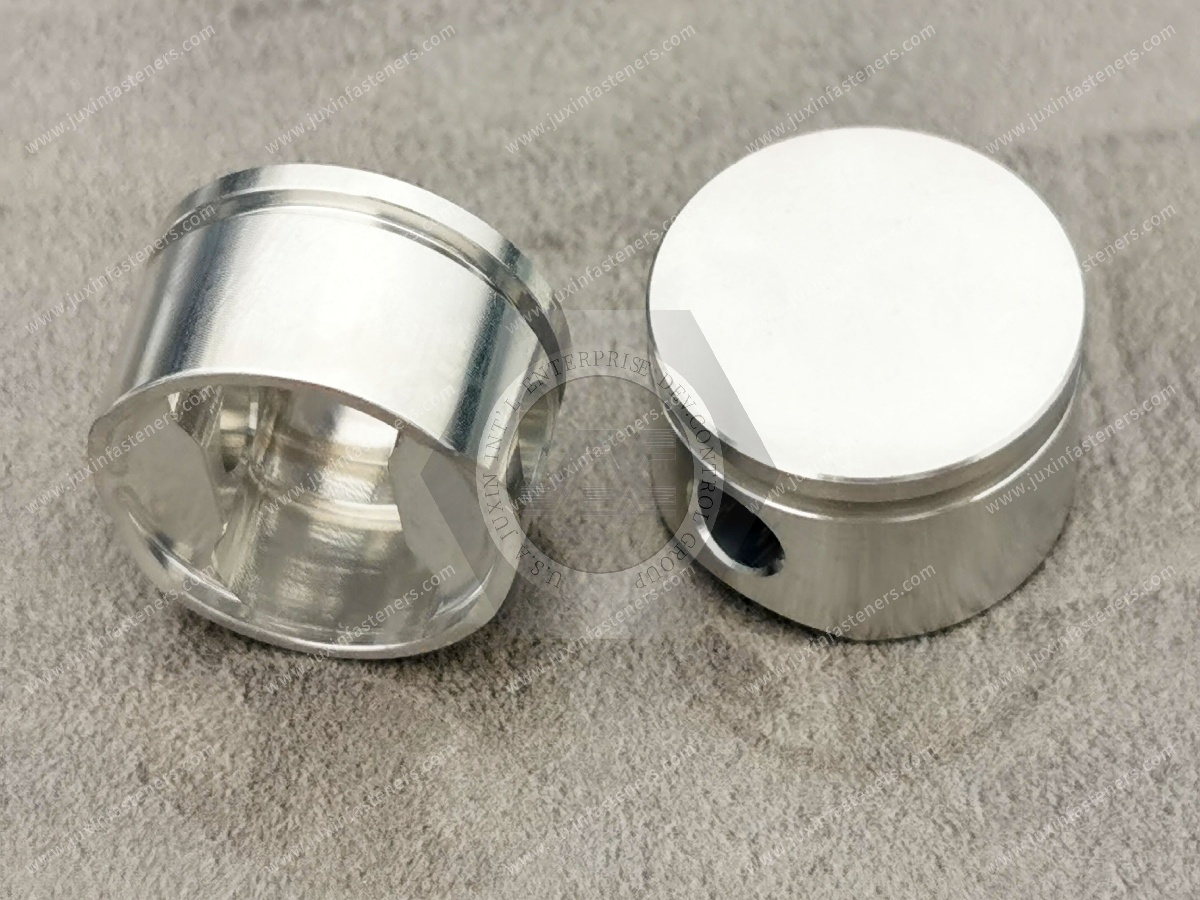
Medical equipment often combines several engineering requirements within the same assembly.
A single product may require:
High joint reliability under vibration
Corrosion-resistant materials
Controlled thread engagement
Consistent installation torque
Compact fastening solutions
Access from one side of a sheet metal panel
Compatibility with aluminum, stainless steel, or engineered polymers
Repeated service and maintenance
Clean and controlled surfaces
Dimensional consistency across production batches
Traceable material and dimensional documentation when specified by the OEM
Compatibility with cleaning and sterilization processes where applicable
The correct fastener therefore depends on the complete joint design rather than on the fastener name alone.
For example, a self-clinching nut can solve a different engineering problem from a conventional nut and bolt.
A rivet nut can provide a captive internal thread where only one side of a panel is accessible. A locking screw or nut can address vibration-related loosening.
A CNC-machined component can integrate several mechanical functions into a single custom part.
The engineering objective is to select the fastening method that fits the joint, material, environment, installation process, and production volume.
Fastener requirements vary significantly between different types of medical equipment.
Diagnostic equipment may contain sheet metal chassis, electronic modules, sensor assemblies, instrument panels, access covers, structural brackets, and internal mechanisms.
Typical fastening requirements include:
Compact screws and bolts
Self-clinching nuts and studs
Threaded inserts or rivet nuts where appropriate
Locking nuts
Washers
Precision pins
Custom CNC-machined components
For sheet metal enclosures, self-clinching fasteners can eliminate loose nuts and provide a permanent threaded fastening point after installation into the appropriate sheet material.
This can be particularly useful where internal access is restricted or where a captive fastening point is desirable for repeated assembly and service.
Robotic and electromechanical equipment can contain multiple moving joints, actuator assemblies, brackets, covers, housings, and precision mechanisms.
The fastening system must be considered together with:
Joint stiffness
Applied preload
Vibration
Cyclic loading
Installation torque
Thread engagement
Maintenance requirements
Available installation space
For high-load mechanical joints, engineers should evaluate the complete bolted-joint design rather than selecting a fastener solely by nominal tensile strength.
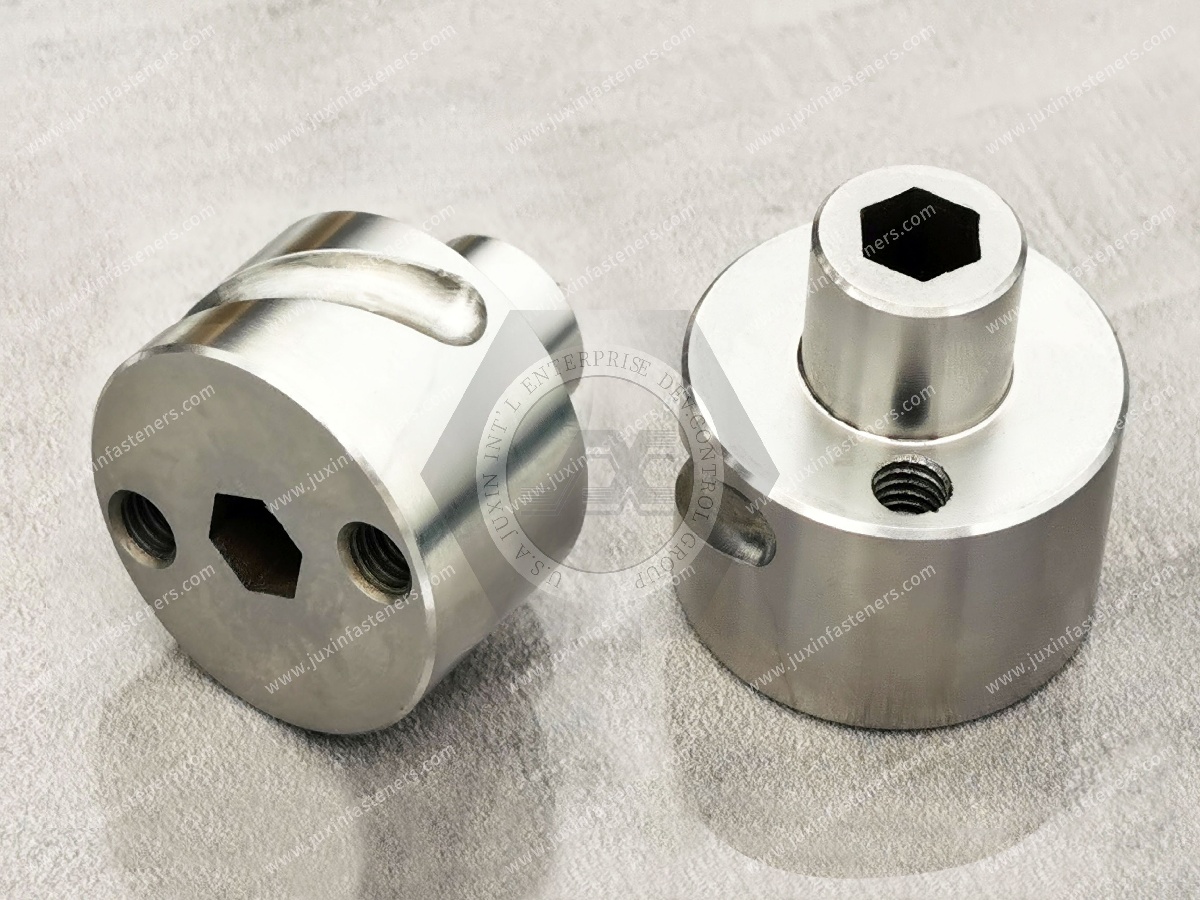
Imaging systems such as CT, MRI, X-ray, and other diagnostic platforms can contain large structural frames together with sensitive electronic and mechanical assemblies.
Depending on the equipment architecture, fasteners may be required for:
Structural brackets
Sheet metal enclosures
Cable management components
Sensor mounts
Access panels
Internal modules
Mechanical positioning systems
Vibration, electromagnetic environment, corrosion resistance, service access, and material compatibility may all influence fastener selection.
The exact requirements should be established from the equipment design and applicable product-level specifications rather than assumed from the application alone.
Portable equipment places additional emphasis on:
Low weight
Compact assembly
Repeated service
Polymer housings
Sheet metal inserts
Thread durability
Resistance to installation damage
For polymer housings, conventional metal threads may not always provide the required durability for repeated assembly.
Engineers should evaluate the boss geometry, material, thread design, installation method, and expected service cycles before selecting a fastening solution.
Sheet metal enclosures are widely used in industrial electronic and medical equipment.
Traditional nut-and-bolt assemblies can create several production problems:
Loose nuts during assembly
Limited access to the rear side of a panel
Additional assembly operations
Increased risk of dropped hardware
Difficulty maintaining consistent positioning
Self-clinching fasteners provide a permanent fastening point in suitable sheet materials after installation.
Typical configurations include:
Self-clinching nuts
Self-clinching studs
Self-clinching standoffs
Other application-specific self-clinching hardware
These components can be considered for:
Medical equipment sheet metal enclosures
Instrument panels
Electronic housings
Internal brackets
Control cabinets
Sensor assemblies
Material selection should consider the panel material, thickness, installation method, load direction, corrosion environment, and required thread size.
JUXIN FASTENERS supplies self-clinching fasteners for industrial applications and can review drawings and specifications to determine the appropriate configuration.
Rivet nuts, also called blind rivet nuts, can create a load-bearing internal thread in a panel when access to the rear side is unavailable.
They can be useful for:
Enclosures
Equipment frames
Thin-wall panels
Service covers
Brackets
Assemblies requiring one-sided installation
The correct rivet nut depends on the parent material, panel thickness, thread size, grip range, installation method, and required pull-out and torque performance.
For production applications, the fastener should be validated in the actual parent material rather than selected only from a nominal catalog specification.
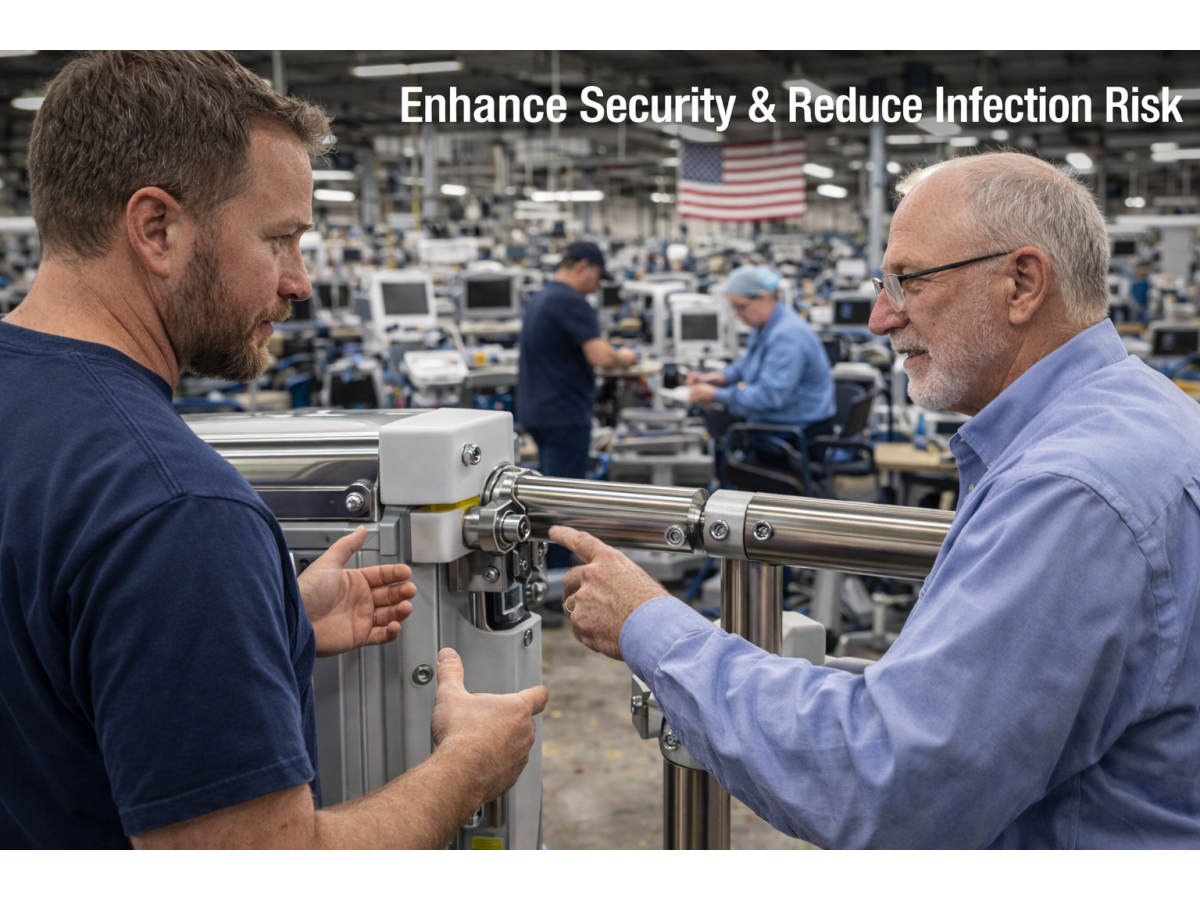
Vibration-related loosening is a joint-design problem, not simply a fastener-material problem.
Rotating mechanisms, motors, fans, pumps, actuators, robotic motion systems, and other electromechanical assemblies can experience cyclic vibration.
A joint can lose clamping performance when external loading, joint stiffness, preload, surface conditions, or installation variables are not properly controlled.
Depending on the application, engineers may consider:
Prevailing-torque nuts
Mechanical locking features
Thread-locking compounds
Locking screws
Appropriate washer systems
Increased joint preload where structurally appropriate
Improved joint stiffness
Reduced transverse movement
Controlled installation torque
Standards such as ISO 2320 provide requirements and test considerations for prevailing-torque type steel nuts.
However, selecting a locking fastener solely because an application experiences vibration is not sufficient.
The locking method should be evaluated against the joint geometry, temperature, maintenance requirements, installation process, and expected loading.
Where a joint requires accurate location or resistance to lateral movement, engineers may use precision pins rather than relying on a threaded fastener to perform the locating function.
ISO 8752 covers slotted spring pins and is relevant to certain mechanical locating and retention applications.
The important design distinction is:
Fasteners primarily clamp; locating features primarily locate.
Using the correct component for each mechanical function can improve repeatability and reduce unnecessary loading on threaded fasteners.
Material selection should be based on the actual environment rather than the assumption that every medical application requires the same stainless steel grade.
Austenitic stainless steels such as 304/304L and 316/316L are commonly considered when corrosion resistance is important.
316/316L may be preferred in environments where increased resistance to chloride-related corrosion is required.
The final selection should consider:
Exposure to cleaning agents
Moisture
Chlorides
Temperature
Mechanical loading
Contact with dissimilar metals
Surface condition
Required corrosion resistance
Alloy steel fasteners can provide high mechanical strength for structural joints.
Common international fastener property classes include 10.9 and 12.9, where appropriate to the applicable product standard and design.
For medical equipment, however, high strength alone does not automatically make an alloy steel fastener suitable.
Surface treatment, corrosion exposure, environmental requirements, and the complete joint design must also be considered.
Titanium alloys such as Ti-6Al-4V can offer a high strength-to-weight ratio and corrosion resistance for specialized applications.
Whether titanium is appropriate depends on the mechanical, environmental, cost, and application requirements defined by the equipment manufacturer.
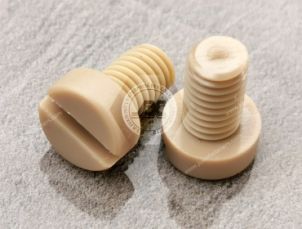
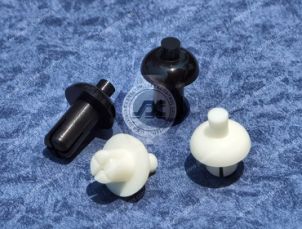
Plastic and nylon hardware can be useful when low weight, electrical insulation, corrosion resistance, or reduced metal contact is required.
Potential materials include:
PA6
PA66
POM
PVDF
PEEK
The correct polymer depends on temperature, chemical exposure, mechanical loading, creep behavior, dimensional stability, and application requirements.
For polymer fasteners and hardware, long-term creep and thread strength should be evaluated rather than comparing tensile strength alone.
Medical equipment may be exposed to cleaning chemicals, disinfectants, humidity, elevated temperatures, steam, or other process conditions depending on the specific equipment and intended use.
Not every medical product is sterilized in the same way.
Possible environmental conditions can include:
Steam sterilization
Ethylene oxide processes
Hydrogen peroxide-based processes
Alcohol-based cleaning
Disinfectant wipes
Repeated aqueous cleaning
Elevated temperature and humidity
Fastener selection should therefore be based on the actual validated cleaning or sterilization process specified by the equipment manufacturer.
A stainless steel grade that performs well in one environment may not provide the same result under another combination of chemicals, temperature, and exposure time.
Surface treatment can influence:
Corrosion resistance
Appearance
Friction
Installation torque
Thread behavior
Electrical properties
Compatibility with surrounding materials
For stainless steel components, passivation may be specified by the customer or application requirements.
ASTM A967 and AMS 2700 are internationally recognized specifications that may be referenced for chemical passivation of stainless steel parts.
However, passivation should not be automatically represented as a requirement for every medical fastener. The appropriate process should be established from the component specification and application environment.
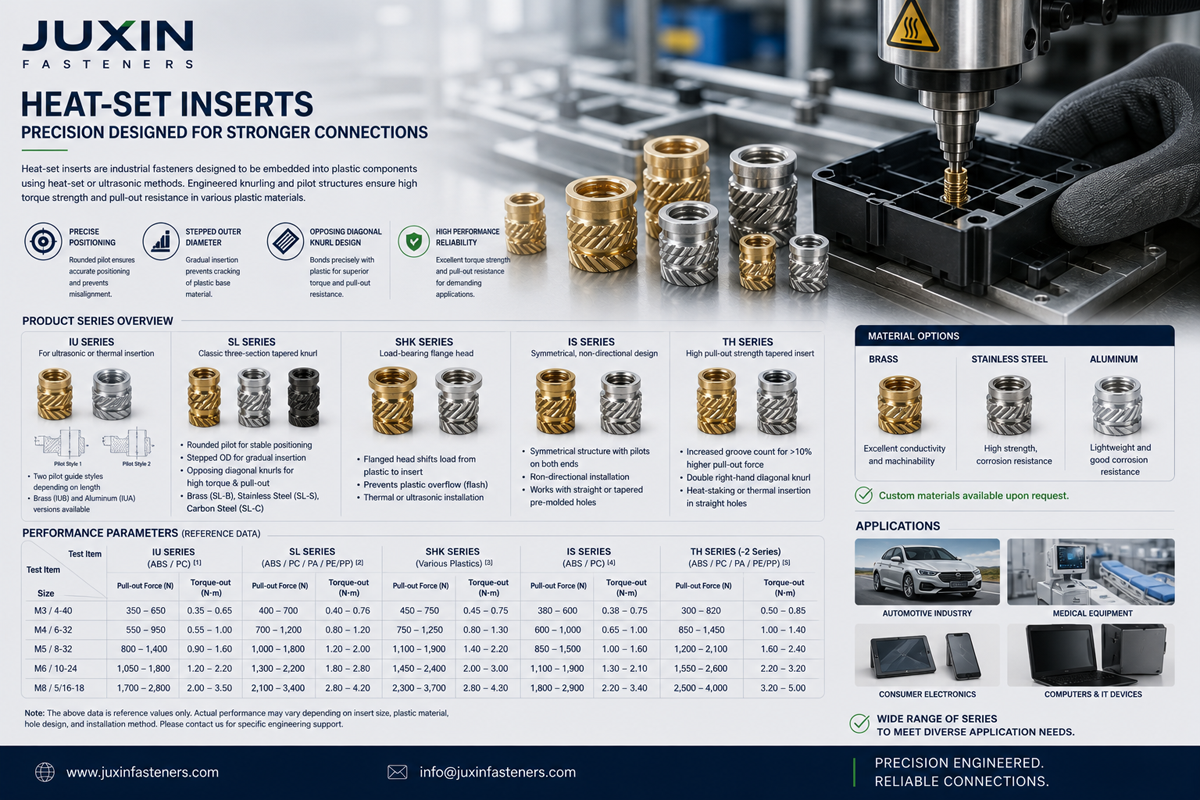
One frequently overlooked issue in medical equipment assembly is galvanic corrosion between dissimilar metals.
A typical equipment structure may combine:
Aluminum frames
Stainless steel fasteners
Brass components
Plated carbon steel
Conductive coatings
Polymer insulating components
When dissimilar conductive materials are exposed to an electrolyte, galvanic corrosion can occur.
The risk depends on more than the nominal material names. Engineers should evaluate:
The materials in electrical contact
Their relative electrochemical behavior
The presence of moisture or conductive contamination
The exposed surface-area relationship
Coatings and surface treatments
Environmental temperature
Cleaning chemistry
Joint geometry
Depending on the assembly, mitigation may include:
Material pairing optimization
Electrical isolation
Non-conductive washers
Protective coatings
Appropriate surface treatments
Seal or barrier design
Environmental control
For example, an insulating washer may help electrically isolate a stainless steel fastener from an aluminum component,
but the designer must also consider whether the washer changes joint compression, creep behavior, or dimensional stability.
This is an important distinction:
Corrosion prevention must not create a new mechanical failure mode.
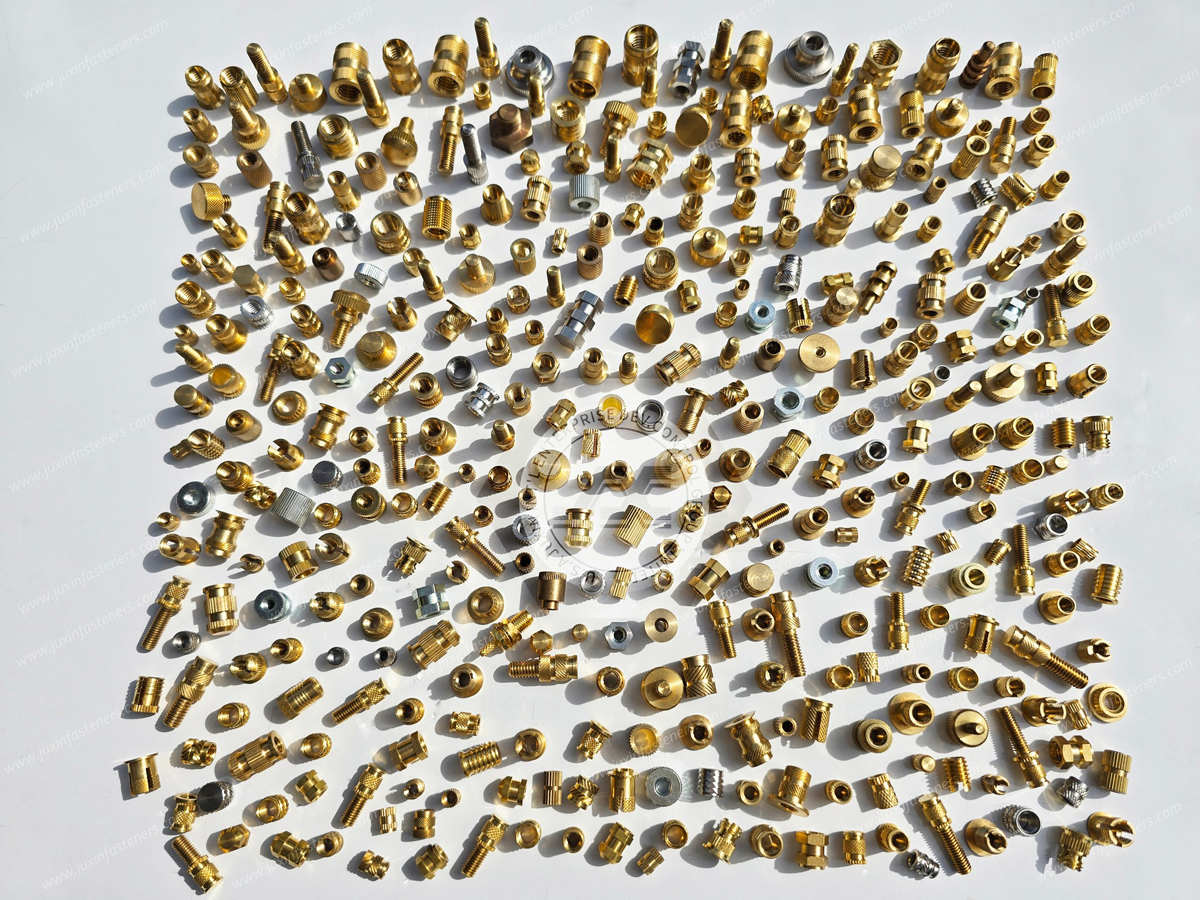
Portable medical equipment often uses polymer housings to reduce weight and improve product ergonomics.
The threaded joint can become the weak point when:
Thread engagement is too short
Boss diameter is insufficient
Installation torque is excessive
The polymer is susceptible to creep
The screw geometry is inappropriate
Repeated assembly damages the thread
The load is concentrated near the first engaged thread
For polymer housings, engineers should evaluate:
Thread type
Nominal diameter
Pitch
Engagement length
Boss diameter
Boss wall thickness
Material strength
Installation torque
Repeated assembly requirements
Temperature
Long-term creep
The objective is not simply to maximize thread engagement.
The correct engagement length is a function of the screw, polymer, geometry, load, and assembly process.
For some polymer assemblies, specialized thread-forming screws or other threaded fastening solutions may be more appropriate than conventional machine screws.
Where repeated maintenance is expected, a more durable threaded interface may be preferable to relying directly on a molded polymer thread.
Fasteners are only one part of a medical equipment assembly.
Many products also require small precision-machined components such as:
Spacers
Bushings
Pins
Shafts
Sensor housings
Retaining components
Custom brackets
Precision mechanical interfaces
Special screws and bolts
Custom mounting hardware
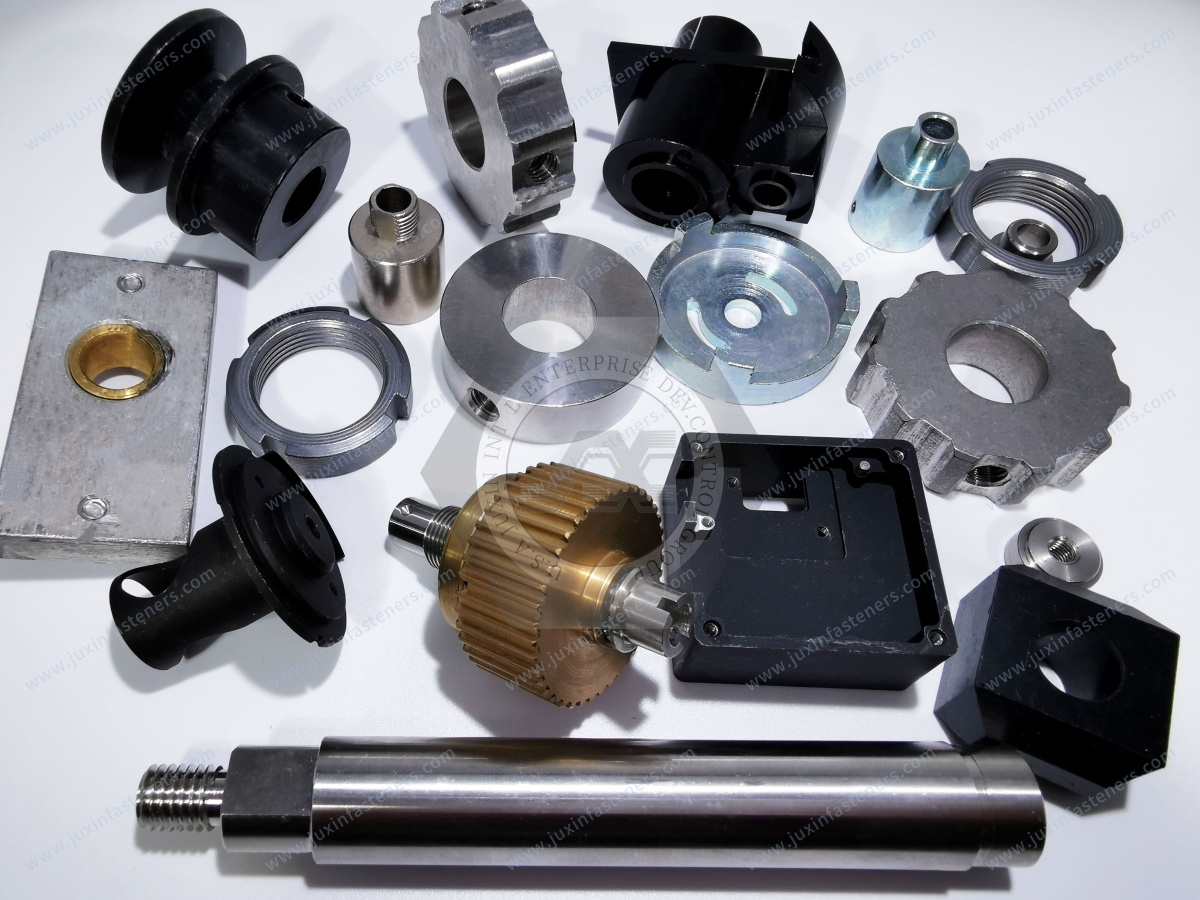
CNC machining can be advantageous when the component geometry cannot be efficiently produced using standard fastener configurations.
For OEM development, the most important information is normally the engineering drawing or 3D CAD model together with:
Material
Critical dimensions
Tolerances
Thread specification
Surface finish
Heat treatment where applicable
Surface treatment where applicable
Inspection requirements
Packaging requirements
Annual or batch quantity
JUXIN FASTENERS provides custom CNC-machined fasteners and components for industrial OEM applications,
with manufacturing requirements reviewed according to the customer's drawings and specifications.
A useful way to approach medical equipment fastening is to classify the requirement by mechanical function.
| Engineering Requirement | Potential Fastening Solution | Key Design Considerations |
|---|---|---|
| Permanent threaded point in sheet metal | Self-clinching nut | Panel material, thickness, installation force, thread size |
| One-sided access to a threaded panel | Rivet nut | Grip range, parent material, installation method |
| High-strength structural joint | High-strength bolt or screw | Preload, load direction, joint stiffness |
| Vibration-related loosening | Locking nut or screw | Joint design, preload, temperature, maintenance |
| Precision location | Pin | Hole tolerance, shear load, alignment |
| Lightweight insulation | Nylon or plastic hardware | Temperature, creep, chemical exposure |
| Corrosion-resistant assembly | Stainless steel fastener | Material compatibility and environment |
| Complex custom mechanical interface | CNC-machined component | CAD geometry, tolerances, material, inspection |
| Repeated service access | Captive or integrated fastening solution | Assembly sequence and serviceability |
| Thin-wall enclosure fastening | Self-clinching fastener or rivet nut | Sheet thickness and installation method |
This functional approach is often more useful than starting with a generic question such as “Which screw should we use?”
For procurement and supply-chain teams, technical specifications are only one part of supplier qualification.
A reliable sourcing process should evaluate:
The RFQ should identify:
Part number
Drawing revision
Material
Thread specification
Dimensions
Tolerances
Surface treatment
Mechanical requirements
Packaging
Quantity
Annual demand
Inspection requirements
Depending on the customer's quality system and purchase specification, documentation may include:
Certificate of Conformance
Material certificates
Dimensional inspection reports
Test reports
Surface-treatment documentation
Lot traceability
Customer-specific quality records
Documentation requirements should be agreed during supplier qualification rather than assumed for every part.
For OEM production, procurement teams should evaluate whether the supplier can maintain consistent:
Dimensions
Material
Surface treatment
Thread quality
Mechanical performance
Packaging
Lot identification
This becomes particularly important when the same fastener is used across multiple equipment models or production sites.
Fastener cost is not limited to the purchase price.
A low-cost fastener can create higher total cost if it causes:
Longer assembly time
Additional tooling
Manual nut installation
Higher inventory complexity
More part numbers
Difficult service access
Increased inspection requirements
Assembly defects
For example, replacing several similar fastening configurations with a standardized thread size or integrated self-clinching solution may reduce the number of tools and components required on an assembly line.
However, standardization should not override engineering requirements.
The correct objective is:
Standardize where function allows it; customize where the joint requires it.
This approach can help OEMs reduce SKU complexity without compromising mechanical performance.
Medical equipment fastening projects normally involve several stakeholders.
The primary questions are usually:
Will the fastener fit the available space?
Can the joint achieve the required preload?
Is the material compatible with the surrounding structure?
Will vibration cause loosening?
Is the thread engagement sufficient?
Will the fastener survive the expected environment?
Can the component be installed and serviced efficiently?
Can the geometry be manufactured consistently?
A useful RFQ package should therefore include the 2D drawing, 3D CAD model where available, material requirements, critical tolerances, and application conditions.
The priorities are often:
Stable quality
Competitive total cost
Production capacity
Lead-time management
Documentation
Lot traceability
Packaging
Delivery reliability
Engineering communication
Long-term sourcing stability
A supplier that can understand both the engineering requirement and the production requirement provides greater value than a supplier that only quotes a unit price.
A clear RFQ reduces quotation cycles and prevents specification gaps.
For custom fasteners or CNC-machined components, provide:
1. Drawing
Include the latest drawing revision with dimensions and tolerances.
2. Material
Specify the required material grade where already defined.
3. Thread
Identify metric or inch thread, nominal size, pitch, class, and other applicable thread requirements.
4. Surface Treatment
Specify plating, passivation, coating, or other surface requirements where applicable.
5. Quantity
Provide prototype, pilot-production, annual, or batch quantity when available.
6. Application
Explain whether the component is used for structural fastening, enclosure assembly, positioning, service access, or another function.
7. Environment
Identify relevant exposure to vibration, chemicals, temperature, moisture, cleaning, or sterilization processes.
8. Quality Documentation
Specify required certificates, inspection reports, traceability, or customer-specific documentation.
This information allows a supplier to evaluate the part as an engineering component rather than simply as a commodity fastener.
JUXIN FASTENERS supports industrial OEM customers with a range of fastening and precision component requirements.
Our product scope includes:
Self-Clinching Fasteners
Rivet Nuts
Blind Rivets
Thread Insert Nuts
Weld Nuts
Weld Studs
Custom Screws and Bolts
High-Strength Fasteners
Locking Fasteners
Stainless Steel Fasteners
Plastic & Nylon Hardware
CNC-Machined Fasteners and Components
These products can be considered for medical equipment structures, electronic housings, diagnostic equipment, laboratory equipment,
robotic assemblies, instrumentation, control cabinets, and other industrial equipment where the fastening system must match the mechanical and manufacturing requirements of the assembly.
For specialized medical applications, final material, surface treatment, inspection, documentation, and production requirements should always be established from the customer's drawings and specifications.
A reliable OEM fastener development process can follow a structured sequence.
Identify dimensions, tolerances, thread requirements, material, surface treatment, and critical characteristics.
Determine whether the component is primarily required for clamping, locating, spacing, retention, electrical isolation, or another function.
Consider temperature, vibration, moisture, chemicals, cleaning, sterilization, and contact with dissimilar materials.
Compare conventional screws and nuts with self-clinching fasteners, rivet nuts, locking hardware, pins, plastic hardware, or custom components.
Evaluate whether the selected geometry can be produced consistently at the required volume.
Prototype or first-article samples should be evaluated against the actual assembly requirements.
Once the design is validated, finalize the approved drawing revision, inspection requirements, packaging, and quality documentation.
The supplier should manufacture against the approved specification and maintain consistent identification and quality controls throughout production.
This engineering-to-procurement workflow helps reduce the risk of selecting a fastener based only on nominal size or unit price.
Depending on the component type, relevant international standards may include:
ISO standards for metric fasteners, threads, mechanical properties, and related components
DIN standards for fastener dimensions and mechanical components
ASME/ANSI standards for applicable fasteners and threads
EN standards used within European markets
BS standards where applicable to UK requirements
SAE standards for relevant automotive and mechanical applications
ASTM standards for materials, testing, corrosion, and surface-treatment requirements
The applicable standard should be selected according to the actual component and customer specification.
For example, ISO 2320 may be relevant to prevailing-torque nuts, while ISO 8752 may be relevant to slotted spring pins.
ASTM A967 can be referenced for stainless steel passivation requirements where applicable.
Standards should therefore be treated as engineering specifications rather than as marketing labels.
One of the most common mistakes in fastener sourcing is starting with the product name.
A better process is:
Joint → Load → Environment → Parent Material → Installation → Service → Fastener → Specification
For example:
A sheet-metal enclosure with one-sided access may lead to a rivet nut or self-clinching solution.
A thin sheet requiring a permanent threaded mounting point may lead to a self-clinching nut.
A vibration-sensitive mechanical joint may require a properly designed locking system.
A polymer housing requiring repeated service may require a more durable threaded interface.
A complex mechanical interface may be better addressed with a CNC-machined component.
This engineering-first approach provides a clearer path from product design to procurement.
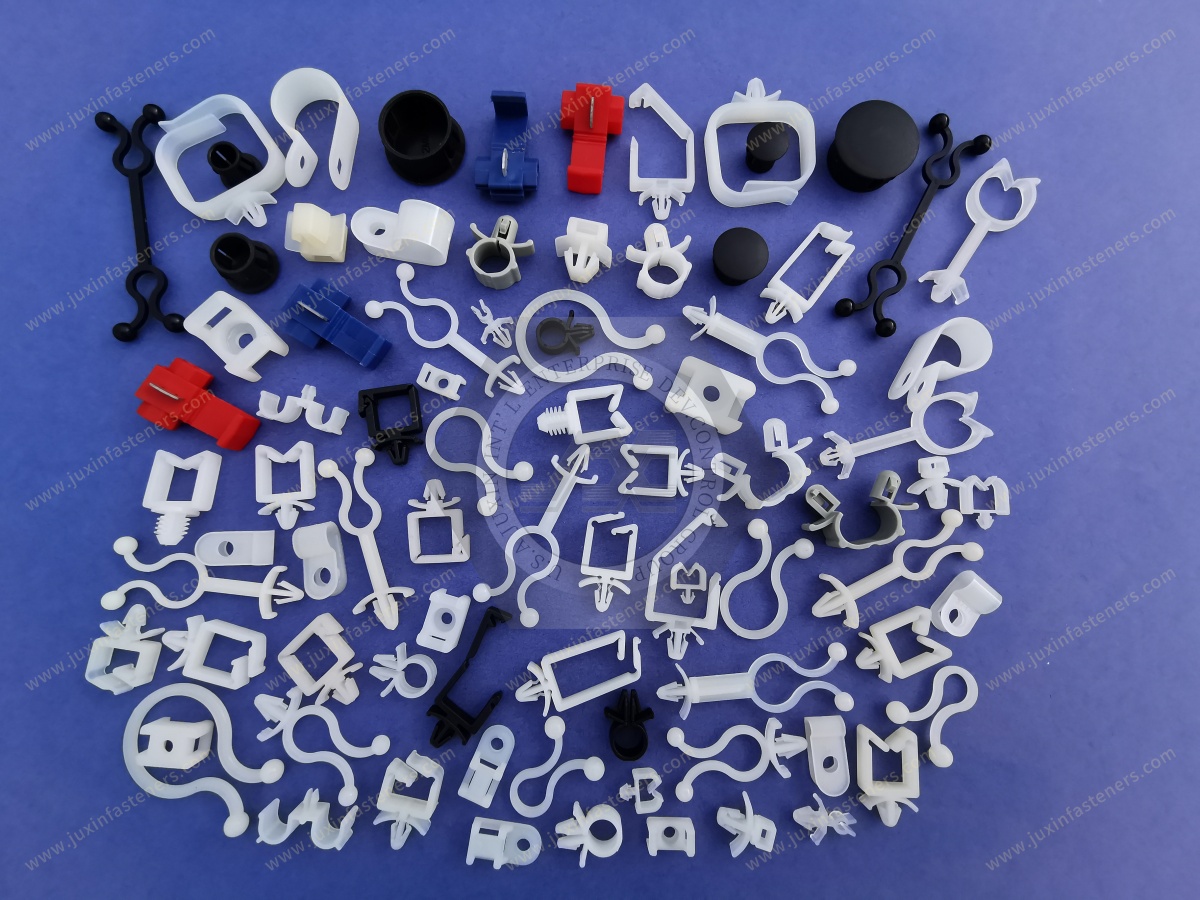
If your medical equipment project requires custom fasteners, self-clinching hardware, rivet nuts, stainless steel components, locking fasteners,
plastic and nylon hardware, or CNC-machined components, JUXIN FASTENERS can review the engineering requirements and manufacturing specifications.
For an RFQ, provide:
2D drawing
3D CAD model where available
Material specification
Thread specification
Surface treatment requirements
Quantity
Application information
Environmental requirements
Inspection or documentation requirements
Our engineering and sourcing team can evaluate the manufacturing requirements and provide a quotation based on the supplied specification.
Email: info@juxinfasteners.com
JUXIN FASTENERS
Industrial Fasteners & Custom Precision Components for OEM Applications
Website: juxinfasteners.com
 MORE NEWS
Sep. 25, 2026
Sep. 25, 2026
Sep. 25, 2026
Contact Us
Tel.:
+86 020 8621 0320
+86 020 3121 6067
E-mail:
Technical Support:
Navigation
SEND INQUIREY