
Call Us
+86 136 6007 9809
Call Us
+86 136 6007 9809

Mar. 29, 2026
Modern automotive manufacturing requires fastening solutions that provide high strength, vibration resistance, and long-term reliability.
In automotive body assembly, traditional bolted connections may require additional nuts, access space, and complex assembly processes. Weld studs provide a permanent threaded fastening point directly on steel panels, improving production efficiency and structural reliability.
DIN34817 weld studs are widely used in automotive body structures due to their excellent mechanical performance, consistent welding quality, and compatibility with automated manufacturing processes.
Juxin Fasteners specializes in manufacturing automotive weld studs and custom stud welding fasteners for global automotive manufacturers and Tier suppliers.
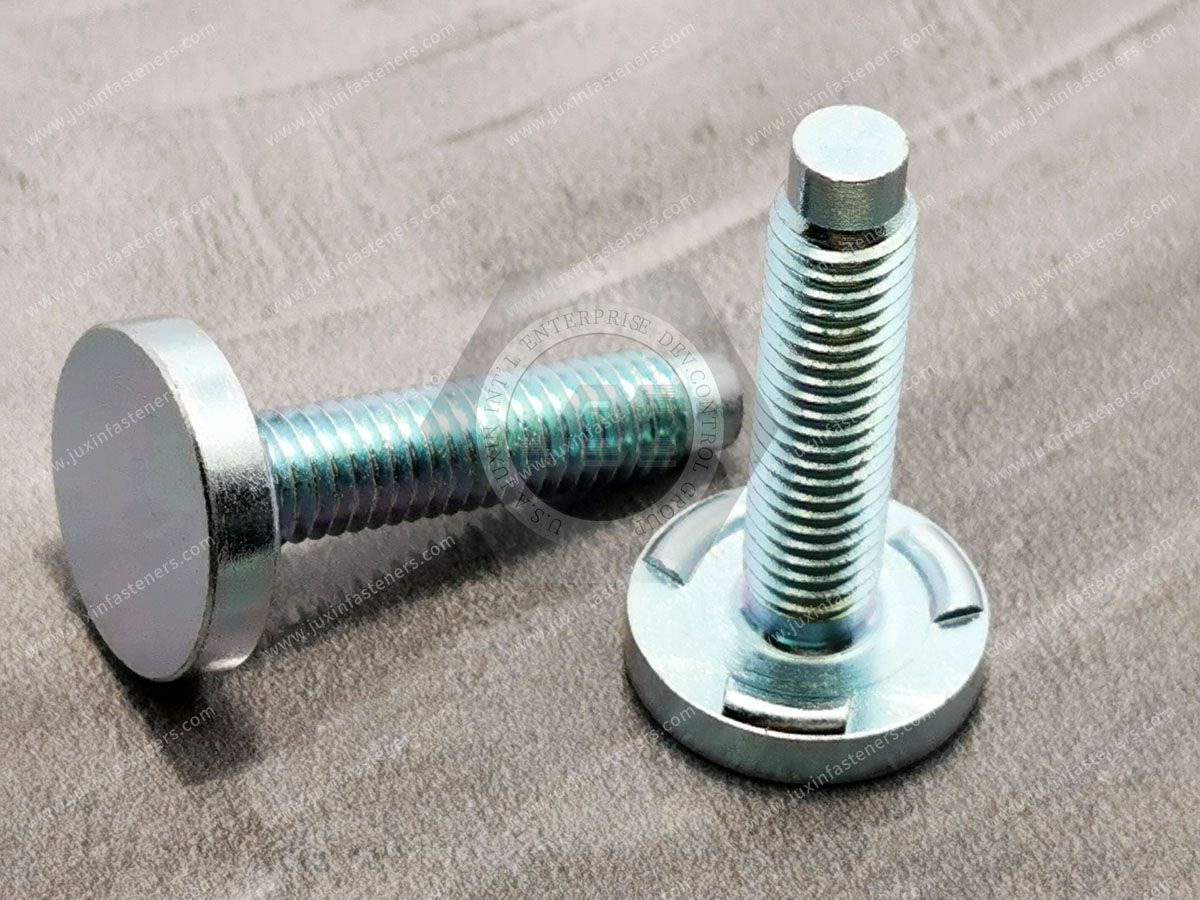
DIN34817 is a recognized standard for automotive weld studs designed for welding onto metal components.
Unlike conventional bolts, weld studs are permanently attached to the base material through stud welding technology.
The installation process creates a strong connection between:
Steel body panels
Structural components
Mounting brackets
Reinforcement plates
After welding, components can be assembled using standard nuts, clips, or brackets.
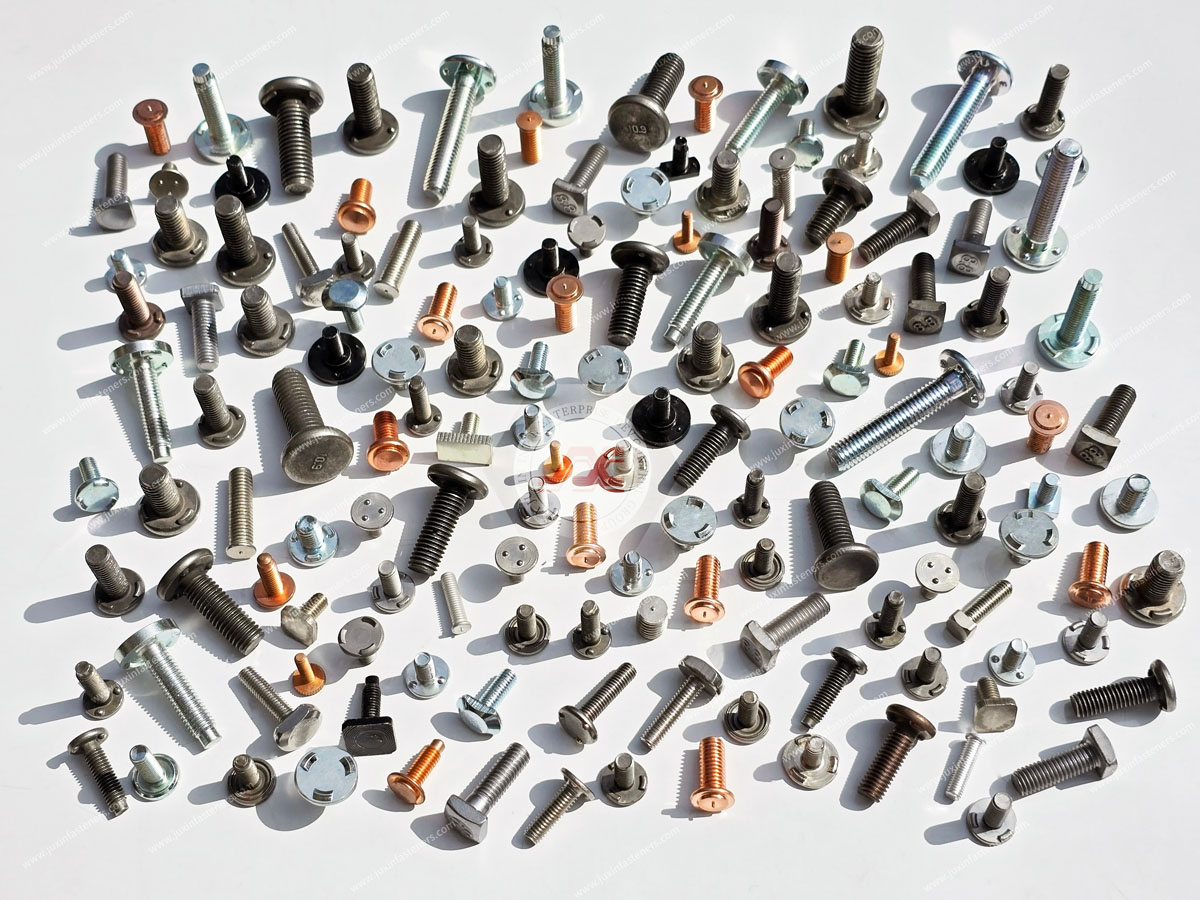
DIN34817 weld studs are designed for demanding automotive environments where structural integrity is critical.
Typical strength grades include:
Grade 8.8 – General automotive structural applications
Grade 10.9 – High-load and high-stress applications
These high-strength weld studs provide:
✔ Excellent tensile performance
✔ High torque resistance
✔ Reliable load transfer
✔ Long-term durability
Vehicles experience continuous vibration from:
Road conditions
Engine operation
Suspension movement
Battery system operation
Weld studs create a permanent attachment point that reduces the risk of:
Fastener loosening
Thread failure
Component movement
This makes them ideal for automotive applications requiring long service life.
Automotive structures often use:
Thin steel sheets
Hollow sections
Limited installation space
Weld studs eliminate the need for access behind panels, making them suitable for:
Closed sections
Thin-wall structures
Complex body assemblies
Selecting the correct material is essential for achieving optimal performance.
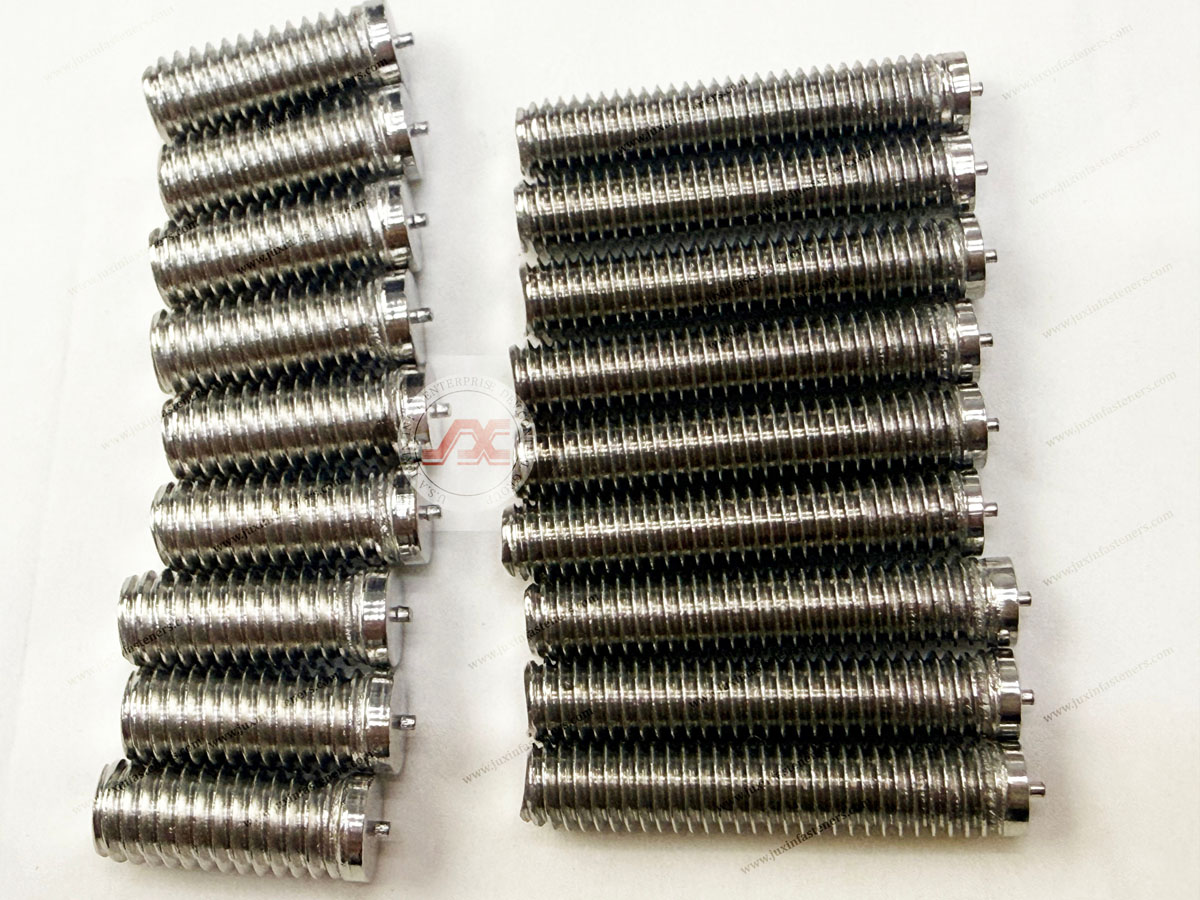
Carbon steel is the most commonly used material for automotive weld studs.
Advantages:
High mechanical strength
Excellent weldability
Cost-effective solution
Suitable for mass production
Applications:
✔ Body-in-white structures
✔ Chassis components
✔ Seat mounting systems
✔ Interior brackets
Stainless steel weld studs provide improved corrosion resistance.
Recommended for:
Exterior automotive panels
Battery-related components
Moisture-exposed areas
Special vehicle applications
Benefits:
✔ Excellent corrosion resistance
✔ Long service life
✔ Stable performance in demanding environments
Suitable for:
General automotive assembly
Interior mounting brackets
Standard structural applications
Recommended for:
High-load structural areas
Chassis reinforcement
EV battery support structures
Safety-related components
Proper installation ensures maximum welding quality and mechanical performance.
Before welding:
Remove oil contamination
Ensure clean contact surfaces
Maintain smooth parent material condition
Proper preparation ensures stable welding and prevents weld defects.
DIN34817 weld studs require suitable:
Stud welding guns
Welding controllers
Correct welding parameters
Important factors include:
Welding current
Welding time
Stud diameter
Base material thickness
Automotive production requires strict quality control.
Inspection methods include:
Visual inspection
Weld height checking
Pull testing
Non-destructive testing
Consistent inspection ensures reliable fastening performance.
During final assembly:
Correct tightening torque prevents:
Loosening
Thread damage
Excessive stress on welded areas
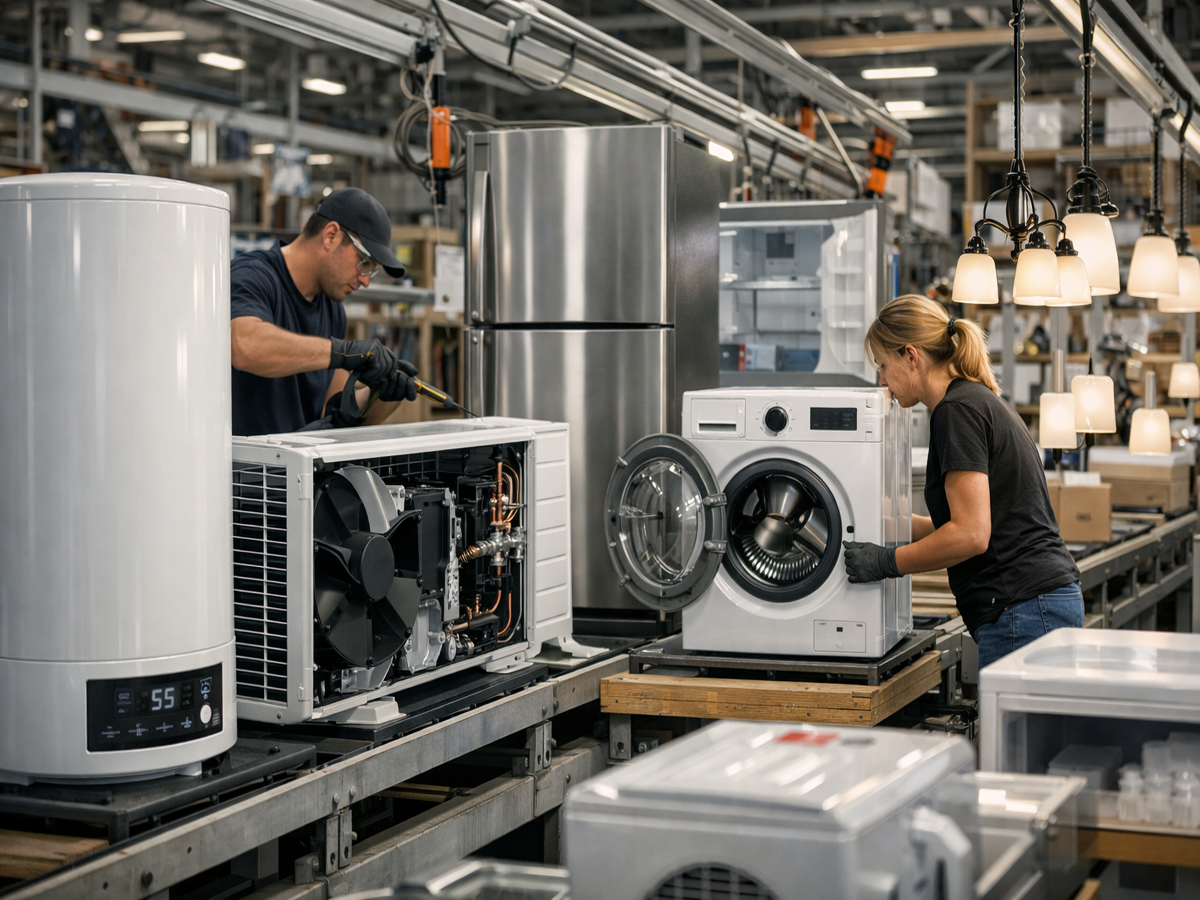
Weld studs are widely used in:
Roof structures
Door panels
Floor assemblies
Side body reinforcement
They provide reliable mounting points during vehicle assembly.
Applications include:
Suspension brackets
Structural reinforcement parts
Support brackets
High-strength weld studs improve structural stability under dynamic loads.
Automotive seats require strong and reliable fastening points.
Weld studs provide:
High load capacity
Accurate positioning
Permanent attachment
Used for:
Cable brackets
Heat shield mounting
Component supports
Weld studs withstand vibration and temperature variations.
With the rapid growth of electric vehicles, weld studs are increasingly used in:
Battery tray structures
Battery module brackets
Electronic component supports
Thermal management assemblies
They provide reliable fastening in high-vibration EV environments.
Juxin Fasteners provides professional OEM manufacturing solutions for automotive customers worldwide.
Our capabilities include:
✔ DIN34817 weld studs
✔ Custom automotive weld studs
✔ Carbon steel and stainless steel options
✔ Grade 8.8 / 10.9 strength solutions
✔ OEM dimensional customization
✔ Automotive quality inspection support
We support customers in:
Automotive manufacturing
EV production
Sheet metal fabrication
Industrial equipment
Rail transportation
with reliable fastening solutions designed for demanding applications.
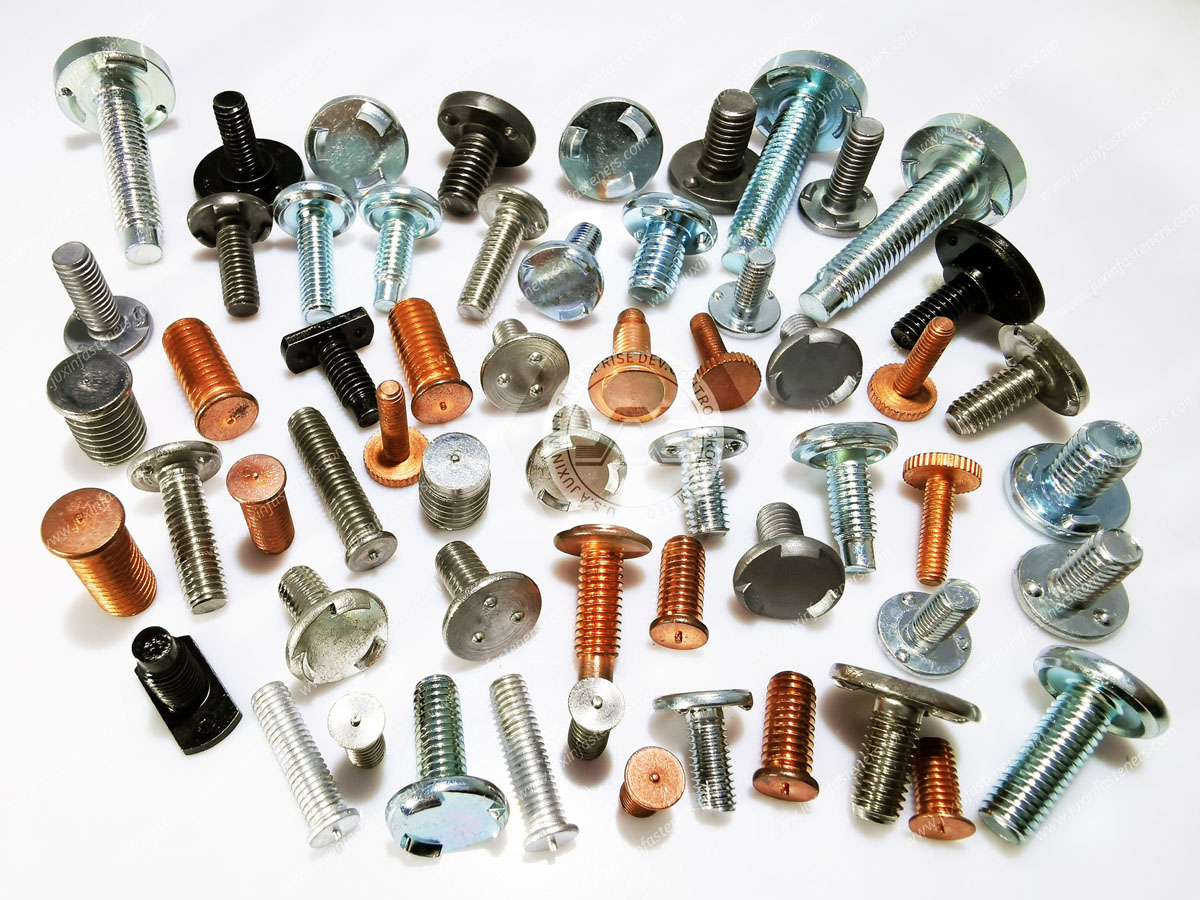
DIN34817 weld studs are an essential fastening solution for modern automotive body assembly.
With high mechanical strength, excellent vibration resistance, and efficient installation, they provide reliable threaded fastening points for vehicle structures and components.
From traditional automotive body assembly to advanced EV battery structures, automotive weld studs help manufacturers achieve stronger, lighter, and more efficient designs.
Juxin Fasteners delivers customized DIN34817 weld studs and automotive fastening solutions for global OEM and Tier suppliers.
Juxin Fasteners
Automotive Weld Stud & Industrial Fastener Manufacturer
Website: www.juxinfasteners.com
Email: info@juxinfasteners.com
 MORE NEWS
Sep. 27, 2026
Sep. 27, 2026
Sep. 27, 2026
Contact Us
Tel.:
+86 020 8621 0320
+86 020 3121 6067
E-mail:
Technical Support:
Navigation
SEND INQUIREY