
Call Us
+86 136 6007 9809
Call Us
+86 136 6007 9809

Jun. 10, 2024
Fasteners for Ex d Flameproof Enclosures: Bolts, Screws and OEM Selection
Electrical equipment installed in hazardous locations may require a protection concept designed for atmospheres containing flammable gases, vapors or combustible dust.
Different explosion-protection concepts use different methods to prevent ignition of the surrounding atmosphere.
For equipment using flameproof enclosure protection Ex d, the enclosure is designed to withstand an internal explosion under specified conditions
and prevent flame transmission to the surrounding explosive gas atmosphere.
Bolts, screws, studs and other threaded fasteners can be important elements of this enclosure construction.
However, their suitability cannot be determined solely from material grade, tensile strength or corrosion resistance.
A fastener used to secure an Ex d enclosure cover must be evaluated in relation to the complete approved equipment design.
This includes the enclosure material, flameproof joint geometry, threaded engagement, mechanical loading, installation method and applicable certification documentation.
For design engineers, the challenge is selecting fasteners that conform to the equipment design and relevant protection requirements.
For manufacturing engineers and production managers, the priority is repeatable assembly without damage to critical joints.
For procurement and supplier-development teams, the objective is maintaining specification control when sourcing original or replacement fasteners.
JUXIN FASTENERS supplies industrial bolts, screws, nuts, washers, studs and drawing-based OEM fastening components.
This article provides an engineering and procurement framework for evaluating fasteners used in flameproof electrical equipment.
It does not imply that a fastener becomes independently ATEX- or IECEx-certified simply because it is manufactured from a particular material.
Understanding Explosion-Protected Equipment and Ex d Enclosures
The terms explosion-proof and flameproof are often used in industrial equipment discussions,
but the exact terminology depends on the regulatory system and protection concept.
In IEC-based systems, Ex d identifies flameproof enclosure protection for applicable gas atmospheres.
Other protection concepts may include:
Ex e increased safety
Ex i intrinsic safety
Ex p pressurization
Ex t protection by enclosure for dust atmospheres
These concepts have different design and construction requirements.
Important Engineering Distinction
A fastening arrangement suitable for one explosion-protection concept is not automatically suitable for another.
This guide concentrates on Ex d flameproof enclosures.
Relevant International Standards
Two particularly important standards are:
IEC 60079-0 — Explosive Atmospheres: Equipment — General Requirements
This standard establishes general requirements for the construction, testing and marking of applicable Ex equipment.
IEC 60079-1 — Explosive Atmospheres: Equipment Protection by Flameproof Enclosures "d"
This standard addresses the specific requirements for flameproof enclosure protection.
The applicable editions and requirements must be determined from the equipment's approval basis and intended market.
ATEX and IECEx
ATEX is the European regulatory framework relevant to equipment intended for use in potentially explosive atmospheres.
IECEx is an international conformity assessment system for equipment used in explosive atmospheres.
Neither term should be used as a generic material grade or screw specification.
Critical Procurement Principle
The relevant equipment certification, approved drawings and manufacturer instructions govern which fasteners may be used.
Why Fasteners Matter in Ex d Enclosures
A flameproof enclosure may contain joints between:
Enclosure body and cover
Access covers and housing
Inspection openings
Flanged enclosure components
Other approved structural interfaces
Fasteners may be responsible for retaining these components in their intended positions.
Potential consequences of incorrect fastener selection include:
Inadequate mechanical retention
Damage to enclosure threads
Improper joint closure
Cover movement
Nonconformance with approved construction
Reduced reliability under service conditions
Important Distinction
The fastener is only one part of the protection system.
Flameproof performance depends on the approved enclosure construction and joint design, not merely on tightening a high-strength bolt.
Flameproof Joints and Cover Fastening
Flameproof enclosures may incorporate specially designed joints intended to prevent flame transmission.
Joint construction can involve:
Flanged joints
Cylindrical joints
Threaded joints
Other approved geometries
The requirements depend on the protection concept and equipment design.
Engineering Principle
A cover bolt must maintain the intended assembly condition without damaging the critical joint.
What a Cover Bolt Does Not Do
A cover bolt does not independently determine the flameproof performance of the joint.
Increasing bolt strength or tightening torque does not compensate for an incorrect flamepath geometry.
Flamepath Integrity
The dimensions, surface condition and construction of flameproof joints must remain consistent with the approved design.
Fasteners should not be used to force damaged or distorted mating surfaces into an apparently closed condition.
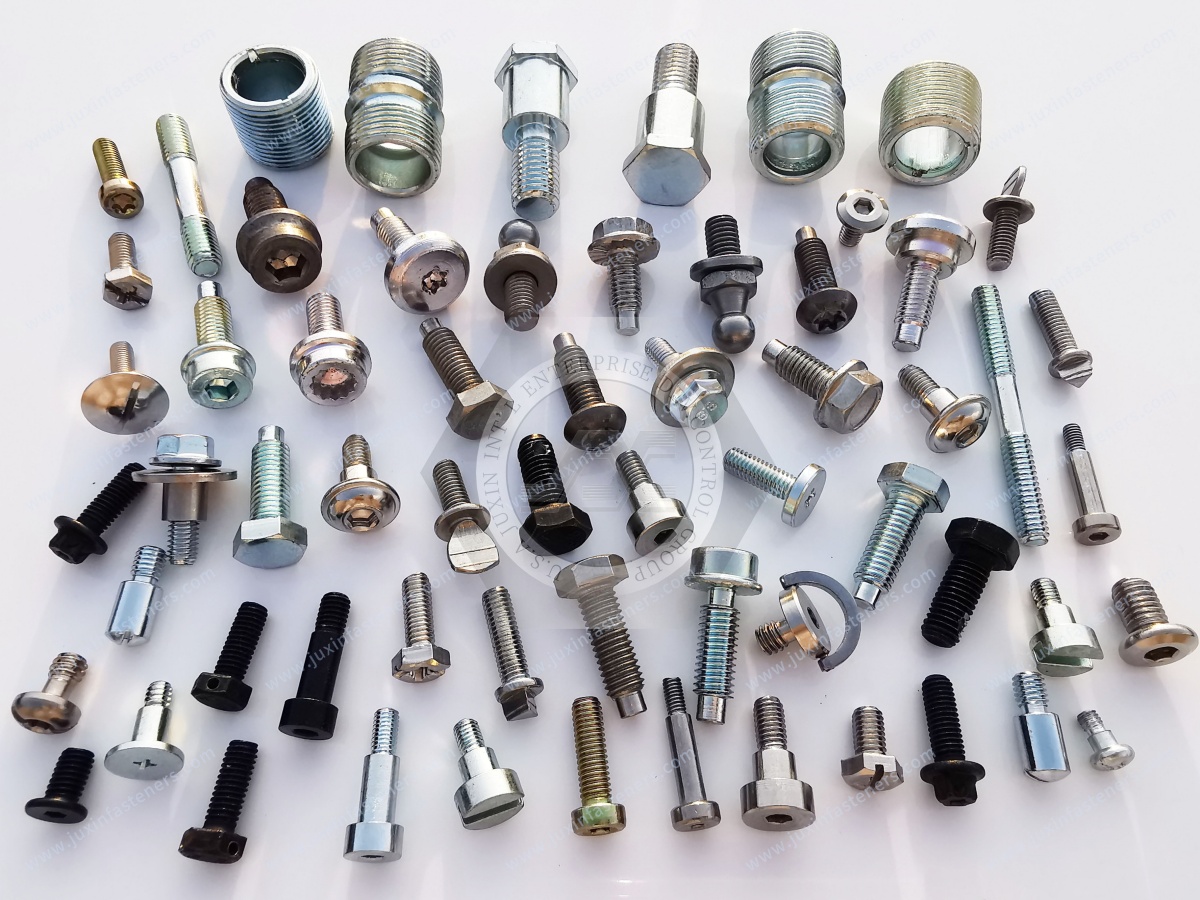
Ex d Cover Bolts and Machine Screws
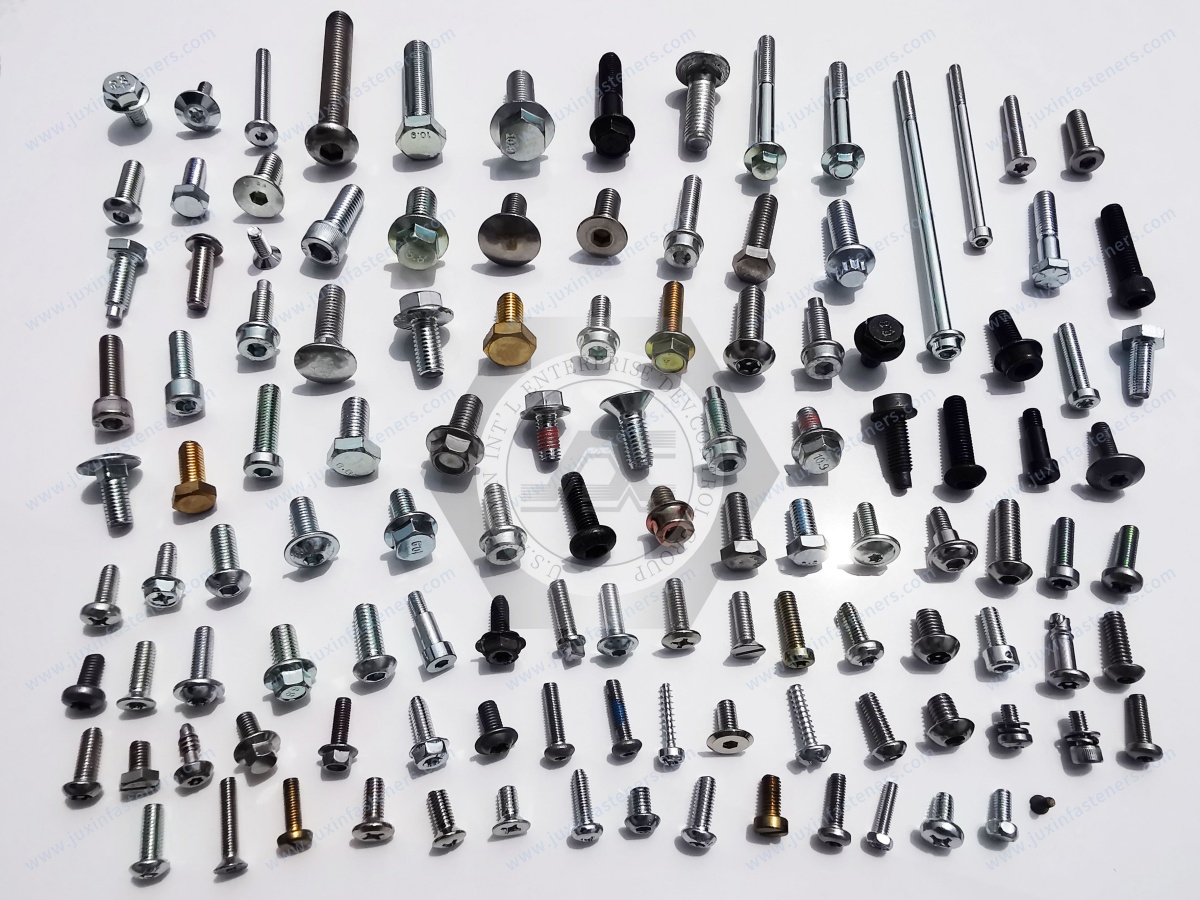
Bolts and machine screws are commonly used to retain removable enclosure covers.
Possible head configurations include:
Hexagon head bolts
Socket head cap screws
Other approved head styles
The permitted design depends on the equipment documentation.
Selection Factors
Thread designation
Screw diameter
Length
Head geometry
Mechanical property class
Material
Surface finish
Thread engagement
Required installation procedure
Important Procurement Limitation
A visually similar bolt should not be assumed to be an approved replacement.
Thread Engagement in Flameproof Enclosures
Thread engagement is a major consideration in enclosure fastening.
Important variables include:
Thread diameter and pitch
Internal thread material
Engagement length
Thread tolerance
Fastener strength
Applied loading
Approved equipment construction
Why Engagement Matters
A high-strength bolt can still fail to provide the intended joint performance if the internal thread is inadequate.
Possible failure modes include:
Internal thread stripping
Bolt tensile failure
Incomplete engagement
Bottoming in a blind hole
Engineering Recommendation
Evaluate both external and internal threads as part of the complete enclosure design.
Blind Tapped Holes
Some enclosure covers are secured using screws installed into blind tapped holes.
A screw that is too long may bottom out before developing the intended clamp load.
A screw that is too short may provide insufficient engagement.
Drawing Recommendation
Define screw length, hole depth and engagement requirements together.
Mechanical Strength Requirements
The required fastener strength depends on the approved equipment design and applicable standard requirements.
Potential fastener materials include:
Carbon steel
Alloy steel
Stainless steel
Important Engineering Distinction
Not every Ex d enclosure requires the highest available bolt strength class.
The appropriate fastener must match the approved design.
Steel Fastener Mechanical Properties
ISO 898-1 provides mechanical-property requirements for applicable carbon steel and alloy steel bolts, screws and studs.
Stainless Steel Fastener Mechanical Properties
ISO 3506-1 provides mechanical-property requirements for applicable corrosion-resistant stainless steel bolts, screws and studs.
These standards may be relevant to specifying fastener properties.
However, compliance with ISO 898-1 or ISO 3506-1 does not independently establish suitability for an Ex d enclosure.
Stainless Steel Fasteners for Corrosive Environments
Stainless steel may be considered where environmental corrosion resistance is important.
Potential applications include suitable equipment installed in:
Chemical processing facilities
Coastal industrial locations
Outdoor electrical installations
Certain process equipment environments
Material selection must account for:
Mechanical properties
Corrosion exposure
Thread galling
Mating material
Surface condition
Approved equipment requirements
Critical Replacement Consideration
A stainless steel screw should not automatically replace an approved carbon steel screw.
Different materials can have different mechanical properties and installation characteristics.
Any substitution affecting approved construction requires appropriate review and authorization.
Surface Finishes and Coatings
Potential industrial fastener finishes include:
Zinc plating
Zinc-nickel plating
Zinc-flake coating systems
Black oxide
Passivation for applicable stainless steel components
The appropriate finish depends on the approved specification and service environment.
Why Coating Changes Matter
A change in surface treatment may affect:
Thread fit
Friction
Installation torque
Corrosion behavior
Contact with mating materials
Engineering Recommendation
Do not change the coating system of a critical enclosure fastener without reviewing the equipment requirements.
Corrosion and Long-Term Enclosure Reliability
Hazardous-area equipment may be exposed to:
Moisture
Chemical environments
Salt-containing atmospheres
Temperature variation
Industrial contamination
Corrosion may affect fastener removal, mechanical integrity and maintenance.
Important Distinction
A corrosion-resistant coating does not automatically make a fastener suitable for every hazardous location.
The material and finish must be compatible with the equipment design and exposure conditions.
Galvanic Corrosion
Dissimilar metals may create galvanic corrosion risk when electrically connected in the presence of an electrolyte.
Examples may involve:
Steel fasteners in aluminum enclosures
Stainless steel fasteners in dissimilar-metal structures
Mixed-metal enclosure components
The risk depends on the complete material and environmental system.
Engineering Recommendation
Evaluate material combinations rather than selecting a fastener based on corrosion resistance in isolation.
Studs and Nuts in Explosion-Protected Equipment
Studs and nuts may be used in certain approved equipment constructions.
Possible applications include:
Motor housings
Structural mounting assemblies
Equipment brackets
Serviceable mechanical connections
Stud Selection Considerations
Thread geometry
Material
Engagement
Nut compatibility
Installation procedure
Maintenance requirements
Important Distinction
A stud and nut arrangement should not be substituted for a specified cover screw without approval.
Nuts and Locking Components
Industrial fastening arrangements may include:
Hex nuts
Flange nuts
Prevailing-torque lock nuts
Approved locking devices
Their suitability depends on the equipment design.
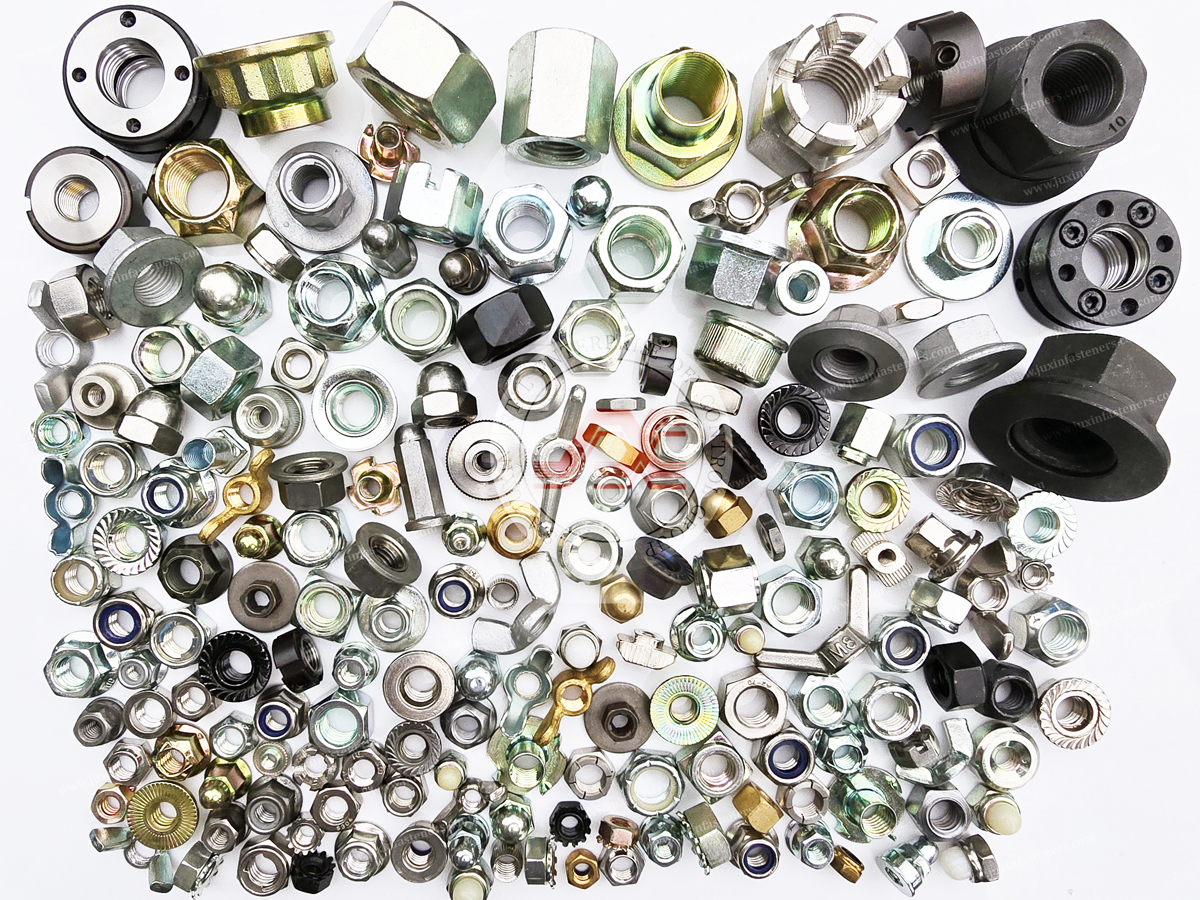
Locking Features
A locking nut or thread-locking compound may provide resistance to unwanted rotation in a suitable joint.
However, a locking feature does not compensate for inadequate engagement, incorrect bolt strength or damaged flameproof joints.
Important Maintenance Principle
Only locking components permitted by the equipment documentation should be used on critical Ex enclosure connections.
Washers in Flameproof Enclosure Assemblies
Washers may influence:
Bearing pressure
Surface protection
Assembly stack-up
Friction behavior
Fastener engagement
Critical Limitation
Adding or removing a washer may alter the approved fastening arrangement.
A washer should not be introduced merely because it appears to improve load distribution.
Spring Washers
Spring washers should not automatically be treated as a reliable anti-loosening solution for all vibration conditions.
Their use must be justified by the approved design.
Self-Tapping Screws and Sheet Metal Fasteners
Self-tapping screws may be used in suitable auxiliary equipment structures.
Examples include:
Internal brackets
Noncritical covers
Cable management supports
Sheet metal accessories
Critical Distinction
A self-tapping screw suitable for an internal bracket is not automatically suitable for securing a flameproof enclosure cover.
Critical enclosure fasteners must follow the approved construction.
Rivets and Permanent Fasteners
Rivets may be used in selected auxiliary assemblies.
Potential applications include:
Equipment identification brackets
Internal sheet metal structures
Noncritical accessory components
Important Limitation
Permanent fasteners should not be assumed suitable for replacing removable Ex d cover bolts.
Weld Studs and Weld Nuts
Weld studs and weld nuts may be used in suitable structural or internal equipment assemblies.
Their application depends on:
Base material
Welding process
Mechanical loading
Assembly requirements
Equipment approval constraints
Engineering Recommendation
Distinguish structural accessory fasteners from fasteners forming part of the certified enclosure construction.
Tightening Torque and Clamp Load
Fastener installation torque influences the mechanical condition of the joint.
However, the relationship between tightening torque and clamp load depends on:
Thread friction
Bearing-surface friction
Material
Coating
Lubrication
Joint stiffness
Important Engineering Principle
The highest possible tightening torque is not necessarily the correct installation torque.
Excessive tightening may damage:
Internal threads
Cover components
Fastener heads
Bearing surfaces
Insufficient tightening may fail to achieve the intended joint condition.
Installation Recommendation
Use the tightening procedure specified by the equipment manufacturer.
Flameproof Joint Assembly and Maintenance
During maintenance, technicians may remove enclosure covers to inspect internal equipment.
Reassembly should follow the approved equipment instructions.
Potential concerns include:
Incorrect replacement bolts
Missing fasteners
Damaged threads
Contaminated joint surfaces
Incorrect tightening
Unauthorized modifications
Critical Maintenance Rule
Do not substitute or modify critical flameproof enclosure fasteners without the required manufacturer or certification-related authorization.
Why Generic Fastener Substitution Is Risky
Two bolts may share the same nominal thread size while differing in:
Strength class
Material
Head geometry
Length
Thread tolerance
Surface treatment
Mechanical behavior
These differences may affect the approved equipment construction.
Procurement Recommendation
For replacement fasteners, use the manufacturer's approved part specification and replacement procedure.
Production-Line Assembly of Ex Equipment
Manufacturing engineers and production managers must ensure repeatable assembly.
Potential controls include:
Fastener identification
Correct part selection
Thread inspection
Controlled tightening
Assembly verification
Traceability where required
Production Risks
Mixed fastener grades
Incorrect screw lengths
Missing washers
Damaged threads
Incomplete cover seating
Unapproved substitutions
Manufacturing Recommendation
Use clear work instructions and component identification for critical enclosure fastening operations.
Inspection and Quality Control
Fastener inspection may include:
Thread dimensions
Screw length
Head geometry
Material specification
Mechanical properties
Surface finish
Visual condition
Additional documentation may be required by the equipment manufacturer.
Important Quality Distinction
A fastener passing dimensional and mechanical inspection does not independently demonstrate that the assembled enclosure meets Ex d protection requirements.
OEM Approval and Documentation
For critical enclosure fasteners, the equipment manufacturer may require:
Approved drawings
Material specifications
Mechanical-property documentation
Surface treatment specifications
Lot identification
Inspection records
Change-control procedures
The actual requirements depend on the approved equipment design and supply agreement.
Supplier Change Control
Changes in material, finish, geometry or production source may require review.
Procurement Principle
A new supplier should not be approved solely because a bolt appears dimensionally interchangeable.
Common Fastener Problems in Flameproof Enclosures
| Problem | Potential cause | Engineering review |
|---|---|---|
| Cover does not seat correctly | Incorrect screw length or joint condition | Assembly geometry |
| Internal thread damage | Excessive torque or engagement issue | Thread design and installation |
| Fastener corrosion | Unsuitable material or coating | Environmental compatibility |
| Bolt loosening | Joint or installation issue | Approved retention method |
| Fastener replacement mismatch | Incorrect material or grade | Approved specification |
| Damaged joint surfaces | Improper handling or assembly | Flameproof joint inspection |
| Assembly variation | Mixed parts or inconsistent tightening | Production control |
| Maintenance difficulty | Corrosion or thread damage | Service procedure |
Explosion-Protected Equipment Applications
Oil and Gas Facilities
Potential equipment includes:
Flameproof junction boxes
Control enclosures
Electrical instrumentation housings
Motor terminal enclosures
Chemical Processing Plants
Applications may involve:
Electrical control equipment
Process instrumentation
Industrial automation systems
Mining Operations
Equipment may require additional protection and environmental requirements depending on the hazardous atmosphere and applicable approvals.
Industrial Electrical Distribution
Applications may include approved hazardous-area distribution and control equipment.
Automation and Instrumentation
Potential equipment includes:
Sensor housings
Control modules
Instrument enclosures
Electrical connection boxes
Important Application Distinction
Not all industrial cabinets or electrical enclosures are Ex d equipment.
The equipment's protection concept must be confirmed before applying flameproof enclosure fastener requirements.
OEM Fastener Selection Workflow
Step 1: Identify the Fastener Function
Determine whether the fastener is:
A critical enclosure cover fastener
A structural enclosure fastener
An internal equipment fastener
An auxiliary accessory fastener
Step 2: Review the Approved Design
Confirm the relevant drawing, bill of materials and installation instructions.
Step 3: Define Mechanical Requirements
Review:
Thread
Length
Head geometry
Material
Mechanical properties
Surface finish
Step 4: Confirm Installation Requirements
Review:
Tightening procedure
Engagement
Washer arrangement
Maintenance requirements
Step 5: Establish Quality Requirements
Define:
Inspection criteria
Material documentation
Traceability
Change control
Step 6: Qualify the Supplier
Confirm both technical conformance and commercial supply requirements.
OEM Fastener RFQ Checklist
For an accurate quotation, provide:
Equipment Information
Equipment type
Explosion-protection concept
Applicable standard and edition
Approved fastener drawing or part number
Critical or auxiliary fastener classification
Fastener Specification
Thread designation
Length
Head style
Material
Mechanical property class
Surface finish
Dimensional tolerances
Quality Requirements
Inspection requirements
Material documentation
Traceability
Customer approval procedure
Commercial Requirements
Sample quantity
Initial order quantity
Annual forecast
Packaging
Delivery destination
Required delivery schedule
Frequently Asked Questions
What fasteners are used in Ex d flameproof enclosures?
Depending on the approved construction, equipment may use bolts, machine screws, studs, nuts and other specified fastening components.
Are ordinary high-strength bolts automatically suitable for Ex d equipment?
No. The fastener must conform to the applicable equipment design and requirements.
Are all explosion-proof enclosure screws ATEX-certified?
No. Equipment conformity and fastener specification must be distinguished. A generic screw should not be described as independently ATEX-certified without supporting evidence.
Can stainless steel bolts replace carbon steel bolts in flameproof covers?
Not automatically. Material substitution may affect mechanical properties and approved construction.
Can self-tapping screws be used in flameproof enclosures?
They may be suitable for selected auxiliary structures, but critical enclosure fastening must follow the approved design.
Do spring washers guarantee vibration resistance?
No. Their effectiveness depends on the joint and they must be permitted by the equipment specification.
Can a replacement bolt have the same dimensions but a different coating?
Any coating change affecting a critical fastener should be reviewed against the approved specification.
What should procurement request from a replacement fastener supplier?
Approved drawings, material and property requirements, coating specifications, inspection criteria and applicable documentation.
Can JUXIN FASTENERS review custom enclosure fastener drawings?
Yes. Customers may submit approved fastener drawings and technical requirements for feasibility and quotation review.
JUXIN FASTENERS: Industrial and OEM Fasteners for Electrical Equipment
JUXIN FASTENERS supplies industrial fastening components for international OEM manufacturing.
Relevant product categories include:
Hexagon bolts
Machine screws
Socket head screws
Stainless steel screws
Carbon steel and alloy steel fasteners
Hex nuts and lock nuts
Studs
Washers
Selected sheet metal fasteners
Drawing-based custom fastening components
For explosion-protected equipment, the customer must identify the applicable approved fastener requirements.
Material options, finishes, dimensions and production feasibility should be confirmed for each project.
Request an Ex d Enclosure Fastener Drawing Review and RFQ
If you manufacture flameproof junction boxes, hazardous-area electrical enclosures, Ex d control equipment or industrial instrumentation housings,
JUXIN FASTENERS can review your fastening component requirements.
For efficient technical and commercial evaluation, send:
Approved fastener drawing + equipment protection concept + material and property requirements + surface finish + inspection requirements + annual purchasing volume
JUXIN FASTENERS can discuss suitable standard or drawing-based fastening components against the submitted specifications.
Important: Final equipment design, certification compliance,
installation approval and authorization of critical fastener substitutions remain the responsibility of the equipment manufacturer and relevant approval process.
Company: JUXIN FASTENERS
Website: https://www.juxinfasten ers.com/
Email: info@juxinfasteners.com
Send your approved enclosure fastener drawings and OEM RFQ requirements to JUXIN FASTENERS for technical review and quotation.
Contact Us
Tel.:
+86 020 8621 0320
+86 020 3121 6067
E-mail:
Technical Support:
Navigation
SEND INQUIREY



