
Call Us
+86 136 6007 9809
Call Us
+86 136 6007 9809

Dec. 13, 2024
Can Bolts and Lock Nuts Be Reused? Fastener Reuse Limits, Inspection and OEM Replacement Guidelines
Can a bolt be safely reused after removal? How many times can a nylon-insert lock nut be installed? Should a high-strength bolt be replaced after torque-angle tightening?
These questions arise in automotive assembly, industrial machinery maintenance, EV battery equipment, robotics and other OEM manufacturing applications.
The answer depends on the fastener design, its previous loading history, the tightening method, thread condition, surface treatment and locking mechanism.
There is no universal number of safe reuse cycles for all bolts and nuts.
Some fasteners can be reused under an approved inspection and tightening procedure.
Others are intended for single installation or require replacement after disassembly.
For design engineers, the objective is to establish reliable joint performance.
Manufacturing engineers and production managers need repeatable installation and clear rework instructions.
Purchasing and supplier development teams must identify which components are reusable, which are consumable and what documentation is required for supplier qualification.
Juxin Fasteners supplies industrial bolts, screws, locking nuts and drawing-specific fastening components for OEM applications.
This guide explains the engineering factors that determine fastener reusability and provides practical criteria for reuse, inspection and replacement decisions.
What Determines Whether a Bolt or Nut Can Be Reused?
A bolted joint commonly relies on tightening-induced preload to maintain contact between connected components.
During installation, the bolt elongates elastically and the clamped components compress.
The resulting clamp force contributes to joint stability and resistance to separation or relative movement under the design loading.
Repeated installation and removal can change the conditions that govern tightening and joint performance.
These changes may include:
Thread flank wear or deformation
Surface coating damage
Changes in lubrication and friction
Bearing surface wear
Plastic deformation of the bolt
Reduced locking performance
Corrosion, contamination or galling
The significance of each condition depends on the fastener type and application.
A standard bolt used in a noncritical equipment cover may have a different reuse policy from a bolt used in a safety-critical structural connection.
Engineering Principle
Fastener reuse should be treated as an engineering and quality decision, not simply a visual inspection or cost-saving measure.
Torque-Controlled Bolts: When Reuse May Be Possible
Torque-controlled tightening is widely used for industrial bolts and screws.
A specified tightening torque is applied to generate the intended preload.
However, tightening torque is not converted entirely into bolt tension.
A substantial portion is consumed by friction at the threads and bearing surfaces.
For this reason, the relationship between torque and achieved preload depends on the complete fastening system.
Can a Torque-Tightened Bolt Be Reused?
Potentially, yes.
A conventional bolt tightened within its intended elastic operating range may be suitable for reuse when:
The applicable OEM or maintenance procedure permits reuse
No disqualifying damage or deformation is present
Thread and bearing surfaces remain acceptable
Surface treatment and lubrication conditions are controlled
The specified tightening procedure remains valid
This does not mean that every torque-controlled bolt is reusable.
A bolt may have experienced overload, corrosion, thermal damage or other conditions during service.
Its previous loading history must be considered.
Why Torque Control Alone Is Not Enough
A torque wrench can apply the specified torque accurately while the achieved preload varies because of changes in friction.
Therefore, accurate torque application is not proof that the bolt remains suitable for reuse.
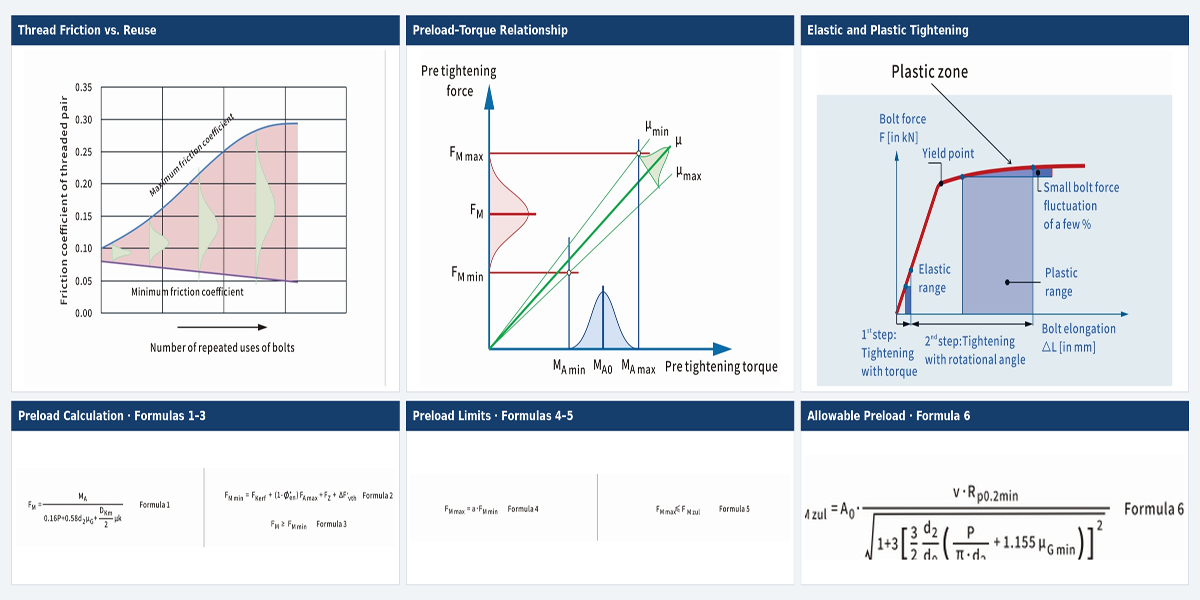
How Friction Changes During Repeated Tightening
Repeated assembly can alter friction at the external threads, internal threads and bearing surfaces.
The direction of change is not always the same.
Some surface conditions may become smoother with repeated installation. Others may experience coating damage, increased roughness, adhesive wear or galling.
Consequently, friction may increase, decrease or become less consistent.
Why This Matters
For a given tightening torque, increased friction generally leaves less torque available to generate bolt tension.
Reduced friction may produce higher preload at the same applied torque.
Either change can be problematic if the tightening specification was validated for a different surface condition.
Surface Coating Wear
Zinc-based coatings, lubricated finishes and other surface treatments may change after repeated contact.
The effect depends on coating type, thickness, mating material, contact pressure and installation conditions.
A coating that remains visually present may not retain its original friction characteristics.
Engineering Recommendation
Where repeated assembly is part of the product's intended use, evaluate torque–preload behavior across the proposed reuse cycles rather
than assuming that the original tightening torque will always produce the same result.
Preload Repeatability and Reused Fastener Reliability
Preload repeatability describes how consistently the intended clamp force can be achieved under defined tightening conditions.
It depends on more than the fastener's nominal strength.
Relevant variables include thread geometry, friction, surface finish, lubrication, joint stiffness and tightening equipment.
Preload Scatter
Even when identical torque settings are used, different friction conditions can produce different preload values.
This is particularly important for joints that depend on controlled clamp force to resist separation, fatigue or relative movement.
Preload Loss During Service
A bolted joint may also lose preload because of embedment, relaxation, creep, thermal effects or other service conditions.
These mechanisms are separate from the question of whether the bolt itself has worn out.
A reusable bolt cannot compensate for an unsuitable joint design.
Practical Validation
For an OEM project requiring multiple assembly cycles, a test plan may compare:
Initial installation performance
Performance after defined removal and reinstallation cycles
Thread and bearing surface condition
Preload or torque–clamp force consistency
Functional joint performance after repeated assembly
The acceptance limits and number of cycles must be defined by the application and approved specification.
Lubrication: Useful for Wear Control, but Not a Universal Reuse Solution
Suitable lubrication can reduce thread friction, limit certain forms of wear and improve assembly consistency.
It can be especially relevant to stainless steel fasteners, which may be susceptible to galling under unsuitable installation conditions.
However, lubrication must be selected and controlled as part of the fastening system.
Do Not Add Lubricant Without Approval
If a bolt was originally specified for dry installation or supplied with a controlled coating, adding oil or anti-seize compound may change the torque–preload relationship.
At the same torque setting, the resulting preload could become higher than intended.
This may overload the bolt, strip the mating threads or damage the connected components.
Stainless Steel Thread Galling
Galling is a form of adhesive wear that can occur between contacting metal surfaces.
It may be influenced by material pairing, surface finish, contact pressure, installation speed and lubrication.
A suitable anti-galling strategy may involve material selection, surface treatment, controlled lubrication or installation process changes.
Engineering Recommendation
Use only the lubricant or surface condition specified by the approved assembly procedure. Any change should trigger a review of tightening requirements.
Why Reuse Frequency Must Be Controlled
Every installation cycle introduces contact between thread flanks and bearing surfaces.
The resulting wear depends on the materials, surface treatment, loading and installation conditions.
However, fastener wear does not necessarily increase at a constant rate with each cycle.
A component may remain acceptable for several installations and then exhibit a sudden change in locking performance or thread condition.
Reuse Limits Should Be Validated
An OEM may establish a maximum reuse count based on testing, risk assessment and service requirements.
Such a limit is specific to the approved component and application.
It should not be transferred automatically to another bolt grade, coating, nut type or joint.
Maintenance Documentation
Where reuse is permitted, maintenance instructions should identify the inspection requirements, tightening method and replacement triggers.
For production rework, the same requirements should be included in the approved rework procedure.
Precision Tightening Equipment and Reassembly Quality
Electric torque tools, torque-angle monitoring systems and automated tightening equipment can improve control of the installation process.
However, tool accuracy and fastener suitability are different matters.
A calibrated tightening tool does not restore worn threads or degraded locking features.
Torque Monitoring
Torque monitoring verifies the applied torque under the defined procedure.
Torque-Angle Monitoring
Torque-angle monitoring can provide additional information about the tightening process and help identify certain abnormal conditions.
Automated Assembly
Automated systems can improve process repeatability when fastener feeding, tool setup, part positioning and tightening parameters are properly controlled.
Production Recommendation
For reusable fastener applications, establish clear criteria for distinguishing normal installation variation from conditions requiring fastener replacement or joint investigation.
Torque-Angle Tightening Is Not the Same as Torque-to-Yield Tightening
Torque-angle tightening commonly involves an initial torque stage followed by a specified angular rotation.
However, the method does not automatically mean that the bolt has been tightened beyond its yield point.
Elastic-Range Torque-Angle Tightening
Some torque-angle procedures are designed to remain within the intended elastic operating range.
Whether reuse is permitted depends on the approved specification and previous loading history.
Torque-to-Yield Tightening
Torque-to-yield procedures intentionally bring the bolt into or beyond the onset of plastic deformation under the specified tightening strategy.
Such procedures may provide particular assembly advantages but can leave permanent deformation.
Why This Distinction Matters
A fastener tightened using a torque-angle procedure cannot be classified as single-use solely because an angle was specified.
The actual tightening strategy and OEM service instructions must be reviewed.
Why Torque-to-Yield Bolts Are Commonly Replaced
When a bolt experiences intentional plastic deformation during installation, its previous deformation history affects subsequent tightening behavior.
The bolt may retain permanent elongation or other changes that are not evident from a casual visual inspection.
For this reason, many torque-to-yield bolts are designated as single-use components.
Common examples may include selected automotive engine fasteners and other joints governed by specific OEM tightening procedures.
Can a Torque-to-Yield Bolt Ever Be Reused?
Reuse should not be assumed.
If the manufacturer specifies replacement after removal, the bolt must be replaced.
Any exception would require an explicit approved procedure supported by appropriate engineering validation.
Why Bolt Diameter Is Not a Reuse Rule
A thinner bolt is not automatically more reusable than a larger bolt.
Reuse suitability depends on the material, geometry, deformation history and design requirements.
Engineering Recommendation
Never override a single-use instruction because the bolt appears straight, the threads still engage or the fastener can reach the specified torque.
Can Nylon-Insert Lock Nuts Be Reused?
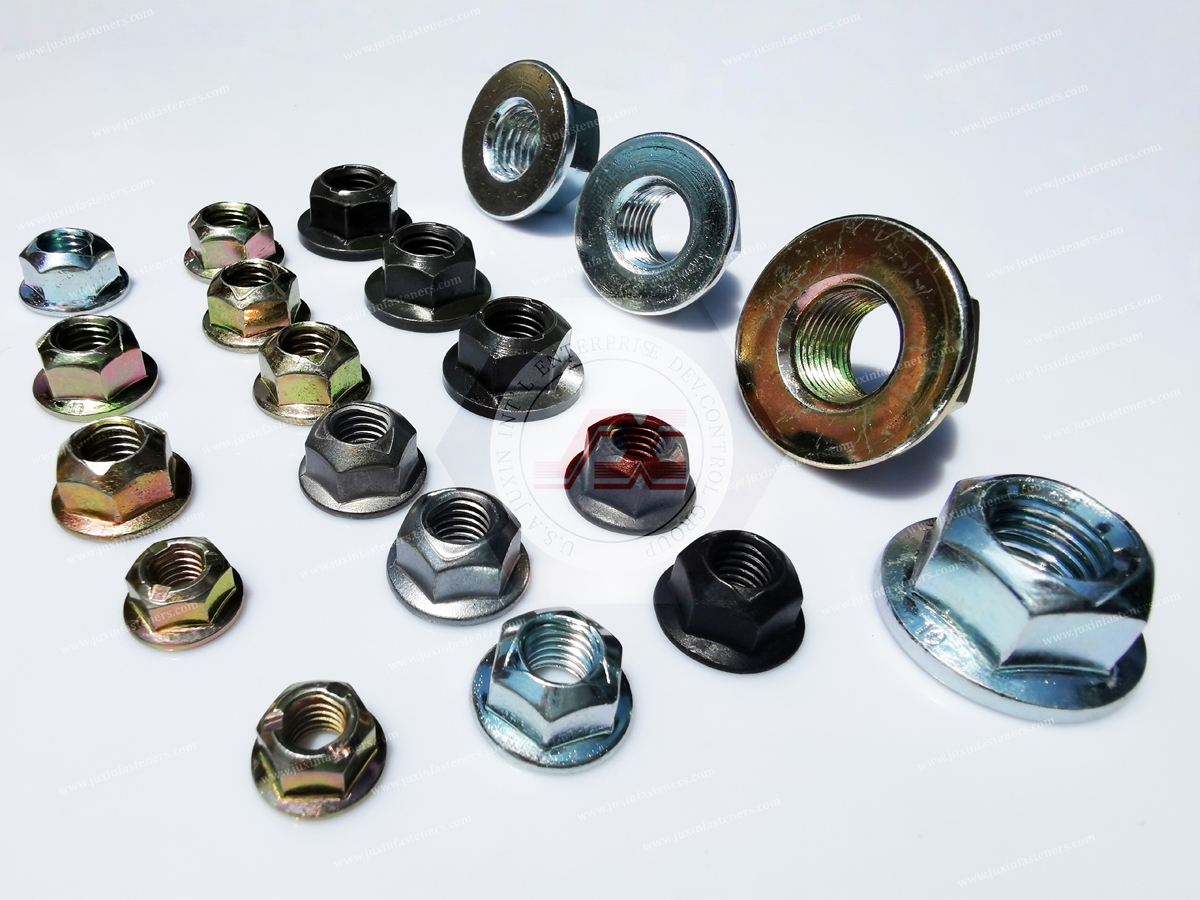
Nylon-insert lock nuts are a common type of prevailing-torque nut.
The polymer insert creates resistance to relative rotation between the nut and mating bolt.
This resistance is present independently of the clamp force generated after the nut seats against the joint.
How Repeated Installation Affects the Insert
Repeated installation and removal can change the condition of the polymer insert.
Wear, deformation, temperature exposure and contamination may affect the prevailing torque.
The amount of change depends on the nut design and operating conditions.
Is a Nylon Lock Nut Always Single-Use?
Not necessarily.
Some prevailing-torque nuts may be evaluated for multiple installation cycles under the applicable standard or customer specification.
However, an approved test result for a particular nut design does not establish unlimited reuse in service.
When Replacement Is Appropriate
Replacement is required when the applicable OEM procedure mandates it or when the locking performance or physical condition no longer satisfies the approved criteria.
A damaged insert, excessive temperature exposure or uncertain service history may also justify replacement.
Engineering Recommendation
For applications requiring repeated maintenance, specify the permitted reuse conditions and the method used to assess prevailing torque.
All-Metal Lock Nuts and Prevailing-Torque Reuse
All-metal prevailing-torque nuts develop rotational resistance through an intentional deformation or interference feature in the metal structure.
They may be used where a polymer insert is unsuitable for the application environment.
However, all-metal does not mean unlimited reuse.
Repeated cycling can alter the locking feature, contact surfaces and prevailing torque.
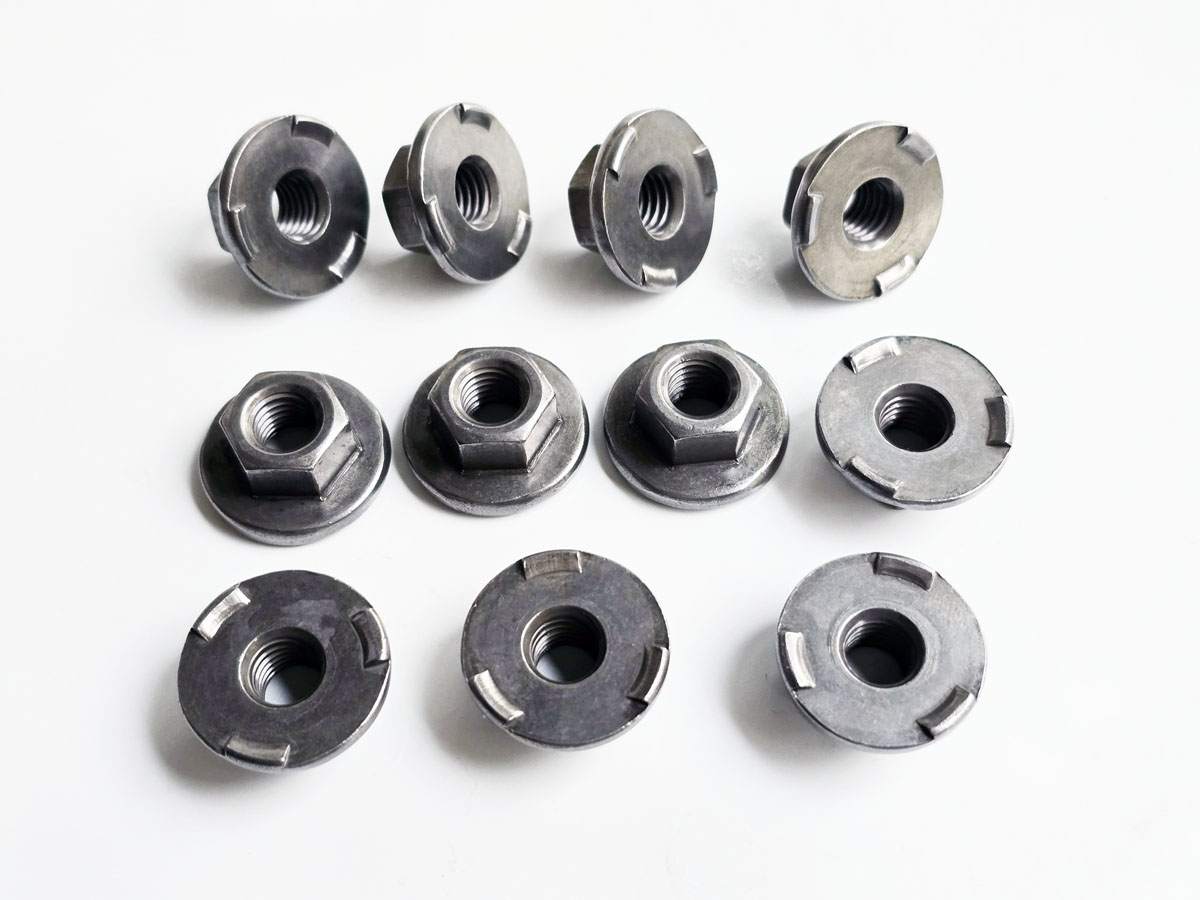
Relevant Standard: ISO 2320
ISO 2320 provides requirements for applicable prevailing-torque steel nuts, including performance characteristics and test provisions within its scope.
The standard can support evaluation of locking performance, but its requirements must be applied to the correct nut type, property class and test conditions.
A nut that meets a standardized prevailing-torque test is not automatically approved for indefinite reuse in every application.
Important Distinction
Prevailing torque is not the same as joint clamp force.
A nut can exhibit rotational resistance while the actual clamping force remains insufficient.
OEM Qualification
For repeated assembly applications, the purchasing specification should define the locking nut type, required performance and any validated reuse limits.
Pre-Applied Threadlockers: Why Removal Changes the Locking System
Pre-applied threadlocking fasteners may use different technologies.
Some products contain microencapsulated reactive compounds that develop an adhesive bond during installation.
Other pre-applied locking features rely on polymer patches or different interference mechanisms.
These systems should not be treated as identical.
Microencapsulated Adhesive Threadlockers
Where the locking function depends on an adhesive that is activated and cured during installation, removal can disrupt the original bond.
Reinstalling the same fastener may not reproduce the original locking performance.
Unless the product and OEM instructions expressly permit reuse, replacement or an approved reapplication procedure should be considered.
Polymer-Patch Locking Screws
Some polymer-patch products are designed for defined repeated installation performance.
Their reuse suitability depends on the actual patch material, design and validated specification.
Why Product Identification Matters
A description such as pre-applied locking screw is not enough to determine reuse capability.
The drawing or purchasing specification should identify the locking technology and relevant performance requirements.
Engineering Recommendation
Do not assume that all pre-applied locking fasteners are single-use or that all can be reused. Verify the actual locking mechanism.
Thread Wear, Removal Methods and Fastener Damage
Improper disassembly can damage a fastener even when the original installation was correct.
Common risks include thread galling, cross-threading, rounded drive features, damaged coatings and local deformation.
Use Appropriate Removal Tools
The correct tool type and size should be used to avoid damaging the drive feature.
Impact methods should only be used where appropriate for the fastener and joint.
Avoid Forced Reinstallation
A bolt that no longer threads smoothly into the mating component should not be forced into position.
The cause may involve damaged external threads, internal threads, contamination or misalignment.
Inspect the Mating Component
Replacing a damaged bolt does not restore a stripped tapped hole or worn threaded insert.
The mating thread should be evaluated before reassembly.
Surface Protection
Where corrosion or galling is a concern, the solution may involve a suitable material pairing, coating or approved lubricant.
However, threadlocking adhesives and anti-seize compounds perform different functions and should not be treated as interchangeable.
Practical Fastener Reuse Decision Matrix
| Fastener condition or type | General engineering approach | Key verification |
|---|---|---|
| Conventional torque-controlled bolt | Reuse may be possible if permitted | Service history, condition and approved tightening |
| Torque-angle tightened bolt | Depends on actual tightening strategy | Elastic or yield-controlled procedure |
| Torque-to-yield bolt | Commonly replaced after removal | OEM replacement instruction |
| Nylon-insert lock nut | Conditional reuse only | Insert condition and prevailing torque |
| All-metal prevailing-torque nut | Conditional reuse only | Locking feature and prevailing torque |
| Microencapsulated adhesive fastener | Generally replace or follow approved renewal procedure | Adhesive system and OEM instruction |
| Polymer-patch locking fastener | Depends on validated product design | Patch condition and cycle performance |
| Corroded or galled fastener | Do not assume reuse suitability | Damage assessment and replacement criteria |
| Unknown service history | Conservative evaluation required | Traceability and application risk |
This matrix is general engineering guidance, not a substitute for an approved OEM maintenance procedure.
A Five-Step Reuse or Replace Decision Process
Step 1: Identify the Fastener
Confirm the fastener type, material, property class, thread designation, surface treatment and locking mechanism.
Step 2: Check the Applicable Instruction
Review the OEM drawing, service manual, assembly procedure or approved maintenance specification.
If replacement is mandatory, do not proceed with reuse.
Step 3: Review Loading and Service History
Determine whether the fastener experienced yield-controlled tightening, overload, excessive temperature, corrosion or another potentially disqualifying condition.
Step 4: Inspect the Fastener and Mating Components
Check the threads, bearing surfaces, drive features, coatings and locking elements against the specified acceptance criteria.
Where required, conduct dimensional or functional testing.
Step 5: Reassemble Only Under an Approved Procedure
Use the specified lubrication condition, tightening method and inspection requirements.
If the fastener cannot be positively identified or evaluated, replacement may be the more appropriate option.
Engineering Information Gain: Why Reuse Cycle Count Alone Can Be Misleading
A common purchasing question is: How many times can this bolt or nut be reused?
For many industrial applications, the more useful question is:
Can the fastening system maintain its specified functional performance after the intended number of assembly and disassembly cycles?
These are different questions.
A nut may complete several cycles without visible damage while its prevailing torque decreases below the required limit.
A bolt may retain acceptable thread geometry while changes in lubrication cause unacceptable preload variation.
A locking screw may still install normally after its adhesive bond has been disrupted.
Therefore, reuse qualification should consider the actual function that must be maintained.
Suggested Validation Structure
For a product intentionally designed for repeated assembly, an engineering test plan may define:
| Test stage | Evaluation purpose |
|---|---|
| New fastener baseline | Establish initial condition |
| First installation | Measure initial tightening or locking behavior |
| Removal | Assess damage and removal characteristics |
| Defined reinstallation cycles | Evaluate performance changes |
| Intermediate inspection | Identify wear, coating or locking-feature degradation |
| Final-cycle verification | Compare results with acceptance criteria |
| Post-test examination | Investigate relevant damage mechanisms |
The number of cycles, sample size, test environment and acceptance limits must be established for the actual OEM application.
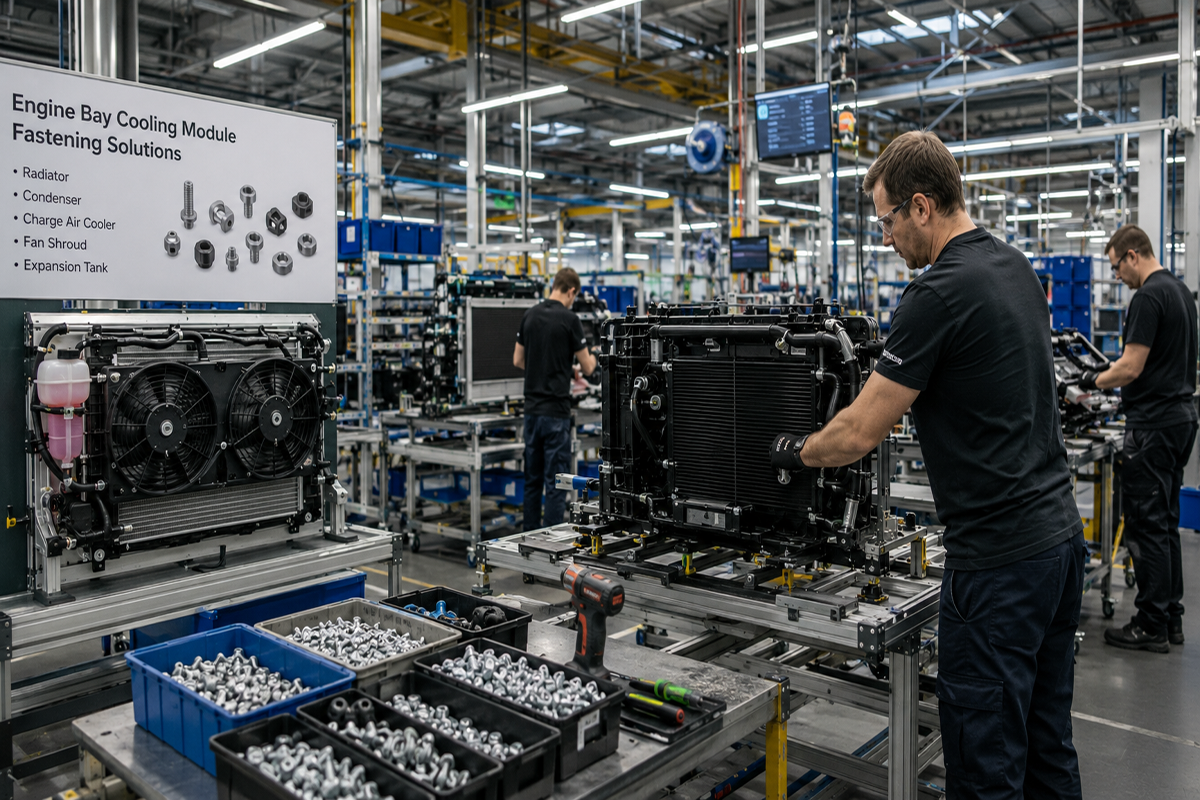
Industrial Applications for Reusable and Single-Use Fasteners
Automotive Manufacturing
Automotive joints may use conventional bolts, torque-angle fasteners, torque-to-yield bolts and prevailing-torque nuts.
Reuse policies must follow the relevant vehicle or component manufacturer's requirements.
A bolt used in a removable equipment cover may have different requirements from a fastener used in a critical engine or structural assembly.
EV Battery Pack Equipment
EV battery systems may incorporate steel bolts, aluminum threaded housings, rivet nuts, threaded inserts and locking fasteners.
Maintenance procedures must consider thread damage, preload, sealing requirements and the effect of repeated assembly on the mating materials.
Electrical and battery safety procedures must also be followed before disassembly.
Industrial Machinery and Robotics
Equipment requiring periodic maintenance may benefit from fasteners designed for controlled repeated assembly.
The selection should consider maintenance frequency, access, thread wear and replacement cost.
Electrical Cabinets and Sheet Metal Assemblies
Self-clinching nuts, rivet nuts, weld nuts and threaded inserts can provide permanent internal threads for removable panels and equipment.
However, the repeated-use capability of the complete joint depends on both the removable screw and the installed threaded component.
A reusable screw cannot compensate for a loose rivet nut or damaged self-clinching fastener.
Rail and Other Regulated Applications
For rail transportation and other safety-sensitive applications, maintenance and reuse decisions must follow the applicable approved requirements.
General-purpose fastener reuse guidance does not establish industry-specific qualification.
Aerospace and Medical Equipment
Specialized applications may require additional traceability, qualification and documented replacement rules.
No general industrial fastener should be represented as approved for such applications solely on the basis of its material or nominal strength.
International Standards Relevant to Fastener Reuse
Different standards address different aspects of fastener performance.
ISO 2320
Relevant to applicable prevailing-torque steel nuts and their specified performance and testing requirements.
ISO 16047
Provides a framework for torque–clamp force testing of threaded fasteners within its scope.
It can support investigation of tightening behavior and friction-related characteristics.
ISO 898-1
Defines mechanical property requirements for applicable carbon and alloy steel bolts, screws and studs.
ISO 898-2
Defines mechanical property requirements for applicable carbon and alloy steel nuts.
These mechanical property standards do not, by themselves, provide universal permission to reuse every compliant fastener.
ISO Metric and Inch Threads
Metric, UNC/UNF and BSW/BSF thread systems must be specified accurately.
They are not directly interchangeable merely because their nominal diameters are similar.
For an OEM replacement program, the exact thread designation, pitch, tolerance and mating component must be verified.
Supplier Development and Purchasing: Reuse Versus Replacement Cost
Purchasing managers and supplier development teams should evaluate fastener reuse as part of the total cost of ownership.
A reusable fastening system may reduce replacement consumption, but only if its inspection and reassembly requirements are practical.
Potential Cost Factors
These include replacement fastener cost, maintenance labor, inspection time, assembly interruption, rework and the consequences of fastening failure.
Standardization
A common bolt or nut specification may simplify procurement and inventory management where the joint requirements permit it.
However, replacing a specified locking nut with a cheaper conventional nut can change the fastening function.
Alternative Supplier Qualification
A substitute fastener should be assessed against the complete approved specification.
Matching nominal diameter, thread and property class does not necessarily establish equivalent locking performance, coating friction or reuse behavior.
Commercial Recommendation
Where repeated assembly is a significant requirement, include reuse performance in the initial RFQ rather than treating it as an assumption after purchasing.
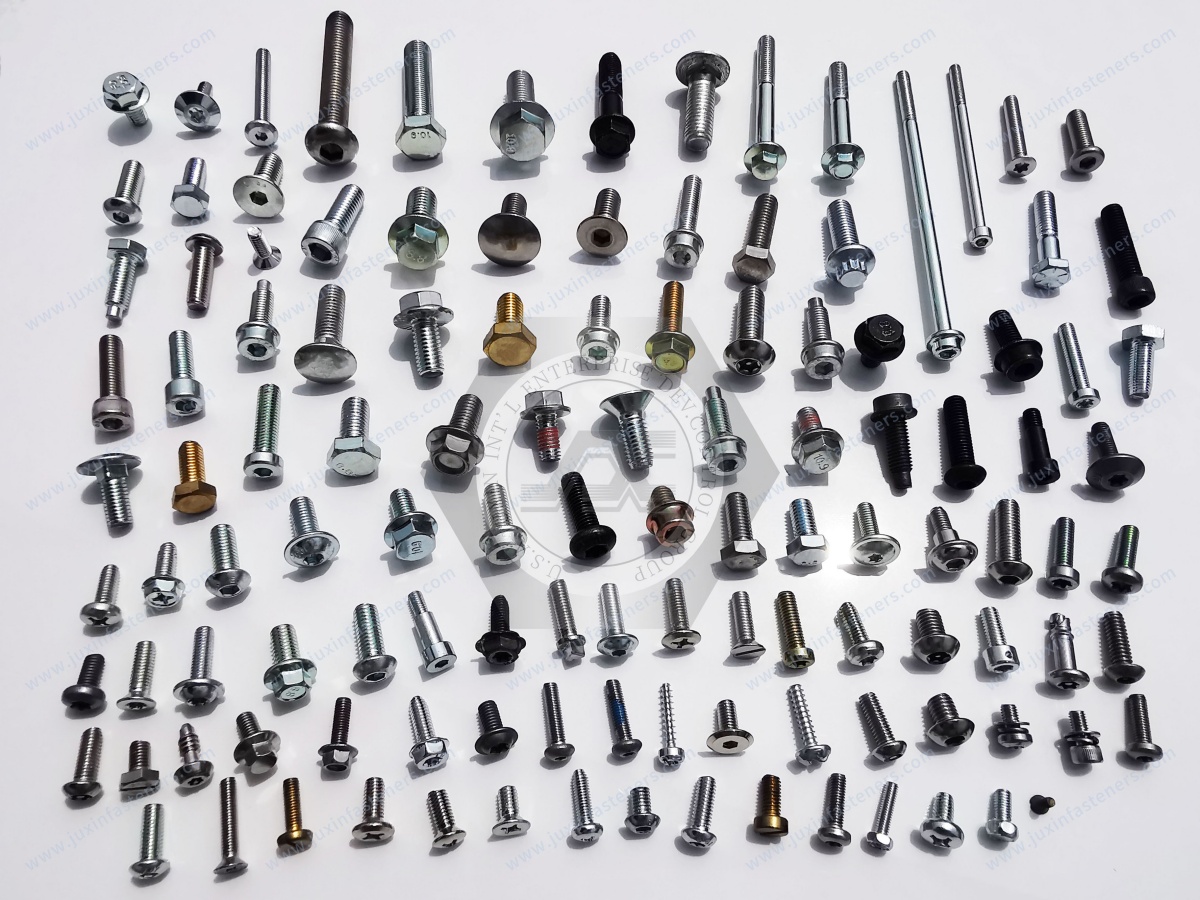
OEM Fastener Reuse and Replacement RFQ Checklist
| RFQ information | Purpose |
|---|---|
| Fastener drawing and revision | Defines the approved design |
| Product type and thread designation | Establishes compatibility |
| Material and property class | Establishes mechanical requirements |
| Surface coating and lubrication | Defines installation conditions |
| Locking mechanism | Identifies prevailing-torque, adhesive or other features |
| Tightening method | Distinguishes torque, torque-angle and yield-controlled procedures |
| Intended assembly cycles | Establishes reuse design target |
| Required prevailing torque | Supports locking nut qualification |
| Torque–clamp force requirements | Supports preload evaluation |
| Service temperature and environment | Identifies relevant degradation risks |
| Inspection and replacement criteria | Supports production and maintenance |
| Documentation and traceability | Supports OEM quality control |
| Prototype and annual demand | Supports supplier planning |
| MOQ, packaging and target delivery | Supports commercial quotation |
Frequently Asked Questions
Can a standard steel bolt be reused after removal?
Possibly, if the OEM procedure permits reuse and the fastener remains within the approved condition and performance requirements.
How many times can a bolt be reused?
There is no universal number. The permitted reuse count depends on the specific fastener, loading history and validated application requirements.
Can torque-to-yield bolts be reused?
Many are designated for single use. Follow the applicable manufacturer's replacement instructions.
Does torque-angle tightening always mean the bolt has yielded?
No. Torque-angle tightening can be used in procedures that remain within the intended elastic range or in yield-controlled procedures.
Can nylon-insert lock nuts be reused?
Some designs may permit limited reuse under specified conditions. The insert and prevailing-torque performance must remain acceptable.
Are all-metal lock nuts reusable indefinitely?
No. Their locking features and prevailing torque can change with repeated installation.
Can pre-applied threadlocker screws be reused?
It depends on the locking technology. Cured adhesive systems and reusable polymer patches have different behavior.
Should lubricant be added before reusing a bolt?
Only if the approved installation procedure permits it. Changing lubrication can significantly affect achieved preload.
What is the difference between prevailing torque and clamp force?
Prevailing torque is rotational resistance from a locking feature. Clamp force is the compressive force generated in the joint by bolt tension.
Can a visually undamaged fastener still require replacement?
Yes. Plastic deformation, altered friction or degraded locking performance may not be obvious from visual inspection.
Juxin Fasteners: OEM Bolts, Lock Nuts and Fastening Components
Juxin Fasteners supplies industrial bolts, screws, nuts and drawing-specific fastening components for suitable automotive,
EV, machinery, electrical equipment and other OEM manufacturing applications.
Relevant product inquiries include high-strength bolts, standard industrial screws, nylon-insert lock nuts, all-metal prevailing-torque nuts and selected locking fastener configurations.
For projects requiring controlled reuse, the fastening specification should identify the intended assembly cycles, tightening conditions, locking performance and acceptance criteria.
Exact product configurations, materials, surface treatments, testing arrangements, quantities and delivery schedules are subject to technical and commercial confirmation.
Request OEM Bolts, Lock Nuts and Fastener Reuse Solutions
Are you sourcing industrial bolts, nylon-insert lock nuts, all-metal prevailing-torque nuts,
pre-applied locking screws or custom fastening components for repeated assembly and maintenance applications?
Juxin Fasteners welcomes inquiries from design engineers, manufacturing engineers, production managers,
procurement specialists, purchasing managers and supplier development teams.
For technical review and quotation, please provide:
Fastener drawing and revision + thread designation + material and property class + locking mechanism + surface treatment
+ tightening method + intended reuse cycles + inspection and performance requirements + application environment
+ prototype quantity + annual demand + packaging + target delivery schedule.
Company: Juxin Fasteners
Website: https://www.juxinfasteners.com/
Email: info@juxinfasteners.com
Send your industrial fastener drawings, locking performance requirements and OEM RFQ to Juxin Fasteners for technical confirmation and quotation.
Contact Us
Tel.:
+86 020 8621 0320
+86 020 3121 6067
E-mail:
Technical Support:
Navigation
SEND INQUIREY



