
Call Us
+86 136 6007 9809
Call Us
+86 136 6007 9809

Nov. 30, 2024
High-strength fasteners such as bolts, screws, studs, and nuts are critical components in demanding industrial applications. Their mechanical performance depends not only on material selection but also on precise control of heat treatment processes, carbon content, surface hardness, and metallurgical structure.
During fastener manufacturing, improper heat treatment conditions may cause two common metallurgical defects:
Decarburization – loss of carbon from the steel surface
Carburization – excessive carbon enrichment on the fastener surface
Both conditions can negatively affect hardness, tensile strength, fatigue resistance, thread performance, and long-term reliability.
As an experienced industrial fastener manufacturer, Juxin Fasteners provides customized high strength fastener solutions, heat treatment quality control, and metallurgical inspection support for global OEM customers.
Our fasteners are widely used in:
Automotive Manufacturing
Electric Vehicle (EV) Systems
Battery Pack Assembly
Rail Transit Equipment
Aerospace Components
Electrical Cabinets
HVAC Systems
Medical Equipment
Construction Machinery
Industrial Machinery
Robotics
Sheet Metal Fabrication
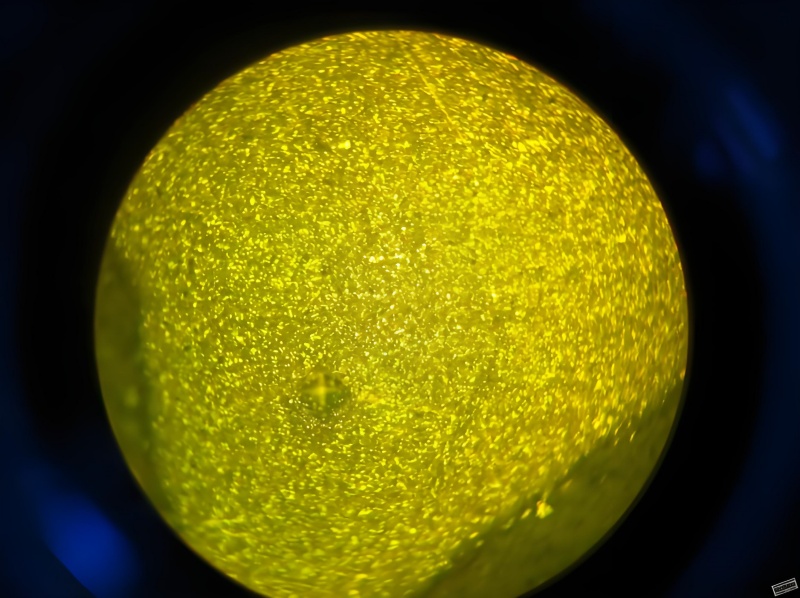
Steel is an iron-carbon alloy containing approximately 0.0218% to 2.11% carbon.
Carbon plays a critical role in determining fastener performance:
Higher carbon content improves:
Yield strength
Tensile strength
Surface hardness
Wear resistance
However, excessive carbon may reduce:
Ductility
Impact resistance
Fatigue performance
Therefore, controlling carbon content during fastener production is essential to achieve the correct balance between strength and toughness.
For high performance fasteners, especially Grade 8.8, Grade 10.9, and Grade 12.9 bolts and screws, precise heat treatment control is required to maintain consistent mechanical properties.
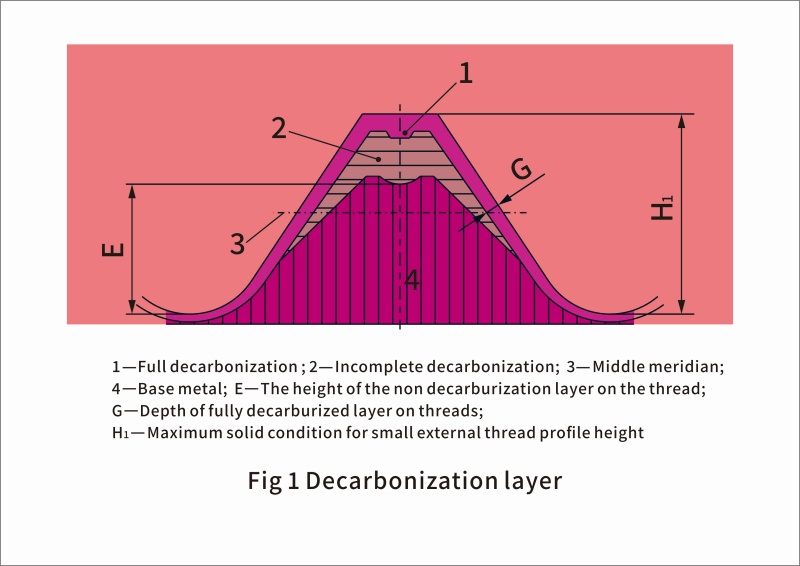
Fastener decarburization occurs when carbon is removed from the surface layer of steel during heating processes.
This reduces surface hardness and weakens the fastener's ability to withstand:
High tensile loads
Cyclic loading
Thread stress
Fatigue conditions
Decarburization can be classified into:
The carbon content is completely removed from the surface area, resulting in a ferrite structure during metallographic examination.
Carbon loss occurs only in a surface layer, causing:
Reduced hardness
Lower strength
Different metallographic structure compared with the core material
A fastener is generally considered decarburized when surface hardness is approximately 30 HV lower than the core hardness.
Common causes include:
During quenching and tempering, uncontrolled furnace gases may introduce oxidation reactions.
Carbon loss can occur when:
Furnace atmosphere is unstable
Carbon potential is not properly controlled
Oxygen-containing gases enter the furnace
Rust or contamination on steel wire and bars may generate:
CO₂
H₂O vapor
during heating, accelerating carbon loss.
Incorrect annealing parameters may deepen the decarburized layer before cold forming.
When cold forging is performed, this weakened surface layer may remain on thread areas and reduce final fastener performance.
Surface decarburization may result in:
Reduced thread strength
Thread stripping failure
Lower wear resistance
Surface cracking during quenching
Reduced fatigue strength
Studies show that bolts with surface decarburization may have significantly lower fatigue resistance compared with properly heat-treated fasteners.
For safety-critical applications, decarburization inspection is essential.
Fastener carburization occurs when excessive carbon enters the surface layer of steel during heat treatment.
Although higher carbon content increases hardness, excessive surface carbon creates a brittle surface layer.
This may cause:
Reduced fatigue resistance
Increased cracking risk
Poor impact performance
Premature fastener failure
Typical causes include:
The protective atmosphere inside the heat treatment furnace must match the original carbon content of the steel.
Incorrect carbon potential control may increase surface carbon levels.
When restoring decarburized fasteners, excessive carburization may occur if process parameters are not accurately controlled.
Proper carburization must avoid:
Excessive surface hardness
Grain growth
Reduced toughness
According to international fastener requirements, high strength bolts such as:
Grade 8.8
Grade 10.9
Grade 12.9
require strict control of surface hardness.
Typical requirements include:
Surface hardness should not exceed core hardness by more than approximately 30 HV
Grade 10.9 fasteners should maintain controlled hardness levels
Grade 12.9 fasteners require even stricter metallurgical control
Juxin Fasteners applies professional inspection methods to ensure reliable fastener performance.
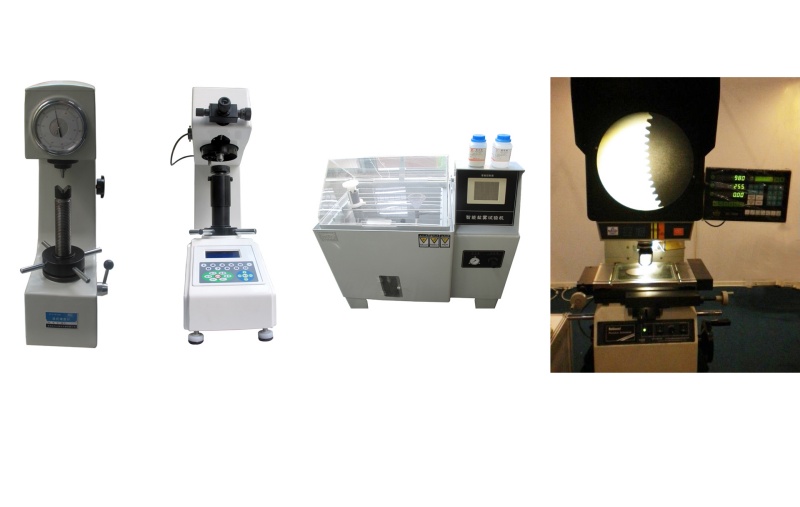
Metallographic analysis is suitable for:
Grade 8.8 fasteners
Grade 10.9 fasteners
Grade 12.9 fasteners
This method evaluates:
Full decarburized layer depth
Partial decarburized layer height
Metallurgical structure changes
Testing references include:
ISO 4014
ISO 4017
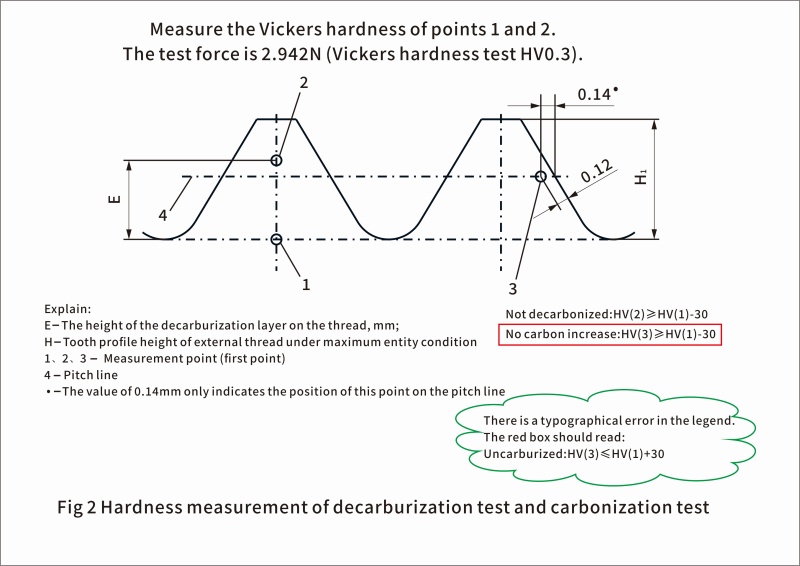
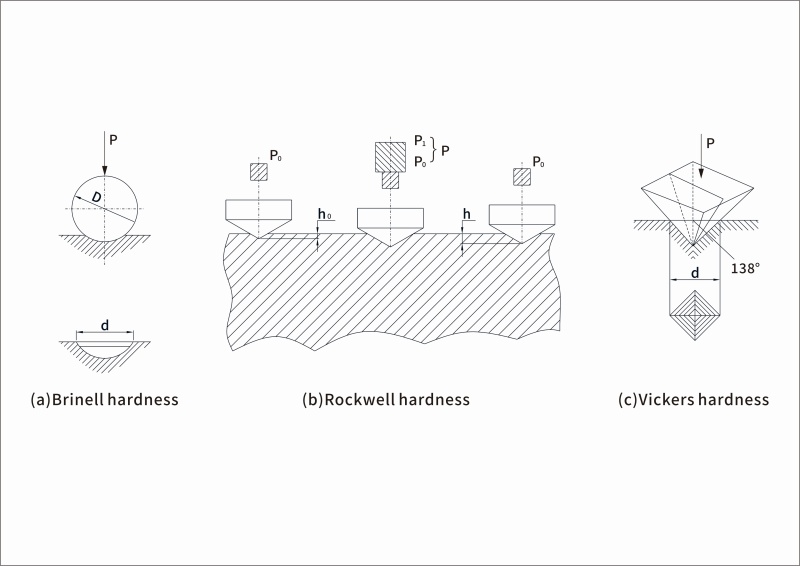
Vickers hardness testing is widely used for evaluating carbon changes.
Testing parameters include:
HV0.3 Surface hardness testing
HV2 hardness comparison
HV3 hardness evaluation
For decarburization:
HV2 ≥ HV1 - 30 HV
indicates no significant decarburization.
For carburization:
HV3 ≤ HV1 + 30 HV
indicates no excessive carburization.
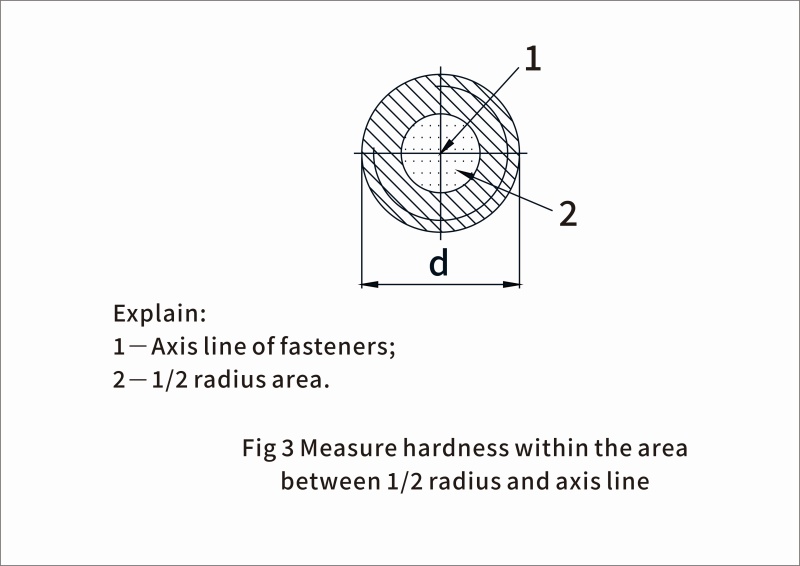
Core hardness represents the original hardness of the fastener material before surface carbon changes occur.
The measurement area is normally located between:
Thread radius area
Fastener centerline
This ensures accurate evaluation of internal mechanical properties.
Juxin Fasteners follows internationally recognized testing methods including:
ISO 6506-1
ISO 6508-1
ISO 6507-1
These inspection methods help ensure consistent quality for industrial fasteners used in demanding environments.
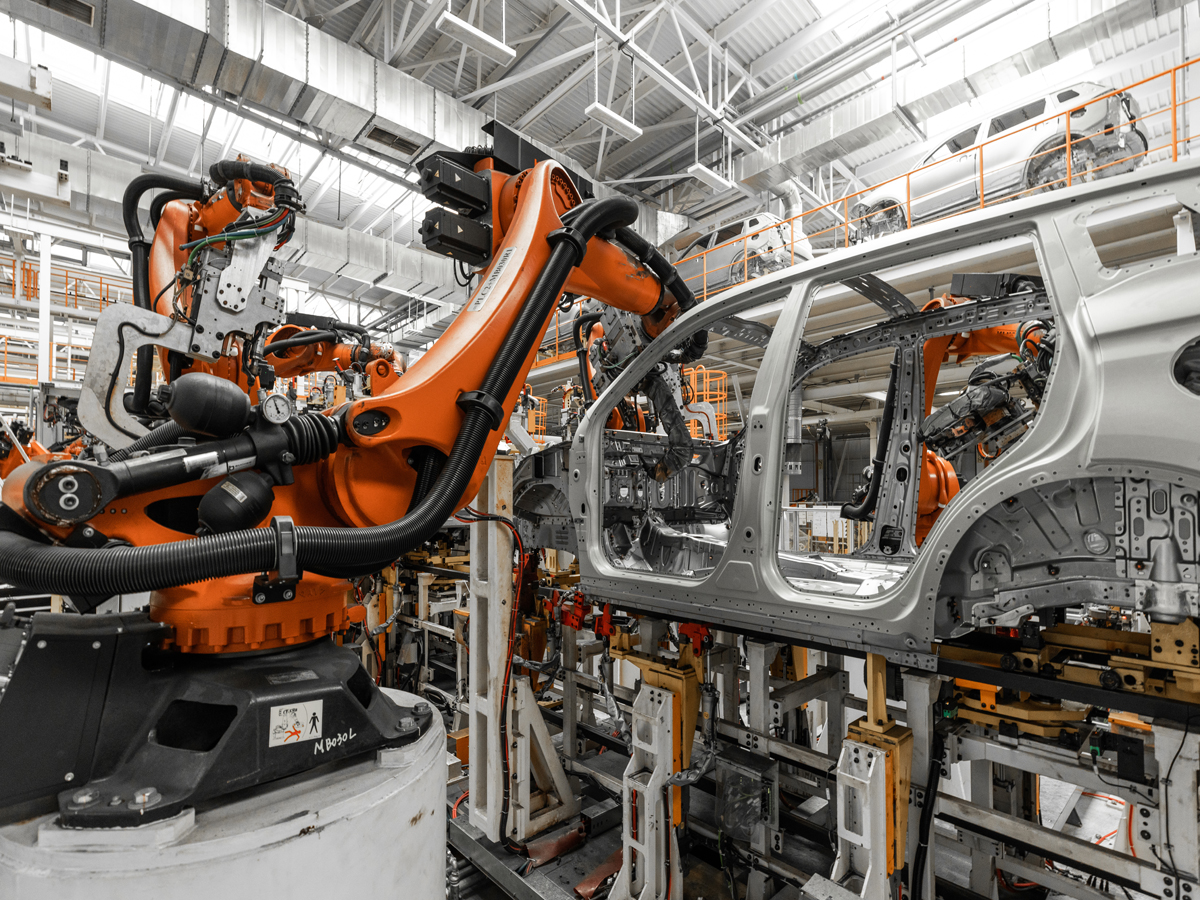
Automotive manufacturers require:
High fatigue resistance
Stable torque performance
Reliable thread strength
Applications:
Engine components
Chassis systems
EV battery structures
Electric motor assemblies
EV battery packs require fasteners with:
High strength
Corrosion resistance
Stable mechanical performance
Juxin provides:
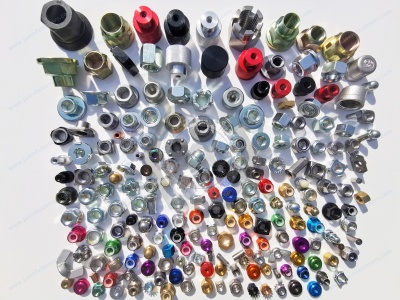
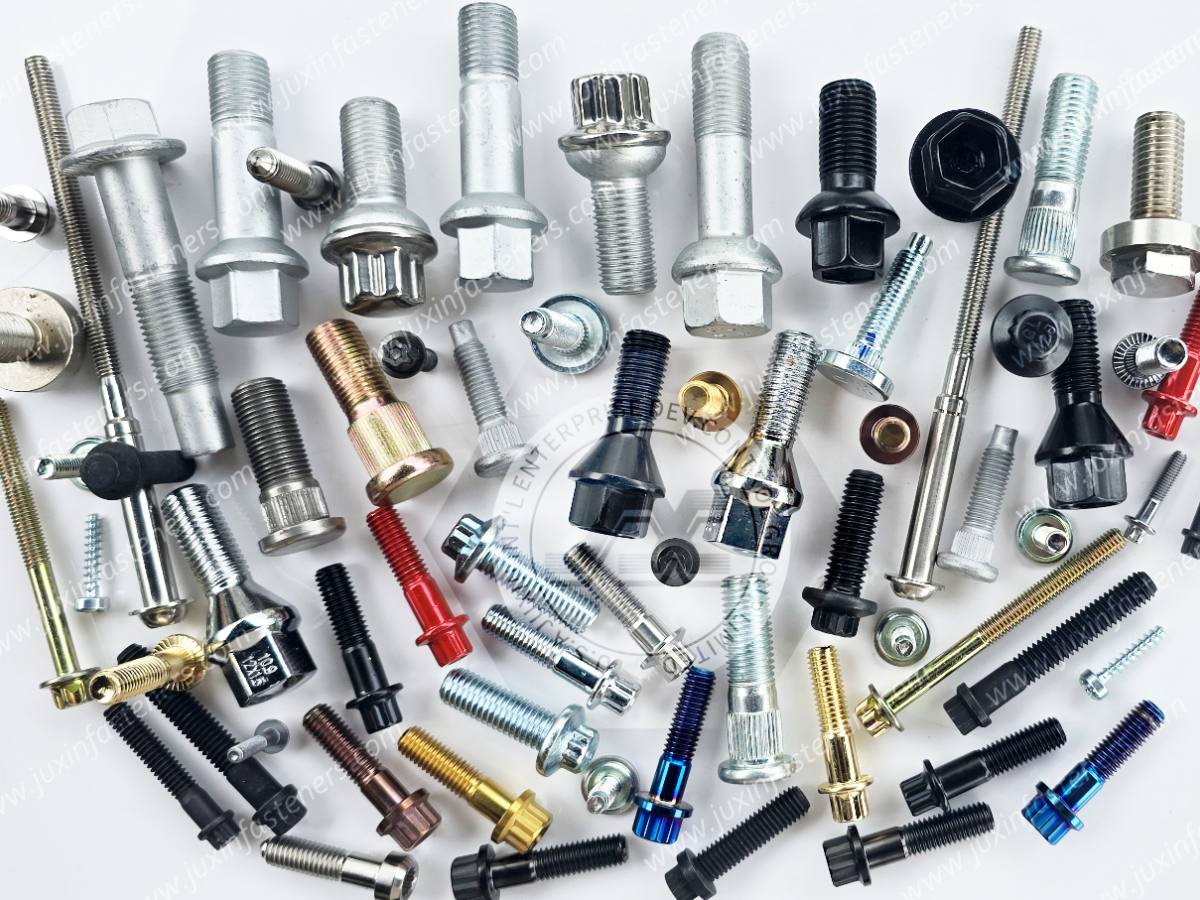
Custom bolts
Nuts
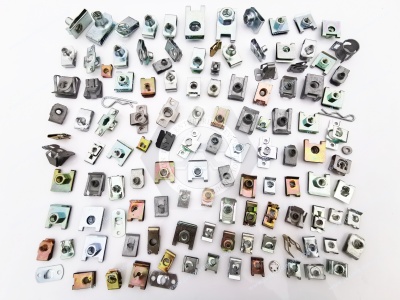
Rivet nuts
Threaded inserts
Specialty fasteners
Rail applications require:
Long service life
Vibration resistance
High fatigue performance
Heat-treated fasteners with controlled metallurgy improve safety and reliability.
Aerospace applications demand:
Lightweight design
High strength-to-weight ratio
Strict quality control
For electrical enclosures and sheet metal fabrication:
Self-clinching fasteners
Rivet nuts
Weld nuts
Thread inserts
provide reliable fastening without damaging thin materials.
Precision fasteners support:
Equipment assembly
Structural connections
Automated production systems
High reliability applications
Juxin Fasteners provides:
✔ OEM customized fastener manufacturing
✔ High strength bolts and nuts
✔ Heat treatment controlled production
✔ Metallographic inspection
✔ Hardness testing
✔ ISO standard compliance
✔ Automotive and industrial fastening solutions
✔ Global OEM supply capability
We support engineers, purchasing teams, and manufacturers worldwide with reliable fastening solutions designed for demanding applications.
For custom fasteners, heat treatment requirements, and engineering support:
Email: info@juxinfasteners.com
Website:
https://www.juxinfasteners.com/
 MORE NEWS
Sep. 27, 2026
Sep. 27, 2026
Sep. 27, 2026
Contact Us
Tel.:
+86 020 8621 0320
+86 020 3121 6067
E-mail:
Technical Support:
Navigation
SEND INQUIREY