
Call Us
+86 136 6007 9809
Call Us
+86 136 6007 9809

Nov. 30, 2024
In modern mechanical assemblies, preventing fastener loosening is critical for ensuring safety, reliability, and long-term performance.
Threaded connections used in automotive systems, electric vehicles (EV), industrial machinery, electrical equipment, and transportation applications are often exposed to:
Vibration
Impact loads
Thermal cycling
Dynamic forces
Repeated operation
These conditions can cause loss of preload force and lead to bolt loosening.
One of the most widely used solutions is the application of pre-applied thread locking adhesive on bolts and screws.
However, engineers must verify:
Whether the adhesive has properly cured
Whether the locking performance meets requirements
Whether the static torque is within the specified range
Juxin Fasteners provides OEM thread locking bolts, anti-loosening screws, and customized fastening solutions with controlled adhesive application and performance verification for global industrial customers.
The primary cause of threaded fastener loosening is the loss of clamp force between connected components.
When external forces exceed the friction generated by the bolt preload, relative movement occurs between parts, causing:
Thread rotation
Torque reduction
Joint loosening
Mechanical failure
Common factors affecting bolt loosening include:
Fastener hardness
Material selection
Surface treatment
Lubrication condition
Thread fit accuracy
Assembly torque
Pre-applied thread locker creates additional resistance between male and female threads.
The adhesive provides:
✔ Increased resistance against rotation
✔ Improved vibration resistance
✔ Stable preload retention
✔ Reduced maintenance requirements
Compared with untreated bolts, adhesive-coated bolts provide additional locking force after curing.
Common applications include:
Automotive steering systems
Chassis components
Bearing connections
EV battery structures
Industrial machinery
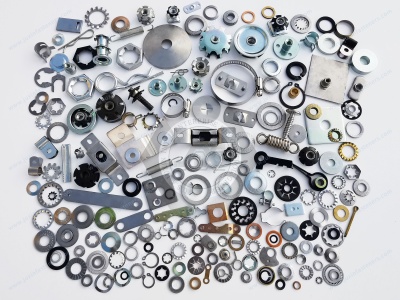
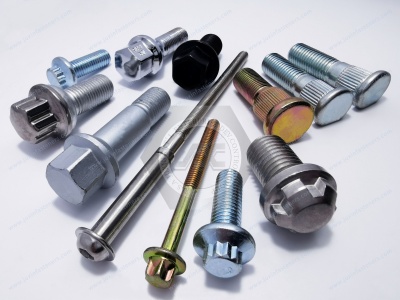
Different applications require different anti-loosening technologies.
Common solutions include:
Advantages:
Chemical locking performance
Suitable for automated assembly
No additional hardware required
Applications:
Automotive fasteners
Precision equipment
Electronic assemblies
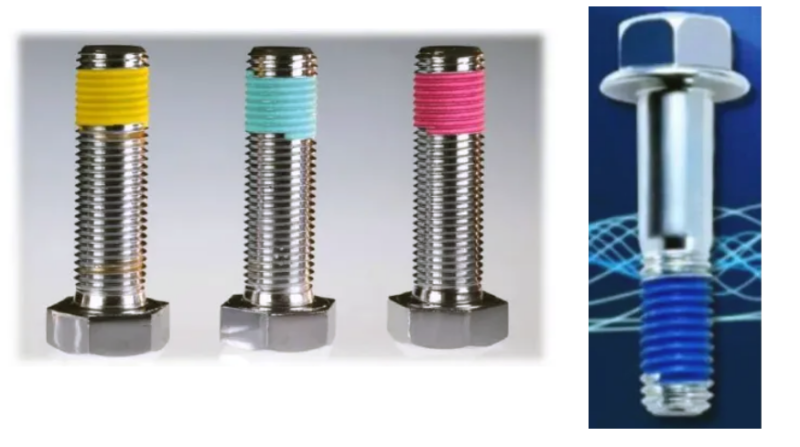
Special designs such as toothed locking washers provide mechanical resistance against loosening.
Advantages:
Immediate locking effect
Suitable for vibration environments
Applications:
Heavy equipment
Industrial machinery
Including:
Nylon lock nuts
Prevailing torque nuts
Thread locking screws
Applications:
Mechanical assemblies
Transportation equipment
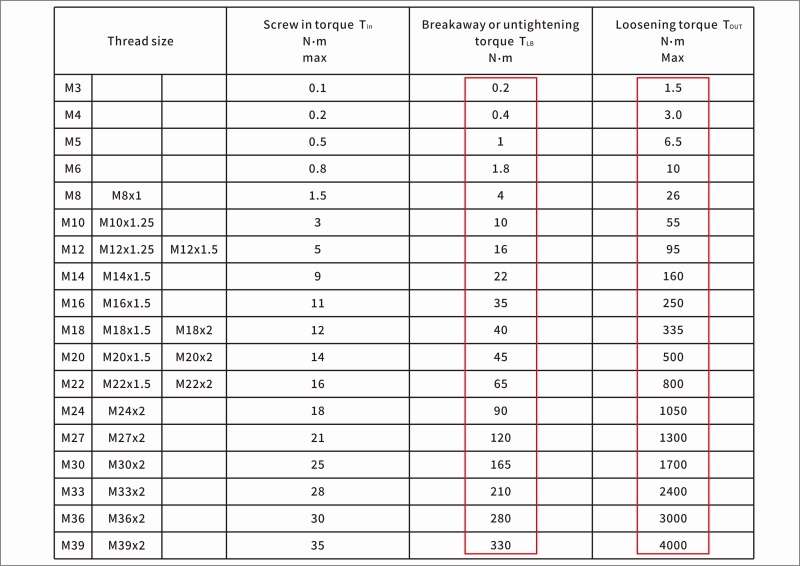
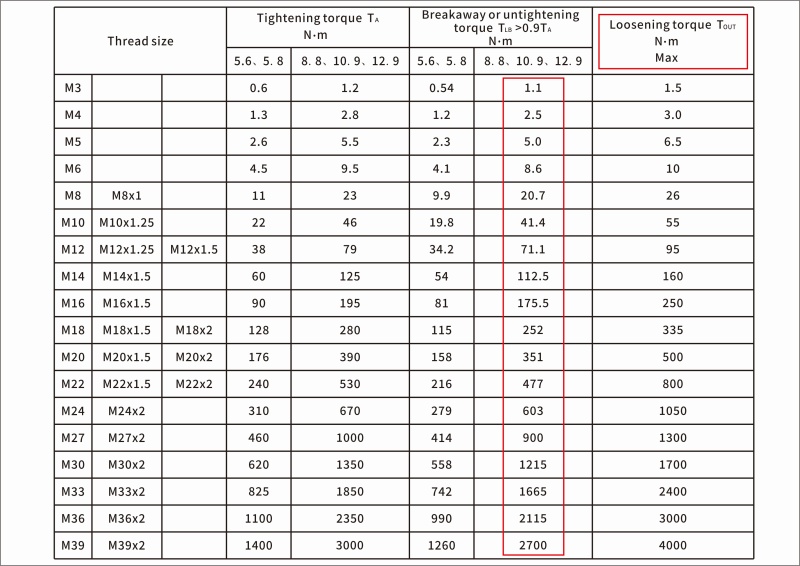
Static torque testing is an important method to evaluate the performance of pre-applied thread locking bolts.
The test verifies:
Adhesive curing condition
Locking torque performance
Bonding strength
Assembly reliability
International standards such as DIN 267 define performance requirements for fasteners with thread locking coatings.
Important test parameters include:
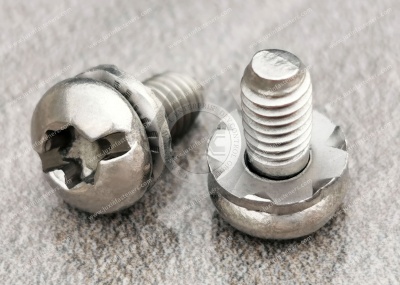
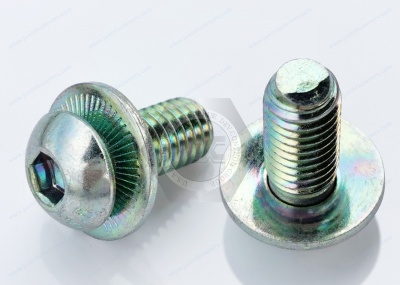
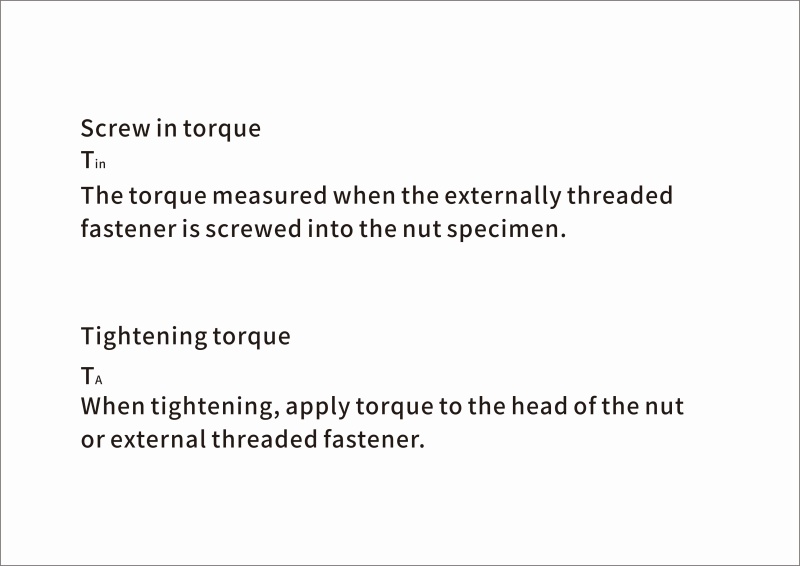
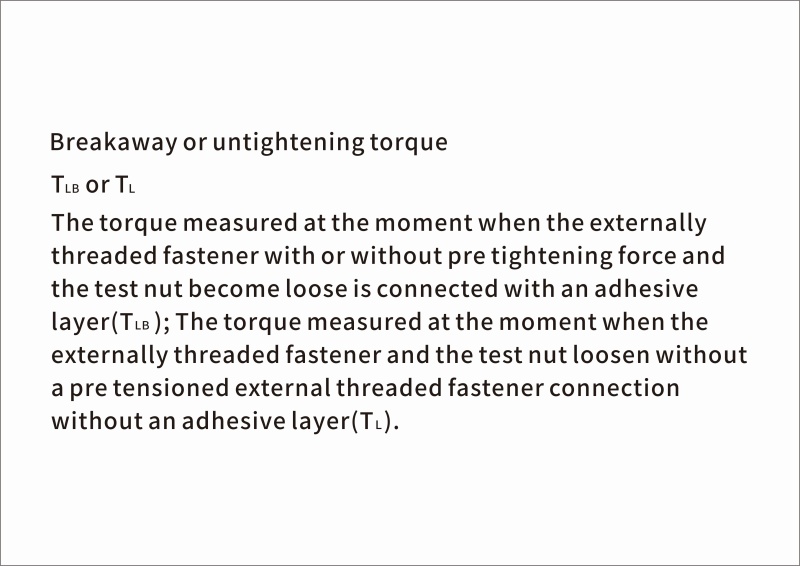
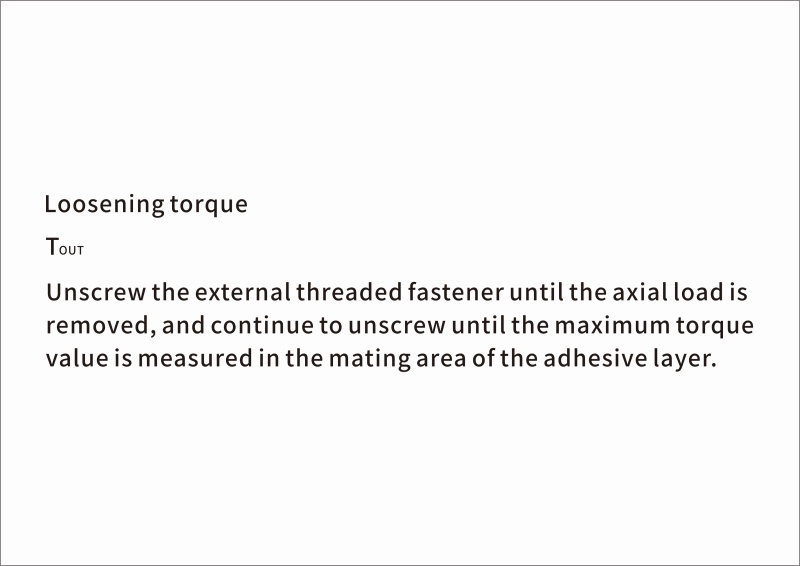
Loosening torque is the maximum torque required to start loosening a threaded fastener.
It evaluates:
Adhesive locking strength
Resistance against rotation
Anti-vibration performance
A higher loosening torque indicates stronger locking performance.
Unthreading torque refers to the torque measured after the initial preload has been removed and the bolt continues to rotate through the adhesive section.
This value helps evaluate:
Adhesive effectiveness
Thread locking consistency
The adhesive is applied to the bolt thread area according to:
Coating length requirements
Adhesive type
Fastener size
Application environment
Common coatings include:
Microencapsulated adhesive
Nylon patch coating
Chemical thread locker coating
Static torque testing should normally be performed within a controlled time period.
Testing too late may affect results because:
Adhesive begins curing
Bond strength increases
Torque measurement changes
Therefore, testing conditions must be standardized.
For complete curing confirmation:
Recommended waiting time:
24 hours after adhesive application
During this period:
Adhesive develops bonding strength
Thread locking performance stabilizes
Torque results become reliable
A properly cured thread locking bolt should demonstrate:
Stable loosening torque
Required locking resistance
No unexpected thread movement
A common evaluation method:
The loosening torque should maintain approximately:
90% or more of the original tightening torque
If the bolt does not rotate under the specified torque condition, the adhesive curing performance is considered acceptable.
For mass production applications, individual testing is not always practical.
Recommended quality verification includes:
✔ Sampling inspection
✔ Batch torque testing
✔ Adhesive curing verification
✔ Assembly simulation testing
This approach is widely used in:
Automotive production lines
EV manufacturing
Industrial OEM assembly
Surface conditions influence adhesive bonding.
Common fastener coatings include:
Zinc plating
Zinc-Nickel plating
Zinc-Aluminum coating
Phosphate coating
Proper surface preparation improves adhesive reliability.
Thread quality affects:
Adhesive contact area
Torque stability
Assembly consistency
Precision thread manufacturing helps maintain reliable locking performance.
Different materials influence:
Adhesive compatibility
Mechanical strength
Thermal performance
Common materials:
Carbon steel
Alloy steel
Stainless steel
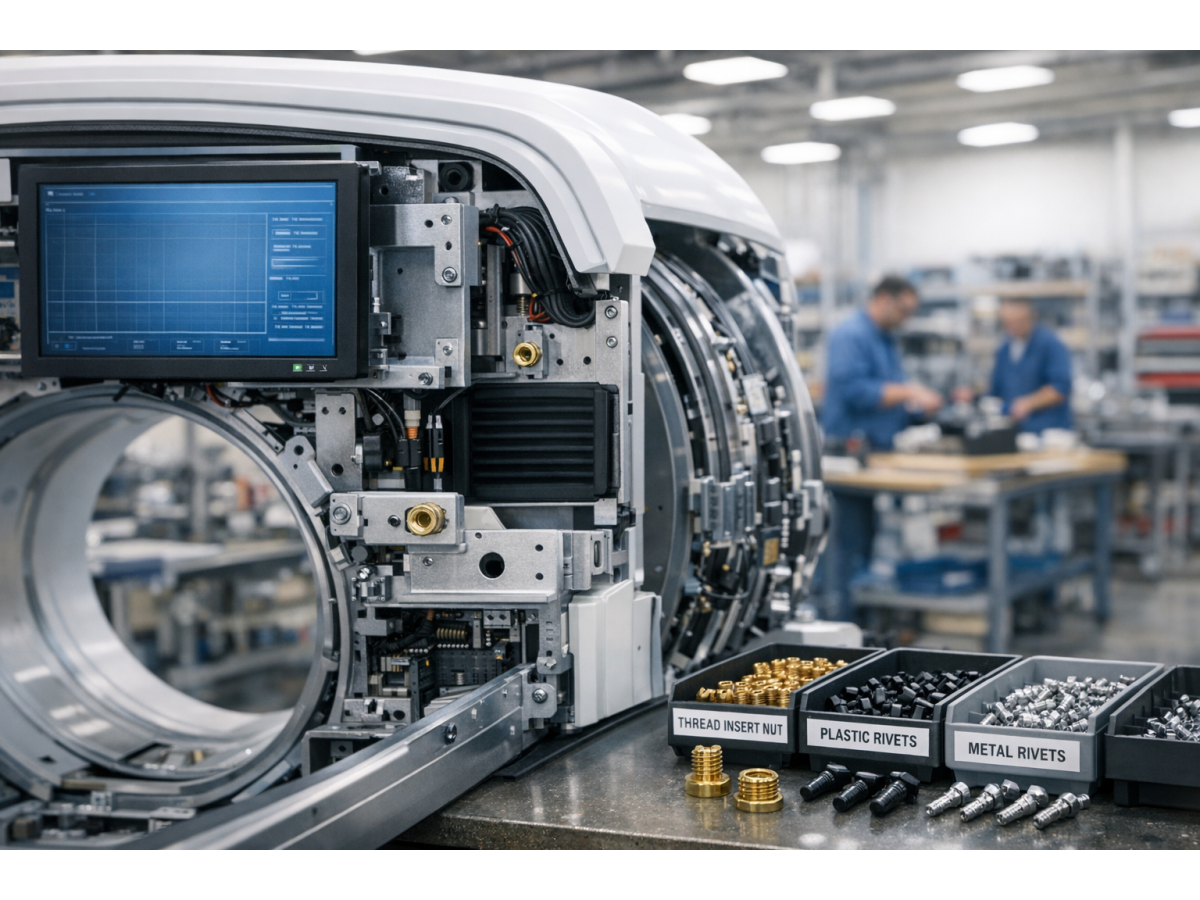
Automotive manufacturers use thread locking bolts for:
Steering systems
Suspension components
Chassis assemblies
Brake systems
Benefits:
✔ Vibration resistance
✔ Stable torque performance
✔ Improved safety
EV systems require reliable threaded connections for:
Battery packs
Electrical modules
Cooling systems
Thread locking fasteners help maintain:
Long-term clamp force
Structural reliability
Safety performance
Applications include:
Automation equipment
Machinery assemblies
Pumps and motors
Advantages:
Reduced maintenance
Improved operational reliability
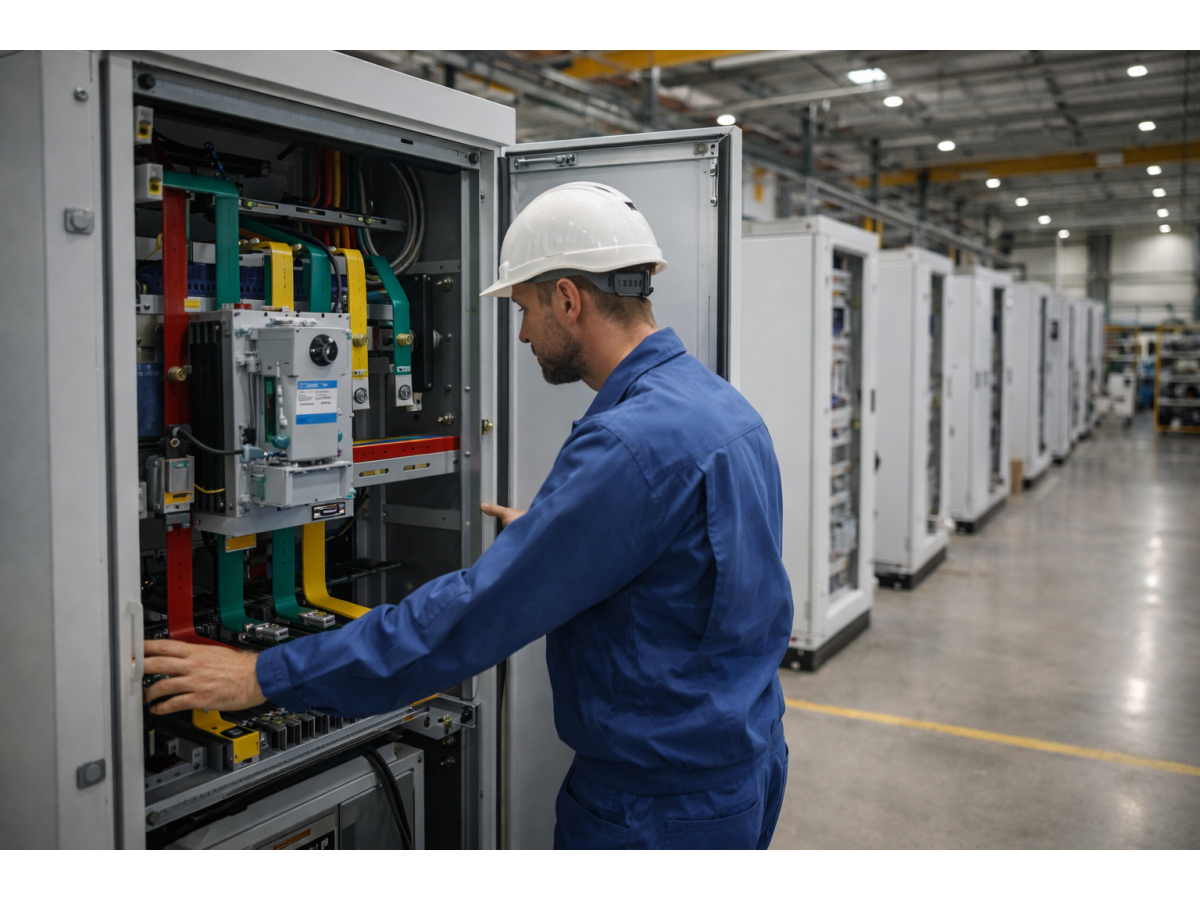
Applications:
Control panels
Power distribution equipment
Communication cabinets
Thread locking screws prevent loosening caused by:
Continuous vibration
Transportation shock
Juxin Fasteners provides customized fastening solutions including:
Pre-applied adhesive screws
Vibration-resistant screws
Anti-loosening screws
Grade 8.8 bolts
Grade 10.9 bolts
Grade 12.9 bolts
Including:
Lock washers
Spring washers
Special washers
Precision fastening components
Juxin Fasteners specializes in OEM custom fasteners and anti-loosening fastening solutions.
Our capabilities include:
✔ Pre-applied thread locking coating
✔ Custom screw and bolt manufacturing
✔ Torque performance testing
✔ Surface treatment solutions
✔ Automotive-grade quality control
✔ Engineering support
We support customers worldwide in:
Automotive manufacturing
EV industry
Industrial equipment
Electronics
Energy systems
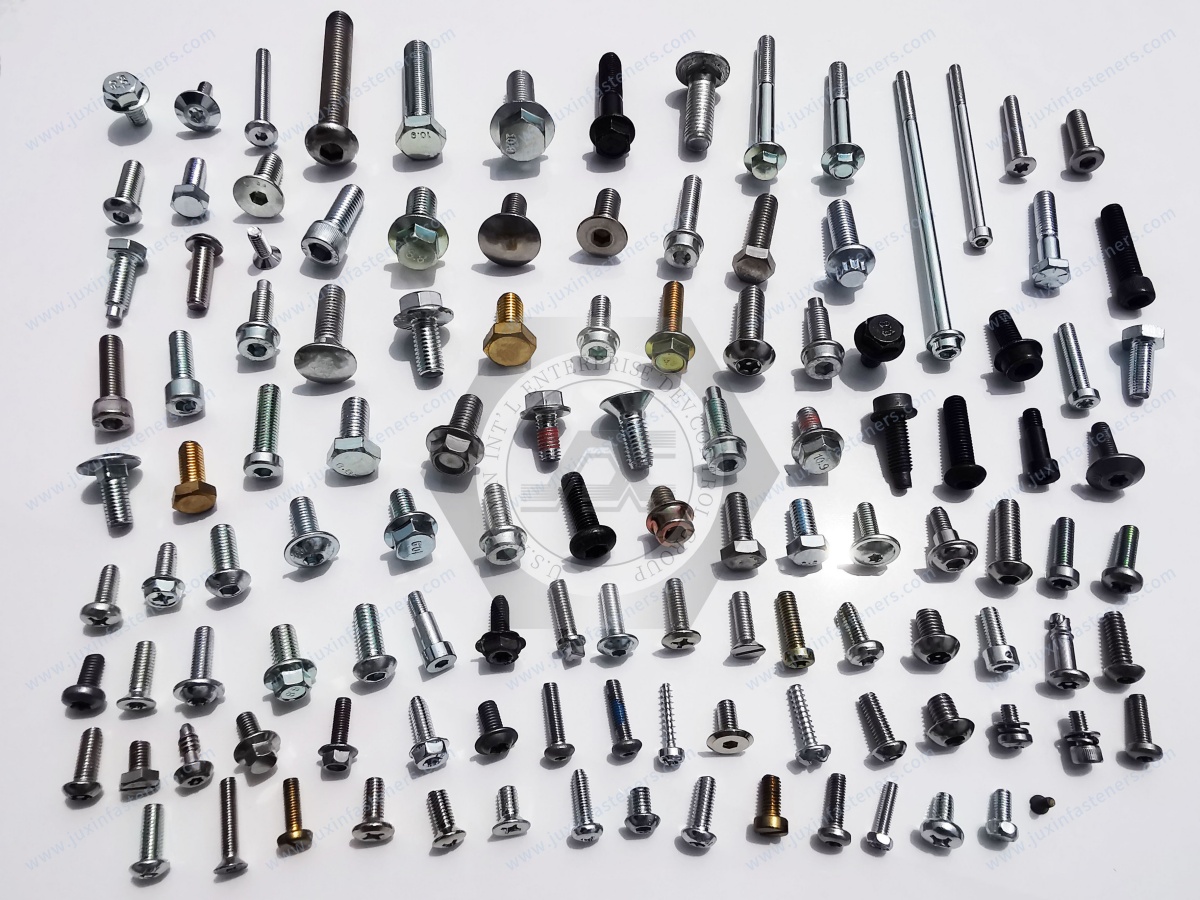
If you need reliable pre-applied thread locking bolts, anti-loosening screws, static torque testing, or customized fastening solutions, Juxin Fasteners can provide professional engineering support.
Email: info@juxinfasteners.com
Website:
https://www.juxinfasteners.com/
 MORE NEWS
Sep. 27, 2026
Sep. 27, 2026
Sep. 27, 2026
Contact Us
Tel.:
+86 020 8621 0320
+86 020 3121 6067
E-mail:
Technical Support:
Navigation
SEND INQUIREY