
Call Us
+86 136 6007 9809
Call Us
+86 136 6007 9809

Jan. 10, 2024
In modern mechanical assemblies, preventing fastener loosening is a critical requirement for product safety, equipment reliability, and long-term performance.
Traditional nuts rely mainly on thread friction for self-locking. However, under continuous vibration, impact loads, and dynamic working conditions, standard threaded connections may gradually lose preload and become loose.
To overcome this challenge, lock nuts and self-locking nuts are widely used as effective anti-loosening fastening solutions.
Juxin Fasteners specializes in manufacturing lock nuts, anti-loosening nuts, nylon insert lock nuts, all-metal lock nuts, and customized fastening solutions for global OEM customers.
Our locking fasteners are designed to maintain stable clamping force and improve connection reliability in demanding applications such as automotive manufacturing, industrial machinery, railway equipment, aerospace systems, and automation equipment.
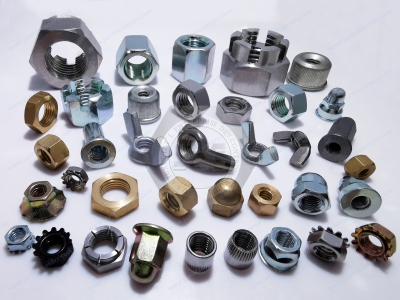
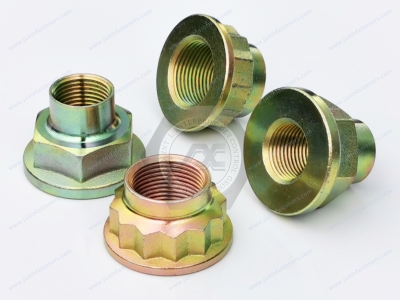
A lock nut, also known as a self-locking nut or anti-loosening nut, is a specially designed nut that prevents unwanted rotation between the nut and bolt.
Unlike standard nuts, locking nuts use additional locking mechanisms to increase resistance against loosening caused by vibration or external forces.
The locking performance is achieved through different technologies, including:
Nylon insert locking elements
Deformed thread locking
Serrated flange locking
Wedge locking design
Prevailing torque systems
Mechanical locking structures
These designs help maintain bolt preload and ensure reliable fastening during long-term operation.
One of the most common causes of mechanical failure is fastener loosening caused by vibration.
Applications such as vehicles, motors, production equipment, and transportation systems experience continuous dynamic loads.
Vibration resistant lock nuts provide additional resistance by increasing friction or mechanical interference between the nut and bolt.
Benefits include:
Improved connection stability
Reduced maintenance frequency
Lower risk of equipment failure
Extended service life
A reliable threaded connection depends on maintaining sufficient preload.
Lock nuts are designed to:
Improve thread engagement
Increase prevailing torque
Reduce rotational movement
Maintain fastening performance during operation
This makes them suitable for safety-critical applications.
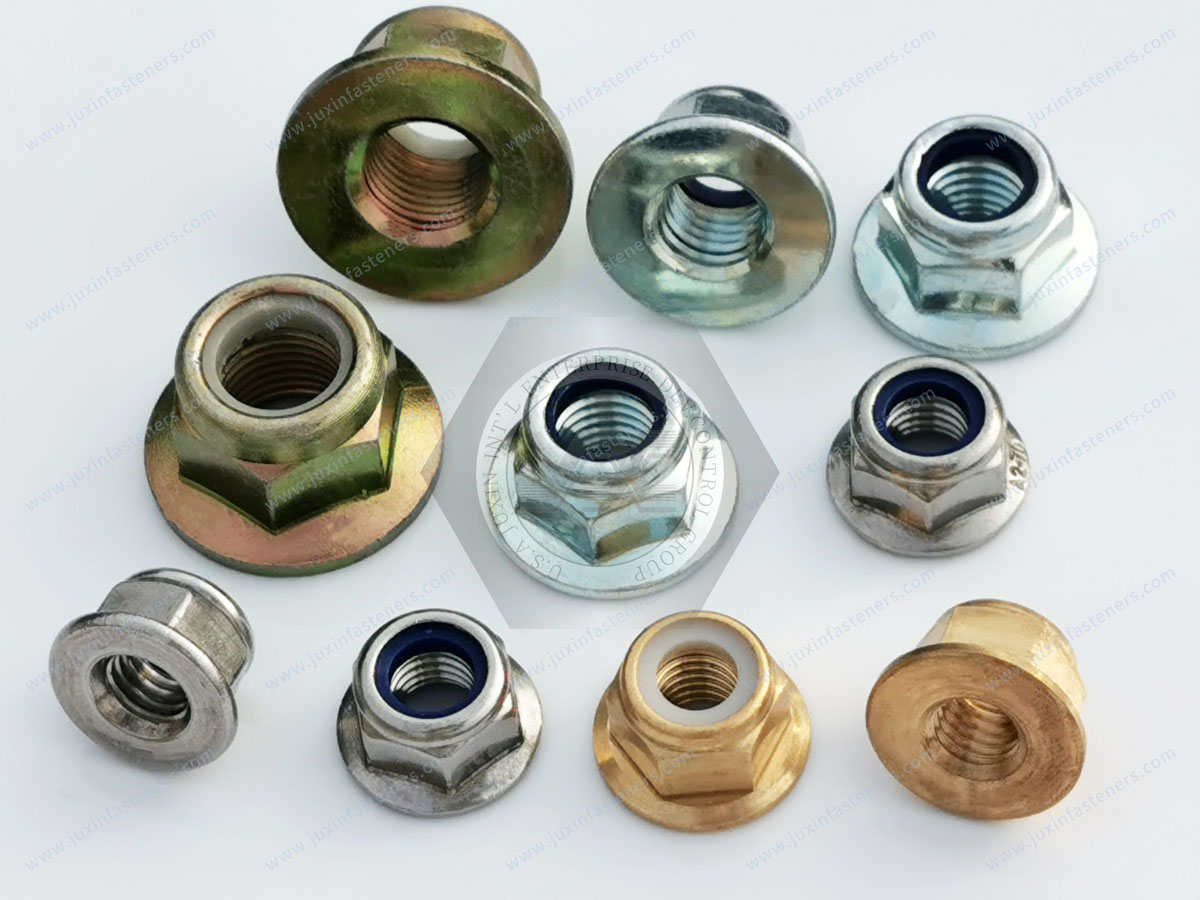
Nylon insert lock nuts are among the most widely used self-locking nuts.
A nylon ring is installed inside the nut. When the bolt passes through, the nylon insert creates additional friction on the threads, preventing loosening.
✔ Excellent vibration resistance
✔ Lightweight locking solution
✔ Easy installation
✔ Suitable for repeated assembly applications
Automotive components
Electrical equipment
Consumer products
General machinery
Furniture hardware
Available materials:
Carbon steel
Zinc plated steel
Stainless steel 304 / A2
Stainless steel 316 / A4
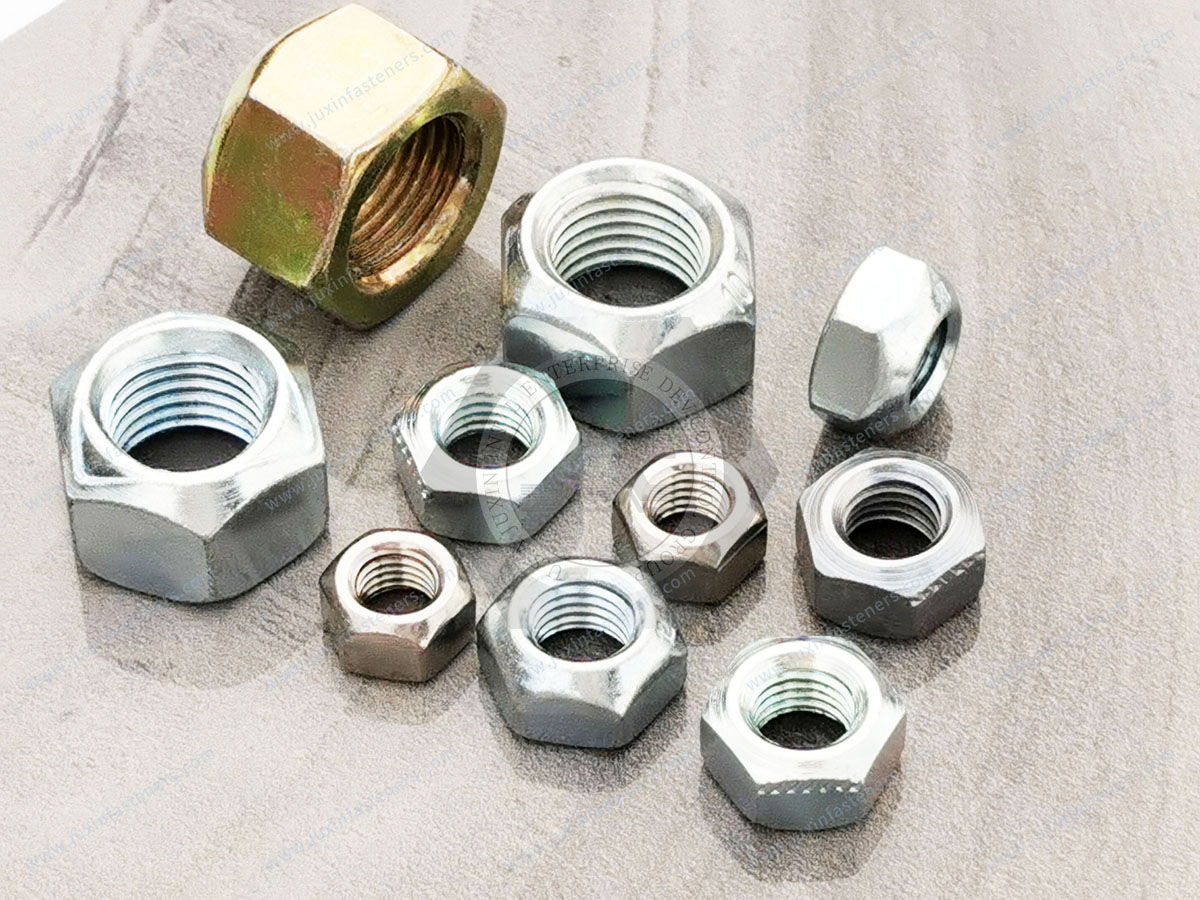
For high-temperature or harsh environments where nylon materials are unsuitable, all metal lock nuts provide excellent performance.
Features:
No plastic components
High temperature resistance
Strong mechanical locking force
Suitable for heavy-duty applications
Applications include:
Engines
Industrial machinery
Aerospace equipment
High-temperature equipment
Serrated lock nuts feature a toothed surface that grips the mating material during tightening.
The serrations create additional resistance against rotation and improve vibration performance.
Advantages:
No additional washer required
Fast installation
Improved locking capability
Better load distribution
Common applications:
Automotive assembly
Sheet metal components
Industrial equipment
Heavy-duty applications require fasteners with higher mechanical strength.
High strength lock nuts are manufactured from alloy steel or high-grade carbon steel.
Typical grades:
Class 8
Class 10
Grade 8
Grade 10
Applications:
Construction equipment
Heavy machinery
Railway systems
Structural assemblies
Choosing the correct locking nut depends on several engineering factors.
Consider:
Temperature range
Vibration level
Corrosion exposure
Chemical environment
Example:
Normal industrial environment → Nylon insert lock nuts
High temperature → All metal lock nuts
Outdoor environment → Stainless steel or coated lock nuts
For high-load applications, engineers should select:
High strength lock nuts
Alloy steel lock nuts
Prevailing torque lock nuts
The nut strength should match the bolt grade to ensure proper joint performance.
Proper matching is essential:
Metric threads
Inch threads
Fine threads
Coarse threads
Incorrect thread matching may reduce locking performance and damage the fastener.
Correct installation is important to achieve maximum locking performance.
Before installation:
Ensure bolt threads are clean
Remove contamination
Check for thread damage
Use a calibrated torque wrench according to engineering specifications.
Incorrect torque may cause:
Insufficient locking force
Thread damage
Reduced connection reliability
Excessive tightening may damage:
Bolt threads
Nut locking structure
Connected components
Proper torque control ensures long-term performance.
For equipment operating under vibration conditions, regular inspection is recommended.
Check:
Nut loosening
Connection condition
Torque retention
Modern vehicles require reliable fastening solutions for safety and durability.
Automotive lock nuts are widely used in:
Engine systems
Suspension components
Brake systems
EV battery assemblies
Chassis structures
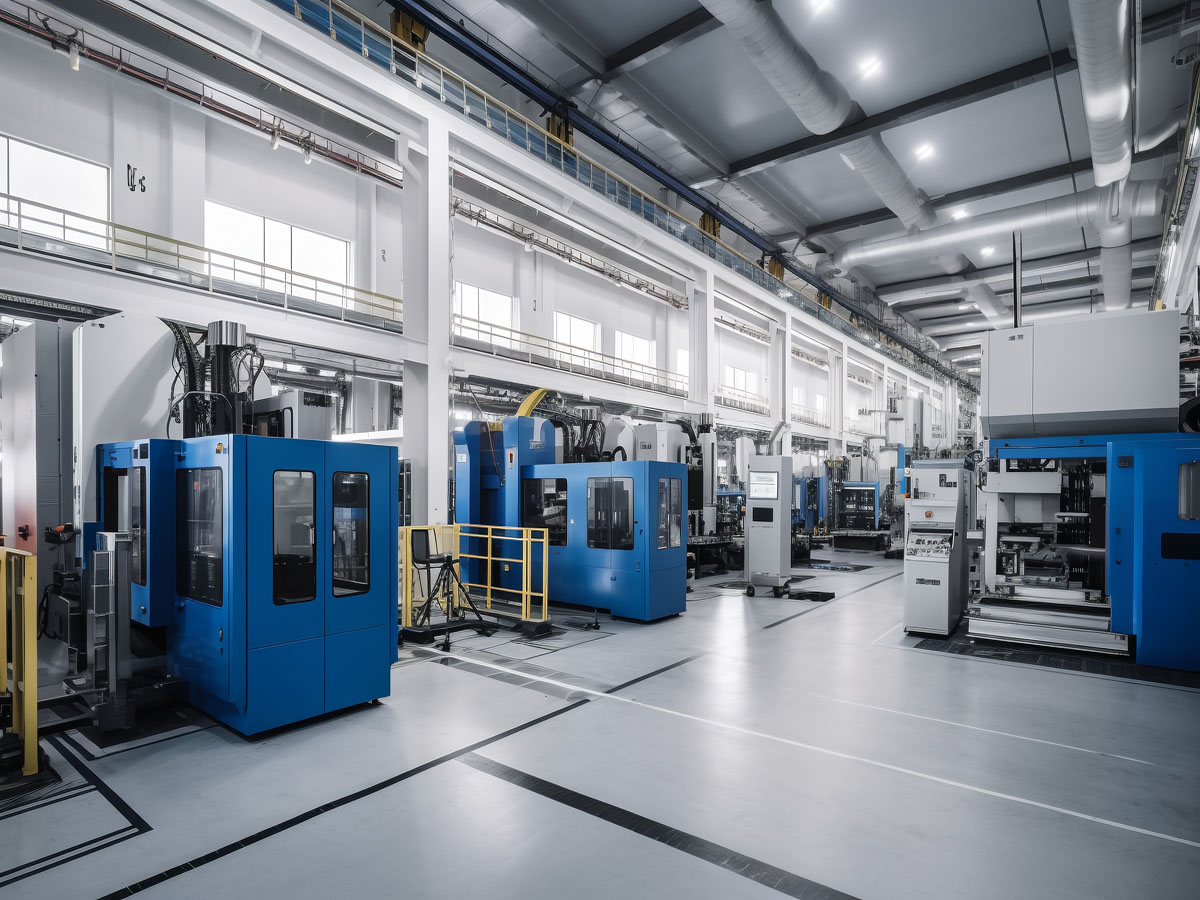
Lock nuts are essential components in:
CNC machines
Automation equipment
Motors
Pumps
Compressors
Manufacturing systems
Railway applications require excellent vibration resistance.
Locking nuts are used in:
Railway vehicles
Track equipment
Transportation machinery
Aerospace fastening systems require lightweight and highly reliable solutions.
Applications include:
Aircraft components
Aviation equipment
Precision assemblies
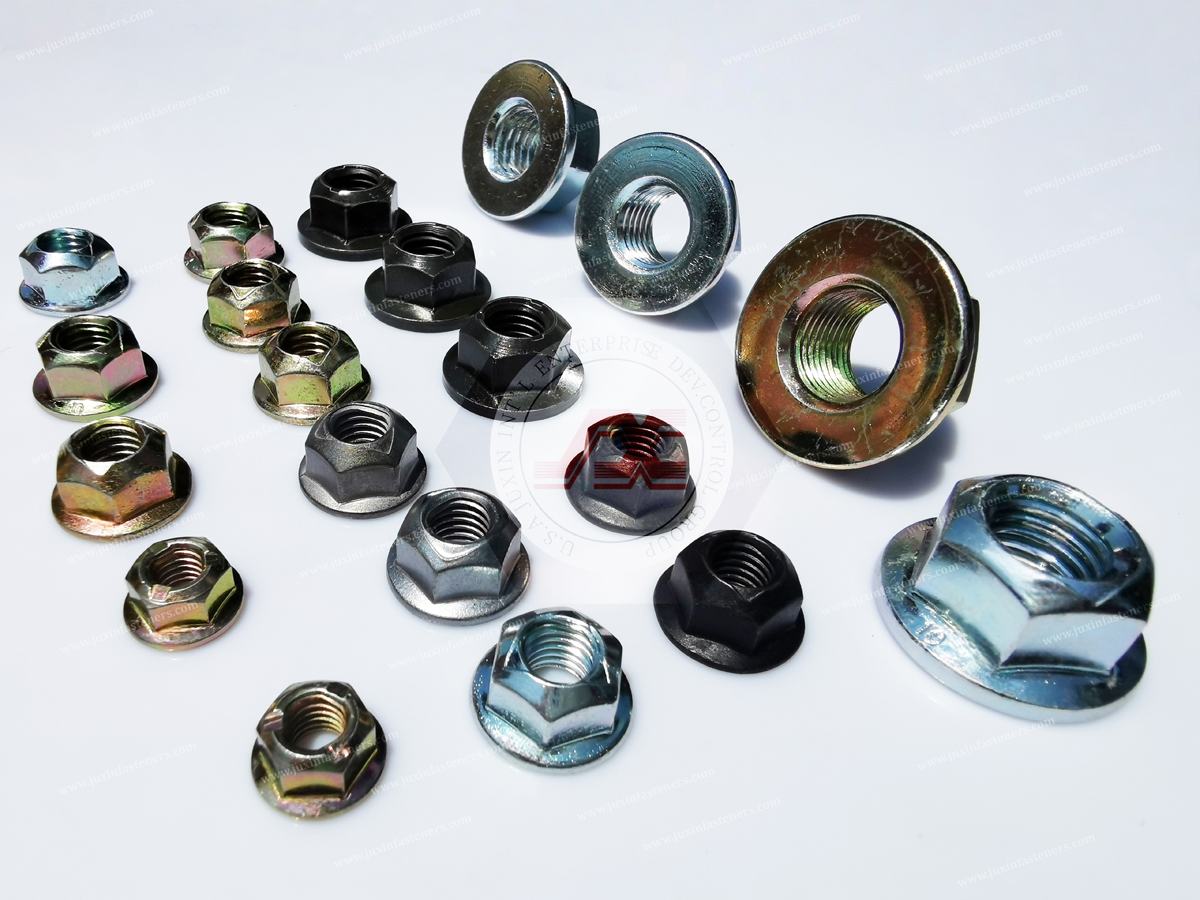
Juxin Fasteners provides multiple material and finishing options.
Available:
Carbon Steel
Alloy Steel
Stainless Steel 304 (A2)
Stainless Steel 316 (A4)
Special materials according to customer requirements
Options include:
Zinc Plating
Zinc Nickel Coating
Black Oxide
Geomet / Dacromet
Nickel Plating
Surface treatments improve:
Corrosion resistance
Durability
Appearance
Environmental performance
As an experienced lock nut manufacturer, Juxin Fasteners supports OEM customers with customized production.
Our capabilities include:
✔ Custom dimensions
✔ Special thread specifications
✔ OEM production
✔ Drawing-based manufacturing
✔ Surface treatment customization
✔ Export packaging solutions
Standards supported:
DIN
ISO
ANSI
ASME
Juxin Fasteners provides professional industrial fastening solutions for global customers.
Our advantages:
Experienced fastener manufacturer
Strong OEM customization capability
Stable production quality
Wide range of locking fasteners
Engineering support for application requirements
From standard self-locking nuts to customized anti-loosening fastening solutions, we help customers improve product reliability and assembly efficiency.
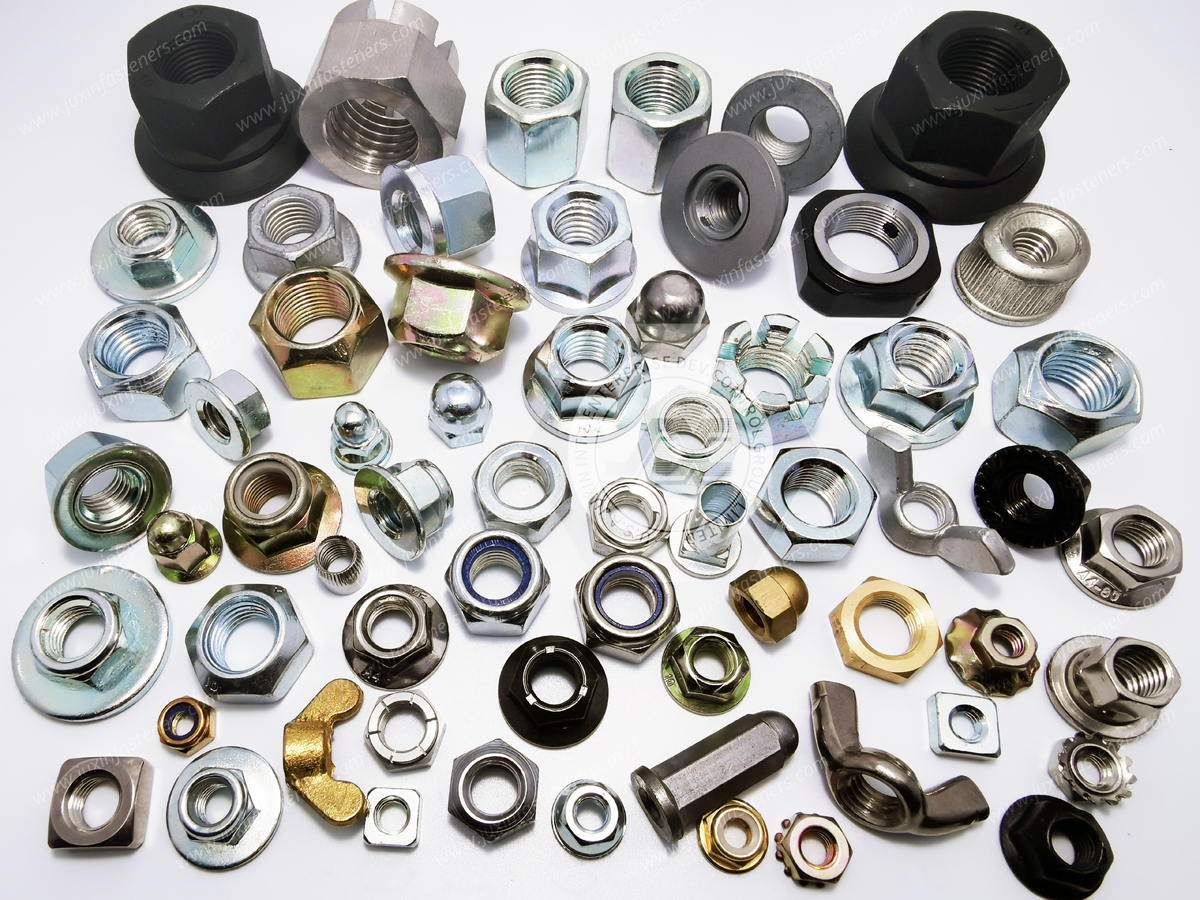
Looking for a reliable lock nut manufacturer or custom anti-loosening fastener supplier?
Our engineering team can provide suitable fastening solutions according to your application requirements.
Email: info@juxinfasteners.com
Website: www.juxinfasteners.com
 MORE NEWS
Sep. 27, 2026
Sep. 27, 2026
Sep. 27, 2026
Contact Us
Tel.:
+86 020 8621 0320
+86 020 3121 6067
E-mail:
Technical Support:
Navigation
SEND INQUIREY