
Call Us
+86 136 6007 9809
Call Us
+86 136 6007 9809

Jun. 29, 2024
Choosing the correct fastener is critical for structural safety, product reliability, and long-term performance. Engineers, OEM manufacturers, and industrial buyers frequently ask:
What is the difference between a high strength hex bolt and a standard bolt?
Although they may appear similar, these fasteners differ significantly in material, mechanical properties, manufacturing processes, heat treatment, preload capability, and application environments.
This engineering guide explains the key differences while helping buyers select the right fastener for demanding industrial applications.
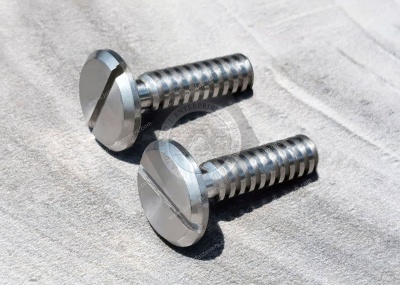
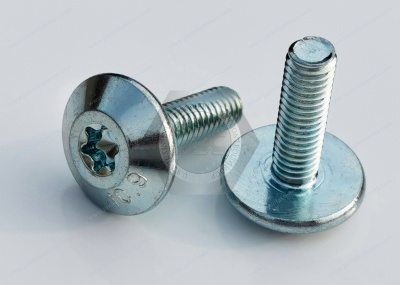
High strength hex bolts are mechanical fasteners manufactured from medium-carbon steel, alloy steel, or other high-performance materials that undergo controlled heat treatment to achieve superior tensile strength and hardness.
According to international standards, bolts with mechanical property classes of 8.8, 10.9, and 12.9 are generally classified as high-strength bolts.
Typical materials include:
35 Steel
45 Steel
40Cr Alloy Steel
35CrMo
SCM435
42CrMo
Boron Steel
These bolts are quenched and tempered to provide:
High tensile strength
Excellent fatigue resistance
Superior preload capability
Improved wear resistance
Reliable performance under dynamic loading
Standard hex bolts are manufactured from low-carbon steel without heat treatment.
Common material grades include:
Q195
Q235
A3 Steel
Typical mechanical property classes include:
Class 4.6
Class 4.8
Class 5.8
These bolts provide sufficient strength for general assembly where heavy structural loading is not required.
Surface finishes typically include:
Zinc Plating
Hot Dip Galvanizing
Black Oxide
Mechanical Galvanizing
Dacromet®
Geomet®
| Feature | High Strength Bolts | Standard Bolts |
|---|---|---|
| Material | Alloy Steel / Medium Carbon Steel | Low Carbon Steel |
| Strength Grade | 8.8 / 10.9 / 12.9 | 4.6 / 4.8 / 5.8 |
| Heat Treatment | Required | Not Required |
| Tensile Strength | High | Moderate |
| Yield Strength | High | Lower |
| Fatigue Resistance | Excellent | Standard |
| Installation Torque | High Preload | Normal Tightening |
| Typical Cost | Higher | Lower |
| Service Life | Longer | Standard |
The primary difference between high-strength and standard bolts is heat treatment.
High-strength bolts undergo:
Quenching
Tempering
Controlled hardness inspection
Mechanical property testing
These processes significantly improve:
Tensile strength
Yield strength
Impact toughness
Fatigue life
Structural reliability
Ordinary bolts do not receive these treatments, making them suitable only for moderate loading conditions.
The bolt property class identifies its mechanical performance.
| Property Class | Typical Application |
|---|---|
| 4.6 | General Machinery |
| 4.8 | Furniture, Light Equipment |
| 5.8 | General Industrial Assembly |
| 8.8 | Automotive, Construction |
| 10.9 | Heavy Machinery |
| 12.9 | Aerospace, High-Load Equipment |
For structural joints subjected to repeated loading or vibration, engineers typically specify Class 8.8 or above.
Many buyers confuse material type with strength grade.
Advantages:
Higher mechanical strength
Lower manufacturing cost
Wide range of strength grades
Excellent load-bearing capability
Surface treatments include:
Zinc Plating
Zinc Nickel Plating
Hot Dip Galvanizing
Geomet®
Dacromet®
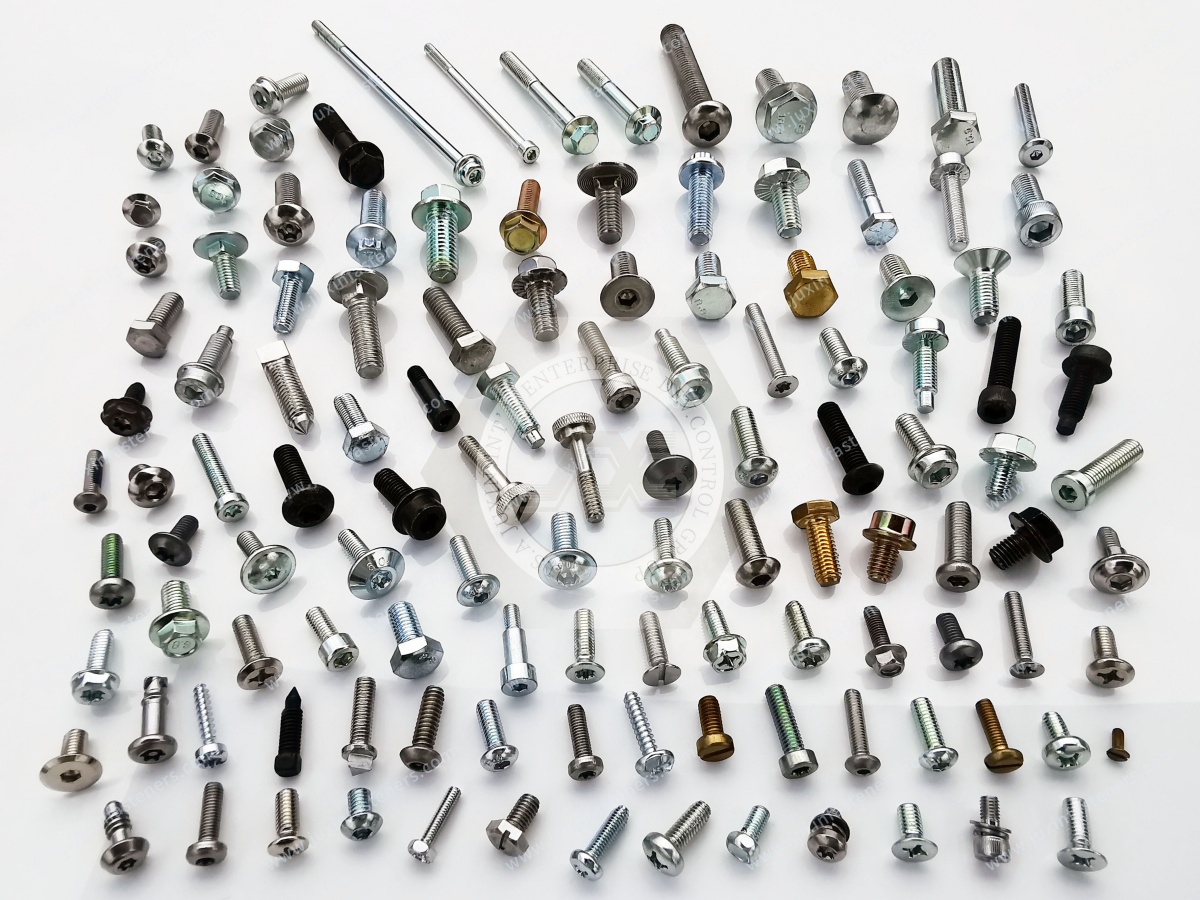
Common grades include:
SUS304 (A2-70)
SUS316 (A4-70)
SUS410
Advantages:
Excellent corrosion resistance
Attractive appearance
Low maintenance
Suitable for outdoor and marine environments
While stainless steel provides superior corrosion resistance, it does not necessarily offer the same tensile strength as alloy steel Class 10.9 or 12.9 fasteners.
Depending on the application, hex bolts are available in:
Recommended for:
Structural joints
Heavy equipment
Machinery frames
High preload assemblies
Suitable for:
Thin materials
Adjustable assemblies
Clamping applications
General equipment manufacturing
Selecting the proper coating significantly extends service life.
Common finishes include:
Zinc Plated
Zinc Nickel Plated
Mechanical Zinc
Hot Dip Galvanized
Dacromet®
Geomet®
Black Oxide
Nickel-Phosphorus Coating
PTFE Coating
For high-load industrial applications, Zinc Nickel and Nickel-Phosphorus coatings provide excellent corrosion resistance and improved wear performance.
High-strength hex bolts are widely used in demanding industries requiring secure structural connections.
Used for:
Chassis assemblies
Suspension systems
Engine mounting
EV battery packs
Transmission systems
Applications include:
Steel structures
Bridges
Towers
Wind turbines
Heavy steel fabrication
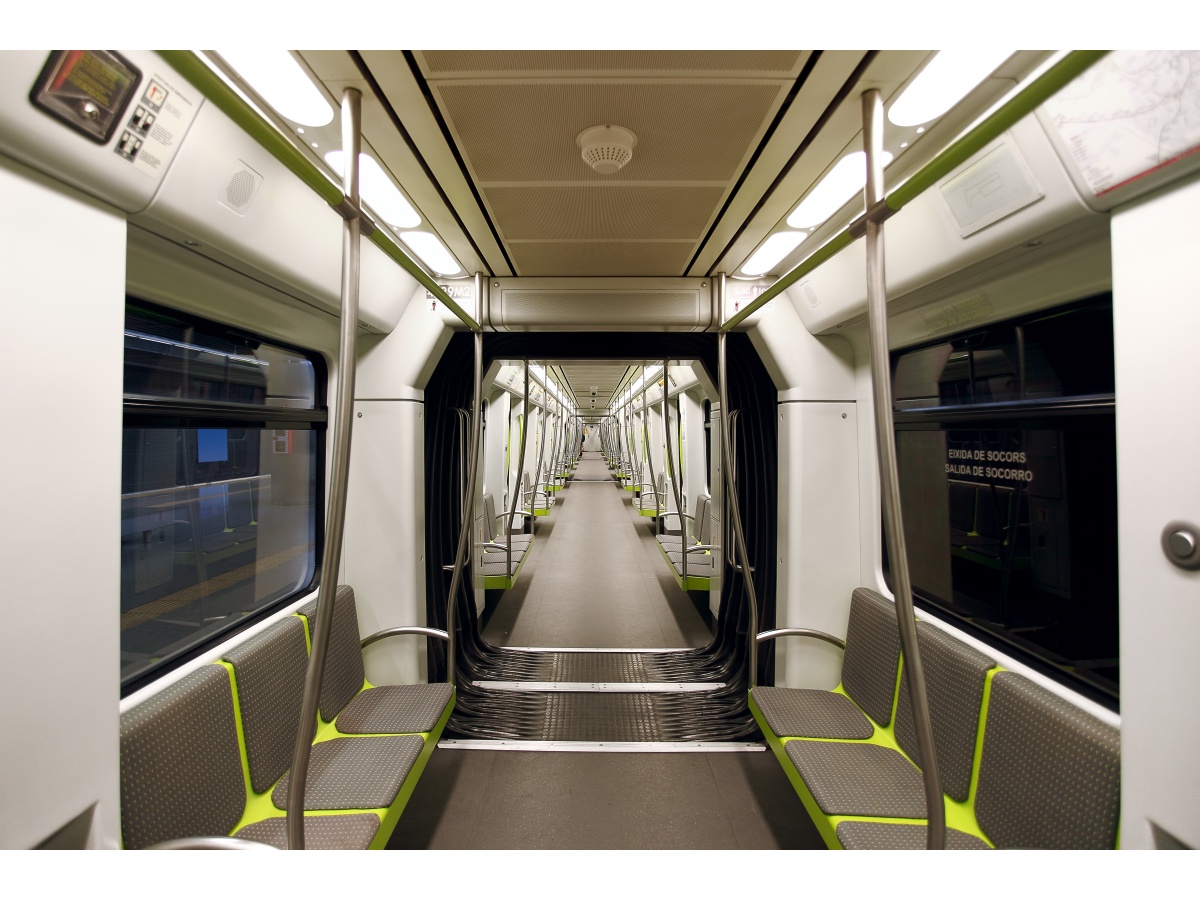
Used in:
Rail fastening systems
Bogies
Brake systems
Locomotive assemblies
Suitable for:
Mining equipment
Construction machinery
Agricultural equipment
Hydraulic systems
Applied in:
Wind turbines
Solar mounting systems
Energy storage equipment
Used in:
Aircraft structures
Ground support equipment
Precision mechanical assemblies
Ideal for:
Offshore platforms
Marine engines
Shipbuilding
Port equipment
Common in:
CNC machinery
Automation equipment
Packaging machinery
Robotics
Material handling systems
In addition to high-strength hex bolts, Juxin Fasteners manufactures a complete range of industrial fastening solutions, including:
Hex Head Bolts
Hex Flange Bolts
Hex Socket Head Cap Screws
Hex Head Thread-Cutting Screws
Hex Flange Thread Cutting Screws
Self-Tapping Screws
Thread Forming Screws
Machine Screws
Socket Head Cap Screws
Hex Nuts
Lock Nuts
Nylon Insert Lock Nuts
Flange Nuts
Weld Nuts
Rivet Nuts
Thread Insert Nuts
Stud Bolts
Custom OEM Fasteners
With more than two decades of manufacturing experience, Juxin Fasteners supplies high-performance fastening solutions for global OEMs and industrial manufacturers.
We provide:
OEM & ODM Manufacturing
Carbon Steel, Alloy Steel & Stainless Steel Fasteners
Strength Classes 4.8–12.9
Custom Drawings & Non-Standard Parts
Precision CNC Machining
Multiple Surface Treatments
PPAP Documentation Support
Material Certificates (EN 10204 3.1)
RoHS & REACH Compliance
Global Export Experience
Fast Technical Support
Our engineering team works closely with customers to optimize fastener performance, manufacturing efficiency, and total project cost.
Yes. According to international engineering practice, property class 8.8 and above is generally classified as high-strength.
Not usually. Stainless steel offers superior corrosion resistance but generally lower tensile strength than alloy steel Class 10.9 or 12.9 bolts.
Yes. High-strength bolts are typically quenched and tempered to achieve their specified mechanical properties.
Industries including automotive, construction, railway, renewable energy, heavy equipment, aerospace, marine engineering, industrial automation, and infrastructure commonly rely on high-strength bolts.
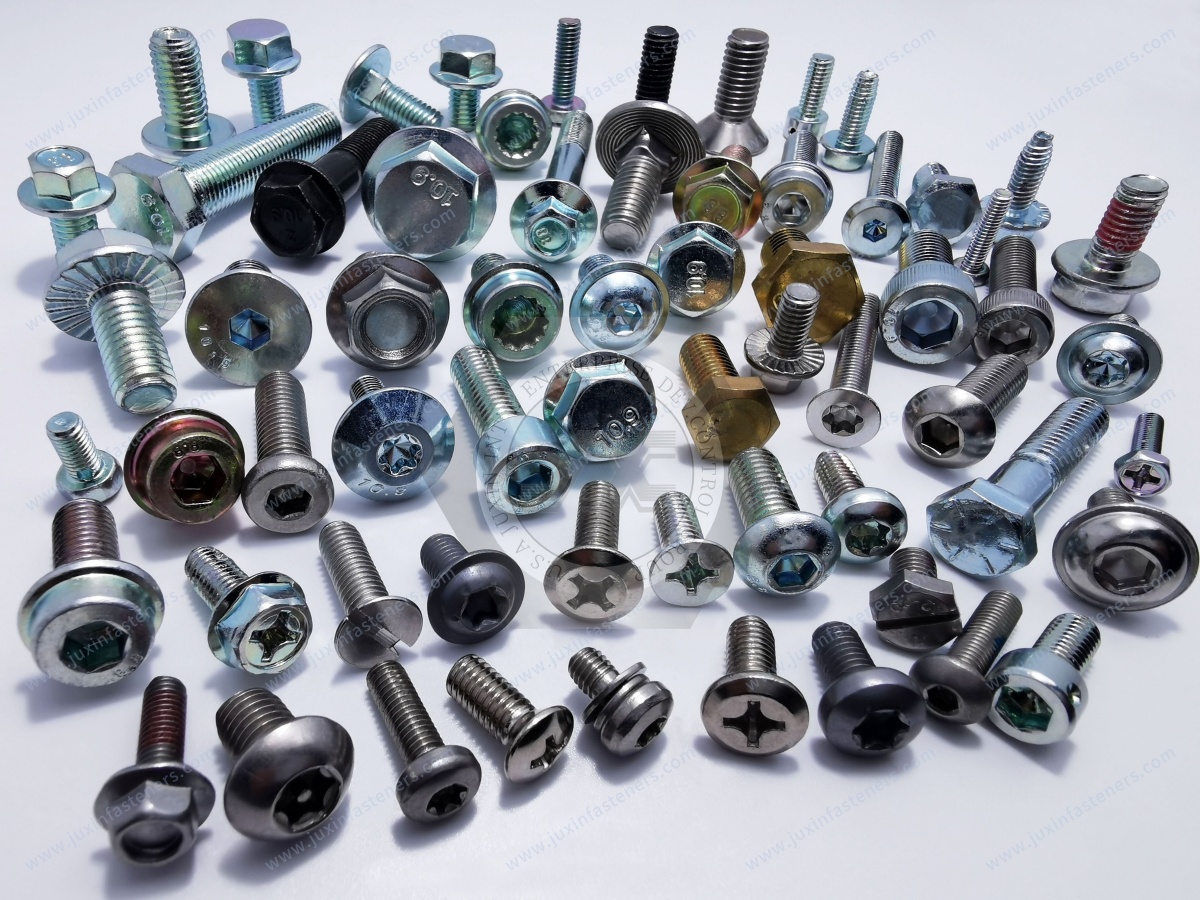
Looking for a reliable manufacturer of High Strength Hex Bolts, Hex Head Bolts, Hex Flange Bolts, Thread-Cutting Screws, Socket Head Cap Screws, Lock Nuts, Rivet Nuts, Weld Nuts, Thread Insert Nuts, and custom industrial fasteners?
Our engineering team is ready to help you select the right fastening solution for your application.
Email: info@juxinfasteners.com
 MORE NEWS
Sep. 27, 2026
Sep. 27, 2026
Sep. 27, 2026
Contact Us
Tel.:
+86 020 8621 0320
+86 020 3121 6067
E-mail:
Technical Support:
Navigation
SEND INQUIREY