
Call Us
+86 136 6007 9809
Call Us
+86 136 6007 9809

Apr. 12, 2026
Why Choosing the Right Washer Matters
In fastening systems, washers are small components but play a critical role in the reliability and durability of bolted connections. Selecting the correct washer ensures proper load distribution, surface protection, vibration resistance, and long-term fastening stability.
If the wrong washer is selected, problems may occur, such as:
uneven load distribution
damage to the connected surface
bolt loosening under vibration
loss of bolt preload
reduced structural reliability
Therefore, engineers must consider several key factors when choosing washers for bolts.
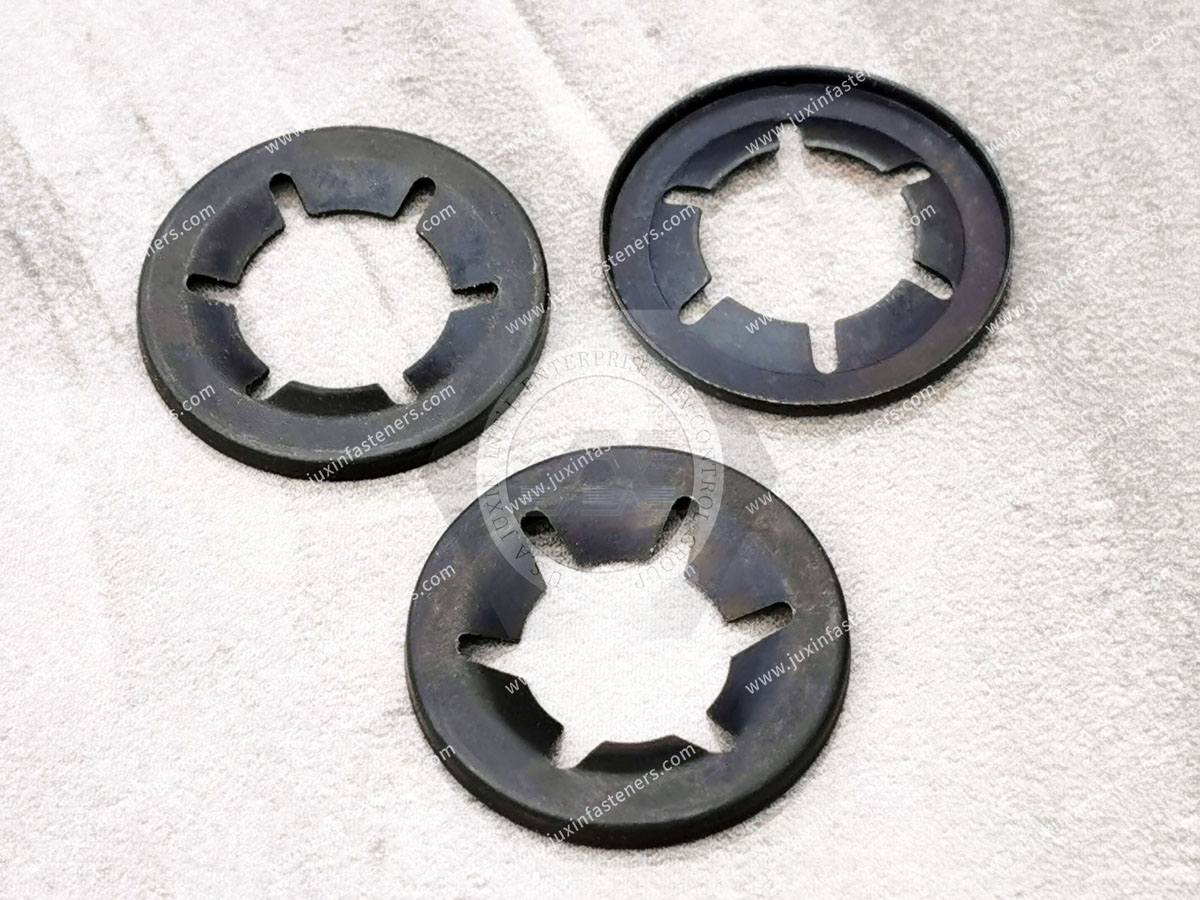
1. Choose the Correct Washer Type
Different washers perform different functions. The first step in washer selection is determining the type of washer required for the application.
Flat Washers
Flat washers are the most widely used type of washer in mechanical assemblies.
Main functions:
distribute bolt load evenly
increase contact area
protect surfaces from damage
reduce friction during tightening
Flat washers are commonly used in machinery, construction, and general equipment assembly.
Spring Washers
Spring washers are designed to prevent loosening caused by vibration.
They work by generating elastic tension after tightening, which increases friction between the bolt and nut.
Typical applications include:
mechanical equipment
automotive assemblies
equipment requiring frequent maintenance
Lock Washers
Lock washers provide additional anti-loosening performance through mechanical locking or friction.
Examples include:
internal tooth lock washers
external tooth lock washers
serrated lock washers
These washers are widely used in electrical equipment and precision machinery.
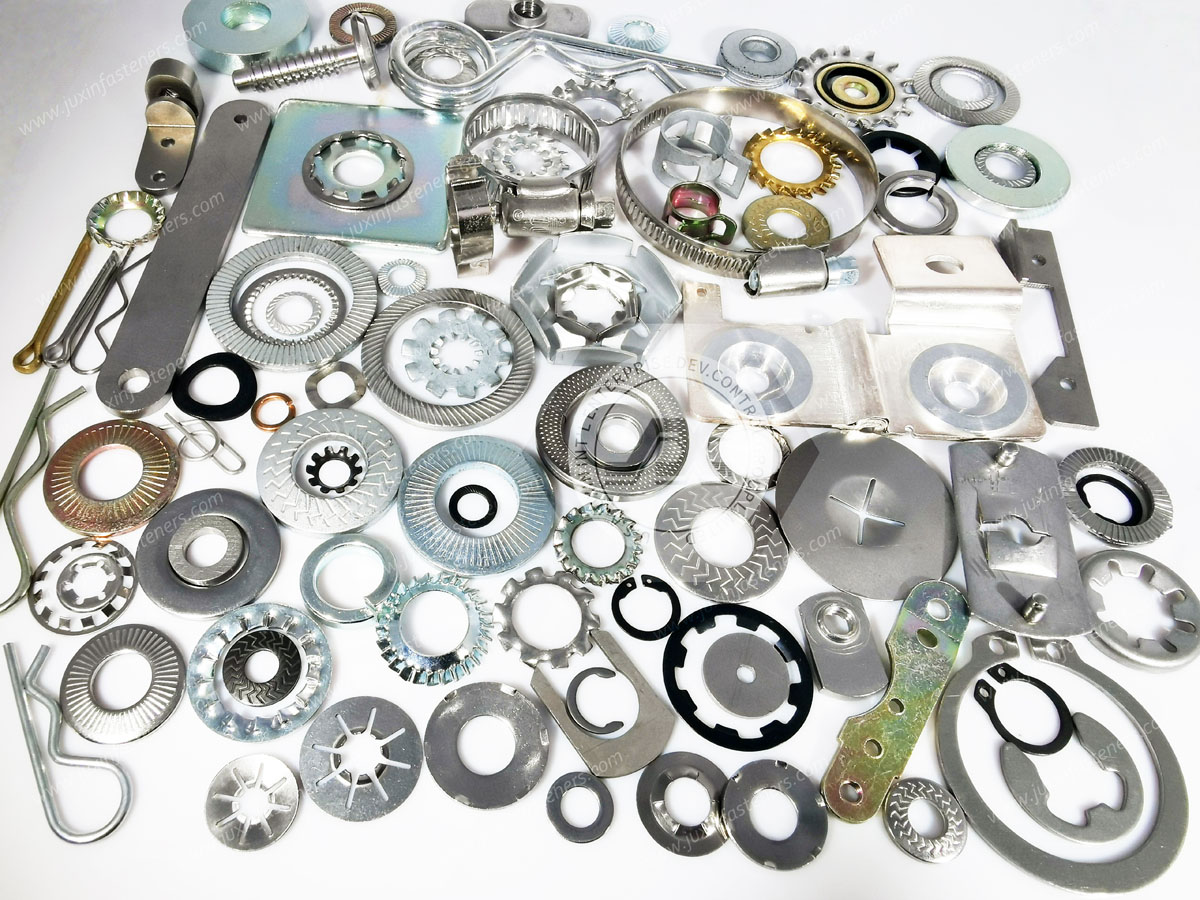
Sealing Washers
Sealing washers are used in fluid systems to prevent leakage.
They are commonly used in:
pipelines
hydraulic systems
automotive engines
plumbing equipment
Materials often include rubber, aluminum, or copper.
2. Match Washer Hardness with Bolt Strength
Washer hardness must match the bolt's strength grade.
If the washer is too soft, it may deform under the bolt preload, causing a loss of clamping force.
General engineering guidelines:
Bolt Grade | Recommended Washer Hardness |
4.8 | 140HV |
8.8 | 200HV |
10.9 | 300HV |
12.9 | 300HV or higher |
Correct hardness ensures the washer can withstand compressive stress without plastic deformation.
3. Select the Appropriate Washer Material
Washer material should be selected according to the working environment and corrosion requirements.
Carbon Steel Washers
high strength
economical
commonly used in machinery and construction
Stainless Steel Washers
excellent corrosion resistance
suitable for outdoor and marine environments
commonly used in food equipment and electronics
Non-Metallic Washers
Materials such as rubber, nylon, or plastic are used for:
sealing applications
electrical insulation
vibration reduction
4. Consider the Working Environment
The operating environment has a major influence on washer selection.
Engineers should evaluate:
Vibration Conditions
Applications with vibration may require:
spring washers
lock washers
serrated washers
Corrosion Environment
Outdoor or marine environments require:
stainless steel washers
corrosion-resistant coatings
Temperature Conditions
High-temperature environments may require metal washers rather than polymer washers.
5. Check Washer Size and Dimensions
Proper washer dimensions are essential for effective load distribution.
Engineers should confirm:
inner diameter (matches bolt size)
outer diameter (sufficient load distribution area)
thickness (sufficient strength)
Standards such as DIN, ISO, and ASTM define washer sizes used in industrial fastening systems.
Typical Industrial Applications
Automotive Industry
Washers are used in:
engine components
chassis assemblies
suspension systems
body structures
These applications require reliable preload retention and vibration resistance.
Machinery Manufacturing
Industrial machinery relies on washers in:
equipment frames
gearbox housings
rotating machinery
heavy mechanical assemblies
Washers help maintain stable fastening under heavy loads.
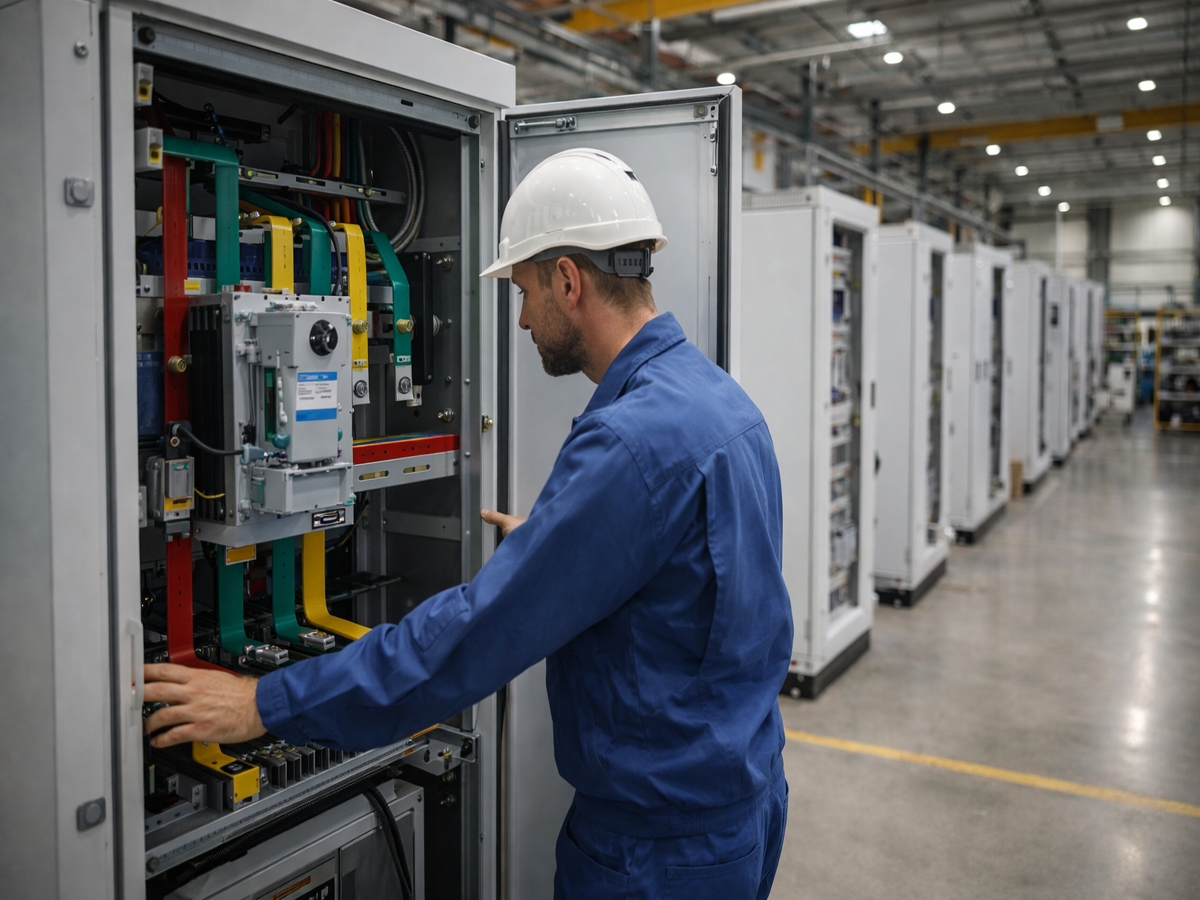
Construction and Structural Engineering
Washers are widely used in:
steel structures
bridge connections
infrastructure projects
They help distribute load and improve structural safety.
Conclusion
Choosing the correct washer is essential for maintaining safe and reliable bolted connections.
Engineers should evaluate:
washer type
hardness level
material selection
operating environment
dimensional compatibility
Proper washer selection ensures long-term fastening performance, structural safety, and equipment reliability.
Professional Fastener Solutions
If you are looking for high-quality washers, bolts, nuts, or customized fastening solutions, please get in touch with us.
Website: https://www.juxinfasteners.com
 MORE NEWS
Sep. 27, 2026
Sep. 27, 2026
Sep. 27, 2026
Contact Us
Tel.:
+86 020 8621 0320
+86 020 3121 6067
E-mail:
Technical Support:
Navigation
SEND INQUIREY