
Call Us
+86 136 6007 9809
Call Us
+86 136 6007 9809

Apr. 12, 2026
Why Are Washers Used with Bolts?
In mechanical assemblies, washers are commonly installed between bolts, screws, or nuts and the connected surface. Although washers are small components, they play a critical role in improving the performance, reliability, and durability of fastening systems.
Without washers, bolt connections may suffer from surface damage, uneven load distribution, or loosening under vibration. Properly selected washers help maintain a stable clamping force and long-term connection safety.
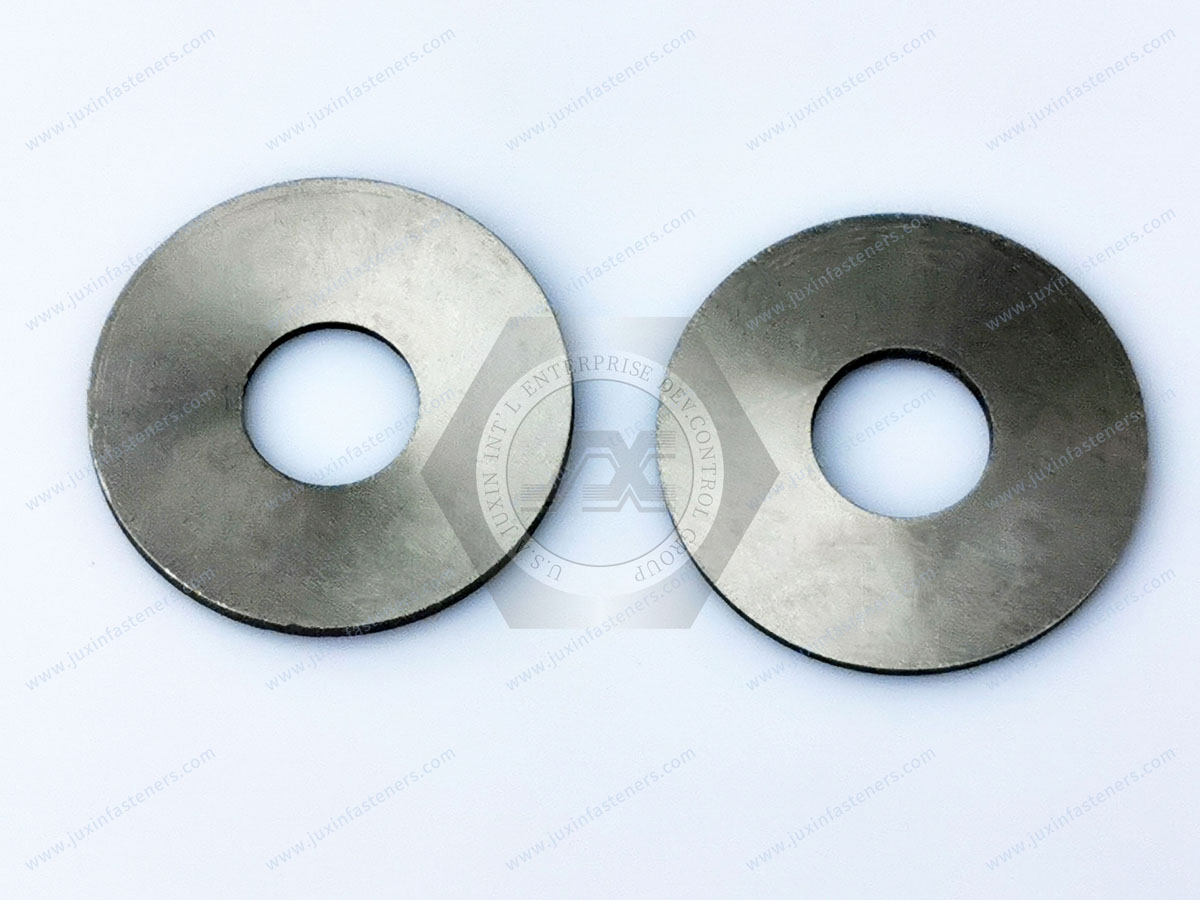
Main Functions of Washers in Bolted Connections
1. Load Distribution
One of the most important functions of washers is to distribute the load generated by bolt tightening.
When a bolt is tightened, the clamping force is concentrated at the contact surface of the bolt head or nut. A washer increases the contact area, allowing the load to spread evenly across the connected material.
This helps:
reduce surface pressure
prevent deformation of soft materials
improve the stability of the joint
Flat washers are commonly used for this purpose.
2. Surface Protection
Bolts and nuts can easily damage the surface of connected components during tightening. This is particularly important when dealing with:
painted surfaces
coated metals
plastic materials
aluminum components
A washer acts as a protective barrier, preventing scratches, indentations, or surface damage.
3. Preventing Bolt Loosening
In dynamic environments with vibration or movement, bolts may gradually loosen.
Certain types of washers help prevent this problem by increasing friction or creating elastic tension.
Examples include:
spring washers
serrated lock washers
tooth lock washers
These washers help maintain tight threaded connections even under vibration.
4. Maintaining Bolt Preload
Preload refers to the clamping force created when a bolt is tightened. Maintaining proper preload is essential for structural integrity.
Washers help stabilize this preload by:
preventing surface deformation
distributing compressive stress
maintaining consistent contact pressure
This is especially important in high-strength bolt connections.
5. Sealing and Leakage Prevention
In some applications, washers also serve a sealing function.
Sealing washers are commonly used in:
hydraulic systems
pipelines
automotive engines
fluid equipment
Materials such as copper, aluminum, or rubber are often used to create effective sealing washers.
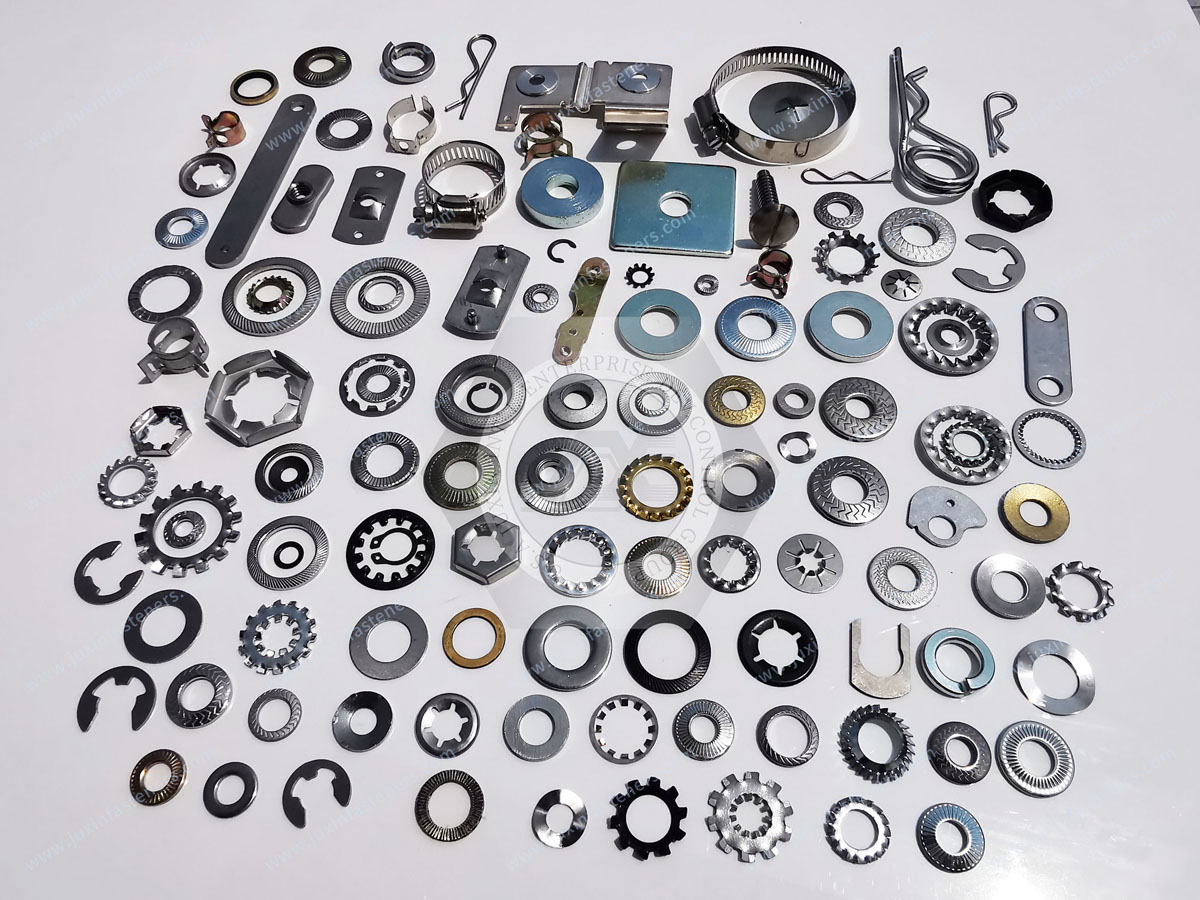
What Happens If You Don't Use Washers?
In some situations, bolts can technically be installed without washers. However, this may lead to several problems:
higher surface stress
damage to the connected material
uneven load distribution
increased risk of loosening
reduced joint reliability
For this reason, engineers often specify washers in critical mechanical or structural connections.
Common Applications of Washers with Bolts
Automotive Industry
Washers are widely used in:
engine assemblies
chassis components
suspension systems
body structures
They help ensure vibration resistance and load distribution.
Machinery Manufacturing
Industrial machinery relies on washers for:
structural connections
gearbox assemblies
equipment frames
rotating machinery
Washers improve fastening reliability and service life.
Construction and Structural Steel
In structural engineering, washers are used for:
steel structures
bridge assemblies
building frameworks
They help distribute load and protect structural components.
Electrical and Equipment Installations
Washers are commonly used in:
control panels
electrical enclosures
equipment mounting systems
They help protect surfaces and maintain secure fastening.
Choosing the Right Washer
When selecting washers for bolted connections, engineers should consider:
washer material (carbon steel, stainless steel, non-metallic)
hardness and strength requirements
bolt grade and preload level
operating environment (vibration, moisture, corrosion)
Proper washer selection ensures safe, stable, and long-lasting fastening performance.
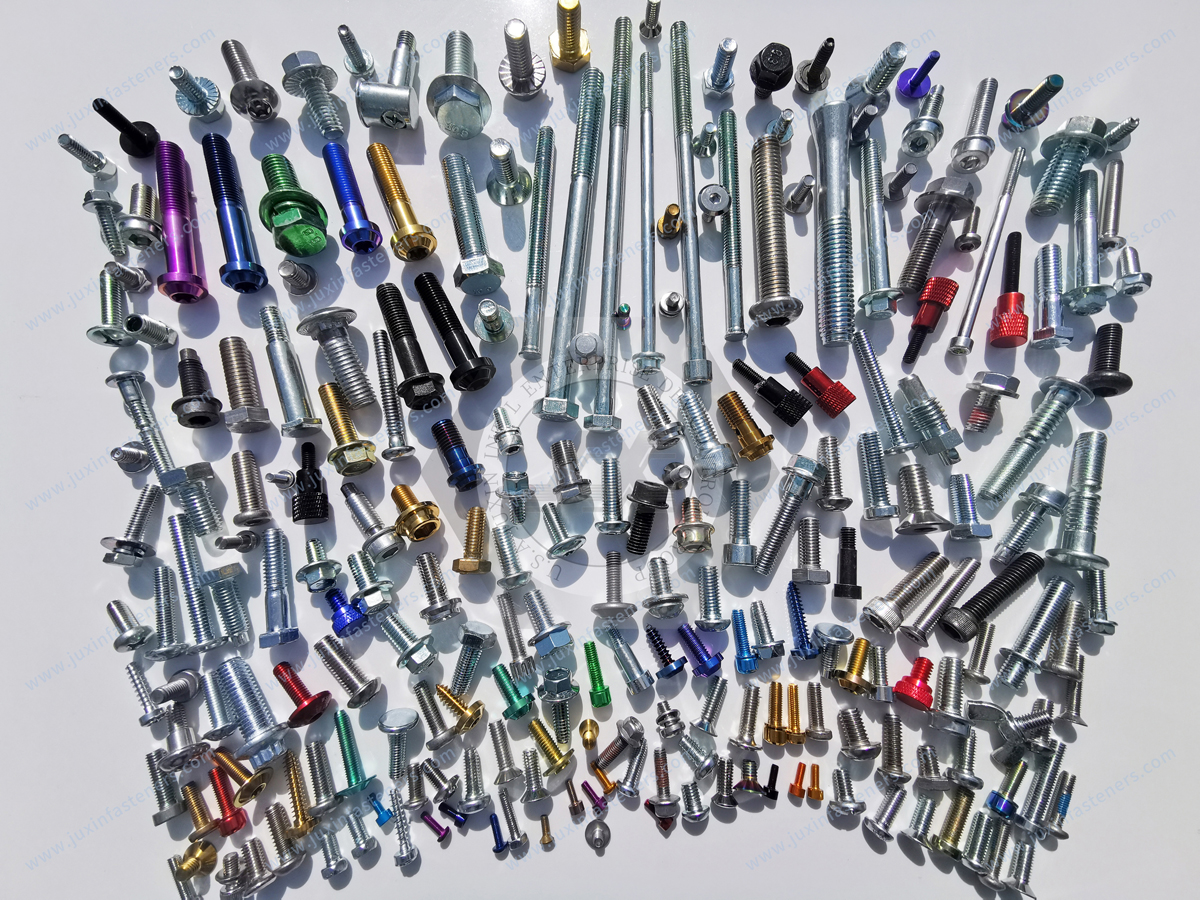
Reliable Industrial Fastening Solutions
If you are looking for high-quality bolts, washers, nuts, and fastening solutions, please get in touch with us:
Website: https://www.juxinfasteners.com
 MORE NEWS
Sep. 27, 2026
Sep. 27, 2026
Sep. 27, 2026
Contact Us
Tel.:
+86 020 8621 0320
+86 020 3121 6067
E-mail:
Technical Support:
Navigation
SEND INQUIREY