
Call Us
+86 136 6007 9809
Call Us
+86 136 6007 9809

Jul. 03, 2024
Stripped screws are one of the most common maintenance problems in industrial assembly, equipment repair, and manufacturing. Whether you're working on an automotive production line, EV battery pack, aerospace assembly, electrical cabinet, HVAC equipment, medical device, railway vehicle, robotic system, machinery, or sheet metal fabrication, a damaged screw head can stop production, increase maintenance costs, and even damage expensive components.
This guide explains the most effective methods to remove stripped screws safely while helping engineers choose the right fasteners to prevent the problem from happening again.
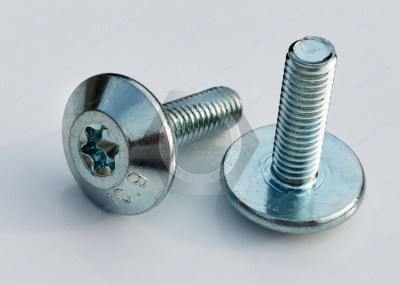
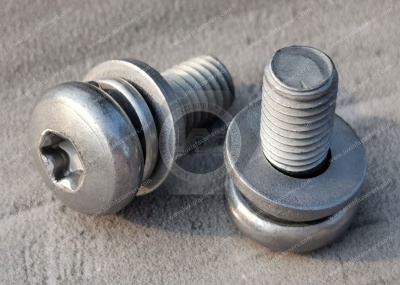
A stripped screw occurs when the drive recess (Phillips, Hex Socket, Torx, etc.) becomes worn or damaged, preventing proper engagement with the screwdriver or driver bit.
The most common causes include:
Using the wrong screwdriver size
Excessive tightening torque
Worn driver bits
Corrosion between mating materials
Cross-threading during installation
Repeated maintenance cycles
Low-quality screws with poor hardness
Improper installation angle
Industrial applications are particularly vulnerable because many assemblies experience vibration, thermal expansion, corrosion, or repeated servicing.
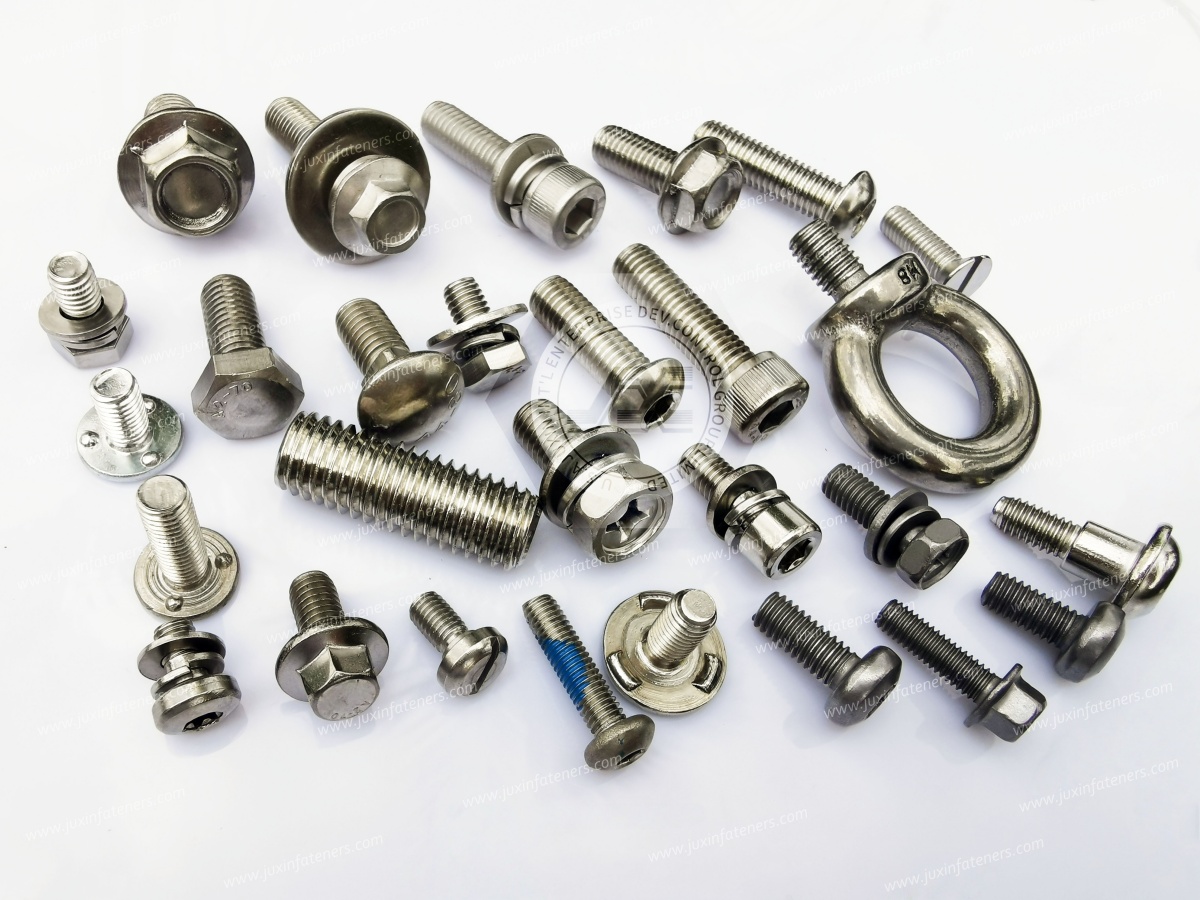
For slightly stripped screws, increasing friction is often enough.
Recommended materials:
Rubber band
Double-sided tape
Non-woven fabric
Thin paper
Place the material over the screw head before inserting the screwdriver. The additional grip often allows the screw to be removed without damaging surrounding components.
Best for:
Electronics
Medical equipment
Electrical cabinets
Robotics
Precision machinery
Professional screw extractor kits are specifically designed for damaged screws.
Procedure:
Drill a pilot hole in the screw.
Insert the extractor.
Rotate counterclockwise.
The extractor grips the screw and removes it.
Advantages:
Fast removal
Minimal damage
Suitable for hardened screws
Widely used by maintenance engineers
Recommended for:
Automotive manufacturing
Rail transit maintenance
Industrial machinery
Aerospace components
If corrosion causes the screw to seize:
Apply penetrating lubricant.
For light rust, white vinegar can dissolve surface oxidation.
Allow several minutes for penetration before attempting removal.
This method works particularly well for:
Outdoor equipment
HVAC systems
Construction hardware
Sheet metal assemblies
Using a small hammer, gently tap the screwdriver while applying turning force.
The vibration helps:
Break corrosion
Release seized threads
Reduce friction
Avoid excessive force, especially on precision assemblies.
For severely damaged screw heads:
Apply a small amount of cyanoacrylate (instant adhesive).
Insert the screwdriver.
Allow the adhesive to cure completely.
Turn the screw carefully.
This technique is suitable only when other methods are impractical.
Using a soldering iron:
Heat the screw directly.
Thermal expansion breaks the bond.
Plastic surrounding the screw softens slightly if applicable.
This method is frequently used for:
Consumer electronics
Plastic housings
Electrical enclosures
Always avoid overheating sensitive electronic components.
If part of the screw head is exposed:
Clamp with locking pliers.
Rotate slowly.
Apply penetrating oil if necessary.
This is a simple and reliable solution for exposed fasteners.
Professional manufacturers focus on prevention rather than repair.
Best practices include:
Use the correct driver size.
Follow recommended tightening torque.
Replace worn driver bits regularly.
Choose high-strength screws.
Select corrosion-resistant coatings.
Use precision-manufactured drive recesses.
Avoid over-tightening with impact tools.
Inspect fasteners during scheduled maintenance.
Proper fastener selection significantly reduces maintenance downtime and extends equipment service life.
Manufactured from high-strength alloy steel, these screws provide nearly twice the strength of many standard stainless steel flat head screws.
Features include:
High tensile strength
Flush countersunk installation
Precision hex socket drive
Excellent torque transmission
Ideal for heavy-duty mechanical assemblies
Surface finishes available:
Black Oxide
Zinc Plated
Blue Zinc Plated
Applications:
Robotics
Industrial machinery
Automotive
Rail transit
Heavy equipment
Manufactured from premium 18-8 stainless steel, these screws offer excellent corrosion resistance and long service life.
Features:
Passivated finish
Excellent chemical resistance
Mild magnetic properties
Flush countersunk head
Precision machined hex socket
Ideal for:
Medical equipment
Food processing machinery
Marine equipment
Electrical cabinets
Clean-room equipment
These screws combine corrosion resistance with easy installation.
Available options include:
Standard countersunk head
Undercut profile for thin materials
100° countersink angle
PTFE-coated finish
Black oxide finish
Passivated finish
Applications:
HVAC systems
Electrical enclosures
Consumer electronics
Sheet metal fabrication
Precision instruments
Oval head screws provide an attractive finished appearance while maintaining countersunk installation.
Available finishes:
Passivated Stainless Steel
Chrome Plated
Black Oxide
PTFE Coated
Ideal for:
Decorative panels
Medical devices
Electrical products
Consumer appliances
Architectural hardware
Juxin Fasteners offers multiple corrosion-resistant finishes to meet global OEM requirements:
Zinc Plating
Blue Zinc Plating
Black Oxide
PTFE Coating
Passivation
Chrome Plating
Nickel Plating
Zinc-Nickel Plating
Dacromet
Geomet
These finishes improve corrosion resistance, assembly performance, and long-term reliability across demanding industrial environments.
Our precision industrial screws and fastening solutions are widely used in:
Automotive Manufacturing
Electric Vehicles (EV)
EV Battery Pack Systems
Rail Transit
Aerospace
Electrical Cabinets
Switchgear
Renewable Energy
HVAC Equipment
Medical Equipment
Construction
Industrial Machinery
Robotics & Automation
Sheet Metal Fabrication
Electronics Manufacturing
Telecommunications Equipment
Industrial OEM Equipment
Juxin Fasteners supplies precision-engineered fastening solutions for global OEM manufacturers, distributors, and industrial projects.
We provide:
OEM & ODM Manufacturing
Custom Fastener Development
Metric & Inch Standards
Carbon Steel, Stainless Steel & Alloy Steel Materials
Precision Cold Forming & CNC Machining
Multiple Surface Treatments
Strict Quality Control
RoHS & REACH Compliance
Fast Global Delivery
Engineering Technical Support
Whether you need Hex Socket Flat Head Screws, Phillips Flat Head Screws, Oval Head Screws, Stainless Steel Screws, Alloy Steel Screws, or custom fastening solutions, our engineering team can help you select the right products for your application.
In most cases, yes. Using the appropriate technique—such as a screw extractor, friction-enhancing materials, penetrating oil, or controlled heating—allows damaged screws to be removed safely without harming the surrounding assembly.
Hex Socket (Allen) and Torx drive screws generally offer higher torque capacity and are less prone to stripping than traditional Phillips screws, making them preferred choices for industrial and OEM applications.
Use the correct driver bit, apply the recommended installation torque, avoid worn tools, and select high-quality precision-manufactured screws with suitable surface treatments for the operating environment.
Not necessarily. While stainless steel offers excellent corrosion resistance, stripped heads are usually caused by incorrect installation practices, excessive torque, or improper tooling rather than the material itself.
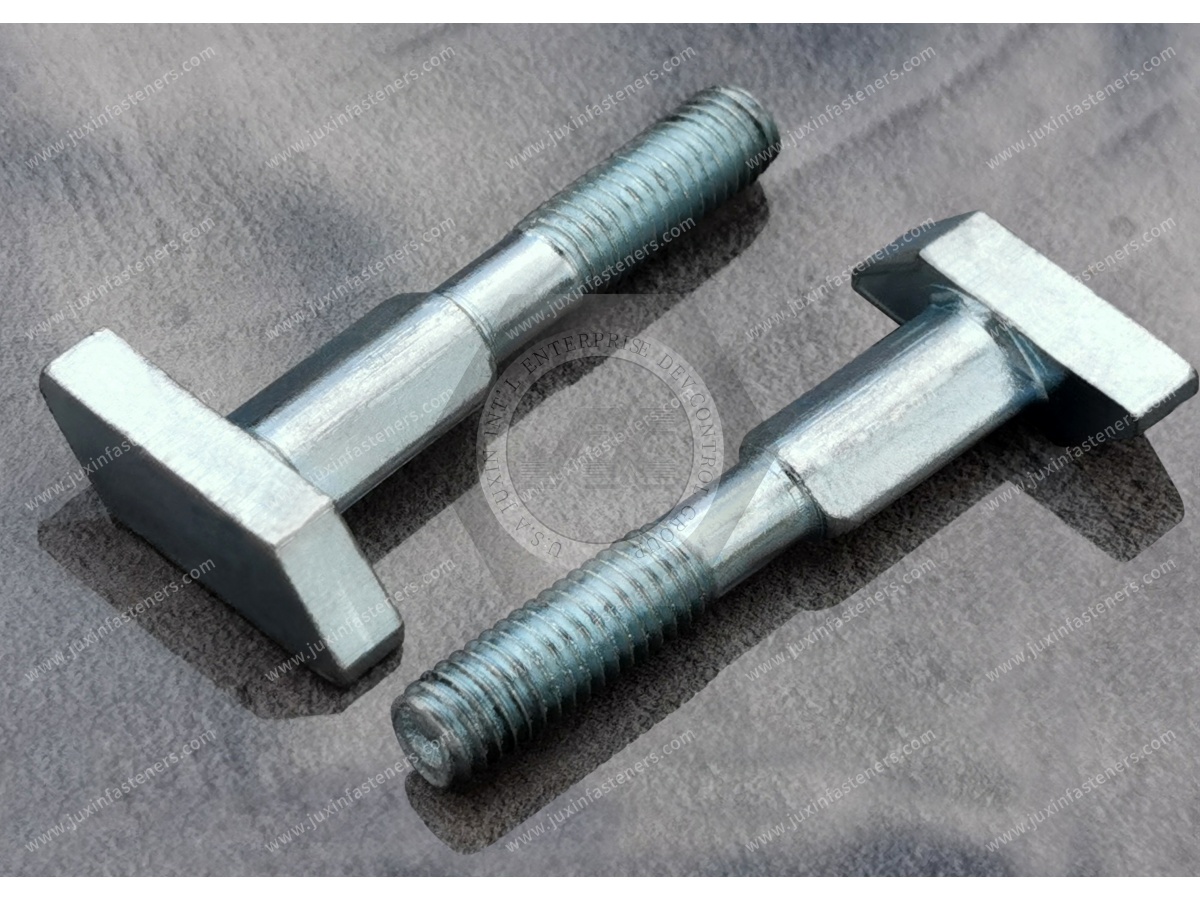
Looking for high-quality industrial screws or custom fastening solutions?
Our experienced engineering and sales teams are ready to assist with product selection, OEM manufacturing, and technical support.
Email: info@juxinfasteners.com
Website: https://www.juxinfasteners.com
Whether you need standard or custom fasteners, Juxin Fasteners delivers reliable, precision-engineered solutions trusted by customers worldwide.
 MORE NEWS
Sep. 27, 2026
Sep. 27, 2026
Sep. 27, 2026
Contact Us
Tel.:
+86 020 8621 0320
+86 020 3121 6067
E-mail:
Technical Support:
Navigation
SEND INQUIREY