Call Us
+86 136 6007 9809
Call Us
+86 136 6007 9809

Oct. 22, 2024
Male-Female Threaded Hex Standoffs: Materials, PCB Spacing, Thread Design and OEM Supply
Male-female threaded hex standoffs are precision fastening components used to create a controlled distance between mechanical or electronic
assemblies while providing a threaded mounting connection.


Each standoff typically combines an externally threaded male end, an internally threaded female end and a hexagonal body that can be held using a wrench or suitable assembly tool.
This configuration allows one component to be mounted onto a threaded feature while another component is secured into the opposite end.
Male-female hex standoffs are commonly used in PCB mounting, electrical enclosures, industrial automation,
telecommunications equipment, instrumentation, robotics and OEM machinery.
For design engineers, the critical requirements include spacing accuracy, thread engagement, mechanical loading and electrical behavior.
For production managers, the priorities include repeatable assembly, tool access, correct torque application and consistent part dimensions.
For procurement and supplier development teams, material identification, drawing conformity, batch consistency and dependable sourcing are equally important.
Juxin Fasteners supplies industrial threaded standoffs and drawing-specific fastening components for OEM manufacturing.
What Is a Male-Female Threaded Hex Standoff?
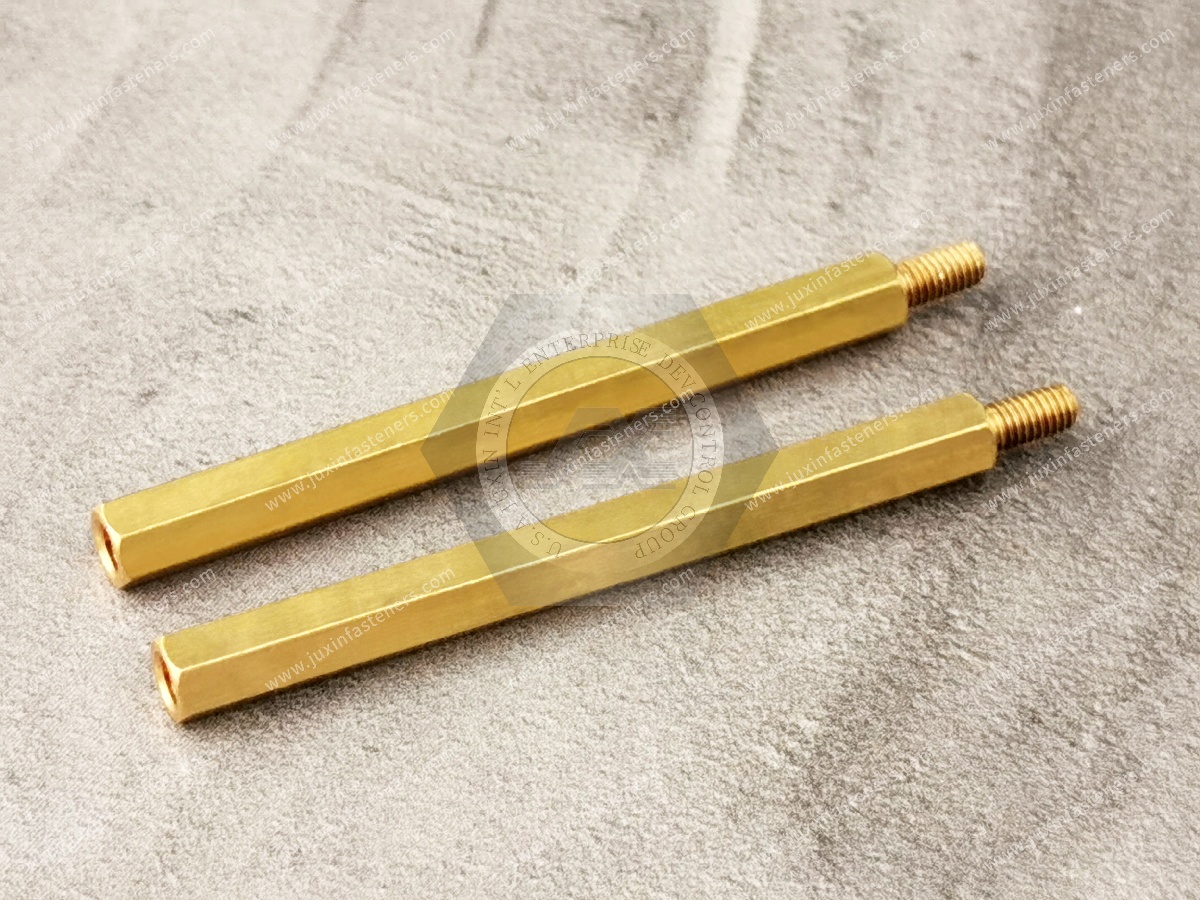
A male-female threaded hex standoff is a spacer with an external thread at one end and an internal thread at the other.
The hexagonal body provides a defined spacing dimension and a tool-engagement surface.
Typical functions include:
Maintaining a specified distance between components
Providing a threaded mounting point
Supporting electronic circuit boards
Connecting modular assemblies
Facilitating component removal and maintenance
Creating mounting features inside equipment enclosures
Male-Female Versus Female-Female Standoffs
A male-female standoff includes one external and one internal thread.
A female-female standoff has internal threads at both ends and normally requires separate screws or studs.
The appropriate configuration depends on the mounting structure, assembly sequence and available space.
Engineering Recommendation
Select the standoff configuration based on the complete mounting arrangement rather than simply choosing a matching thread diameter.
Critical Dimensions of Male-Female Hex Standoffs
A threaded hex standoff drawing should define more than nominal length and thread size.
Important dimensions include:
| Dimension | Engineering significance |
|---|---|
| Hex body length | Determines component spacing |
| Across-flats dimension | Determines wrench size and lateral clearance |
| Male thread diameter and pitch | Defines mating thread compatibility |
| Male thread projection | Determines available external engagement |
| Female thread diameter and pitch | Defines the internal mating connection |
| Female thread depth | Limits usable engagement and screw insertion |
| End-face geometry | Affects seating and alignment |
| Chamfer and thread lead-in | Affects assembly and thread starting |
Body Length and PCB Spacing
The standoff body length usually determines the nominal distance between the supported surfaces, subject to the actual mounting geometry.
However, component spacing may also be influenced by washers, insulating elements, board thickness and seating conditions.
Male Thread Projection
An external thread that is too short may provide inadequate engagement.
Excessive projection may interfere with adjacent components or bottom out in a blind threaded hole.
Female Thread Depth
The internal thread must provide sufficient usable engagement without allowing an overly long screw to bottom out.
Hex Across-Flats Dimension
The hexagonal body must fit the intended wrench or socket and the available assembly envelope.
Engineering Recommendation
When designing compact electronic assemblies, check the complete installed envelope, including the wrench clearance required during installation.
Thread Engagement and Joint Reliability
Thread engagement is a fundamental design consideration for male-female threaded standoffs.
The required engagement depends on the materials, thread geometry, loading and assembly conditions.
Metal-to-Metal Connections
A steel screw engaging a brass or aluminum standoff may be limited by the internal thread material rather than the screw strength.
Plastic Standoffs
Nylon threads may have lower allowable assembly torque and greater deformation under sustained loading than comparable metal threads.
Blind Internal Threads
For standoffs with blind female threads, the mating screw must not bottom out before the joint reaches the intended clamping condition.
Engineering Recommendation
Do not assume that a longer screw automatically improves the joint.
Verify usable thread depth, required engagement and the actual assembly stack-up.
Brass Male-Female Threaded Hex Standoffs
Brass is a common material choice for precision electronic mounting hardware.
Potential advantages include:
Good machinability
Useful electrical conductivity
Corrosion resistance in many indoor environments
Nonferromagnetic behavior for common brass alloys
Suitability for precision-machined dimensions
Typical Applications
PCB assemblies
Communication equipment
Instrumentation
Electrical control panels
Electronic enclosures
Brass for Electrical Grounding
Brass may be suitable for electrically conductive mounting connections.
However, grounding performance depends on the complete contact system, including coatings, contact pressure, oxidation and the surrounding assembly.
Surface Finish Considerations
Brass standoffs may be supplied with natural or specified plated finishes.
Nickel, tin or other finishes may be considered according to the required appearance, corrosion behavior and electrical contact requirements.
Engineering Recommendation
If the standoff forms part of a grounding path, define the required electrical performance and verify the completed connection.
18-8 Stainless Steel Male-Female Standoffs
18-8 stainless steel is a commercial designation commonly associated with austenitic stainless steel compositions such as 304-type material.
It can be suitable for industrial environments where corrosion resistance is important.
Potential Applications
Industrial machinery
Electronic enclosures
Laboratory equipment
Medical equipment housings
Humid indoor environments
Magnetic Behavior
Austenitic stainless steel is generally nonmagnetic or weakly magnetic in the annealed condition.
Cold working and manufacturing processes can introduce measurable magnetic response.
Therefore, magnetic attraction alone should not be used to identify the exact stainless steel grade.
Engineering Recommendation
Specify the required stainless steel grade or material standard rather than relying solely on the commercial term 18-8.
316 Stainless Steel Male-Female Standoffs
316 stainless steel contains molybdenum and generally provides improved resistance to certain chloride-containing environments compared with 304-type stainless steel.
It may be considered for:
Marine-related equipment
Outdoor electrical enclosures
Chemical-processing equipment
Laboratory instrumentation
Corrosion-sensitive industrial assemblies
Important Limitations
316 stainless steel is not immune to corrosion.
Crevice conditions, chloride concentration, temperature and surface condition can influence performance.
Passivation
Passivation may be specified where appropriate to improve surface cleanliness and corrosion behavior.
A passivated finish should not be assumed unless it is included in the product specification.
Engineering Recommendation
For demanding environments, confirm the exact material grade, surface treatment and exposure conditions.
Thread-Locking Stainless Steel Standoffs
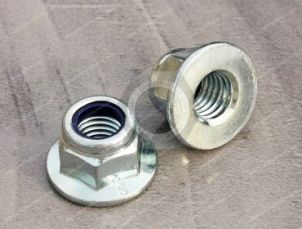
Some male-female threaded standoffs incorporate a nylon locking patch or another specified prevailing-torque feature on the external thread.
A nylon patch can create additional friction between mating threads.
Potential Benefits
Reduced tendency for the connection to rotate under certain conditions
Captive frictional engagement during assembly
Reduced reliance on separate locking hardware in suitable designs
Important Design Considerations
Prevailing torque
Installation torque
Operating temperature
Mating thread material
Patch position
Reuse requirements
Chemical exposure
Does a Nylon Patch Guarantee Vibration Resistance?
No.
A locking patch is one part of the fastening system.
The completed assembly must still be evaluated for the intended loading conditions.
Can Nylon-Patch Standoffs Be Reused?
Reuse depends on the locking material, mating thread, number of assembly cycles and specified acceptance criteria.
Repeatability should be verified where multiple assembly cycles are expected.
Engineering Recommendation
Specify the required prevailing-torque behavior and reuse conditions when requesting custom thread-locking standoffs.
Zinc-Plated Steel Threaded Hex Standoffs
Carbon steel standoffs may offer a cost-effective option where higher mechanical strength is required and the environmental conditions permit their use.
Zinc plating can provide corrosion protection for suitable applications.
Potential Applications
Industrial control cabinets
Machinery assemblies
Equipment housings
Sheet metal structures
Material and Coating Considerations
The actual mechanical performance depends on the steel grade, dimensions and manufacturing process.
Corrosion performance depends on the coating specification, thickness, conversion treatment and exposure environment.
Engineering Recommendation
Specify the material and coating requirements separately.
A generic description such as zinc-plated steel does not define a complete engineering specification.
Aluminum Male-Female Threaded Hex Standoffs
Aluminum standoffs are often selected where low weight and machinability are important.
Potential material choices include 6061 and 2011 aluminum alloys, subject to product feasibility and confirmation.
Potential Advantages
Low density
Good machinability
Nonferromagnetic behavior
Suitable corrosion performance in selected environments
Reduced assembly weight
Typical Applications
UAV equipment
Robotics
Portable electronics
Precision instruments
Lightweight machinery
6061 Versus 2011 Aluminum
6061 is commonly considered for its combination of strength, corrosion resistance and general engineering versatility.
2011 is known for machinability but has different corrosion and environmental considerations.
The appropriate choice depends on the application.
Thread Strength Limitation
Aluminum internal threads may be more susceptible to stripping than stronger steel threads under certain loading conditions.
Engineering Recommendation
Check thread engagement, tightening torque and expected service cycles before specifying aluminum standoffs.
Nylon Male-Female Threaded Standoffs
Nylon standoffs provide electrical insulation and low weight.
They may be suitable for applications where metallic contact is undesirable.
Potential Applications
PCB mounting
Electronic equipment
Communication devices
Lightweight assemblies
Selected battery-related electronics
Important Material Limitations
Nylon properties depend on polymer grade, moisture absorption, temperature and chemical exposure.
Nylon is not universally resistant to every solvent or chemical.
It can also exhibit creep under sustained mechanical loading.
Electrical Insulation
Nylon may provide electrical insulation, but dielectric performance must be evaluated for the actual material, geometry and operating conditions.
Engineering Recommendation
For electrical safety applications, verify the required insulation, flammability and environmental properties rather than relying on the material name alone.
How to Select the Right Standoff Material
Material selection should balance mechanical, environmental and electrical requirements.
| Material | Typical advantage | Main design consideration |
|---|---|---|
| Brass | Machinability and electrical conductivity | Thread strength and contact conditions |
| 18-8 stainless steel | General corrosion resistance | Grade verification and galling |
| 316 stainless steel | Improved resistance in selected corrosive environments | Cost and actual exposure |
| Zinc-plated steel | Mechanical strength and cost | Coating durability |
| Aluminum | Low weight | Thread strength and surface condition |
| Nylon | Electrical insulation and low weight | Creep, temperature and chemical compatibility |
Engineering Recommendation
Do not select material based only on unit price.
Evaluate the standoff's complete installed function and service environment.
Metric, UNC and UNF Thread Standards
Male-female hex standoffs may be specified with metric or Unified inch-series threads.
Metric Threads
Common nominal sizes for electronic and industrial applications may include:
M2, M2.5, M3, M4, M5, M6, M8 and M10.
Actual availability depends on the product configuration and material.
ISO 261 and ISO 965 are relevant references for metric thread series and tolerances.
Unified Inch Threads
UNC and UNF threads are defined under the Unified thread system.
ASME B1.1 is a relevant thread standard.
Important Compatibility Rule
Metric, UNC, UNF, BSW and BSF threads are different systems.
They are not directly interchangeable.
Approximate inch conversions do not establish thread compatibility.
Engineering Recommendation
Always provide the complete thread designation and tolerance requirements when requesting a quotation.
Why Thread Go/No-Go Gauge Testing Matters
Thread quality directly affects the assembly of male-female threaded standoffs.
A defective internal or external thread can cause cross-threading, poor engagement or assembly rejection.
GO Thread Gauge
A GO gauge is used to assess whether the thread satisfies the applicable maximum-material functional requirements under the specified gauging system.
NO-GO Thread Gauge
A NO-GO gauge checks the relevant thread limit under the applicable inspection procedure.
Important Distinction
GO/NO-GO gauging does not independently verify every characteristic of a threaded standoff.
Other dimensions and material properties may require separate inspection.
Relevant Inspection References
ISO 1502 provides a metric thread gauge system.
For Unified inch threads, ASME B1.2 is a relevant gauging reference.
Inspection Frequency
Inspection frequency should be defined according to the agreed quality plan, production process and customer requirements.
A 100% inspection requirement should only be claimed when the corresponding process and records are confirmed.
Production Recommendation
For automated assembly, confirm thread fit using the actual mating components where appropriate, especially when coatings or locking patches are involved.
Dimensional Inspection Beyond Threads
Thread quality alone does not ensure that a standoff will fit the assembly.
Important inspection characteristics may include:
Body length
Hex across-flats dimension
Male thread projection
Female thread depth
End-face condition
Coaxiality or alignment
Surface finish
Burr condition
Why Length Variation Matters
In PCB assemblies, inconsistent standoff length can affect board alignment and introduce mechanical stress.
Why End-Face Quality Matters
Poor end-face condition can affect seating, tilt and local contact pressure.
Engineering Recommendation
Identify critical-to-function dimensions on the drawing rather than applying the same inspection priority to every feature.
Surface Finish and Coating Options
Depending on material and application, potential finishes include:
Natural finish
Zinc plating
Nickel plating
Black oxide
Passivation
Electroless nickel
Tin plating
Drawing-specific coatings
Not every finish is suitable for every base material.
Electrical Considerations
Coatings can influence contact resistance and grounding performance.
Dimensional Considerations
Coating thickness can affect thread fit and close-tolerance dimensions.
Environmental Considerations
The coating must be selected according to the actual operating environment.
RoHS and REACH
Where regulatory requirements apply, material and finish documentation should be reviewed against the specific customer requirements and applicable legislation.
Compliance should not be assumed without supporting evidence.
PCB Mounting and Electronic Assembly Design
Male-female threaded standoffs are widely used to support electronic boards and maintain mechanical clearance.
PCB Spacing
The selected standoff length must accommodate:
Component height
Connector position
Airflow
Cable routing
Electrical clearance
Service access
Mechanical Loading
PCB mounting hardware should not introduce excessive bending or concentrated loads into the board.
Electrical Isolation
Metallic standoffs can create conductive paths.
Where electrical isolation is required, suitable insulating components or materials must be selected.
Grounding
Where the standoff is intended to provide grounding, contact resistance and assembly details must be verified.
Production Recommendation
Consider whether the mounting process requires a fixed male thread, a female threaded support or an alternative captive mounting component.
Industrial Automation and Robotics
Threaded hex standoffs may be used in:
PLC assemblies
Industrial controllers
Sensor modules
Robotics control cabinets
Automation equipment
Precision instrumentation
For manufacturing engineers, repeatable body length and thread quality can reduce alignment problems during assembly.
Telecommunications and Data Equipment
Potential applications include:
Network switches
Routers
Telecom cabinets
Server equipment
Electronic modules
Communication infrastructure
Material selection should consider electrical requirements, corrosion exposure and maintenance access.
EV Battery Management and Power Electronics
Male-female standoffs may be considered for suitable low-voltage electronic mounting applications within EV-related systems.
Examples include:
Battery management system electronics
Control modules
Power electronics housings
Charging equipment control assemblies
Important Limitation
High-voltage systems require application-specific insulation, clearance and safety validation.
A standard threaded standoff should not be assumed suitable for high-voltage insulation or safety-critical mounting without engineering approval.
Medical and Laboratory Equipment
Threaded standoffs may be used in equipment housings, diagnostic instruments and laboratory electronics.
Material cleanliness, corrosion behavior and any regulatory requirements must be considered.
Aerospace-Related Equipment
Lightweight aluminum or other suitable standoffs may be relevant to selected aerospace-related equipment.
Flight-critical applications require dedicated qualification and approved specifications.
Renewable Energy and Electrical Enclosures
Potential applications include:
Solar inverter electronics
Energy storage control cabinets
Wind equipment control modules
Power distribution enclosures
Industrial electrical panels
The designer should evaluate corrosion exposure, electrical clearance and vibration conditions.
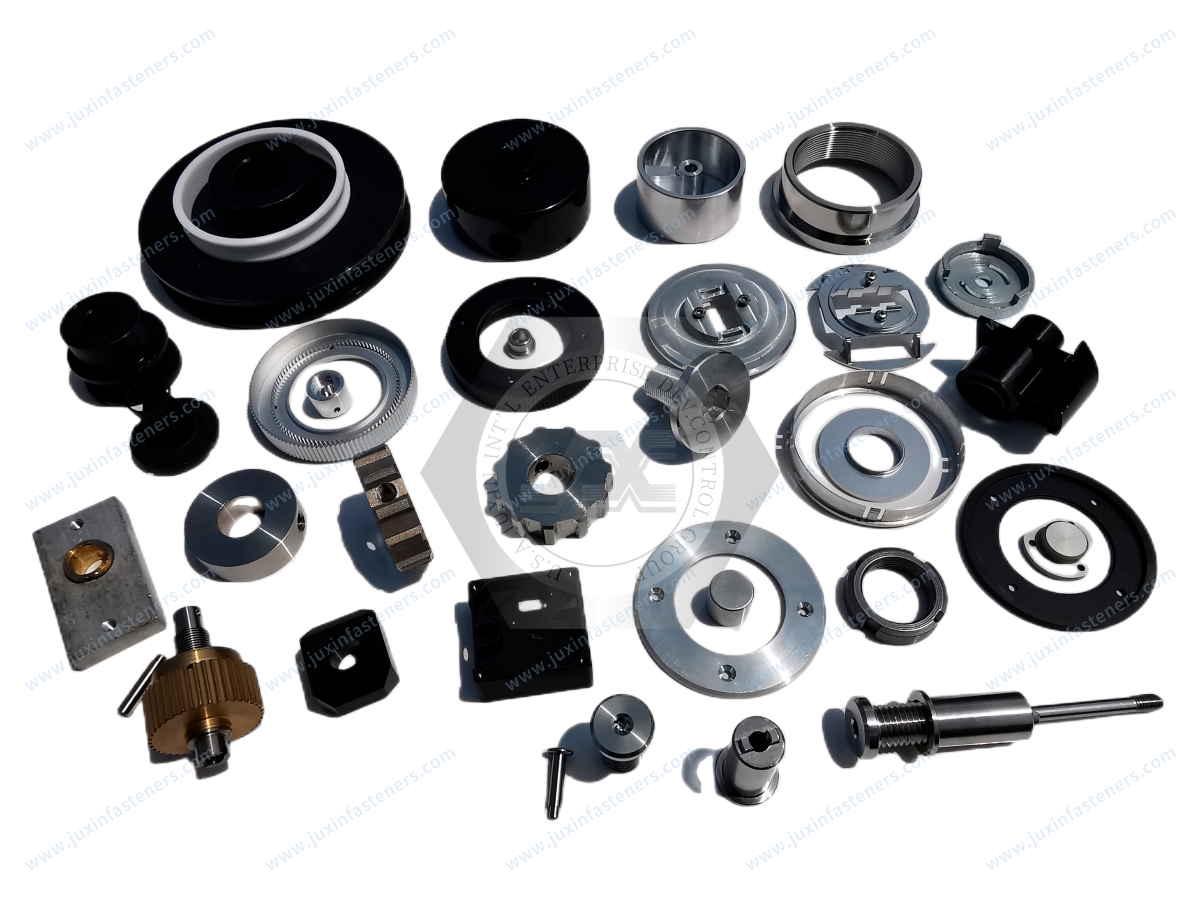
Common Installation Problems and Corrective Actions
Cross-Threading
Possible causes include misalignment, incorrect mating threads or damaged thread lead-ins.
Thread Stripping
Possible causes include excessive tightening torque, inadequate engagement or unsuitable material strength.
Standoff Loosening
Possible causes include insufficient joint preload, vibration, unsuitable locking features or assembly variation.
PCB Distortion
Possible causes include incorrect standoff height, uneven mounting surfaces or excessive clamping force.
Galling in Stainless Steel Threads
Stainless steel threaded connections may be susceptible to galling under certain conditions.
Material pairing, surface finish, lubrication and installation procedure can influence the risk.
Corrective Approach
Identify the actual cause before changing material or increasing tightening torque.
OEM Custom Manufacturing Considerations
Drawing-specific male-female threaded standoffs may require nonstandard dimensions or features.
Potential customization requirements include:
Body length
Hex dimensions
Male thread projection
Female thread depth
Thread designation
Material grade
Surface treatment
Locking patch
Special end geometry
Marking
Packaging
Feasibility, tooling, machining method and cost should be confirmed before production.
Precision Machining Considerations
For CNC-machined standoffs, the drawing should distinguish critical dimensions from general tolerances.
Overly restrictive tolerances on nonfunctional features can increase manufacturing cost without improving assembly performance.
Production Manager's Perspective
A suitable standoff should support repeatable assembly with minimal handling and rework.
Consider:
Part orientation
Thread starting
Wrench access
Torque settings
Component alignment
Packaging and feeding
Batch consistency
Rework requirements
Supplier Development and Procurement
For purchasing and supply chain teams, technical qualification should be combined with commercial evaluation.
A useful RFQ includes:
Product drawing and revision
Material specification
Thread designations
Body length and tolerance
Hex dimensions
Male thread projection
Female thread depth
Surface finish
Locking requirements
Inspection requirements
Prototype quantity
Annual demand
Packaging
Target delivery schedule
Supplier Qualification
When evaluating an alternative supplier, confirm that the proposed standoff meets the complete drawing.
A matching nominal thread size and body length do not necessarily establish interchangeability.
Commercial Considerations
MOQ, production feasibility, tooling, inspection scope, lead time and repeat-order consistency should be discussed before supplier approval.
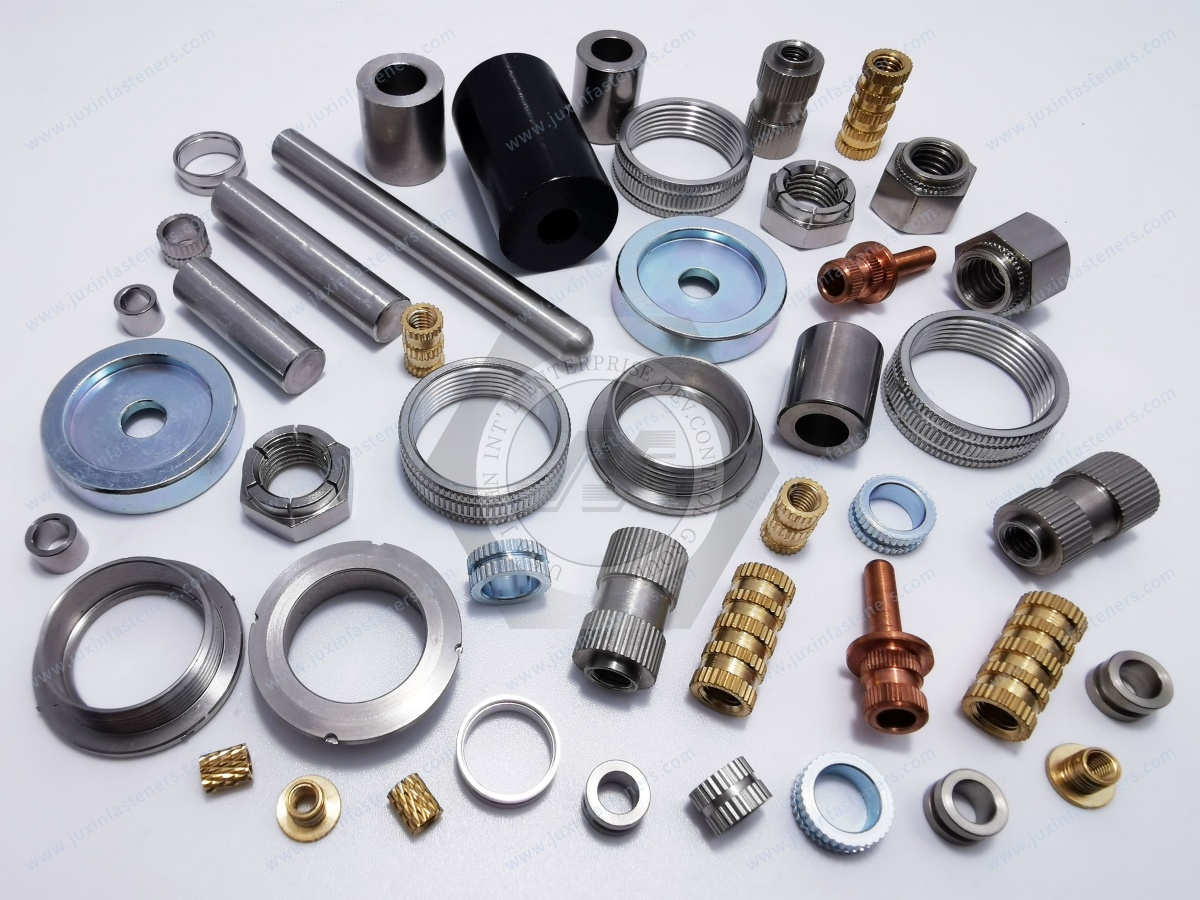
Frequently Asked Questions
What is a male-female threaded hex standoff?
It is a hexagonal spacer with an external thread at one end and an internal thread at the other, used to create spacing and a threaded mounting connection.
What is the difference between a standoff and a spacer?
A standoff normally includes an integrated threaded feature. A simple spacer may be an unthreaded sleeve used with a separate screw.
Which material is best for PCB standoffs?
The correct material depends on mechanical loading, electrical requirements, corrosion exposure and assembly conditions.
Are brass standoffs suitable for grounding?
They may be suitable in properly designed conductive connections, but grounding performance must be verified.
Can stainless steel standoffs be magnetic?
Yes. Austenitic stainless steel can exhibit magnetic response depending on grade and manufacturing condition.
Can nylon standoffs be used in high-voltage equipment?
Only where the specific material and geometry meet the applicable insulation and safety requirements.
Are metric and UNC standoffs interchangeable?
No. They use different thread systems.
Can threaded hex standoffs have nylon locking patches?
Selected products may incorporate a locking patch, subject to design and supply confirmation.
What does GO/NO-GO thread gauging verify?
It checks defined thread limits under the applicable gauging procedure but does not replace all dimensional and functional inspections.
Can Juxin Fasteners supply custom threaded standoffs?
Juxin Fasteners welcomes drawing-specific inquiries for threaded standoffs. Exact material, geometry, process and supply feasibility require confirmation.
Juxin Fasteners: Male-Female Threaded Hex Standoffs and OEM Precision Spacers
Juxin Fasteners supplies threaded standoffs and industrial mounting components for OEM applications.
Relevant product categories include:
Brass male-female threaded hex standoffs
Stainless steel threaded standoffs
18-8 stainless steel standoffs
316 stainless steel standoffs
Zinc-plated steel hex standoffs
Aluminum threaded standoffs
Nylon threaded standoffs
Thread-locking standoffs
Custom precision-machined spacers
Material grades, thread configurations, finishes, inspection requirements, regulatory documentation, MOQ and lead times are subject to technical and commercial confirmation.
Request a Quote for Male-Female Threaded Hex Standoffs
Are you sourcing PCB mounting hardware, developing an industrial control enclosure or qualifying a new supplier for precision threaded spacers?
Juxin Fasteners welcomes inquiries from OEM manufacturers, electronics engineers, mechanical engineers,
design engineers, production managers, purchasing specialists and supplier development teams.
To support technical review and quotation, please provide:
Part drawing and revision + material grade + metric or UNC/UNF thread designation + body length and tolerance
+ hex across-flats dimension + male thread projection + female thread depth + finish + locking requirements
+ inspection documentation + prototype quantity + annual demand + packaging + target delivery schedule.
Company: Juxin Fasteners
Website: https://www.juxinfasteners.com/
Email: info@juxinfasteners.com
Send your male-female threaded hex standoff drawings and OEM RFQ to Juxin Fasteners for specification review, product selection and quotation.
Contact Us
Tel.:
+86 020 8621 0320
+86 020 3121 6067
E-mail:
Technical Support:
Navigation
SEND INQUIREY