
Call Us
+86 136 6007 9809
Call Us
+86 136 6007 9809

Jul. 09, 2024
Stainless steel fasteners, including stainless steel screws and nuts, are widely used in industries where corrosion resistance, reliability, and long service life are critical. However, even high-quality stainless steel materials require proper surface treatment to achieve maximum corrosion protection.
Passivation treatment for stainless steel fasteners is an important surface finishing process that improves corrosion resistance, removes surface contaminants, and extends the service life of stainless steel screws and nuts.
For OEM manufacturers, engineers, and purchasing teams, selecting passivated stainless steel fasteners is essential for applications exposed to moisture, chemicals, saltwater, and harsh industrial environments.
Juxin Fasteners provides professional OEM solutions for:
Passivated Stainless Steel Screws
Passivated Stainless Steel Nuts
Stainless Steel Bolts
Stainless Steel Machine Screws
Stainless Steel Socket Head Screws
Custom Stainless Steel Fasteners
Materials available:
304 Stainless Steel (18-8 / A2)
316 Stainless Steel (A4)
Custom stainless steel grades
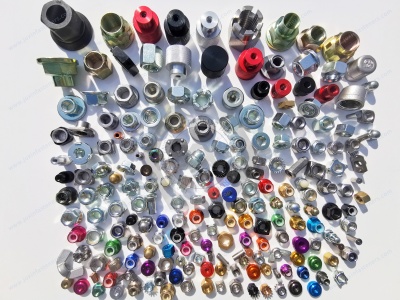
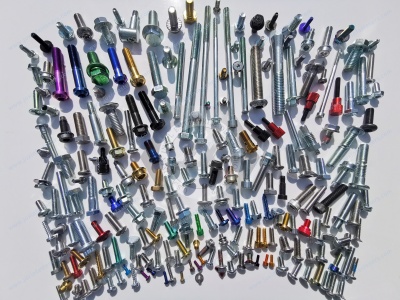
Stainless steel fastener passivation is a chemical surface treatment process that improves the natural corrosion resistance of stainless steel.
During manufacturing processes such as:
Cold heading
Thread rolling
Machining
Cutting
Grinding
small amounts of free iron particles and contaminants may remain on the stainless steel surface.
These contaminants can cause:
Surface rust
Corrosion points
Reduced appearance
Premature fastener failure
Passivation removes these contaminants and allows stainless steel to form a stable chromium oxide protective layer.
This passive film acts as a barrier against:
Oxygen
Moisture
Chemicals
Saltwater environments
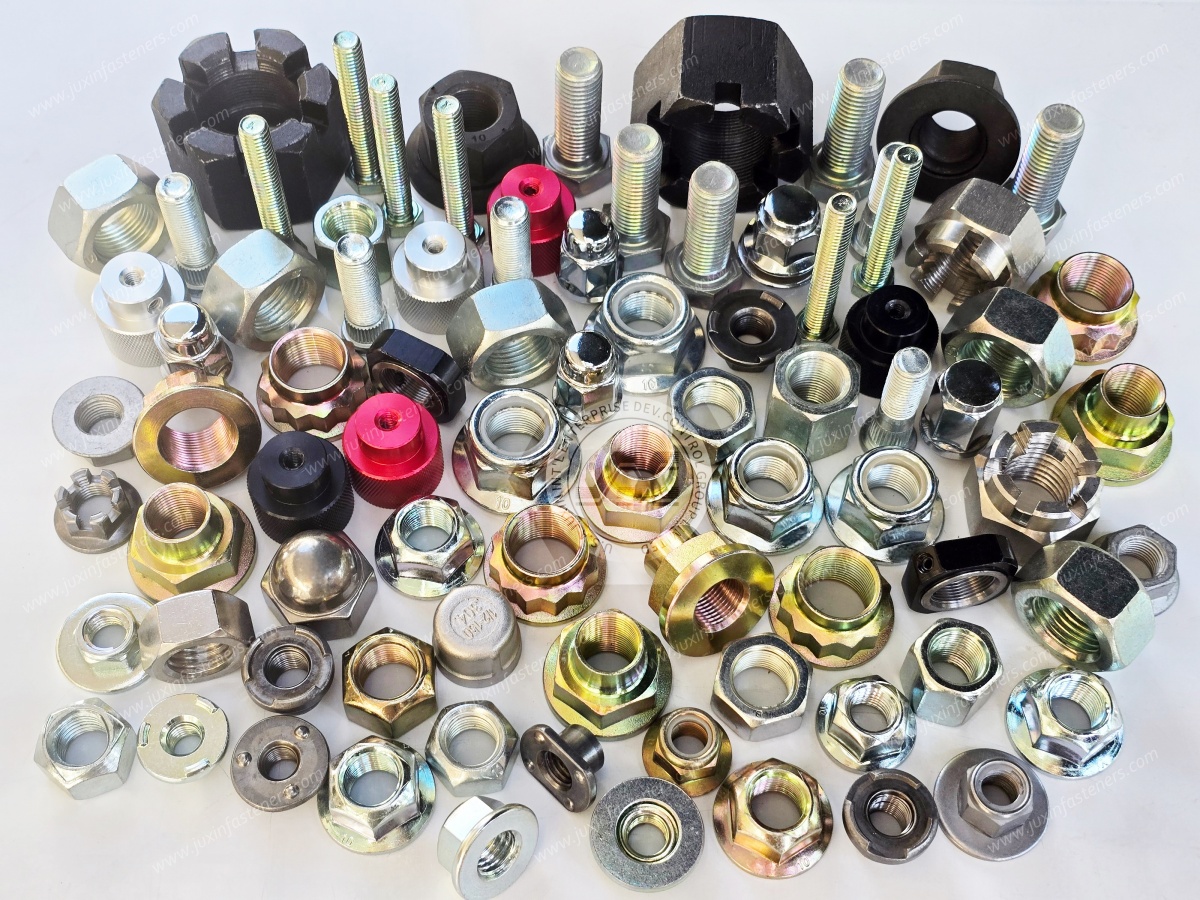
Although stainless steel has natural corrosion resistance, industrial applications often require additional protection.
Passivation provides several important benefits:
The main purpose of stainless steel fastener passivation is to improve corrosion resistance.
The protective oxide layer helps prevent:
Oxidation
Rust formation
Chemical corrosion
Environmental damage
This makes passivated stainless steel screws and nuts suitable for demanding applications.
Typical environments include:
Marine conditions
Chemical processing plants
Outdoor equipment
Food processing systems
Medical equipment
Corrosion is one of the main reasons fasteners fail.
Passivated stainless steel fasteners provide:
Longer service life
Stable mechanical performance
Reduced maintenance requirements
Improved product reliability
For industrial equipment manufacturers, using passivated stainless steel screws helps reduce downtime and replacement costs.
After passivation treatment, stainless steel fasteners have:
Cleaner surfaces
Improved appearance
Better corrosion resistance
Easier cleaning characteristics
This is especially important for industries requiring high hygiene standards.
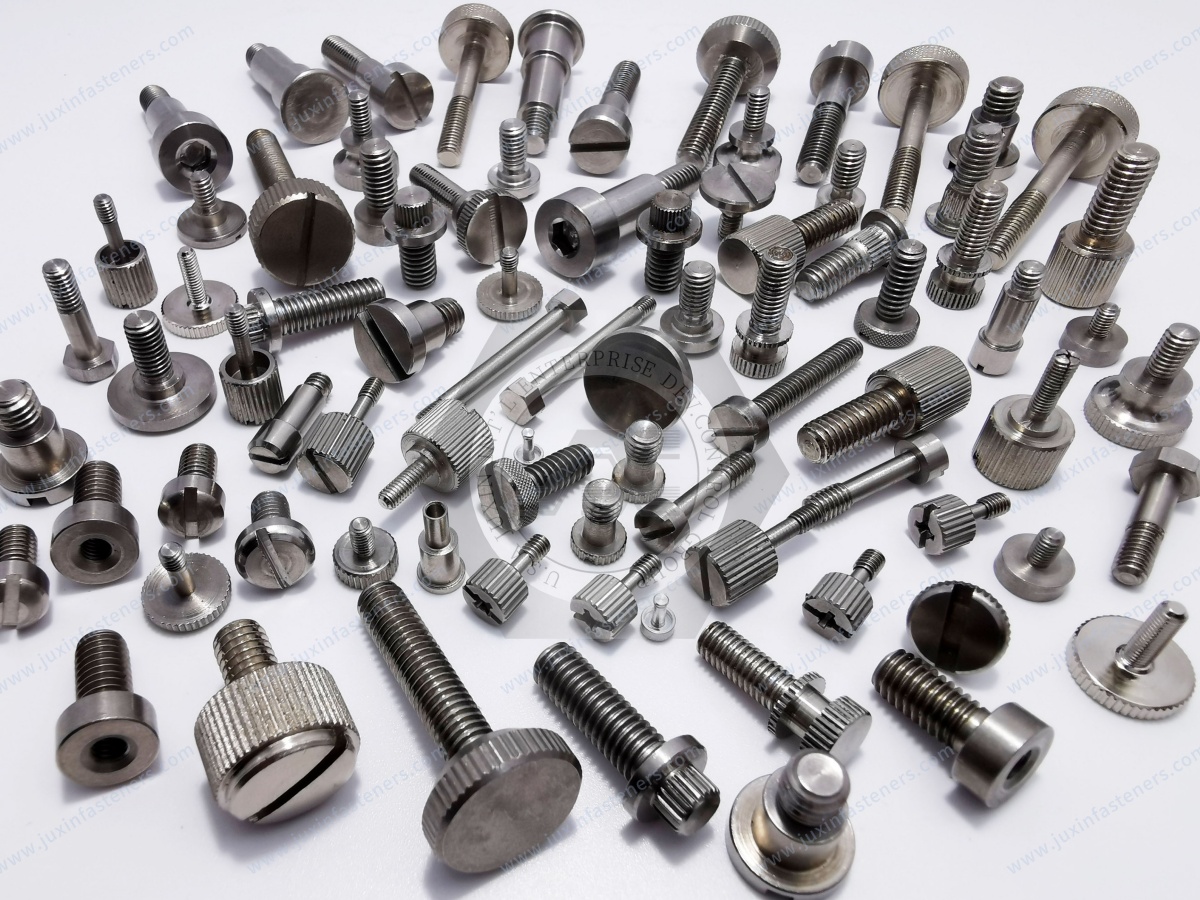
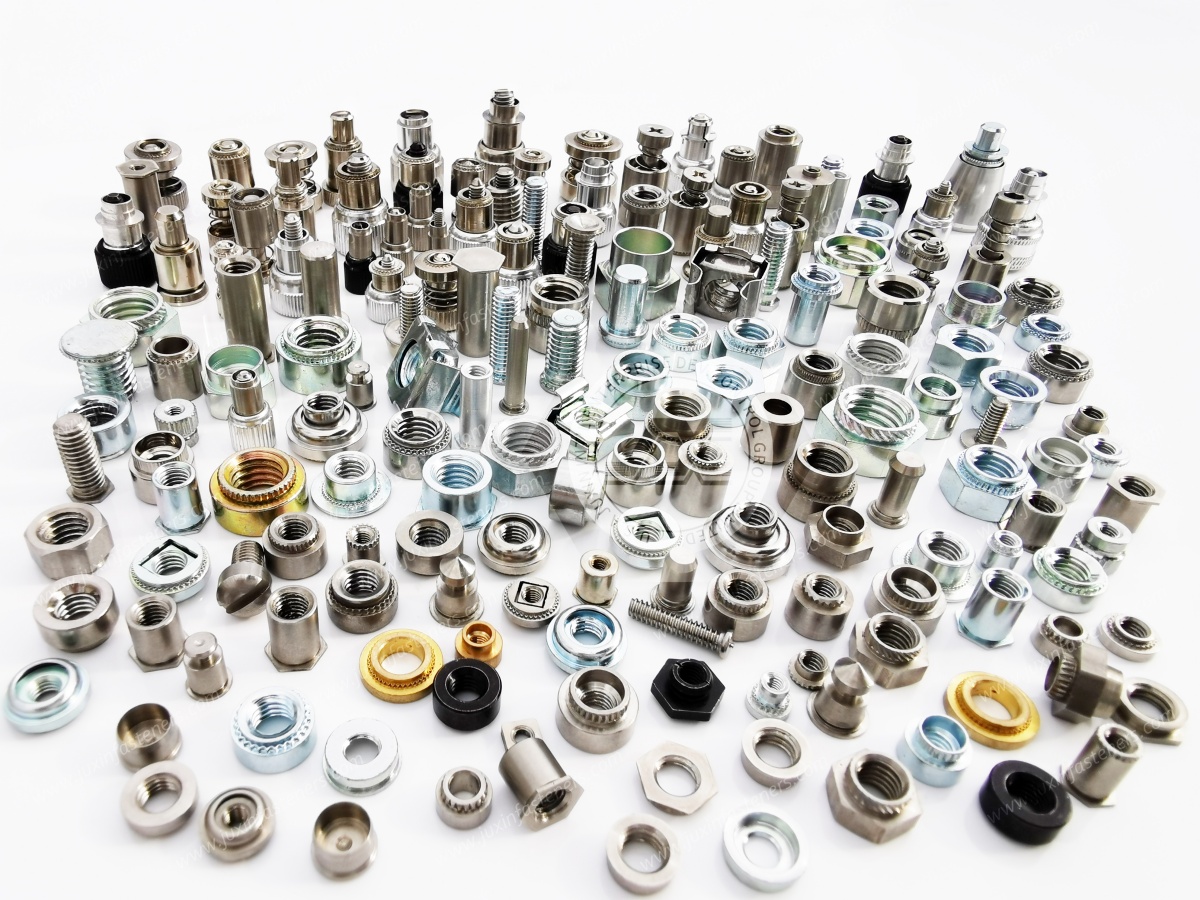
Passivation can be applied to various stainless steel fasteners with complex geometries, including:
Screws
Nuts
Bolts
Washers
Threaded inserts
Custom machined components
There are several commonly used passivation methods.
Chemical passivation is the most widely used industrial method.
Process:
Cleaning stainless steel fasteners
Removing oil and contaminants
Chemical passivation treatment
Rinsing and drying
Inspection
Advantages:
Suitable for mass production
Uniform surface treatment
Cost-effective
Applicable to various fastener shapes
Electrochemical passivation uses electrical current to enhance the protective oxide layer.
Advantages:
Excellent surface control
Suitable for precision applications
Improved corrosion resistance
Applications:
Medical equipment
Aerospace components
Precision instruments
Physical methods include:
Grinding
Shot peening
Surface polishing
Electron beam treatment
These methods modify the surface condition of stainless steel components.
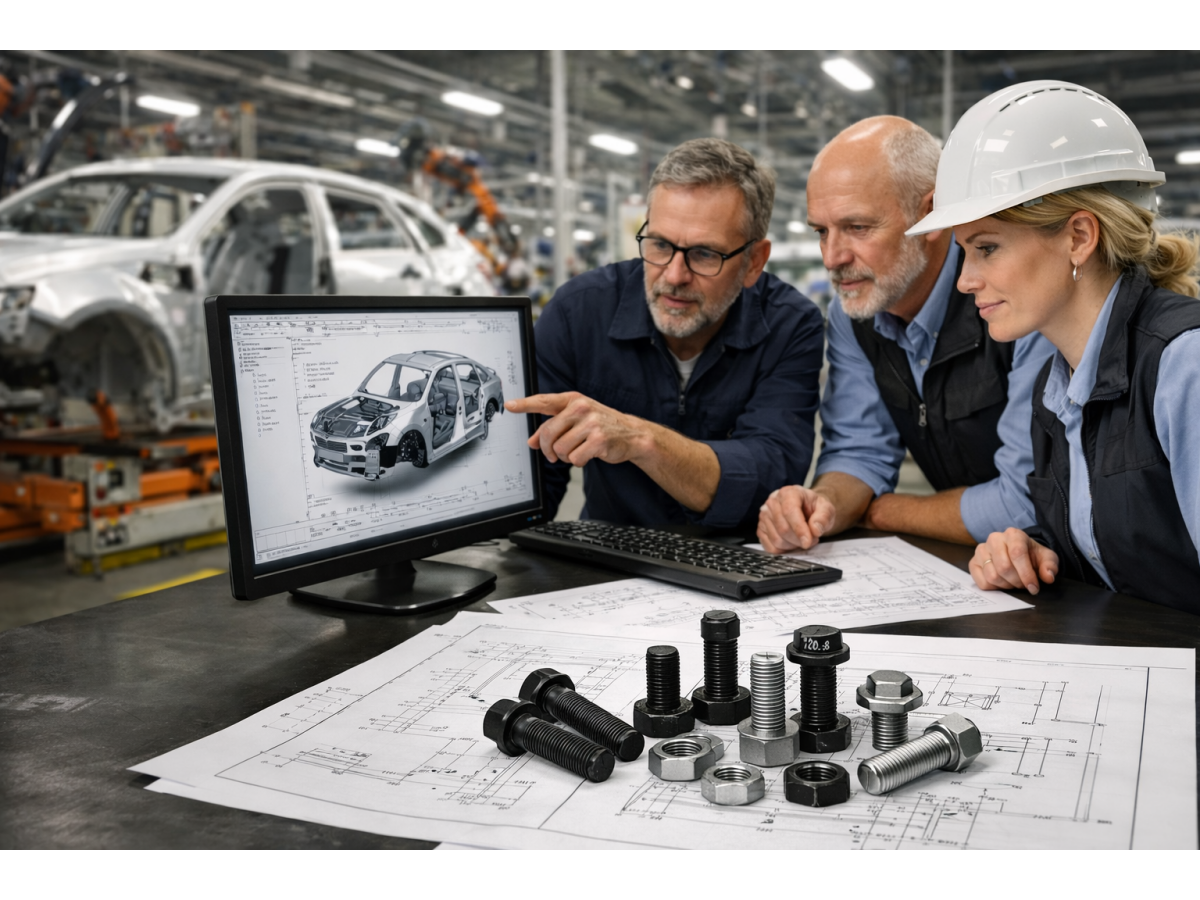
Passivated stainless steel screws and nuts are widely used in industries requiring corrosion-resistant fastening solutions.
Automotive manufacturers require fasteners that withstand:
Humidity
Temperature variation
Chemical exposure
Vibration
Applications:
Vehicle assemblies
Battery systems
Electronic modules
Interior components
Recommended products:
Passivated Stainless Steel Screws
Stainless Steel Nuts
Stainless Steel Socket Head Screws
Marine environments expose fasteners to:
Saltwater
High humidity
Marine chemicals
316 stainless steel fasteners with passivation treatment provide excellent corrosion resistance.
Applications:
Shipbuilding
Offshore equipment
Marine machinery
Coastal structures
Medical applications require:
Clean surfaces
Corrosion resistance
Reliable fastening performance
Applications:
Medical devices
Laboratory equipment
Surgical instruments
Recommended:
Passivated Stainless Steel Screws
Stainless Steel Precision Fasteners
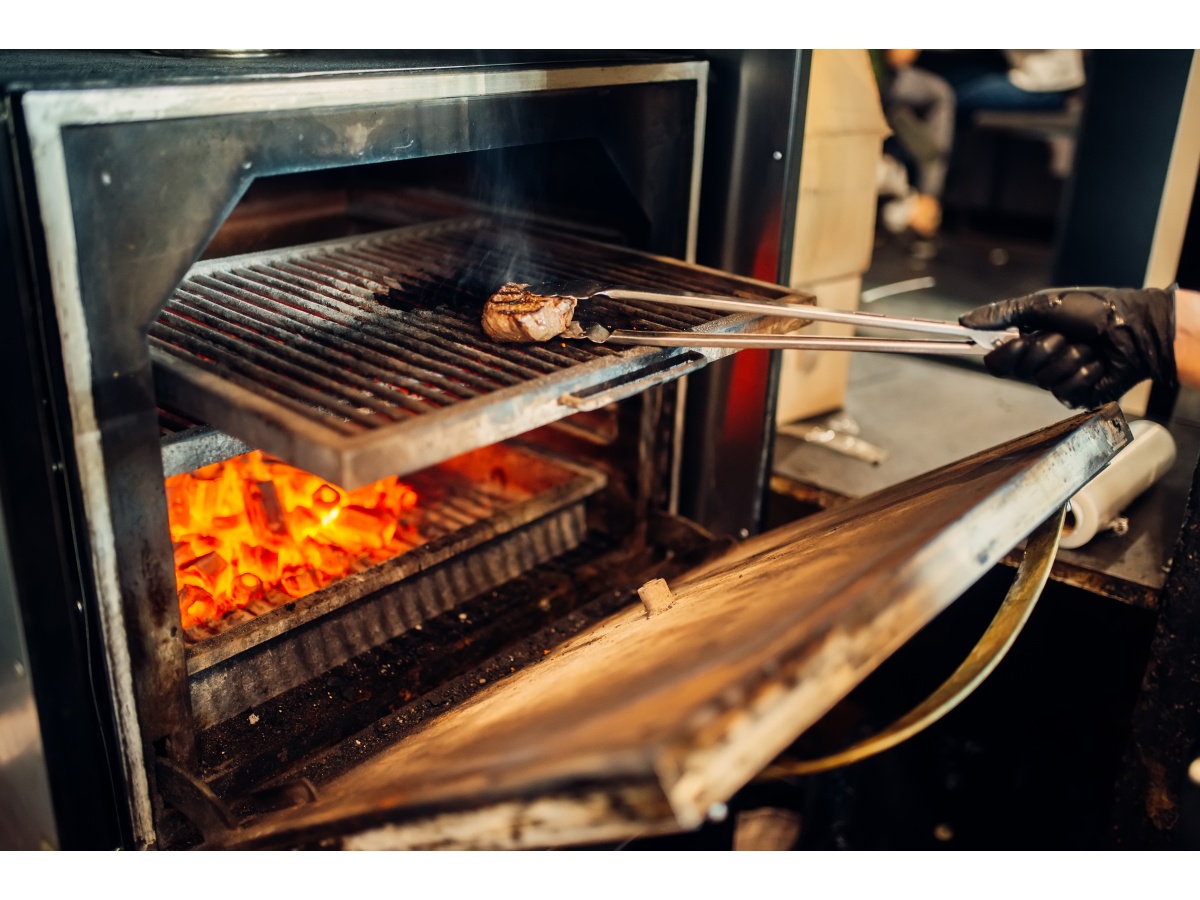
Food equipment requires fasteners that can resist:
Cleaning chemicals
Moisture
Frequent washing
Passivated stainless steel fasteners provide:
Hygienic surfaces
Corrosion protection
Long service life
Applications:
Food machinery
Beverage equipment
Commercial kitchen equipment
Chemical processing environments expose fasteners to:
Acids
Alkalis
Corrosive gases
Recommended:
316 Stainless Steel Passivated Fasteners
Benefits:
Improved chemical resistance
Reduced corrosion risk
Longer equipment life
Aerospace applications require:
High reliability
Lightweight materials
Corrosion resistance
Passivated stainless steel fasteners help maintain long-term performance in demanding environments.
Advantages:
Good corrosion resistance
Excellent formability
Cost-effective
Applications:
General industrial equipment
Electronics
Indoor machinery
Advantages:
Superior corrosion resistance
Better saltwater resistance
Excellent chemical resistance
Applications:
Marine equipment
Chemical industry
Outdoor applications
Engineers should consider:
Evaluate:
Humidity
Chemicals
Temperature
Salt exposure
Choose:
304 stainless steel:
For general industrial use.
316 stainless steel:
For marine and chemical environments.
Consider:
Screw head type
Thread specification
Strength requirement
Assembly method
Common options:
Socket Head Screws
Phillips Screws
Hex Head Screws
Machine Screws
Nuts
Juxin Fasteners provides customized stainless steel fastening solutions for global manufacturers.
Our capabilities include:
OEM stainless steel screws
Custom stainless steel nuts
Passivation treatment
Material certification
Dimensional inspection
Prototype development
Mass production
We support:
Metric standards
Inch standards
DIN standards
ISO standards
Customer drawings
Juxin Fasteners is a professional stainless steel fastener manufacturer providing corrosion-resistant fastening solutions worldwide.
Our advantages:
Experienced engineering team
Stable production capability
Strict quality control
Customized manufacturing
Surface treatment expertise
Global OEM customer experience
Our stainless steel fasteners are used in:
Automotive
EV manufacturing
Marine
Medical equipment
Electronics
Industrial machinery
Renewable energy
Need reliable passivated stainless steel screws, nuts, and custom stainless steel fasteners?
Juxin Fasteners provides professional engineering support and OEM manufacturing solutions for global industrial customers.
Email: info@juxinfasteners.com
Website: https://www.juxinfasteners.com
Contact us today for corrosion-resistant stainless steel fastening solutions.
 MORE NEWS
Sep. 27, 2026
Sep. 27, 2026
Sep. 27, 2026
Contact Us
Tel.:
+86 020 8621 0320
+86 020 3121 6067
E-mail:
Technical Support:
Navigation
SEND INQUIREY