
Call Us
+86 136 6007 9809
Call Us
+86 136 6007 9809

Mar. 29, 2026
When designing sheet metal assemblies, automotive components, electrical enclosures, or industrial equipment, engineers often need to choose between blind rivet nuts and weld nuts.
Both fastening solutions provide strong threaded connection points, but the best choice depends on:
Base material
Material thickness
Installation accessibility
Mechanical load requirements
Production efficiency
Environmental conditions
Choosing the correct fastening method at the design stage can significantly improve assembly reliability, reduce manufacturing costs, and simplify production processes.
Juxin Fasteners provides customized blind rivet nuts, weld nuts, and OEM fastening solutions for industries including:
Automotive
Electric Vehicle (EV)
Battery Pack Manufacturing
Rail Transit
Aerospace
Electrical Cabinets
HVAC Equipment
Medical Equipment
Construction Machinery
Robotics
Sheet Metal Fabrication
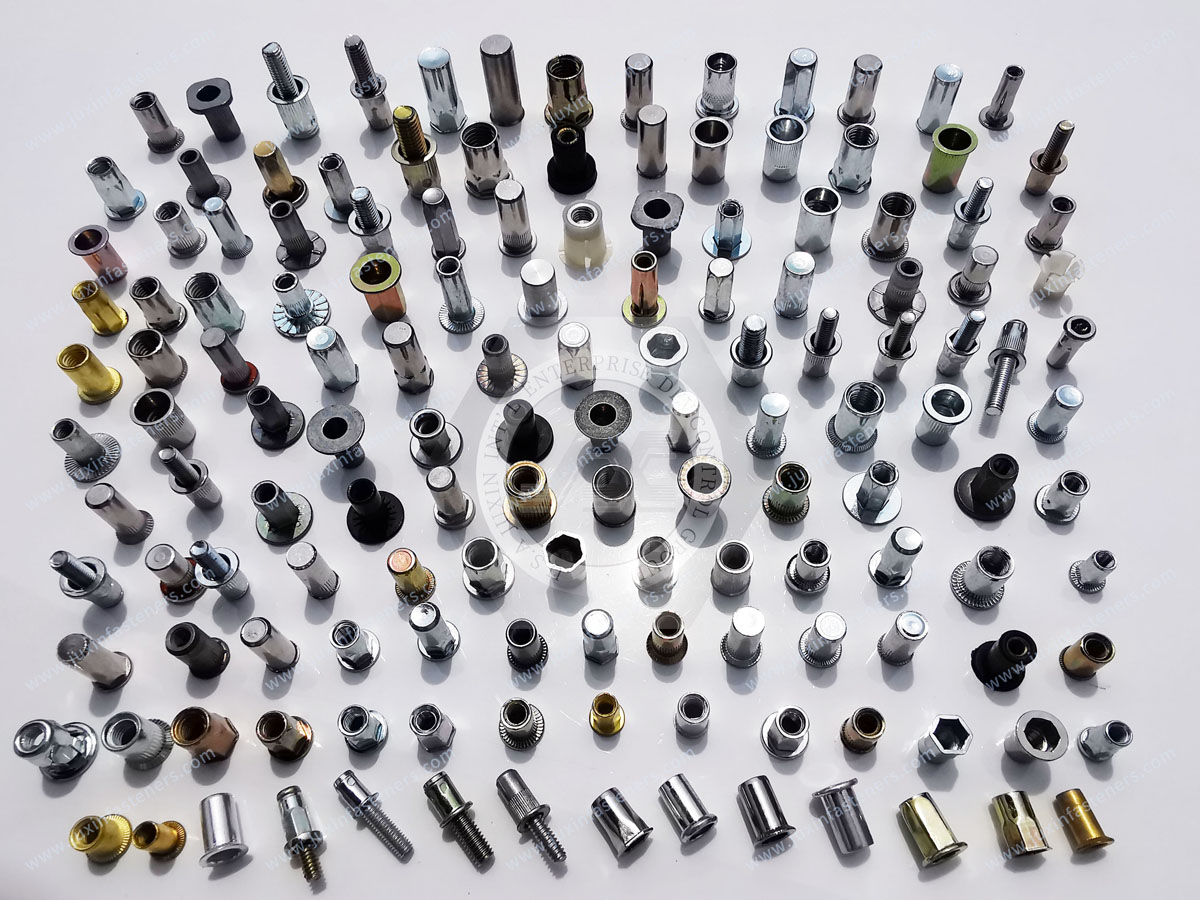
Blind rivet nuts (also called rivnuts or threaded inserts) are mechanical fasteners installed from only one side of a workpiece.
During installation, the rivet nut body deforms behind the panel, creating a strong threaded anchor point.
This makes them ideal for applications where the backside of the material is inaccessible.
Common materials include:
Carbon Steel Rivet Nuts
Stainless Steel Rivet Nuts
Aluminum Rivet Nuts
Sealed Blind Rivet Nuts
One of the biggest advantages of rivet nuts is that installation only requires access to the front side.
This is especially important for:
Closed profiles
Hollow structures
Tubular frames
Enclosures
Battery housings
Engineers can install threaded connections without welding equipment or rear-side access.
Many modern products use lightweight materials such as:
Aluminum sheets
Composite panels
Plastic housings
Thin steel plates
Traditional tapped threads may not provide sufficient engagement depth.
Blind rivet nuts create reinforced threads without increasing material thickness.
Unlike permanent welding methods, rivet nuts provide reusable threads.
Benefits include:
Easy maintenance
Component replacement
Serviceability improvement
Reduced repair costs
This is particularly valuable for:
EV battery covers
Electrical cabinets
Industrial equipment
Electronic enclosures
Although rivet nuts provide excellent versatility, engineers should consider:
Lower torque resistance compared with welded nuts in heavy structural steel applications
Requirement for dedicated installation tools
Proper hole size control is critical for performance
For high-load structural applications, weld nuts may be more suitable.
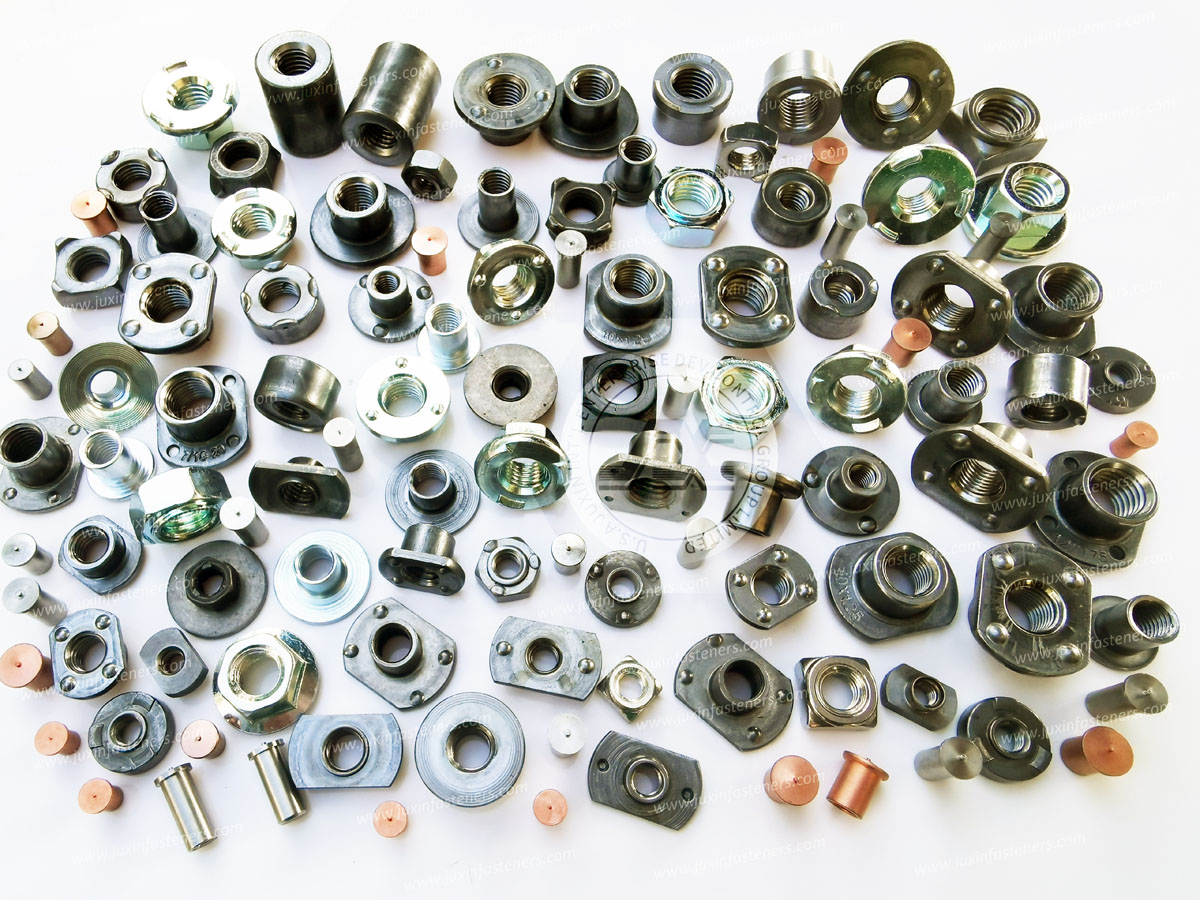
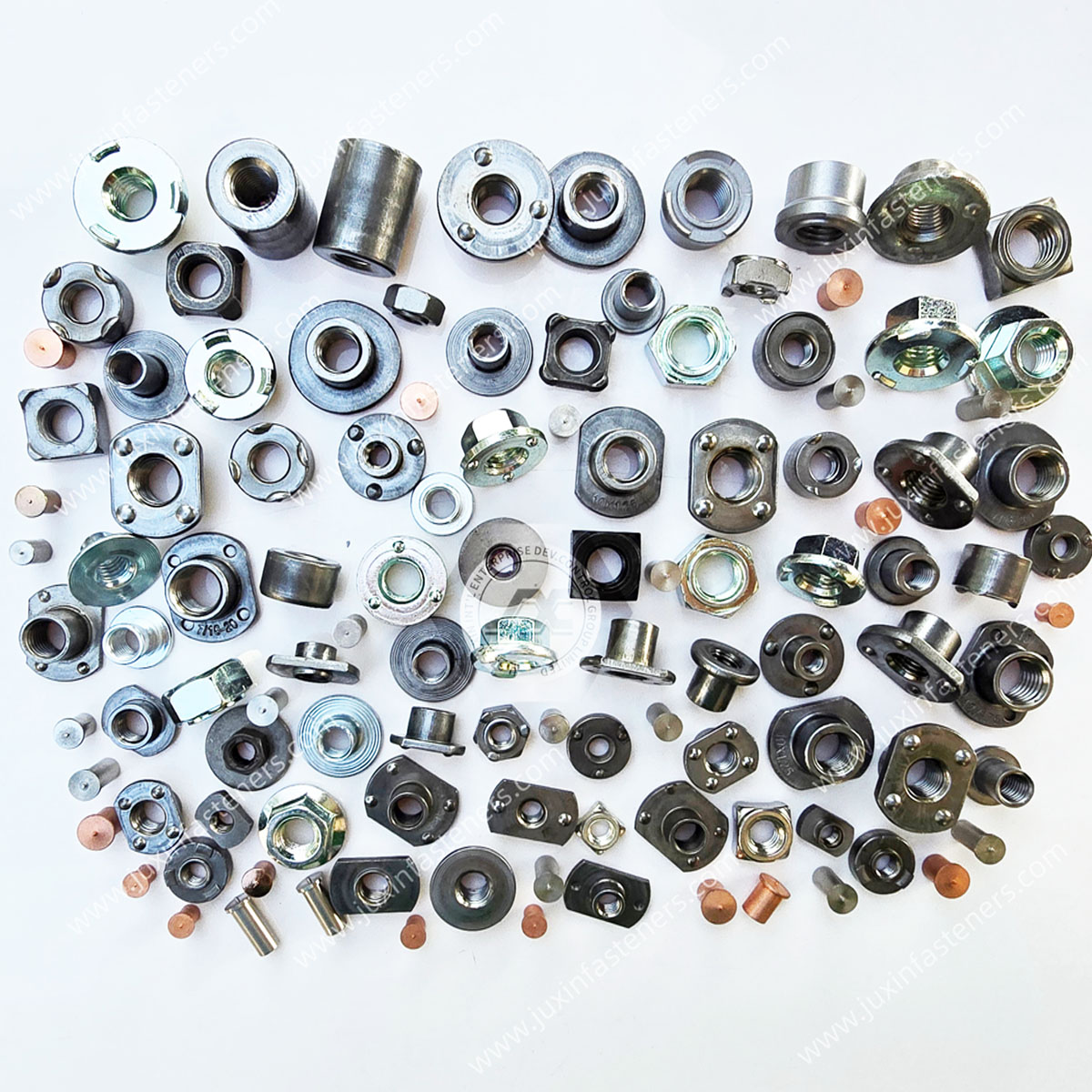
Weld nuts are threaded nuts permanently attached to metal components through welding processes such as:
Resistance welding
Spot welding
Projection welding
Common types include:
DIN 928 Hex Weld Nuts
DIN 929 Hex Weld Nuts
Square Weld Nuts
Flange Weld Nuts
Weld nuts are widely used in automotive body structures and heavy-duty steel assemblies.
Because weld nuts become a permanent part of the metal structure, they provide:
Excellent load capacity
High torque resistance
Strong vibration performance
They are commonly used in:
Automotive chassis components
Structural frames
Heavy machinery
Rail equipment
For applications exposed to continuous vibration, welded connections provide outstanding reliability.
Typical applications include:
Automotive body structures
Construction equipment
Industrial machinery
Transportation systems
Despite their strength, weld nuts have several design limitations:
The assembly must allow welding operations before final coating or painting.
Weld nuts are mainly suitable for:
Carbon steel
Low alloy steel
They are generally not recommended for:
Plastic components
Composite materials
Thin aluminum structures
Welding requires:
Welding equipment
Surface preparation
Heat management
Post-weld treatment
This may increase production complexity.
| Feature | Blind Rivet Nuts | Weld Nuts |
|---|---|---|
| Installation Access | One-side installation | Requires welding access |
| Suitable Materials | Steel, Stainless Steel, Aluminum, Plastic | Mainly Steel |
| Installation Method | Mechanical deformation | Welding process |
| Reusable Threads | Yes | No |
| Vibration Resistance | Good | Excellent |
| Thin Sheet Application | Excellent | Limited |
| Aluminum Compatibility | Excellent | Poor |
| Production Flexibility | High | Medium |
| Manufacturing Cost | Lower installation cost | Higher due to welding process |
| Maintenance | Easy replacement | Permanent connection |
The correct choice depends on the application requirements.
Recommended for:
EV battery enclosures
Electrical cabinets
Electronic equipment
Lightweight structures
Advantages:
No welding damage
Lightweight design
Easy assembly
Recommended for:
Sheet metal fabrication
HVAC equipment
Control cabinets
Machine covers
Rivet nuts provide strong threads without requiring additional brackets or welding.
Ideal for:
Battery pack covers
Industrial equipment panels
Maintenance components
Reusable threads allow easy disassembly.
Recommended for:
Automotive chassis
Structural frames
Heavy machinery
Benefits:
Higher load capacity
Strong permanent connection
Excellent vibration resistance
Many advanced products combine both technologies.
For example, automotive manufacturers often use:
For:
Vehicle frame structures
High-load connection points
For:
Battery covers
Interior panels
Electrical components
Service access points
This hybrid approach provides the best balance between:
Strength
Weight reduction
Manufacturing efficiency
Maintenance capability
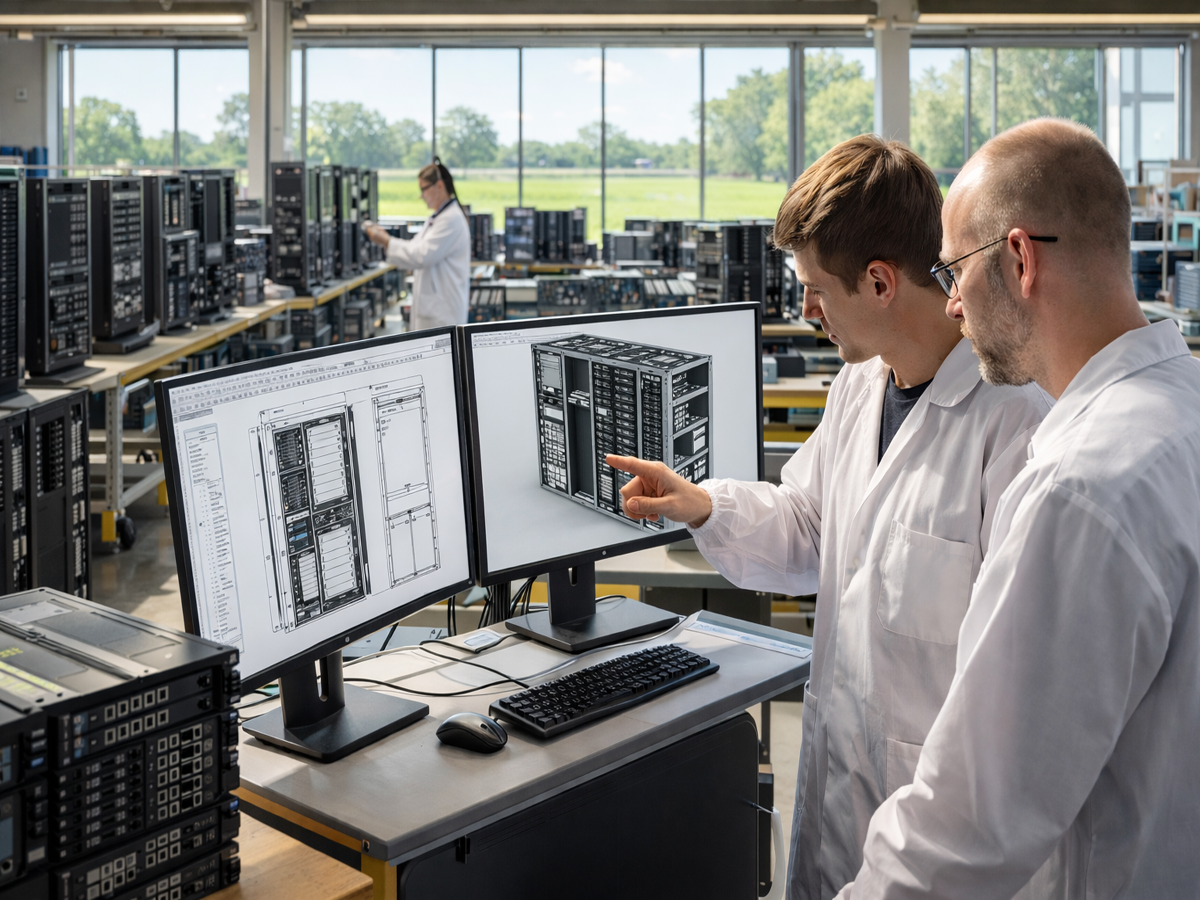
Applications:
Battery pack enclosures
Chassis components
Body panels
Electronic modules
Fastener selection:
Weld nuts for structural areas
Rivet nuts for lightweight assemblies
Rivet nuts are commonly used for:
Control panels
Distribution cabinets
Equipment housings
Advantages:
Thin sheet compatibility
Easy installation
Corrosion-resistant options
Applications:
Interior panels
Equipment mounting systems
Structural components
Applications:
Robot frames
Automation equipment
Machine covers
Applications:
Lightweight panels
Composite structures
Precision assemblies
Juxin Fasteners specializes in customized industrial fastening solutions for global OEM customers.
Our product range includes:
Blind Rivet Nuts
Sealed Rivet Nuts
Automotive Rivet Nuts
DIN Weld Nuts
Custom Threaded Inserts
OEM Special Fasteners
Our manufacturing capabilities include:
Carbon steel production
Stainless steel processing
Aluminum fastener manufacturing
Custom dimensions
Surface treatment solutions
Quality control includes:
Thread gauge inspection
Dimensional inspection
Torque testing
Pull-out strength testing
Production process control
We support engineers from prototype development to mass production.
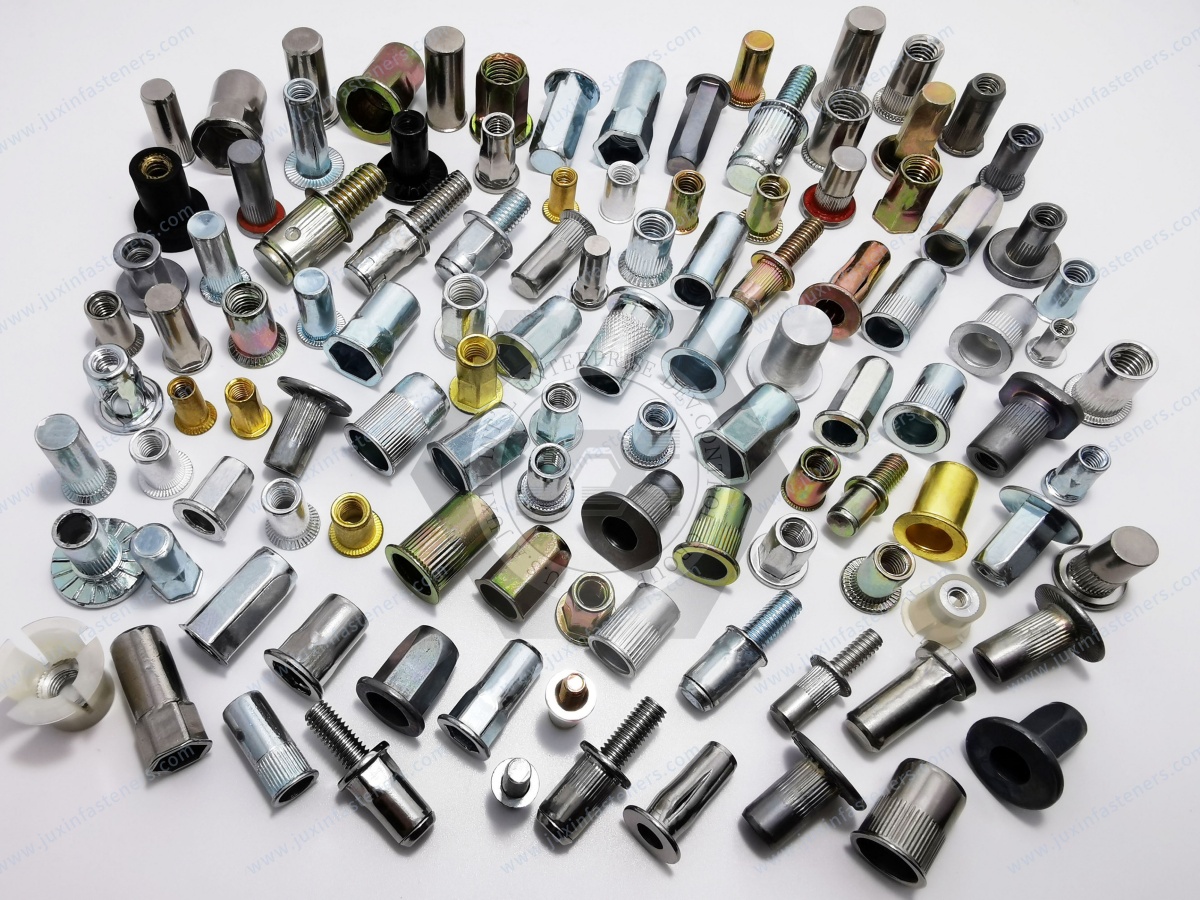
There is no single universal answer when comparing rivet nuts vs weld nuts.
The best fastening solution depends on:
Material type
Structural requirements
Installation environment
Production process
Maintenance requirements
Blind rivet nuts provide flexibility, lightweight design, and reusable threads, while weld nuts deliver maximum strength for permanent steel structures.
For modern automotive, EV battery, industrial equipment, and sheet metal applications, many engineers choose a combination of both technologies to achieve optimal performance.
Juxin Fasteners provides professional rivet nut and weld nut solutions for OEM manufacturers and engineering companies worldwide.
Contact Juxin Fasteners for customized fastening solutions:
Email: info@juxinfasteners.com
 MORE NEWS
Sep. 27, 2026
Sep. 27, 2026
Sep. 27, 2026
Contact Us
Tel.:
+86 020 8621 0320
+86 020 3121 6067
E-mail:
Technical Support:
Navigation
SEND INQUIREY