How Screw Connections Work
A screw connection relies on the interaction between external threads and internal threads. When torque is applied during tightening, rotational movement is converted into axial clamping force. This preload securely compresses the mating components together while friction between thread surfaces prevents loosening under normal operating conditions.
A properly designed threaded joint provides:
High clamping force
Reliable load distribution
Excellent vibration resistance (with locking solutions)
Easy maintenance and replacement
Cost-effective assembly
Long service life
The performance of any threaded connection depends on proper fastener selection, tightening torque, material compatibility, surface treatment, and application environment.
Main Types of Screw Connections
1. Bolt and Nut Connections
Bolt connections are the most common fastening method for structural assemblies.
A bolt passes through clearance holes in the connected components and is secured using a matching nut.
Advantages
Easy installation
Suitable for repeated assembly
No internal thread required
Applicable to various materials
Excellent for heavy-duty structural applications
Typical Products
2. Machine Screw Connections
Machine screws are installed directly into threaded holes without using nuts.
This fastening method is ideal where installation space is limited or only one side of the assembly is accessible.
Applications
Electronic equipment
Medical devices
Industrial machinery
Precision instruments
Automation equipment
3. Set Screw Connections
Set screws secure one component against another by pressing directly onto the mating part.
They are commonly used to fix:
4. Stud Connections
Studs feature threads on both ends and are commonly used for applications requiring frequent maintenance.
Typical industries include:
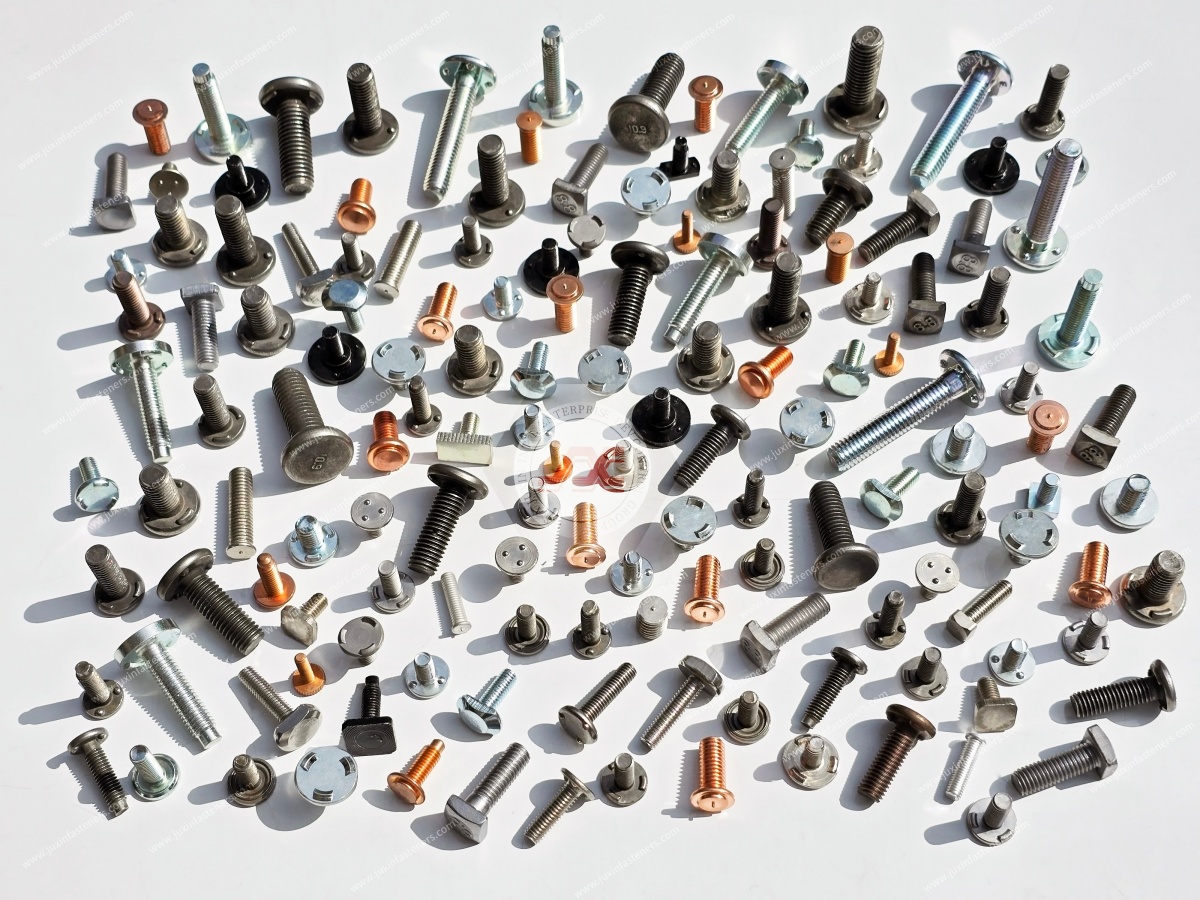
Key Advantages of Screw Connections
Easy Installation and Maintenance
Threaded fasteners allow quick assembly and disassembly without damaging connected components.
Adjustable Clamping Force
Proper tightening torque provides precise preload according to engineering requirements.
High Reliability
When correctly selected and installed, screw connections deliver outstanding mechanical strength and long-term durability.
Standardized Manufacturing
International standards including DIN, ISO, ANSI, and IFI ensure global interchangeability and simplified procurement.
Cost-Effective Solution
Standard fasteners significantly reduce manufacturing costs while improving assembly efficiency.
Industrial Applications of Screw Fasteners
Automotive Manufacturing
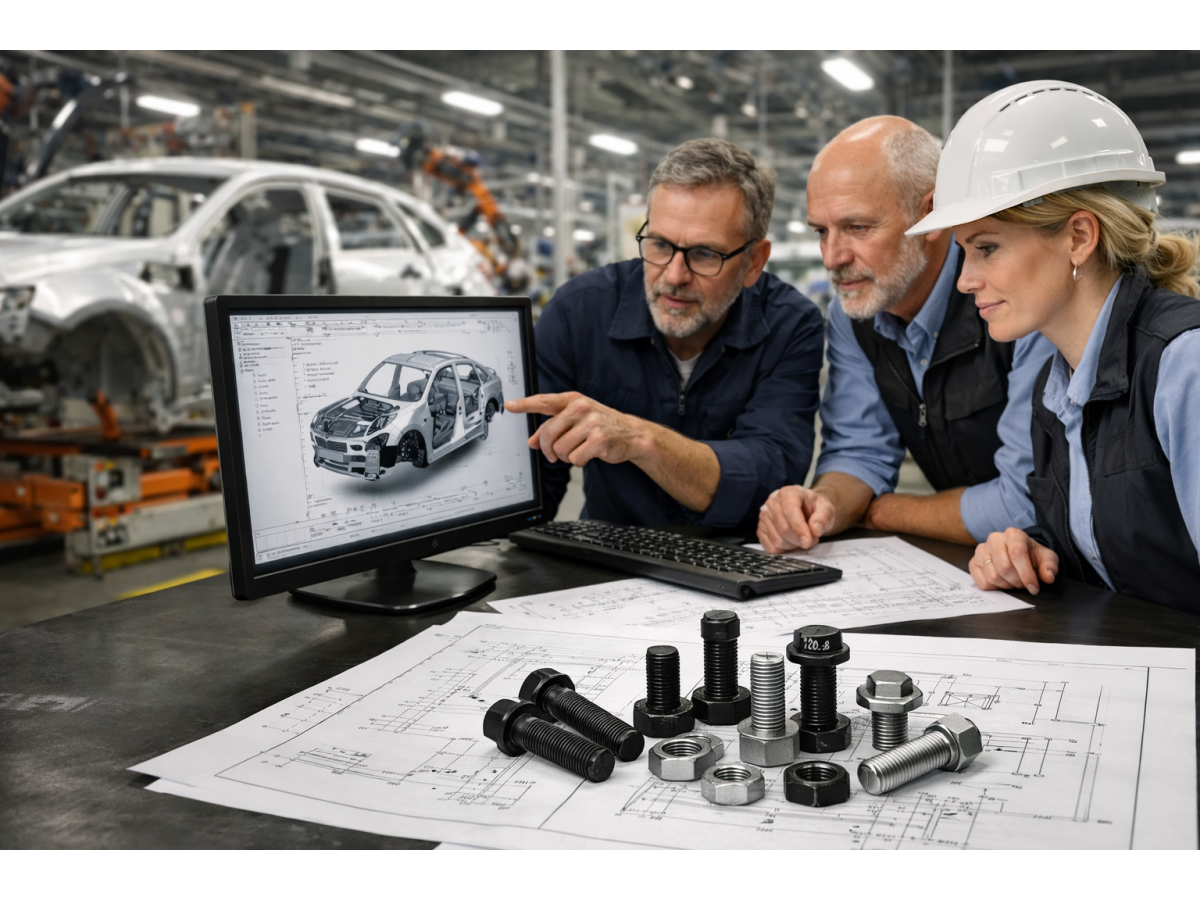
Modern vehicles contain thousands of threaded fasteners used throughout:
Body assemblies
Chassis systems
Suspension
Engines
Transmission systems
Battery packs
Electric vehicles (EV)
Recommended products:
Hex Flange Bolts
Weld Nuts
Projection Weld Nuts
Thread Insert Nuts
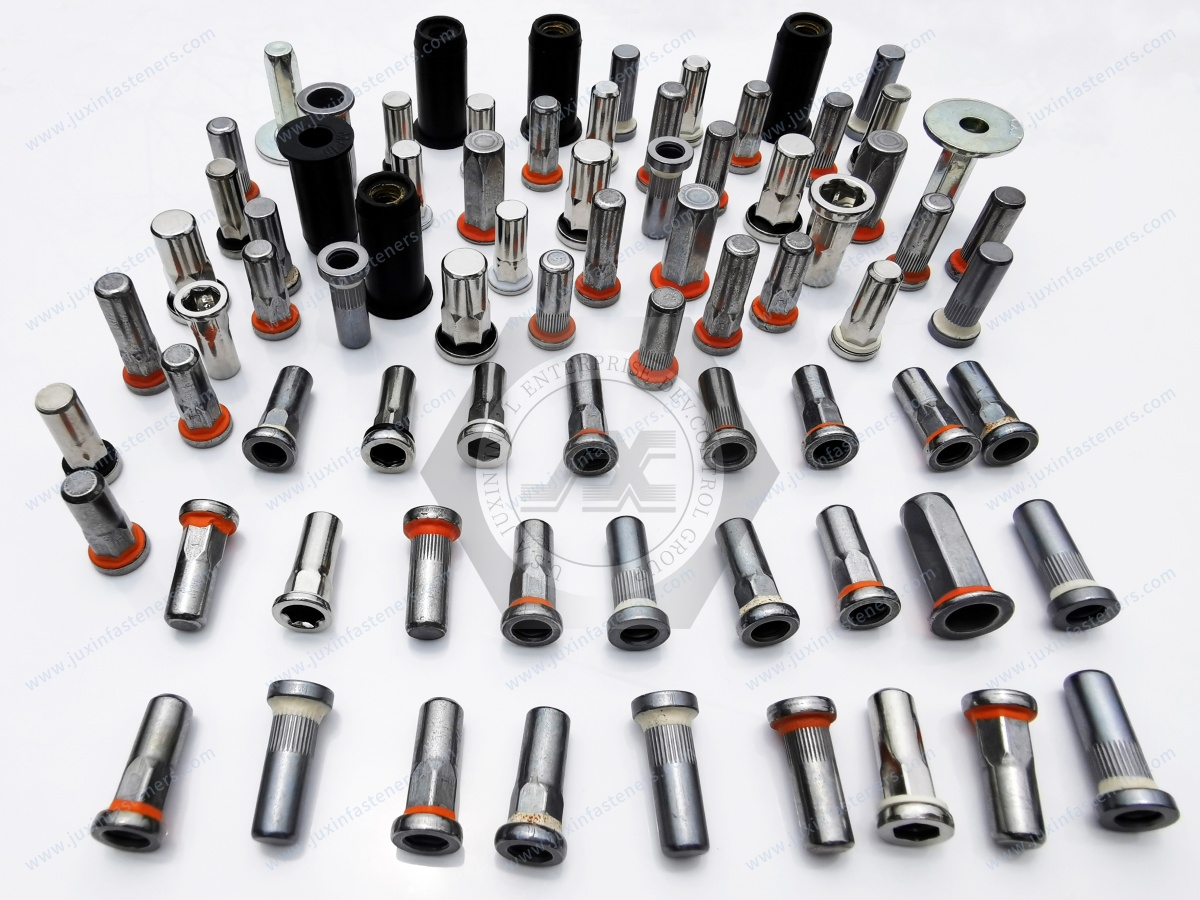
Rivet Nuts
Nylon Insert Lock Nuts
Self-Clinching Fasteners
Electric Vehicle (EV) Battery Systems
EV battery packs require lightweight, corrosion-resistant fastening systems capable of withstanding vibration and thermal cycling.
Typical fastening solutions include:
Industrial Machinery
Industrial equipment relies on threaded fasteners for:
Machine frames
Gearboxes
Hydraulic systems
Conveyors
Automation equipment
Robotics
Reliable fasteners reduce maintenance costs while improving operational uptime.
Construction and Steel Structures
Construction projects depend on high-strength fasteners for structural integrity.
Applications include:
Steel structures
Bridges
Building frameworks
Curtain walls
Mechanical installations
HVAC systems
Electronics and Electrical Equipment
Miniature threaded fasteners provide secure assembly for:
Control cabinets
Electrical enclosures
Circuit boards
Communication equipment
Consumer electronics
Industrial electronics
Telecommunications
Communication equipment requires corrosion-resistant fasteners with long outdoor service life.
Typical products include:
Stainless Steel Screws
Nylon Rivets
Plastic Fasteners
Thread Forming Screws
Medical Equipment
Medical devices require precision fasteners with exceptional cleanliness and corrosion resistance.
Common materials include:
Stainless Steel 304
Stainless Steel 316
Titanium Fasteners
Applications:
Renewable Energy
Renewable energy systems operate in demanding outdoor environments.
Applications include:
Recommended coatings:
Zinc Nickel
Geomet
Dacromet
Hot Dip Galvanized
Stainless Steel
Common Materials for Screw Fasteners
Choosing the correct material is critical to fastening performance.
Common materials include:
Carbon Steel
Stainless Steel
Excellent corrosion resistance
Suitable for marine and food equipment
Ideal for outdoor applications
Grades include:
Alloy Steel
Designed for high-load structural applications requiring superior tensile strength.
Typical grades:
Class 8.8
Class 10.9
Class 12.9
Aluminum
Titanium
Exceptional strength-to-weight ratio
Outstanding corrosion resistance
Ideal for aerospace and medical industries
Surface Treatments for Longer Service Life
Protective coatings significantly improve corrosion resistance and durability.
Common finishes include:
Zinc Plating
Zinc Nickel Plating
Mechanical Galvanizing
Hot Dip Galvanizing
Dacromet
Geomet
Black Oxide
Phosphate Coating
PTFE Coating
Passivation
Surface treatment selection depends on:
Preventing Screw Loosening
Vibration can reduce preload over time. Common anti-loosening solutions include:
Nylon Insert Lock Nuts
All Metal Lock Nuts
Prevailing Torque Nuts
Serrated Flange Nuts
Thread Locking Adhesives
Spring Washers
Nord-Lock Washers
Safety Wire
Proper Torque Control
Proper engineering design and installation are essential for maintaining joint integrity.
Selecting the Right Fastener for Your Project
Professional engineers typically evaluate:
Selecting the correct fastening solution improves product reliability, reduces maintenance costs, and extends service life.
Why Choose JUXIN Fasteners?
JUXIN Fasteners is a trusted manufacturer and global supplier of industrial fastening solutions for OEMs, distributors, and engineering companies.
We provide:
OEM & ODM Manufacturing
DIN, ISO, ANSI & Custom Fasteners
Carbon Steel, Stainless Steel & Alloy Steel Products
Precision Cold Forming & CNC Machining
Professional Surface Treatments
Strict Quality Control
Stable Global Supply Chain
Engineering Technical Support
Custom Packaging
Worldwide Export Experience
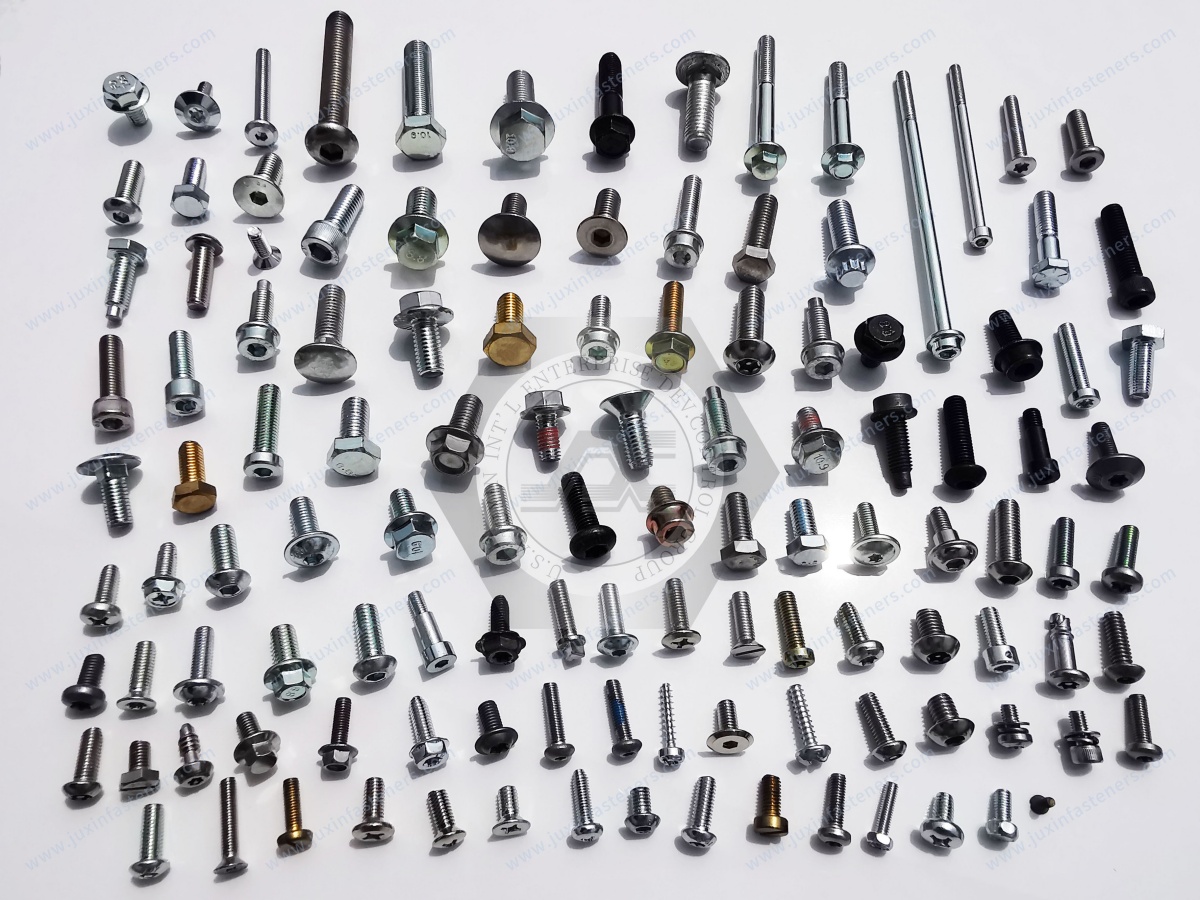
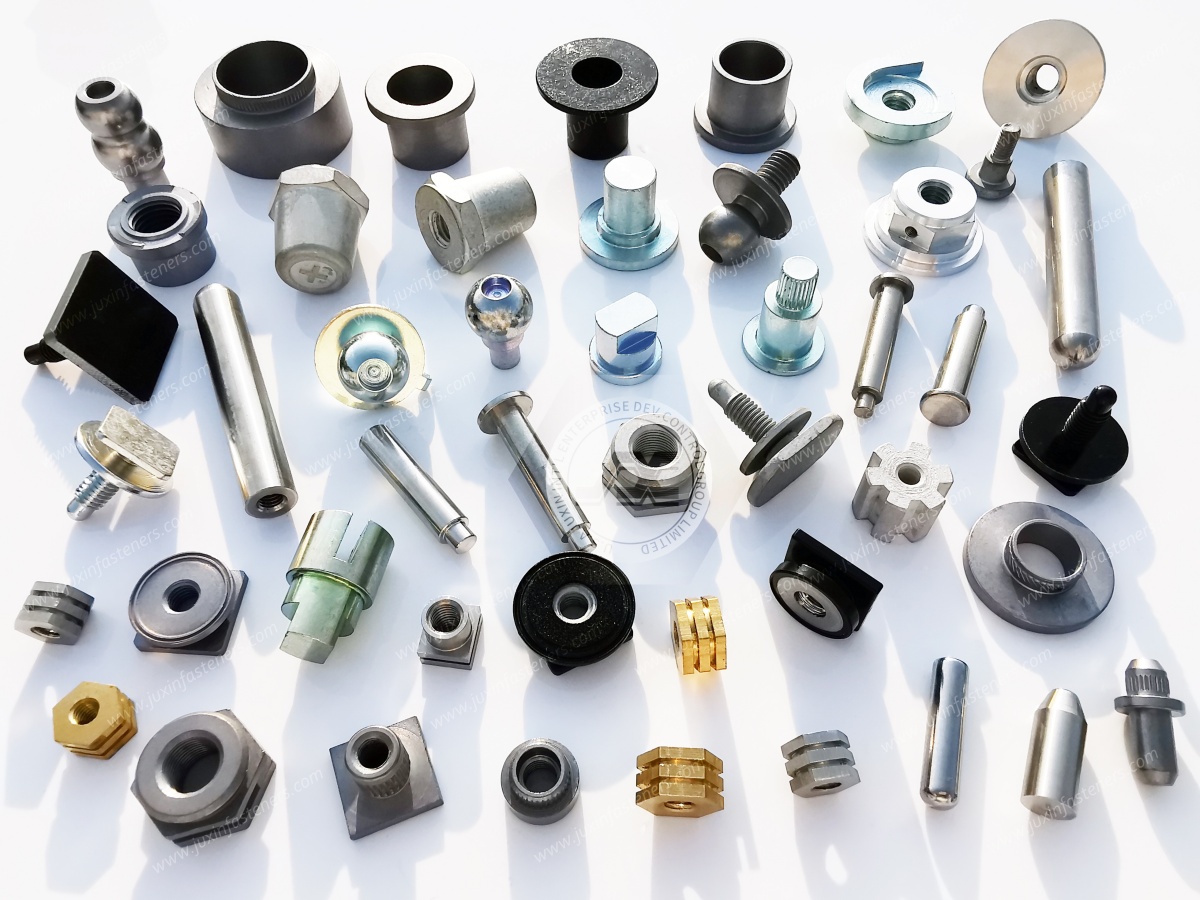
Our product range includes:
Whether your project involves automotive manufacturing, industrial automation, renewable energy, electronics, medical equipment, telecommunications, or heavy machinery, our engineering team can help you select the most suitable fastening solution.
Frequently Asked Questions (FAQ)
What is a screw connection?
A screw connection is a removable mechanical joint created by engaging external and internal threads to generate clamping force between two or more components.
What are the advantages of threaded fasteners?
They offer easy assembly and disassembly, high strength, adjustability, standardized dimensions, and cost-effective maintenance.
Which industries use screw fasteners?
Screw fasteners are widely used in automotive, EV battery systems, industrial machinery, electronics, telecommunications, medical equipment, construction, renewable energy, aerospace, furniture, and household appliances.
Which material is best for corrosion resistance?
Stainless steel (304/316), zinc-nickel plated carbon steel, and Geomet-coated fasteners provide excellent corrosion resistance depending on the operating environment.
How can screw loosening be prevented?
Using locking nuts, prevailing torque fasteners, thread-locking adhesives, proper torque control, and engineered locking systems can significantly reduce loosening caused by vibration.
Contact JUXIN Fasteners
Looking for reliable industrial fastening solutions, custom fasteners, or professional engineering support?
JUXIN Fasteners supplies high-quality threaded fasteners, screws, bolts, nuts, weld fasteners, rivet nuts, and customized fastening solutions for OEM manufacturers worldwide.
Website: https://www.juxinfasteners.com
Email: info@juxinfasteners.com
Partner with JUXIN Fasteners to improve assembly reliability, reduce production costs, and ensure long-term fastening performance for your industrial applications.


 MORE NEWS