
Call Us
+86 136 6007 9809
Call Us
+86 136 6007 9809

Jul. 21, 2024
Choosing the right fastener material is essential for ensuring product reliability, structural safety, and long-term performance. Among premium fastening materials, titanium screws and stainless steel screws are two of the most widely used solutions for demanding industrial applications.
Although both materials offer excellent corrosion resistance and durability, they differ significantly in weight, mechanical properties, corrosion resistance, temperature performance, biocompatibility, and overall cost.
For engineers, designers, and procurement professionals, understanding these differences is critical when selecting fasteners for aerospace, medical devices, automotive systems, marine equipment, electronics, and industrial machinery.
This guide provides a comprehensive comparison of titanium fasteners and stainless steel fasteners, helping you determine the most suitable solution for your project.
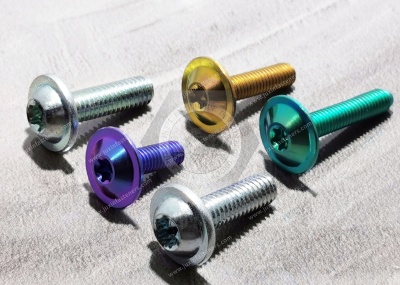
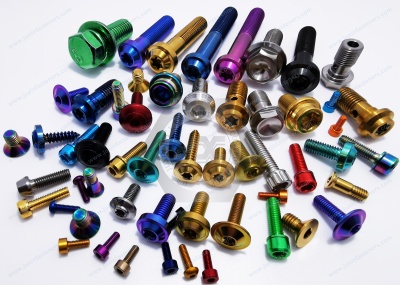
Titanium screws are high-performance fasteners manufactured from commercially pure titanium or titanium alloys, with Grade 5 Titanium (Ti-6Al-4V) being the most widely used engineering material.
Titanium fasteners are recognized for their:
Exceptional strength-to-weight ratio
Outstanding corrosion resistance
Excellent fatigue resistance
High temperature stability
Non-magnetic properties
Excellent biocompatibility
Unlike conventional steel fasteners, titanium screws deliver high mechanical performance while weighing significantly less, making them ideal for applications where reducing weight is critical.
Common titanium fasteners include:
Titanium Socket Head Cap Screws
Titanium Hex Head Bolts
Titanium Button Head Screws
Titanium Flat Head Screws
Titanium Pan Head Phillips Screws
Titanium Set Screws
Titanium Machine Screws
Titanium Flange Bolts
Custom Titanium Fasteners
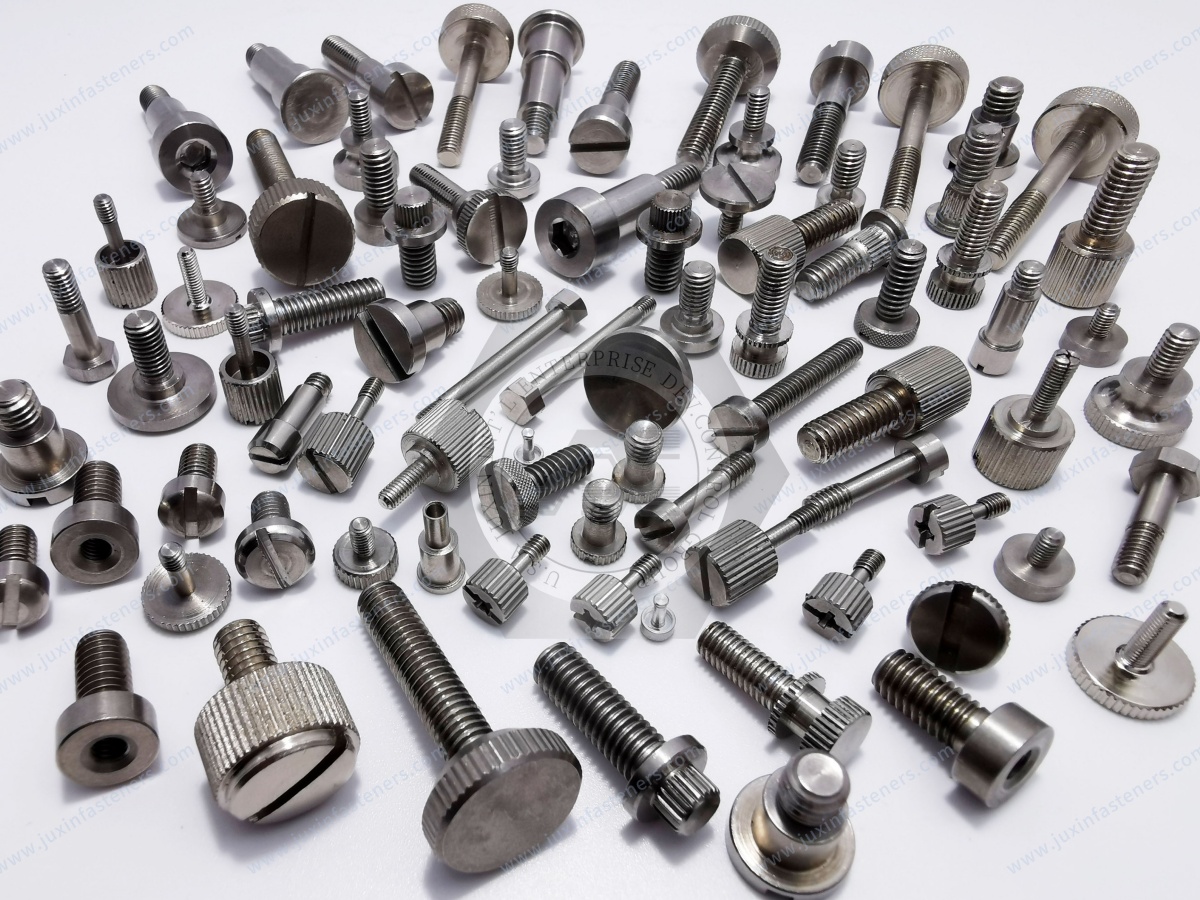
Stainless steel screws are corrosion-resistant fasteners manufactured from chromium-containing stainless steel alloys.
Common materials include:
304 Stainless Steel (A2)
316 Stainless Steel (A4)
316L Stainless Steel
321 Stainless Steel
410 Stainless Steel
18-8 Stainless Steel
These fasteners develop a passive chromium oxide layer that continuously protects the surface from corrosion without requiring additional coatings.
Popular stainless steel products include:
Stainless Steel Socket Head Cap Screws
Stainless Steel Hex Bolts
Stainless Steel Machine Screws
Stainless Steel Button Head Screws
Stainless Steel Self-Tapping Screws
Stainless Steel Set Screws
| Property | Titanium Screws | Stainless Steel Screws |
|---|---|---|
| Density | Approximately 4.5 g/cm³ | Approximately 7.9–8.0 g/cm³ |
| Weight | About 40–45% lighter | Heavier |
| Strength-to-Weight Ratio | Excellent | Good |
| Corrosion Resistance | Outstanding | Excellent |
| Saltwater Resistance | Excellent | Excellent (316) |
| Acid Resistance | Excellent (depends on acid type) | Good to Excellent |
| Fatigue Resistance | Excellent | Good |
| High Temperature Performance | Excellent | Good |
| Magnetic Properties | Non-magnetic | Mostly non-magnetic (A2/A4) |
| Biocompatibility | Excellent | Good |
| Cost | Premium | More economical |
Many people assume titanium screws are always stronger than stainless steel screws. In reality, the answer depends on the specific material grade.
Typical values include:
| Material | Typical Tensile Strength |
|---|---|
| 304 Stainless Steel (A2-70) | 700 MPa |
| 316 Stainless Steel (A4-70) | 700 MPa |
| 316 Stainless Steel (A4-80) | 800 MPa |
| Grade 5 Titanium (Ti-6Al-4V) | Approximately 950–1,100 MPa |
While premium titanium alloys can achieve higher tensile strength than common stainless steel grades, titanium's greatest advantage is its exceptional strength-to-weight ratio, rather than maximum strength alone.
For lightweight structural assemblies, titanium provides outstanding performance with significantly lower mass.
Weight reduction is one of the primary reasons engineers select titanium fasteners.
Titanium weighs approximately 40–45% less than stainless steel while maintaining comparable or superior mechanical performance.
This makes titanium screws especially valuable in applications where every gram matters, such as:
Aircraft
Satellites
Racing vehicles
Electric vehicles
High-performance bicycles
Robotics
Precision instruments
Reducing fastener weight can improve fuel efficiency, energy consumption, and overall system performance.
Both titanium and stainless steel provide excellent corrosion resistance, but they perform differently in aggressive environments.
Titanium naturally forms an extremely stable oxide layer that resists:
Saltwater
Chlorides
Seawater
Most acids
Oxidizing chemicals
Marine atmospheres
Titanium also offers exceptional resistance to corrosion fatigue and stress corrosion cracking.
304 stainless steel performs well in most indoor and general industrial environments.
316 stainless steel offers improved resistance to:
Saltwater
Coastal environments
Food processing
Chemical plants
Water treatment facilities
However, stainless steel may still experience pitting or crevice corrosion in highly concentrated chloride environments where titanium continues to perform reliably.
Titanium fasteners maintain excellent mechanical properties across a broad temperature range and are commonly used in aerospace engines, turbines, and high-performance industrial equipment.
Stainless steel also performs well at elevated temperatures but is generally selected for applications where corrosion resistance and cost-effectiveness are the primary considerations.
Titanium is one of the most biocompatible engineering materials available.
Because titanium is non-toxic, non-magnetic, and well tolerated by human tissue, it is widely used in:
Dental implants
Orthopedic implants
Bone fixation systems
Surgical instruments
Medical equipment
Although stainless steel is also used in medical devices, titanium remains the preferred material for long-term implant applications.
Titanium fasteners require specialized raw materials, machining processes, and manufacturing technologies, making them considerably more expensive than stainless steel screws.
For projects where weight savings and extreme performance are not critical, stainless steel often provides the best balance of cost, corrosion resistance, and durability.
Aerospace Manufacturing
Aircraft Structures
Space Exploration Equipment
Medical Devices
Orthopedic Implants
Dental Equipment
High-Performance Automotive
Electric Vehicles
Racing Components
Marine Engineering
Offshore Equipment
Robotics
Semiconductor Equipment
Chemical Processing
Precision Electronics
Food Processing Equipment
Pharmaceutical Machinery
Industrial Automation
Construction Equipment
HVAC Systems
Water Treatment Plants
Marine Hardware
Kitchen Equipment
Agricultural Machinery
Sheet Metal Fabrication
Telecommunications Equipment
Electrical Cabinets
Renewable Energy Systems
General Manufacturing
Choose Titanium Screws when your project requires:
Maximum weight reduction
High strength-to-weight ratio
Aerospace-grade performance
Medical-grade biocompatibility
Exceptional corrosion resistance
Long-term reliability in aggressive environments
Choose Stainless Steel Screws when your project requires:
Excellent corrosion resistance
Competitive cost
General industrial performance
Food-grade applications
Marine equipment (316 stainless steel)
Reliable long-term fastening for commercial products
High-quality titanium and stainless steel fasteners are commonly manufactured according to international standards, including:
ISO 4762
DIN 912
ISO 4014
ISO 4017
ASTM F468
ASTM F593
ASTM B348 (Titanium Materials)
ISO 3506 (Stainless Steel Fasteners)
ASME B18.3
These standards ensure consistent dimensions, mechanical properties, and interchangeability across global industries.
JUXIN FASTENERS specializes in manufacturing high-quality OEM fasteners and custom precision components for global industrial customers.
Our product range includes:
Titanium Screws
Titanium Bolts
Titanium Nuts
Stainless Steel Screws
Stainless Steel Bolts
Socket Head Cap Screws
Hex Head Bolts
Machine Screws
Weld Screws
Weld Nuts
Rivet Nuts
Thread Insert Nuts
Custom Cold Forged Fasteners
CNC Precision Fasteners
We serve customers across a wide range of industries, including:
Aerospace
Medical Devices
Automotive
Electric Vehicles (EV)
Industrial Automation
Marine Engineering
Renewable Energy
Electronics Manufacturing
Food Processing Equipment
Chemical Processing
Telecommunications
Construction Equipment
With advanced manufacturing technology, precision machining, strict quality control, and comprehensive engineering support, JUXIN FASTENERS delivers reliable fastening solutions tailored to demanding OEM applications worldwide.
Not always. Premium titanium alloys such as Grade 5 titanium generally provide higher tensile strength than common A2-70 or A4-70 stainless steel. However, material selection should consider strength, weight, corrosion resistance, fatigue performance, and cost—not tensile strength alone.
Titanium is more costly due to expensive raw materials, difficult machining, slower manufacturing processes, and specialized production equipment.
Titanium does not rust like carbon steel and offers exceptional corrosion resistance, even in seawater, chloride-rich environments, and many chemical applications.
Both materials perform well. 316 stainless steel is suitable for most marine applications, while titanium is preferred for highly corrosive offshore environments where maximum service life and minimal maintenance are required.
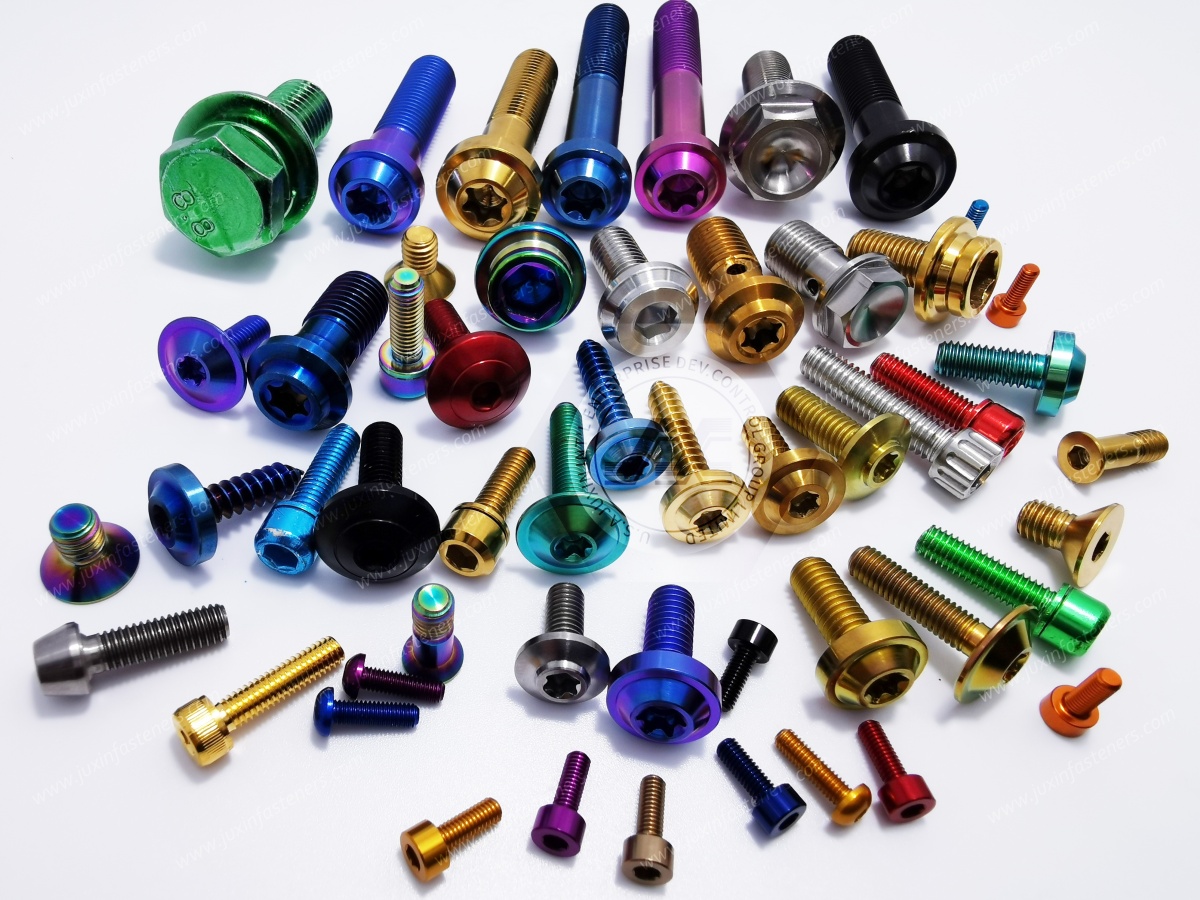
Whether you need titanium screws, stainless steel screws, custom OEM fasteners, or precision-engineered fastening solutions, JUXIN FASTENERS provides reliable products backed by engineering expertise and strict quality control.
Our technical team can help you select the optimal material, strength grade, thread type, and surface finish for your specific application.
Email: info@juxinfasteners.com
Website: https://www.juxinfasteners.com
 MORE NEWS
Sep. 27, 2026
Sep. 27, 2026
Sep. 27, 2026
Contact Us
Tel.:
+86 020 8621 0320
+86 020 3121 6067
E-mail:
Technical Support:
Navigation
SEND INQUIREY