
Call Us
+86 136 6007 9809
Call Us
+86 136 6007 9809

May. 24, 2026
Technical Solution: High-Performance Blind Rivet Systems for High-Speed Rail Manufacturing
The manufacturing of modern high-speed rolling stock requires engineering techniques that balance structural integrity, aerodynamic efficiency, and lightweighting. As trainsets cross the 300 km/h threshold, their car bodies are subjected to severe aerodynamic drag, high-frequency cyclic loading, and intense structural fatigue. To maintain safety and longevity under these operational conditions, assembly lines require fastening technologies that securely and permanently join high-strength materials.
In advanced rolling stock assembly, blind-rivet rail systems are a critical technology for non-accessible structural joints. When components are boxed, enclosed, or accessible from only one side, heavy-duty structural blind rivets provide an unyielding, permanent fastening solution that replaces traditional labor-intensive welding and heavy bolting systems.
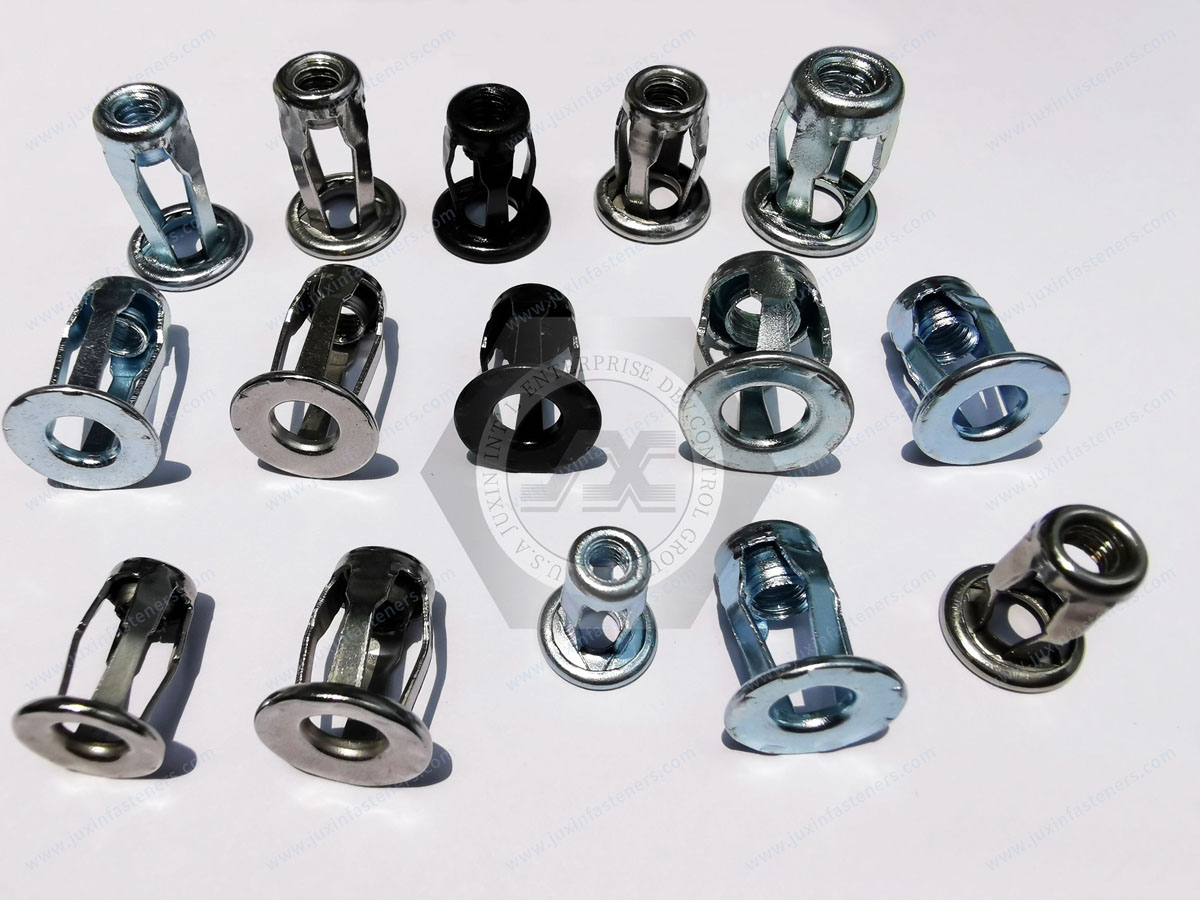
Technical Classifications of Structural Blind Rivets
Standard commercial rivets cannot withstand the immense dynamic stresses found in high-speed rail environments. Our engineered blind rivet rail systems feature specialized mechanical locking mechanisms designed for heavy industry applications:
Internal Locking Pull-Mandrel Rivets: Engineered for critical structural joints, these fasteners feature an internal mandrel-locking mechanism that retains the rivet core permanently after installation. This creates a solid, flush break that delivers exceptional shear and tensile strength, comparable to that of solid pins.
Multi-Grip Rivets: Designed with an adaptable operational grip range, these rivets accommodate varying material thicknesses. For rail assembly lines, this significantly reduces inventory complexity (SKU consolidation) while compensating for minor variations in component tolerances.
Bulb-Type Structural Rivet Systems: Upon installation, the blind side of the rivet forms a wide, broad "bulb" footprint. This large bearing surface distributes the clamping force evenly across thin-gauge sheets or composite materials, preventing cracking, pulling through, or material deformation under high wind pressures.
Critical Performance Benefits in High-Speed Environments
Integrating precision-engineered structural blind rivets into transit manufacturing directly optimizes assembly performance and vehicle reliability:
High Shear Strength: Fabricated from premium, high-tensile carbon steel, stainless steel, or specialized aluminum alloys, our structural rivets offer the high shear and tensile load-bearing capacities required to withstand continuous aerodynamic buffeting and twisting forces.
Permanent Mechanical Locking: Unlike standard threaded fasteners that can back off over time, the mechanical deformation of a structural blind rivet ensures a permanent lock. The retained mandrel core provides a solid cross-section that prevents structural shifting under extreme load.
Vibration-Resistant Structure: The radial expansion of the rivet body during installation ensures filled holes. This tight, zero-tolerance fit eliminates micro-movements within the joint, providing superior vibration resistance and preventing fatigue failure in the surrounding metal.
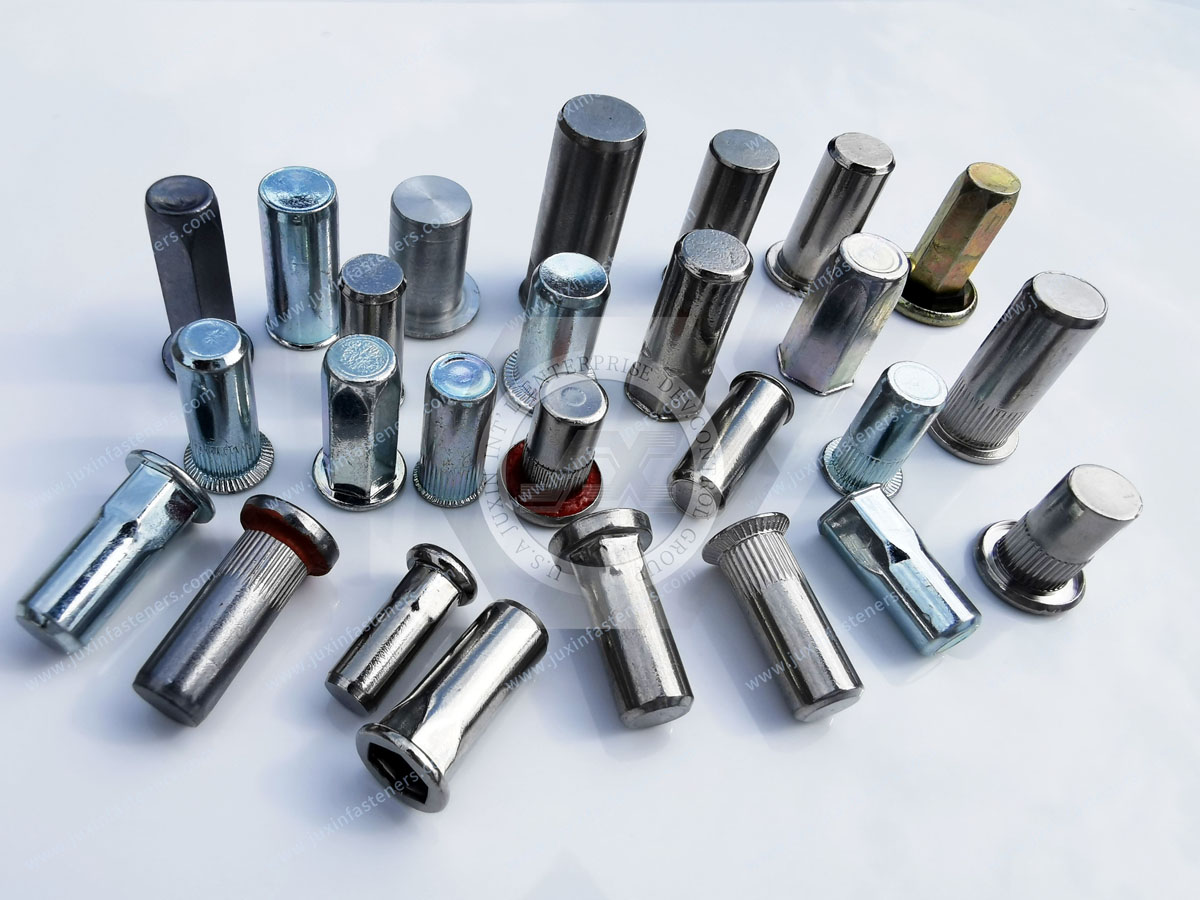
Strategic Applications in Next-Generation Trainsets
The unique mechanical properties of advanced blind rivet rail systems make them essential across several key manufacturing stages:
1. Carbody Skins and Aerodynamic Fairings
Securing external sheets and roof structures requires completely flush, vibration-proof joints. Structural blind rivets allow workers to mount exterior carbody skins quickly and securely, creating clean, aerodynamically efficient profiles that withstand extreme pressure differentials during high-speed tunnel passages.
2. Interior Trim and Panel Systems
Modern passenger carriages utilize complex modular lining, ductwork, and partition systems. Blind rivets allow these interior assemblies to be fastened directly onto the vehicle's structural frame from the cabin side, accelerating interior outfitting and ensuring a rattle-free passenger environment.
3. Lightweight Aluminum Structures
To reduce axle load and maximize energy efficiency, modern high-speed trains rely extensively on extruded aluminum profiles and honeycomb sandwich panels. Cold mechanical fastening with blind rivets eliminates the risks of thermal distortion, micro-cracking, and heat-affected zones (HAZ) associated with welding aluminum alloys.
Engineer and Procurement Support
As a tier-one supplier to the global transportation sector, our engineering team provides complete technical validation to streamline your procurement process. We offer comprehensive shear/tensile test documentation, corrosion-resistance data (salt-spray testing), and installation-tooling integration.
To request digital CAD models, physical samples for line trials, or a custom joint analysis for your specific high-speed rail project, contact our technical applications engineering department today.

 MORE NEWS
Sep. 27, 2026
Sep. 27, 2026
Sep. 27, 2026
Contact Us
Tel.:
+86 020 8621 0320
+86 020 3121 6067
E-mail:
Technical Support:
Navigation
SEND INQUIREY