
Call Us
+86 136 6007 9809
Call Us
+86 136 6007 9809

May. 24, 2026
Railway Bogie Bolt Locking Solutions: Prevailing-Torque Nuts, Preload Control and Vibration Resistance
Engineering Guidance for Rail Transit Bolted Joints, Wheelset-Related Assemblies and OEM Fastener Qualification
Railway rolling stock contains bolted connections exposed to repeated mechanical loading, vibration, temperature variation and long service-life requirements.
Bogie frames, suspension components, brake equipment, axlebox-related assemblies and auxiliary undercarriage equipment each present different fastening challenges.
In safety-critical applications, the consequences of an incorrectly designed or installed bolted joint can be severe.
Railway bolt anti-loosening systems must therefore be evaluated as complete mechanical connections rather than combinations of high-strength bolts and locking accessories.
The effectiveness of a bolted joint depends on the relationship between fastener strength, initial preload,
joint stiffness, external loading, bearing surfaces, friction, locking mechanism, installation method and maintenance requirements.
Prevailing-torque lock nuts, all-metal locking nuts, flange lock nuts and wedge-locking washer systems represent different approaches to controlling rotational loosening.
However, none can independently guarantee that a railway joint will retain its original clamp load throughout service.
Juxin Fasteners supplies industrial locking nut configurations, including all-metal prevailing-torque nuts,
nylon-insert lock nuts, flange lock nuts and drawing-based custom fastening components.
This technical guide explains the engineering principles behind vibration-resistant bolted joints and the requirements for evaluating locking fasteners in railway applications.
For wheelset, axle, primary bogie and other safety-critical connections,
component suitability must be established through the responsible railway manufacturer's engineering approval and qualification process.
Why Railway Bolted Joints Can Lose Preload
A bolted joint relies on controlled elastic deformation of the fastener and clamped components to generate a clamping force.
This clamping force is commonly called preload.
Proper preload helps maintain contact between the joined components and influences their resistance to slip, separation and fatigue.
However, preload may decrease during installation or service.
Settlement and Embedment
Surface roughness, coatings and contact interfaces can deform after tightening.
This may reduce the effective elastic extension of the bolt and therefore reduce preload.
Joint Relaxation
Certain materials, coatings or joint components may experience time-dependent deformation.
The resulting change in joint thickness can reduce clamping force.
Transverse Vibration
Repeated movement perpendicular to the bolt axis can promote rotational self-loosening under certain joint conditions.
Thermal Expansion
Different materials expand and contract at different rates.
Temperature variation can alter bolt extension and joint preload.
External Loading
Repeated axial, transverse or bending loads may affect the joint's contact condition and fatigue performance.
Engineering Distinction
Loss of preload and rotational self-loosening are related but different phenomena.
A locking nut may resist rotation without preventing all preload losses caused by settlement, thermal effects or deformation.
Railway Wheelset and Bogie Applications: Understanding the Safety Boundary
The term wheel bolt anti-loosening system requires careful interpretation in railway engineering.
A railway wheelset is not necessarily constructed like an automotive road wheel secured by conventional wheel studs and wheel nuts.
Many railway wheelsets use wheels mounted onto axles through engineered interference-fit arrangements.
Other railway components may use specialized bolted interfaces.
Consequently, automotive wheel nuts should not be assumed interchangeable with railway wheelset fastening components.
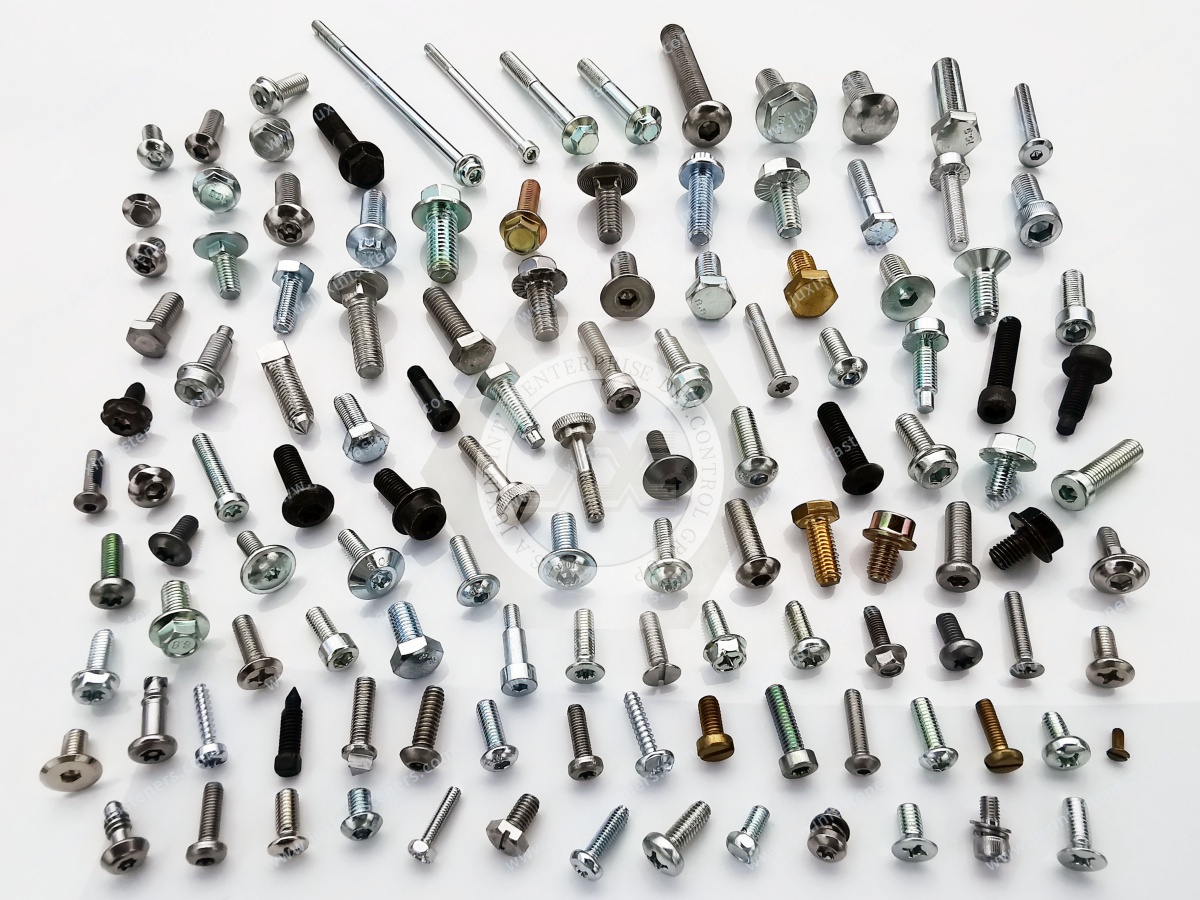
Wheelset-Related Assemblies
Wheelset-related equipment may include specialized mechanical connections subject to strict design and maintenance requirements.
Any locking fastener used in these assemblies requires the appropriate project-specific qualification.
Bogie Equipment Mounting
Bogie assemblies may contain bolted connections for selected brackets, equipment supports and other components.
Their mechanical requirements depend on location, loading and failure consequences.
Brake Equipment
Brake-related mounting connections can experience vibration, repeated loading and temperature changes.
Safety-critical brake connections require dedicated engineering specifications and approval.
Suspension and Axlebox-Related Components
These components may experience complex dynamic loads.
The appropriate locking method must be established by the responsible railway design authority.
Auxiliary Underframe Equipment
Selected auxiliary mounting applications may offer opportunities for standard or customized industrial locking fasteners, subject to load assessment and customer approval.
Important Product Qualification
Juxin Fasteners' supply of industrial locking nuts does not, by itself, establish approval for primary wheelset, axle, brake or bogie safety-critical connections.
How All-Metal Prevailing-Torque Lock Nuts Work
All-metal prevailing-torque nuts use a metallic locking feature to create resistance to rotation on the mating screw thread.
Depending on the design, the locking effect may result from controlled thread deformation or another engineered metallic feature.
Unlike a conventional free-running nut, a prevailing-torque nut produces rotational resistance before the final bearing surface is fully seated.
Potential Advantages
Metallic locking construction
Resistance to unintended rotation
Compatibility with selected industrial vibration applications
No polymer locking insert
Availability in different nut geometries
Engineering Considerations
Internal thread specification
Bolt thread tolerance
Nut property class
Locking feature geometry
Prevailing torque
Installation torque
Removal torque
Reuse requirements
Surface coating
Operating temperature
Important Limitation
All-metal construction does not mean that the nut is universally vibration-proof.
The locking performance must be evaluated in the intended bolted joint.
Prevailing Torque Is Not Clamp Load
This is one of the most important distinctions in locking fastener selection.
Prevailing torque is the rotational resistance generated by the locking feature during thread engagement.
Clamp load is the axial force that holds the joined components together.
When a prevailing-torque nut is tightened, part of the applied torque is consumed by its locking feature.
Other portions are consumed by thread friction and bearing friction.
Only part of the tightening process contributes to generating the required bolt tension.
Practical Consequence
Replacing a conventional nut with an all-metal prevailing-torque nut without reviewing the tightening procedure can change the resulting clamp load.
The same indicated torque does not necessarily produce the same preload.
This is especially important for automated railway assembly processes.
ISO 2320: Functional Testing of Prevailing-Torque Nuts
ISO 2320:2015 specifies functional properties for defined categories of prevailing-torque steel nuts.
It covers applicable all-metal and nonmetallic-insert designs within its stated thread, size and mechanical-property scope.
The standard includes requirements related to prevailing torque and torque/clamp-force characteristics.
Important Engineering Considerations
The applicable thread and nut specification must match the standard's scope.
Laboratory prevailing-torque results may differ from application results.
The specified testing conditions must be followed.
Repeated installation and removal may affect locking performance.
Compliance with ISO 2320 does not establish approval for a particular railway safety-critical joint.
All-Metal Lock Nuts Versus Nylon-Insert Lock Nuts
Juxin Fasteners also supplies nylon-insert lock nut configurations.
These locking mechanisms are not interchangeable in every application.
All-Metal Prevailing-Torque Nuts
Use a metallic locking feature to resist rotation.
They may be appropriate where polymeric locking elements are unsuitable, subject to material and performance requirements.
Nylon-Insert Lock Nuts
Use a nonmetallic insert to create rotational resistance on the mating thread.
They may be suitable for selected industrial and auxiliary equipment applications.
Selection Considerations
Temperature exposure
Chemical environment
Required prevailing torque
Reuse requirements
Bolt material
Coating
Assembly process
Customer specification
Important Safety Distinction
A nylon-insert lock nut should not be selected for a railway bogie or wheelset connection merely because it performs adequately in general industrial machinery.
The specific joint must be qualified.
Flange Lock Nuts and Bearing Surface Design
Flange lock nuts combine a locking nut configuration with an enlarged bearing surface.
Depending on the design, a flange may distribute contact pressure over a larger area than a conventional hex nut.
Some designs also incorporate serrated bearing surfaces.
Engineering Considerations
Flange diameter
Bearing surface hardness
Coating compatibility
Tightening friction
Surface damage
Reuse
Joint geometry
Serrated Flanges
Serrations may create additional resistance to rotation through interaction with the mating surface.
However, they can affect coatings and surface condition.
Their suitability must be evaluated for the actual assembly.
Why Flange Geometry Matters
The bearing surface influences friction and load transfer.
Changing the flange configuration may alter the relationship between applied torque and resulting preload.
Wedge-Locking Washer Systems
Wedge-locking washers are a separate class of locking components.
Typical systems use two washers with interacting cam surfaces.
When the joint attempts to rotate in the loosening direction, the cam geometry can oppose rotation by creating an axial wedging effect.
Typical Design Features
Paired cam surfaces
External serrations or other bearing-surface engagement features
Defined washer orientation
Controlled material hardness
Application-specific surface requirements
Engineering Considerations
Bolt property class
Washer material
Washer hardness
Bearing surface
Coating
Installation torque
Joint geometry
Reuse requirements
Important Product Boundary
Wedge-locking systems are represented by specialized manufacturers such as Nord-Lock and HEICO-LOCK.
Juxin Fasteners does not claim that these proprietary systems are its own products or that its locking nuts reproduce their tested performance.
If a railway drawing specifies a proprietary wedge-locking system, any proposed alternative must be independently reviewed and approved.
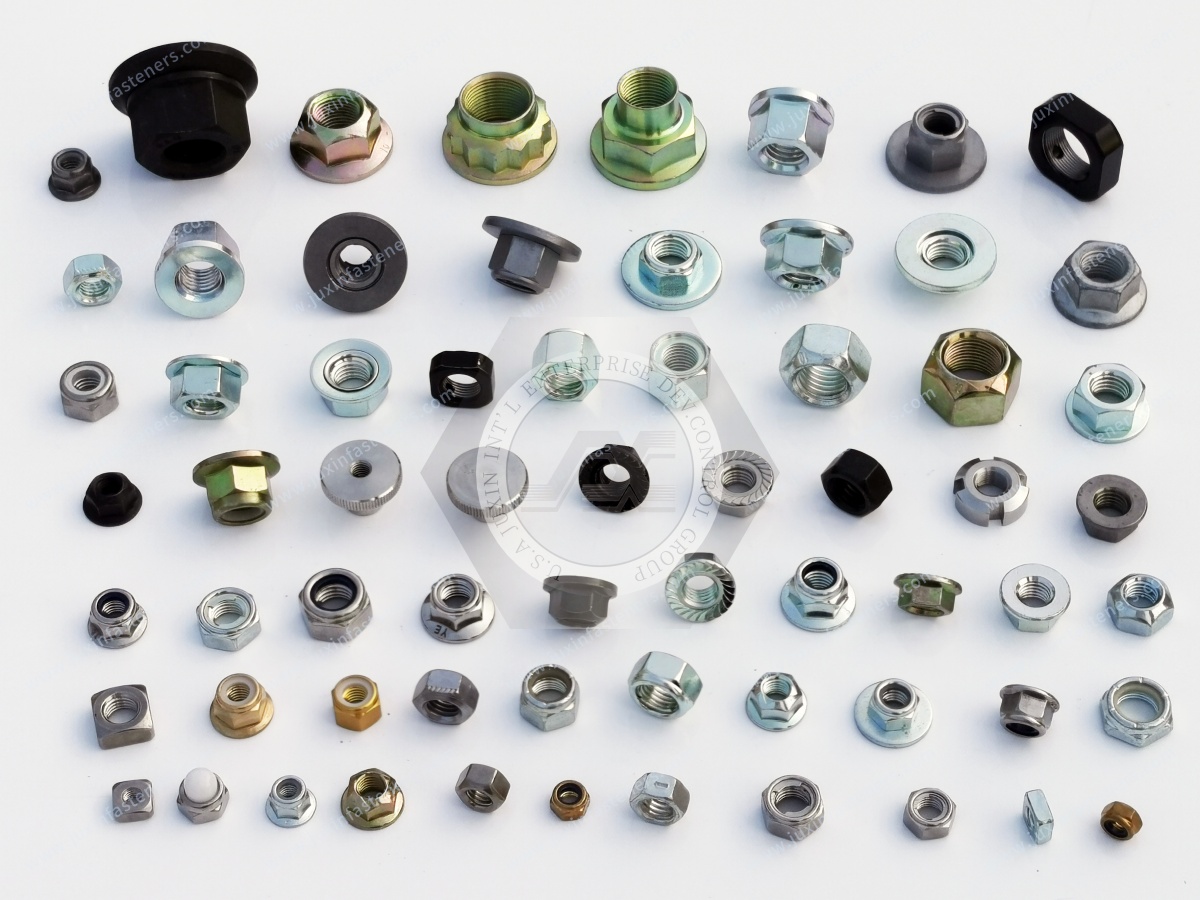
Rotational Locking Does Not Eliminate Every Cause of Preload Loss
Even a well-designed locking system may experience preload reduction caused by:
Settlement
Joint relaxation
Material deformation
Thermal expansion differences
Loss of contact
Component damage
The locking method must therefore be evaluated alongside the joint's stiffness, geometry and loading.
Why High-Strength Bolts Are Not Automatically Safer
High-strength bolts may be necessary for certain mechanical applications.
However, increasing the bolt property class does not automatically improve the reliability of every joint.
Relevant Factors
Bolt tensile capacity
Fatigue performance
Nut compatibility
Thread engagement
Parent material strength
Bearing stress
Tightening procedure
Corrosion
Surface treatment
ISO 898-1
Provides mechanical property requirements for applicable carbon steel and alloy steel bolts, screws and studs.
ISO 898-2
Provides mechanical property requirements for applicable nuts.
Engineering Rule
The selected bolt and nut must form a compatible assembly and meet the requirements of the approved design.
Property classes such as 8.8, 10.9 and 12.9 should not be treated as universal recommendations for railway wheelset or bogie applications.
Bolt Preload and Joint Stiffness
A bolted joint behaves as an elastic system.
When tightened, the bolt stretches while the clamped components are compressed.
The relationship between bolt stiffness and joint stiffness influences how external loading affects the connection.
Design Variables
Bolt diameter
Effective grip length
Threaded length
Joint material
Clamped thickness
Contact geometry
Number of interfaces
External load direction
Short Grip Length
Some short-grip joints can be more sensitive to relatively small amounts of settlement.
Longer Elastic Grip
A suitable joint design may provide a different relationship between bolt elongation and settlement.
However, changing grip length is not automatically beneficial in every application.
The complete mechanical design must be assessed.
Thermal Effects in Railway Bolted Connections
Temperature changes can affect both bolt preload and the mechanical properties of joint components.
Potential sources include:
Braking-related heat exposure
Ambient temperature variation
Equipment operation
Differential thermal expansion
Engineering Considerations
Bolt material
Nut material
Clamped component materials
Temperature distribution
Thermal expansion coefficients
Locking mechanism
Coating stability
Important Limitation
A locking nut does not automatically compensate for all thermal expansion effects.
The thermal load case must be considered during joint design.
Vibration-Induced Self-Loosening
Vibration-induced rotational loosening can occur when a joint experiences conditions that permit relative movement at critical interfaces.
Transverse displacement is especially important in many self-loosening investigations.
Factors Influencing Resistance
Initial preload
Joint stiffness
Interface friction
Applied transverse load
Fastener geometry
Locking mechanism
Bearing surface
Installation condition
Junker Transverse Vibration Testing
The Junker test is used to evaluate the response of bolted connections under controlled transverse movement.
The test can help compare locking arrangements under defined conditions.
DIN 65151
Historically associated with transverse vibration testing of bolted joints.
DIN 25201-4
Addresses securing bolted joints in railway vehicle engineering.
Important Test Interpretation
A successful transverse vibration test demonstrates performance under the stated laboratory conditions.
It does not guarantee unlimited service life or eliminate the need for railway application testing.
Railway Bolted Joint Design: DIN 25201-4
DIN 25201-4:2021-11 provides guidance concerning securing bolted joints in railway vehicle engineering.
It is relevant to the selection and assessment of locking measures.
As of October 2026, a revised draft has also been published.
Engineering Application
Joint classification
Locking method selection
Resistance to self-loosening
Relevant test requirements
Fatigue considerations
Assembly and verification
Important Standards Distinction
A published draft is not automatically the current mandatory edition.
The applicable edition must be specified by the railway OEM or project authority.
Torque-Controlled Tightening
Controlled tightening is essential to achieving the intended joint condition.
Torque Control
Uses applied tightening torque as the controlled variable.
Torque-Angle Control
Uses a defined relationship between torque and angular rotation.
Other Preload Control Methods
Depending on the application, alternative methods may be used to establish or verify bolt tension.
Important Limitation
A calibrated torque wrench does not guarantee an exact clamp load.
Friction variation, coatings, lubrication and locking torque can influence the result.
ISO 16047
ISO 16047 addresses torque/clamp-force testing for threaded fasteners within its stated scope.
The standard's exclusions and applicability must be checked, especially when additional self-locking features are involved.
Manufacturing Engineering Recommendation
When changing nut design, material, coating or locking mechanism, the tightening strategy should be reassessed rather than copied automatically.
Why Reusing the Original Tightening Torque Can Be Risky
Consider a joint originally assembled with a conventional free-running nut.
The design is then changed to an all-metal prevailing-torque nut.
Although the bolt diameter and nominal property class remain unchanged, the new nut creates additional rotational resistance.
Part of the tightening torque is now consumed by the locking feature.
The resulting clamp load may differ from the original assembly.
Required Engineering Review
Prevailing torque
Total tightening torque
Thread friction
Bearing friction
Bolt tension
Nut proof load
Joint strength
Assembly tool settings
Information Gain
A locking nut substitution should be treated as a potential change to the joint's tightening behavior, not merely a replacement of one purchasing item with another.
Bearing Surfaces, Coatings and Lubrication
The relationship between torque and preload depends strongly on friction.
Potential Influences
Zinc coating
Zinc-nickel coating
Zinc-flake coating
Lubrication
Surface roughness
Washer design
Flange geometry
Repeated tightening
Engineering Consideration
A coating change may alter friction and therefore affect preload at a given torque.
Corrosion Protection
Corrosion protection should be specified according to the environment and customer requirements.
ISO 9227 and ASTM B117 may be relevant to defined salt spray tests.
Salt spray hours must not be translated directly into guaranteed railway service life.
Fatigue and Thread Root Stress
Railway bolted connections may experience repeated loading.
Potential fatigue-related factors include:
Stress amplitude
Mean stress
Thread geometry
Surface condition
Preload
Joint separation
Bending
Corrosion
Manufacturing defects
Important Distinction
A locking washer or prevailing-torque nut is not inherently a vibration damper.
A locking mechanism may resist rotation, but it does not automatically absorb vibration energy or prevent fatigue crack initiation.
Fatigue must be evaluated separately.
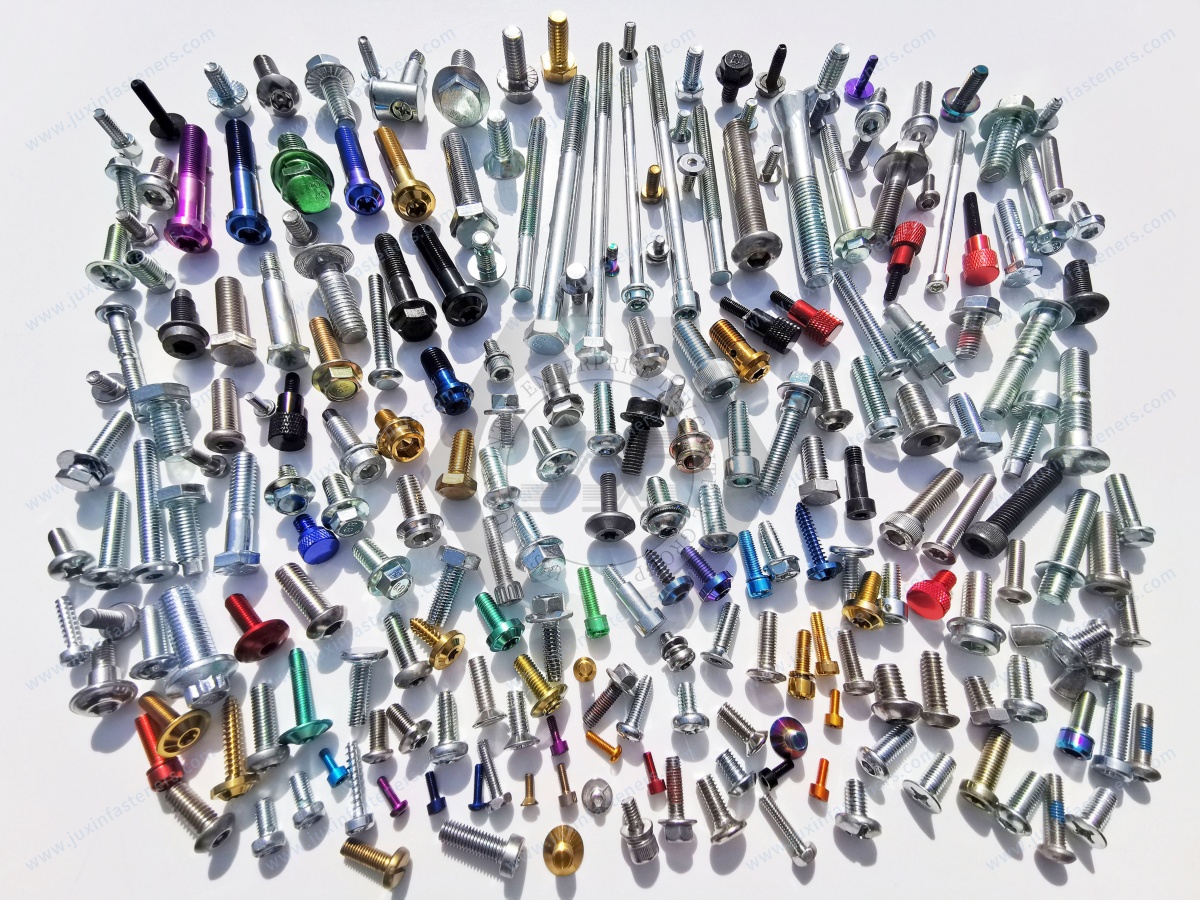
Secondary Retention and Fail-Safe Design
Some railway applications may require additional retention or a fail-safe strategy.
The need for secondary retention depends on the consequences of connection failure.
Potential Design Questions
What happens if the primary joint loses preload?
Can the component detach?
Is there a secondary load path?
Can a defect be detected during inspection?
Is the joint accessible for maintenance?
What replacement procedure is required?
The responsible railway engineering authority must determine the appropriate safety measures.
Assembly Traceability for Railway Manufacturing
Production quality depends on controlling both the component and the installation process.
Potential traceability information includes:
Fastener batch
Material specification
Coating batch
Installation location
Tool identification
Tightening program
Recorded torque or angle
Inspection result
Operator or station identification
Manufacturing Engineering Priorities
Repeatable tightening
Tool calibration
Correct fastener selection
Assembly sequence
Error detection
Data integrity
Production Manager Priorities
Accepted assembly output
Rework rate
Tool downtime
Process stability
Changeover efficiency
Traceability completion
Delivery reliability
Important Supplier Statement
Digital tightening records are functions of the customer's assembly system and its equipment.
They should not be represented as an automatic feature of a locking nut.
Inspection and Maintenance
Railway maintenance requirements must be defined for the specific joint.
Potential inspection considerations include:
Visible movement
Corrosion
Joint damage
Fastener deformation
Loss of required locking function
Replacement criteria
Tightening procedure
Reuse restrictions
Reuse of Prevailing-Torque Nuts
Repeated installation and removal can change the locking feature's performance.
Reuse should follow the approved nut specification and railway maintenance instructions.
A nut should not be considered reusable solely because it can physically be removed and reinstalled.
Why Breakaway Torque Is Not a Direct Preload Measurement
A measured loosening or breakaway torque is affected by friction and locking characteristics.
It does not directly reveal the remaining clamp load.
Engineering Implication
Maintenance inspection methods must be chosen according to the actual joint and its approved procedures.
Common Failure Modes and Engineering Investigations
| Failure mode | Potential cause | Investigation priority |
|---|---|---|
| Rotational self-loosening | Transverse movement | Joint stiffness and locking method |
| Preload loss without rotation | Settlement or relaxation | Contact surfaces and joint stack |
| Bolt fatigue | Repeated loading or bending | Load path and stress concentration |
| Thread stripping | Incompatible fastener strength or excessive load | Thread engagement and properties |
| Nut locking degradation | Repeated reuse or damage | Prevailing-torque verification |
| Corrosion | Inadequate material or coating selection | Environmental and coating review |
| Incorrect preload | Friction variation or wrong tightening program | Torque–tension relationship |
| Joint separation | Insufficient preload or excessive external load | Joint design and loading |
| Bearing surface damage | Incompatible washer or flange | Surface hardness and geometry |
| Traceability failure | Incomplete production records | Assembly process controls |
International Standards and Engineering References
DIN 25201-4:2021-11
Guidance for securing bolted joints in railway vehicles and components.
DIN 65151
A historical reference associated with transverse vibration testing of bolted connections.
ISO 2320:2015
Functional properties of applicable prevailing-torque steel nuts.
ISO 898-1
Mechanical properties of applicable carbon steel and alloy steel bolts, screws and studs.
ISO 898-2
Mechanical properties of applicable nuts.
ISO 16047
Torque/clamp-force testing within the standard's defined scope.
ISO 261 and ISO 965 Series
Metric screw thread series and tolerances.
ASME B1.1
Unified inch screw thread specifications.
ISO 9227
Salt spray corrosion test methods.
VDI 2230
Engineering guidance for the systematic calculation of highly stressed bolted joints, subject to the applicable edition and project requirements.
Important Standards Principle
A standard may address product properties, design calculation, laboratory testing or quality management.
These functions must not be confused.
Compliance with one standard does not automatically establish railway safety approval.
Metric and Unified Inch Thread Compatibility
Industrial locking nuts may use metric or Unified inch thread specifications.
Metric Examples
M6 × 1.0
M8 × 1.25
M10 × 1.5
M12 × 1.75
M16 × 2.0
M20 × 2.5
Unified Inch Examples
1/4-20 UNC
5/16-18 UNC
3/8-16 UNC
These are examples of thread designations, not confirmation of availability or railway suitability for every configuration.
Metric, UNC, UNF, BSW and BSF threads are not directly interchangeable.
The mating fastener and internal thread must match the approved engineering specification.
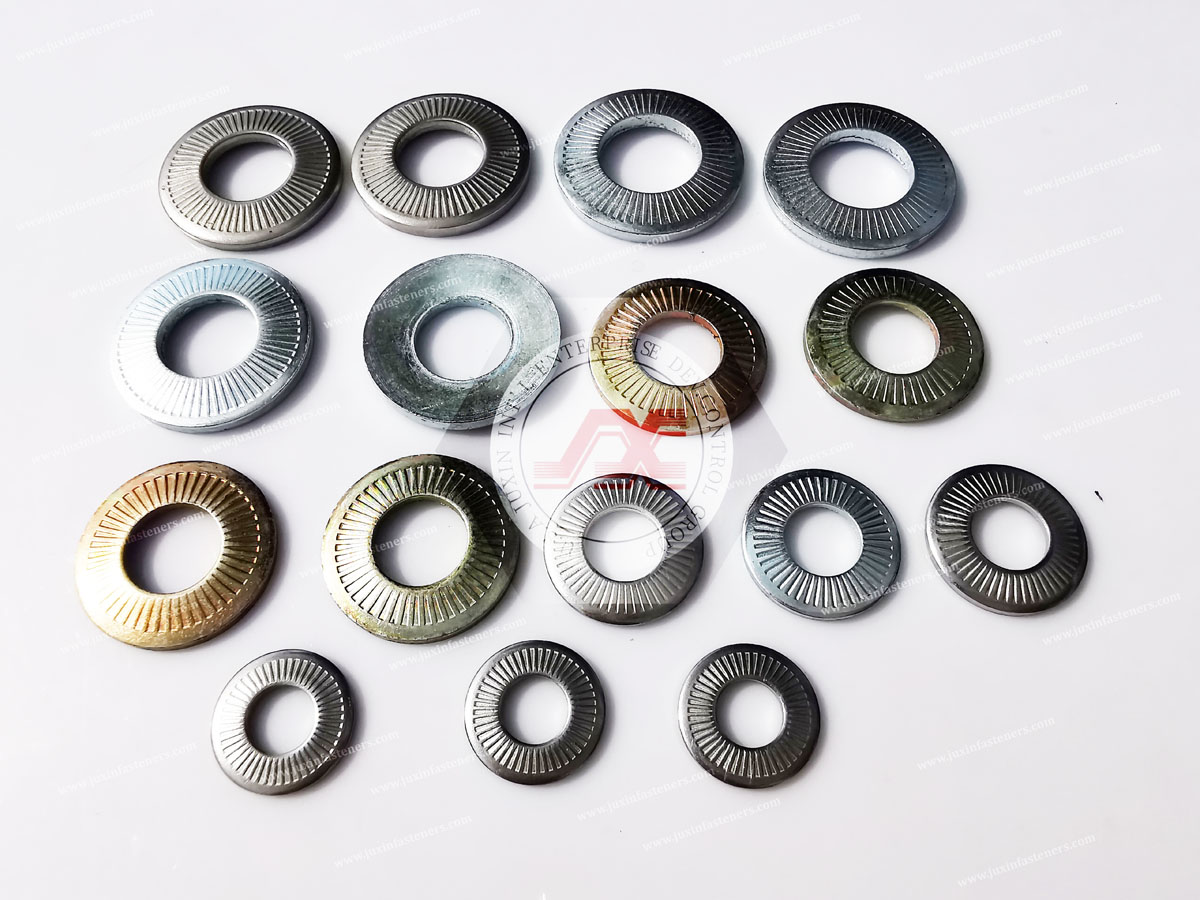
Juxin Fasteners Locking Nut Supply Options
Juxin Fasteners supplies industrial locking fastener configurations including:
All-metal prevailing-torque lock nuts
Nylon-insert lock nuts
Flange lock nuts
Selected custom locking nut designs
Drawing-based metal fastening components
All-Metal Lock Nuts
Potentially suitable for selected industrial and railway equipment applications requiring metallic locking features.
Nylon-Insert Lock Nuts
Potentially suitable for selected auxiliary applications where the temperature, environment and customer specification permit.
Flange Lock Nuts
May be considered where the bearing surface and locking arrangement match the joint design.
Custom OEM Components
Drawing-based inquiries can be evaluated for:
Thread specification
Nut geometry
Material grade
Locking feature
Surface treatment
Dimensional requirements
Functional testing
Packaging and traceability
Important Qualification Boundary
Availability of a locking nut configuration does not establish approval for wheelset, axle, brake or primary bogie safety-critical use.
Supplier Development and Second-Source Qualification
Railway procurement teams may need to qualify alternative suppliers for locking nuts.
A successful substitution requires more than matching the nominal thread.
Technical Comparison
Thread specification
Nut geometry
Property class
Material
Locking feature
Prevailing torque
Bearing surface
Surface treatment
Tightening characteristics
Reuse restrictions
Quality Comparison
Material documentation
Dimensional inspection
Functional testing
Traceability
Change control
Customer-specific approval
Commercial Comparison
Prototype quantity
Sample availability
MOQ
Volume pricing
Production lead time
Annual demand
Packaging
Supply continuity
Why Second-Source Approval Matters
Two locking nuts with the same nominal thread and dimensions may produce different prevailing torque or tightening behavior.
For railway applications, the substitute must be evaluated against the approved assembly requirements.
Total Installed Cost of Railway Locking Fasteners
The unit price of a locking nut is only part of the overall cost.
Additional factors include:
Tightening equipment
Installation time
Tool calibration
Inspection
Functional testing
Scrap
Rework
Maintenance
Supplier qualification
Logistics
Procurement Insight
A locking solution should be evaluated according to the cost of producing and maintaining an approved connection, not simply the purchase price of the nut.
Frequently Asked Questions
What causes railway bolts to loosen?
Possible causes include transverse movement, insufficient preload, settlement, joint relaxation, thermal effects and incorrect assembly.
What is the difference between preload loss and self-loosening?
Preload loss is a reduction in clamping force. Self-loosening refers to unintended rotation of the threaded connection. Preload can decrease without rotation.
Are all-metal lock nuts suitable for railway bogies?
They may be considered for specific applications, but suitability depends on the approved joint design and qualification requirements.
Can a standard DIN 985 nylon-insert nut be used in a railway wheelset?
No such suitability should be assumed. Safety-critical wheelset connections require the specified and approved fastening arrangement.
What does ISO 2320 cover?
It defines functional properties and test requirements for applicable prevailing-torque steel nuts.
Does a prevailing-torque nut maintain bolt preload automatically?
No. It resists rotation but does not prevent every form of preload loss.
What is a Junker test?
It is a transverse vibration test used to evaluate the loosening behavior of bolted connections under defined laboratory conditions.
What does DIN 25201-4 address?
It provides guidance for securing bolted joints in railway vehicle engineering.
Are wedge-locking washers interchangeable with prevailing-torque nuts?
Not automatically. They use different locking principles and must be evaluated for the specific joint.
Can the original tightening torque be reused after changing the nut?
Not without reviewing the resulting tightening behavior and required clamp load.
Does a high-strength bolt eliminate vibration-related loosening?
No. Bolt strength is only one part of joint reliability.
Can a locking nut be reused?
Reuse depends on the product specification, locking feature condition and approved maintenance procedure.
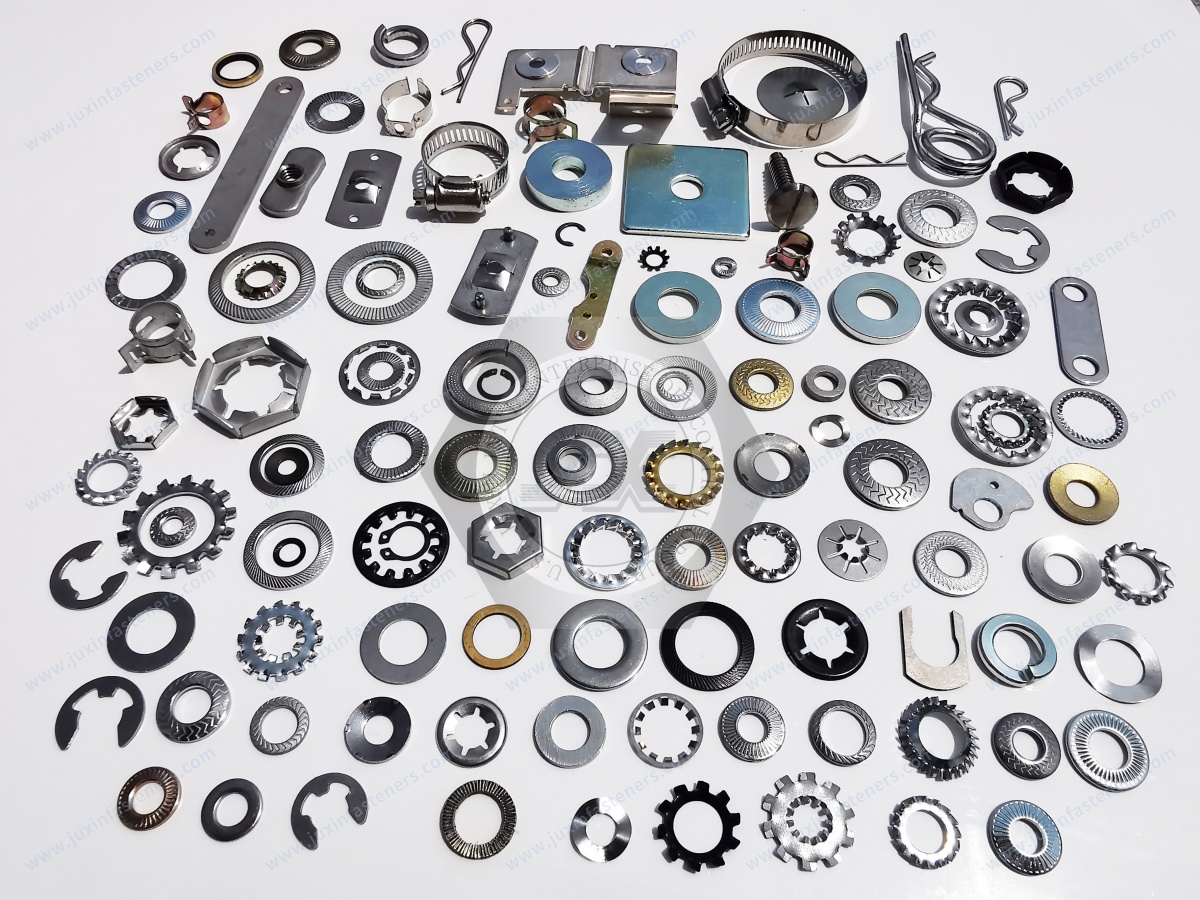
Can Juxin Fasteners supply railway locking nuts?
Juxin Fasteners accepts drawing-based inquiries for industrial locking nut configurations.
Railway-specific suitability and safety-critical approval must be confirmed for each project.
OEM RFQ — Railway Locking Nuts and Bolted Joint Components
Juxin Fasteners welcomes drawing-based inquiries from rolling stock manufacturers, railway equipment OEMs,
bogie component suppliers, mechanical engineers, structural engineers, manufacturing engineers, production managers, purchasing teams and supplier development specialists.
For technical evaluation and quotation, please provide the following information where applicable.
Fastener Specifications
2D engineering drawing
3D CAD model
Thread size and pitch
Nut type
Property class
Material grade
Locking feature
Flange geometry
Surface treatment
Critical dimensions and tolerances
Joint Information
Mating bolt specification
Bolt property class
Joint stack-up
Grip length
Bearing surface material
Washer configuration
Required preload
Tightening method
Operating temperature
Mechanical and Functional Requirements
Prevailing torque
Removal torque
Clamp-load requirements
Transverse vibration requirements
Fatigue requirements
Corrosion exposure
Reuse requirements
Relevant railway specifications
Production Requirements
Manual or automated tightening
Tool type
Tightening program
Inspection method
Traceability requirements
Production quantity
Quality and Commercial Requirements
Material documentation
Test reports
Customer approval requirements
Prototype quantity
Sample quantity
MOQ
Annual demand
Volume pricing
Delivery schedule
Packaging requirements
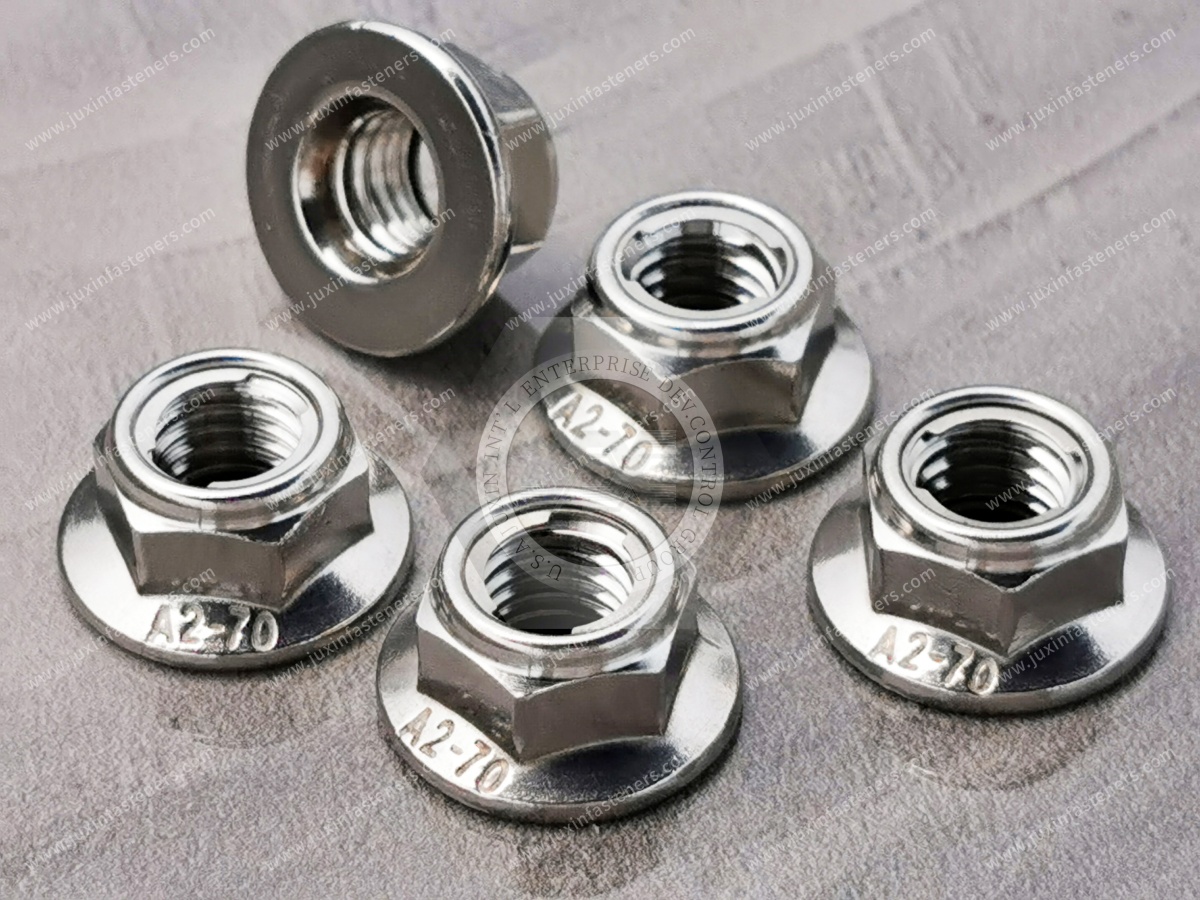
Looking for Industrial Locking Nuts for Railway Equipment Manufacturing?
Juxin Fasteners supplies industrial prevailing-torque lock nuts, flange locking nuts, nylon-insert lock nuts and drawing-based custom fastening components.
For railway equipment projects, our team can review the proposed fastener configuration, material, thread, locking requirements and purchasing specifications.
For wheelset, axle, brake and other safety-critical railway connections,
the responsible railway manufacturer must approve the complete fastening system and its qualification requirements before use.
Company: Juxin Fasteners
Website: https://www.juxinfasteners.com/
Email: info@juxinfasteners.com
Send your engineering drawings, locking performance requirements,
material specifications and estimated purchasing quantities to request technical review, sample evaluation or an OEM quotation.
Reliable railway bolted joints require controlled preload, suitable locking measures,
verified installation and application-specific engineering approval—not simply a fastener labeled vibration-proof.
Contact Us
Tel.:
+86 020 8621 0320
+86 020 3121 6067
E-mail:
Technical Support:
Navigation
SEND INQUIREY



