
Call Us
+86 136 6007 9809
Call Us
+86 136 6007 9809

Nov. 19, 2024
Threaded fastener connections are widely used in automotive manufacturing, industrial equipment, electrical systems, transportation, and mechanical engineering applications. However, fastener loosening is one of the most common causes of mechanical connection failure.
When screws, bolts, or nuts become loose, the connection may experience:
Loss of preload force
Reduced clamp load
Increased vibration
Component movement
Thread damage
Bolt fatigue failure
Structural safety risks
For industries requiring high reliability, preventing loose fastener threaded connections is a critical engineering challenge.
Juxin Fasteners provides professional anti-loosening fastener solutions, including high-strength screws, locking screws, flange bolts, thread-locking fasteners, and customized fastening components for global OEM customers.
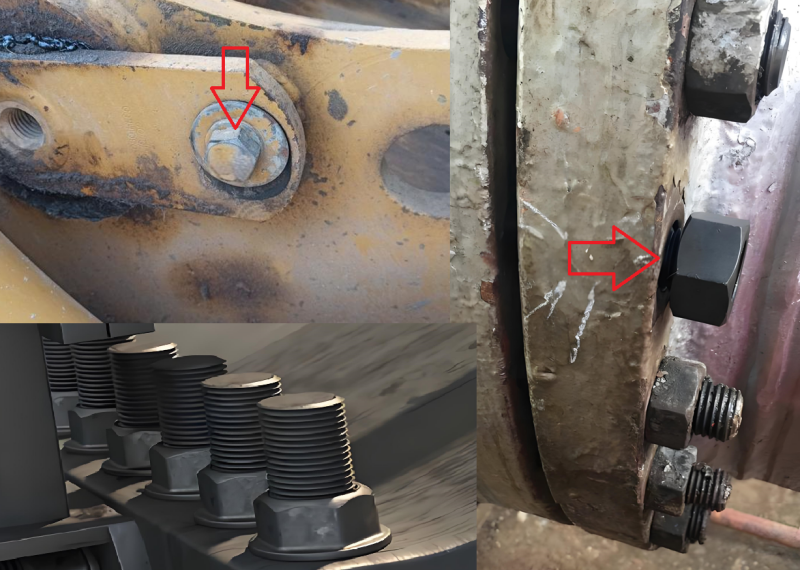
Fastener loosening can generally be divided into two categories:
Rotational loosening occurs when the internal and external threads rotate relative to each other in the loosening direction.
Typical causes include:
Insufficient preload force
Excessive external vibration
Shear loading
Torsional loading
Incorrect tightening torque
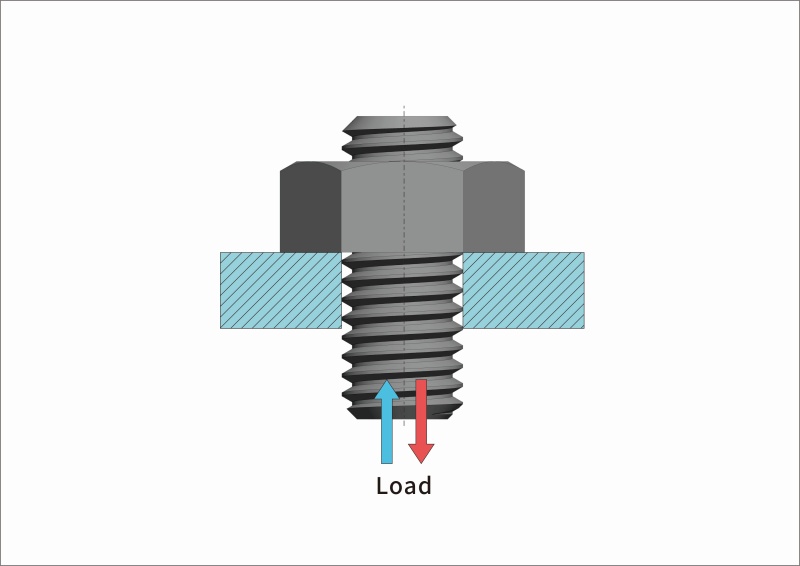
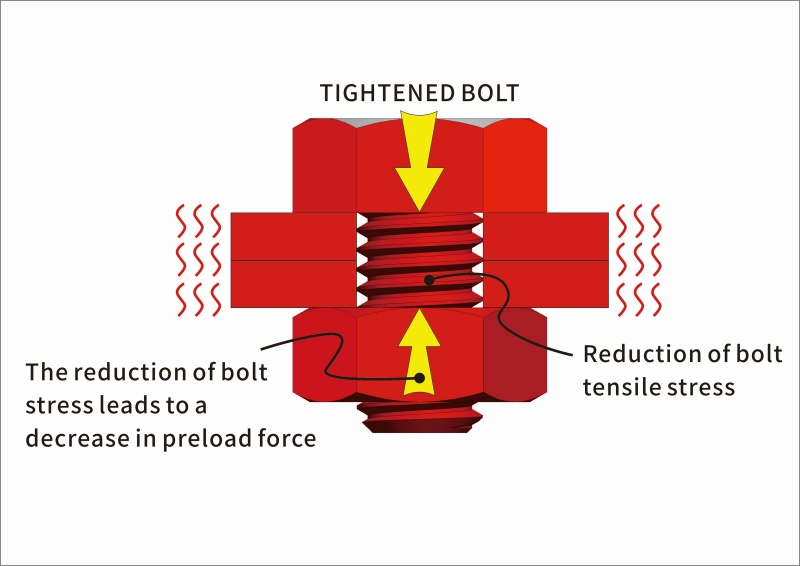
Non-rotational loosening occurs without relative thread rotation but results in:
Torque reduction
Axial force loss
Clamp load reduction
Common causes include:
Thermal expansion
Stress relaxation
Soft joint deformation
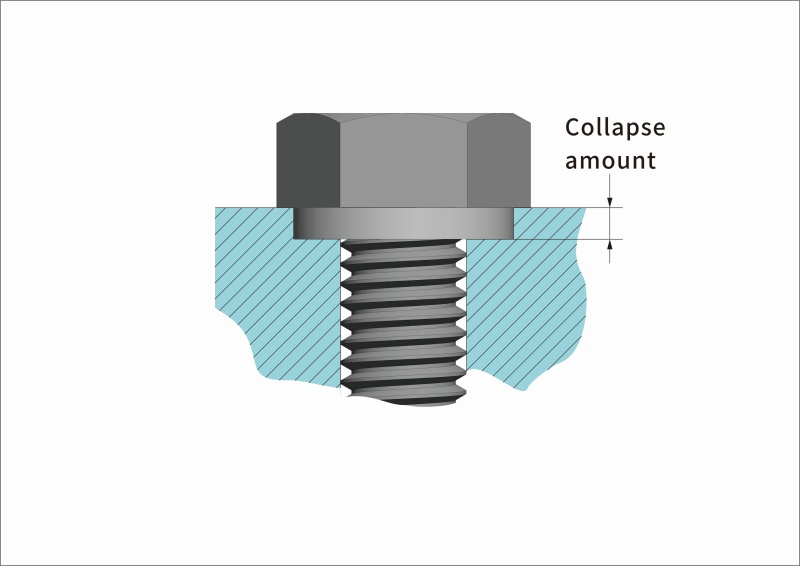
Surface embedding
Contact surface collapse
A simple engineering method to determine loosening type is the color marking inspection method.
During assembly:
Apply a marking line across:
Bolt head
Nut
Connected component surface
After testing or operation:
If the marking lines shift → rotational loosening occurred.
If the marking lines remain aligned → non-rotational preload loss occurred.
This method helps engineers identify the root cause before selecting corrective solutions.
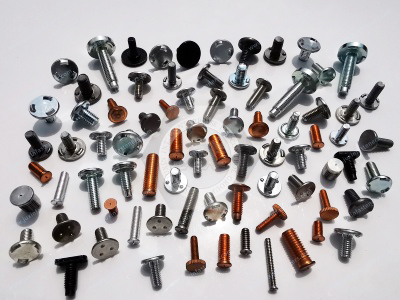
Insufficient preload is one of the main causes of rotational loosening.
Solutions include:
Higher assembly torque can increase:
Bolt utilization
Axial preload
Joint reliability
However, torque must remain within the fastener strength limit.
Compared with traditional torque control, the torque-angle method provides:
Better preload accuracy
Improved assembly consistency
Reduced variation caused by friction differences
Common applications:
Automotive chassis
Engine assemblies
EV battery structures
Using higher performance fasteners can increase connection capability.
Examples:
Grade 8.8 bolts
Grade 10.9 bolts
Grade 12.9 alloy steel screws
Juxin supplies high-strength fastening solutions according to customer requirements.
External loads strongly influence loosening performance.
Main load types include:
Shear force
Torsional force
Axial force
Among them:
Shear loads have the greatest influence on rotational loosening.
Engineering solutions include:
✔ Improving joint structure design
✔ Increasing contact friction between connected parts
✔ Reducing sliding movement
✔ Optimizing load distribution
When changing preload or structural design is difficult, anti-loosening fasteners provide an effective solution.
Common solutions include:
Features:
Chemical locking performance
Resistance against vibration loosening
No additional assembly components required
Applications:
Automotive electronics
Industrial equipment
Electrical products
Juxin provides:
Thread-locking hex screws
Thread-locking socket head screws
Pre-applied adhesive fasteners
Advantages:
✔ Prevent vibration loosening
✔ Improve assembly reliability
✔ Reduce maintenance requirements
Self-locking nuts increase resistance against rotation.
Applications:
Automotive components
Machinery
Transportation equipment
High temperatures may cause:
Thermal expansion differences
Material creep
Stress relaxation
When fasteners and connected components have different thermal expansion coefficients, clamp force may increase or decrease during temperature changes.
Engineering solutions:
Select suitable materials
Use heat-resistant coatings
Evaluate thermal stress conditions
Applications:
Automotive exhaust systems
Industrial machinery
Energy equipment
Soft connections are more likely to experience preload loss.
Examples include:
Rubber components
Plastic connectors
Poor surface matching
Large assembly gaps
Low stiffness structures
Solutions:
✔ Increase joint stiffness
✔ Improve contact surface matching
✔ Reduce unnecessary gaps
✔ Optimize bolt engagement length
Surface conditions directly affect preload stability.
Poor surface contact may cause:
Embedding deformation
Thickness reduction
Axial force loss
Solutions:
Improve machining accuracy
Control surface roughness
Optimize coating processes
Juxin provides controlled surface treatments including:
Zinc plating
Zinc-Nickel plating
Zinc-Aluminum coating
PTFE coating
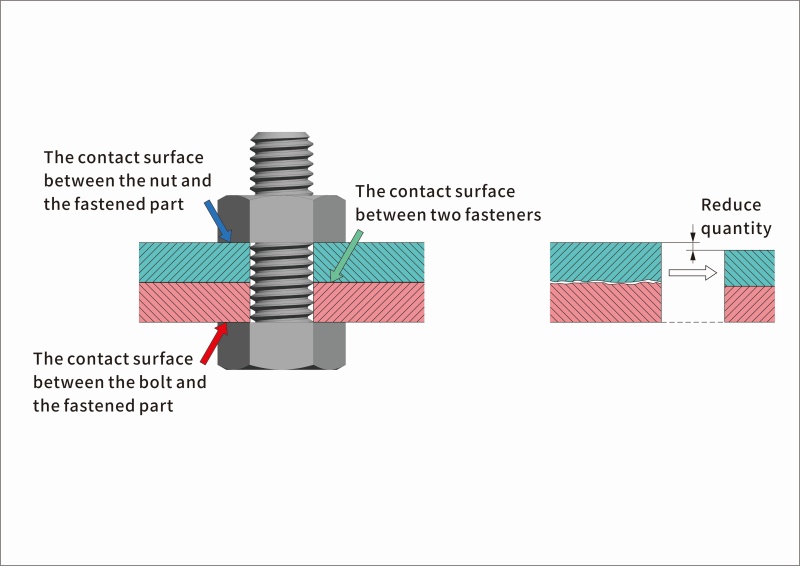
Fasteners usually have higher hardness and strength than connected materials.
During high torque tightening:
Softer materials may deform
Contact thickness decreases
Clamp force reduces
Solutions:
Flange bolts increase contact area and improve load distribution.
Washers help:
Reduce surface pressure
Prevent material deformation
Maintain preload stability
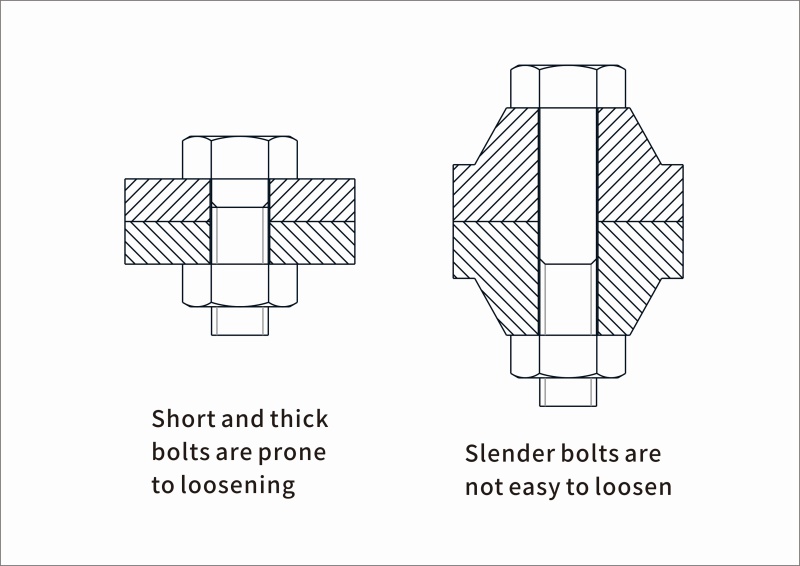
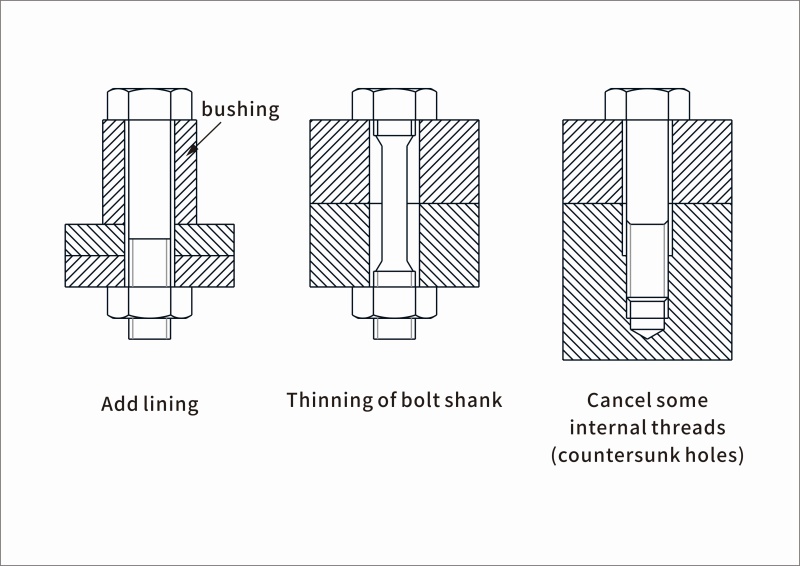
Fastener geometry has a significant influence on loosening resistance.
Engineering studies show:
Longer and more flexible bolts generally provide better resistance against preload loss compared with short and rigid bolts.
Optimization methods:
Increase bolt clamping length
Add sleeves
Reduce bolt shank diameter
Improve joint design
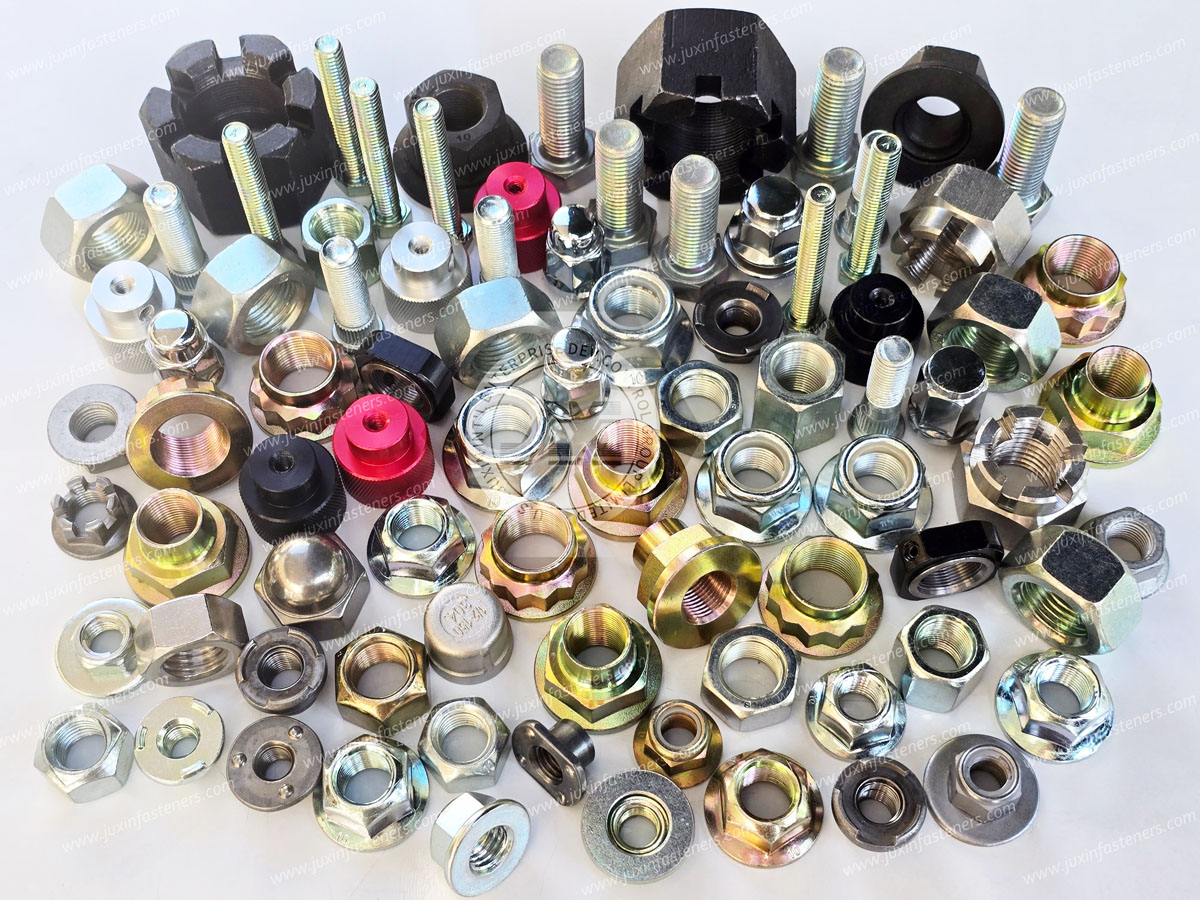
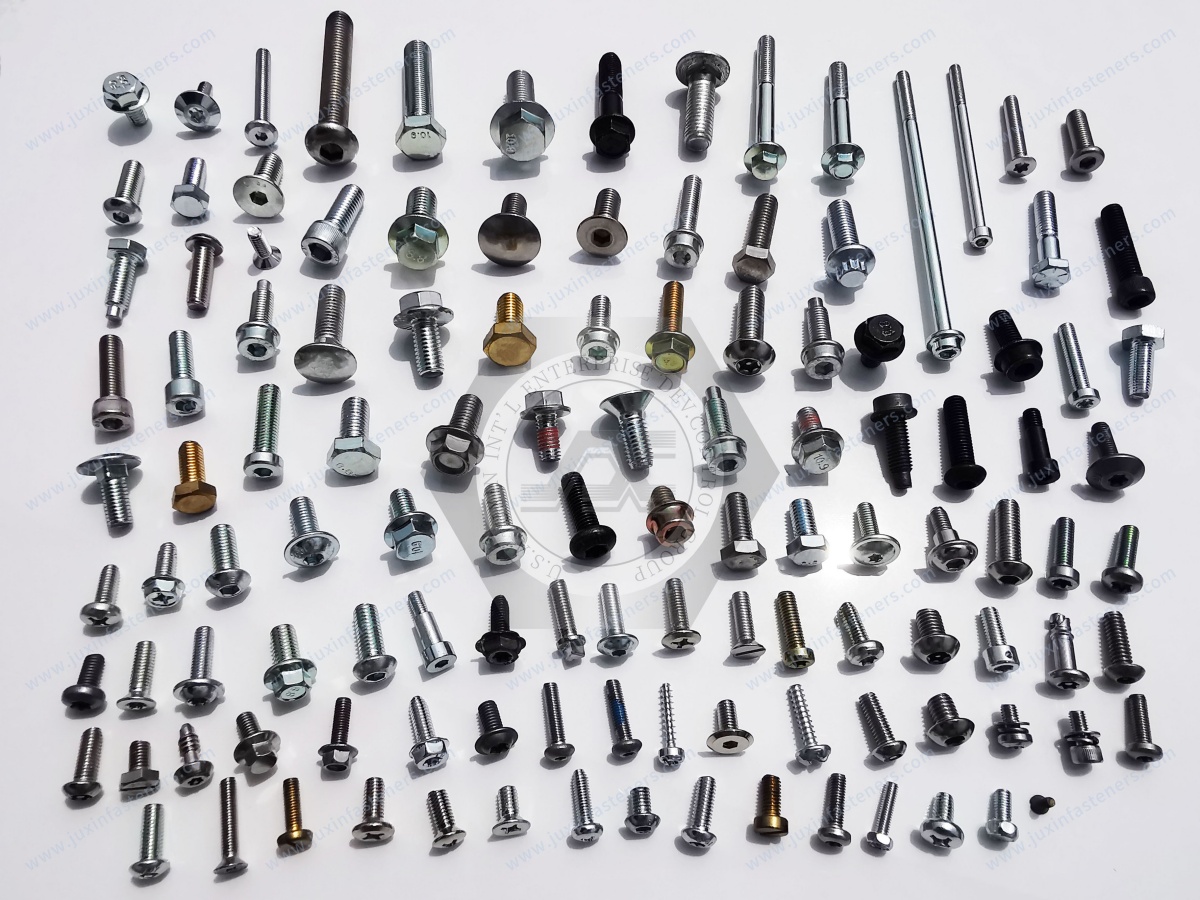
Juxin Fasteners provides a complete range of industrial fastening solutions.
Including:
Alloy Steel Socket Head Screws
Hex Drive Rounded Head Screws
Torx Socket Screws
Applications:
Machinery
Automation equipment
Precision assemblies
Including:
Grade 8 Steel Hex Head Screws
Flanged Hex Head Screws
Thread-Locking Hex Bolts
Applications:
Automotive
Industrial equipment
Structural assemblies
Including:
Self-Tapping Screws
Thread Forming Screws
Thread Cutting Screws
Drilling Screws
Applications:
Electrical cabinets
HVAC systems
Sheet metal fabrication
Including:
Thread-Locking Screws
Tamper-Resistant Screws
Sealing Screws
Vibration-Resistant Screws
Wire-Lockable Screws
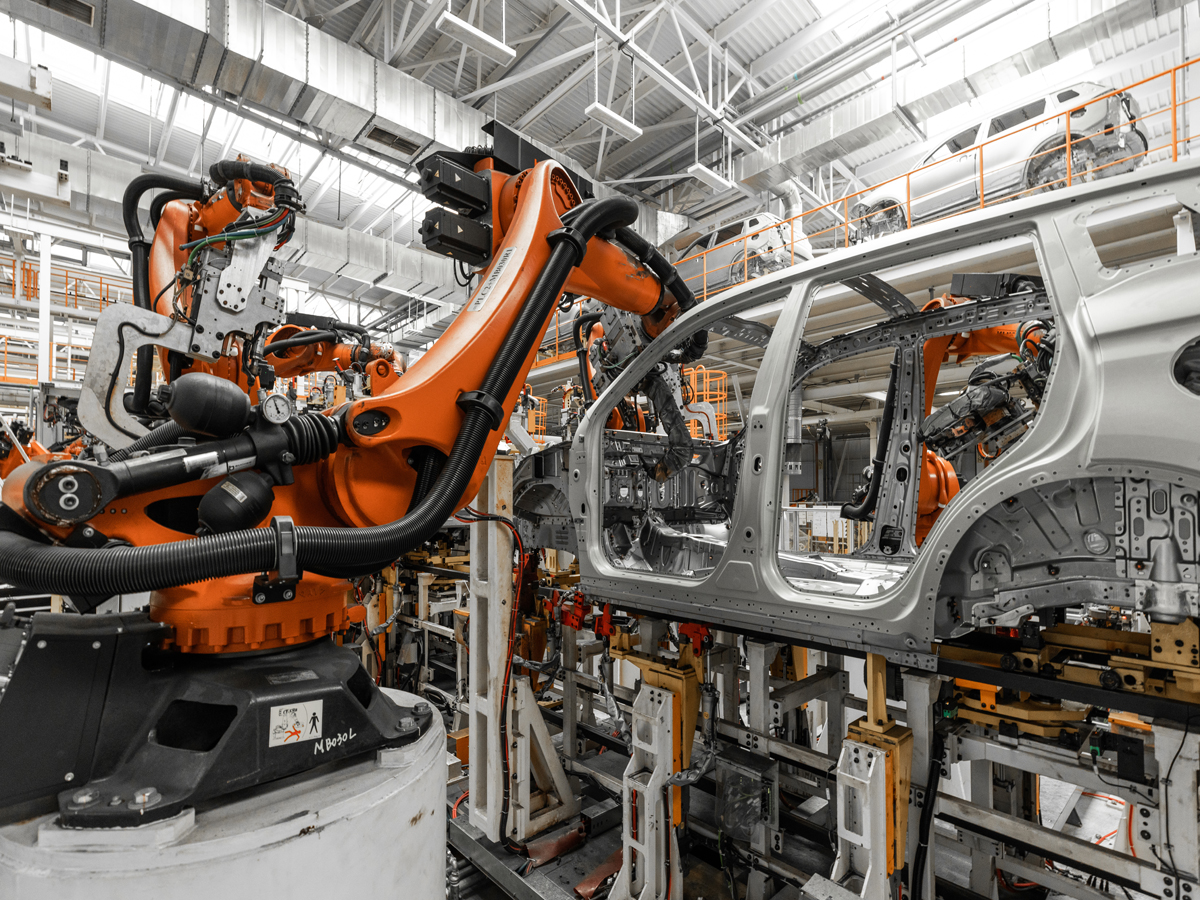
Applications:
Vehicle chassis
Body structures
Interior systems
Battery assemblies
Requirements:
Vibration resistance
Stable preload
Long service life
EV systems require reliable threaded connections for:
Battery packs
Electrical modules
Cooling systems
Anti-loosening screws help maintain:
Connection safety
Electrical reliability
Mechanical stability
Applications:
Automation machines
Manufacturing equipment
Mechanical systems
Benefits:
Reduced maintenance
Improved operational reliability
Fasteners must withstand:
Continuous vibration
Environmental changes
Long-term operation
Products:
Sheet metal screws
Thread-forming screws
Self-tapping screws
Applications:
Rail structures
Wind power equipment
Solar mounting systems
Requirements:
Corrosion resistance
Vibration resistance
Long-term durability
Juxin Fasteners specializes in:
✔ OEM custom screws and bolts
✔ High-strength fasteners
✔ Anti-loosening fastening solutions
✔ Automotive fastening components
✔ Industrial precision fasteners
Our manufacturing capabilities include:
Custom thread designs
Surface treatment solutions
Torque performance testing
Dimensional inspection
Engineering support
We work with global:
Automotive manufacturers
EV companies
Industrial equipment OEMs
Engineering distributors
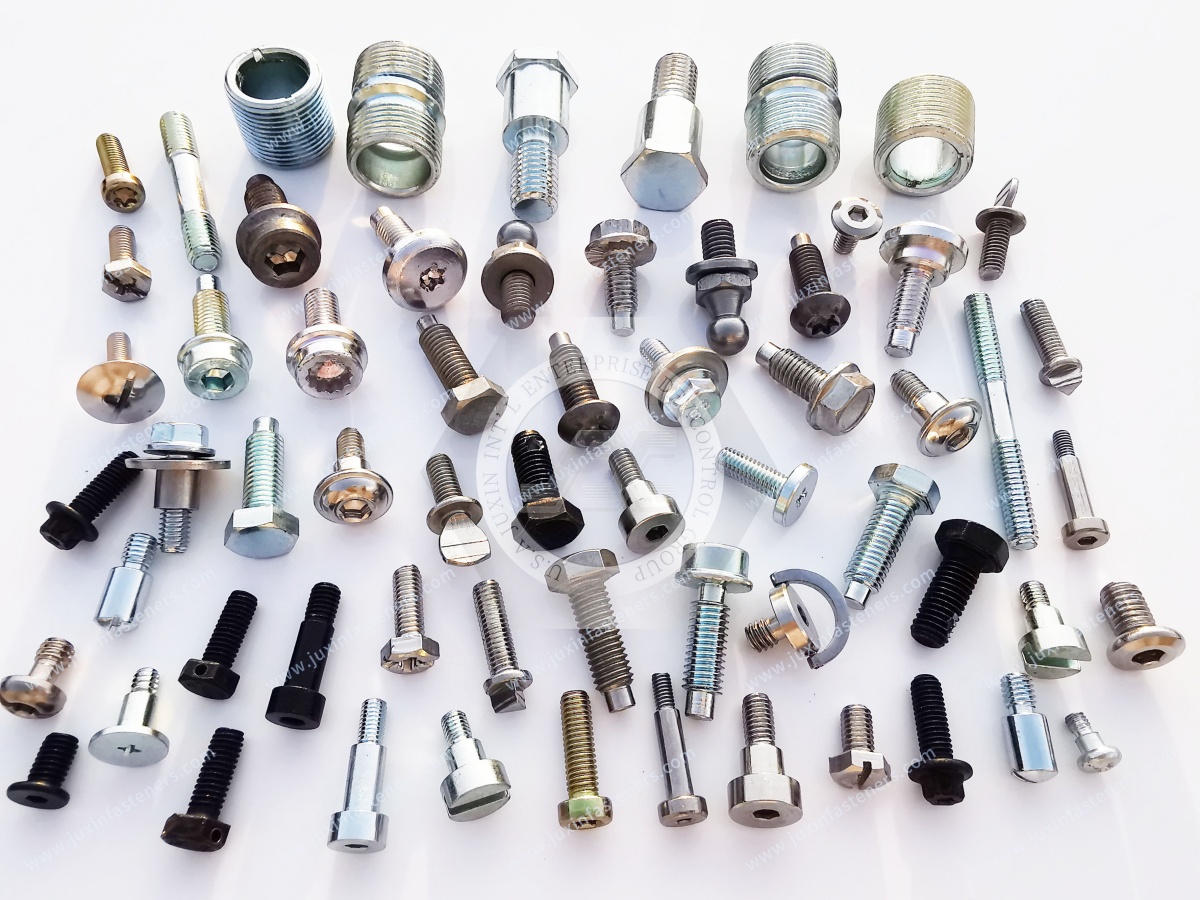
If you need reliable anti-loosening screws, vibration-resistant bolts, thread-locking fasteners, or customized fastening solutions, Juxin Fasteners can provide engineering support and OEM manufacturing.
Email: info@juxinfasteners.com
Website:
https://www.juxinfasteners.com/
 MORE NEWS
Sep. 27, 2026
Sep. 27, 2026
Sep. 27, 2026
Contact Us
Tel.:
+86 020 8621 0320
+86 020 3121 6067
E-mail:
Technical Support:
Navigation
SEND INQUIREY