
Call Us
+86 136 6007 9809
Call Us
+86 136 6007 9809

Nov. 30, 2024
Thread stripping is one of the most common failure modes in threaded connections used in automotive, EV manufacturing, industrial equipment, electronics, and mechanical assemblies.
A threaded connection fails when the shear strength of the internal or external threads is lower than the applied axial preload force during tightening, causing the weaker thread section to deform or fail.
Unlike bolt fracture, thread stripping is often difficult to detect during assembly because the tightening torque may still reach the target value even after the threads have already been damaged.
This hidden failure can result in:
Reduced clamp force
Preload loss
Joint loosening
Vibration failure
Production downtime
Increased rework costs
Therefore, proper thread design, fastener material selection, weld nut selection, thread quality control, and assembly process management are essential for reliable fastening performance.
Juxin Fasteners provides OEM custom screws, bolts, weld nuts, and precision fastening solutions designed for demanding applications including automotive, EV, industrial equipment, and sheet metal assemblies.
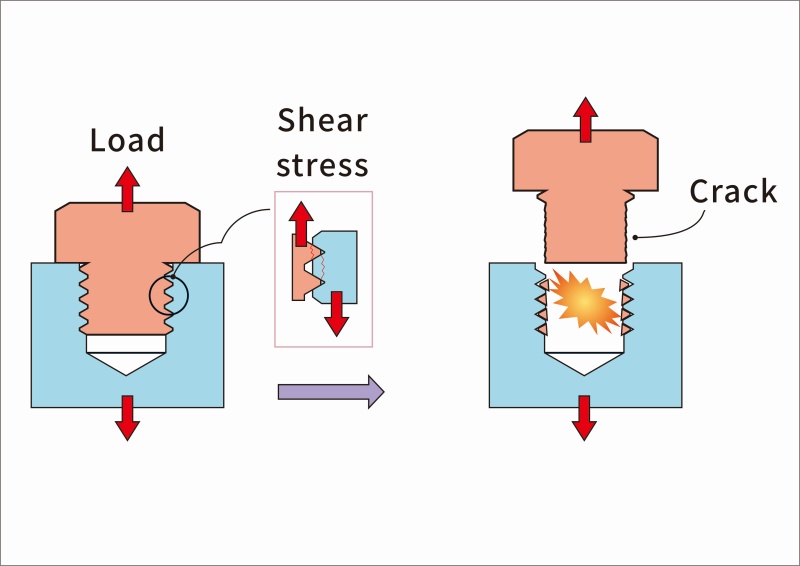
Thread stripping usually occurs when the load capacity of the thread connection is insufficient.
The main causes include:
Incorrect thread engagement length
Weak internal thread material
Improper bolt and nut grade matching
Poor thread manufacturing quality
Weld nut heat treatment changes
Assembly misalignment
Excessive tightening torque
Understanding these factors allows engineers to design more reliable threaded connections.
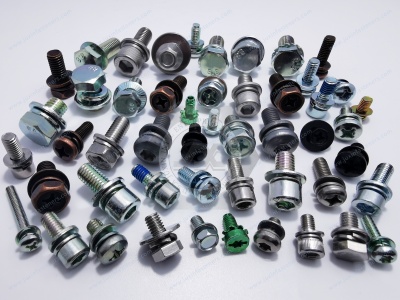
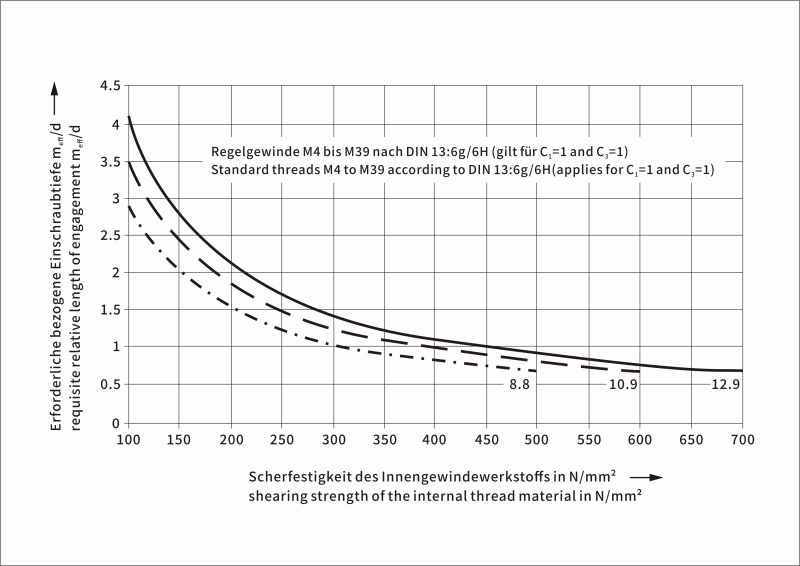
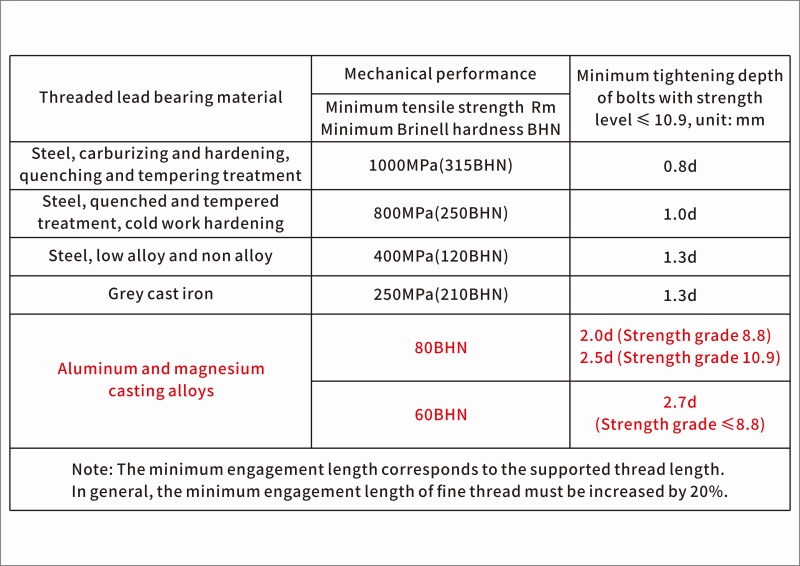
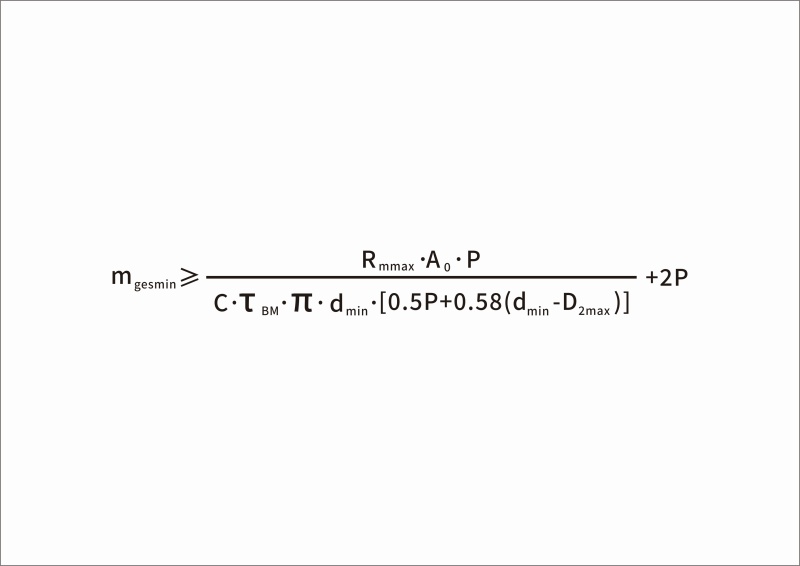
The thread engagement length is one of the most important factors affecting thread strength.
A longer engagement length provides:
Larger thread contact area
Higher shear strength
Better resistance against stripping
This is especially important when using lightweight materials such as:
Aluminum alloys
Magnesium alloys
Soft metals
Compared with steel-to-steel connections, lightweight materials generally require longer thread engagement lengths.
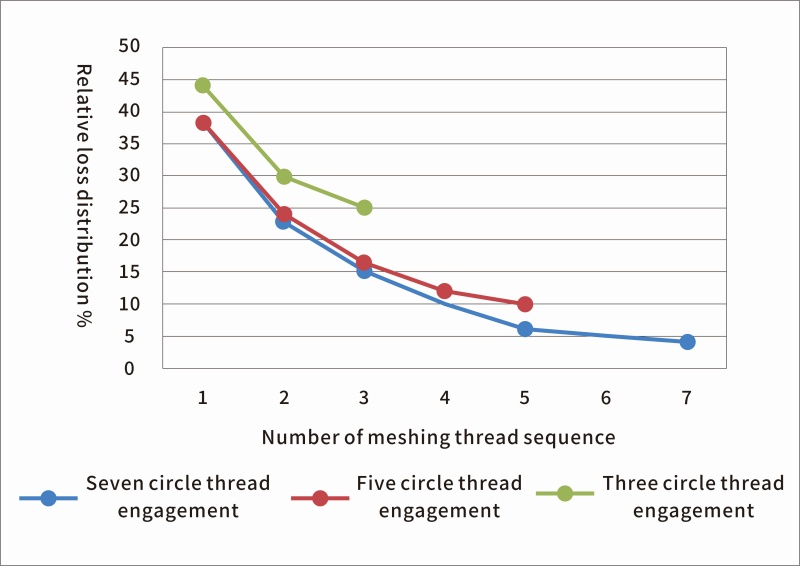
During tightening, not all engaged threads carry the same load.
Typically:
The first three threads carry the highest shear load.
Later threads carry progressively less load.
If the first threads experience excessive deformation, additional threads begin carrying more load.
However, insufficient engagement length increases the risk of:
Thread deformation
Internal thread failure
Reduced joint reliability
For critical applications, theoretical calculation should be combined with practical testing.
Recommended validation methods:
✔ Repeated tightening tests
✔ Torque-angle testing
✔ Load retention testing
A typical verification method:
Perform 5–10 tightening cycles at specified torque and angle.
Confirm no thread deformation or stripping occurs.
This approach is widely used in:
Automotive manufacturing
EV production
Industrial machinery
Weld nuts are widely used in automotive body structures and sheet metal applications.
Common applications include:
Vehicle body panels
Chassis components
Battery enclosures
Seat mounting systems
However, weld nuts require special consideration because the welding process can affect mechanical properties.
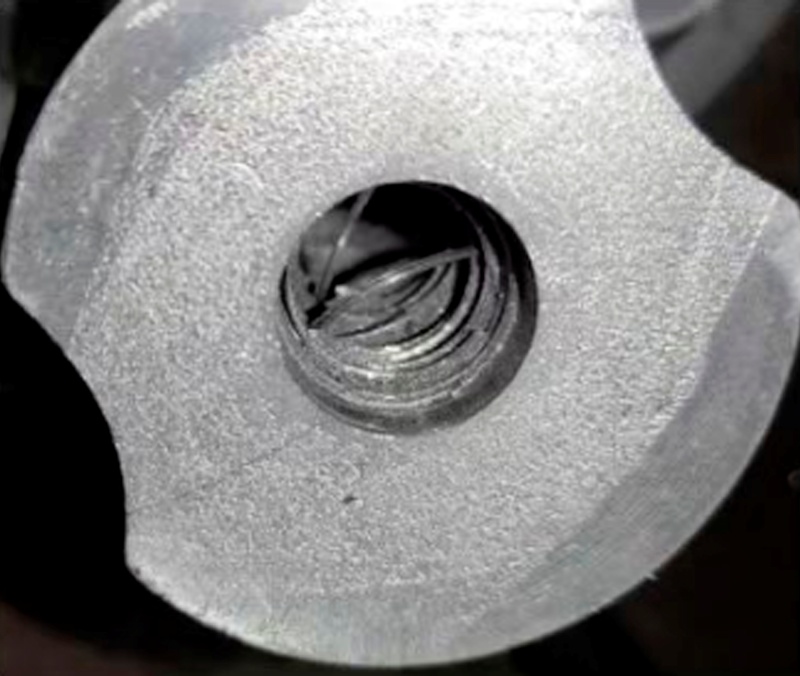
During projection welding:
Heat is generated around the welding area.
Local material properties may change.
Nut strength may decrease if heat treatment is affected.
Additionally, modern automotive assembly often uses:
Torque-angle tightening beyond yield point
This increases:
Thread utilization
Assembly preload
Internal thread stress
Therefore, weld nuts may experience higher thread loads.
To improve thread reliability:
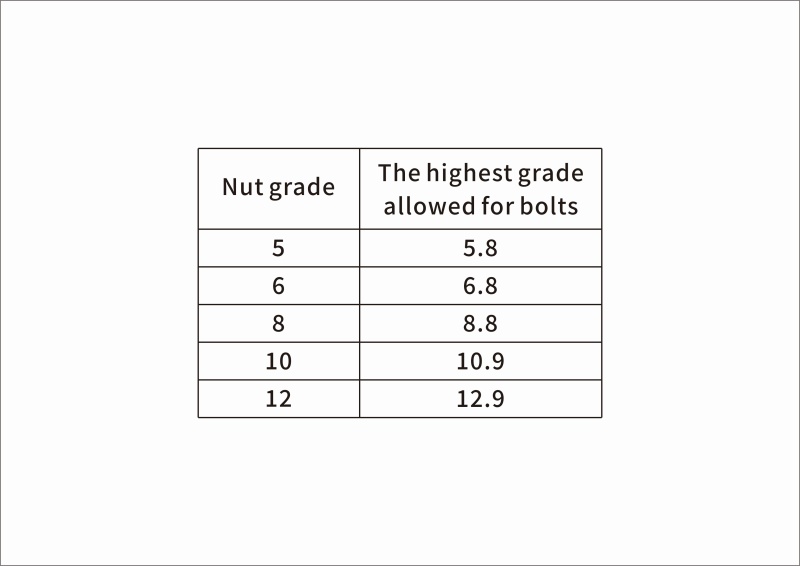
The nut grade should generally be higher than the bolt grade.
Example:
Instead of:
Bolt Grade 8.8 + Nut Grade 8
Recommended:
Bolt Grade 8.8 + Nut Grade 10
Benefits:
✔ Higher thread load capacity
✔ Reduced risk of internal thread stripping
✔ Improved automotive assembly reliability
Juxin Fasteners supplies:
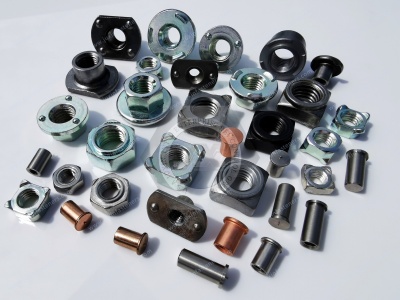
DIN 928 Square Weld Nuts
DIN 929 Hex Weld Nuts
Flange Weld Nuts
T-Type Weld Nuts
Projection Weld Nuts
When thread stripping occurs, component quality should be analyzed.
Main inspection areas include:
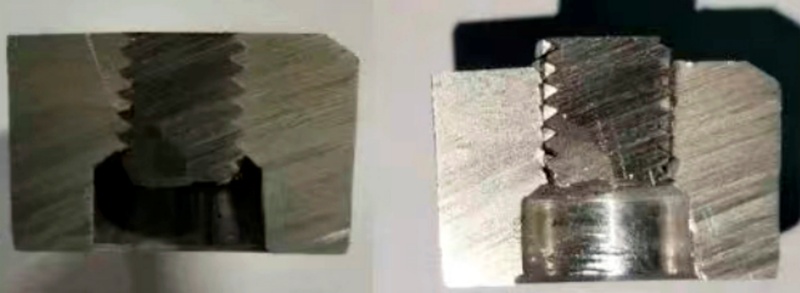
Insufficient heat treatment may reduce:
Hardness
Tensile strength
Shear strength
Solutions:
Controlled heat treatment
Material verification
Hardness testing
Incorrect thread geometry reduces effective load-bearing area.
Possible causes:
Improper thread rolling
Incorrect forming parameters
Manufacturing deviation
Inspection methods:
Go/no-go thread gauges
Thread measurement equipment
Thread damage caused by:
Transportation collision
Improper handling
Assembly impact
can significantly reduce thread strength.
Proper packaging and production control are important for precision fasteners.
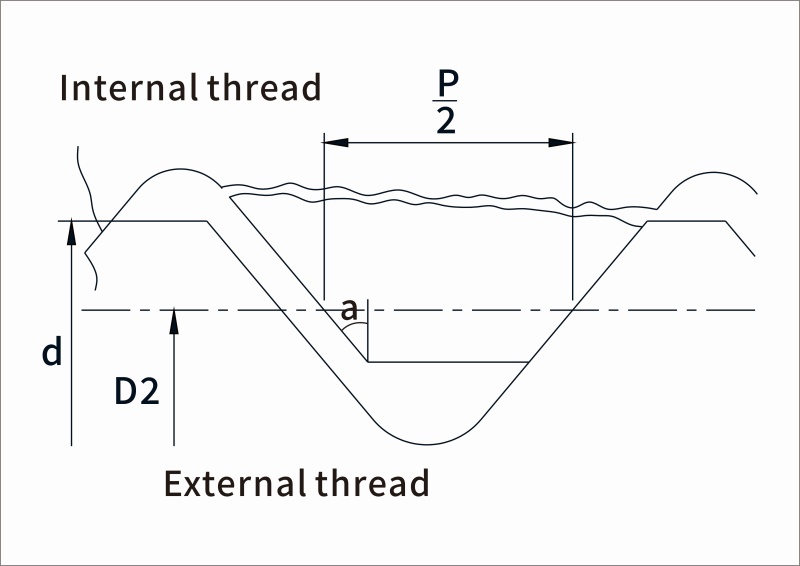
Even correctly designed fasteners may fail due to improper assembly.
Common assembly-related causes include:
Welding slag contamination
Weld nut misalignment
Cross-threading
Incorrect tightening tools
Excessive torque
During welding, slag may enter the nut thread.
Consequences:
Increased insertion resistance
Abnormal torque increase
Thread damage
Solutions:
✔ Apply anti-slag treatment
✔ Control welding parameters
✔ Clean internal threads after welding
Incorrect weld nut positioning causes:
Bolt insertion resistance
Uneven thread loading
Thread damage
Proper welding positioning ensures:
Correct coaxiality
Smooth bolt installation
Stable torque performance
Applications:
Automotive body structures
EV battery trays
Sheet metal assemblies
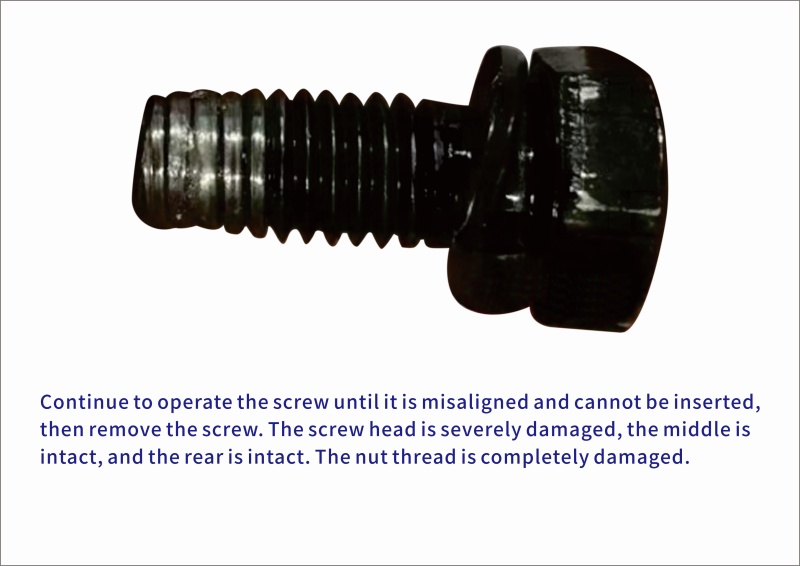
Cross-threading occurs when the bolt enters the nut incorrectly.
Typical symptoms:
Bolt cannot fully tighten
Leading threads are damaged
Nut threads become damaged
Solutions:
✔ Proper bolt alignment
✔ Correct assembly fixtures
✔ Automated tightening monitoring
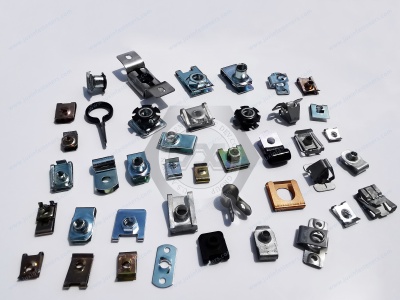
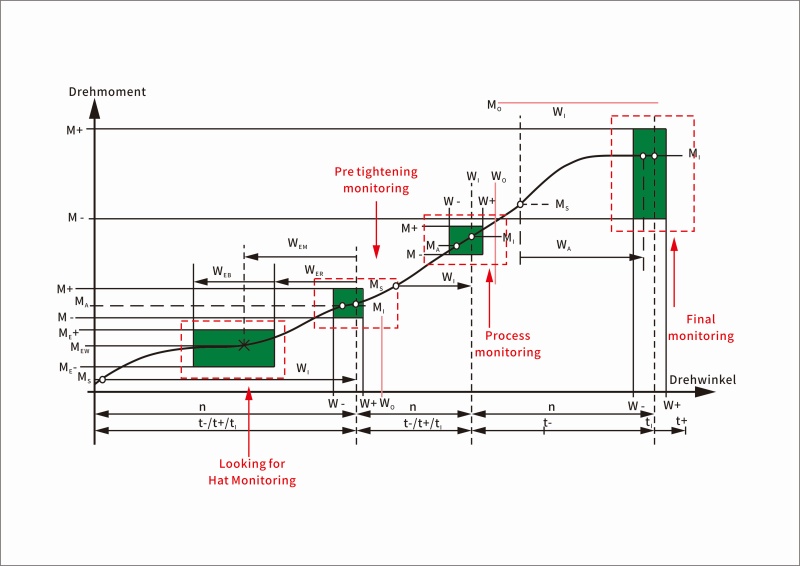
Modern manufacturing plants use torque-angle monitoring systems to detect thread problems.
The monitoring process includes:
Cap detection
Pre-tightening monitoring
Tightening process monitoring
Final torque verification
During pre-tightening:
If abnormal resistance occurs:
Torque rises too quickly
Tightening angle becomes abnormal
The system can trigger an alarm before final failure.
This is especially important for:
Automotive assembly lines
EV manufacturing
High-volume production
Juxin Fasteners provides precision fastening solutions designed to prevent thread failure.
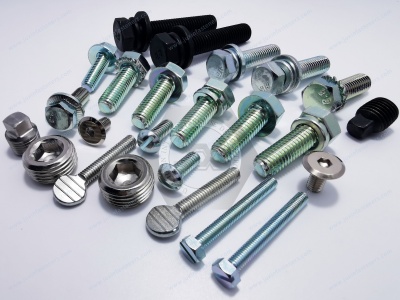
Our products include:
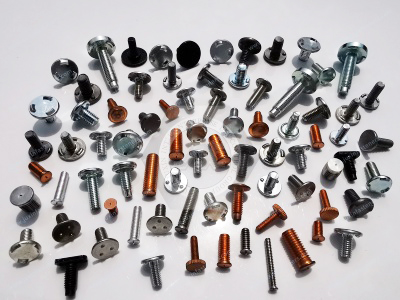
Socket Head Screws
Hex Head Screws
Flange Screws
Torx Screws
Phillips Screws
Flat Head Screws
Applications:
Automotive chassis
Industrial machinery
Structural assemblies
Available grades:
Grade 8.8
Grade 10.9
Grade 12.9
Including:
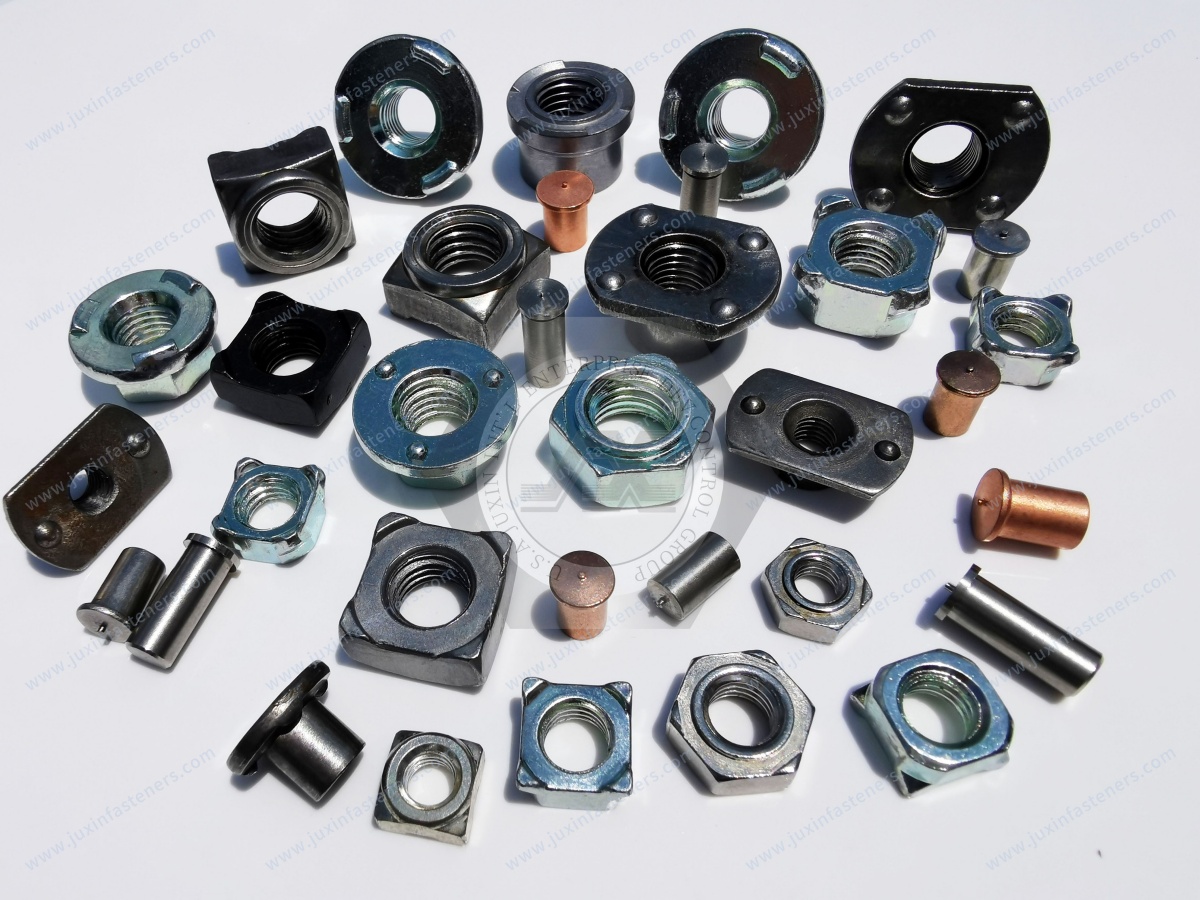
DIN 928 Square Weld Nuts
DIN 929 Hex Weld Nuts
Projection Weld Nuts
Stainless Steel Weld Nuts
Applications:
Automotive body structures
Sheet metal components
EV battery systems
Including:
Self-Tapping Screws
Thread-Forming Screws
Thread-Cutting Screws
Drilling Screws
Applications:
Electrical cabinets
HVAC equipment
Industrial panels

Automotive manufacturers require:
Stable preload
High thread strength
Consistent assembly torque
Applications:
Body-in-white
Chassis
Interior systems
Safety components
EV applications require reliable threaded connections for:
Battery enclosures
Cooling systems
Electrical modules
Thread failure prevention improves:
Safety
Durability
Production reliability
Applications:
Automation machines
Mechanical equipment
Manufacturing systems
Benefits:
Reduced maintenance
Longer service life
Threaded fasteners provide:
Strong mounting points
Efficient assembly
Reliable performance
Applications:
Control cabinets
Power equipment
Communication systems
Juxin Fasteners specializes in OEM custom fasteners and engineering fastening solutions.
Our capabilities include:
✔ Custom screw and bolt manufacturing
✔ Weld nut production
✔ Precision thread processing
✔ Heat treatment control
✔ Surface coating solutions
✔ Torque performance testing
✔ Quality inspection support
We work with global:
Automotive OEMs
EV manufacturers
Industrial equipment companies
Engineering suppliers
If you are looking for reliable thread stripping resistant screws, bolts, weld nuts, and OEM fastening solutions, Juxin Fasteners can provide engineering support and customized production.
Email: info@juxinfasteners.com
Website:
https://www.juxinfasteners.com/
 MORE NEWS
Sep. 27, 2026
Sep. 27, 2026
Sep. 27, 2026
Contact Us
Tel.:
+86 020 8621 0320
+86 020 3121 6067
E-mail:
Technical Support:
Navigation
SEND INQUIREY