Call Us
+86 136 6007 9809
Call Us
+86 136 6007 9809

Jun. 12, 2024
Low-Voltage Switchgear Fasteners: Busbar Bolts, Protective Bonding and OEM Assembly Guide
Low-voltage switchgear, switchboards and industrial power distribution assemblies rely on multiple fastening systems to maintain mechanical integrity and support reliable electrical connections.
Within the same equipment assembly, bolts may be used to secure copper or aluminum busbars, retain structural frames, mount electrical components or complete protective bonding connections.
These fastening locations have different engineering requirements.
A busbar connection bolt is part of an electrical joint in which contact pressure, conductor surface condition, temperature rise and long-term mechanical stability must be considered together.
A structural cabinet bolt primarily transfers mechanical loads.
A protective bonding fastener must support the continuity and reliability of the specified protective circuit.
Using the same generic screw specification for all three functions can introduce unnecessary engineering and production risks.
JUXIN FASTENERS supplies industrial screws, bolts, nuts and drawing-based threaded components for OEM electrical equipment applications.
This guide explains the engineering, manufacturing and procurement considerations for low-voltage switchgear fasteners,
with particular emphasis on busbar joints, protective bonding and controlled production assembly.
Fastening Functions in Low-Voltage Switchgear
A low-voltage switchgear or switchboard assembly may contain several distinct fastening systems.
Busbar Connection Fasteners
Used in bolted conductor joints where electrical contact performance and mechanical clamping must be maintained.
Protective Bonding Fasteners
Used in approved protective circuit connections between conductive equipment parts.
Structural Fasteners
Used for cabinet frames, mounting brackets, support structures and mechanical attachments.
Equipment Mounting Screws
Used for selected electrical devices, mounting plates and internal assemblies.
Important Engineering Principle
The fastening specification must be matched to the actual connection function.
A structural bolt specification alone does not establish the electrical performance of a busbar joint.
Low-Voltage Switchgear and Relevant International Standards
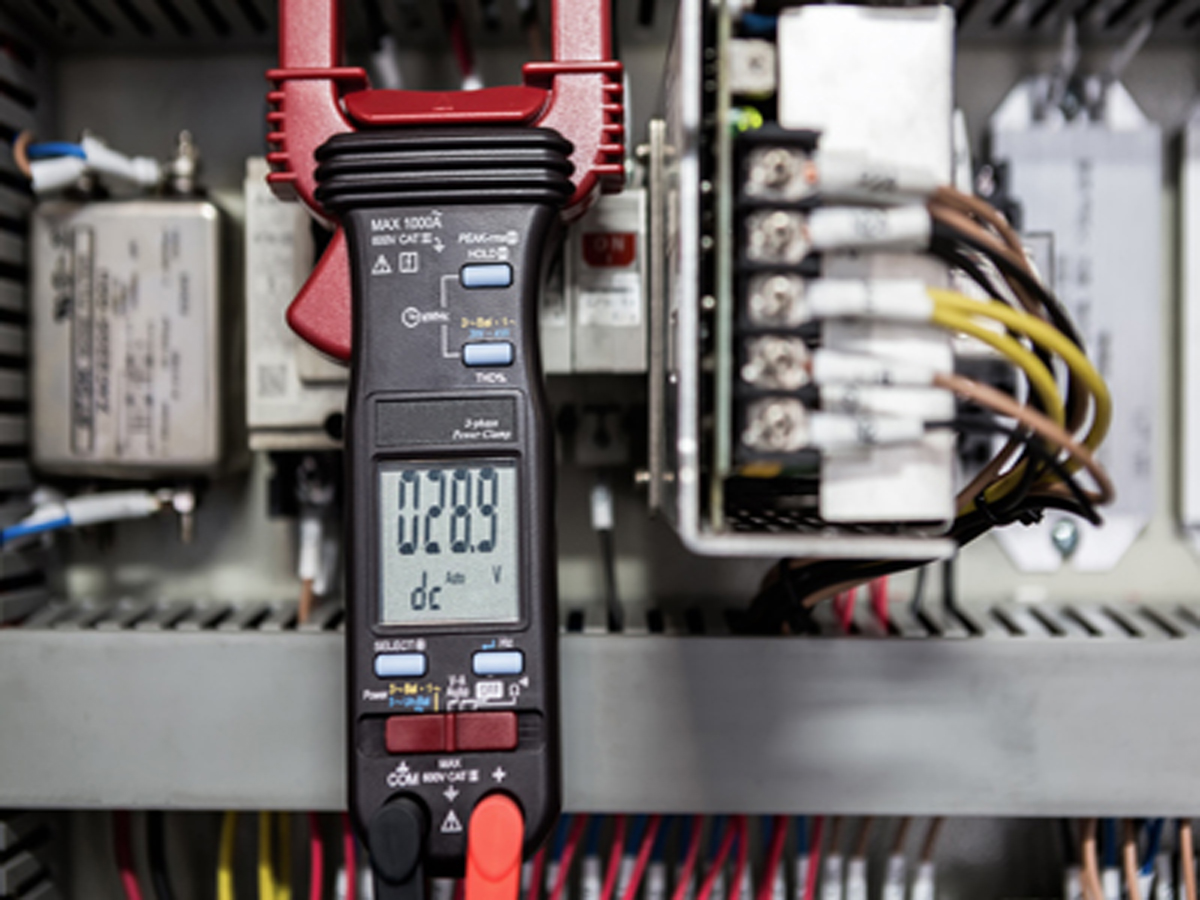
IEC 61439-1 and the applicable product-specific parts of the IEC 61439 series provide requirements for low-voltage switchgear and controlgear assemblies.
These requirements address the complete assembly rather than merely the dimensional characteristics of individual bolts.
IEC 60947 applies to relevant low-voltage switchgear and controlgear devices within its scope.
The IEC 61439 and IEC 60947 series serve different purposes and should not be treated as interchangeable standards.
Important Technical Distinction
A fastener manufactured to an ISO dimensional standard is not automatically qualified as a complete electrical connection under IEC 61439.
The equipment manufacturer must evaluate the relevant assembly-level requirements.
Busbar Bolts for Electrical Power Distribution
Busbars distribute electrical power within switchgear and related equipment.
Bolted busbar connections may join:
Main busbar sections
Branch busbars
Busbar transition connections
Conductive connection plates
Equipment terminals designed for bolted attachment
The fasteners help maintain the required mechanical clamping conditions.
However, the electrical current is intended to pass through the designed conductive contact interface, not necessarily through the fastening bolt itself.
Important Engineering Principle
The bolt's primary role in many busbar joints is to maintain contact pressure between the conductive members.
The bolt should not automatically be treated as the intended current-carrying conductor.
How Busbar Bolted Connections Work
A typical bolted busbar joint may include:
Copper or aluminum busbars
One or more bolts
Nuts
Washers or other specified bearing components
Approved conductive contact surfaces
When tightened according to the validated assembly procedure, the fasteners establish clamping force across the joint.
The resulting contact condition influences electrical resistance and temperature rise.
Engineering Considerations
Contact area
Surface finish
Contact pressure
Busbar material
Joint geometry
Fastener preload
Thermal cycling
Environmental exposure
Important Distinction
A higher-strength bolt does not automatically produce a better electrical connection.
The complete joint must be designed and verified.
Contact Resistance in Busbar Joints
Electrical contact resistance is influenced by the actual contact condition between conductive surfaces.
Potential factors include:
Surface oxidation
Contamination
Contact pressure
Surface roughness
Coating or plating
Joint movement
Temperature cycling
Excessive resistance may contribute to localized heating under electrical load.
Engineering Recommendation
Treat contact resistance as an assembly-level performance characteristic.
Do not assign a guaranteed contact resistance to a generic busbar bolt without testing the complete connection.
Fastener Preload and Electrical Contact Stability
Bolt preload helps maintain the mechanical compression of a busbar joint.
However, the relationship between tightening torque and achieved preload is influenced by:
Thread friction
Bearing surface friction
Coating
Lubrication
Bolt material
Nut material
Washer arrangement
Important Engineering Principle
Identical tightening torque does not always produce identical bolt preload.
Manufacturing Recommendation
Use the equipment manufacturer's approved fastening procedure and defined component specifications.
Thermal Cycling and Joint Relaxation
Busbar assemblies may experience temperature changes during normal equipment operation.
Different materials can expand at different rates.
Copper, aluminum and steel have different thermal expansion characteristics.
Repeated temperature changes may influence:
Joint preload
Contact pressure
Local deformation
Mechanical stability
Engineering Considerations
Conductor material
Bolt material
Joint stiffness
Contact surface geometry
Temperature range
Thermal cycling conditions
Important Limitation
A generic high-strength bolt does not automatically prevent preload changes caused by thermal cycling.
Copper Busbar Connections
Copper busbars are widely used in electrical power distribution equipment.
The connection design may involve:
Copper-to-copper joints
Copper-to-plated conductor joints
Copper-to-equipment terminal connections
Engineering Considerations
Contact surface preparation
Joint geometry
Clamping arrangement
Fastener material
Environmental exposure
Important Recommendation
Follow the equipment manufacturer's validated copper busbar joint design.
Aluminum Busbar Connections
Aluminum busbars introduce additional considerations.
Relevant factors may include:
Surface oxide
Material deformation
Thermal expansion
Joint relaxation
Compatibility with adjoining conductors
Engineering Recommendation
Use a connection design validated for aluminum conductors.
Do not assume that a copper busbar fastening arrangement can be transferred unchanged to aluminum.
Copper-to-Aluminum Busbar Connections
Dissimilar conductor connections may require additional attention to:
Galvanic compatibility
Contact interface design
Surface treatment
Approved transition components
Environmental protection
Important Engineering Distinction
A suitable fastener alone does not solve the electrical and corrosion challenges of a copper-to-aluminum joint.
The complete conductor interface must be engineered.
Busbar Bolt Material Selection
Common industrial fastener material families include:
Carbon steel
Alloy steel
Stainless steel
Other materials may be considered where specifically required.
Carbon Steel and Alloy Steel Busbar Bolts
These materials may provide suitable mechanical properties for approved busbar joint designs.
Relevant fastener mechanical property requirements may reference ISO 898-1 for applicable carbon steel and alloy steel bolts and screws.
Engineering Considerations
Required mechanical property class
Joint preload
Corrosion protection
Coating compatibility
Thread performance
Important Limitation
ISO 898-1 defines relevant mechanical properties of fasteners; it does not certify the electrical performance of a busbar connection.
Stainless Steel Busbar Fasteners
Stainless steel fasteners may be considered where the approved design requires their mechanical and corrosion characteristics.
Relevant stainless steel fastener property requirements may reference ISO 3506.
Engineering Considerations
Material grade
Mechanical property class
Thread galling
Thermal expansion
Environmental exposure
Important Distinction
Stainless steel is not automatically the best choice for every electrical busbar connection.
Electrical performance depends on the complete contact arrangement.
Brass Fasteners in Electrical Equipment
Brass may be used for selected electrical fastening components.
However, material conductivity does not establish suitability for every electrical terminal or protective connection.
Engineering Recommendation
Verify the specified brass alloy, mechanical properties and electrical connection design before selecting a brass screw.
Aluminum Alloy Fasteners
Aluminum fasteners may be considered for selected specialized applications.
However, lower density does not automatically make aluminum fasteners suitable for busbar clamping.
Engineering Considerations
Required strength
Thread performance
Joint relaxation
Material compatibility
Approved assembly design
Important Limitation
Do not substitute aluminum bolts for steel or stainless steel fasteners without engineering approval.
Hexagon Head Bolts for Busbar Assemblies
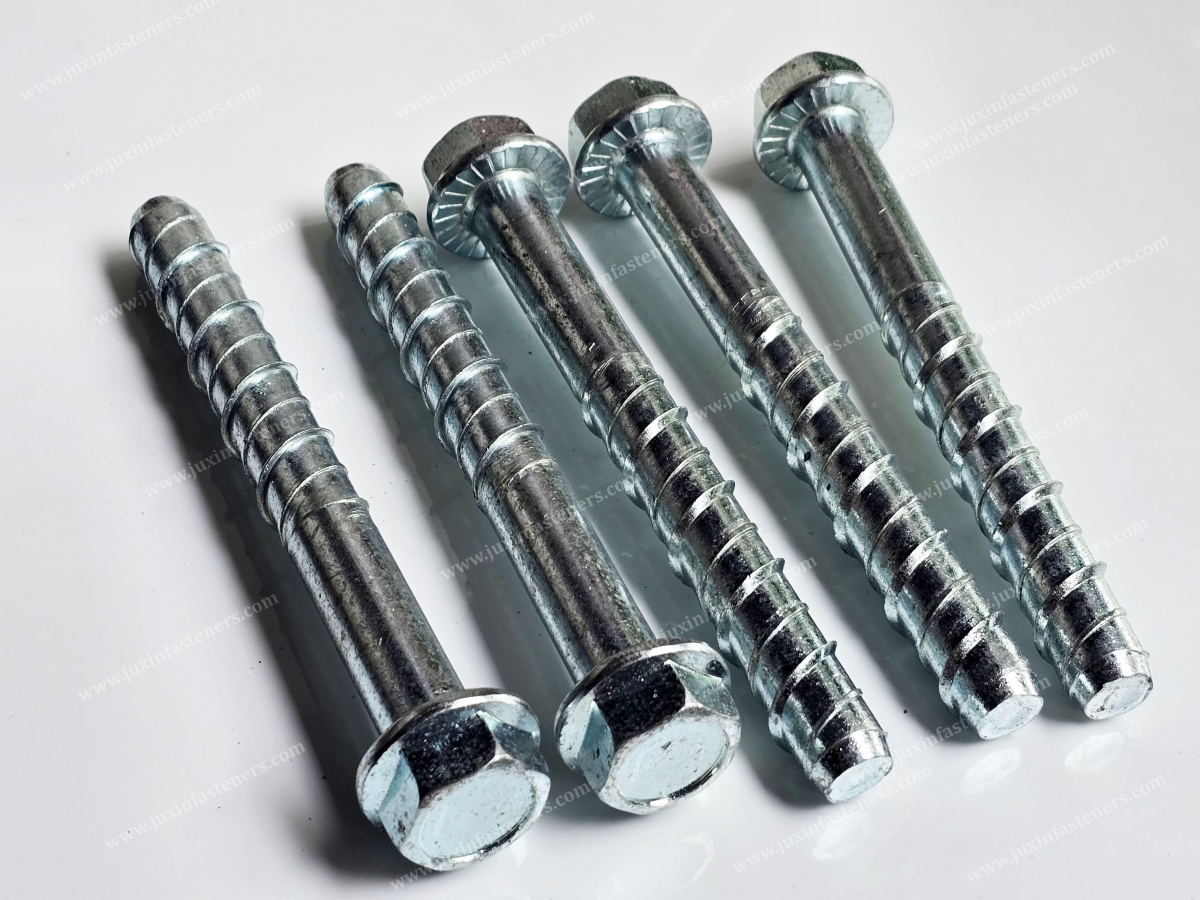
Hexagon head bolts are commonly considered for mechanical connections requiring wrench access.
Relevant metric dimensional standards may include ISO 4014 and ISO 4017, depending on the specified configuration.
Engineering Considerations
Thread length
Head dimensions
Tool clearance
Washer arrangement
Joint thickness
Mechanical property class
Important Procurement Recommendation
Confirm whether the approved drawing requires a partially threaded bolt or a fully threaded screw.
Hexagon Socket Screws for Compact Electrical Assemblies
Hexagon socket head cap screws may be used where the approved design permits their installation.
ISO 4762 is a relevant dimensional standard.
Engineering Considerations
Head clearance
Tool access
Thread engagement
Mechanical properties
Installation procedure
Important Limitation
A socket head screw should not automatically replace a hexagon head busbar bolt.
The bearing arrangement and approved joint geometry must be considered.
Square-Neck Carriage Bolts for Electrical Equipment Structures
Square-neck carriage bolts may be used in selected mechanical equipment connections.
Their square neck can provide resistance to rotation when installed in a compatible hole geometry.
ASME B18.5 covers relevant round-head square-neck bolt configurations.
For applicable inch-series fasteners, SAE J429 may be relevant to mechanical and material requirements.
Potential Applications
Equipment frames
Mechanical support structures
Cabinet mounting arrangements
Important Engineering Distinction
A square-neck carriage bolt is not automatically suitable for a busbar electrical connection.
Its use depends on the approved equipment design.
Metric and Inch Thread Specifications
Metric fasteners may use ISO metric thread designations.
Unified inch threads may be specified under ASME B1.1.
Important Compatibility Rule
Metric, UNC, UNF, BSW and BSF threads are not directly interchangeable.
Engineering Recommendation
Specify the exact thread system, pitch and tolerance requirements in the OEM drawing.
Busbar Joint Washer Selection
Washers may be used to distribute bearing pressure or provide other specified mechanical functions.
Potential arrangements include:
Flat washers
Approved spring elements
Application-specific locking components
Important Engineering Distinction
A conventional split spring washer does not automatically provide reliable preload retention under all vibration or thermal cycling conditions.
Engineering Recommendation
Use only the washer arrangement validated for the electrical joint.
Fastener Length and Thread Engagement
Busbar bolt length should be selected according to:
Combined conductor thickness
Washer thickness
Nut height
Required thread engagement
Available clearance
Important Failure Risk
An incorrect bolt length may prevent proper tightening or create interference with adjacent equipment.
Engineering Recommendation
Verify the complete dimensional stack-up and assembly clearance.
Surface Treatments for Switchgear Fasteners
Zinc-Plated Steel Fasteners
Zinc plating may provide corrosion protection for suitable industrial environments.
Engineering Considerations
Coating thickness
Thread fit
Friction characteristics
Environmental exposure
Approved joint requirements
Zinc-Flake Coatings
Zinc-flake coating systems may be considered where specified corrosion protection is required.
Important Limitation
Corrosion performance depends on the actual coating system, application process and exposure conditions.
Black Oxide
Black oxide may be used where appearance or specific controlled-use requirements justify its selection.
Important Limitation
Black oxide alone provides limited corrosion protection compared with more protective coating systems.
Coating and Electrical Contact
The coating on a fastener can influence friction and assembly behavior.
However, the electrical contact interface is a separate design consideration.
Important Engineering Recommendation
Do not assume that a corrosion-resistant fastener coating automatically improves busbar electrical conductivity.
Protective Bonding Screws for Electrical Cabinets
Protective bonding connections are intended to maintain electrical continuity between specified conductive parts and the protective circuit.
Examples may include:
Cabinet doors
Equipment frames
Removable panels
Protective conductor terminals
Bonding straps
Important Technical Distinction
Protective bonding is not simply a matter of choosing a highly conductive screw material.
The complete connection must be designed to provide reliable continuity.
Protective Bonding Connection Design
Relevant factors include:
Contact surface condition
Protective conductor arrangement
Approved terminal hardware
Mechanical retention
Corrosion exposure
Continuity verification
Engineering Recommendation
Follow the equipment manufacturer's approved protective circuit design and the applicable assembly requirements.
Grounding Screws and Surface Coatings
Painted or coated cabinet surfaces may influence electrical contact.
Important Engineering Consideration
A screw installed through paint does not automatically establish a verified protective bonding connection.
Where required, the approved design may use dedicated bonding points, suitable contact hardware or bonding conductors.
Important Limitation
A toothed washer or similar component should not be assumed to provide compliant protective bonding without validation.
Protective Bonding vs. Functional Grounding
Protective bonding and functional grounding may serve different purposes.
Protective Bonding
Associated with electrical safety and the protective circuit.
Functional Grounding
May be associated with equipment operation, electromagnetic compatibility or other functional requirements.
Engineering Recommendation
Identify the connection function before selecting the fastening hardware.
Structural Fasteners for Switchgear Cabinets
Not every bolt in a switchgear cabinet carries electrical current or forms part of a protective connection.
Structural fasteners may secure:
Cabinet frames
Mounting brackets
Support structures
Internal equipment plates
Mechanical accessories
Engineering Considerations
Mechanical loading
Joint stiffness
Material strength
Corrosion protection
Installation access
Important Distinction
Structural cabinet fastening requirements should be evaluated separately from busbar and protective bonding requirements.
Low-Voltage Switchgear Fastener Size Selection
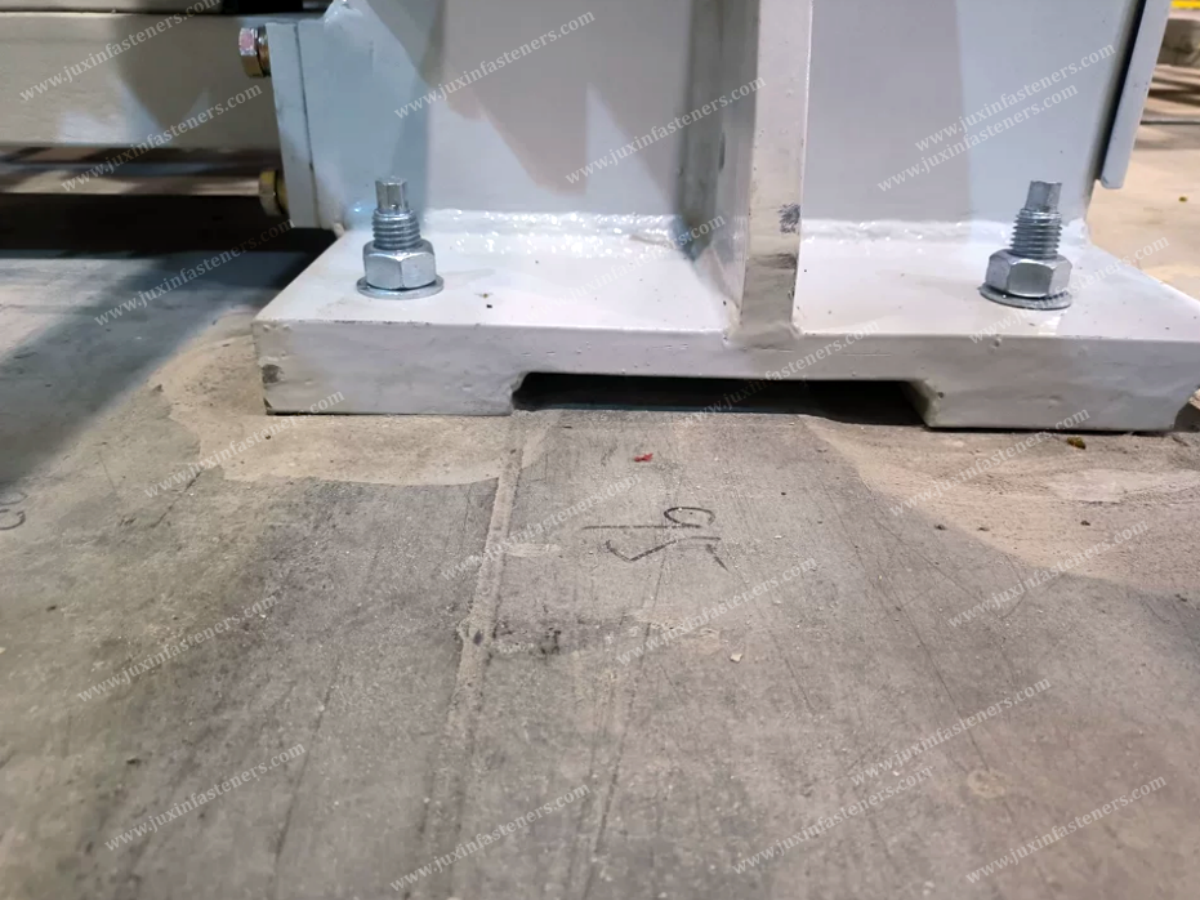
Nominal fastener sizes may include:
M3
M4
M5
M6
M8
M10
Larger sizes where required
Important Engineering Principle
No single size range can be assigned universally to every busbar connection or cabinet structure.
The required size depends on the actual connection design.
Engineering Selection Factors
Joint geometry
Required clamping force
Fastener mechanical properties
Mating material
Installation clearance
Electrical assembly requirements
Busbar Bolt Torque Selection
Tightening torque should be defined by the approved busbar joint design.
Relevant factors include:
Bolt size
Mechanical property class
Surface coating
Friction
Washer arrangement
Conductor material
Required preload
Important Technical Limitation
A generic torque chart cannot establish the correct tightening value for every electrical busbar joint.
Manufacturing Recommendation
Use the equipment manufacturer's validated assembly specification.
Torque-Controlled Assembly
Production processes may use controlled tightening tools where appropriate.
Relevant controls include:
Correct fastener identification
Tool calibration
Tightening sequence
Defined torque parameters
Inspection records
Important Production Principle
Torque control supports process consistency, but torque alone does not directly measure electrical contact resistance.
Busbar Joint Quality Verification
Depending on the equipment design and applicable requirements, verification may involve:
Dimensional inspection
Fastener identification
Assembly process records
Electrical continuity checks
Temperature-rise evaluation
Other applicable assembly-level verification
Important Responsibility Distinction
The fastener supplier verifies the agreed component specification.
The switchgear manufacturer is responsible for the applicable complete-assembly verification.
Thermal Performance of Busbar Connections
Electrical current can produce heat in conductive joints.
Temperature rise depends on the complete electrical connection.
Relevant factors include:
Current
Contact resistance
Joint geometry
Conductor properties
Cooling conditions
Equipment enclosure design
Important Engineering Recommendation
Do not claim a universal temperature-rise performance for a busbar bolt independent of the complete joint.
Vibration and Mechanical Reliability
Switchgear assemblies may be exposed to vibration during transport, installation or operation.
Potential concerns include:
Preload loss
Fastener loosening
Mechanical fatigue
Joint movement
Engineering Recommendation
Evaluate the actual loading and approved locking arrangement.
Corrosion in Electrical Cabinet Connections
Corrosion may influence:
Fastener condition
Thread performance
Maintenance access
Electrical contact surfaces
Long-term reliability
Engineering Recommendation
Evaluate fastener corrosion protection and electrical contact protection as separate but related design requirements.
Production-Line Fastener Management
Production managers should consider:
Component identification
Fastener feeding
Installation access
Tooling
Tightening sequence
Inspection
Rework prevention
Wrong-Fastener Prevention
Visually similar bolts may differ in:
Mechanical property class
Length
Thread pitch
Coating
Head geometry
Washer requirements
Production Recommendation
Use controlled part numbers, approved bills of materials and clear assembly instructions.
Common Busbar Fastening Problems
| Problem | Possible contributing factor | Engineering response |
|---|---|---|
| Excessive contact resistance | Poor contact condition or inadequate clamping | Review complete electrical joint |
| Joint overheating | Electrical loading or increased resistance | Verify connection design and temperature rise |
| Preload loss | Joint relaxation or thermal cycling | Review joint stiffness and approved fastening |
| Thread damage | Incorrect torque or thread mismatch | Verify thread specification and assembly |
| Corrosion | Material or environmental mismatch | Review corrosion protection |
| Incorrect fastener | Uncontrolled component substitution | Improve BOM and supplier qualification |
| Protective bonding failure | Inadequate connection design | Verify protective circuit continuity |
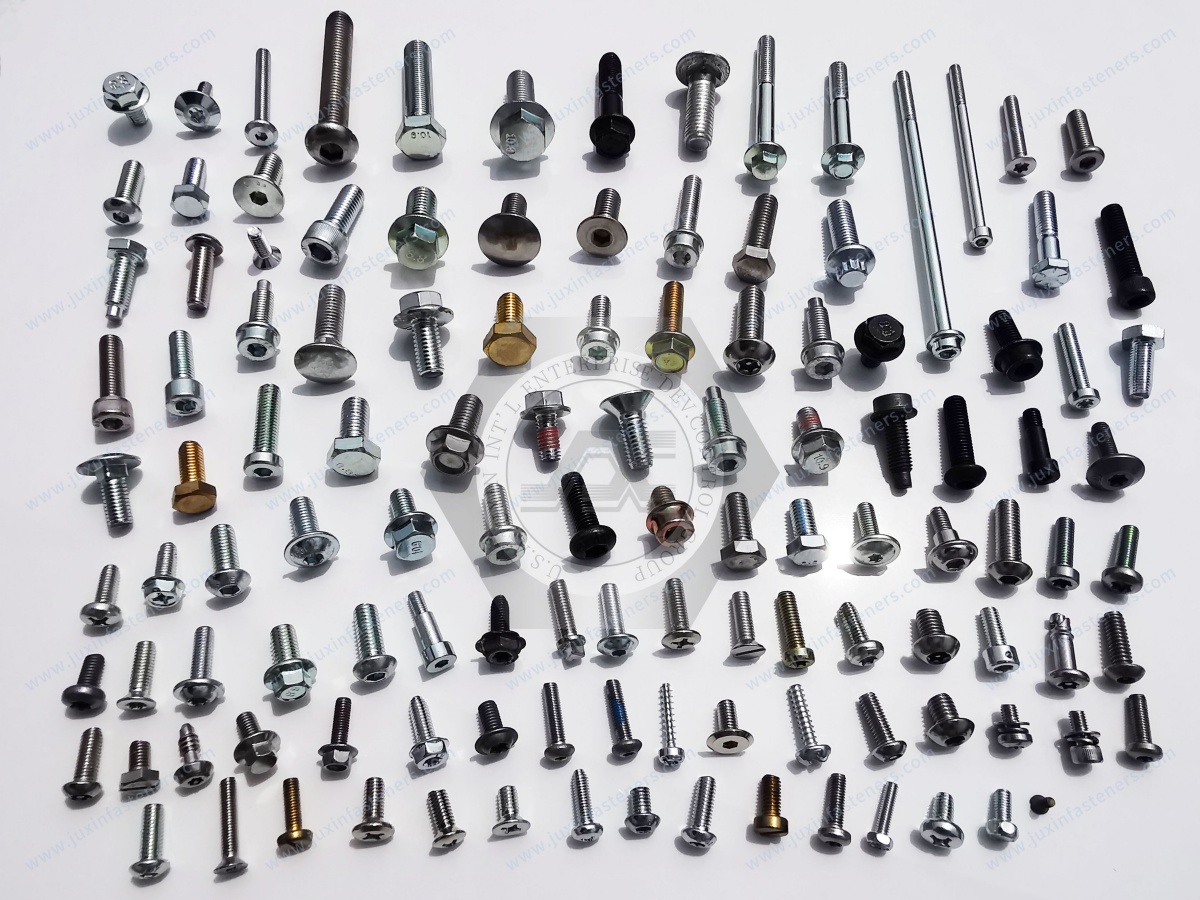
Industrial Power Distribution Applications
Potential equipment includes:
Low-voltage switchgear
Switchboards
Distribution cabinets
Power control equipment
Electrical panel assemblies
Engineering Considerations
Busbar joint design
Structural fastening
Protective bonding
Assembly repeatability
Industrial Automation Applications
Potential equipment includes:
PLC control cabinets
Industrial control systems
Machine electrical panels
Automation equipment enclosures
Engineering Considerations
Component mounting
Protective bonding
Maintenance access
Mechanical reliability
Renewable Energy Applications
Potential equipment includes:
Solar power conversion cabinets
Energy storage control systems
Power distribution assemblies
Inverter support equipment
Engineering Considerations
Electrical joint reliability
Corrosion exposure
Thermal cycling
Maintenance requirements
Data Center Power Infrastructure
Potential equipment includes:
Low-voltage distribution assemblies
Power distribution units
UPS-related electrical cabinets
Power conversion equipment
Engineering Considerations
Busbar connection consistency
Thermal management
Equipment serviceability
Production quality control
Important Limitation
A fastening component alone does not establish compliance with the electrical performance requirements of data center power equipment.
Industrial Electrical Equipment Manufacturing
OEM manufacturers may require:
Standard bolts
Custom screw lengths
Selected mechanical property classes
Specific coatings
Drawing-based fastening components
Engineering Recommendation
Define the complete component specification before requesting second-source quotations.
OEM Drawing Requirements for Switchgear Fasteners
For accurate technical review and quotation, provide:
Fastener drawing
Thread designation
Head type
Length
Material
Mechanical property class
Surface treatment
Applicable dimensional standard
Inspection requirements
For busbar applications, also provide the relevant approved joint requirements.
Busbar Fastener Supplier Qualification
Procurement and supplier-development teams should evaluate:
Component Conformity
Dimensional consistency
Material specification
Mechanical properties
Thread quality
Coating requirements
Production Compatibility
Installation tooling
Assembly repeatability
Packaging
Part identification
Approved change control
Commercial Requirements
MOQ
Annual volume
Lead time
Delivery schedule
Sample requirements
Second-Source Qualification
A second-source fastener may differ in friction characteristics, coating thickness or mechanical properties even when its nominal dimensions match.
Important Procurement Principle
A second-source bolt must be evaluated against the approved assembly requirements.
Fastener Quality Control Considerations
A component inspection plan may include:
Material verification
Dimensional inspection
Thread inspection
Mechanical property verification
Surface treatment inspection
The applicable inspection scope should be defined by the purchase specification.
Important Limitation
Component inspection does not replace complete electrical assembly testing.
Frequently Asked Questions
What bolts are used for low-voltage switchgear busbars?
The approved joint design may specify hexagon head bolts or other suitable fastening components. The required dimensions, material and tightening procedure depend on the complete electrical connection.
Can stainless steel bolts be used for busbar connections?
Potentially, if the complete connection design permits their use. Stainless steel is not automatically suitable for every busbar joint.
Are busbar bolts designed to carry electrical current?
In many bolted busbar joints, the intended current path is through the conductive contact surfaces rather than through the bolt.
Does a higher-strength bolt improve electrical conductivity?
Not directly. Electrical performance depends on the complete contact interface and joint design.
Can copper and aluminum busbars use identical fasteners?
Only when the complete joint designs have been evaluated and approved for the relevant conductor materials.
What is the correct tightening torque for an M8 busbar bolt?
There is no universal torque applicable to every M8 busbar joint. The approved assembly specification must be followed.
Can ordinary cabinet screws be used as protective grounding screws?
Only when the complete protective bonding connection has been designed and verified for that purpose.
Do spring washers prevent busbar joint loosening?
Not automatically. Washer selection must be based on the validated joint design.
What standards apply to low-voltage switchgear assemblies?
The applicable IEC 61439 requirements and other relevant equipment standards depend on the actual assembly and product scope.
Can a second-source supplier provide busbar bolts?
Potentially, after confirming component conformity and the equipment manufacturer's change-control requirements.
JUXIN FASTENERS: Busbar Bolts and Switchgear Fastening Components
JUXIN FASTENERS supplies industrial threaded fasteners and drawing-based components for electrical equipment manufacturers.
Relevant product families include:
Hexagon head bolts
Hexagon socket screws
Carbon steel and alloy steel bolts
Stainless steel screws and bolts
Square-neck carriage bolts
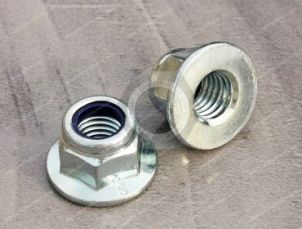
Industrial nuts
Custom threaded fastening components
For busbar and protective bonding applications, the required fastener specification must be established by the equipment manufacturer.
JUXIN FASTENERS can review drawings and purchasing requirements to discuss suitable component supply options.
Request an OEM Busbar Bolt and Switchgear Fastener RFQ
Are you sourcing busbar bolts, structural cabinet fasteners, protective bonding hardware or custom threaded components for low-voltage switchgear production?
JUXIN FASTENERS welcomes inquiries from:
Switchgear OEM manufacturers
Electrical design engineers
Mechanical and structural engineers
Manufacturing engineers
Production managers
Procurement specialists
Supplier-development teams
For efficient technical and commercial review, provide:
Approved drawing + fastener type + thread designation + material + mechanical property requirements + coating + annual volume + inspection requirements
For busbar connections, include the approved joint design and assembly requirements.
For protective bonding connections, provide the relevant equipment specifications and required verification criteria.
Company: JUXIN FASTENERS
Website: https://www.juxinfasteners.com/
Email: info@juxinfasteners.com
Send your low-voltage switchgear fastener drawings and OEM RFQ requirements to JUXIN FASTENERS for technical review and quotation.
Contact Us
Tel.:
+86 020 8621 0320
+86 020 3121 6067
E-mail:
Technical Support:
Navigation
SEND INQUIREY