
Call Us
+86 136 6007 9809
Call Us
+86 136 6007 9809

Jul. 10, 2024
Stainless steel screws are one of the most widely used fastening solutions in industrial manufacturing due to their excellent corrosion resistance, mechanical strength, durability, and clean appearance.
However, stainless steel screws are not a single product category. They can be classified according to different factors, including:
Stainless steel material grade
Head design
Drive type
Thread specification
Surface treatment
Industrial application requirements
Choosing the correct stainless steel screw type is essential for ensuring reliable fastening performance, corrosion resistance, and long-term service life.
Juxin Fasteners provides OEM stainless steel screw solutions for automotive, food service equipment, electrical equipment, machinery, medical devices, and other industrial applications.
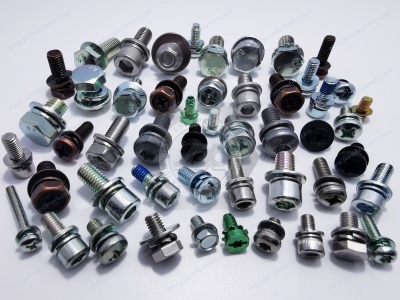
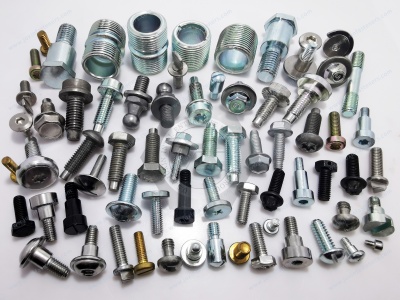
The material grade is one of the most important factors when selecting stainless steel screws.
304 stainless steel, also known as 18-8 stainless steel, is the most commonly used stainless steel fastener material.
Typical characteristics:
Excellent corrosion resistance
Good chemical resistance
Good forming performance
Easy manufacturing and processing
Common products:
18-8 Stainless Steel Socket Head Screws
18-8 Stainless Steel Button Head Screws
18-8 Stainless Steel Pan Head Phillips Screws
Stainless Steel SEMS Screws
Applications:
304 stainless steel screws are widely used in:
Commercial kitchen equipment
Food processing machinery
Beverage equipment
Stainless steel cabinets
Because they can withstand:
Moisture
Cleaning chemicals
Daily washing environments
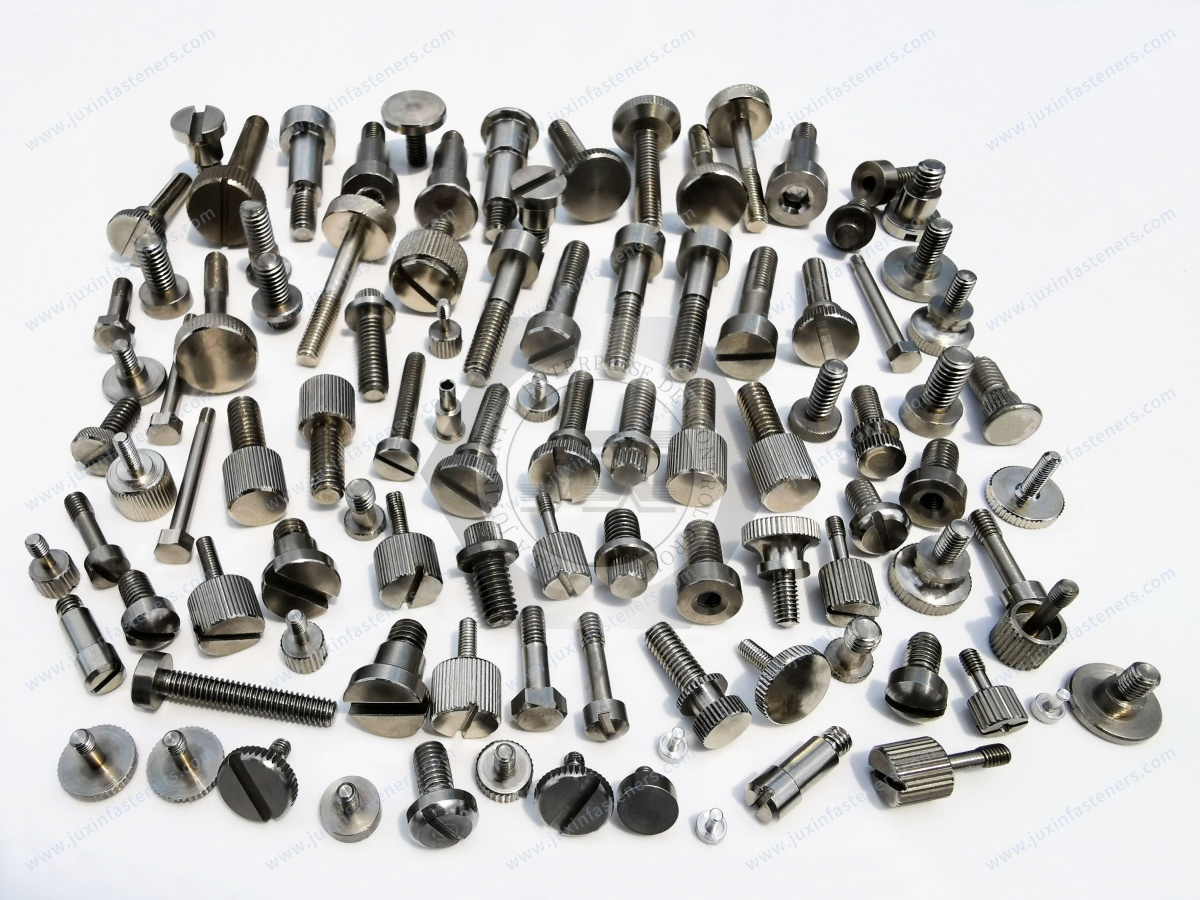
316 stainless steel contains molybdenum, providing higher corrosion resistance compared with 304 stainless steel.
Advantages:
Excellent resistance to salt water
Better chemical resistance
Suitable for harsh environments
Common products:
316 Stainless Steel Socket Head Screws
316 Stainless Steel Button Head Screws
316 Stainless Steel Machine Screws
Applications:
Marine equipment
Chemical equipment
Pharmaceutical machinery
Offshore systems
410 stainless steel is a martensitic stainless steel grade.
Characteristics:
Higher hardness
High mechanical strength
Magnetic properties
Applications:
Construction fastening
Mechanical components
Concrete fastening systems
Different applications require different head designs.
Socket head screws provide high tightening torque through internal hex drive design.
Advantages:
High strength connection
Space-saving design
Suitable for precision assembly
Applications:
Industrial machinery
Automation equipment
Automotive components
Common standards:
DIN 912
ISO 4762
ASME B18.3
Button head screws provide:
Smooth appearance
Larger bearing surface
Good load distribution
Applications:
Equipment covers
Electrical products
Consumer equipment
Pan head Phillips screws are widely used because of:
Easy installation
Good availability
Standard tooling compatibility
Applications:
Electronics
Electrical enclosures
Industrial equipment
Flanged screws integrate a washer function into the screw head.
Advantages:
Larger contact area
Reduced surface pressure
No additional washer required
Applications:
Automotive components
Machinery assembly
Sheet metal fabrication
SEMS screws combine screws with permanently attached washers.
Types:
Spring washer SEMS screws
Internal tooth lock washer SEMS screws
Advantages:
Prevent loosening from vibration
Improve assembly efficiency
Applications:
Electrical equipment
Automotive electronics
Control cabinets
Features:
Easy installation
Suitable for automated assembly
Applications:
Electronics
Appliances
General industrial assembly
Features:
Higher torque capability
Reduced risk of drive damage
Applications:
Machinery
Automotive
Industrial equipment
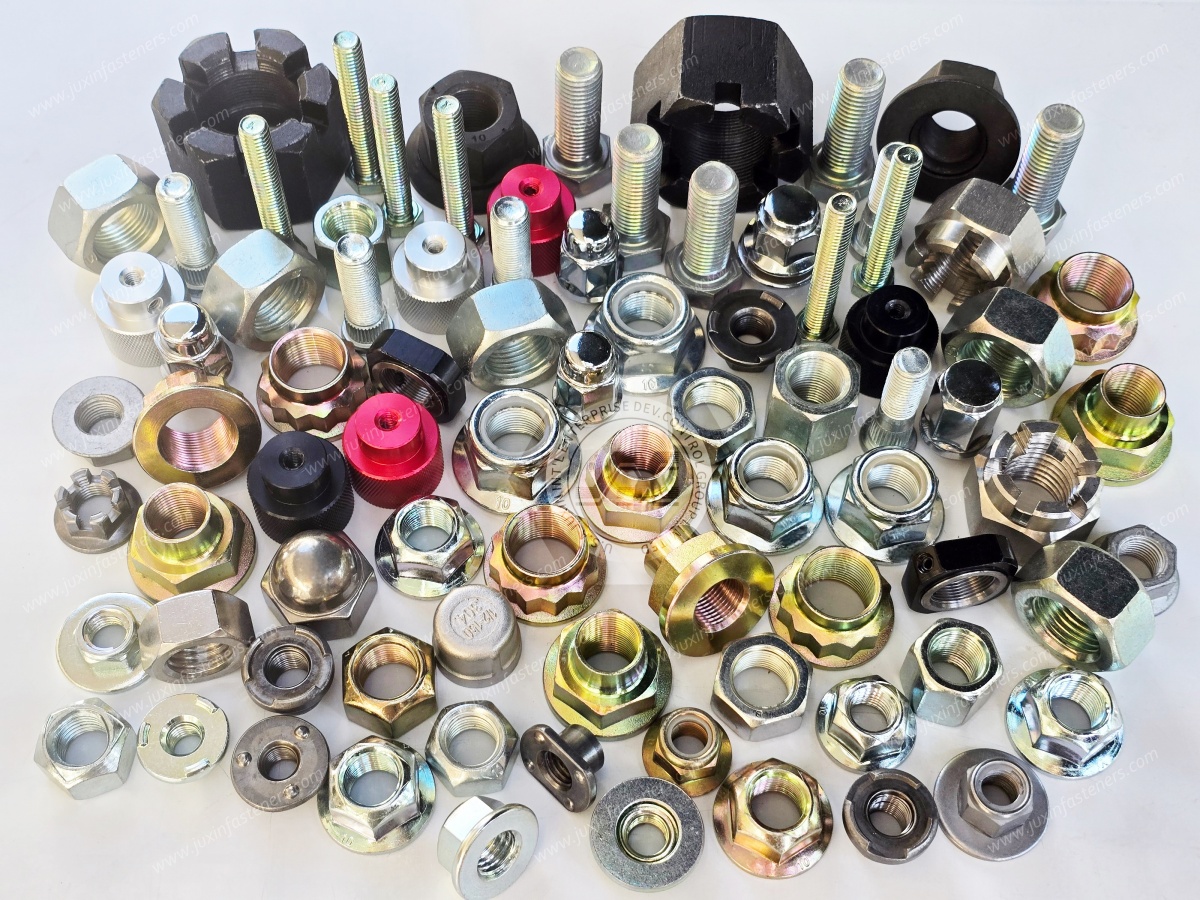
Advantages:
Higher torque transmission
Improved security
Applications:
Public equipment
Electrical systems
Security applications
Although stainless steel naturally provides corrosion resistance, additional surface treatments improve performance.
Passivation removes free iron contamination and improves the protective oxide layer.
Benefits:
Improved corrosion resistance
Cleaner surface
Longer service life
Applications:
Medical equipment
Food equipment
Precision machinery
Features:
Matte black appearance
Improved surface appearance
Applications:
Automotive components
Decorative equipment
Stainless steel screws are used for:
Interior components
Electrical assemblies
Sensor brackets
Equipment systems
Requirements:
Reliable fastening
Corrosion resistance
Long service life
Commercial kitchen equipment requires:
Stainless steel screws
Passivated fasteners
Corrosion-resistant components
Applications:
Fryers
Ovens
Beverage machines
Food preparation equipment
Applications:
Control cabinets
Telecom equipment
Industrial electronics
Recommended fasteners:
Phillips screws
SEMS screws
Socket head screws
Stainless steel screws provide:
High strength
Stable connection
Resistance to harsh environments
Applications:
Automation equipment
Manufacturing machines
Industrial systems
Engineers and purchasing teams should consider:
Indoor or outdoor use
Moisture exposure
Chemical exposure
Salt water environment
Select according to:
Load requirements
Vibration conditions
Assembly method
Typical selection:
| Application | Recommended Material |
|---|---|
| General industrial use | 304 / 18-8 stainless steel |
| Marine environment | 316 stainless steel |
| High strength mechanical applications | 410 stainless steel |
Juxin Fasteners supplies OEM stainless steel screw solutions including:
Stainless Steel Socket Head Screws
Stainless Steel Phillips Screws
Stainless Steel Button Head Screws
Stainless Steel SEMS Screws
Stainless Steel Flanged Screws
Custom Stainless Steel Fasteners
Capabilities:
OEM production
Custom specifications
Material selection support
Surface treatment solutions
Quality inspection
With extensive experience supplying industrial customers, Juxin supports global manufacturers with reliable stainless steel fastening solutions.
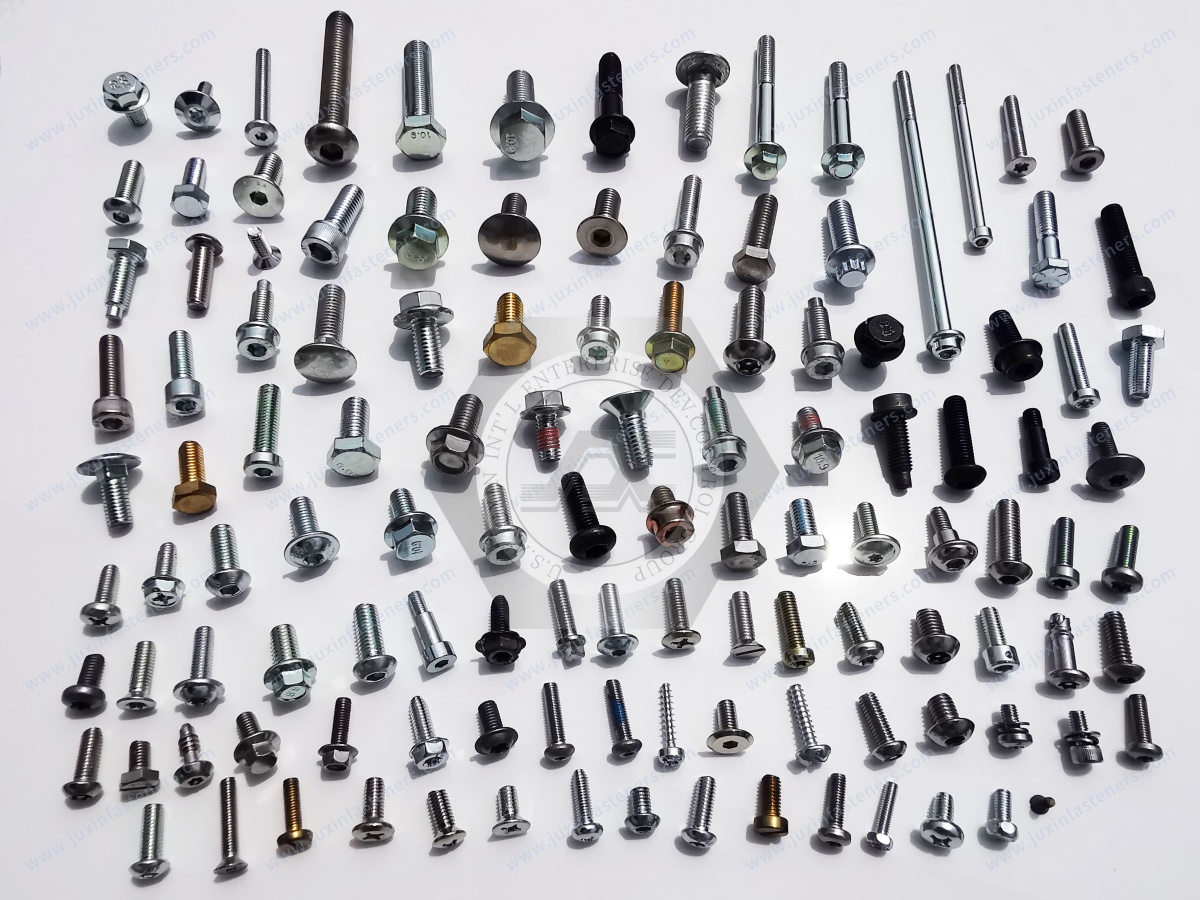
Stainless steel screws can be classified by material grade, head style, drive type, and application requirements.
Selecting the correct stainless steel screw depends on:
Corrosion environment
Mechanical requirements
Assembly conditions
Industry standards
Understanding stainless steel screw classification helps engineers and purchasing teams choose the right fastening solution for long-term performance.
For high-quality stainless steel screws and professional technical support, please contact:
Email: info@juxinfasteners.com
Website: https://www.juxinfasteners.com
 MORE NEWS
Sep. 27, 2026
Sep. 27, 2026
Sep. 27, 2026
Contact Us
Tel.:
+86 020 8621 0320
+86 020 3121 6067
E-mail:
Technical Support:
Navigation
SEND INQUIREY