
Call Us
+86 136 6007 9809
Call Us
+86 136 6007 9809

Jul. 10, 2024
Stainless steel screws are widely used in industrial applications because of their excellent corrosion resistance, strength, durability, and clean appearance. However, one common question from engineers and purchasing professionals is:
"Why are stainless steel screws magnetic?"
Many people believe that stainless steel should never be attracted by magnets. In reality, the magnetic properties of stainless steel screws depend on the alloy composition, metallurgical structure, manufacturing process, and heat treatment.
A stainless steel screw showing weak magnetism does not necessarily mean it is a low-quality or fake product. Understanding stainless steel grades is essential when selecting the correct fasteners for automotive, food service equipment, medical devices, electronics, construction, and industrial machinery applications.
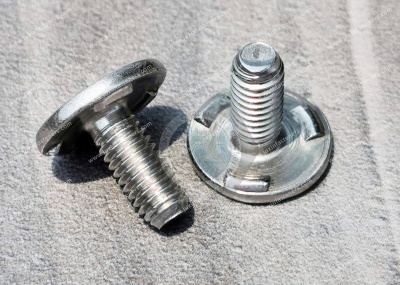
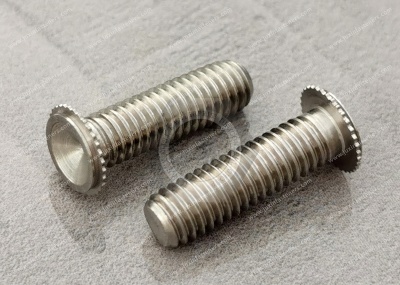
Stainless steel is an iron-based alloy containing chromium and other alloying elements. Since most stainless steel contains iron, some grades may show magnetic characteristics.
The magnetic behavior mainly depends on the internal crystal structure of stainless steel.
Stainless steel fasteners are generally divided into three main categories:
Common grades:
304 Stainless Steel
18-8 Stainless Steel
316 Stainless Steel
Austenitic stainless steel fasteners are the most commonly used corrosion-resistant screws.
Typical characteristics:
Excellent corrosion resistance
Good chemical resistance
Excellent forming performance
Usually non-magnetic or slightly magnetic
However, during cold forming processes such as:
Cold heading
Thread rolling
Machining
a small amount of martensitic structure may form, causing weak magnetism.
This does not affect the corrosion resistance or quality of the stainless steel screw.
Common applications:
Food service equipment
Medical equipment
Electrical enclosures
Marine equipment
Chemical processing equipment
Common grades:
410 Stainless Steel
420 Stainless Steel
Martensitic stainless steel contains higher carbon content and has a different microstructure.
Characteristics:
Magnetic properties
High hardness
High wear resistance
Good mechanical strength
Applications:
Cutting tools
Mechanical components
Automotive parts
Concrete fastening systems
For example:
410 stainless steel screws are often selected for applications requiring higher strength and moderate corrosion resistance.
Common grade:
430 Stainless Steel
Ferritic stainless steel contains chromium but has a ferrite structure, making it naturally magnetic.
Applications:
Appliance components
Decorative parts
General industrial applications
No.
Magnetic properties alone cannot determine whether a stainless steel screw is genuine or not.
For example:
304 stainless steel screws may show weak magnetism after cold forming.
316 stainless steel screws are generally non-magnetic but may also show slight magnetism after processing.
410 stainless steel screws are naturally magnetic.
Material identification should be based on:
Chemical composition analysis
Material certificates
PMI testing
Manufacturing standards
Professional fastener suppliers provide material traceability and inspection documentation to ensure correct material selection.
18-8 stainless steel is one of the most widely used stainless steel fastener materials.
Features:
Good corrosion resistance
Good chemical resistance
Cost-effective solution
Typical products:
18-8 Stainless Steel Phillips Screws
18-8 Stainless Steel Socket Head Screws
Stainless Steel SEMS Screws
Applications:
Commercial kitchen equipment requires fasteners that withstand:
Frequent cleaning
Moisture
Food chemicals
High temperature environments
Used for:
Control cabinets
Electrical enclosures
Equipment assembly
316 stainless steel contains molybdenum, providing improved resistance against:
Salt water
Chlorides
Chemical corrosion
Typical products:
316 Stainless Steel Socket Head Screws
316 Stainless Steel Button Head Screws
316 Stainless Steel Machine Screws
Applications:
Marine equipment
Chemical processing
Offshore systems
Pharmaceutical equipment
Although stainless steel naturally forms a chromium oxide protective layer, passivation treatment further improves corrosion resistance.
The passivation process:
Cleaning contaminants from the surface
Removing free iron particles
Forming a stable passive oxide layer
Improving corrosion resistance
Benefits:
Better corrosion protection
Improved surface cleanliness
Longer service life
Suitable for demanding industries
Common applications:
Medical devices
Food processing equipment
Aerospace components
Precision machinery
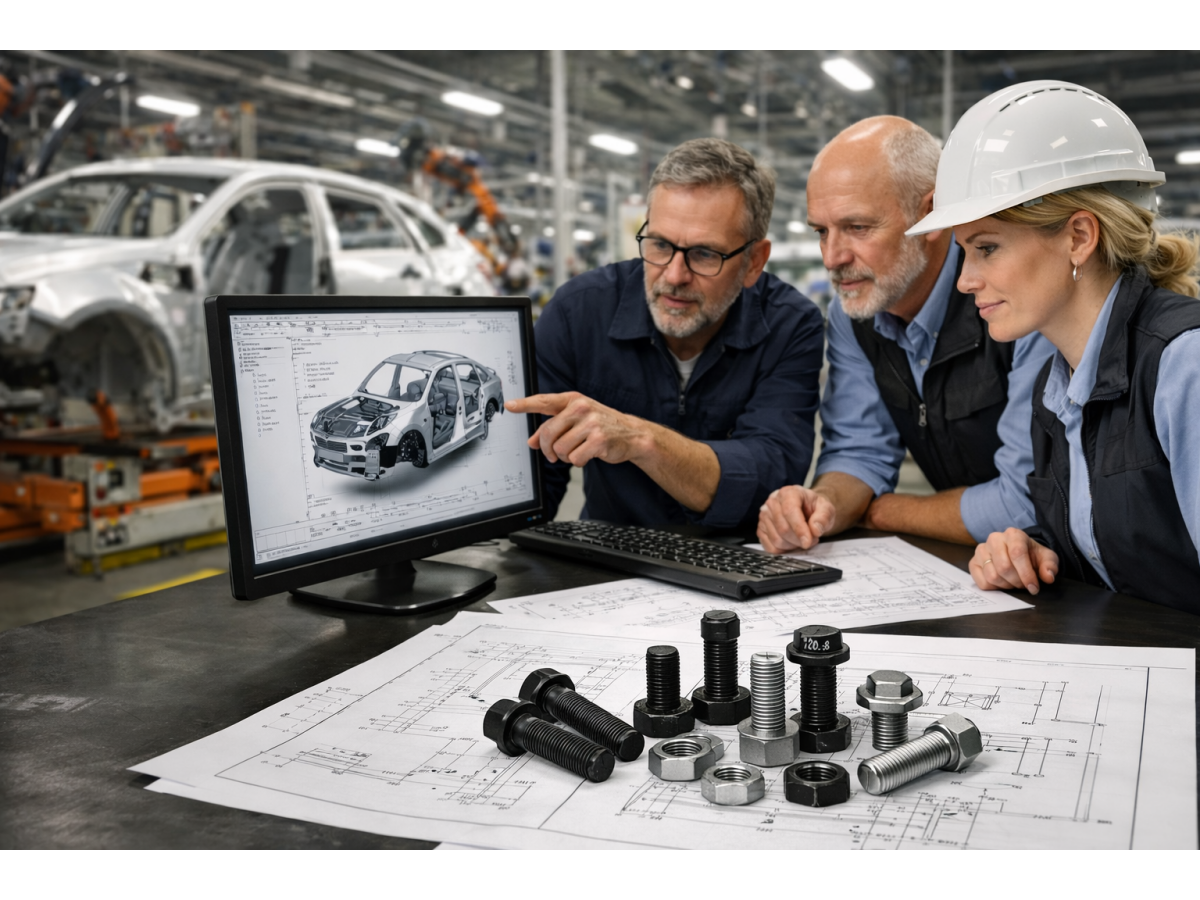
Stainless steel screws are used for:
Interior components
Electrical systems
Sensor assemblies
Brackets
Requirements:
Reliable fastening
Corrosion resistance
Long service life
Commercial kitchen equipment manufacturers require:
Stainless steel screws
Passivated fasteners
Corrosion-resistant components
Applications:
Fryers
Ovens
Beverage machines
Food preparation equipment
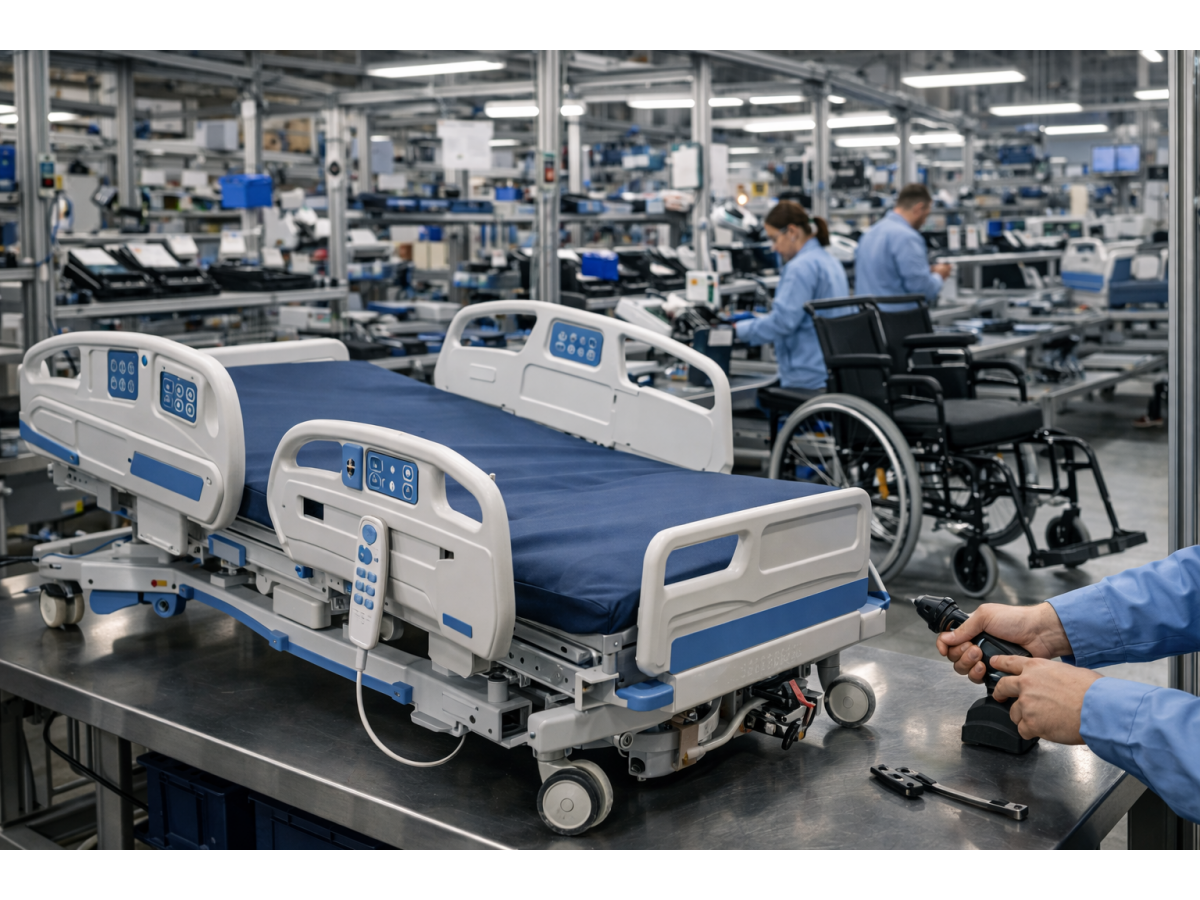
Medical applications require:
Clean surface
Corrosion resistance
Reliable performance
Common fasteners:
316 stainless steel screws
Precision machine screws
Applications:
Control cabinets
Telecom equipment
Industrial electronics
Recommended fasteners:
Stainless steel SEMS screws
Phillips machine screws
Socket head screws
Juxin Fasteners supplies OEM stainless steel fastening solutions including:
18-8 Stainless Steel Screws
304 Stainless Steel Screws
316 Stainless Steel Screws
Stainless Steel Socket Head Screws
Stainless Steel Phillips Screws
Stainless Steel SEMS Screws
Custom Stainless Steel Fasteners
Our engineers support customers with:
Material selection
Surface treatment recommendations
OEM customization
Production quality control
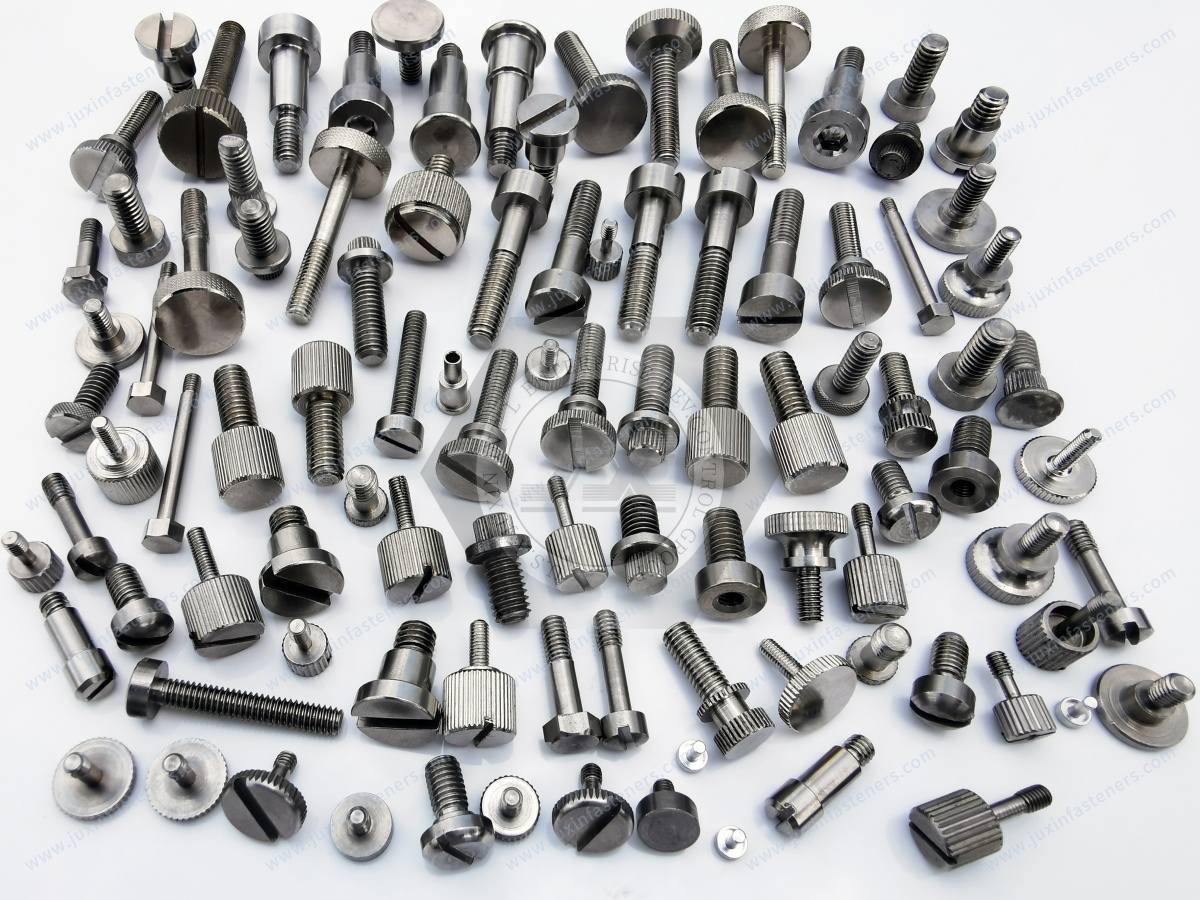
The magnetism of stainless steel screws depends on material grade, microstructure, and manufacturing process. Magnetic stainless steel does not always indicate poor quality, while non-magnetic stainless steel is not always the only choice.
Selecting the correct stainless steel fastener requires considering:
Corrosion environment
Mechanical strength
Temperature conditions
Industry requirements
With professional material knowledge and OEM manufacturing experience, Juxin Fasteners provides reliable stainless steel screw solutions for global industrial customers.
For high-quality stainless steel screws and professional technical support, please contact us at:
Email: info@juxinfasteners.com
Website: https://www.juxinfasteners.com
 MORE NEWS
Sep. 27, 2026
Sep. 27, 2026
Sep. 27, 2026
Contact Us
Tel.:
+86 020 8621 0320
+86 020 3121 6067
E-mail:
Technical Support:
Navigation
SEND INQUIREY