Call Us
+86 136 6007 9809
Call Us
+86 136 6007 9809

Jul. 10, 2024
Do Stainless Steel Screws Rust? Corrosion Causes, Failure Prevention and OEM Fastener Selection
Stainless steel screws are widely used in industrial machinery, electrical equipment, automotive assemblies,
food-processing systems and outdoor equipment because they offer useful corrosion resistance and mechanical performance.
However, stainless steel screws can rust.
Stainless steel is corrosion-resistant, not corrosion-proof. Under unfavorable conditions, stainless steel fasteners may develop surface rust staining, pitting, crevice corrosion or other forms of localized attack.
A screw may also appear rusty because carbon steel particles have contaminated its surface, even when the underlying stainless steel has not suffered significant corrosion.
For OEM engineers, identifying the actual corrosion mechanism is more important than simply replacing a rusty screw with a more expensive material.
For manufacturing engineers and production managers, corrosion prevention also involves handling, cleaning, installation procedures, component compatibility and assembly consistency.
For procurement and supplier development teams, the challenge is translating these requirements into a reliable material specification, inspection plan and repeatable purchasing process.
This guide explains why stainless steel screws rust, how to distinguish common corrosion mechanisms and how to select suitable stainless steel fasteners for industrial OEM applications.
Juxin Fasteners supplies industrial fastening components and supports inquiries for standard and drawing-based stainless steel screws.
Can Stainless Steel Screws Rust? The Short Answer
Yes.
Stainless steel contains chromium, which enables the material to form a thin, protective passive surface film under suitable conditions.
This passive film helps resist corrosion.
However, corrosion resistance depends on the material, surface condition and service environment.
When the local environment becomes sufficiently aggressive, stainless steel can suffer corrosion despite the presence of chromium.
Common Causes of Rust or Corrosion on Stainless Steel Screws
Unsuitable stainless steel grade
Chloride exposure
Trapped moisture
Crevices beneath heads or washers
Free iron contamination
Contact with dissimilar metals
Aggressive cleaning chemicals
Poor surface condition
Inadequate maintenance
Important Engineering Distinction
A brown stain on a stainless steel screw does not always indicate the same failure mechanism.
Corrective action should begin with identifying whether the problem is surface contamination, localized corrosion or deterioration of the actual fastener material.
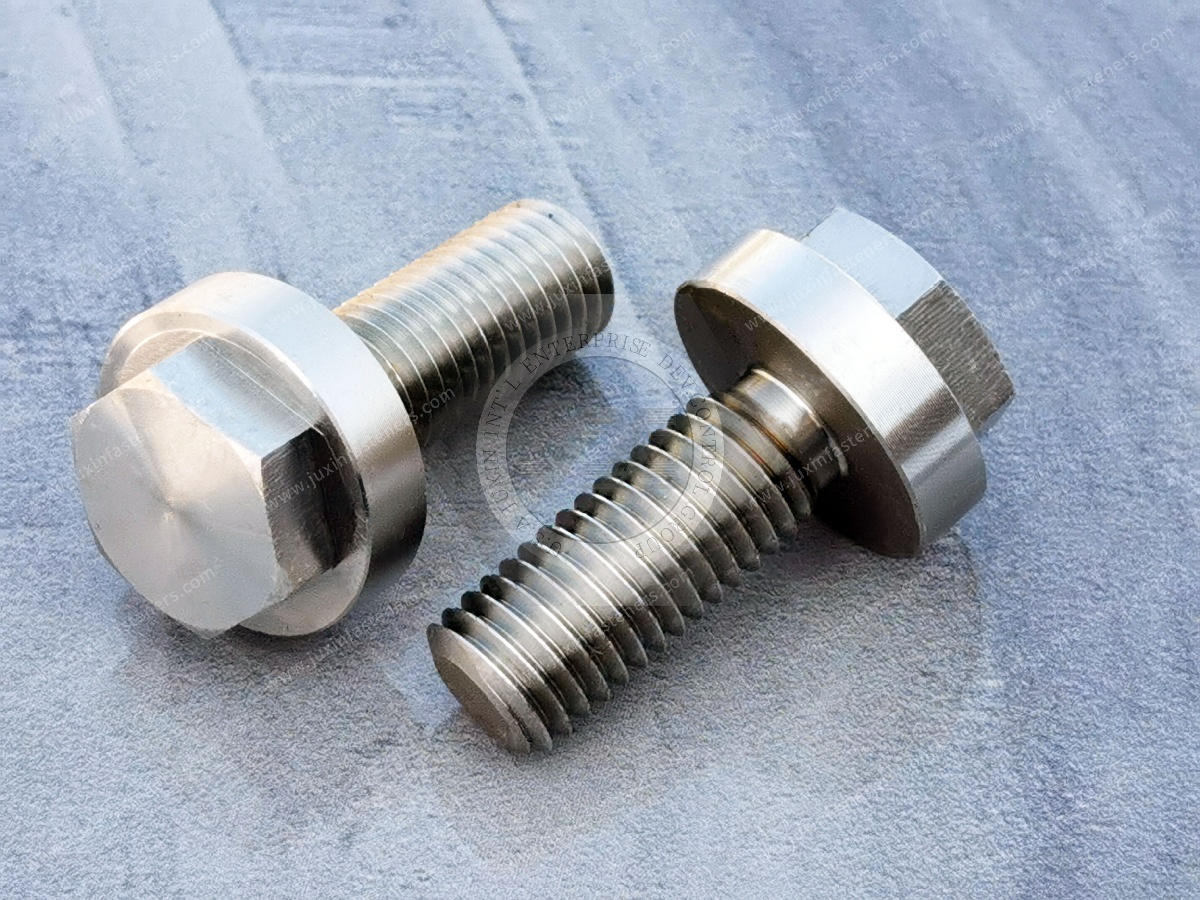
What Does Rust on a Stainless Steel Screw Look Like?
Different corrosion mechanisms can produce different symptoms.
| Observed condition | Possible cause | Initial engineering response |
|---|---|---|
| Superficial brown staining | Free iron contamination or corrosion products | Inspect and investigate the source |
| Small localized cavities | Pitting corrosion | Evaluate alloy and chloride exposure |
| Corrosion beneath a washer | Crevice corrosion | Review joint geometry and moisture retention |
| Corrosion near dissimilar metals | Possible galvanic interaction | Evaluate electrical contact and electrolyte exposure |
| Corrosion concentrated around deposits | Localized environmental attack | Review cleaning and deposit accumulation |
| Damaged or seized threads | Galling, corrosion or both | Inspect thread condition and assembly process |
Diagnostic Limitation
Visual appearance alone is not always sufficient to determine the corrosion mechanism.
For important or recurring failures, appropriate inspection and material analysis may be necessary.
Why Do Stainless Steel Screws Rust?
Incorrect Stainless Steel Grade
Different stainless steel grades offer different corrosion behavior.
304 and 316 are both widely used austenitic stainless steels, but they are not equivalent in every environment.
304 Stainless Steel Screws
304 stainless steel is commonly used in:
General industrial machinery
Electrical enclosures
Commercial kitchen equipment
Indoor equipment
Mechanical assemblies
It offers useful corrosion resistance in many environments.
However, chloride exposure, aggressive chemicals and crevice conditions may cause localized corrosion.
316 Stainless Steel Screws
316 stainless steel contains molybdenum and generally offers improved resistance to certain forms of localized corrosion compared with 304.
Potential applications include:
Coastal equipment
Marine-related machinery
Chemical-processing equipment
Outdoor instrumentation
Selected washdown equipment
Important Limitation
316 stainless steel is not immune to corrosion.
Its performance depends on chloride concentration, temperature, chemical conditions, crevice geometry and other environmental factors.
18-8, A2 and A4 Material Designations
18-8 is a broad commercial designation commonly associated with certain chromium-nickel austenitic stainless steels.
A2 and A4 are stainless steel fastener material groups used in relevant ISO specifications.
These terms should not automatically be treated as complete substitutes for specific 304 or 316 material requirements.
Material Selection Comparison
| Material designation | General selection context | Main corrosion concern |
|---|---|---|
| 304 / suitable 18-8 | General industrial environments | Chlorides and crevice conditions |
| 316 | Selected chloride-containing or aggressive environments | Pitting and crevice corrosion remain possible |
| A2 fastener group | ISO-based stainless fastener specifications | Confirm exact grade and environment |
| A4 fastener group | ISO-based corrosion-resistant fastener specifications | Confirm exact grade and service conditions |
| 410 | Certain hardened screw applications | Different corrosion resistance from austenitic grades |
Engineering Principle
Material selection should be based on the actual environment and mechanical requirements,
not on the assumption that all stainless steels provide the same corrosion resistance.
Chloride Exposure and Pitting Corrosion
Chlorides are a major concern in many stainless steel applications.
Potential chloride sources include:
Seawater
Coastal salt deposits
Road deicing salts
Certain cleaning chemicals
Industrial process fluids
Under suitable conditions, chlorides can contribute to localized breakdown of the passive surface film.
This may result in pitting corrosion.
Why Pitting Is Important
Pitting can create small but potentially deep localized cavities.
A screw may appear mostly intact while localized material loss is occurring.
Engineering Considerations
Chloride concentration
Temperature
Exposure duration
Surface deposits
Cleaning frequency
Material grade
Important Limitation
A general description such as “marine-grade stainless steel” is not a complete engineering specification.
The actual operating conditions must be reviewed.
Crevice Corrosion Beneath Screw Heads and Washers
Crevice corrosion is particularly relevant to fastened joints.
Narrow gaps can develop beneath:
Screw heads
Washers
Flanges
Mating plates
Gaskets
Other contacting components
When moisture or chemicals become trapped in these gaps, the local environment can differ from the surrounding exposed surface.
This may promote localized corrosion.
Why the Screw Head Matters
A stainless steel screw may have an exposed head that appears clean while corrosion develops beneath the head or washer.
This is especially important in outdoor equipment and washdown applications.
Engineering Design Considerations
Review:
Joint geometry
Moisture drainage
Surface contact
Cleaning accessibility
Washer arrangement
Material compatibility
Important Engineering Insight
Upgrading from 304 to 316 may improve corrosion resistance in some applications,
but it does not automatically eliminate corrosion caused by unfavorable crevice geometry.
A material change and a joint-design review may both be necessary.
Free Iron Contamination and Surface Rust Staining
Stainless steel screws can become contaminated by free iron during manufacturing, handling, storage or installation.
Potential contamination sources include:
Carbon steel tooling
Grinding operations
Steel brushes
Shared work surfaces
Metal particles
Handling equipment
When free iron particles remain on a stainless steel surface, they may corrode and create visible rust staining.
Why This Matters
A stainless steel screw may appear rusty because contamination on its surface is corroding.
This does not automatically prove that the underlying stainless steel grade is incorrect.
Recommended Investigation
Evaluate:
Surface condition
Manufacturing history
Handling procedures
Cleaning processes
Material documentation
Production Engineering Insight
A stainless steel fastener can meet its nominal material specification but still develop contamination-related staining because of poor handling or unsuitable tooling.
Material selection and production cleanliness are separate quality-control issues.
Galvanic Corrosion in Mixed-Metal Assemblies
Galvanic corrosion may occur when dissimilar metals are electrically connected in the presence of a suitable electrolyte.
For example, stainless steel screws may be assembled into aluminum or other metallic components.
The corrosion risk depends on:
Metal combination
Electrical contact
Moisture
Electrolyte composition
Exposed surface-area relationship
Protective coatings
Joint geometry
Important Distinction
The stainless steel screw is not necessarily the component that corrodes.
In certain combinations, the less noble mating metal may experience accelerated corrosion.
Engineering Considerations
For mixed-metal assemblies, review the entire joint rather than only the screw material.
Possible design measures may include appropriate material selection, electrical isolation,
compatible coatings or improved moisture management, subject to validation.
Chemical Exposure and Cleaning Conditions
Stainless steel screws are used in equipment exposed to cleaning chemicals and industrial fluids.
However, chemical compatibility varies by alloy and operating condition.
Potential risk factors include:
Chloride-containing cleaners
Strong acids
Certain alkaline environments
Elevated temperature
Extended exposure
Residual cleaning chemicals
Food Equipment Example
A stainless steel screw installed in commercial kitchen equipment may experience repeated exposure to moisture, detergents, cleaning chemicals and elevated temperatures.
The suitability of 304 or 316 depends on the complete cleaning and operating environment.
Engineering Principle
Do not assume that a stainless steel screw is chemically compatible with every cleaning process simply because it is used in food-service equipment.
Does Passivation Prevent Stainless Steel Screws from Rusting?
Chemical passivation can be an important surface-treatment consideration.
Its primary purpose is to remove suitable surface contaminants, particularly free iron, and support the natural passive condition of stainless steel.
What Passivation Can Help Address
Free iron contamination
Certain manufacturing residues
Surface cleanliness
Contamination-related rust staining
What Passivation Cannot Guarantee
Passivation does not automatically:
Make stainless steel rustproof
Prevent all chloride pitting
Eliminate crevice corrosion
Correct unsuitable material selection
Prevent galvanic corrosion
Prevent thread galling
Establish a particular service life
Relevant International Standards
ASTM A967/A967M covers chemical passivation treatments for stainless steel parts.
ASTM A380/A380M provides practices relating to cleaning, descaling, pickling and passivation.
The appropriate process and acceptance requirements must be established for the actual material and application.
Important Distinction
Passivation is not a substitute for selecting the correct stainless steel grade.
Electropolishing and Other Surface Treatments
Electropolishing may be specified for selected stainless steel components where surface condition and other application requirements justify the process.
However, its suitability depends on the part geometry, material and technical specification.
Other coatings or finishes should not automatically be assumed to improve corrosion resistance.
PTFE-Containing Coatings
Certain PTFE-containing coatings may be used for specified friction or surface-performance requirements.
Their corrosion performance depends on the complete coating system and application.
Black Finishes
A black surface finish does not automatically provide superior corrosion resistance.
The actual treatment and acceptance criteria must be confirmed.
Surface Treatment Selection Principle
Select a surface treatment according to the failure mechanism and functional requirement.
Do not specify additional treatments solely because a screw is stainless steel.
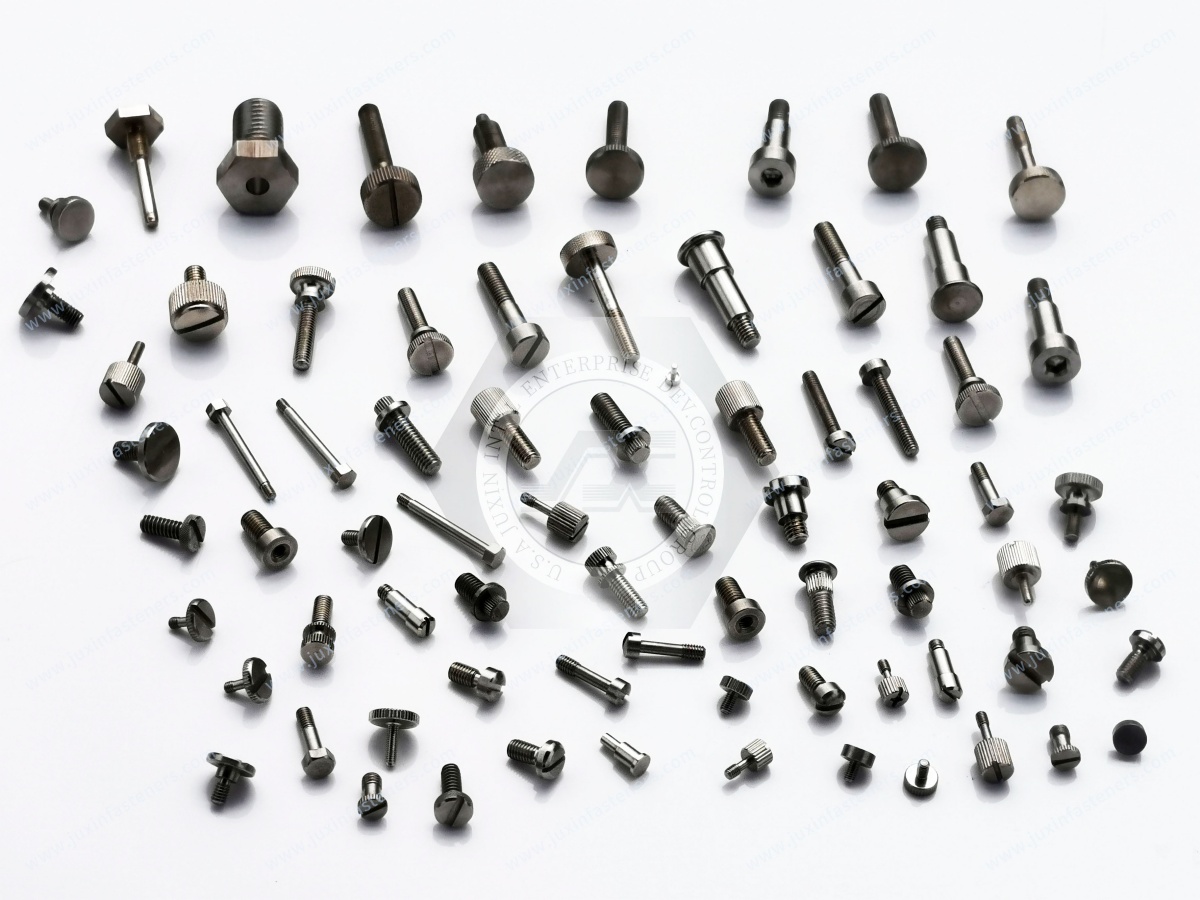
Corrosion Resistance in Real Industrial Assemblies
A stainless steel screw is only one component of a fastening system.
The complete assembly may include:
Screws
Nuts
Washers
Threaded inserts
Sheet metal
Castings
Coatings
Sealing components
Each interface can influence corrosion behavior.
Screw-and-Washer Assemblies
A washer may increase bearing area or serve another specified function.
However, the contact area beneath the washer can also create a moisture-retaining crevice.
Flange Head Screws
A flange head screw incorporates an enlarged bearing surface.
This may reduce the need for a separate washer in suitable designs.
However, a flange does not automatically eliminate crevice corrosion or provide vibration locking.
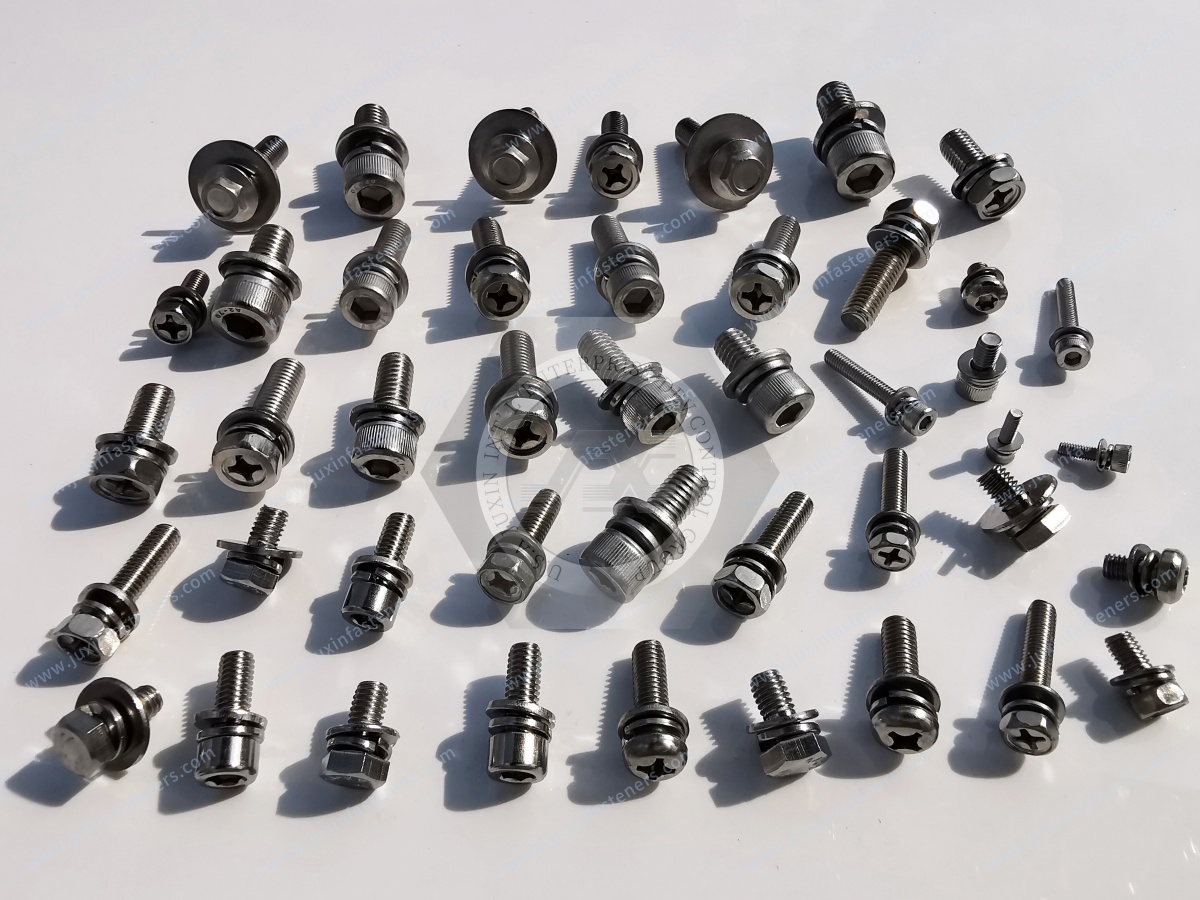
SEMS Screws
SEMS screws retain one or more washers on the screw.
They can simplify handling in repetitive assembly.
However, a SEMS assembly does not automatically prevent corrosion or vibration loosening.
Threaded Inserts and Captive Fasteners
In thin sheet metal or blind-access applications, alternative threaded components may be required.
Depending on the design, relevant solutions include:
Self-clinching nuts
Self-clinching studs
Self-clinching standoffs
Blind rivet nuts
Captive nuts
Cage nuts
These components introduce additional material interfaces that should be reviewed for corrosion compatibility.
Design Engineer's Perspective
The correct objective is corrosion resistance of the complete joint, not merely corrosion resistance of the screw in isolation.
Stainless Steel Screw Corrosion in Food-Service Equipment
Food-service equipment may experience frequent cleaning, moisture and chemical exposure.
Potential applications include:
Commercial ovens
Fryers
Beverage machines
Food-processing machinery
Stainless steel cabinets
Food preparation equipment
Common Risks
Cleaning chemical residues
Moisture trapped beneath screw heads
Surface contamination
Crevice corrosion
Material incompatibility
Material Selection
304 stainless steel is commonly considered for many general applications.
316 may be appropriate where the actual cleaning or environmental conditions require improved localized corrosion resistance.
Engineering Considerations
Hygienic design
Cleaning accessibility
Material documentation
Surface condition
Joint geometry
Important Limitation
Passivation alone does not establish food-contact compliance or hygienic suitability.
Automotive and EV Equipment
Stainless steel fasteners may be used in selected automotive and EV assemblies.
Potential applications include:
Electronic module housings
Interior equipment
Auxiliary brackets
Electrical enclosures
Charging equipment
Production fixtures
Common Environmental Risks
Road salts
Moisture
Temperature cycling
Dissimilar metal contact
Vibration
Engineering Considerations
Corrosion environment
Joint loading
Material compatibility
Fastener geometry
Installation process
Important Limitation
A stainless steel screw should not automatically replace an approved high-strength or safety-critical automotive fastener.
Mechanical and corrosion requirements must both be satisfied.
Marine and Coastal Equipment
Coastal and marine environments can expose fasteners to chloride-containing moisture and deposits.
Potential applications include:
Marine electronics
Outdoor instrument housings
Coastal machinery
Auxiliary equipment
Selected outdoor structures
Engineering Considerations
Chloride concentration
Wet-dry cycling
Crevice geometry
Galvanic interaction
Material selection
Maintenance
316 Stainless Steel
316 may offer improved resistance to certain localized corrosion conditions compared with 304.
However, it is not universally suitable for every marine or offshore environment.
Outdoor Electrical and Solar Equipment
Outdoor enclosures and equipment may encounter:
Rain
Condensation
Salt deposits
Temperature variation
Dissimilar metals
Fastener selection should consider both the screw and the mating structure.
Medical and Pharmaceutical Equipment
Potential applications include:
Laboratory equipment
Diagnostic equipment housings
Nonimplantable mechanical assemblies
Pharmaceutical machinery
Engineering Priorities
Surface cleanliness
Chemical compatibility
Material documentation
Corrosion resistance
Product-specific qualification
Important Limitation
General industrial stainless steel screws should not automatically be considered suitable for implantable or other regulated medical applications.
How to Prevent Stainless Steel Screw Corrosion: An Engineering Checklist
Preventing corrosion requires coordinated material, design, manufacturing and maintenance decisions.
Select the Correct Stainless Steel Grade
Evaluate the actual environment before choosing 304, 316 or another grade.
Review the Complete Joint
Consider:
Screw material
Mating material
Washers
Coatings
Electrical contact
Moisture retention
Minimize Unfavorable Crevices
Review joint geometry and drainage where relevant.
Control Surface Contamination
Avoid unnecessary exposure to carbon steel particles and unsuitable handling equipment.
Specify Surface Treatment Where Required
Use an appropriate passivation or other process only when justified by the material and application.
Control Installation Conditions
Evaluate:
Thread condition
Tool alignment
Tightening procedure
Lubrication compatibility
Thread galling
Plan Maintenance and Cleaning
Where applicable, establish suitable cleaning and inspection practices.
Define Inspection Requirements
Specify material, dimensional and corrosion-related acceptance criteria according to the project.
Corrosion Prevention Matrix
| Failure risk | Engineering control | Production or procurement action |
|---|---|---|
| Unsuitable stainless grade | Material selection review | Confirm approved grade |
| Free iron contamination | Clean manufacturing and handling | Define surface acceptance |
| Pitting corrosion | Evaluate chloride environment | Review material and testing |
| Crevice corrosion | Review joint geometry | Inspect critical interfaces |
| Galvanic corrosion | Evaluate mixed-metal contact | Confirm mating materials |
| Thread galling | Validate installation process | Control tooling and assembly |
| Supplier substitution | Compare complete specifications | Approve samples and deviations |
What Should You Do When Stainless Steel Screws Already Show Rust?
A rust complaint should trigger a structured investigation.
Identify the Affected Area
Determine whether the corrosion is concentrated on:
The screw head
The threads
The washer interface
The mating component
The exposed surface
Review the Operating Environment
Collect relevant information about:
Moisture
Chlorides
Cleaning chemicals
Temperature
Exposure duration
Verify the Material
Check the approved material specification and available documentation.
Where necessary, use appropriate material analysis.
Inspect the Joint
Look for:
Trapped moisture
Crevices
Damaged coatings
Dissimilar metal contact
Surface contamination
Review Manufacturing and Installation
Consider:
Cleaning
Passivation requirements
Handling
Storage
Installation tooling
Thread condition
Select Corrective Action
Depending on the findings, corrective action may involve:
Cleaning
Material substitution
Joint redesign
Surface-treatment changes
Process control
Replacement of affected components
Important Safety Consideration
For structural, electrical, pressure-containing or other safety-critical assemblies,
suspected corrosion damage should be assessed under the applicable engineering and maintenance procedures before continued service.
Quality Control for Corrosion-Resistant Stainless Steel Screws
A suitable quality plan may include material verification, dimensional inspection, surface-condition review and application-specific testing.
Material Verification
Confirm the specified stainless steel grade.
Dimensional Inspection
Check:
Thread dimensions
Screw length
Head geometry
Drive configuration
Thread fit
Surface Inspection
Evaluate:
Visible contamination
Rust staining
Damage
Process residues
Passivation Verification
Where specified, use an appropriate acceptance method consistent with the applicable material and standard.
Corrosion Testing
Salt spray or other corrosion testing may be specified for particular projects.
However, salt spray hours should not be treated as a universal prediction of real-world stainless steel service life.
Functional Assembly
Where relevant, evaluate:
Tool engagement
Thread galling
Tightening consistency
Joint seating
Production Manager's Perspective
A recurring rust problem may originate from material selection, manufacturing contamination, assembly design or operating conditions.
Replacing the supplier without identifying the actual cause may not solve the problem.
OEM Procurement: How to Specify Corrosion-Resistant Stainless Steel Screws
A complete RFQ should define the required screw and the conditions under which it must perform.
Product Specification
Provide:
Screw type
Head and drive geometry
Thread designation
Length
Applicable standard or drawing
Material Specification
Identify:
Stainless steel grade
Mechanical-property requirements
Relevant material documentation
Environmental Requirements
Describe:
Indoor or outdoor exposure
Moisture
Chlorides
Chemicals
Temperature
Surface Requirements
Specify:
Passivation, if required
Other surface treatments, if required
Surface acceptance criteria
Quality Requirements
Define:
Material verification
Dimensional inspection
Functional testing
Corrosion-related requirements
Documentation
Commercial Requirements
Provide:
Sample quantity
Production quantity
Packaging requirements
Target delivery schedule
Supplier Substitution Review
When replacing an existing stainless steel screw, compare:
Material
Mechanical properties
Head geometry
Drive type
Thread specification
Surface condition
Functional compatibility
Environmental suitability
Procurement Insight
A screw that looks identical and has the same nominal dimensions may still differ in corrosion behavior or mechanical performance.
Supplier approval should therefore be based on the complete technical specification.
Frequently Asked Questions
Do stainless steel screws rust?
Yes. Stainless steel screws can develop surface rust staining or localized corrosion under unfavorable conditions.
Why do 304 stainless steel screws rust?
Potential causes include chloride exposure, crevice conditions, surface contamination and unsuitable operating environments.
Do 316 stainless steel screws rust?
Yes. Although 316 generally offers improved resistance to certain localized corrosion mechanisms compared with 304, it is not corrosion-proof.
Is 316 always better than 304?
No. The correct choice depends on corrosion conditions, mechanical requirements, cost and application.
What causes brown rust stains on stainless steel screws?
Possible causes include free iron contamination and corrosion products. The actual mechanism should be investigated.
Can stainless steel screws rust beneath washers?
Yes. Moisture and chemicals trapped beneath washers or screw heads may contribute to crevice corrosion.
Does passivation prevent all stainless steel corrosion?
No. Passivation can help remove free iron contamination but does not eliminate every corrosion mechanism.
Can stainless steel screws cause corrosion in aluminum components?
Galvanic corrosion may occur under suitable conditions when dissimilar metals are electrically connected in the presence of an electrolyte.
Are stainless steel screws suitable for saltwater applications?
Suitability depends on the stainless steel grade, exposure conditions, joint design and maintenance requirements.
Does a higher stainless steel grade eliminate corrosion risk?
No. Material selection must be combined with appropriate joint design and environmental evaluation.
Can stainless steel screws gall during installation?
Yes. Galling is a relevant assembly risk in certain stainless steel threaded connections.
Is salt spray testing enough to predict stainless steel service life?
No. Salt spray testing does not directly predict service life across all operating environments.
Can Juxin Fasteners supply corrosion-resistant stainless steel screws?
Juxin Fasteners supports inquiries for standard and drawing-based stainless steel fasteners.
Specific materials, surface treatments, inspection requirements, quantities and delivery conditions are confirmed during project review.
Juxin Fasteners: Stainless Steel Screws and OEM Corrosion-Resistant Fastening Solutions
Juxin Fasteners supplies industrial fastening components for international OEM customers.
Relevant product families include:
Stainless steel socket head screws
Stainless steel Phillips screws
Stainless steel flange head screws
Stainless steel SEMS screws
Stainless steel machine screws
Stainless steel nuts
Stainless steel locking nuts
Custom threaded components
Drawing-based CNC-machined parts
For applications involving corrosion-sensitive environments, material substitution or special surface-treatment requirements,
the complete technical conditions should be included in the customer's RFQ.
Material availability, specific treatments, inspection requirements, samples, MOQ and delivery schedules are confirmed for each project.
Request an OEM Stainless Steel Screw Quotation
Are you experiencing corrosion problems with stainless steel screws?
Do you need to evaluate 304 versus 316 stainless steel, investigate rust staining, qualify an alternative supplier or source custom corrosion-resistant screws for industrial production?
Juxin Fasteners welcomes inquiries from design engineers, mechanical engineers, structural engineers, manufacturing engineers, production managers,
purchasing specialists, procurement managers, supplier development teams and supply chain managers.
For efficient technical review and quotation, please provide:
2D drawing or applicable standard + screw type + head and drive geometry + thread designation + length + stainless steel grade
+ mechanical requirements + operating environment + corrosion concerns + surface-treatment requirements + inspection criteria
+ sample quantity + production quantity + packaging requirements + target delivery schedule.
If the project involves an existing corrosion problem, photographs of the affected components and details of the operating conditions may also support the technical review.
Company: Juxin Fasteners
Website: https://www.juxinfasteners.com/
Email: info@juxinfasteners.com
Send your stainless steel screw drawings and OEM RFQ to Juxin Fasteners for technical review and quotation.
Contact Us
Tel.:
+86 020 8621 0320
+86 020 3121 6067
E-mail:
Technical Support:
Navigation
SEND INQUIREY