Call Us
+86 136 6007 9809
Call Us
+86 136 6007 9809

Jul. 16, 2024
Automotive Trim Clips and Screw Fastening: Plastic Panel Retention and OEM Assembly Guide
Automotive interior and exterior trim components require fastening systems that support efficient assembly, secure retention, acceptable appearance and reliable service performance.
Door panels, dashboard components, center consoles, instrument housings, decorative covers and selected exterior panels may use plastic clips, threaded screws or a combination of both.
Although these components are often grouped under the term automotive trim fasteners, their fastening mechanisms are different.
A snap-fit clip retains a component through elastic engagement with a mating feature. A threaded screw develops retention through its threaded connection and, where applicable, clamp load.
A screw is not automatically required in every automotive snap-fit assembly, and stainless steel is not automatically the best material for every trim fastener.
The correct solution depends on the component geometry, mating materials, installation method, retention requirements, service access and environmental conditions.
This guide focuses on the engineering relationship between automotive trim clips, plastic panels and screw fastening systems.
It explains when screws may complement snap-fit retention, how to design plastic bosses and mounting holes,
and what OEM engineering and procurement teams should verify before approving a fastener for recurring production.
Juxin Fasteners supplies industrial screws and related fastening components and welcomes inquiries for standard and drawing-based fasteners used in automotive trim and equipment assemblies.
What Are Automotive Trim Clips and Snap Fasteners?
Automotive trim clips are retention components used to attach selected interior or exterior vehicle parts.
Depending on the design, they may be described as:
Trim panel clips
Panel retainers
Push-in clips
Snap-fit fasteners
Automotive trim retainers
Plastic panel fasteners
These names describe several different fastening mechanisms and should not be treated as exact synonyms for one standardized product.
Many automotive clips are made from engineered polymers and do not require threaded screws.
Other assemblies use screws to retain a clip, secure a bracket or provide additional panel retention.
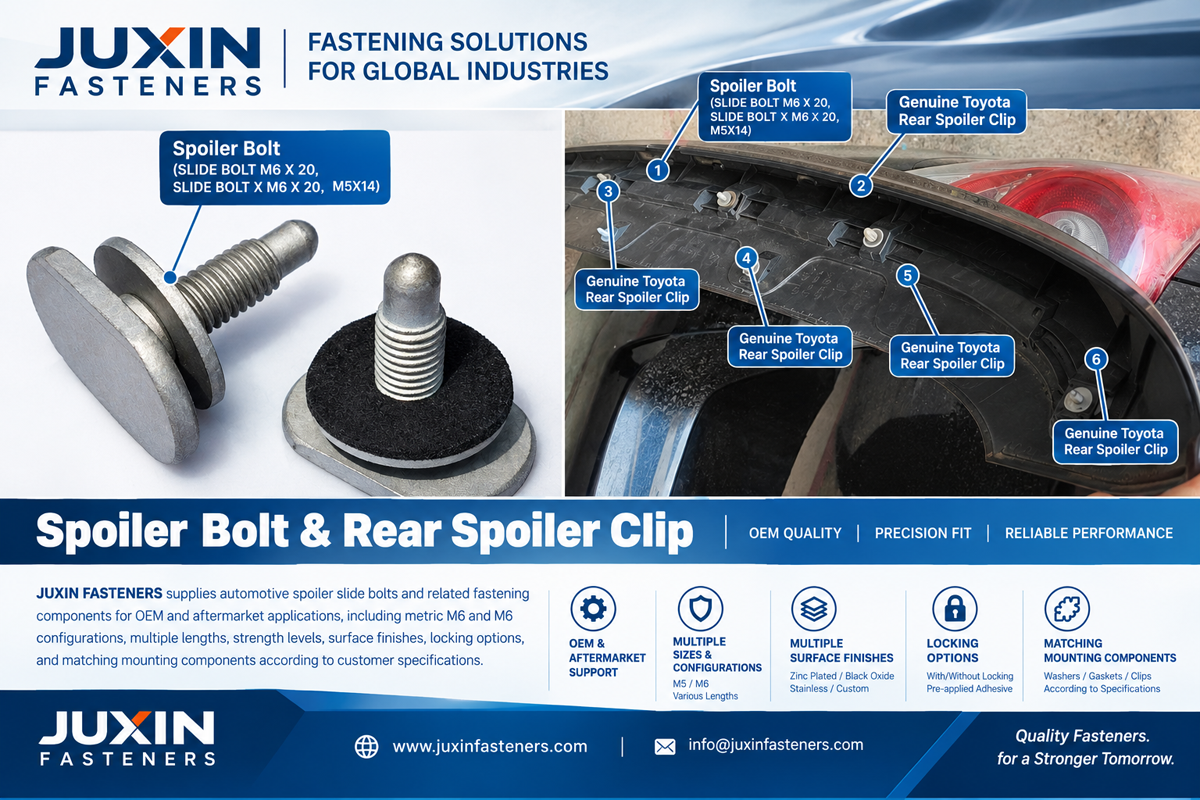
Typical Applications
Door trim panels
Dashboard covers
Center consoles
Instrument surrounds
Interior storage compartments
Selected pillar covers
Trunk and luggage compartment trim
Exterior decorative panels
Wheel arch liners
Nonstructural splash shields
Important Safety Consideration
Trim components associated with airbags, occupant restraints, seats or other safety-related systems require application-specific engineering and customer approval.
General-purpose screws or clips should not be substituted into these assemblies without authorization.
Snap-Fit Clips vs. Screws: Which Fastening Method Should Engineers Choose?
A clip and a screw perform different functions.
A snap-fit clip may provide rapid installation without a separate tightening operation.
A screw may provide controlled retention and allow the use of an established threaded fastening interface.
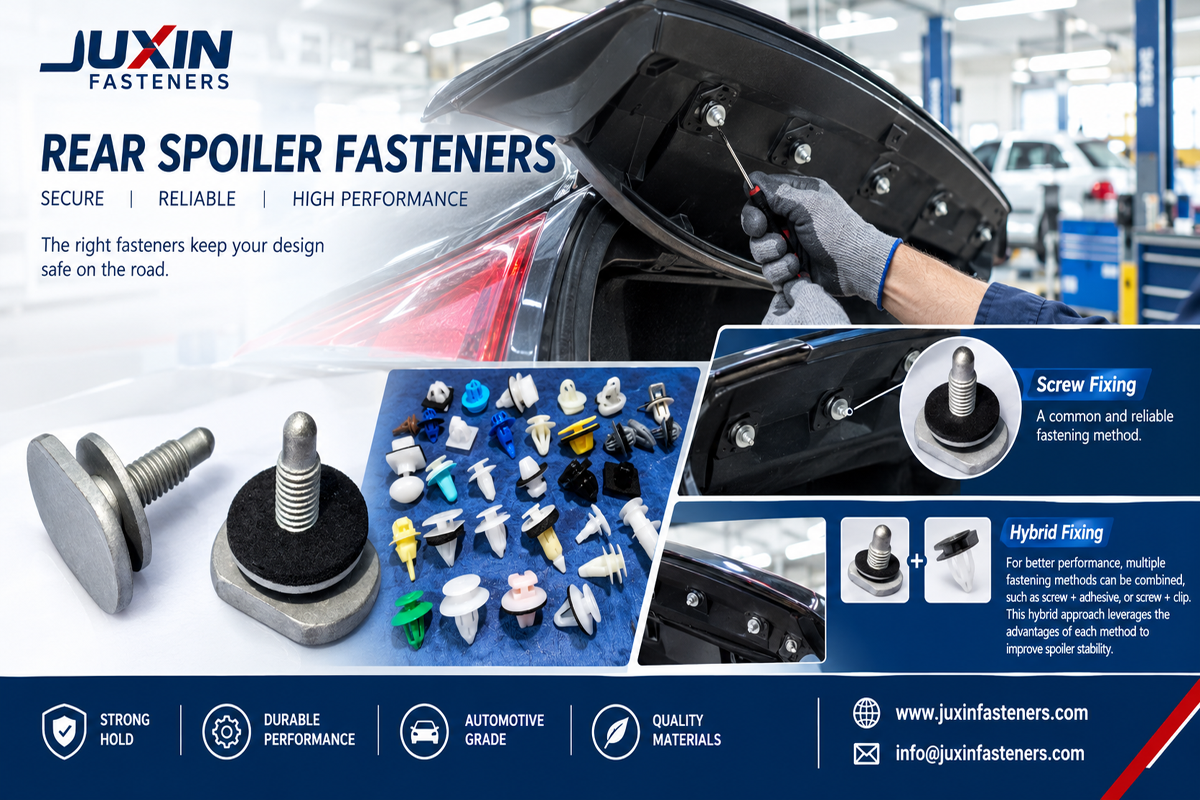
A hybrid design may combine clips for positioning with screws for additional retention.
| Design consideration | Snap-fit clip | Threaded screw | Hybrid clip-and-screw system |
|---|---|---|---|
| Assembly process | Push-in or snap engagement | Tool-driven installation | Clip engagement plus screw installation |
| Retention mechanism | Elastic mechanical engagement | Thread engagement and/or clamp load | Combined mechanisms |
| Tooling requirement | Often tool-free at the joint | Driver usually required | Depends on design |
| Removal | Clip-specific release method | Screw removal | Both may require release |
| Repeated service | Depends on clip fatigue and damage | Depends on thread and mating material | Both interfaces require evaluation |
| Design sensitivity | Clip geometry and panel tolerances | Thread, hole and joint geometry | Combined stack-up and sequencing |
Engineering Insight
Adding a screw to an existing clip design does not automatically improve the assembly.
The screw may introduce new stress concentrations, longer cycle time or unwanted panel deformation.
A hybrid fastening system should be selected only when its additional retention or service function justifies the added complexity.
When Should an Automotive Trim Panel Use Both Clips and Screws?
A hybrid fastening arrangement may be considered when a component requires different functions at different locations.
For example, clips may position a panel during assembly while screws secure specific mounting points.
Possible design objectives include:
Improved positional control
Additional retention at selected locations
Controlled attachment to a bracket
Service access
Management of panel movement
However, the fasteners must not create incompatible constraints.
Over-Constraining the Panel
A panel secured rigidly at too many locations may experience stress as the plastic expands or contracts.
This can contribute to distortion, local cracking or unwanted noise.
Engineering Recommendation
Identify which mounting points locate the panel, which retain it and which permit the necessary movement.
This is particularly important for long plastic trim components exposed to temperature changes.
Screws Used With Automotive Plastic Components
Several screw configurations may be considered, depending on the mating material and approved joint design.
Thread-Forming Screws for Plastic
These screws form a mating thread in a suitable plastic boss during installation.
Their thread geometry should be selected for the polymer, boss design and required retention.
Self-Tapping Screws for Suitable Sheet Metal
Self-tapping screws may be used where the screw engages a suitable metal panel or bracket.
A screw designed for sheet metal should not automatically be assumed suitable for a plastic boss.
Machine Screws With Threaded Inserts
A machine screw may engage a metal threaded insert installed in a plastic component.
This can be useful when repeated removal is required, provided the insert and surrounding plastic are appropriately designed.
Machine Screws With Metal Nuts or Brackets
A machine screw may also secure a plastic component to a separate metal threaded feature.
SEMS Screws
A SEMS screw combines a screw and retained washer.
It may reduce separate washer handling in suitable production assemblies.
However, a retained washer does not automatically prevent loosening.
Selection Principle
The correct screw depends primarily on the mating thread and joint geometry, not simply on whether the surrounding component is plastic.
Plastic Boss Design for Automotive Trim Screws
A plastic boss is a molded feature designed to receive a screw or threaded insert.
Its geometry strongly influences the reliability of the fastening system.
Pilot-Hole Diameter
The pilot hole must be compatible with the selected screw thread and polymer.
An undersized hole may increase installation torque and hoop stress.
An oversized hole may reduce thread engagement and pull-out resistance.
Boss Outside Diameter
The boss requires sufficient material to resist cracking and support the threaded connection.
The required dimensions depend on the polymer, screw geometry and loading.
Boss Height and Engagement Length
The available engagement length affects the number of engaged threads and the load carried by the plastic.
Boss Location
A boss positioned too close to an edge or another molded feature may create unfavorable local stress or molding conditions.
Supporting Ribs
Ribs may improve structural support but should be designed with consideration for molding quality, local stiffness and stress distribution.
Engineering Recommendation
Use the screw supplier's relevant design guidance and the polymer manufacturer's recommendations as starting points, then validate the actual boss-and-screw combination.
There is no single universal pilot-hole or boss-diameter rule suitable for every automotive plastic and screw design.
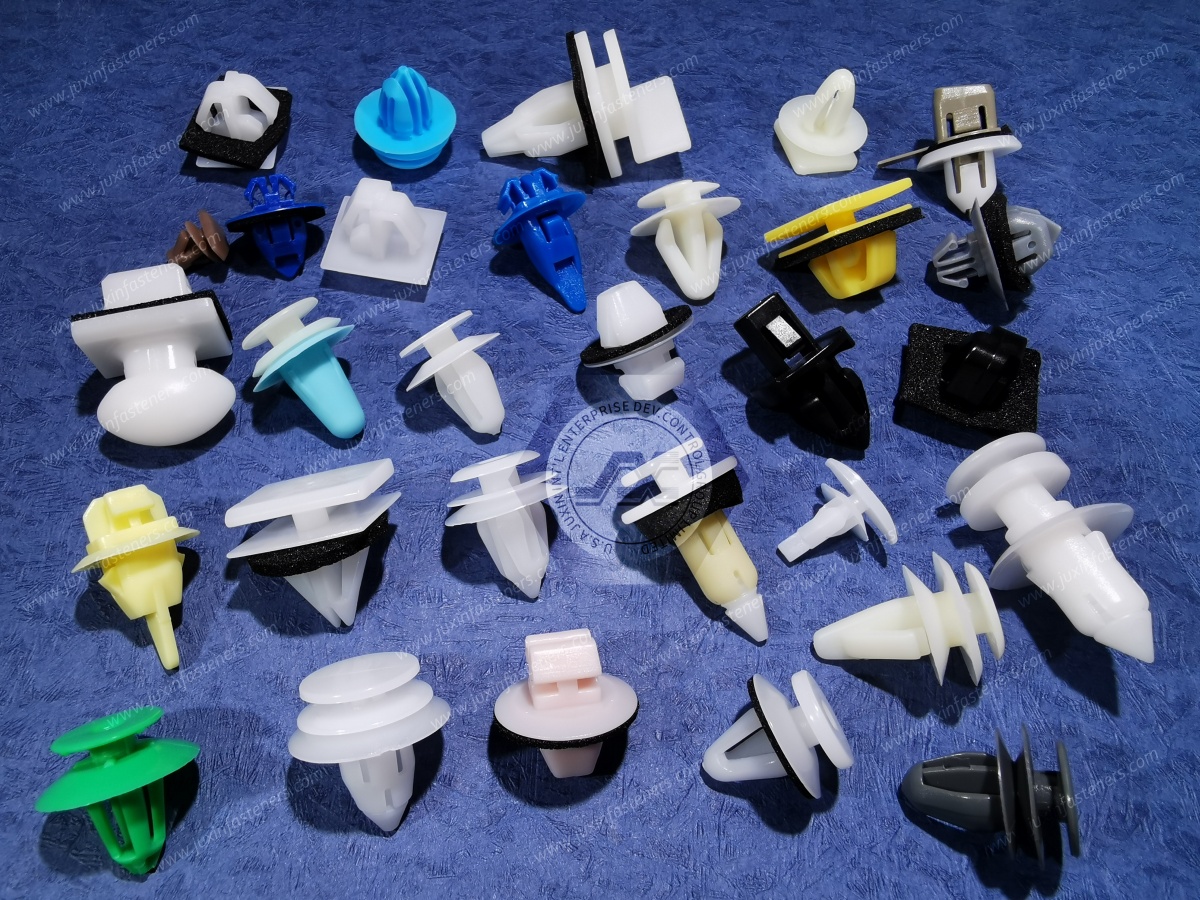
Why Plastic Bosses Crack During Screw Installation
Boss cracking is a common design and production concern in screw-fastened plastic components.
Potential causes include:
Incorrect pilot-hole diameter
Excessive screw interference
Unsuitable thread geometry
Excessive tightening torque
Misalignment
Insufficient surrounding material
Material brittleness
Molded-in stress
Repeated assembly damage
Typical Symptoms
Radial cracks around the boss
Sudden reduction in tightening resistance
Damaged internal threads
Loose panel retention
Visible deformation
Engineering Insight
A cracked plastic boss does not necessarily indicate that the screw is defective.
The failure may originate from the interaction between screw geometry, molded-part design and installation process.
Corrective Action
Review the complete fastening interface before changing the screw material or increasing its diameter.
Pull-Out Resistance, Stripping Torque and Installation Torque
Three different performance considerations are important when selecting screws for plastic trim components.
Pull-Out Resistance
Pull-out resistance describes the load required to extract the screw from the mating material under a defined test condition.
It depends on the thread design, engagement length, polymer properties and boss geometry.
Stripping Torque
Stripping torque is associated with damage to the internal thread or mating material during tightening.
Installation Torque
Installation torque is the torque applied during assembly.
These values are related but are not interchangeable.
Why the Distinction Matters
A screw may provide acceptable pull-out resistance but still create excessive installation torque.
Alternatively, a screw may install easily but provide insufficient thread engagement for the intended loading.
Production Engineering Recommendation
Validate the fastening system using representative molded components, actual screw geometry and production installation conditions.
Where relevant, define acceptable installation behavior and failure limits through testing.
Repeated Removal and Serviceability
Automotive trim components may be removed during maintenance or repair.
Repeated removal can damage clips, plastic threads or both.
Snap-Fit Clips
Some clips are designed for repeated removal, while others may require replacement after disassembly.
Direct Screws Into Plastic
Repeated screw installation can degrade the formed thread, depending on the screw and material.
Metal Threaded Inserts
Threaded inserts may be considered where frequent service access is expected.
Engineering Recommendation
Define the expected service cycle and whether fasteners or clips are intended to be reusable.
Do not assume that a stainless steel screw automatically makes the plastic connection reusable.
Preventing Automotive Trim Rattles and Squeaks
Noise, vibration and harshness—commonly abbreviated as NVH—are important considerations in automotive interior assemblies.
Trim noise can arise from relative movement between components.
Potential contributing factors include:
Insufficient retention
Excessive panel clearance
Local rubbing
Thermal movement
Inconsistent clip engagement
Loss of screw clamp load
Improper assembly
Important Distinction
A locking screw may resist unintended thread rotation, but it does not automatically eliminate panel rattles.
If the noise originates from movement between plastic components, changing the screw alone may not solve the problem.
Engineering Controls
Depending on the design, engineers may evaluate:
Clip retention characteristics
Panel locating features
Joint stiffness
Fastener placement
Appropriate isolation materials
Assembly consistency
Engineering Insight
NVH improvement requires identifying the actual source of movement or contact noise rather than simply increasing screw tightening torque.
Differential Thermal Expansion in Plastic and Metal Assemblies
Automotive trim assemblies often combine plastics and metals.
These materials may expand and contract at different rates as temperature changes.
If the fastening arrangement restricts movement excessively, the assembly may develop stress or distortion.
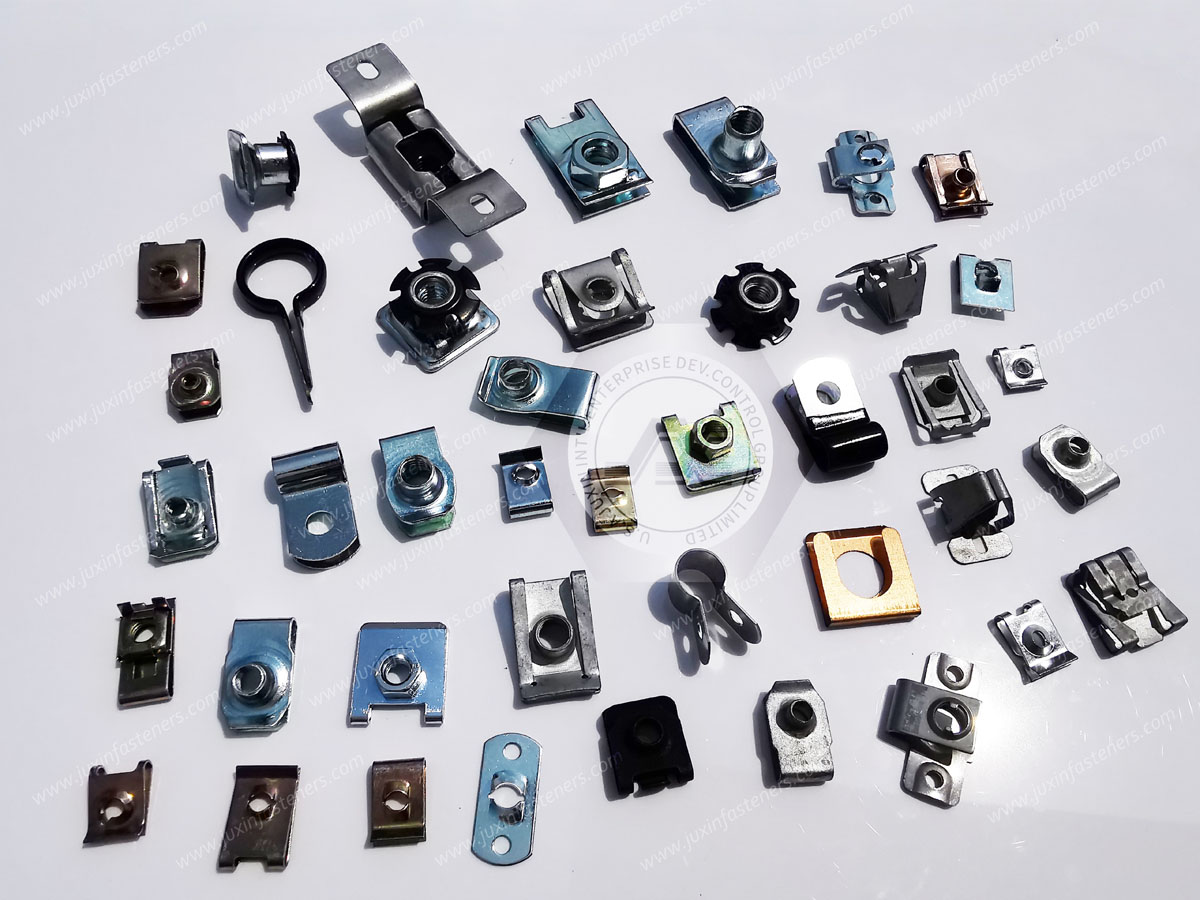
Potential Effects
Panel warpage
Boss cracking
Clip disengagement
Local rubbing
Noise
Changes in joint retention
Engineering Recommendation
For long or temperature-sensitive trim components, review locating points, clearance holes and the intended movement of the assembly.
Do not assume that tighter fastening always produces better long-term performance.
Stainless Steel Screws for Automotive Trim: When Are They Appropriate?
Stainless steel screws may be considered where corrosion resistance, appearance or environmental exposure justifies their use.
304 Stainless Steel
May be suitable for selected interior or exterior applications where the environmental and mechanical requirements are compatible.
316 Stainless Steel
May be considered for more demanding moisture or chloride exposure, but it is not automatically necessary or superior for every trim assembly.
Material Limitations
Stainless steel grade alone does not establish:
Thread pull-out resistance in plastic
Resistance to loosening
Fatigue performance
Installation torque
Suitability for safety-critical assemblies
Alternative Materials
Depending on the application, coated carbon steel screws or other specified materials may provide a more appropriate balance of mechanical properties, corrosion protection and cost.
Engineering Principle
The preferred screw material should be selected according to the complete assembly specification.
Automotive Interior Trim Applications
Door Panels
Door trim assemblies may combine clips, brackets and screws.
Engineering priorities include retention, assembly access, serviceability and noise control.
Dashboard and Instrument Panels
Selected non-safety-critical covers and housings may use small screws or clip-and-screw arrangements.
Tool clearance, dimensional stack-up and installation consistency are important.
Center Consoles
Console assemblies may require secure retention with service access.
Screw placement should be coordinated with clip positioning and plastic component geometry.
Decorative Interior Components
Visible fasteners may require appropriate head geometry and appearance.
However, surface finish should not take priority over functional compatibility.
Important Safety Limitation
Trim components associated with airbag deployment paths or occupant restraint systems require specific engineering and customer approval.
Automotive Exterior Trim Applications
Exterior trim is exposed to additional environmental conditions.
Potential applications include:
Decorative moldings
License plate brackets
Selected bumper accessories
Wheel arch liners
Nonstructural splash shields
Engineering Priorities
Moisture exposure
Road contaminants
Corrosion compatibility
Panel retention
Service access
Thermal movement
Important Limitation
Not every exterior trim assembly should use stainless steel screws.
The correct material and fastening system depend on the approved component design.
Engine Compartment Covers and Auxiliary Plastic Components
Selected nonstructural plastic covers and accessories may use screws or hybrid fastening systems.
Potential applications include:
Auxiliary equipment covers
Selected sensor housings
Wire-management brackets
Nonstructural plastic shields
Engineering Priorities
Operating temperature
Polymer properties
Installation access
Vibration
Maintenance
Important Limitation
The screw and surrounding polymer must be suitable for the actual temperature and service environment.
EV Interior and Electronic Equipment Assemblies
Electric vehicle interiors and auxiliary electronic equipment may incorporate plastic housings, brackets and trim components.
Potential applications include:
Display housings
Auxiliary electronic covers
Interior control panels
Sensor enclosures
Nonstructural equipment housings
Engineering Priorities
Compact fastening geometry
Electrical clearance
Serviceability
Production installation
Material compatibility
Important Safety Limitation
Battery structural retention, high-voltage electrical connections and safety-critical systems require separate engineering qualification.
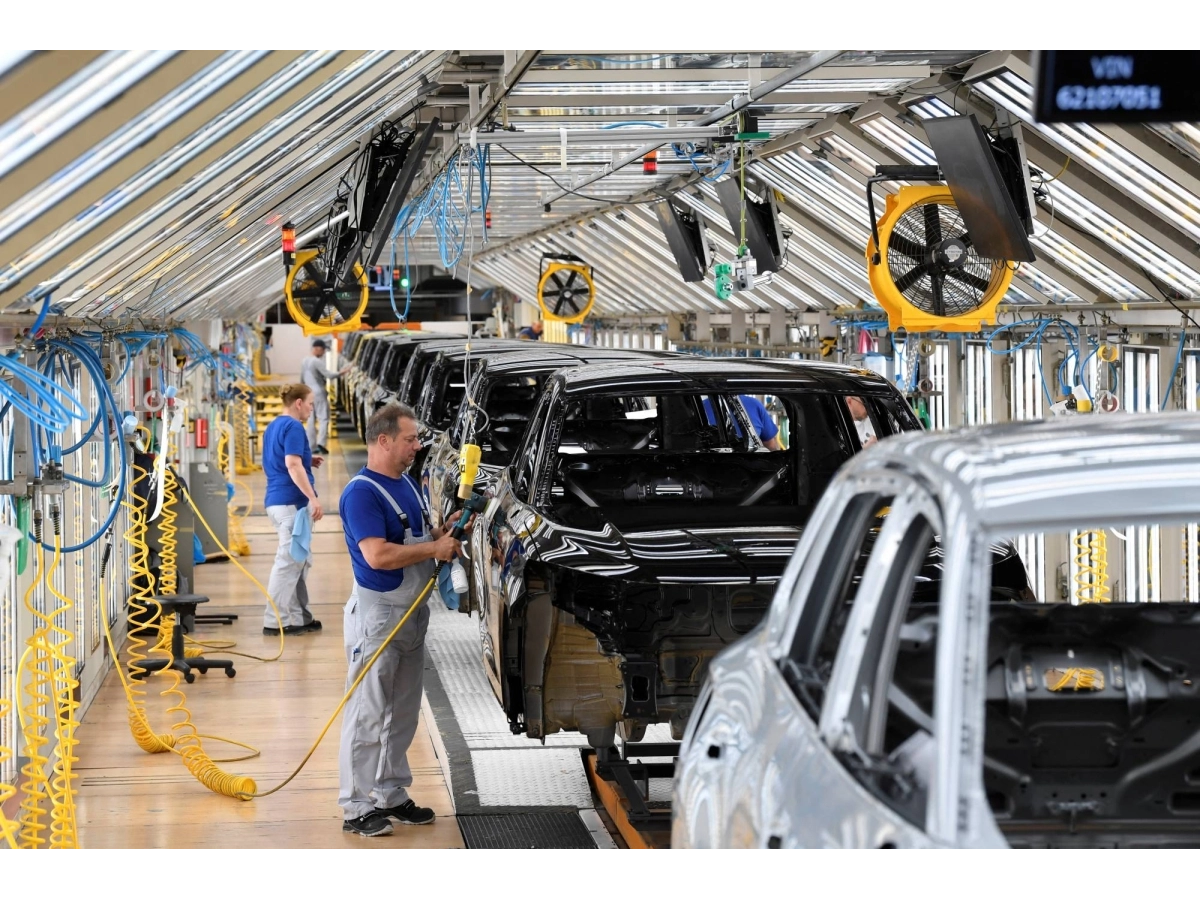
Designing for Automotive Production-Line Assembly
Automotive trim fastening systems must support efficient, repeatable assembly.
Clip Installation
Review:
Insertion force
Alignment
Engagement confirmation
Panel positioning
Potential clip damage
Screw Installation
Review:
Driver access
Screw feeding
Hole alignment
Tightening process
Thread engagement
Seating behavior
Hybrid Assembly Sequence
When clips and screws are combined, installation sequence matters.
For example, a screw tightened before the panel is fully located may create misalignment or local stress.
Production Manager's Perspective
The assembly process should minimize:
Rework
Damaged bosses
Stripped threads
Broken clips
Misaligned panels
Inconsistent installation
A fastener that is inexpensive to purchase may still create substantial production costs if it causes repeated assembly defects.
Common Automotive Trim Fastening Problems
| Problem | Possible cause | Engineering action |
|---|---|---|
| Panel does not sit flush | Clip interference or stack-up issue | Review locating features and tolerances |
| Plastic boss cracks | Excessive interference or installation loading | Review screw and boss geometry |
| Screw spins without tightening | Stripped plastic thread | Review pilot hole and engagement |
| Panel rattles | Relative movement or inadequate retention | Investigate NVH mechanism |
| Clip breaks during installation | Misalignment or excessive insertion force | Review clip and assembly process |
| Panel distorts after temperature cycling | Differential expansion or over-constraint | Review mounting strategy |
| Fastener corrodes | Material or environmental mismatch | Review corrosion requirements |
| Panel becomes difficult to service | Unsuitable retention or thread design | Review removal and reuse requirements |
Engineering Insight
A reliable trim assembly requires coordinated design of the clip, screw, panel and production process.
Improving only one component may not eliminate the underlying problem.
International Standards and OEM Specifications
Automotive trim fastening requirements may involve product standards, material specifications and customer-specific drawings.
For stainless steel machine screws, relevant standards may include:
ISO 3506-1 for applicable stainless steel screw mechanical-property requirements
ISO 7045 for certain cross-recessed pan head screws
ISO 14583 for certain hexalobular socket pan head screws
The correct standard depends on the actual product geometry.
Plastic Fastening Requirements
Screws designed for direct installation into plastics may use proprietary or drawing-specific thread forms.
Their geometry should not automatically be equated with conventional metric machine screw threads.
Metric and Inch-Series Threads
Metric, UNC, UNF, BSW and BSF thread systems are distinct.
They are not directly interchangeable.
Automotive OEM Requirements
Customer drawings and approved specifications may define:
Screw geometry
Material
Surface treatment
Functional retention
Installation requirements
Inspection criteria
Change control
Important Supplier Qualification Note
Customer-specific automotive approval requirements, including PPAP where applicable, must be identified and confirmed for the actual project.
OEM Fastener Sourcing for Automotive Trim Assemblies
Supplier development teams should evaluate more than nominal screw dimensions.
Approved Geometry
Confirm:
Head style
Drive type
Thread form
Diameter
Length
Critical tolerances
Mating Component
Identify whether the screw engages:
A plastic boss
A metal insert
A metal nut
A sheet metal panel
Another approved threaded feature
Functional Requirements
Specify:
Installation behavior
Retention requirements
Removal requirements
Corrosion environment
Service expectations
Production Requirements
Review:
Sample approval
Inspection criteria
Packaging
Assembly compatibility
Recurring production quantities
Supplier Substitution Risk
Two screws with similar outside dimensions may have different thread geometries or installation characteristics.
A replacement screw should not be approved solely because it looks similar to the original.
Commercial Insight
Supplier qualification should consider the total cost of assembly, including defects, rework, maintenance and supply continuity.
Custom Screws for Automotive Plastic Components
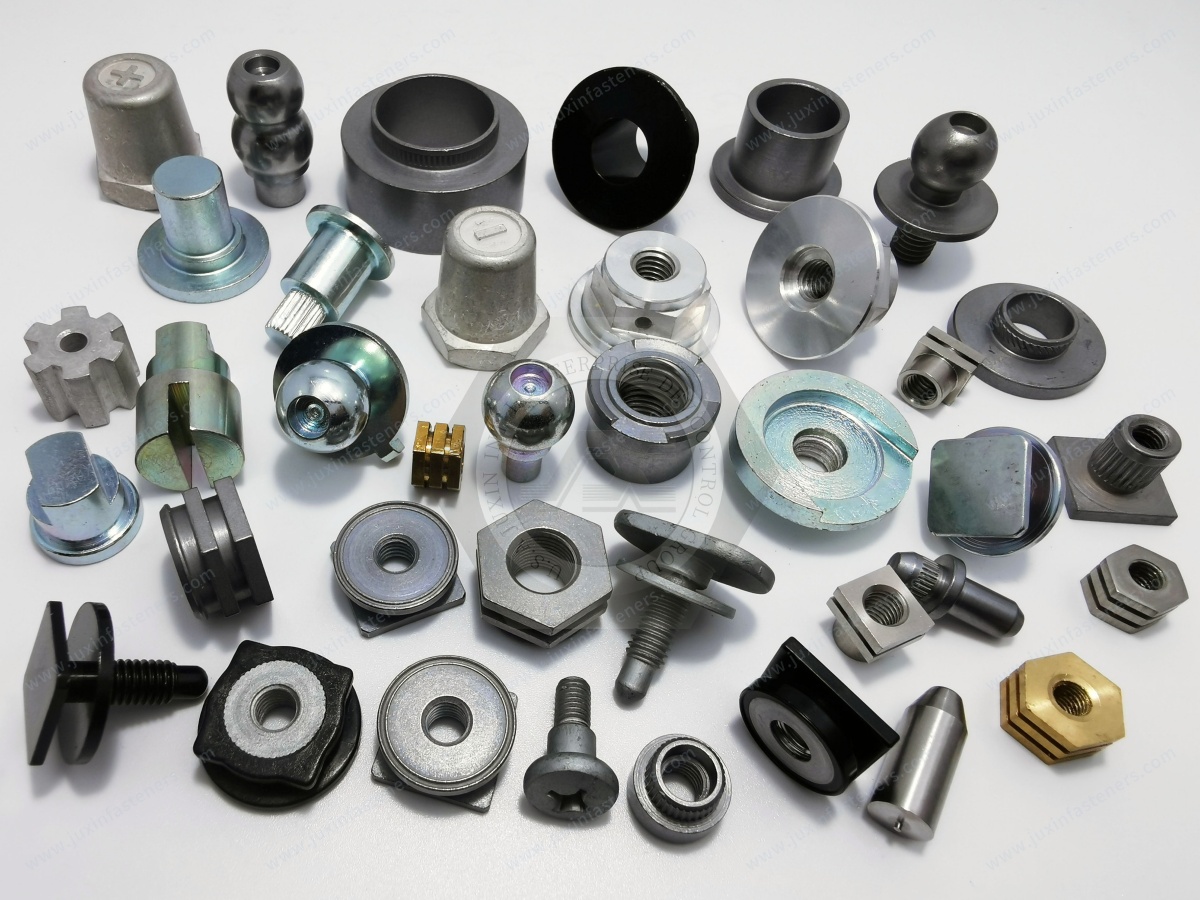
Drawing-based fasteners may be considered when standard products do not satisfy the required interface.
Potential custom features include:
Special thread geometry
Nonstandard length
Specific head profile
Shoulder features
Retained washer configurations
Special drive requirements
Defined surface treatment
Engineering Review
The design should consider:
Polymer type
Boss geometry
Thread engagement
Installation process
Functional retention
Inspection requirements
Commercial Review
Custom dimensions, samples, MOQ and production schedules should be confirmed during technical quotation.
Important Limitation
A custom screw is not automatically qualified for automotive use merely because it follows a drawing.
Any required functional validation and customer approval must be completed separately.
Preparing an Automotive Trim Fastener RFQ
For an accurate quotation, provide:
Fastener Information
Product drawing or standard
Head and drive configuration
Thread geometry
Diameter and length
Material
Surface treatment
Mating Component Information
Plastic or metal material
Boss or hole dimensions
Engagement length
Relevant assembly drawing
Functional Requirements
Retention requirements
Installation method
Removal or reuse expectations
Temperature range
Environmental exposure
Vibration or NVH requirements
Quality Requirements
Inspection criteria
Sample approval requirements
Customer-specific documentation
Change-control requirements
Commercial Requirements
Sample quantity
Annual estimated demand
Production quantity
Packaging
Target delivery schedule
Frequently Asked Questions
Do automotive snap clips always require screws?
No. Many snap-fit clips retain panels without screws. Other assemblies combine clips and screws.
Are stainless steel screws the best choice for every automotive trim panel?
No. Material selection depends on corrosion, mechanical, cost and assembly requirements.
What screws are used in automotive plastic bosses?
Suitable thread-forming screws or other approved screw systems may be used, depending on the polymer and boss design.
Can a sheet metal self-tapping screw be used in plastic?
Not automatically. The thread form and installation behavior must be validated for the plastic material.
Why do automotive plastic bosses crack?
Potential causes include incorrect hole dimensions, excessive interference, unsuitable thread geometry and installation damage.
Can stainless steel screws prevent trim rattles?
Not by material alone. Rattle prevention depends on the complete panel retention system.
Are automotive trim screws reusable?
Reuse depends on the screw, mating thread and approved service requirements.
Should automotive trim panels use clips or screws?
The correct choice depends on retention, assembly, appearance, serviceability and cost requirements.
Can nylon patch screws be used for automotive trim?
They may be considered for suitable threaded assemblies, but they are not universally appropriate for direct fastening into plastic.
What should be included in an OEM automotive trim screw RFQ?
The screw drawing, mating material, hole or boss geometry, functional requirements, inspection criteria and production quantities.
Juxin Fasteners: Screws for Automotive Trim and Plastic Panel Assemblies
Juxin Fasteners supplies industrial fastening components and welcomes drawing-based inquiries for automotive trim and equipment applications.
Relevant product categories include:
Stainless steel machine screws
Stainless steel pan head screws
Stainless steel button head screws
Stainless steel socket head screws
Stainless steel self-tapping screws
Stainless steel SEMS screws
Stainless steel flange screws
Custom threaded components
Specific thread forms, materials, surface treatments, dimensions, samples, MOQ, inspection requirements and delivery schedules are subject to technical and commercial confirmation.
Request an Automotive Trim Screw or Custom Fastener RFQ
Are you developing an automotive door panel, dashboard housing, center console, exterior trim assembly or plastic equipment cover?
Do you need screws compatible with a plastic boss, a metal insert, a clip-retention system or a drawing-based OEM fastening interface?
Juxin Fasteners welcomes inquiries from automotive OEMs, Tier-1 and Tier-2 suppliers, design engineers, mechanical engineers,
manufacturing engineers, production managers, purchasing specialists, procurement managers and supplier development teams.
For technical review and quotation, please provide:
2D drawing or product standard + screw head and drive type + thread geometry + dimensions + material + mating plastic or metal specification
+ boss or hole dimensions + installation requirements + retention requirements + surface treatment + inspection criteria
+ sample quantity + annual demand + production quantity + packaging requirements + target delivery schedule.
For replacement projects, include the existing approved screw specification and the mating component drawing where available.
Company: Juxin Fasteners
Website: https://www.juxinfasteners.com/
Email: info@juxinfasteners.com
Send your automotive trim screw drawings and OEM RFQ to Juxin Fasteners for technical review and quotation.
Contact Us
Tel.:
+86 020 8621 0320
+86 020 3121 6067
E-mail:
Technical Support:
Navigation
SEND INQUIREY