
Call Us
+86 136 6007 9809
Call Us
+86 136 6007 9809

Jul. 26, 2024
In sheet metal fabrication and industrial assembly, choosing the correct fastener directly affects product reliability, production efficiency, and long-term performance. Among the most widely used fastening solutions, stainless steel self-tapping screws for sheet metal provide an excellent combination of corrosion resistance, installation efficiency, and mechanical reliability.
Unlike conventional machine screws, self-tapping screws create or form their own mating threads during installation, eliminating the need for pre-threaded holes in many applications. This significantly reduces assembly time, lowers labor costs, and improves manufacturing efficiency.
Whether you're designing electrical enclosures, HVAC systems, commercial appliances, automotive components, or architectural sheet metal structures, stainless steel self-tapping screws offer a durable and cost-effective fastening solution.
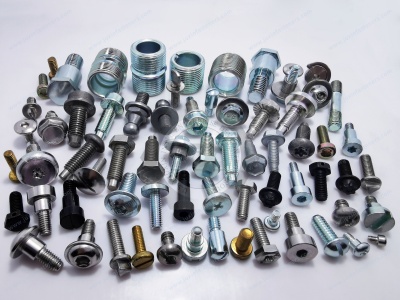
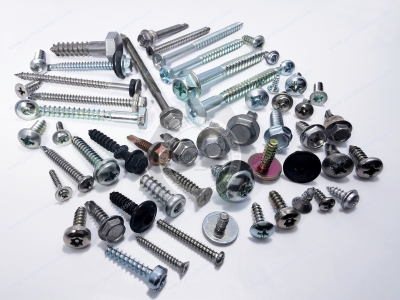
Stainless steel self-tapping screws are threaded fasteners specifically designed to cut or form internal threads as they are driven into sheet metal, plastics, or other relatively thin materials.
Unlike standard machine screws, these fasteners do not require a pre-tapped threaded hole. Once a pilot hole is prepared (or combined with a self-drilling point in TEK-style designs), the screw forms matching threads during installation, creating a secure mechanical connection.
Common product types include:
Pan Head Self-Tapping Screws
Countersunk Self-Tapping Screws
Hex Washer Head Self-Tapping Screws
Button Head Self-Tapping Screws
Phillips Self-Tapping Screws
Square Drive Self-Tapping Screws
Torx Self-Tapping Screws
Self-Drilling Screws (TEK Screws)
Thread Forming Screws
Thread Cutting Screws
Self-tapping screws feature specially engineered thread profiles and pointed tips that enable them to generate mating threads as they are driven into the base material.
The installation process is simple:
Prepare a correctly sized pilot hole (unless using a self-drilling screw).
Drive the screw into the material using the appropriate installation tool.
The screw forms or cuts matching internal threads.
The completed joint provides excellent holding strength without requiring a separate nut or tapped hole.
This process improves assembly speed while reducing manufacturing operations.
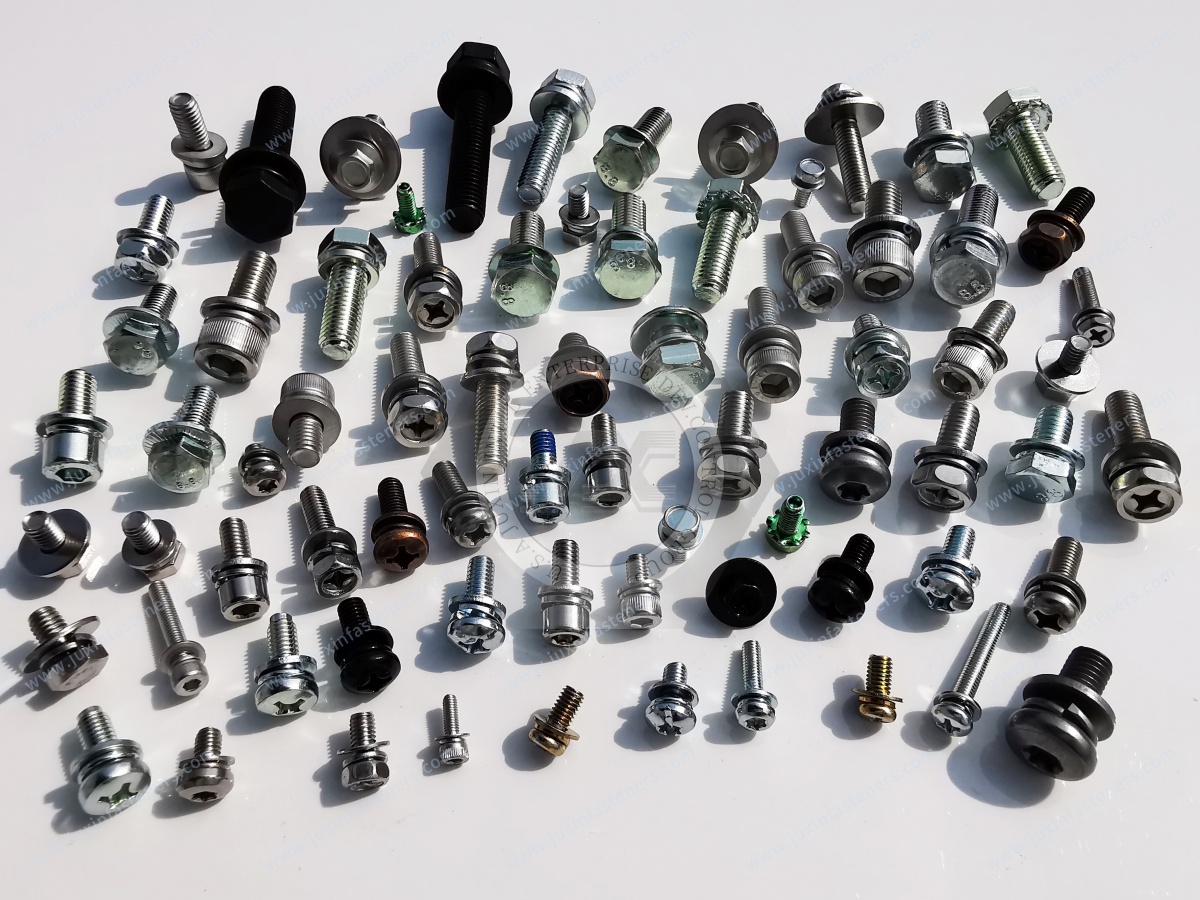
304 stainless steel (commonly referred to as 18-8 stainless steel) is the industry's most widely used material for general-purpose fastening.
Advantages include:
Excellent corrosion resistance
Good mechanical strength
Attractive appearance
Suitable for indoor and outdoor environments
Cost-effective for most industrial applications
Typical applications include:
Electrical enclosures
Office furniture
HVAC equipment
Consumer appliances
Sheet metal cabinets
316 stainless steel contains molybdenum, providing significantly improved resistance to chlorides, chemicals, and seawater.
Advantages include:
Superior corrosion resistance
Excellent salt spray performance
Outstanding marine durability
Suitable for chemical processing environments
Long service life in harsh conditions
Recommended for:
Marine equipment
Offshore engineering
Food processing machinery
Pharmaceutical equipment
Water treatment facilities
Coastal construction
410 stainless steel offers higher hardness and wear resistance than austenitic stainless steels, making it suitable for applications requiring greater driving strength.
Advantages include:
High surface hardness
Better wear resistance
Improved drilling performance
Magnetic properties
Good mechanical strength
Typical applications include:
Steel framing
Sheet metal fabrication
Roofing systems
Industrial equipment
HVAC ductwork
Self-tapping screws eliminate separate tapping operations, reducing installation time and increasing production efficiency.
By removing the need for pre-threaded holes in many assemblies, manufacturers save both labor and machining costs.
Depending on the selected stainless steel grade, these fasteners perform exceptionally well in humid, outdoor, and corrosive environments.
Properly installed self-tapping screws provide secure fastening with excellent vibration resistance and long-term durability.
Stainless steel maintains a clean, professional finish without requiring additional surface coatings.
Unlike plated fasteners, stainless steel offers long-lasting corrosion protection without coating deterioration.
| Feature | Self-Tapping Screws | Machine Screws |
|---|---|---|
| Requires Tapped Hole | No | Yes |
| Installation Speed | Fast | Moderate |
| Assembly Cost | Lower | Higher |
| Reusable Threads | Limited after repeated removal | Excellent |
| Ideal Materials | Sheet Metal, Plastic, Thin Steel | Threaded Components |
| Production Efficiency | High | Standard |
For high-volume manufacturing and sheet metal assemblies, self-tapping screws often provide substantial productivity advantages.
Depending on the application, stainless steel self-tapping screws may be supplied with:
Natural Passivated Finish
Black Oxide Finish
Electropolished Finish
Customized Surface Treatments
Passivation further enhances corrosion resistance by strengthening the natural chromium oxide layer.
Quality stainless steel self-tapping screws are manufactured according to internationally recognized standards, including:
ISO 1478
DIN 7981
DIN 7982
DIN 7983
ISO 7049
ISO 7050
ISO 7051
ASME B18.6.4
Compliance with these standards ensures dimensional accuracy, thread consistency, and reliable installation performance.
Stainless steel self-tapping screws are widely used across numerous industries.
Electrical Cabinets
Control Panels
Switchgear
Junction Boxes
Telecommunications Equipment
Air Conditioning Systems
Ventilation Ducts
Sheet Metal Housings
Exhaust Systems
Interior Components
Metal Brackets
Battery Enclosures
Commercial Vehicle Assemblies
EV Charging Equipment
Steel Framing
Curtain Wall Systems
Roofing Systems
Architectural Metal Panels
Doors and Windows
Machine Covers
Automation Equipment
Industrial Cabinets
Conveyor Systems
Sheet Metal Fabrication
Using 304 or 316 stainless steel self-tapping screws provides excellent corrosion resistance and meets the hygiene requirements of food processing equipment, commercial kitchens, pharmaceutical machinery, and medical devices.
Choose 304 Stainless Steel Self-Tapping Screws for:
General industrial equipment
Indoor installations
Commercial products
Electrical enclosures
Furniture manufacturing
Choose 316 Stainless Steel Self-Tapping Screws for:
Marine environments
Coastal installations
Chemical processing plants
Food and beverage equipment
Water treatment systems
Choose 410 Stainless Steel Self-Tapping Screws for:
Steel sheet assemblies
Roofing systems
Higher driving torque requirements
Structural sheet metal fabrication
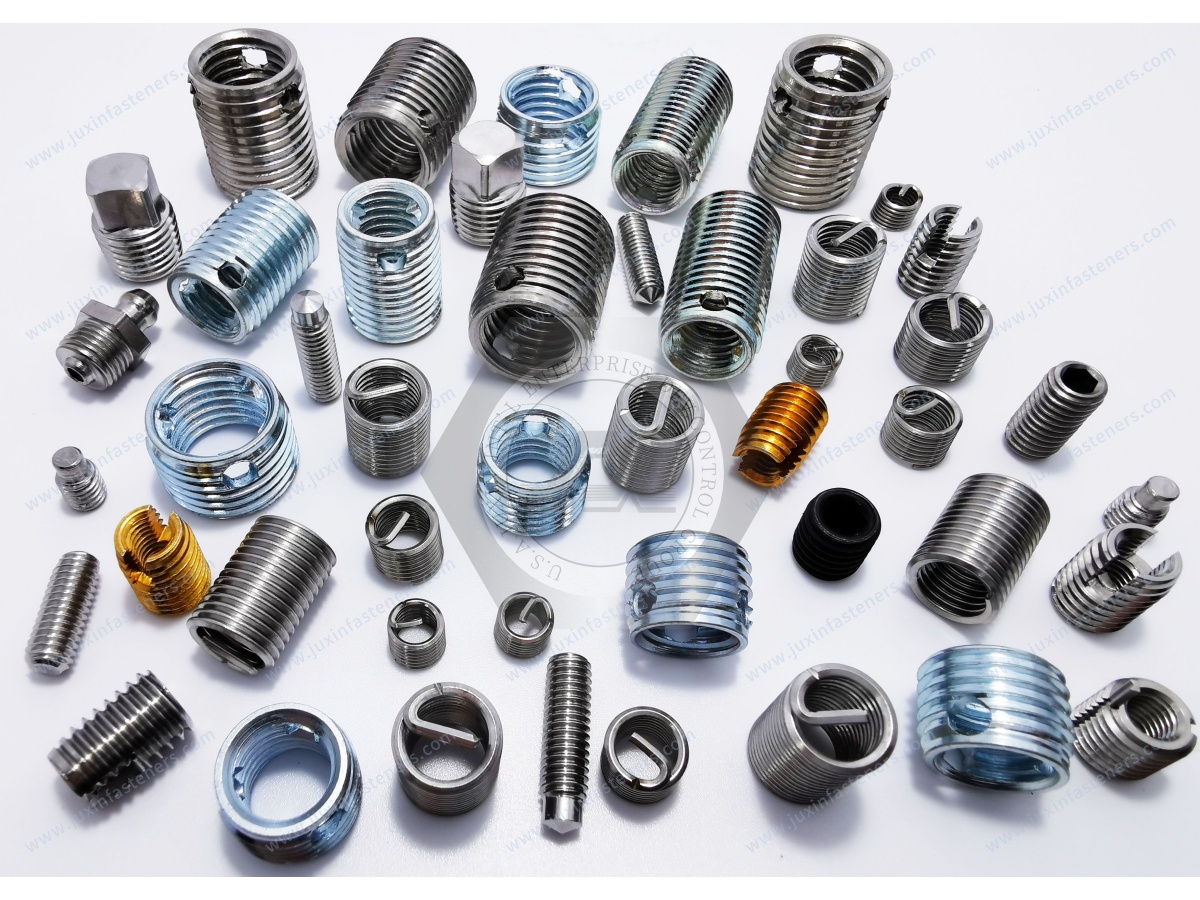
JUXIN FASTENERS is a trusted manufacturer of high-quality industrial fasteners, supplying OEM customers worldwide with precision-engineered fastening solutions.
Our product range includes:
Stainless Steel Self-Tapping Screws
Self-Drilling Screws
Sheet Metal Screws
Machine Screws
Socket Head Cap Screws
Hex Head Screws
Weld Screws
Weld Nuts
Rivet Nuts
Thread Insert Nuts
Custom Cold-Formed Fasteners
CNC Precision Fasteners
We serve customers in industries including:
Automotive & Electric Vehicles (EV)
Industrial Automation
HVAC Systems
Telecommunications
Electronics Manufacturing
Medical Equipment
Food Processing Machinery
Renewable Energy
Construction
Agricultural Machinery
Commercial Appliances
Sheet Metal Fabrication
With advanced cold heading technology, precision thread rolling, automated inspection systems, and strict quality control, JUXIN FASTENERS delivers reliable fastening solutions that meet the demanding requirements of global OEM manufacturers.
A self-tapping screw forms or cuts its own mating threads during installation, while a machine screw requires a pre-threaded hole or a matching nut.
Most self-tapping screws require a properly sized pilot hole. However, self-drilling (TEK) screws combine drilling and thread-forming functions, eliminating the need for a separate drilling operation in suitable materials.
For most outdoor applications, 304 stainless steel provides excellent corrosion resistance. For coastal, marine, or chemical environments, 316 stainless steel is the preferred choice due to its superior resistance to chlorides and harsh conditions.
They can be removed and reinstalled in some applications, but repeated installation may reduce thread engagement in softer materials. For assemblies requiring frequent maintenance, machine screws with threaded inserts or tapped holes are generally recommended.
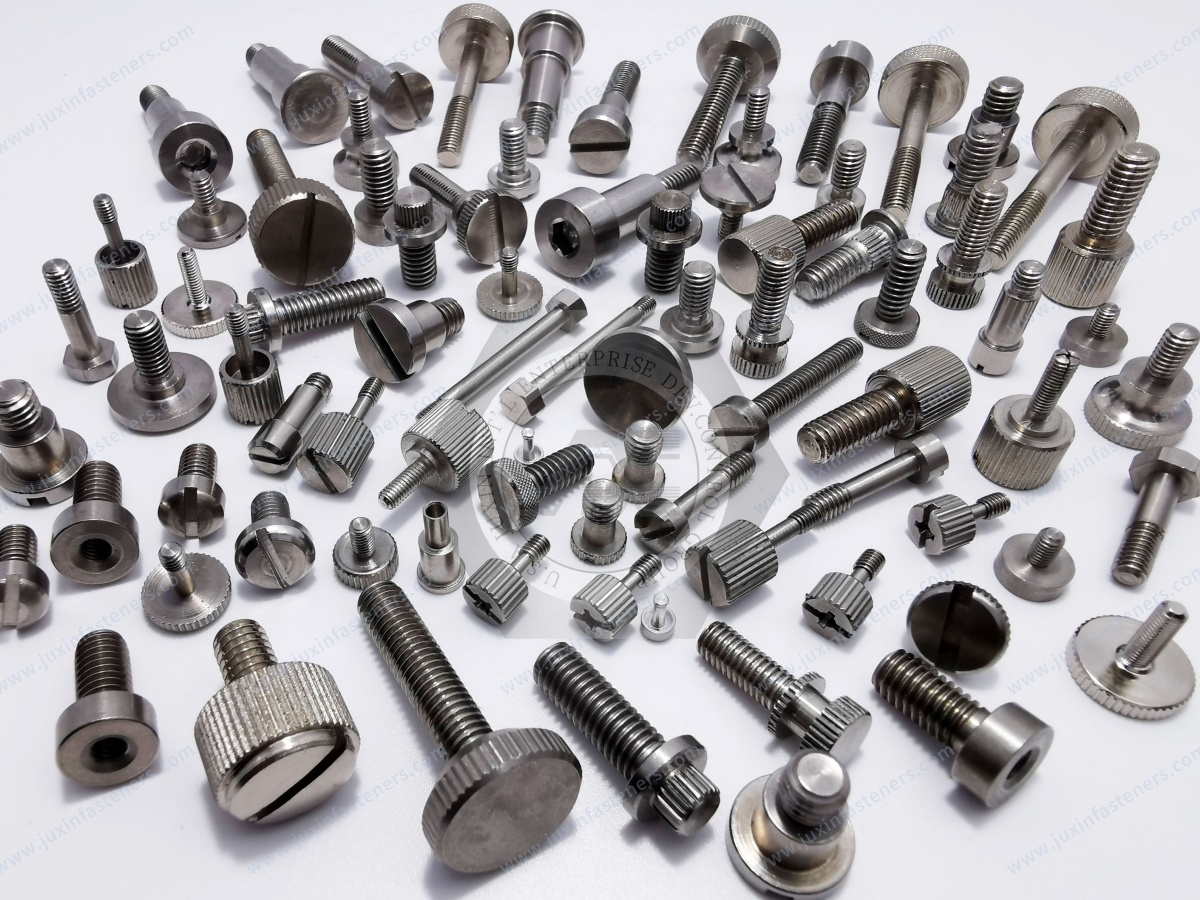
Whether you need stainless steel self-tapping screws for sheet metal, custom OEM fastening solutions, or engineering support for specialized industrial applications, JUXIN FASTENERS is ready to help.
Our experienced engineering team can recommend the optimal screw design, material grade, thread type, and surface finish to meet your specific performance requirements.
Email: info@juxinfasteners.com
Website: https://www.juxinfasteners.com
 MORE NEWS
Sep. 27, 2026
Sep. 27, 2026
Sep. 27, 2026
Contact Us
Tel.:
+86 020 8621 0320
+86 020 3121 6067
E-mail:
Technical Support:
Navigation
SEND INQUIREY