
Call Us
+86 136 6007 9809
Call Us
+86 136 6007 9809

Jul. 21, 2024
Stainless Steel vs Zinc Plated Screws: Corrosion, Strength, Coatings and OEM Selection
Stainless steel screws and zinc plated carbon steel screws are two widely used fastening options in industrial manufacturing.
Although they may look similar, their corrosion protection mechanisms, mechanical-property options, installation characteristics and total costs can differ significantly.
Stainless steel derives much of its corrosion resistance from the alloy itself, while zinc plated carbon steel relies on a protective metallic coating.
The correct selection depends on the complete fastening requirement: mechanical loading, corrosion exposure,
mating materials, assembly method, expected service life and commercial constraints.
For design engineers and mechanical engineers, the decision involves strength, thread engagement, clamp load, joint reliability and corrosion behavior.
For manufacturing engineers and production managers, it affects tightening consistency, installation speed, coating damage, tool performance and rework.
For procurement and supplier development teams, it influences unit price, supplier qualification,
coating specifications, inspection requirements, MOQ, lead time and long-term supply continuity.
Juxin Fasteners supplies industrial stainless steel screws, carbon steel screws, zinc plated fasteners, bolts, nuts and custom OEM fastening components,
subject to product-specific technical and commercial confirmation.
This guide compares both fastening options and explains how to select an appropriate material and surface protection system for industrial production.
Quick Comparison: Stainless Steel vs Zinc Plated Screws
| Selection factor | Stainless steel screws | Zinc plated carbon steel screws |
|---|---|---|
| Base material | Stainless steel alloy | Carbon steel or alloy steel |
| Corrosion protection | Passive film formed by the alloy | Sacrificial zinc-based coating |
| Common specifications | A2 and A4 stainless fastener classes | Steel property classes such as 4.8, 8.8 and 10.9, where applicable |
| High-strength options | Depend on stainless steel family and product standard | Available in multiple steel property classes |
| Coating dependence | Often used without metallic plating | Protection depends on coating system |
| Chloride resistance | Grade- and environment-dependent | Depends on coating and exposure |
| Galling | Important for some stainless steel combinations | Requires application-specific review |
| Hydrogen embrittlement | Depends on material and processing | Important consideration for susceptible high-strength electroplated fasteners |
| Initial cost | Often higher | Often lower for general industrial applications |
| Long-term cost | Depends on environment and maintenance | Depends on coating durability and maintenance |
| Typical applications | Corrosion-sensitive equipment | Indoor equipment, machinery and selected automotive assemblies |
Important Engineering Principle
Zinc plating is not a mechanical-property class.
A zinc plated screw can be manufactured from different steel grades, and its strength must be specified separately.
What Are Stainless Steel Screws?
Stainless steel screws are threaded fasteners manufactured from corrosion-resistant iron-based alloys containing sufficient
chromium to develop a protective passive film under suitable conditions.
Common industrial stainless steel materials include 304-type and 316-type alloys.
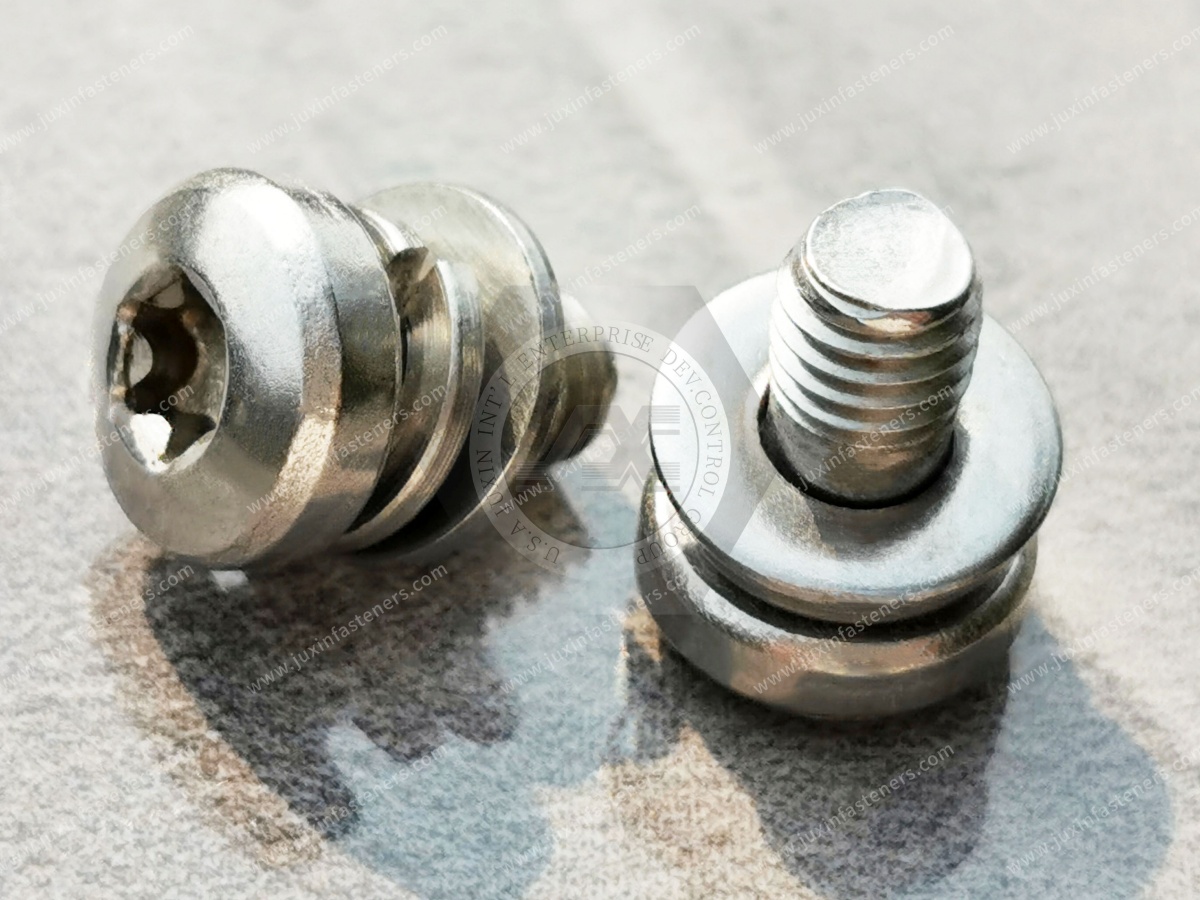
304 Stainless Steel Screws
304 stainless steel is widely used for general industrial corrosion resistance.
Potential Applications
Industrial machinery
Equipment housings
Indoor electrical cabinets
Commercial equipment
Selected outdoor components
Engineering Considerations
Chloride exposure
Mating materials
Mechanical-property requirements
Galling
Surface condition
316 Stainless Steel Screws
316 stainless steel contains molybdenum and generally offers improved resistance to certain localized corrosion mechanisms compared with 304.
Potential Applications
Marine-related equipment
Food-processing machinery
Water treatment equipment
Chemical-processing equipment
Outdoor industrial installations
Important Limitation
316 stainless steel is not immune to corrosion.
Pitting and crevice corrosion may occur under sufficiently aggressive conditions.
A2 and A4 Stainless Steel Fastener Designations
Under relevant ISO 3506 provisions, A2 and A4 identify stainless steel groups used in specified fastener classifications.
Designations such as A2-70 and A4-80 include mechanical-property class requirements.
Important Distinction
A2-70 should not be treated as an exact synonym for every 304 stainless steel screw.
A4-80 should not be treated as an exact synonym for every 316 stainless steel screw.
Common Stainless Steel Fastener Products
Stainless steel socket head cap screws
Stainless steel hex head screws
Stainless steel machine screws
Stainless steel button head screws
Stainless steel self-tapping screws
Stainless steel set screws
Stainless steel nuts and washers
What Are Zinc Plated Screws?
Zinc plated screws are generally carbon steel or alloy steel fasteners protected by a zinc-based metallic coating.
In conventional zinc electroplating, zinc is deposited onto the steel surface using an electrolytic process.
The zinc coating provides sacrificial corrosion protection under suitable environmental conditions.
Important Engineering Distinction
Zinc plating and hot-dip galvanizing are different processes.
Zinc electroplating, mechanical zinc plating, zinc-nickel plating and zinc-flake coatings should not be described as identical finishes.
They differ in application process, coating structure, thickness, friction behavior and performance.
Common Zinc Plated Fastener Products
Zinc plated hex head screws
Zinc plated machine screws
Zinc plated socket head screws
Zinc plated flange screws
Zinc plated self-tapping screws
Zinc plated bolts
Zinc plated nuts
Typical Surface Appearance
Depending on the approved coating and passivation system, zinc plated fasteners may have clear, blue-toned, yellow-toned or black appearances.
Important Limitation
Color alone does not establish coating thickness, corrosion performance or compliance with a particular specification.
Mechanical Strength: Stainless Steel vs Zinc Plated Screws
The mechanical strength of a fastener is determined primarily by its material, manufacturing condition, geometry and applicable product specification.
Zinc plating does not automatically increase the tensile strength of the underlying steel.
Stainless Steel Fastener Property Classes
The relevant ISO 3506 provisions define mechanical-property requirements for covered stainless steel fasteners.
Common designations include:
| Designation | Specified minimum tensile strength for applicable fastener categories |
|---|---|
| A2-50 | 500 MPa |
| A2-70 | 700 MPa |
| A4-70 | 700 MPa |
| A4-80 | 800 MPa |
These values are associated with the relevant product and standard scope.
They should not be applied indiscriminately to every stainless steel fastener geometry or size.
Carbon Steel and Alloy Steel Property Classes
For applicable bolts, screws and studs under ISO 898-1, common property classes include:
| Property class | Nominal tensile-strength level |
|---|---|
| 4.8 | 400 MPa |
| 8.8 | 800 MPa |
| 10.9 | 1,000 MPa |
| 12.9 | 1,200 MPa |
These are nominal class indicators, not a substitute for checking the standard's actual minimum values and dimensional applicability.
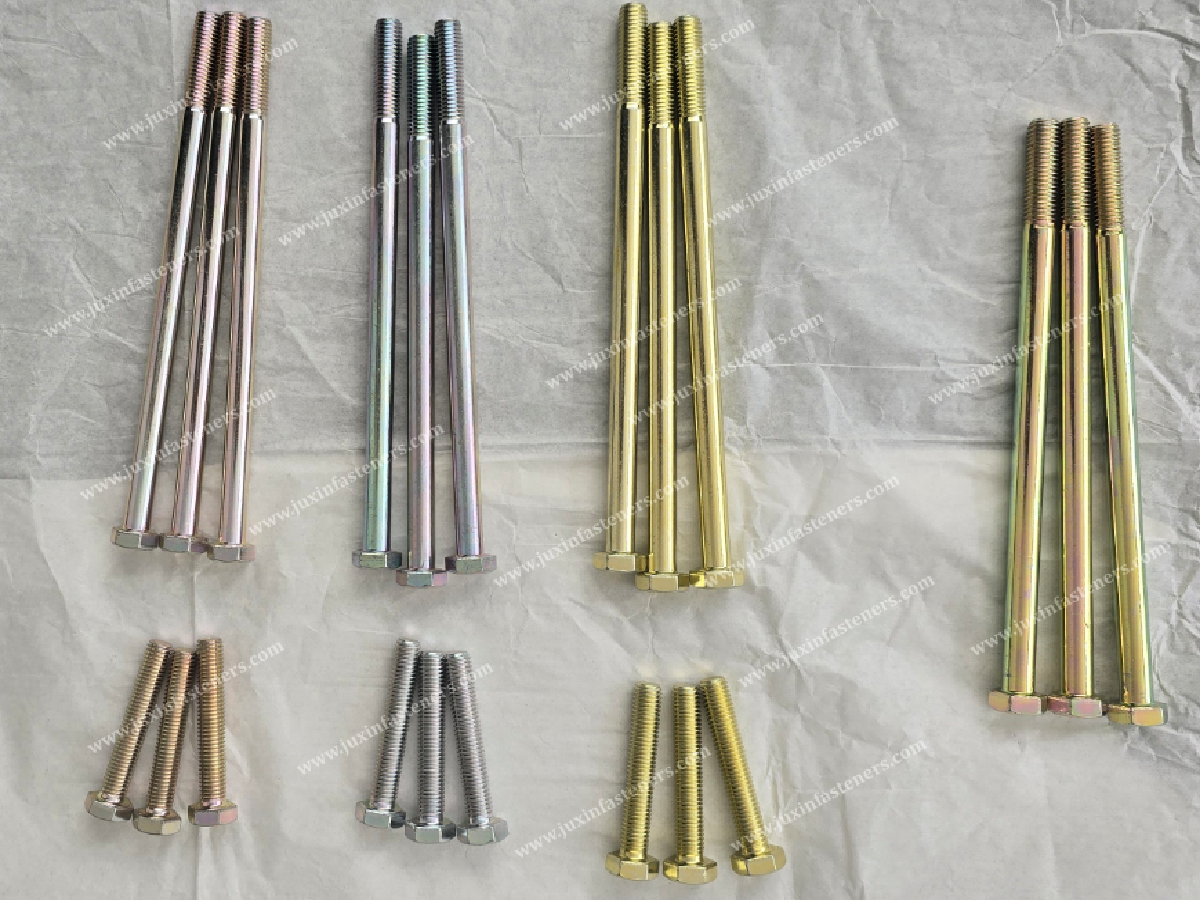
Information Gain: A Higher Property Class Does Not Automatically Improve the Joint
A class 10.9 screw may provide higher strength than a class 8.8 screw, but the mating components may not support the resulting tightening load.
Potential limitations include:
Internal thread stripping
Bearing surface deformation
Thin sheet-metal distortion
Excessive local contact pressure
Joint stiffness mismatch
Engineering Recommendation
Select the mechanical-property class according to the complete joint design, not simply the highest available class.
Corrosion Protection: Stainless Steel vs Zinc Plating
The two material systems protect against corrosion through different mechanisms.
Stainless Steel Passive Film
Stainless steel develops a chromium-rich passive film that supports corrosion resistance under suitable conditions.
This film may reform when the surface is exposed to an appropriate environment.
However, the passive film can be affected by chloride exposure, crevices, contamination and other environmental factors.
Zinc Sacrificial Protection
Zinc coatings provide sacrificial protection to the steel substrate.
The coating may corrode preferentially and delay corrosion of the underlying steel.
Once the coating's protective capacity is depleted, substrate corrosion may occur.
Important Engineering Principle
Stainless steel does not provide permanent immunity from corrosion, and zinc plating does not provide a fixed universal service life.
Outdoor and Marine Exposure
Outdoor suitability depends on the actual environment.
A zinc plated screw may be acceptable in a sheltered outdoor assembly with a suitable coating specification.
However, conventional thin electroplated zinc coatings may be inadequate for long-term severe coastal or marine exposure.
316 stainless steel may offer advantages in some chloride environments, but it can still experience localized corrosion.
Engineering Recommendation
Define the corrosion environment and required service performance before choosing the fastener.
Salt Spray Testing: What the Results Actually Mean
Salt spray testing is commonly used to evaluate coating systems and corrosion-related performance under controlled laboratory conditions.
ISO 9227
Provides standardized salt spray test methods.
ASTM B117
Provides a widely used salt spray test practice.
Important Limitation
Salt spray test duration is not a direct prediction of real-world service life.
Two fasteners with similar salt spray results may behave differently in actual outdoor environments.
Information Gain: Specify the Failure Criterion, Not Just Test Hours
A requirement stating only 240 hours salt spray resistance may be ambiguous.
The purchasing specification should clarify:
Test method
Type of corrosion evaluated
Acceptance criteria
Applicable surfaces
Test condition
Relevant coating specification
Engineering Recommendation
Use salt spray testing as one part of the qualification process, not as a universal outdoor-life calculator.
Zinc Coating Thickness and Thread Fit
Coating thickness affects corrosion performance and may also influence thread fit.
Engineering Considerations
Thread tolerance
Coating thickness
Mating nut compatibility
Bearing surface condition
Assembly torque
Inspection method
Information Gain: More Coating Is Not Always Better
Increasing coating thickness without reviewing thread allowances can create assembly problems.
Engineering Recommendation
Specify the coating system and thread requirements together.
Hydrogen Embrittlement in High-Strength Electroplated Fasteners
Hydrogen embrittlement is an important engineering concern for susceptible high-strength steel fasteners exposed to certain manufacturing and service conditions.
Some electroplating-related processes can introduce hydrogen.
Under susceptible conditions, hydrogen can contribute to delayed brittle failure.
Potential Risk Factors
High-strength steel
Material hardness
Surface treatment process
Residual or applied tensile stress
Hydrogen exposure
Important Engineering Limitation
Post-plating baking may be specified as part of a hydrogen embrittlement risk-control process, but it does not guarantee that all risk has been eliminated.
Relevant Standard
ISO 4042 addresses electroplated coating systems for fasteners, including relevant process and hydrogen embrittlement considerations.
Information Gain: The Coating Process Can Be a Qualification-Critical Variable
Changing from one coating process to another may alter hydrogen embrittlement risk, corrosion performance and friction.
Procurement Recommendation
Do not approve a coating substitution based only on appearance or salt spray performance.
Alternative Coating Systems
Depending on the application, alternatives to conventional zinc electroplating may include:
Zinc-Nickel Coatings
May be specified for demanding corrosion-related requirements.
Zinc-Flake Coatings
Non-electrolytic zinc-flake systems are used in selected industrial and automotive applications.
Mechanical Zinc Plating
May be considered for suitable fasteners and specifications.
Hot-Dip Galvanizing
May be used for appropriate components where coating thickness, thread fit and application requirements permit.
Important Distinction
These systems have different manufacturing processes and technical requirements.
Engineering Recommendation
Evaluate the coating system, not simply the presence of zinc.
Torque–Tension Behavior and Fastener Preload
Fastener tightening is influenced by friction at the threads and bearing surfaces.
The same applied torque may produce different clamp loads when the material or coating changes.
Engineering Considerations
Thread friction
Bearing friction
Surface roughness
Coating
Lubrication
Installation method
Mating material
Important Limitation
A tightening torque validated for a stainless steel screw should not automatically be transferred to a zinc plated carbon steel screw.
Relevant Standard
ISO 16047 provides a method for torque/clamp force testing of threaded fasteners.
Information Gain: A Coating Change Can Become an Assembly Process Change
If a supplier changes the coating or topcoat, the friction behavior may change.
This can affect the clamp load achieved by torque-controlled installation.
Production Recommendation
Where preload matters, control coating-related friction requirements and validate installation performance.
Thread Galling and Assembly Reliability
Austenitic stainless steel fasteners can be susceptible to galling.
Galling involves adhesive interaction between contacting surfaces and may damage threads during tightening or removal.
Potential Risk Factors
Similar mating materials
High contact pressure
Installation speed
Surface condition
Lubrication
Thread fit
Zinc plated carbon steel fasteners have different surface behavior, but their assembly performance still depends on coating, friction and installation conditions.
Production Implications
Seized threads
Rework
Damaged components
Increased cycle time
Scrap
Tool wear
Engineering Recommendation
Evaluate the complete fastening pair and installation method rather than assuming one material is universally easier to assemble.
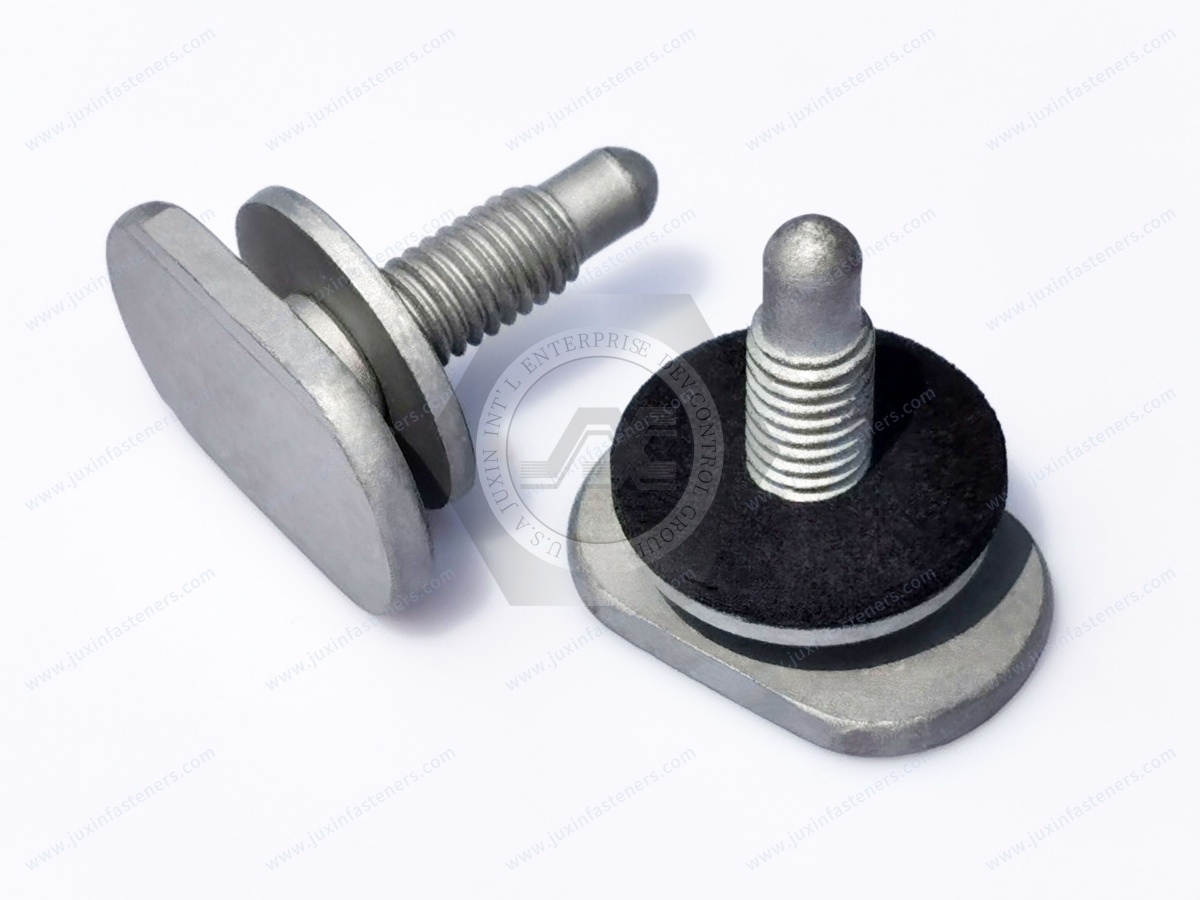
Galvanic Corrosion With Dissimilar Metals
Galvanic corrosion may occur when dissimilar metals are electrically connected in the presence of a suitable electrolyte.
Potential Applications
Stainless steel screws in aluminum housings
Zinc plated screws in aluminum components
Outdoor electrical equipment
Automotive assemblies exposed to moisture
Marine-related equipment
Engineering Considerations
Mating material
Moisture exposure
Electrical contact
Surface area relationship
Coating condition
Drainage
Isolation
Important Engineering Principle
A fastener that resists corrosion independently may still contribute to corrosion problems in a mixed-metal joint.
Engineering Recommendation
Evaluate the complete assembly and consider appropriate isolation or coating strategies.
Stainless Steel vs Zinc Plated Screws for Automotive and EV Equipment
Automotive and EV assemblies use both stainless steel and coated steel fasteners.
Potential Applications
Equipment brackets
Interior assemblies
Electronic housings
Battery enclosure hardware
Auxiliary mechanical components
Charging equipment
Zinc Plated Steel Considerations
Mechanical-property class
Coating specification
Hydrogen embrittlement risk
Friction control
Production cost
Stainless Steel Considerations
Corrosion environment
Mechanical-property class
Galling
Galvanic compatibility
Cost
Critical Limitation
Safety-critical automotive joints and high-voltage EV connections require application-specific approval and validation.
Industrial Machinery and Automation
Industrial machinery frequently uses coated steel fasteners because they offer a broad range of strength options and competitive cost.
Stainless steel may be preferred in corrosion-sensitive environments.
Potential Applications
Machine frames
Conveyors
Automation equipment
Equipment housings
Production fixtures
Engineering Considerations
Joint loading
Maintenance frequency
Corrosion exposure
Tightening process
Replacement strategy
Information Gain: Indoor Equipment Does Not Always Require Stainless Steel
For dry indoor environments, appropriately specified zinc plated steel screws may provide sufficient corrosion protection at lower cost.
Procurement Recommendation
Avoid specifying premium materials without a defined performance requirement.
Electrical Cabinets and Telecommunications Equipment
Electrical and telecommunications equipment often requires repeatable fastening and suitable environmental protection.
Potential Applications
Control cabinets
Electrical enclosures
Telecommunications housings
Equipment mounting brackets
Cable management hardware
Engineering Considerations
Corrosion exposure
Electrical grounding
Galvanic compatibility
Tool access
Maintenance
Important Limitation
Neither stainless steel nor zinc plating automatically establishes electrical safety, grounding performance or enclosure ingress protection.
HVAC and Outdoor Equipment
HVAC equipment may be installed indoors, outdoors or in coastal environments.
Engineering Considerations
Humidity
Condensation
Temperature cycling
Coating durability
Maintenance access
Selection Guidance
Zinc plated screws may be suitable for selected indoor and sheltered assemblies.
Stainless steel or alternative coating systems may be considered where corrosion exposure is more demanding.
Renewable Energy and Energy Storage Equipment
Fasteners used in renewable energy and energy storage equipment may experience moisture, temperature cycling and mechanical loading.
Potential Applications
Solar equipment mounting
Electrical enclosures
Energy storage cabinets
Auxiliary equipment frames
Engineering Considerations
Environmental exposure
Joint loading
Coating durability
Galvanic compatibility
Inspection requirements
Critical Limitation
Primary structural and safety-critical energy connections require separately approved fastening specifications.
Food Processing and Pharmaceutical Equipment
Stainless steel fasteners are commonly considered for equipment exposed to cleaning processes and moisture.
Engineering Considerations
Cleaning chemicals
Corrosion resistance
Surface finish
Hygienic design
Maintenance
Important Limitation
A stainless steel grade alone does not establish food-contact or pharmaceutical compliance.
Construction and Agricultural Equipment
Coated steel fasteners are used in selected construction-related and agricultural equipment.
Engineering Considerations
Mechanical loading
Outdoor exposure
Coating durability
Maintenance
Vibration
Important Limitation
Structural construction connections may require dedicated structural bolt assemblies and installation standards.
General-purpose coated steel screws should not be substituted without engineering approval.
Comparing Total Cost of Ownership
Initial unit price is only one component of fastening cost.
Potential Cost Factors
Raw material
Fastener manufacturing
Coating
Inspection
Installation
Scrap
Rework
Maintenance
Replacement
Production downtime
Information Gain: The Cheapest Screw May Not Be the Lowest-Cost Fastener
A zinc plated screw may have a lower purchase price but require a more demanding coating specification for outdoor service.
A stainless steel screw may cost more initially but reduce coating-related concerns in suitable environments.
However, stainless steel may also introduce galling or material-compatibility considerations.
Procurement Recommendation
Compare the qualified total installed cost rather than only the unit price.
Manufacturing and Production Considerations
Fastener selection affects manufacturing consistency.
Cold Forming
Cold forming may be used for suitable screw and bolt designs.
Thread Rolling
Thread rolling may be used where the material and geometry permit.
Heat Treatment
Carbon steel and alloy steel fasteners may require heat treatment to achieve specified mechanical properties.
Coating
Zinc electroplating and other coating processes introduce additional process-control requirements.
Inspection
Critical characteristics may include:
Dimensions
Threads
Mechanical properties
Coating thickness
Surface condition
Functional assembly performance
Production Manager's Perspective
A stable fastening process depends on consistent materials, coating characteristics, tooling and inspection.
International Standards for Stainless Steel and Zinc Plated Fasteners
The applicable standards depend on the product and technical specification.
ISO 3506 Series
Mechanical properties of corrosion-resistant stainless steel fasteners within the relevant scope.
ISO 898-1
Mechanical properties of specified carbon steel and alloy steel bolts, screws and studs.
ISO 4042
Electroplated coating systems for fasteners.
ISO 10683
Non-electrolytically applied zinc-flake coating systems for fasteners.
ISO 16047
Torque/clamp force testing for threaded fasteners.
ISO 9227
Salt spray tests in artificial atmospheres.
ASTM B117
Standard practice for operating salt spray apparatus.
ISO 4762
Hexagon socket head cap screws.
ISO 4014
Hexagon head bolts.
ISO 4017
Hexagon head screws.
ASME B18.3
Socket cap, shoulder and set screw dimensional requirements within its scope.
Important Standards Principle
A dimensional standard does not automatically establish material strength, coating performance or application suitability.
Metric and Inch Thread Compatibility
ISO metric threads and UNC/UNF inch threads use different thread systems.
BSW and BSF are also separate thread systems.
These systems are not directly interchangeable.
Approximate inch conversions are reference values only.
Engineering Recommendation
Specify the complete thread designation and tolerance requirements.
Supplier Qualification and Coating Change Control
Procurement and supplier development teams should evaluate the full fastener specification.
Material Requirements
Stainless steel grade or group
Carbon steel or alloy steel specification
Mechanical-property class
Dimensional Requirements
Approved drawing
Thread designation
Tolerances
Head and drive geometry
Surface Requirements
Coating type
Coating thickness
Passivation or topcoat
Corrosion test requirements
Friction requirements where applicable
Quality Requirements
Inspection criteria
Material verification
Coating verification
Functional testing
Documentation
Change control
Commercial Requirements
Prototype quantity
MOQ
Annual demand
Production batch size
Packaging
Lead time
Supply continuity
Information Gain: Material and Coating Changes Must Be Controlled Separately
A supplier may maintain the same screw dimensions while changing the coating process.
Such a change can affect corrosion performance, friction, assembly behavior or hydrogen embrittlement risk.
Procurement Recommendation
Define which changes require customer approval before production supply.
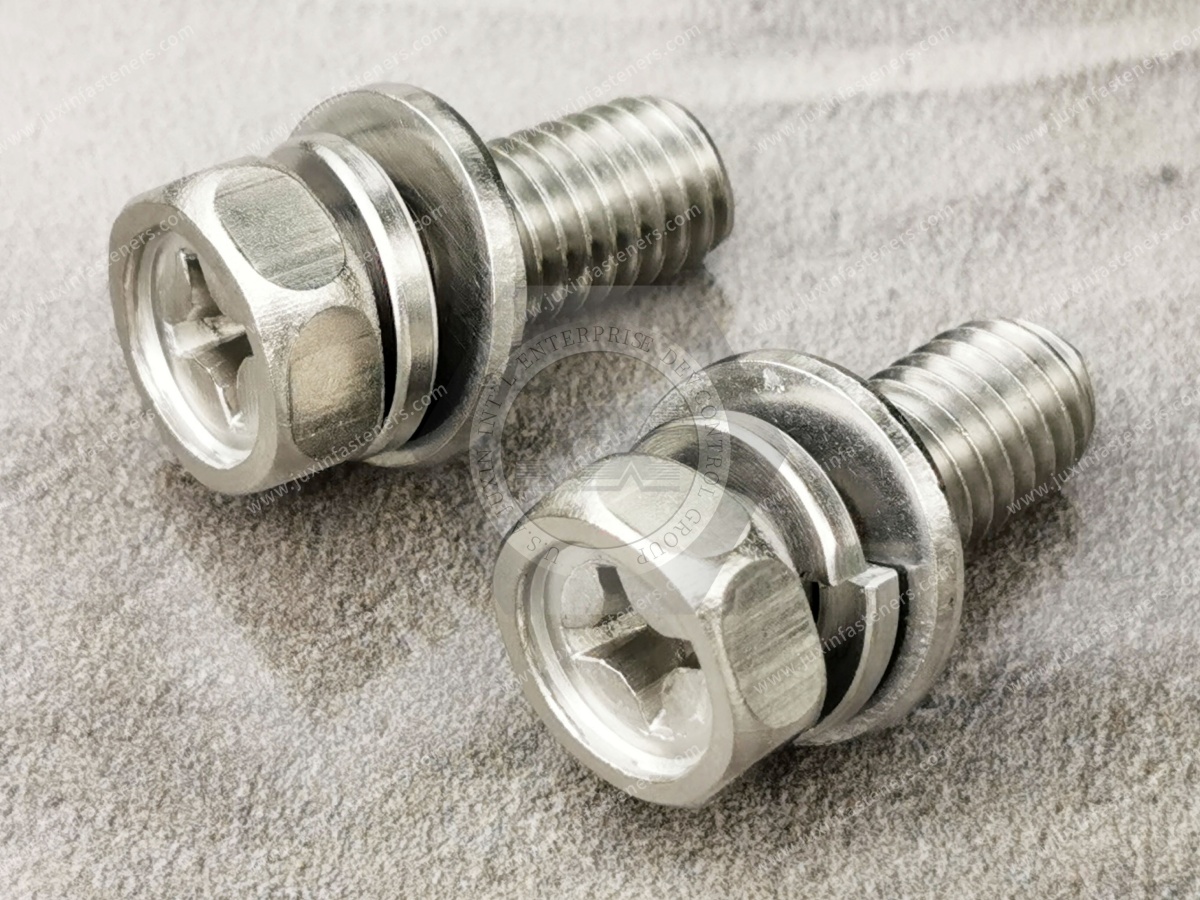
Stainless Steel vs Zinc Plated Screws: Practical Selection Matrix
| Application priority | Stainless steel consideration | Zinc plated steel consideration |
|---|---|---|
| Dry indoor equipment | Suitable, but may increase cost | Often economical |
| High mechanical strength | Depends on grade and property class | Broad high-strength options |
| Outdoor exposure | Grade-dependent | Coating-system dependent |
| Marine-related exposure | 316 may be considered with validation | Conventional thin zinc plating may be insufficient |
| High-volume assembly | Validate galling and installation | Validate coating friction and consistency |
| Corrosion-sensitive equipment | Often favorable | Requires coating evaluation |
| Cost-sensitive OEM production | Higher initial material cost | Often lower initial cost |
| Safety-critical joint | Requires qualification | Requires qualification |
Engineering Recommendation
Use this matrix for preliminary selection only.
Final approval should be based on the complete joint and operating conditions.
Frequently Asked Questions
Are stainless steel screws stronger than zinc plated screws?
Not necessarily. Zinc plating is a surface finish, while strength depends on the underlying steel property class.
High-strength coated steel fasteners can exceed the strength of common austenitic stainless steel fastener classes.
Which screws resist corrosion better?
The answer depends on the environment and coating specification.
Stainless steel provides alloy-based corrosion resistance, while zinc plated steel relies on sacrificial coating protection.
Are zinc plated screws suitable for outdoor use?
They may be suitable for selected outdoor applications, but the required coating system and expected exposure must be evaluated.
Is 316 stainless steel better than 304?
316 generally provides improved resistance to certain localized corrosion mechanisms,
particularly in some chloride-containing environments, but it is not universally superior for every application.
Does zinc plating make a screw stronger?
No. Zinc plating provides surface protection and does not establish the fastener's mechanical-property class.
Can zinc plated class 10.9 screws experience hydrogen embrittlement?
Susceptible high-strength steel fasteners may face hydrogen embrittlement risks associated with certain processes and service conditions.
The actual risk requires evaluation and appropriate controls.
Do salt spray hours equal outdoor service life?
No. Salt spray testing is a controlled laboratory method and does not directly predict field service life.
Can stainless steel screws replace zinc plated carbon steel screws directly?
Not automatically. Strength, preload, friction, corrosion compatibility and joint performance must be reviewed.
Are metric and UNC screws interchangeable?
No. They use different thread systems.
What should be included in an OEM fastener RFQ?
Provide the approved drawing, material specification, mechanical-property class, coating requirements, operating conditions, inspection criteria and purchasing quantities.
Juxin Fasteners: Stainless Steel and Zinc Plated OEM Fastening Solutions
Juxin Fasteners supplies industrial fastening components for OEM manufacturing and equipment assembly.
Relevant product categories include:
Stainless steel screws
Carbon steel screws
Zinc plated screws
High-strength hex bolts
Socket head cap screws
Flange screws
Self-tapping screws
Weld screws
Weld nuts
Rivet nuts
Threaded insert nuts
Custom OEM fasteners
Material grades, mechanical-property classes, manufacturing routes, coating systems, samples,
MOQ, inspection requirements and delivery schedules are subject to technical and commercial confirmation.
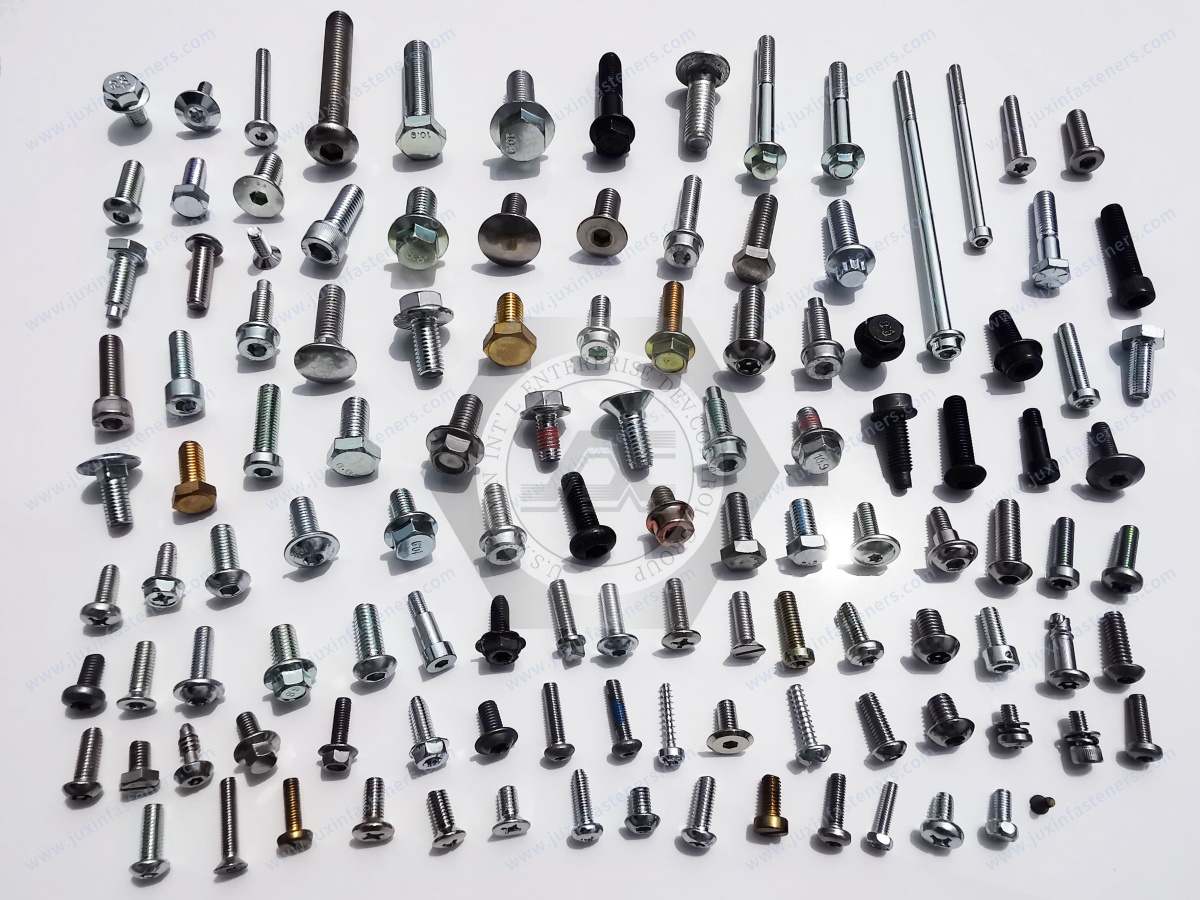
Request a Stainless Steel or Zinc Plated Screw RFQ
Are you comparing stainless steel and zinc plated carbon steel screws for a new industrial assembly?
Do you need corrosion-resistant screws, high-strength coated bolts or custom OEM fasteners?
Are you qualifying an alternative supplier or reviewing a coating specification for recurring production?
Juxin Fasteners welcomes inquiries from design engineers, mechanical engineers, structural engineers, manufacturing engineers,
production managers, procurement specialists, purchasing managers, supplier development teams and supply chain managers.
For technical review and quotation, please provide:
Approved drawing or standard + part number and revision + fastener type + dimensions + thread designation + material grade
+ mechanical-property class + coating type and thickness + corrosion requirements + mating materials + joint loading
+ installation method + friction requirements where applicable + inspection criteria + prototype quantity + annual demand + production batch size + packaging + target delivery schedule.
Company: Juxin Fasteners
Website: https://www.juxinfasteners.com/
Email: info@juxinfasteners.com
Send your stainless steel or zinc plated fastener drawings and OEM RFQ to Juxin Fasteners for technical review and quotation.
Contact Us
Tel.:
+86 020 8621 0320
+86 020 3121 6067
E-mail:
Technical Support:
Navigation
SEND INQUIREY



