
Call Us
+86 136 6007 9809
Call Us
+86 136 6007 9809

Jul. 26, 2024
Many engineers and purchasers assume that stainless steel screws never rust. However, even high-quality 18-8 stainless steel hex head screws (304 stainless steel screws / A2 stainless steel screws) can experience surface corrosion under certain conditions.
Stainless steel is highly corrosion-resistant because of its chromium content, which creates a passive oxide layer that protects the metal surface. However, this protective layer can be damaged by contamination, harsh environments, improper handling, or unsuitable material selection.
Understanding why stainless steel screws rust helps engineers select the correct fastener material, surface treatment, and maintenance strategy for long-term reliability.
This guide explains the causes of corrosion in 18-8 stainless steel hex screws, compares 304 vs 316 stainless steel fasteners, and provides solutions for automotive, marine, construction, food processing, and industrial equipmentapplications.
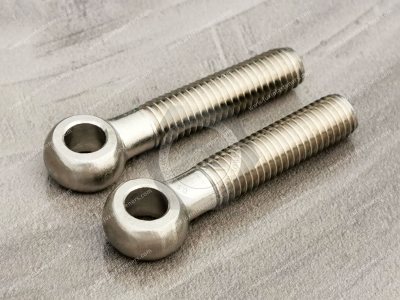
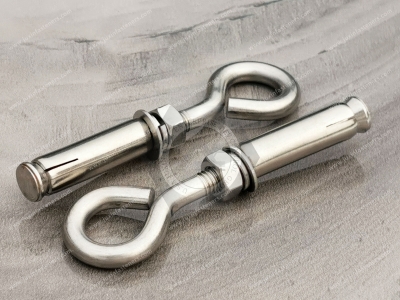
18-8 stainless steel hex head screws are one of the most commonly used industrial fasteners worldwide.
The term "18-8" refers to the approximate composition:
18% Chromium (Cr)
8% Nickel (Ni)
This composition provides excellent:
Corrosion resistance
Mechanical strength
Formability
Chemical resistance
Appearance
18-8 stainless steel is commonly equivalent to 304 stainless steel and is widely used for manufacturing:
Stainless Steel Hex Head Screws
Stainless Steel Flange Screws
Stainless Steel Machine Screws
Stainless Steel Bolts
Stainless Steel Socket Head Screws
Stainless Steel Self-Tapping Screws
Although stainless steel contains corrosion-resistant elements, it is not completely immune to corrosion.
Several factors can cause 304 stainless steel screws to rust.
The corrosion resistance of stainless steel comes from a thin chromium oxide film formed naturally on the surface.
This passive layer protects the underlying metal from oxidation.
However, during manufacturing or handling, the passive film may become incomplete due to:
Surface impurities
Manufacturing defects
Iron contamination
Welding residue
Improper cleaning
Mechanical damage
When the protective oxide layer is damaged, moisture and oxygen can reach the base material, causing corrosion.
For this reason, high-quality stainless steel fasteners usually require:
Proper surface cleaning
Passivation treatment
Strict manufacturing control
One of the most common causes of stainless steel screw corrosion is contamination.
During production, transportation, or installation, stainless steel screws may come into contact with:
Carbon steel particles
Metal dust
Salt deposits
Oil
Chemicals
Dirt
Industrial pollutants
These contaminants can attach to the screw surface or thread area and create localized corrosion points.
For example:
Carbon steel particles deposited on a 304 stainless steel screw may oxidize first, creating rust stains that appear to come from the stainless steel itself.
Proper cleaning and storage are essential to maintaining corrosion resistance.
Even premium stainless steel fasteners require correct material selection based on operating conditions.
Environmental factors that accelerate corrosion include:
Long-term exposure to moisture can weaken the passive film, especially in poorly ventilated areas.
Chloride ions are particularly aggressive toward stainless steel.
Applications near:
Ocean environments
Coastal areas
Marine equipment
Offshore platforms
often require 316 stainless steel screws instead of standard 304 stainless steel.
Strong acids, alkalis, and industrial chemicals may attack stainless steel surfaces.
Choosing the wrong stainless steel grade is one of the biggest reasons for premature corrosion.
Suitable for:
General industrial equipment
Indoor machinery
Electrical cabinets
Commercial products
Construction applications
Advantages:
Excellent general corrosion resistance
Good mechanical properties
Cost-effective
316 stainless steel contains molybdenum, which significantly improves resistance to:
Saltwater
Chlorides
Chemicals
Coastal environments
Recommended applications:
Marine equipment
Food processing machinery
Pharmaceutical equipment
Chemical processing systems
Outdoor structures
| Property | 304 Stainless Steel Screws | 316 Stainless Steel Screws |
|---|---|---|
| Material Grade | 18-8 / A2 | A4 |
| Chromium | Approximately 18% | Approximately 16-18% |
| Nickel | Approximately 8% | Approximately 10-14% |
| Molybdenum | No | Yes |
| Corrosion Resistance | Excellent | Superior |
| Saltwater Resistance | Good | Excellent |
| Chemical Resistance | Good | Better |
| Cost | Lower | Higher |
For standard industrial applications, 304 stainless steel hex screws are usually sufficient.
For aggressive environments, 316 stainless steel hex head screws provide longer service life.
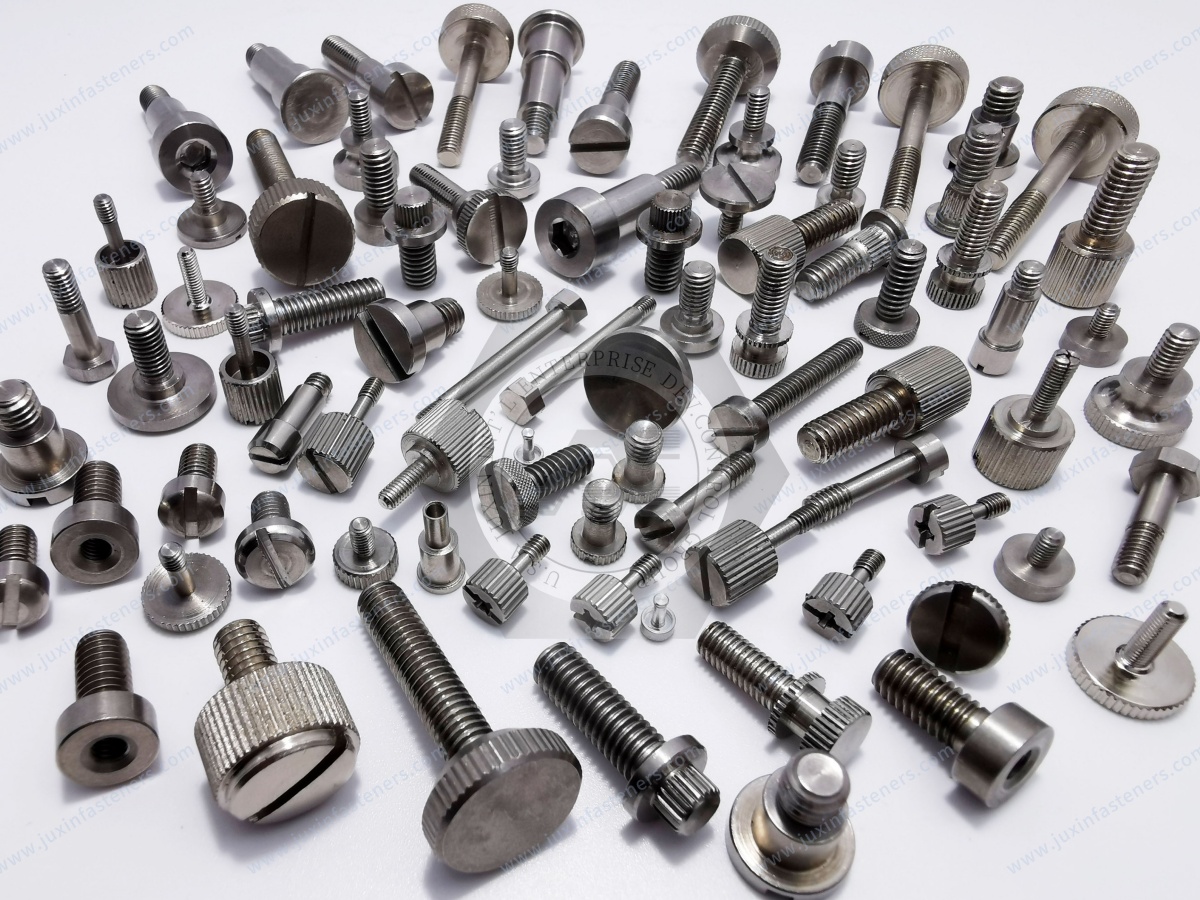
JUXIN FASTENERS supplies various stainless steel screw solutions, including:
Features:
Good chemical resistance
Excellent general corrosion resistance
Available in metric and inch sizes
Compatible with ISO, DIN, and ASME standards
Applications:
Machinery
Electrical equipment
Industrial assemblies
Features:
Superior corrosion resistance
Excellent saltwater performance
Suitable for harsh environments
Applications:
Marine equipment
Chemical machinery
Food processing equipment
Flange head screws integrate a washer-like flange under the head.
Advantages:
Larger load distribution area
Reduced surface damage
Eliminates separate washer requirements
Faster assembly
Common standards:
DIN 6921
ASTM F593
IFI standards
Applications:
Automotive components
Sheet metal assemblies
Industrial equipment
Professional industrial fasteners should meet recognized international standards, including:
ISO 4017
ISO 4014
ISO 4162
DIN 933
DIN 6921
ISO 3506
ASTM F593
ASTM F594
ASME B18.2.1
These standards ensure:
Correct dimensions
Reliable mechanical performance
Material traceability
Global interchangeability
Choose:
304 stainless steel for general applications
316 stainless steel for marine and chemical environments
Material selection is the first step in corrosion prevention.
Passivation improves the natural chromium oxide layer and removes free iron contamination.
Benefits:
Improved corrosion resistance
Cleaner surface
Longer service life
Recommended storage practices:
Keep fasteners dry
Avoid contact with carbon steel
Prevent salt contamination
Use clean packaging
For critical applications, periodic inspection helps detect:
Surface contamination
Corrosion marks
Mechanical damage
Early maintenance prevents larger failures.
Applications:
Vehicle assemblies
EV battery systems
Brackets
Sheet metal components
Exhaust systems
Recommended materials:
304 stainless steel
316 stainless steel for harsh environments
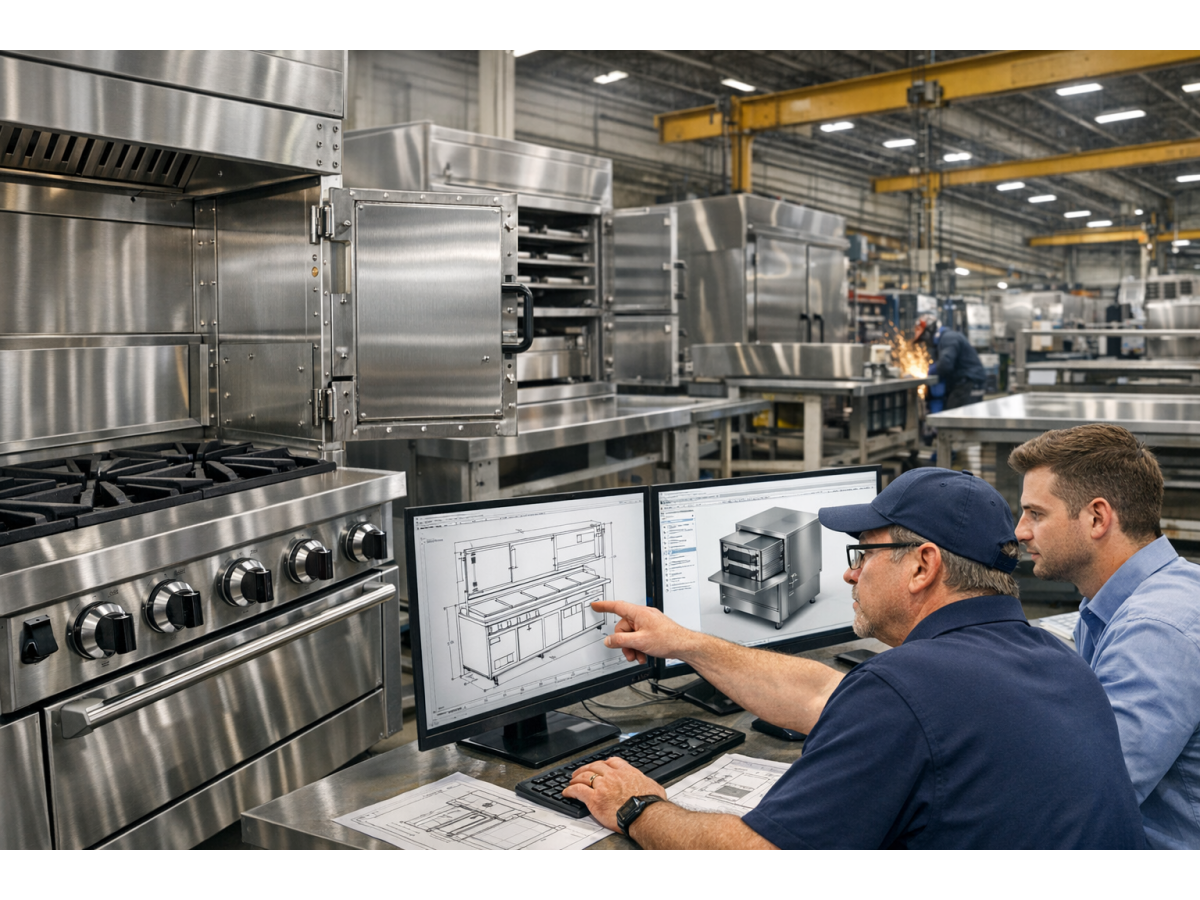
Stainless steel fasteners are widely used because of:
Hygiene requirements
Corrosion resistance
Easy cleaning
Typical applications:
Food machinery
Commercial kitchen equipment
Packaging systems
316 stainless steel screws are preferred for:
Shipbuilding
Offshore platforms
Marine equipment
Coastal structures
Applications include:
Medical devices
Laboratory equipment
Precision instruments
Stainless steel screws are used in:
Robotics
Assembly equipment
Control cabinets
Precision machinery
JUXIN FASTENERS specializes in manufacturing reliable stainless steel fasteners and OEM fastening solutions for global industrial customers.
Our product range includes:
304 Stainless Steel Screws
316 Stainless Steel Screws
Stainless Steel Hex Head Screws
Stainless Steel Flange Screws
Stainless Steel Socket Head Screws
Stainless Steel Self-Tapping Screws
Stainless Steel Machine Screws
Custom Stainless Steel Fasteners
OEM Precision Fasteners
We support industries including:
Automotive Manufacturing
Electric Vehicles (EV)
Food Processing Equipment
Medical Devices
Industrial Automation
Marine Engineering
HVAC Systems
Electronics
Renewable Energy
Construction Equipment
Sheet Metal Fabrication
With advanced manufacturing processes, precision cold forming, thread rolling technology, surface treatment control, and strict quality inspection, JUXIN FASTENERS delivers dependable fastening solutions for demanding applications worldwide.
Yes. Although 304 stainless steel provides excellent corrosion resistance, it can rust under severe conditions such as saltwater exposure, chemical contamination, or surface damage.
For harsh environments, yes. 316 stainless steel provides better resistance to chlorides, saltwater, and chemicals.
Proper material selection, passivation treatment, clean storage, and regular maintenance can significantly improve corrosion resistance.
Yes. 304 stainless steel works well for many outdoor applications. For coastal or marine environments, 316 stainless steel is recommended.
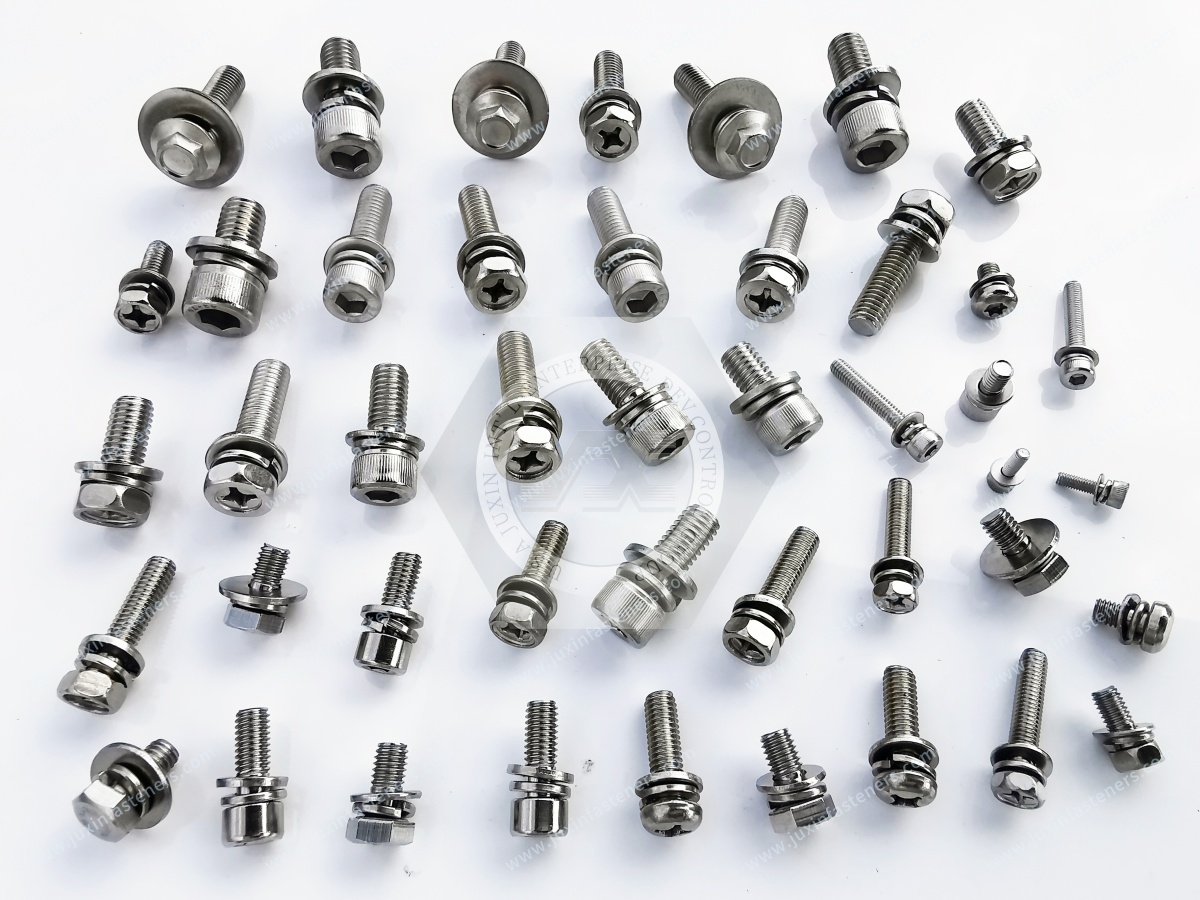
Whether you need 18-8 stainless steel hex head screws, 316 stainless steel corrosion-resistant screws, or customized OEM fastening solutions, JUXIN FASTENERS provides professional engineering support and reliable manufacturing capability.
Contact our team for material recommendations, technical specifications, and customized fastener solutions.
Email: info@juxinfasteners.com
Website: https://www.juxinfasteners.com
 MORE NEWS
Sep. 27, 2026
Sep. 27, 2026
Sep. 27, 2026
Contact Us
Tel.:
+86 020 8621 0320
+86 020 3121 6067
E-mail:
Technical Support:
Navigation
SEND INQUIREY