
Call Us
+86 136 6007 9809
Call Us
+86 136 6007 9809

Jul. 18, 2024
201 vs 304 Stainless Steel Screws: Corrosion Resistance, Material Selection and OEM Sourcing
Selecting the right stainless steel screw material is an important engineering and purchasing decision for industrial equipment, automotive accessories,
electronic assemblies, furniture hardware and custom OEM products.
Two materials frequently compared in stainless steel fastener sourcing are 201 stainless steel and 304 stainless steel, also described in some international supply chains as SUS201 and SUS304.
Both belong to the austenitic stainless steel family, but they differ in alloy composition, corrosion behavior, material cost and suitability for different service environments.
For OEM engineers, the key question is not simply which stainless steel grade is better.
It is whether a particular fastener material meets the required corrosion resistance, mechanical properties, installation conditions and long-term performance expectations.
For procurement and supplier development teams, another question is equally important:
Can 201 stainless steel replace 304 stainless steel in a particular application without introducing unacceptable technical, quality or lifecycle cost risks?
The answer depends on the approved product specification and actual operating conditions.
This guide compares 201 and 304 stainless steel screws, explains the engineering limitations of material substitution and provides practical guidance for drawing-based OEM fastener sourcing.
Juxin Fasteners supplies stainless steel screws, bolts and custom fastening components for industrial and OEM applications, subject to product-specific technical confirmation.
What Is the Difference Between 201 and 304 Stainless Steel?
201 and 304 are austenitic stainless steels with different alloy compositions.
The most important distinction is their balance of nickel, manganese, chromium and nitrogen.
201 Stainless Steel
201 generally uses a lower nickel content and a higher manganese content than 304.
Nitrogen also contributes to the alloy design.
This composition can offer material cost advantages under certain market conditions.
However, its corrosion performance may be less suitable than 304 for some environments, especially where chloride exposure or persistent moisture is present.
304 Stainless Steel
304 is a widely used chromium-nickel austenitic stainless steel.
It generally offers a more favorable corrosion-resistance margin than 201 in many common industrial environments.
Its widespread use also makes it a familiar material for OEM specifications and international fastener sourcing.
Important Engineering Principle
Neither material is universally suitable for every environment.
The correct selection depends on the actual alloy specification, manufacturing condition, joint design and service exposure.
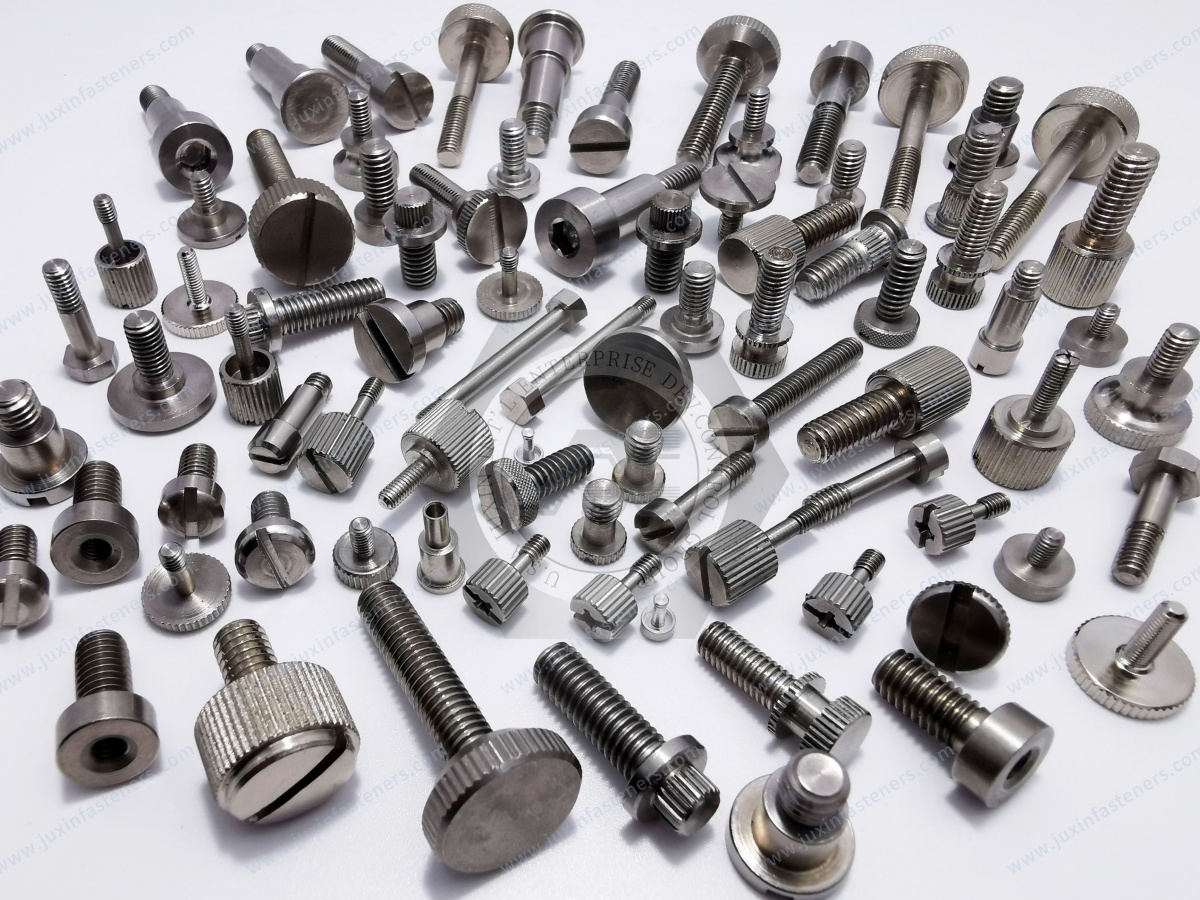
201 vs 304 Stainless Steel Screws: Engineering Comparison
| Selection factor | 201 stainless steel | 304 stainless steel |
|---|---|---|
| Stainless steel family | Austenitic | Austenitic |
| Nickel content | Generally lower | Generally higher |
| Manganese content | Generally higher | Generally lower |
| Corrosion behavior | May be suitable for controlled, mild environments | Generally offers better resistance in many common environments |
| Chloride exposure | Requires careful evaluation | Better than 201 in many conditions, but not immune to chloride attack |
| Mechanical properties | Depend on product form, condition and processing | Depend on product form, condition and processing |
| Magnetic response | May become magnetic after cold working | May become magnetic after cold working |
| Surface appearance | Depends on processing and finishing | Depends on processing and finishing |
| Material cost | May offer a cost advantage | Often carries a higher alloy-related material cost |
| OEM substitution | Requires approval | Requires approval when changing from another specified material |
Key Takeaway
201 is not automatically a low-strength version of 304, and 304 is not automatically stronger.
Their finished fastener properties must be evaluated against the applicable specification.
201 Stainless Steel Screws: Characteristics and Suitable Applications
201 stainless steel may be considered for selected applications where the environment is controlled and the corrosion requirements are moderate.
Material Characteristics
Typical alloy design features include:
Reduced nickel content compared with 304
Higher manganese content
Austenitic stainless steel structure
Potential material cost advantages
Corrosion behavior dependent on environment and processing
Potential Advantages
201 stainless steel may be attractive where the application permits its use and purchasing cost is an important factor.
However, material cost should not be evaluated independently from expected service life.
Potential Applications
Indoor furniture hardware
Decorative assemblies
Selected household equipment
Dry indoor machinery covers
Noncritical interior brackets
General-purpose hardware in controlled environments
These are potential applications rather than universal approvals.
Important Limitations
201 stainless steel should be evaluated carefully where exposure includes:
Persistent condensation
Chloride-containing moisture
Coastal atmospheres
Aggressive cleaning chemicals
Crevice conditions
Outdoor weathering
Engineering Recommendation
Before specifying 201, confirm the actual corrosion environment, material specification and required service life.
304 Stainless Steel Screws: Characteristics and Suitable Applications
304 stainless steel is widely used in industrial fastening because it offers a useful combination of corrosion resistance, formability and mechanical properties.
Material Characteristics
304 is a chromium-nickel austenitic stainless steel.
It is frequently selected where general corrosion resistance and long-term appearance are important.
Potential Applications
Industrial machinery
Automation equipment
Electrical enclosures
Automotive accessory components
Electronic equipment housings
Laboratory equipment
Selected food-processing equipment hardware
Outdoor accessories under suitable exposure conditions
Engineering Advantages
304 can provide a more robust corrosion-resistance margin than 201 in many general industrial environments.
Important Limitations
304 stainless steel is not immune to:
Pitting corrosion
Crevice corrosion
Chloride-related corrosion
Stress corrosion cracking under susceptible conditions
Galling
Galvanic interaction with dissimilar metals
Engineering Recommendation
For severe chloride exposure, aggressive chemicals or elevated-temperature service, evaluate whether 304 is sufficient or whether another approved material is required.
Corrosion Resistance: Why 304 Is Often Preferred
Corrosion resistance is one of the most important differences between 201 and 304 stainless steel screws.
Stainless steel relies on a chromium-rich passive surface film for corrosion resistance.
The stability of this passive condition depends on the alloy and surrounding environment.
Dry Indoor Environments
For dry indoor assemblies with limited chemical exposure, both materials may be technically viable if the approved specification permits them.
Humid Environments
Persistent moisture can increase corrosion risk.
304 may offer a better corrosion-resistance margin in many such applications.
Outdoor Environments
Rain, pollution, condensation and trapped moisture can create more demanding conditions.
Material selection should consider exposure severity and drainage.
Chloride-Containing Environments
Road salt, marine aerosols and some cleaning chemicals can promote localized corrosion.
304 generally offers better resistance than 201 in many chloride-related conditions, but neither should be assumed immune.
Crevice Conditions
Moisture trapped beneath a screw head, washer or overlapping panel may create a localized environment that differs from the surrounding atmosphere.
Information Gain: The Screw Head Can Experience a Different Environment From the Visible Surface
A screw may appear clean on the exposed head while corrosion develops beneath the bearing surface or within the threaded joint.
This matters when evaluating material substitution.
Engineering Recommendation
For corrosion-sensitive applications, inspect the actual joint geometry and trapped-moisture conditions rather than relying only on the visible surface environment.
Can 201 Stainless Steel Replace 304 Stainless Steel Screws?
This is a common cost-reduction question for OEM procurement teams.
The answer is sometimes, but only after engineering review and approval.
201 and 304 should not be treated as automatically interchangeable materials.
Step 1: Review the Approved Drawing
Determine whether the drawing explicitly specifies 304, an equivalent material designation or a broader permitted material category.
Step 2: Evaluate the Environment
Identify moisture, chloride exposure, chemicals, cleaning procedures and operating temperature.
Step 3: Confirm Mechanical Requirements
Review the required fastener mechanical properties and joint loading.
Step 4: Check Assembly Compatibility
Confirm thread fit, installation torque, mating materials and potential galling behavior.
Step 5: Review Surface Requirements
Evaluate appearance, passivation, cleaning and corrosion acceptance criteria.
Step 6: Validate the Proposed Change
Where required, conduct application-specific testing and obtain customer approval.
Step 7: Update Procurement Controls
Record the approved material and prevent unauthorized substitution in future orders.
Critical Procurement Principle
A lower quotation price does not justify changing a specified material without approval.
Information Gain: Material Substitution Decision Matrix
| Application condition | 201 consideration | 304 consideration |
|---|---|---|
| Dry indoor decorative hardware | May be evaluated | Suitable candidate |
| Controlled indoor equipment | May be evaluated | Suitable candidate |
| Humid equipment enclosure | Requires careful validation | Often preferred |
| Outdoor accessory | Requires environmental validation | Often preferred, subject to exposure |
| Road-salt exposure | Generally a higher-risk choice | Requires corrosion assessment |
| Marine or aggressive chloride exposure | Generally unsuitable without exceptional justification | May also be insufficient; consider other materials |
| Customer drawing explicitly specifies 304 | Not permitted without approval | Follow approved specification |
Important Limitation
This matrix is a screening tool, not a substitute for engineering validation.
201 vs 304 Stainless Steel Screw Strength
A common misconception is that 304 stainless steel screws are always stronger than 201 stainless steel screws.
That is not a reliable engineering conclusion.
Mechanical properties depend on:
Alloy specification
Product form
Material condition
Cold working
Fastener manufacturing process
Finished mechanical-property requirements
Cold Working
Austenitic stainless steels can strengthen through cold deformation.
This means the properties of finished fasteners may differ from those of annealed raw material.
Finished Fastener Properties
For threaded fasteners, the applicable mechanical-property specification and actual manufacturing condition matter more than a generic material comparison.
Relevant Standard
ISO 3506-1 addresses mechanical properties of corrosion-resistant stainless steel bolts, screws and studs within its scope.
Important Distinction
A material designation such as 201 or 304 is not the same as a finished fastener property class.
Engineering Recommendation
Specify both material requirements and finished fastener mechanical properties where needed.
201, 304 and Stainless Steel Fastener Property Classes
In international industrial sourcing, stainless steel fasteners may be described using material groups and property classes.
For example, A2 stainless steel fasteners are commonly associated with 304-type compositions when the actual material meets the applicable specification.
However, A2 should not be used as an automatic synonym for every product labeled 304, and 201 should not be assumed to qualify as A2.
Procurement Recommendation
Confirm:
Applicable standard
Material designation
Chemical composition
Mechanical-property class
Finished product requirements
Important Limitation
Do not substitute a material name for a verified standard designation.
Magnetic Properties: Can a Magnet Identify 201 or 304?
Magnetic testing is sometimes used informally when checking stainless steel materials.
However, magnet response alone cannot reliably identify 201 or 304 stainless steel.
Both materials are austenitic stainless steels, and cold working may alter their magnetic response.
Important Engineering Principle
A magnetic screw is not automatically counterfeit stainless steel.
A nonmagnetic screw is not automatically 304.
Material Verification
Where material identity is critical, use appropriate chemical-composition verification and supporting material documentation.
Procurement Recommendation
Do not approve a 201-to-304 substitution based on magnet testing or appearance.
Surface Appearance: Is 304 Always Brighter Than 201?
No.
Surface brightness depends on:
Manufacturing process
Surface finish
Cleaning
Polishing
Passivation
Handling
Environmental exposure
A bright screw is not necessarily 304 stainless steel.
A dull screw is not necessarily 201.
Engineering Recommendation
Specify the required surface condition independently from the material grade.
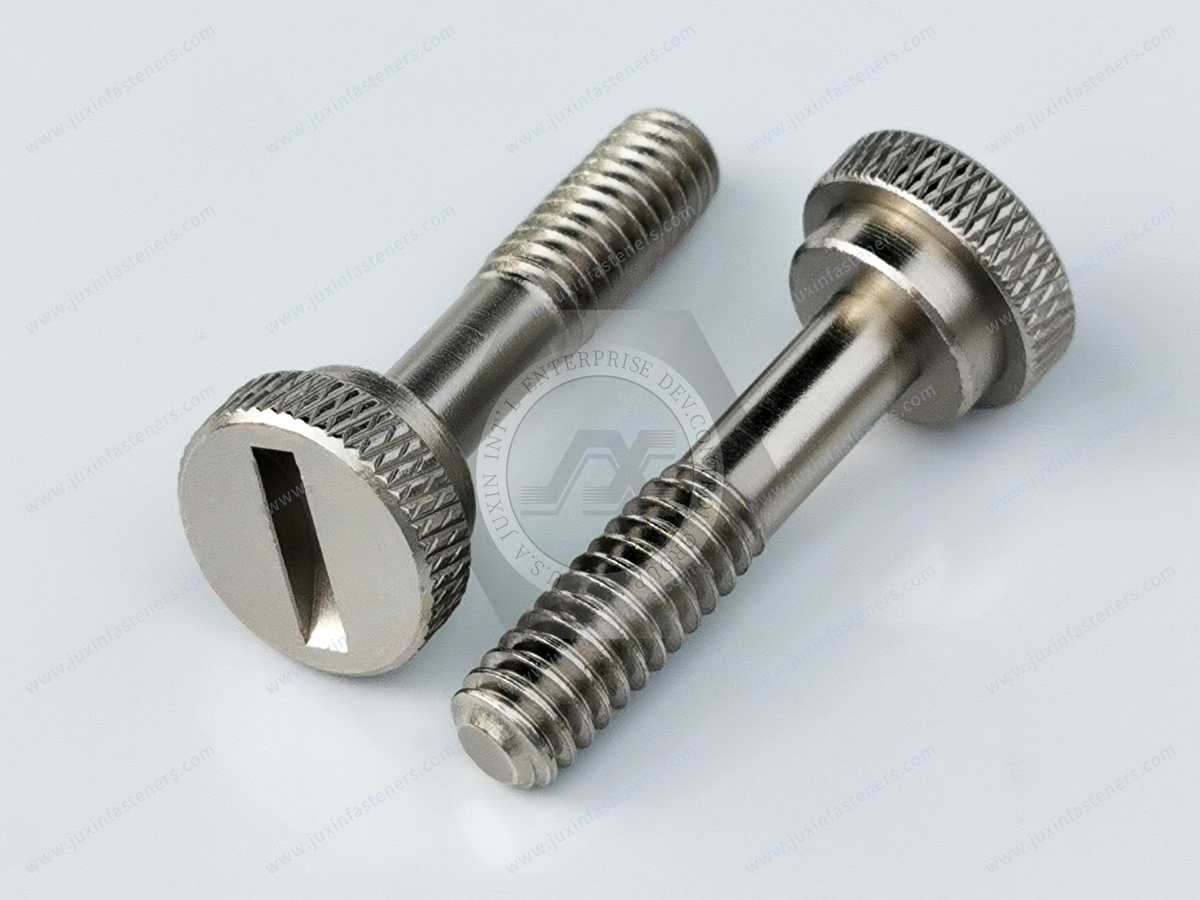
Passivation and Stainless Steel Screw Corrosion Performance
Passivation may be specified for suitable stainless steel fasteners to remove certain surface contaminants and support the corrosion-resistant passive surface condition.
Potential Benefits
Removal of some surface contamination
Improved surface condition
Better corrosion performance when properly specified and processed
Important Limitations
Passivation does not change 201 into 304.
It also does not guarantee corrosion resistance in every environment.
Engineering Recommendation
Select the correct base material first, then specify appropriate surface processing.
Thread Galling and Assembly Reliability
Austenitic stainless steel fasteners can be susceptible to galling.
Galling involves adhesive interaction between contacting surfaces and may cause thread damage or seizure during tightening.
Potential Risk Factors
High contact pressure
Thread condition
Installation speed
Surface finish
Lubrication condition
Mating material
Production Implications
Thread galling can cause:
Installation delays
Damaged threads
Scrap
Rework
Tool interruptions
Engineering Recommendation
Evaluate installation conditions and mating materials when specifying stainless steel screws.
Important Limitation
Neither 201 nor 304 automatically eliminates galling risk.
Galvanic Corrosion With Dissimilar Materials
Stainless steel screws are often installed into aluminum, coated steel or other metals.
In the presence of a suitable electrolyte, galvanic interactions may occur.
Engineering Considerations
Relative electrochemical behavior
Surface area ratio
Environmental exposure
Protective coatings
Joint geometry
Electrical isolation
Important Limitation
Selecting a more corrosion-resistant screw does not automatically protect the mating component.
Engineering Recommendation
Evaluate the complete joint, especially for outdoor and automotive assemblies.
Stainless Steel Torx Screws for OEM Assembly
Torx-style six-lobe drive screws are used in selected industrial and automotive-related applications.
Potential Applications
Electronic equipment housings
Automotive accessory panels
Industrial machinery
Electrical assemblies
Engineering Considerations
Recess geometry
Driver compatibility
Head dimensions
Installation torque
Mating material
Production tool access
Material Selection
304-type stainless steel may be selected where its corrosion performance is appropriate.
201 should only be considered when the material and application requirements permit it.
Important Limitation
A six-lobe drive does not automatically provide vibration resistance.
Production Manager's Perspective
Drive selection should consider tool engagement, assembly consistency, installation cycle time and serviceability.
Stainless Steel Flat Head Thread-Forming Screws for Plastic
Thread-forming screws for plastic are designed to form mating threads in suitable plastic components during installation.
Potential Applications
Automotive interior plastic parts
Electronic housings
Appliance components
Industrial plastic assemblies
Engineering Considerations
Plastic material
Boss diameter
Pilot hole dimensions
Wall thickness
Screw thread profile
Installation torque
Strip-out torque
Repeated assembly requirements
Important Limitation
A thread-forming screw does not automatically prevent plastic cracking.
Incorrect boss design or installation conditions can cause damage.
Material Selection
Stainless steel grade selection should consider corrosion exposure and the approved screw design.
Manufacturing Recommendation
For high-volume assembly, validate installation torque and strip-out behavior on the actual plastic component.
Stainless Steel Rounded-Head Thread-Forming Screws
Rounded-head thread-forming screws may be considered for selected plastic assemblies.
Potential Applications
Automotive interior equipment
Electronic housings
Industrial plastic components
Consumer equipment
Engineering Considerations
Head bearing surface
Drive geometry
Plastic boss design
Installation torque
Reuse requirements
Material compatibility
Important Limitation
Thread-forming geometry and drive style do not automatically establish anti-loosening performance.
Engineering Recommendation
Validate the actual joint under its intended service conditions.
When Should 316 Stainless Steel Be Considered?
316 stainless steel may be considered where the corrosion requirements exceed what 304 can reliably provide.
316 contains molybdenum, which can improve resistance to certain forms of localized corrosion.
Potential Applications
Marine-related equipment
Coastal installations
Selected chemical equipment
Outdoor industrial structures
Corrosion-sensitive assemblies
Important Limitations
316 is not immune to corrosion.
Its suitability depends on chloride concentration, temperature, crevice conditions and other environmental factors.
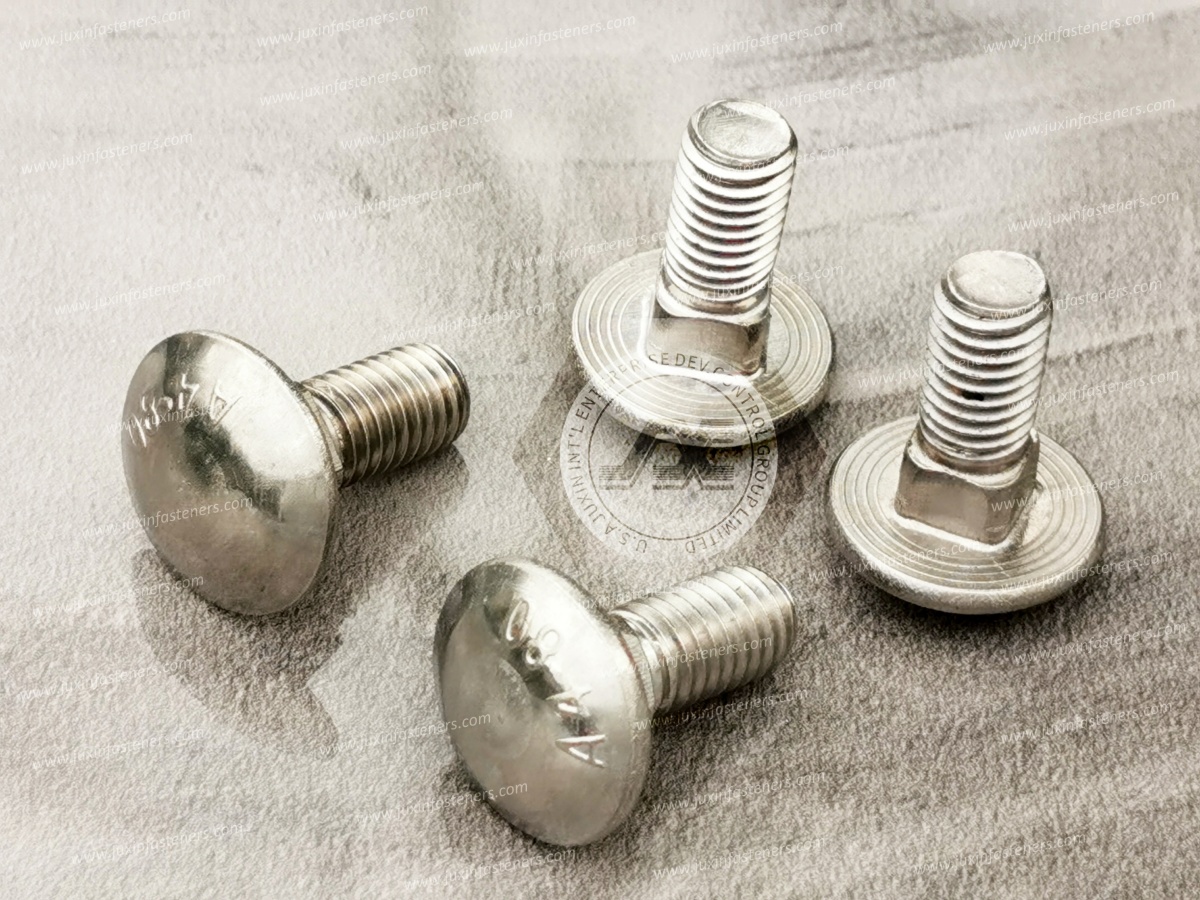
316 Stainless Steel Square-Neck Carriage Bolts
Square-neck carriage bolts are one example of stainless steel fastening hardware that may be specified for selected outdoor and industrial assemblies.
Engineering Considerations
Bolt geometry
Material specification
Mechanical properties
Mating component
Installation access
Corrosion requirements
Procurement Recommendation
Confirm the actual product and material specification rather than assuming that all carriage bolts are suitable for marine use.
Automotive and EV Applications
Stainless steel screws may be used in selected automotive and EV-related equipment where corrosion resistance and assembly requirements justify their selection.
Potential Applications
Automotive electronic housings
Exterior accessory components
Charging equipment
Auxiliary control cabinets
Nonstructural equipment covers
Engineering Considerations
Road contaminants
Moisture
Vibration
Mating materials
Tightening requirements
Service accessibility
Important Safety Limitation
General-purpose 201 or 304 stainless steel screws must not be substituted into safety-critical vehicle joints,
structural battery connections or high-voltage electrical connections without the required engineering approval.
Medical and Laboratory Equipment
Stainless steel fasteners may be considered for selected equipment housings, cabinets and noncritical mechanical assemblies.
Engineering Considerations
Cleaning agents
Surface condition
Corrosion resistance
Material compatibility
Equipment requirements
Important Limitation
The use of stainless steel does not automatically establish medical-device compliance or suitability for patient-contact applications.
Food Processing Equipment
Stainless steel fasteners may be used in selected food-processing machinery.
Engineering Considerations
Cleaning chemistry
Washdown frequency
Moisture
Crevice design
Corrosion requirements
Applicable hygiene requirements
Important Limitation
A 304 stainless steel fastener is not automatically approved for direct food contact.
Electronics and Electrical Equipment
Potential applications include:
Electrical cabinets
Communication equipment
Industrial control systems
Electronic housings
Engineering Considerations
Thread engagement
Mating material
Corrosion exposure
Electrical compatibility
Serviceability
Furniture and Indoor Hardware
201 stainless steel may be evaluated for selected cost-sensitive indoor hardware applications.
Engineering Considerations
Expected humidity
Cleaning exposure
Load requirements
Appearance
Service life
Procurement Recommendation
Avoid substituting 201 for 304 without confirming the customer's approved material requirements.
201 vs 304 Stainless Steel Screw Cost: Purchase Price vs. Lifecycle Cost
201 may offer a lower raw material cost than 304 under certain market conditions.
However, the total cost of an approved fastening solution includes more than material price.
Relevant Cost Factors
Raw material
Manufacturing process
Surface processing
Inspection
Packaging
Installation
Rework
Corrosion-related maintenance
Replacement
Supply continuity
Information Gain: A Lower-Priced Screw Can Increase Total Assembly Cost
If a material substitution leads to corrosion, damaged threads, increased inspection or premature replacement,
the initial purchasing savings may be outweighed by downstream costs.
Engineering and Procurement Recommendation
Compare materials using total installed cost and expected service requirements.
Manufacturing Considerations for 201 and 304 Stainless Steel Screws
Material selection affects manufacturing feasibility.
Cold Forming
Both material families require suitable material condition and process design.
Thread Manufacturing
Thread geometry and surface condition must meet the approved requirements.
Head Forming
Head dimensions and drive recess quality influence installation performance.
Surface Processing
Cleaning and passivation requirements may differ according to the product specification.
Inspection
Critical characteristics should be identified on the drawing or purchasing specification.
Production Manager's Perspective
A material substitution may affect forming behavior, tool wear, surface finish and assembly consistency.
Engineering Recommendation
Validate manufacturing and assembly performance before approving a material change for recurring production.
International Standards and Material Verification
Relevant standards depend on the actual product and material specification.
JIS G 4303
Addresses stainless steel bars within its scope and is relevant to certain material-designation contexts.
ASTM A240/A240M
Addresses chromium and chromium-nickel stainless steel plate, sheet and strip for pressure vessels and general applications within its scope.
ISO 3506-1
Addresses mechanical properties of corrosion-resistant stainless steel bolts, screws and studs within its scope.
ISO 965
Addresses ISO metric screw-thread tolerances.
Important Standards Principle
A raw material standard is not automatically a finished fastener standard.
Material identity, chemical composition, mechanical properties, dimensions and surface requirements may require separate specifications.
Metric and Inch Thread Compatibility
Metric threads and inch-based UNC, UNF, BSW and BSF thread systems are different.
They are not directly interchangeable.
Approximate inch conversions are reference values only.
Supplier Qualification for 201 and 304 Stainless Steel Fasteners
Procurement and supplier development teams should confirm that the quoted product matches the approved specification.
Material Identity
Confirm the specified stainless steel grade.
Chemical Composition
Define verification requirements where needed.
Mechanical Properties
Confirm the required finished fastener properties.
Dimensional Requirements
Review head geometry, length, thread and tolerances.
Surface Condition
Specify finish, cleaning or passivation requirements.
Inspection
Identify critical characteristics and required documentation.
Change Control
Require approval before material substitutions or controlled process changes.
Commercial Requirements
Confirm:
Sample quantity
MOQ
Annual demand
Production quantity
Packaging
Delivery schedule
Supply continuity
Important Procurement Principle
A supplier quotation stating stainless steel screws is insufficient when the drawing requires a specific material grade.
Preparing a Stainless Steel Screw RFQ
For accurate technical review and quotation, provide:
Product Definition
Approved drawing or standard
Part number and revision
Screw or bolt type
Dimensions
Thread designation
Head style
Drive type
Material Requirements
201, 304, 316 or another specified grade
Applicable material standard
Mechanical-property requirements
Material verification requirements
Application Information
Mating material
Joint loading
Environmental exposure
Cleaning conditions
Installation requirements
Expected service life
Quality and Commercial Requirements
Surface finish
Inspection criteria
Required documentation
Sample quantity
Annual demand
Production quantity
Packaging
Target delivery schedule
For Material Replacement Projects
Identify the existing approved material and explain the proposed change.
Frequently Asked Questions
Is 201 stainless steel the same as 304 stainless steel?
No. They have different alloy compositions and corrosion characteristics.
Is 304 always stronger than 201?
No. Finished fastener mechanical properties depend on material condition and processing.
Can 201 stainless steel screws replace 304 screws?
Only where engineering review, application requirements and customer approval permit the substitution.
Is 201 stainless steel suitable for outdoor use?
Outdoor suitability depends on exposure conditions. 201 generally presents greater corrosion concerns than 304 in many demanding environments.
Does 304 stainless steel rust?
304 can corrode under unfavorable conditions, particularly in certain chloride-containing or crevice environments.
Is 316 better than 304 for marine environments?
316 often provides improved resistance to certain localized corrosion mechanisms, but it is not immune to corrosion.
Can a magnet distinguish 201 from 304?
Not reliably. Cold working can affect the magnetic response of austenitic stainless steels.
Does passivation make 201 equivalent to 304?
No. Passivation does not change the base alloy composition.
Are 201 and 304 screws interchangeable if the dimensions match?
Not automatically. Material, mechanical properties, corrosion requirements and customer approval must also match.
What should buyers request when sourcing 201 or 304 screws?
An approved drawing, material specification, mechanical requirements, surface requirements, inspection criteria and commercial quantities.
Juxin Fasteners: Stainless Steel Screws and OEM Fastening Solutions
Juxin Fasteners supplies stainless steel fastening components for industrial and OEM applications.
Relevant product categories include:
Stainless steel screws
Stainless steel Torx screws
Stainless steel thread-forming screws
Stainless steel bolts
Stainless steel carriage bolts
Custom OEM fastening components
201, 304 and 316 material options, specific product geometries, mechanical properties, surface processing, samples,
MOQ and delivery schedules are subject to product-specific technical and commercial confirmation.
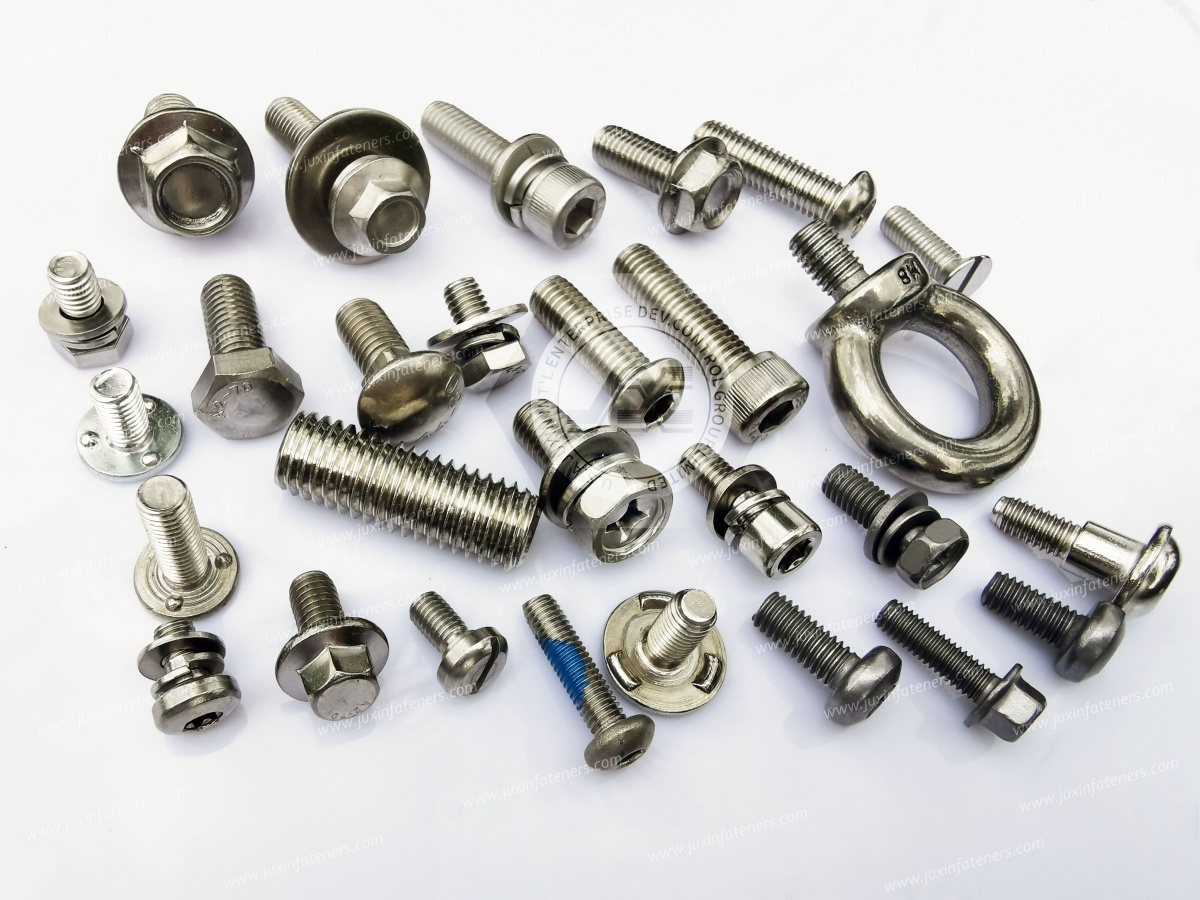
Request a 201 or 304 Stainless Steel Screw RFQ
Are you evaluating 201 versus 304 stainless steel screws for a new product?
Do you need to qualify an alternative supplier, review a material substitution or source custom stainless steel fasteners for recurring OEM production?
Juxin Fasteners welcomes inquiries from design engineers, mechanical engineers, structural engineers, manufacturing engineers, production managers,
procurement specialists, purchasing managers, supplier development teams and supply chain managers.
For technical review and quotation, please provide:
Approved drawing or standard + part number and revision + fastener type + dimensions + thread specification + head and drive geometry
+ material grade + mechanical-property requirements + surface finish + mating material + joint loading + environmental exposure
+ installation requirements + inspection criteria + sample quantity + annual demand + production quantity + packaging + target delivery schedule.
For substitution projects, include the original approved material specification and the proposed alternative.
Company: Juxin Fasteners
Website: https://www.juxinfasteners.com/
Email: info@juxinfasteners.com
Send your stainless steel screw drawings, material specifications and OEM RFQ to Juxin Fasteners for technical review and quotation.
Contact Us
Tel.:
+86 020 8621 0320
+86 020 3121 6067
E-mail:
Technical Support:
Navigation
SEND INQUIREY



