
Call Us
+86 136 6007 9809
Call Us
+86 136 6007 9809

Oct. 28, 2023
Selecting a fastener coating is not simply a choice between silver, black or zinc-colored finishes.
For industrial fasteners, the coating system can influence:
Corrosion protection
Thread fit
Dimensional buildup
Installation friction
Torque-tension behavior
Hydrogen-embrittlement risk
Electrical interaction
Welding compatibility
Appearance
Cost
Supplier qualification
Common options include electroplated zinc, zinc-nickel, zinc-flake systems, phosphate-based finishes, black oxide, mechanical plating and hot-dip galvanizing.
None is universally “best.”
The correct choice depends on the base material, fastener strength, geometry, environment, mating materials, assembly process and customer specification.
This guide compares major fastener surface-treatment families from an engineering and OEM sourcing perspective.
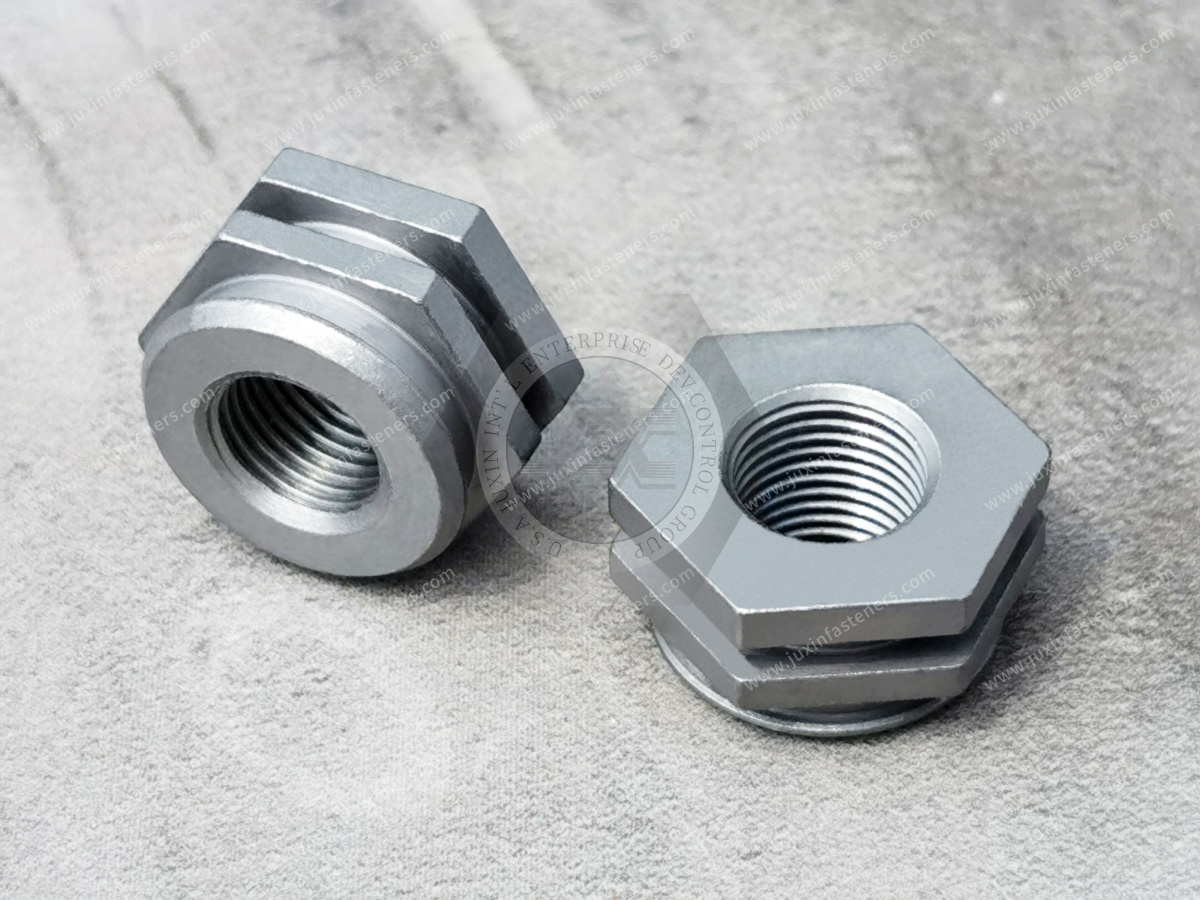
| Coating / Finish | Typical Engineering Reason to Consider It | Important Design Considerations |
|---|---|---|
| Electroplated Zinc | General corrosion protection, controlled appearance, broad industrial use | Hydrogen-embrittlement controls for susceptible steels, coating thickness, friction |
| Zinc-Nickel | Higher-performance zinc-alloy coating systems for demanding applications | Process specification, friction, coating system, validation |
| Zinc-Flake | Corrosion protection where a non-electrolytic coating system may be advantageous | Coating buildup, recess fill, friction/topcoat, application method |
| Phosphate-Based Finish | Assembly characteristics, lubricant carrier, specific mechanical applications | Limited standalone corrosion protection depending on system |
| Black Oxide | Appearance and low dimensional buildup in appropriate applications | Usually requires supplementary protection where corrosion resistance is needed |
| Hot-Dip Galvanizing | Heavier zinc coating for suitable outdoor and industrial applications | Thread accommodation, coating buildup, geometry |
| Mechanical Plating | Alternative metallic coating route for suitable components | Material, geometry, coating specification, complete process route |
| Stainless Steel Base Material | Corrosion resistance through the material rather than a sacrificial coating | Mechanical properties, galling, galvanic compatibility, grade selection |
This table is a selection starting point, not a substitute for the customer's drawing, specification or application validation.
Electroplated zinc is one of the most widely used surface finishes for carbon-steel industrial fasteners.
Typical products can include:
Screws
Bolts
Nuts
Washers
Clip nuts
Spring fasteners
Rivet nuts
Custom stamped components
Electroplating uses an electrolytic process to deposit zinc onto the fastener surface.
Depending on the specification, the complete finish may also include a conversion coating, sealer, lubricant or other supplementary layer.
Electroplated zinc can provide a practical combination of:
Corrosion protection for appropriate environments
Relatively controlled coating buildup
Suitable appearance
Broad availability
Compatibility with many industrial fastener geometries
However, the term “zinc plated” alone may not sufficiently define an engineered fastener finish.
A complete specification may need to address:
Zinc coating system
Conversion coating
Sealer where required
Coating thickness
Corrosion requirement
Friction requirement
Appearance
Hydrogen-embrittlement controls where applicable
An engineer should evaluate alternatives when the application involves demanding:
Corrosion exposure
Road environments
Moisture
Chlorides
Long-term outdoor exposure
OEM corrosion specifications
Do not increase coating thickness arbitrarily.
Thicker coatings can affect dimensional interfaces and may not address the actual corrosion mechanism.
Zinc-nickel is a zinc-alloy coating system used in applications requiring enhanced corrosion performance compared with conventional zinc systems.
It is particularly relevant to certain automotive and engineered industrial fastener applications.
Products may include:
Automotive bolts
Automotive nuts
Rivet nuts
Threaded fasteners
Custom fasteners
Drawing-controlled components
Depending on the specified system, zinc-nickel coatings can be selected for demanding corrosion environments while maintaining the dimensional advantages associated with electroplated coating systems.
But “zinc-nickel” is not a complete performance specification by itself.
The complete system can include:
base coating + conversion layer + sealer/topcoat + lubricant where specified
Each element can influence final performance.
This is particularly important for engineered bolted joints.
The final coating system can affect friction at:
Threads
Nut bearing surfaces
Bolt-head bearing surfaces
Therefore, a zinc-nickel coated fastener should not automatically use installation parameters developed for a different finish.
For torque-controlled joints, the specified friction or torque-tension behavior should be reviewed according to the application requirements.
Zinc-flake coating systems are commonly considered for applications requiring corrosion protection without relying on a conventional electrolytic zinc deposition process.
These systems typically use zinc-containing flakes in an inorganic or organic binder system, depending on the coating technology.
They may be applied through processes such as:
Dip-spin
Spray
Other controlled coating methods
depending on the component and coating system.
They can be useful for certain:
Automotive fasteners
High-strength fasteners
Clips
Springs
Brackets
Industrial components
One important engineering reason for considering a non-electrolytic coating route is hydrogen-embrittlement risk management for susceptible high-strength steel parts.
However:
non-electrolytic coating does not mean the entire manufacturing route is automatically free from hydrogen-embrittlement risk.
Cleaning, pretreatment and previous manufacturing operations must still be considered.
The term “zinc-flake” covers different commercial and specification-controlled systems.
Their properties can vary in:
Coating composition
Number of layers
Topcoat
Friction characteristics
Corrosion performance
Color
Application method
Therefore, procurement teams should not approve a substitute simply because both suppliers describe their finish as “zinc flake.”
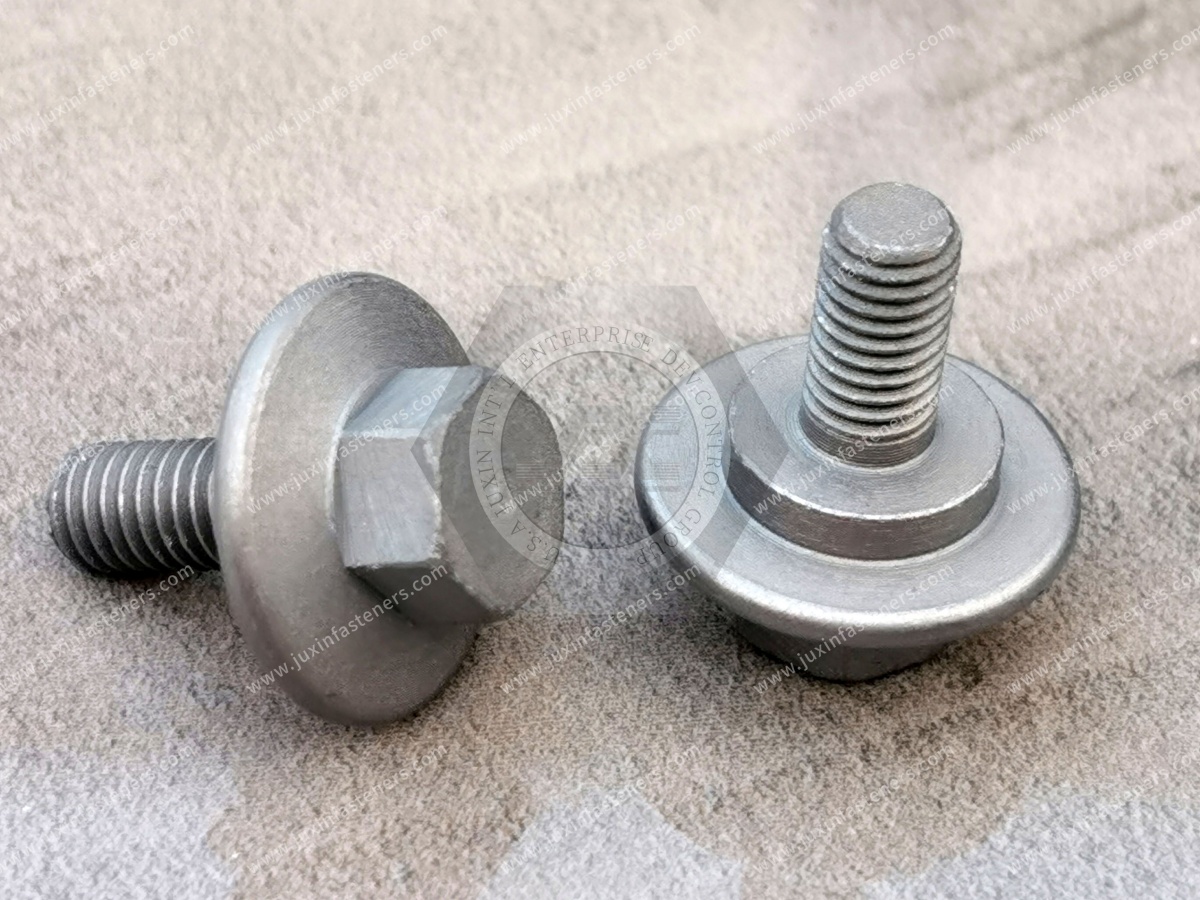
Phosphate treatments are widely associated with steel components and may serve several engineering purposes depending on the complete surface system.
They can be used as:
A surface conversion layer
A lubricant carrier
Preparation for subsequent treatment
Part of a specified fastening system
Common engineering applications can include particular screws, bolts, nuts and industrial fasteners.
A phosphate treatment may be combined with oil or another supplementary protective system.
The final behavior depends on the complete system.
It is therefore inaccurate to treat every phosphate finish as having one universal corrosion-resistance level.
Engineers should define the actual requirement rather than specifying only:
“black phosphate.”
Phosphate-based systems may be evaluated for some high-strength fastener applications, but the entire manufacturing and cleaning route still matters.
The finish name alone does not determine hydrogen-embrittlement risk.
Black oxide produces a dark surface conversion layer on suitable ferrous materials.
It may be considered when engineers require:
Black appearance
Relatively low dimensional buildup
Specific indoor mechanical applications
Black oxide is common on certain:
Machine screws
Socket products
Tools
Mechanical components
Industrial fasteners
This distinction is important.
Black oxide should not automatically be selected for:
Outdoor exposure
Chloride-rich environments
Persistent moisture
Aggressive industrial corrosion
Supplementary oil or other protection may be part of the specified system.
Do not describe a black-oxide fastener as “rust-proof.”
Hot-dip galvanizing provides a relatively substantial zinc-based coating on suitable steel components.
It is commonly associated with applications such as:
Outdoor equipment
Infrastructure
Agricultural equipment
Utility installations
Certain structural assemblies
Industrial outdoor systems
The heavier coating can provide useful corrosion protection, but it creates important dimensional considerations.
Threads are precision interfaces.
A substantial coating changes effective thread dimensions.
Engineers must therefore consider:
External thread coating
Internal thread accommodation
Mating nut compatibility
Applicable product/coating specification
Final assembly fit
Do not simply take an existing uncoated bolt and nut and specify hot-dip galvanizing without reviewing the thread system.
Suitability depends on:
Fastener material
Strength
Geometry
Thread design
Application
Governing specification
Manufacturing process
For high-strength or safety-relevant fasteners, material and process compatibility require appropriate engineering review.
Mechanical plating deposits metallic coating through mechanical action rather than conventional electrolytic deposition.
It can be considered for suitable steel fasteners and components where the required coating system and manufacturing route make it appropriate.
Potential benefits can include:
Metallic corrosion protection
Alternative processing route
Reduced reliance on electrolytic deposition
But mechanical plating should not be described as automatically eliminating every hydrogen-related failure mechanism.
The complete process history remains important.
Nickel-based finishes can be used on certain industrial components where requirements may involve:
Appearance
Corrosion behavior
Surface characteristics
Electrical requirements
However, nickel plating should not be treated as a universal alternative to zinc coating.
The appropriate system depends on:
Base material
Environment
Functional requirement
Coating specification
Mating materials
For electrical components, the electrical function must be specified independently rather than inferred from the coating name.
“Chrome plating” is sometimes used loosely to describe very different surface systems.
Engineers should distinguish between decorative chromium plating and conversion/passivation technologies used as part of other coating systems.
Environmental and regulatory requirements must also be considered when specifying coating chemistry.
For global OEM sourcing, the exact customer specification should take priority over informal descriptions such as “chrome finish.”
Cadmium historically has been used for specialized applications because of particular corrosion, lubricity and environmental-performance characteristics.
However, cadmium is toxic and its use is subject to significant regulatory restrictions in many markets.
It should not be treated as a general-purpose industrial fastener coating.
Where a legacy drawing specifies cadmium, engineering and procurement teams should review:
Applicable regulatory requirements
Industry-specific exemptions where relevant
Customer specification
Approved alternatives
Qualification requirements
Do not substitute another coating without engineering approval.
A sourcing team may receive requirements such as:
Silver zinc
Black zinc
Gold zinc
Black coating
Color can help describe appearance, but it does not fully define coating performance.
Two visually similar fasteners can have different:
Coating chemistry
Conversion layers
Sealers
Thickness
Friction
Corrosion behavior
Therefore:
color ≠ coating specification
A bright silver fastener is not necessarily more corrosion resistant than a dull gray fastener.
A black fastener is not necessarily protected for outdoor use.
A stainless-looking finish does not mean the base material is stainless steel.
For sourcing teams, appearance should never replace material and coating documentation.
Increasing coating thickness can influence:
Thread fit
Recess fit
Clip openings
Hole dimensions
Press-fit features
Assembly force
Weld features
For precision fasteners, coating thickness is part of dimensional engineering.
This is especially important for:
Small screws
Fine threads
Rivet nuts
Clip nuts
Spring clips
Self-clinching fasteners
Custom stamped components
Consider an externally threaded bolt.
The coating occupies space on the thread surface.
The mating internal thread must still assemble correctly after finishing.
Therefore, coating selection must consider:
thread tolerance + coating buildup + mating thread + final fit
The same principle applies to internally threaded nuts and inserts.
A critical engineering issue is frequently missed during supplier changes.
The tightening torque applied to a bolt is not converted entirely into useful bolt tension.
A substantial portion is affected by friction.
Surface finish and lubricant can change that friction.
Therefore, changing from:
Zinc to zinc-nickel
One zinc-nickel system to another
Zinc to zinc-flake
One topcoat to another
may change tightening behavior.
For critical joints, coating substitution should be evaluated together with the specified torque-tension requirements.
Hydrogen embrittlement is particularly relevant to susceptible high-strength steel fasteners.
Potential hydrogen introduction can occur during manufacturing steps such as:
Acid cleaning
Pickling
Electrolytic processing
Risk depends on:
Material strength
Hardness
Residual stress
Applied stress
Geometry
Process route
Electroplated high-strength components therefore require appropriate process controls where applicable.
Post-process baking may be required by applicable standards or customer specifications for certain susceptible fasteners.
However, baking effectiveness depends on the material and process conditions.
It should not be treated as a universal guarantee.
For critical high-strength fasteners, follow the applicable:
Engineering drawing
Customer specification
ISO requirements
ASTM requirements
SAE requirements
where relevant to the specific product.
A useful decision framework is:
The environment is compatible with the specified zinc system
Controlled coating thickness is important
General industrial corrosion protection is required
The material/process route is suitable
More demanding corrosion performance is specified
An OEM coating specification calls for it
Controlled friction characteristics are required
Automotive or similar engineered applications justify the system
The application calls for a zinc-flake system
High corrosion protection is required from the specified system
A non-electrolytic coating route is desirable for the component
The geometry is compatible with the coating process
The final choice must still be validated against the actual drawing and application.
Engineers sometimes ask whether they should specify:
carbon steel + coating
or:
stainless steel
This is not simply a corrosion comparison.
Changing the base material can affect:
Strength
Ductility
Magnetic behavior
Formability
Thread behavior
Galling tendency
Galvanic interaction
Cost
A stainless steel substitution should therefore be evaluated as a material change.
Automotive fasteners may experience very different environments depending on location.
Examples include:
Interior assemblies
Body structures
Underbody components
Battery systems
Thermal-management equipment
Electrical assemblies
Chassis-related systems
Products may include:
Bolts
Nuts
Weld nuts
Rivet nuts
Clip nuts
Spring clips
Custom fasteners
The finish should be selected according to the actual OEM specification and component environment rather than applying one automotive coating to every fastener.
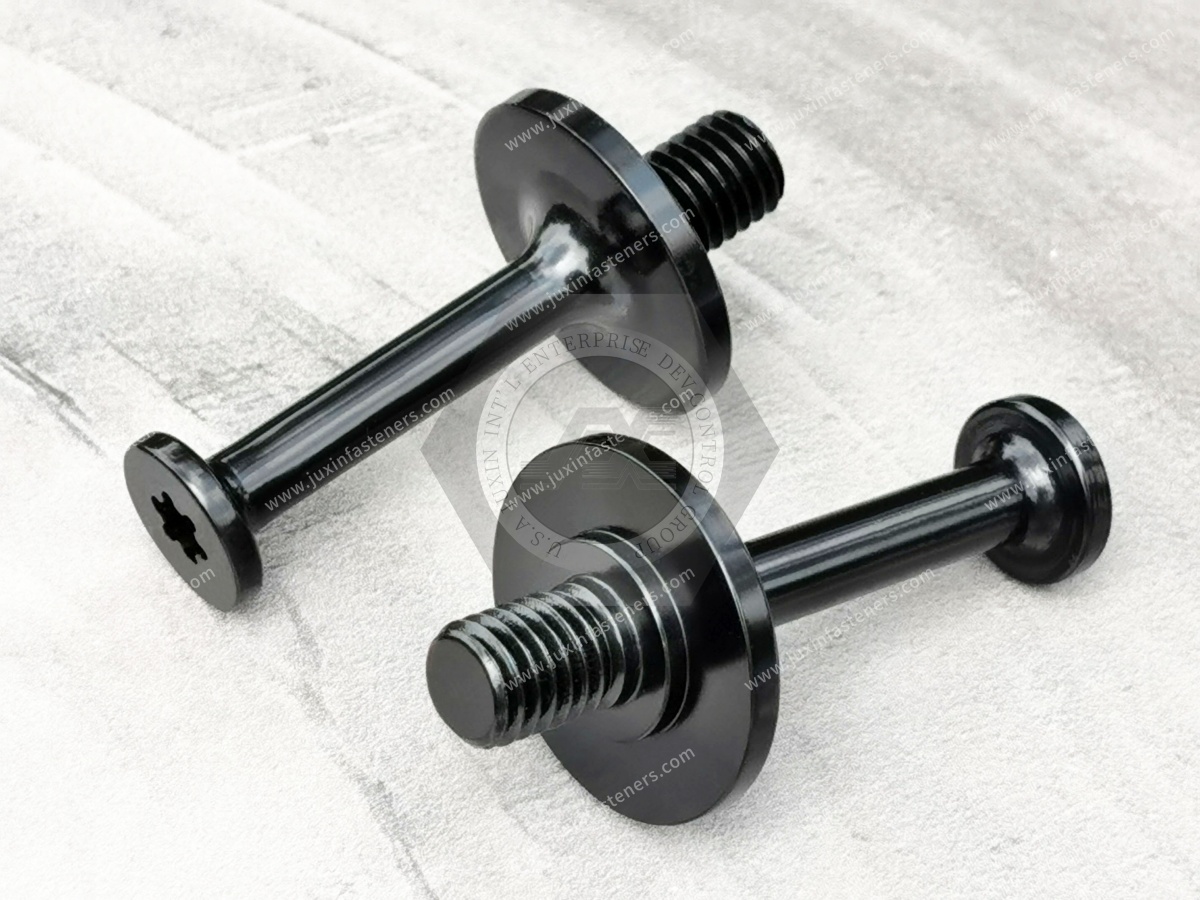
EV battery packs and thermal-management systems can contain:
Sheet-metal structures
Cooling components
Brackets
Electrical enclosures
Rivet nuts
Weld nuts
Bolts
Custom fasteners
Engineers may need to consider:
Corrosion
Dissimilar metals
Condensation
Thermal cycling
Electrical isolation or continuity requirements
Sealing interfaces
A corrosion-resistant coating does not automatically create a sealed joint.
Sealing requirements must be evaluated separately.
Fasteners used in:
Switchgear
Electrical cabinets
Power-distribution equipment
Busbar assemblies
Enclosures
Mounting systems
may require consideration of:
Corrosion protection
Electrical conductivity
Grounding
Dissimilar metals
Indoor/outdoor environment
Friction
Service access
A mechanically suitable coating is not automatically electrically suitable.
Data center infrastructure includes fasteners in:
Server racks
Electrical cabinets
UPS equipment
Power-distribution systems
Liquid-cooling equipment
Thermal-management systems
Finish requirements can differ significantly between dry indoor rack hardware and components exposed to cooling-system environments.
Specify the coating by subsystem and exposure.
HVAC and industrial equipment can expose fasteners to:
Condensation
Humidity
Temperature cycling
Outdoor conditions
Cleaning agents
Process contamination
Products may include:
Screws
Bolts
Clip nuts
Rivet nuts
Spring clips
Hose-clamping components
Custom stamped fasteners
The environment should be defined before selecting the finish.
There are multiple zinc coating systems with different characteristics.
Changing material affects more than corrosion.
Excessive buildup can interfere with assembly.
Color does not prove coating equivalency.
Accelerated laboratory tests do not directly predict years of field service.
Friction may change.
The complete manufacturing route must be considered.
For engineered fasteners, it may be a functional engineering change.
When two suppliers quote the same fastener, do not compare only:
price + color + coating name
Compare:
Base material
Property class
Coating specification
Coating thickness requirement
Conversion layer
Sealer/topcoat
Lubricant
Corrosion requirement
Friction requirement
Hydrogen-embrittlement controls
Finished thread fit
Customer-specific requirements
Otherwise, the quotations may not represent technically equivalent products.
For an existing OEM fastener, start with:
drawing → approved sample → material → coating specification → mating component → installation process → validation
Compare the candidate second-source component for:
Material specification
Strength/property class
Heat treatment where applicable
Coating family
Complete finish system
Thickness requirement
Appearance where relevant
Corrosion requirement
Friction requirement
Critical dimensions after coating
Threads
Recesses
Clip openings
Functional interfaces
Mating component
Installation method
Torque requirements
Welding requirements where applicable
Dimensional inspection
Assembly testing
Coating verification
Customer-required corrosion testing
Functional qualification
For a standard or custom fastener RFQ, provide where available:
Fastener type
Drawing
Thread size
Material
Property class or strength requirement
Heat treatment
Required coating
Applicable coating specification
Coating thickness if defined
Corrosion requirement
Friction requirement where applicable
Color/appearance requirement
Mating material
Installation method
Application environment
Quantity
Annual demand
If the existing coating specification is unknown, provide an unused approved sample together with the drawing.
Related engineering and sourcing resources include:
Fastener Surface Finish Selection Guide
Spring Steel for Fasteners
Zinc-Nickel Plated Fasteners
Stainless Steel Fasteners
High-Strength Fasteners
Automotive Fasteners
Weld Nuts
Rivet Nuts
Clip Nuts and U-Nuts
Custom Fasteners
These resources help engineers and procurement teams move from general coating terminology to application-specific fastener specifications.
JUXIN FASTENERS supports standard and custom industrial fasteners for global OEM and industrial sourcing projects.
Product categories include:
Standard fasteners
Custom fasteners
Automotive fasteners
Weld nuts
Rivet nuts
Clip nuts
Spring fasteners
Stainless steel fasteners
Custom stamped components
Drawing-controlled custom parts
Projects can begin from:
Customer drawing
Existing specification
Approved physical sample
Material requirement
Coating requirement
Mating component
Application environment
Quantity
Annual demand
For second-source projects, providing both the drawing and an unused approved sample can help establish the technical baseline before quotation and validation.
For engineering teams, a practical decision path is:
environment → base material → strength → corrosion requirement → geometry → mating material → coating family → thickness → friction → process risks → validation
For procurement and supplier-development teams:
drawing/sample → material → coating specification → performance requirement → assembly interface → annual demand → supplier comparison → qualification
The most important sourcing principle is:
Do not compare fastener coatings only by name, color or price.
The coating is part of the engineered fastener system.
If you require zinc-plated fasteners, zinc-nickel fasteners, zinc-flake coated fasteners, phosphate-coated fasteners, black oxide fasteners,
hot-dip galvanized fasteners, stainless steel fasteners or drawing-controlled custom components, send JUXIN FASTENERS your technical requirements.
For an existing product, provide the drawing, coating specification and unused approved sample where available.
For a new project, provide the fastener type, base material, application environment, corrosion requirement, mating materials, installation conditions, quantity and annual demand.
For second-source qualification, provide the existing drawing, approved sample, material and coating requirements, mating components, functional requirements and annual volume.
Email: info@juxinfasteners.com
Website: www.juxinfasteners.com
 MORE NEWS
Sep. 27, 2026
Sep. 27, 2026
Sep. 27, 2026
Contact Us
Tel.:
+86 020 8621 0320
+86 020 3121 6067
E-mail:
Technical Support:
Navigation
SEND INQUIREY