Call Us
+86 136 6007 9809
Call Us
+86 136 6007 9809

High-Strength Bolt Hydrogen Embrittlement Solutions: From Failure Mechanisms to Engineering Prevention
High-Strength Bolt Hydrogen Embrittlement Solutions | Engineering Prevention Guide for 10.9 & 12.9 Grade Fasteners
Product Specification
High-Strength Bolt Hydrogen Embrittlement Solutions: From Failure Mechanisms to Engineering Prevention
High-Strength Bolt Hydrogen Embrittlement Solutions | Engineering Prevention Guide for 10.9 & 12.9 Grade Fasteners
Meta Description
Learn how hydrogen embrittlement affects high-strength bolts, including 10.9 and 12.9 grade fasteners. Discover proven prevention methods through material selection, heat treatment optimization, coating technologies, and quality control solutions.
Keywords
Hydrogen Embrittlement, High Strength Bolts, 10.9 Grade Bolts, 12.9 Grade Bolts, Structural Fasteners, Alloy Steel Bolts, Wind Turbine Fasteners, Heavy Duty Bolts, Zinc Flake Coating, Hydrogen Relief Baking, Industrial Fasteners, Fastener Failure Analysis, Mechanical Fasteners, High Strength Fastener Manufacturer
High-Strength Bolt Hydrogen Embrittlement Solutions: From Failure Mechanisms to Engineering Prevention
Hydrogen embrittlement remains one of the most challenging and costly failure modes affecting high-strength fasteners worldwide. As industries such as wind energy, electric vehicles, aerospace, railway systems, heavy equipment, and structural engineering increasingly rely on 10.9- and 12.9-grade bolts, the risk of hydrogen-induced delayed fracture becomes a critical engineering concern.
Unlike conventional overload failures, hydrogen embrittlement often occurs without warning. A bolt may pass all dimensional inspections, mechanical property tests, and assembly verification procedures, yet fail suddenly days or weeks after installation.
This article provides a comprehensive engineering analysis of hydrogen embrittlement in high-strength bolts and presents practical prevention strategies covering materials, heat treatment, surface finishing, and quality assurance.
Why Engineers Must Take Hydrogen Embrittlement Seriously
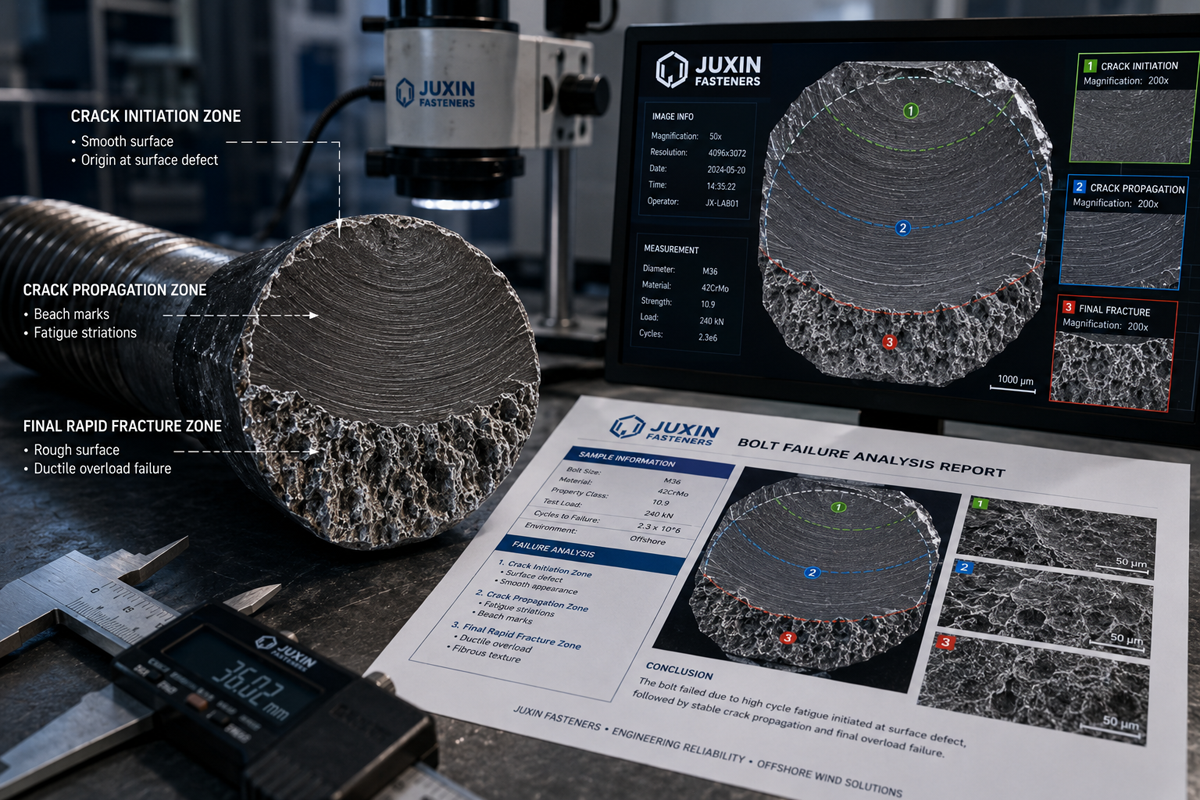
Hydrogen embrittlement, also known as hydrogen-induced delayed cracking, is among the most dangerous failure mechanisms affecting high-strength fasteners.
The most concerning characteristic is its delayed nature. A bolt may remain intact during installation and initial operation but fracture unexpectedly after being subjected to static preload for an extended period.
Typical characteristics include:
Sudden fracture without visible warning signs
Brittle fracture appearance
Little or no plastic deformation
Failure under loads below the material yield strength
Cracks initiating at thread roots, under-head fillets, or stress concentration zones
Industry studies consistently show that hydrogen embrittlement sensitivity increases significantly when bolt tensile strength exceeds 1000 MPa.
For ISO Property Class 10.9 and especially Class 12.9 fasteners, hydrogen management becomes a critical design and manufacturing requirement rather than an optional quality measure.
Understanding the Sources of Hydrogen
Hydrogen can enter steel fasteners during manufacturing, processing, or service life.
1. Electroplating Processes
Electroplated zinc coatings remain one of the most common hydrogen sources.
During electroplating, hydrogen atoms are generated as a byproduct of electrochemical reactions occurring at the cathode surface.
Some of these hydrogen atoms diffuse into the steel substrate and become trapped at:
Grain boundaries
Dislocations
Non-metallic inclusions
Carbide interfaces
Without effective hydrogen removal, these trapped atoms may later trigger delayed cracking.
2. Acid Pickling Operations
Before plating or coating, bolts are often cleaned using acidic solutions to remove scale and oxides.
While effective for surface preparation, acid pickling generates atomic hydrogen that can penetrate the steel surface.
High-strength alloy steel fasteners are particularly vulnerable during this stage.
3. Service Environment Exposure
Hydrogen may also enter bolts during operation through:
Corrosion reactions
Acidic environments
Salt spray exposure
Cathodic protection systems
Galvanic corrosion conditions
This phenomenon is commonly referred to as environmentally assisted hydrogen embrittlement.
The Microscopic Mechanisms Behind Hydrogen Embrittlement
Although hydrogen atoms are extremely small, their influence on steel microstructures can be devastating.
Hydrogen Pressure Theory
Hydrogen atoms migrate into microscopic voids, inclusions, and defects, where they combine to form molecular hydrogen.
Because hydrogen molecules cannot easily escape, pressure accumulates inside the defect.
As internal pressure increases, microcracks begin to form and propagate.
Hydrogen Enhanced Decohesion (HEDE)
Hydrogen accumulates at grain boundaries and other high-energy interfaces.
This reduces atomic bonding strength and allows cracks to propagate under stresses significantly below normal fracture limits.
The resulting fracture often exhibits classic intergranular characteristics.
Hydrogen Enhanced Localized Plasticity (HELP)
Hydrogen increases dislocation mobility within localized regions.
Although this may initially increase local deformation, it ultimately promotes crack initiation and unstable crack growth.
Modern research indicates that actual hydrogen embrittlement failures often involve a combination of these mechanisms.
Why 12.9 Grade Bolts Face a Higher Risk
Higher strength generally means higher hydrogen sensitivity.
As tensile strength increases:
Martensitic microstructures become more dominant
Dislocation density increases
Hydrogen trapping sites multiply
Fracture toughness decreases
This explains why:
Class 8.8 bolts rarely experience hydrogen embrittlement
Class 10.9 bolts require careful process control
Class 12.9 bolts demand comprehensive hydrogen prevention strategies
For critical applications such as wind turbine bolts, EV battery structural fasteners, aerospace fasteners, and heavy-duty industrial fasteners, hydrogen management must be incorporated throughout the product lifecycle.
Case Study: Wind Turbine Tower Bolt Failure
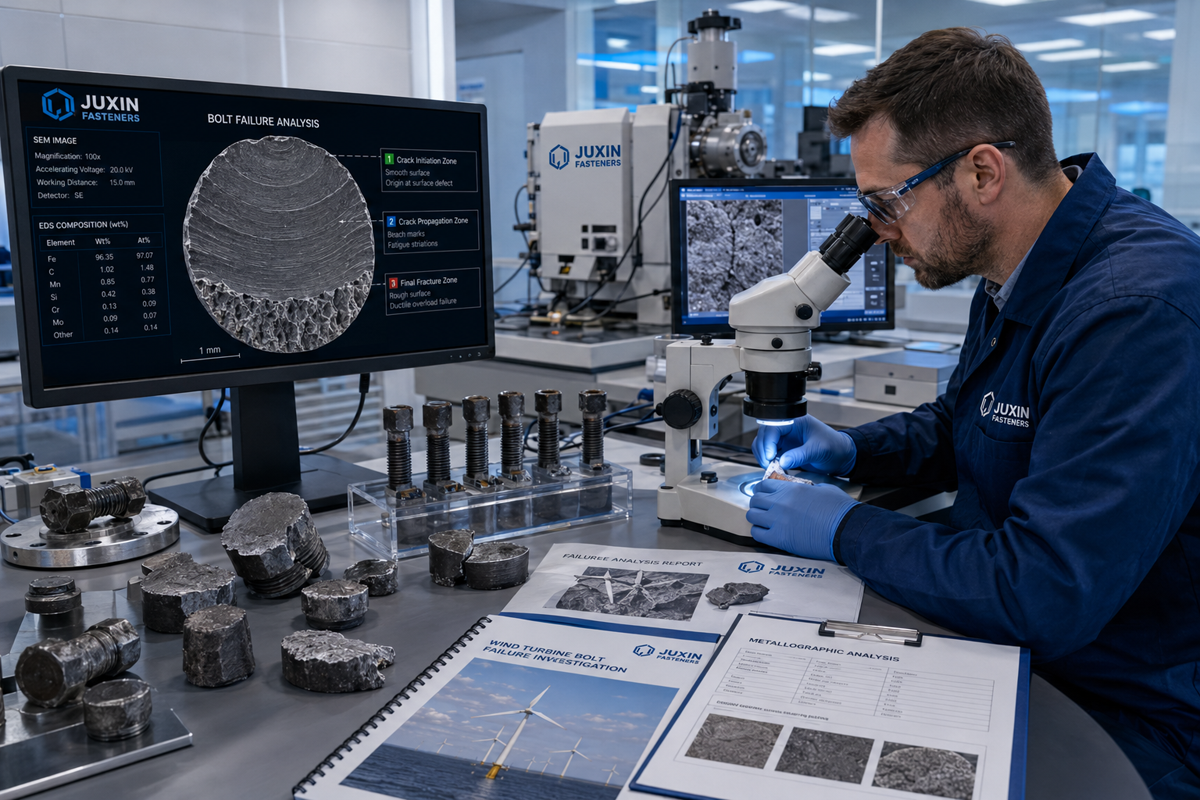
A wind turbine installation experienced multiple failures involving M36 Property Class 10.9 tower connection bolts within 72 hours of preload application.
Failure analysis revealed:
Brittle fracture morphology
Crack initiation near thread roots
No evidence of overload
Improper post-plating hydrogen relief treatment
The bolts had undergone electroplating but received only one hour of baking at 180°C.
An engineering evaluation determined that insufficient hydrogen relief baking allowed trapped hydrogen to remain in the steel, ultimately causing delayed fracture under preload conditions.
This case highlights how even minor deviations from process requirements can lead to catastrophic field failures.
Engineering Solutions for Hydrogen Embrittlement Prevention
Solution 1: Select Appropriate Fastener Materials
Material selection forms the foundation of hydrogen embrittlement resistance.
Recommended materials include:
SAE 4140 alloy steel
SAE 4340 alloy steel
SCM435 alloy steel
SCM440 alloy steel
Boron-alloyed fastener steels
Microalloyed high-strength steels
Material cleanliness is equally important.
Low levels of sulfur, phosphorus, and nonmetallic inclusions reduce the number of hydrogen trapping sites and improve resistance.
Solution 2: Optimize Heat Treatment Processes
Heat treatment directly influences hydrogen sensitivity.
Critical requirements include:
Uniform austenitizing
Controlled quenching
Proper tempering temperature
Avoidance of excessive hardness
For most Class 10.9 and Class 12.9 fasteners, hardness should comply with the requirements of ISO 898-1.
Over-hardened martensite structures significantly increase susceptibility to hydrogen embrittlement.
Microstructural consistency is essential for long-term reliability.
Solution 3: Implement Effective Hydrogen Relief Baking
Hydrogen relief baking remains one of the most effective preventive measures.
Following electroplating:
Baking should begin as quickly as possible
Typical temperatures range between 190°C and 230°C
Holding times often range from 4 to 24 hours, depending on fastener size and strength class
The objective is to promote hydrogen diffusion out of the steel before harmful accumulation occurs.
For critical structural fasteners, hydrogen relief baking should be mandatory.
Solution 4: Use Low-Hydrogen Surface Coatings
Modern coating technologies significantly reduce hydrogen risks.
Preferred coating systems include:
Zinc Flake Coatings
Common examples include:
Zinc flake coating systems
Geomet® type coatings
Dacromet® style coatings
Advantages include:
No acid pickling requirement
No electrolytic hydrogen generation
Excellent corrosion resistance
Stable friction coefficients
Mechanical Zinc Coatings
Mechanical deposition introduces less hydrogen than electroplating.
Phosphate and Lubricant Systems
Widely used for high-strength fasteners requiring stable tightening performance and reduced hydrogen exposure.
Solution 5: Improve Fastener Design
Hydrogen-induced cracks often initiate at stress concentration areas.
Engineering improvements include:
Larger under-head fillet radii
Optimized thread root geometry
Rolled threads instead of cut threads
Surface compressive stress introduction through thread rolling
Rolled thread fasteners typically demonstrate superior fatigue performance and hydrogen resistance.
Quality Control and Testing Standards
Critical fasteners should undergo comprehensive validation procedures.
Recommended standards include:
ISO 898-1 Mechanical Properties of Fasteners
ISO 4042 Electroplated Coatings for Fasteners
ASTM F1941 Electroplated Coatings
ASTM F519 Mechanical Hydrogen Embrittlement Testing
ISO 15330 Preloading Testing Methods
Quality verification should include:
Hardness testing
Metallographic analysis
Coating inspection
Hydrogen embrittlement testing
Delayed fracture evaluation
JUXIN High-Strength Fastener Hydrogen Embrittlement Prevention Solution
At JUXIN FASTENERS, hydrogen embrittlement prevention is integrated throughout the manufacturing process.
Our engineering solutions include:
Premium alloy steel fasteners
Precision heat treatment control
Rolled thread manufacturing technology
Zinc flake coating systems
Controlled hydrogen relief baking procedures
ISO-compliant quality assurance systems
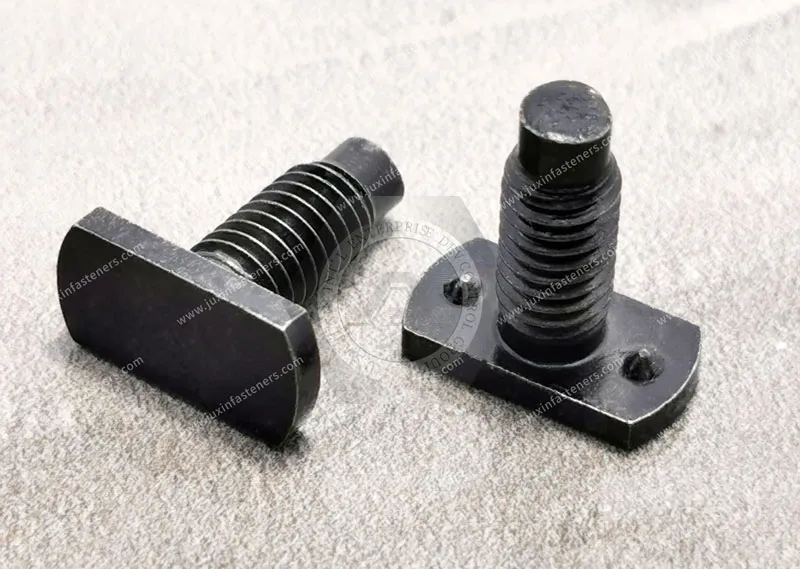
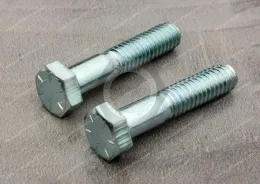
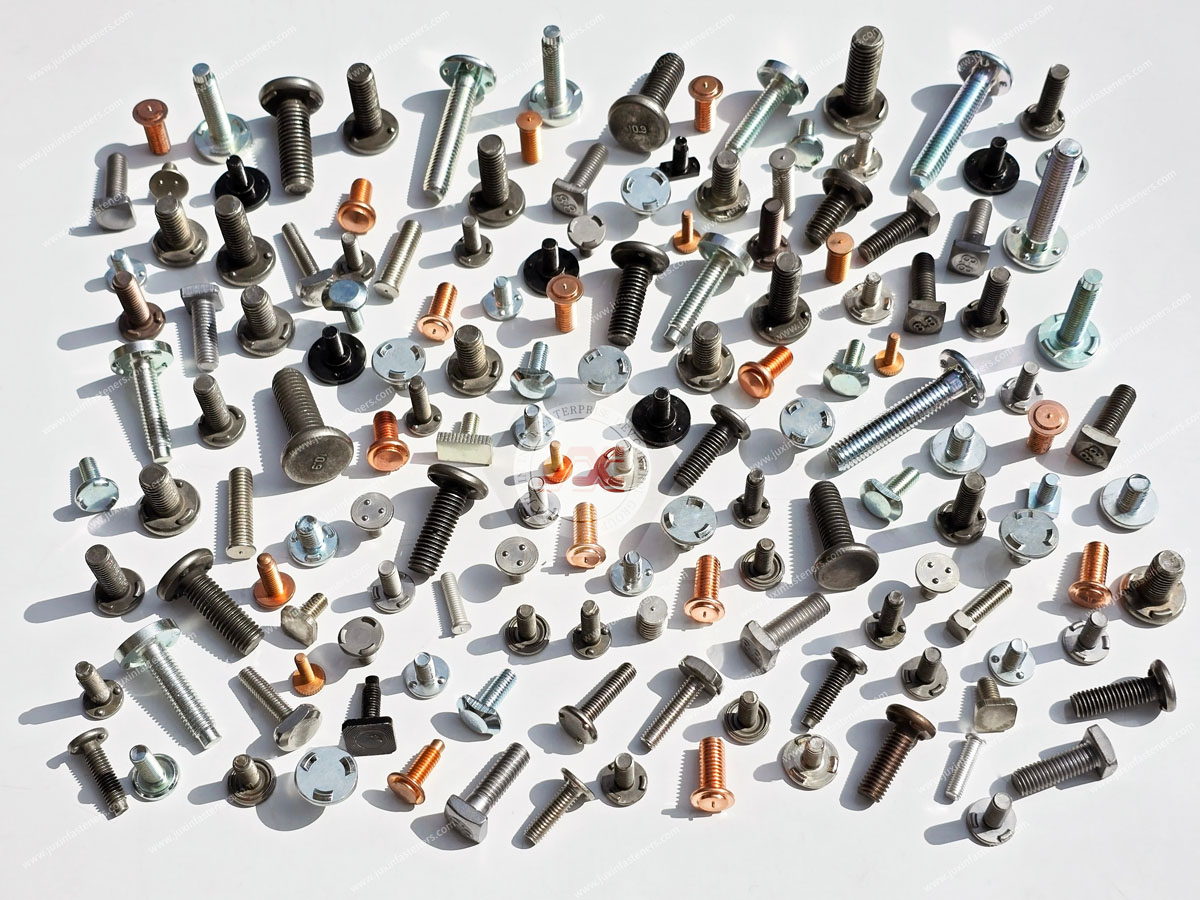
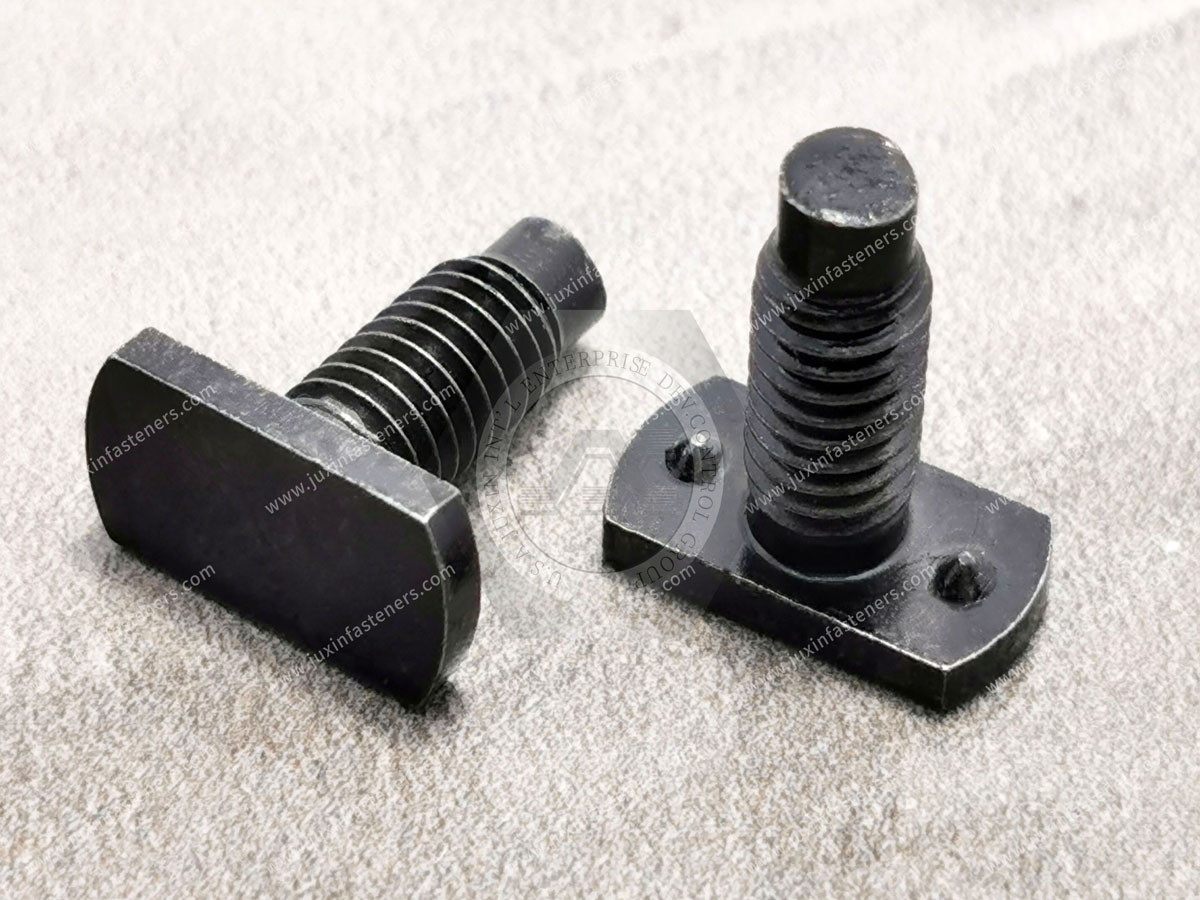
We supply high-strength bolts, structural fasteners, weld fasteners, automotive fasteners, wind energy fasteners, and heavy-duty industrial fasteners designed for demanding applications where long-term reliability is essential.
Conclusion
Hydrogen embrittlement is not simply a manufacturing issue—it is a system-level engineering challenge involving material selection, heat treatment, surface finishing, assembly practices, and environmental conditions.
For high-strength bolts with tensile strengths above 1000 MPa, especially ISO Property Classes 10.9 and 12.9, effective hydrogen control must be incorporated from design through production and field service.
By combining optimized alloy selection, controlled heat treatment, low-hydrogen coating technologies, proper hydrogen relief baking, and rigorous quality validation, manufacturers and engineers can dramatically reduce the risk of delayed fracture and ensure the long-term safety of critical bolted connections.
Product Packaging
Packaging Standard
At Juxin Fasteners, we apply standardized export packaging to ensure product protection, traceability, and compliance with international logistics requirements.
1. Standard Export Packaging
Unless otherwise specified, all products will be packed according to our factory standard export packaging, which includes:
Moisture-resistant inner protection
Poly bag or small box packing as required
Reinforced export cartons
Clear labeling with part number, specification, batch number, and quantity
Palletizing for sea or air shipment when necessary
Our standard packaging is designed to ensure safe transportation, efficient warehousing, and long-distance international shipping.
2. Customized Packaging Options
We also provide customized packaging solutions according to customer requirements, including but not limited to:
Private labeling
Customized barcodes
Specific carton dimensions
Retail packaging
Special pallet configuration
Customer-specific marking and identification
So that you know, customized packaging may involve additional costs and extended lead time depending on the complexity of the requirements.
3. Compliance & Quality Assurance
All packaging processes are controlled under our ISO 9001 quality management system to ensure consistency, traceability, and product integrity throughout the supply chain.
Product Pictures
Contact Us
Tel.:
+86 020 8621 0320
+86 020 3121 6067
E-mail:
Technical Support:
Navigation
SEND INQUIREY