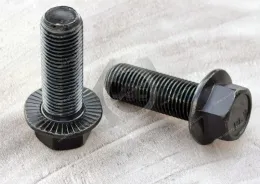
Call Us
+86 136 6007 9809
Call Us
+86 136 6007 9809

Why Slender Fasteners Exhibit Better Fatigue Resistance in Industrial Bolted Joint Design
Engineering Solution for High-Cycle Fatigue in Structural Bolted Connections
Bolt fatigue failure is one of the most common and most dangerous failure modes in industrial engineering systems. It is often silent, progressive, and difficult to detect until the final fracture occurs.
Product Specification
Why Slender Fasteners Exhibit Better Fatigue Resistance in Industrial Bolted Joint Design
Engineering Solution for High-Cycle Fatigue in Structural Bolted Connections
Bolt fatigue failure is one of the most common and most dangerous failure modes in industrial engineering systems. It is often silent, progressive, and difficult to detect until the final fracture occurs.
Traditionally, engineers assume:
“Stronger means thicker — short and rigid bolts should perform better.”
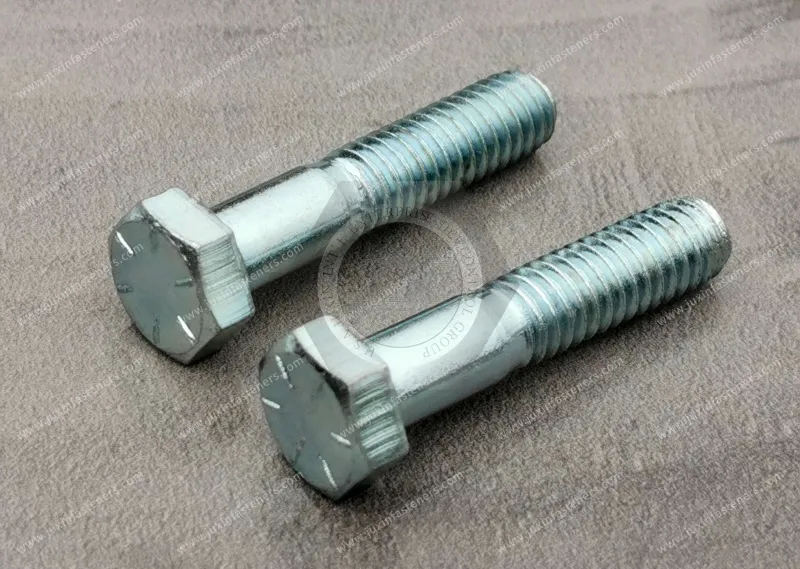
However, in real engineering applications, especially under cyclic loading and vibration conditions, slender bolts often demonstrate superior fatigue resistance compared to short, thick fasteners manufactured under ISO 898-1 / DIN EN ISO high-strength bolt standards.
This behavior is not intuitive—but structural mechanics, stiffness distribution, and stress amplitude control fully explain it.
1. The Core Paradox: Why Slender Fasteners Outperform Thick Bolts in Fatigue
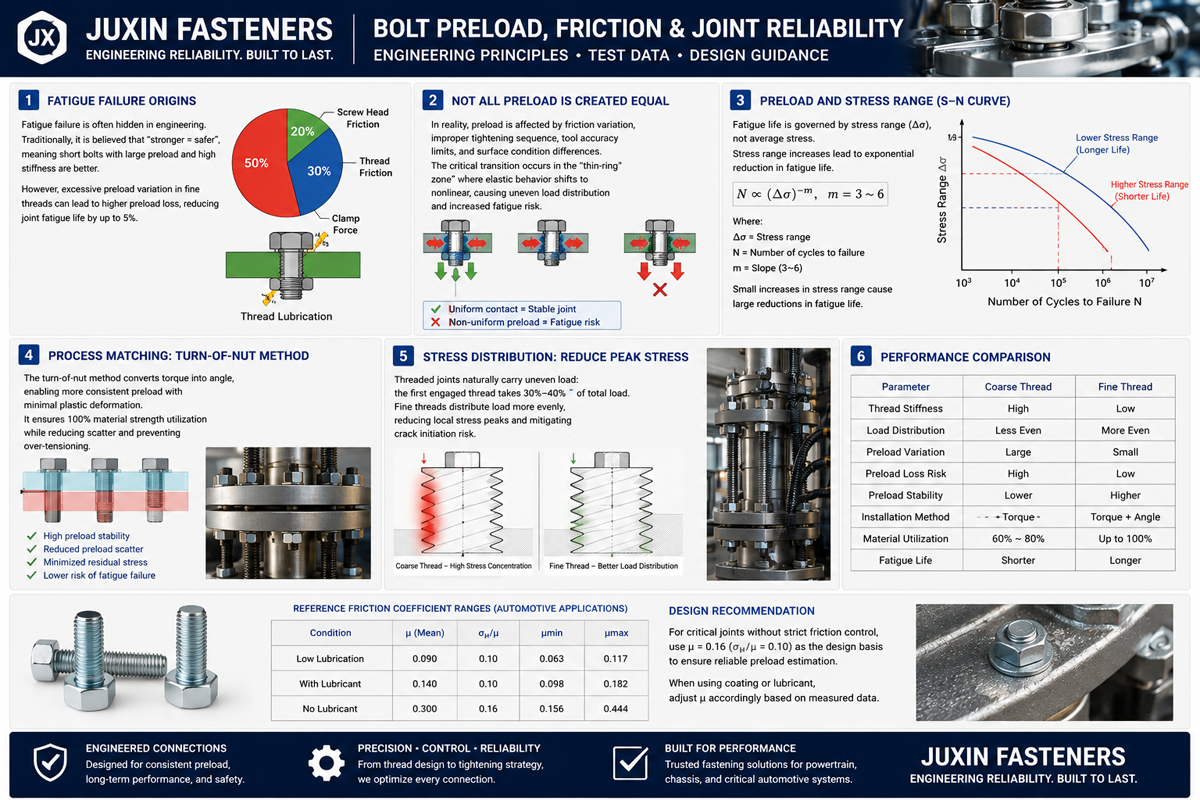
In bolted joint systems, fatigue failure is not governed by static strength.
Instead, it is governed by:
Stress amplitude (Δσ), not average stress
Slender bolts behave like low-stiffness elastic springs, which fundamentally changes how external loads are distributed.
This leads to a critical engineering advantage:
Lower load fluctuation inside the bolt
Higher load absorption by the clamped components
Reduced stress concentration at critical thread roots
This is why industrial fasteners used in dynamic applications often benefit from optimized slender geometries.
2. Load Sharing Mechanism: “Stress Redistribution Through Elastic Flexibility.”
Bolt stiffness is inversely proportional to length:
Longer bolt → lower axial stiffness
Shorter bolt → higher axial stiffness
When external cyclic loads are applied:
Short, thick bolts:
Resist deformation
Absorb more load variation
Experience high stress amplitude
Slender fasteners:
Elastically deform more easily
Absorb load fluctuations through elongation
Reduce internal stress variation
In bolted joint mechanics:
Lower stiffness = lower stress amplitude = higher fatigue life
This is the fundamental reason why slender high-strength bolts outperform rigid designs in fatigue-critical applications.
3. Preload Stability: A Key Factor in Fatigue Life of Bolted Joints
During tightening, micro-surface deformation occurs at contact interfaces—known as embedment loss.
This leads to a reduction in preload over time.
However, in slender bolt systems:
The elastic deformation capacity is higher
The same embedment causes smaller preload loss
Clamp force remains more stable over time
This stability is critical because:
Fatigue failure is strongly linked to preload loss and joint separation
When preload remains stable:
Joint surfaces remain fully compressed
Micro-slip is suppressed
Crack initiation is significantly delayed
Thus, industrial fastening systems using slender bolts maintain long-term preload integrity more effectively.
4. Assembly Advantage: Optimized for Torque-Angle Tightening Beyond Yield
Slender bolts exhibit a much longer plastic deformation range:
Tightening angle can exceed 1000° before fracture
Short bolts may only allow a few hundred degrees
This enables advanced tightening methods such as:
Torque-angle control
Yield-controlled tightening (plastic region utilization)
High-precision preload regulation
These methods are widely used in:
Automotive engines
Structural chassis joints
High-reliability industrial assemblies
Benefits include:
Full material strength utilization
Controlled plastic deformation
Residual compressive stress generation
Improved resistance to loosening under vibration
This is a key reason why high-performance ISO/DIN fasteners in automotive engineering often use slender designs.
5. Thread Load Distribution: Reducing Root Stress Concentration
In standard threaded fasteners:
The first engaged thread carries 30–40% of the total load
This creates severe local stress concentration
Slender bolts improve this behavior through:
Greater axial compliance
More uniform deformation across engaged threads
Reduced load peak at the first thread
As a result:
Stress distribution becomes more balanced
Crack initiation probability decreases
Fatigue propagation slows significantly
This is particularly important in high-strength threaded fastener systems used in dynamic environments such as wind energy and rail transit.
6. Engineering Comparison: Short vs Slender Bolted Fasteners
Parameter | Short & Thick Bolts | Slender Fasteners |
Axial stiffness | High | Lower |
Stress amplitude | High | Reduced |
Load distribution | Concentrated | More uniform |
Preload stability | Lower | Higher |
Fatigue resistance | Moderate | High |
Crack initiation risk | Higher | Lower |
This comparison clearly shows that fatigue performance is not determined by size alone but by the system stiffness behavior of bolted joints.
7. Engineering Principle: “Trading Stiffness for Fatigue Life.”
The superior fatigue performance of slender bolts is based on a fundamental design philosophy:
Reduce stiffness to reduce stress amplitude and extend fatigue life
Instead of resisting load directly, slender fasteners:
Transfer more load to the clamped structure
Use elastic deformation as a buffer
Smooth out cyclic stress fluctuations
This results in:
Lower internal stress variation
Delayed crack initiation
Extended service life under vibration and dynamic loads
8. Engineering Fastener Solutions from JUXIN FASTENERS
At JUXIN FASTENERS, we design and manufacture high-performance industrial fastening systems optimized for fatigue-critical applications, including:
Slender high-strength bolts for dynamic loading environments
ISO/DIN-compliant structural fasteners for fatigue resistance
Automotive-grade bolted joint systems for engine and chassis applications
Custom-engineered fasteners for vibration and cyclic load conditions
Precision preload-controlled fastening solutions
Our engineering approach focuses on:
Not just making stronger bolts — but designing smarter load behavior in bolted joint systems.
Conclusion
The superior fatigue resistance of slender bolts is not a paradox—it is a direct consequence of mechanical design principles.
Key engineering insights:
Fatigue is governed by stress amplitude, not static strength
Lower stiffness reduces load fluctuation inside the bolt
Better preload stability improves joint durability
More uniform thread load distribution reduces crack initiation risk
Ultimately, the fatigue performance of a bolted joint is not determined by bolt thickness, but by how load enters and flows through the structure.
This is the foundation of modern high-reliability industrial fastener design in accordance with ISO/DIN engineering standards.
Product Packaging
Packaging Standard
At Juxin Fasteners, we apply standardized export packaging to ensure product protection, traceability, and compliance with international logistics requirements.
1. Standard Export Packaging
Unless otherwise specified, all products will be packed according to our factory standard export packaging, which includes:
Moisture-resistant inner protection
Poly bag or small box packing as required
Reinforced export cartons
Clear labeling with part number, specification, batch number, and quantity
Palletizing for sea or air shipment when necessary
Our standard packaging is designed to ensure safe transportation, efficient warehousing, and long-distance international shipping.
2. Customized Packaging Options
We also provide customized packaging solutions according to customer requirements, including but not limited to:
Private labeling
Customized barcodes
Specific carton dimensions
Retail packaging
Special pallet configuration
Customer-specific marking and identification
So that you know, customized packaging may involve additional costs and extended lead time depending on the complexity of the requirements.
3. Compliance & Quality Assurance
All packaging processes are controlled under our ISO 9001 quality management system to ensure consistency, traceability, and product integrity throughout the supply chain.
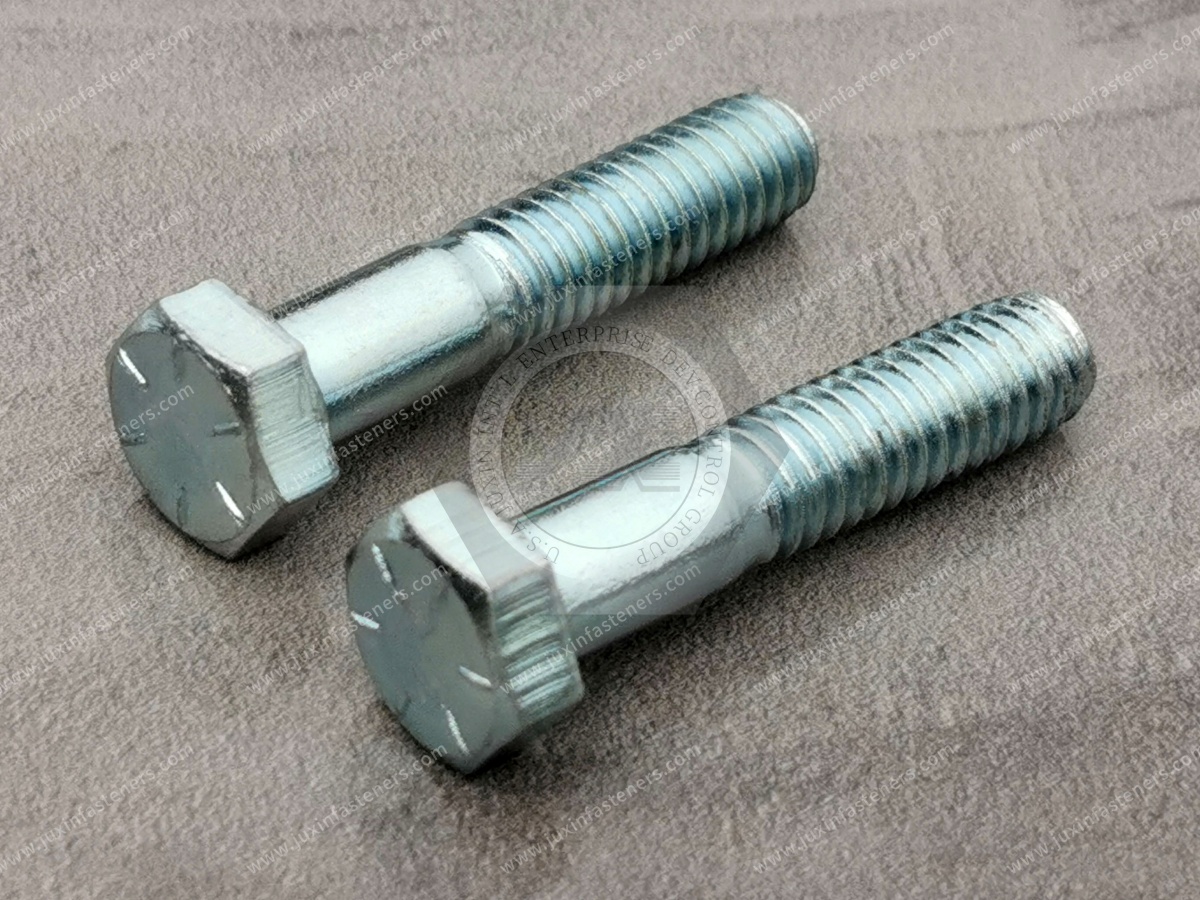
Product Pictures
Contact Us
Tel.:
+86 020 8621 0320
+86 020 3121 6067
E-mail:
Technical Support:
Navigation
SEND INQUIREY