Call Us
+86 136 6007 9809
Call Us
+86 136 6007 9809

Titanium Bolt Selection Guide: Engineering Logic for Aerospace-Grade Fasteners
Material Selection Strategy for High-Performance Titanium Fasteners in Critical Engineering Systems
In advanced engineering systems, titanium bolts and titanium alloy fasteners are not conventional fastening components. They do not follow the same selection logic as carbon steel or stainless steel fasteners.
Product Specification
Titanium Bolt Selection Guide: Engineering Logic for Aerospace-Grade Fasteners
Material Selection Strategy for High-Performance Titanium Fasteners in Critical Engineering Systems
In advanced engineering systems, titanium bolts and titanium alloy fasteners are not conventional fastening components. They do not follow the same selection logic as carbon steel or stainless steel fasteners.
Due to their unique combination of:
High strength-to-weight ratio
Excellent corrosion resistance
Wide operating temperature range
Non-magnetic properties
Titanium fasteners are widely used in:
Aerospace engine assemblies
Aircraft structural joints
Deep-sea engineering systems
Medical implant devices
Nuclear and high-end industrial equipment
At JUXIN FASTENERS, we specialize in aerospace-grade titanium bolts, high-strength titanium fasteners, and custom-engineered fastening solutions for extreme-performance applications.
1. Why Titanium Bolts Are Essential in High-End Engineering Systems
The primary advantage of titanium alloy fasteners (Titanium Bolts) is not just performance but also system-level efficiency improvements.
1.1 Weight Reduction Advantage
Titanium density is approximately:
4.5 g/cm³
~57% of steel
For example, Ti-6Al-4V (Grade 5 titanium) provides:
Up to 30% weight reduction compared to high-strength steel (30CrMnSiA equivalent)
Significant reduction in structural mass in aerospace assemblies
In commercial aviation applications (e.g., Boeing 787 structural assemblies), substituting titanium fasteners can reduce aircraft weight by up to 80 kg per airframe, improving fuel efficiency and payload capacity.
1.2 High Strength Performance
The most widely used aerospace grade:
Ti-6Al-4V (UNS R56400 / Grade 5)
After solution and aging treatment:
Tensile strength: 895–1250 MPa
Typical industrial fasteners: ~1100 MPa
Shear strength: >665 MPa
This places titanium fasteners close to ISO 898-1 Class 12.9 high-strength steel bolts in mechanical performance, while maintaining superior corrosion resistance and weight advantages.
Relevant aerospace standards include:
ASTM F468 / F468M (Titanium alloy bolts)
AMS 4928 / AMS 4967 (Ti-6Al-4V fastener materials)
ISO 5832 (medical titanium alloys)
1.3 Corrosion Resistance Advantage
Titanium naturally forms a stable TiO₂ passive oxide layer, providing exceptional resistance to:
Seawater corrosion
Chloride environments
Acidic and alkaline media
Marine and offshore exposure
In chemical processing systems, replacing stainless steel fasteners with titanium bolts can extend service life from:
5–8 years → 20+ years
This makes titanium fasteners ideal for:
Offshore engineering systems
Chemical reactors
Marine equipment
Desalination systems
1.4 Wide Temperature Capability
Titanium alloys such as Ti-6Al-4V operate effectively in:
Cryogenic environments down to -250°C
Continuous service up to ~400°C
Short-term exposure up to ~600°C
This makes them suitable for both aerospace propulsion systems and cryogenic engineering applications.
2. Titanium Alloy Grades and Material Selection Logic
Selecting the correct titanium bolt grade is critical for system reliability.
2.1 Ti-6Al-4V (Grade 5) – The Aerospace Standard
Standard references:
ASTM B348 / ASTM F468
AMS 4928
ISO 5832-3 (medical variant)
Characteristics:
α+β dual-phase alloy
Balanced strength and ductility
Most widely used aerospace titanium fastener grade
Applications:
Aircraft structural joints
Jet engine assemblies
High-performance automotive systems
2.2 High-Strength Titanium Alloys (Ti-10V-2Fe-3Al / Equivalent TB Series)
Advanced alloys offer:
Tensile strength: 1030–1180 MPa
Shear strength: ~705 MPa
Used in:
Spacecraft structures
High-load aerospace assemblies
Defense systems
2.3 Commercially Pure Titanium (Grade 1–4 / TA Series Equivalent)
Grades:
ASTM Grade 1–4 titanium
Characteristics:
Lower strength (340–550 MPa)
Excellent corrosion resistance
Superior biocompatibility
Standards:
ISO 5832-2 / ISO 5832-3 (medical implants)
Applications:
Medical screws and bone fixation devices
Chemical processing equipment
Biocompatible assemblies
2.4 Titanium-Palladium Alloy (Ti-Pd)
Enhanced corrosion resistance for:
Reducing acid environments
High-chloride chemical systems
Used in:
Chemical processing plants
Nuclear auxiliary systems
3. Surface Engineering: The Critical Factor Often Overlooked
Even the best titanium alloy requires proper surface treatment.
3.1 Galling and Seizure Risk
Titanium-to-titanium contact creates:
High friction coefficient (0.4–0.6)
Severe galling risk
Thread seizure failure in aerospace assemblies
This is one of the most common failure modes in aerospace titanium fasteners.
3.2 Surface Treatment Technologies
Anodizing (ISO / aerospace-grade processing)
Oxide layer thickness: 5–20 μm
Improves wear resistance
MoS₂ Dry Film Lubrication (ASTM D2510)
Reduces friction coefficient: 0.05–0.1
Widely used in aerospace assembly
3.3 Galvanic Corrosion Prevention
When titanium contacts steel or aluminum:
Galvanic corrosion may occur
Mitigation methods:
Insulating washers
Coating systems (cadmium-free aerospace coatings)
Isolation sleeves
3.4 Thread Locking Adhesives (Critical Note)
In aerospace systems:
Improper anaerobic adhesives may cause hydrogen embrittlement
Hydrogen content >150 ppm may lead to rejection under aerospace inspection standards
4. Preload Control: The Weak Point of Titanium Fasteners
Titanium has a lower elastic modulus:
~110 GPa (about 50% of steel)
This leads to:
Higher elongation under load
Lower clamp force at equal torque
Increased sensitivity to installation errors
4.1 Recommended Installation Method
Best practice:
✔ Torque–Angle Tightening Method
Step 1: 50% of final torque
Step 2: Controlled angle tightening to target preload
This method provides significantly higher accuracy than torque-only tightening.
4.2 Reference Torque Values (Lubricated Conditions)
M6: 4.5 – 6.5 Nm
M8: 8 – 12 Nm
M10: 15 – 22 Nm
⚠ Values must be adjusted based on:
Surface coating
Lubrication condition
Material batch variation
4.3 Preload Design Rule
For critical joints:
Recommended preload = 50%–70% of yield strength
based on:
VDI 2230 bolted joint design methodology
Aerospace structural fastening guidelines
5. Application Industries of Titanium Bolts
5.1 Aerospace & Aviation
Aircraft structural assemblies
Jet engine components
Space systems
Standards:
ASTM F468
AMS 4928
5.2 Medical Engineering
Orthopedic implants
Dental fixation systems
Standards:
ISO 5832-2 / ISO 5832-3
5.3 Nuclear Industry
Reactor auxiliary systems
Corrosion-critical assemblies
Advantages:
Radiation resistance
Stress corrosion resistance
5.4 High-End Motorsport
Suspension systems
Wheel assemblies
Lightweight performance structures
Benefit:
Reduced unsprung mass
Improved dynamic response
6. Conclusion: Titanium Fasteners Require Engineering-Level Selection Logic
Titanium bolts are not standard fasteners—they are system-level engineering components.
Incorrect selection can lead to:
Thread galling failure
Preload loss
Galvanic corrosion
Structural instability
Proper selection must consider:
✔ Material grade (ASTM / ISO / AMS standards)
✔ Surface treatment system
✔ Preload control method
✔ Environmental compatibility
At JUXIN FASTENERS, we provide:
Aerospace titanium bolts
High-strength Ti-6Al-4V fasteners
Medical-grade titanium screws
Custom engineered titanium fastening solutions
We support industries requiring:
Aerospace-grade reliability
Medical certification compliance
Extreme environment performance
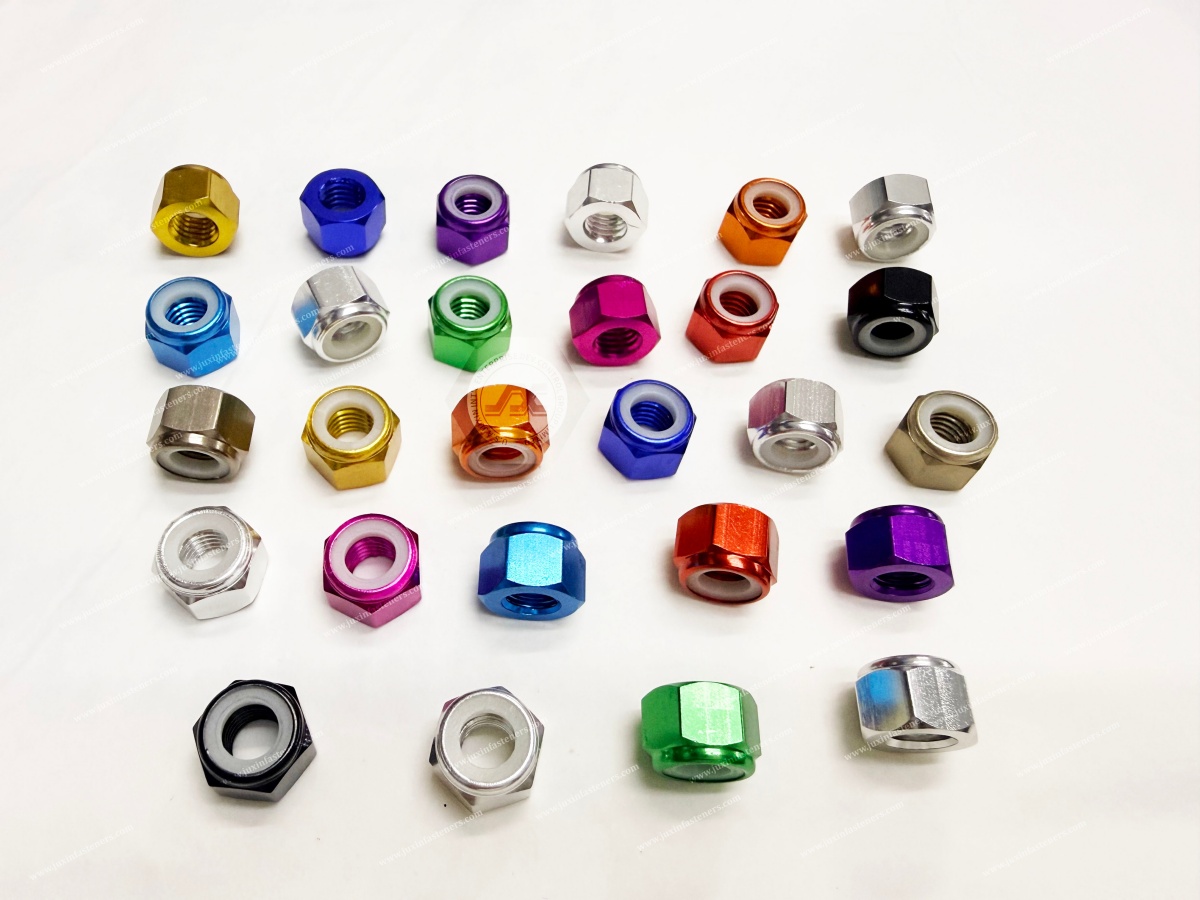
JUXIN FASTENERS – Engineering Titanium Fastening Solutions for Aerospace, Medical, and High-Performance Industrial Systems.
Product Packaging
Packaging Standard
At Juxin Fasteners, we apply standardized export packaging to ensure product protection, traceability, and compliance with international logistics requirements.
1. Standard Export Packaging
Unless otherwise specified, all products will be packed according to our factory standard export packaging, which includes:
Moisture-resistant inner protection
Poly bag or small box packing as required
Reinforced export cartons
Clear labeling with part number, specification, batch number, and quantity
Palletizing for sea or air shipment when necessary
Our standard packaging is designed to ensure safe transportation, efficient warehousing, and long-distance international shipping.
2. Customized Packaging Options
We also provide customized packaging solutions according to customer requirements, including but not limited to:
Private labeling
Customized barcodes
Specific carton dimensions
Retail packaging
Special pallet configuration
Customer-specific marking and identification
So that you know, customized packaging may involve additional costs and extended lead time depending on the complexity of the requirements.
3. Compliance & Quality Assurance
All packaging processes are controlled under our ISO 9001 quality management system to ensure consistency, traceability, and product integrity throughout the supply chain.
Product Pictures
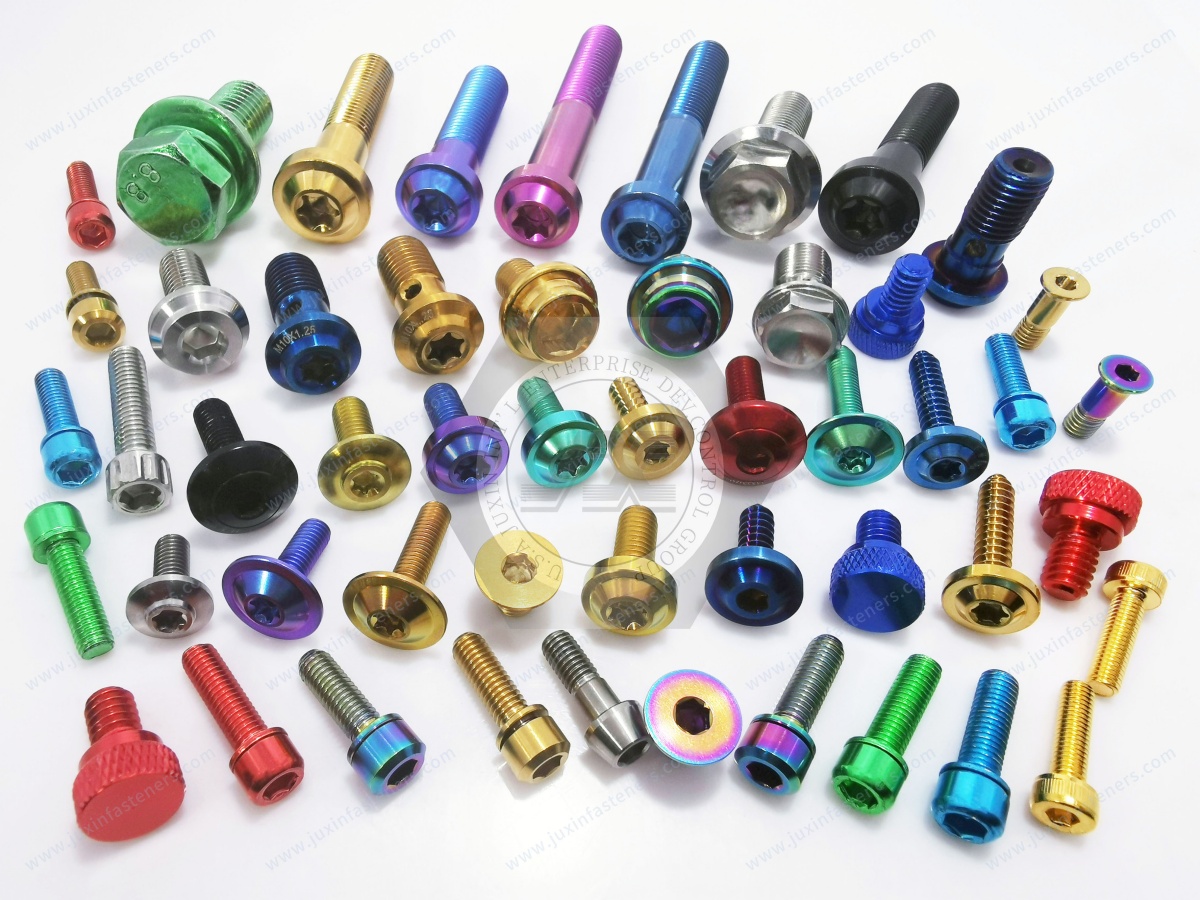
Hot Products
Contact Us
Tel.:
+86 020 8621 0320
+86 020 3121 6067
E-mail:
Technical Support:
Navigation
SEND INQUIREY