
Call Us
+86 136 6007 9809
Call Us
+86 136 6007 9809

Apr. 18, 2026
What Causes Weld Stud Feeding Problems in Automated Systems? (Complete Solution Guide)
Quick Answer (Featured Snippet Target)
Weld stud feeding problems in automated systems are mainly caused by inconsistent geometry, such as tilted heads, off-center projections, and mixed defective parts. These issues disrupt alignment, cause feeding jams, and lead to unstable weld quality. The most effective solution is to use precision-controlled weld studs with 100% inspection and full sorting before shipment.
Why Do Weld Studs Fail in Automatic Feeding Systems?
In CNC automatic feeding systems, even minor dimensional variations in weld studs can lead to serious production issues.
The most common causes include:
Tilted stud heads → disrupt feeding alignment
Off-center projections → cause uneven welding and weak joints
Unsorted bulk supply → introduces random defective parts into production
These problems are often invisible during incoming inspection but become critical once the automated line starts running.
What Problems Can Defective Weld Studs Cause?
Using inconsistent weld fasteners in automated environments can result in:
Feeding jams in vibratory or vacuum auto-feed systems
Machine stoppages and unplanned downtime
Misaligned welding positions
Inconsistent weld strength and product failure
For high-volume manufacturers, even one defective weld stud can stop an entire production line.
What Are the Key Quality Requirements for Weld Studs?
To ensure stable performance in automation, precision weld studs must meet strict criteria:
Head perpendicularity for smooth feeding
Accurate projection positioning for stable weld current distribution
Consistent dimensions and tolerances
Clean surface and thread integrity
These factors directly affect feeding efficiency and weld reliability.
How to Prevent Weld Stud Feeding Issues? (Best Solution)
The most effective way to eliminate feeding and welding problems is to choose a reliable manufacturer of weld fasteners with strict quality control.
Key Solutions:
100% Inspection
Eliminate defective parts before shipment (no random sampling)
Controlled Geometry
Ensure consistent head alignment and projection symmetry
Full Sorting Process
Prevent mixing of non-conforming weld studs in bulk supply
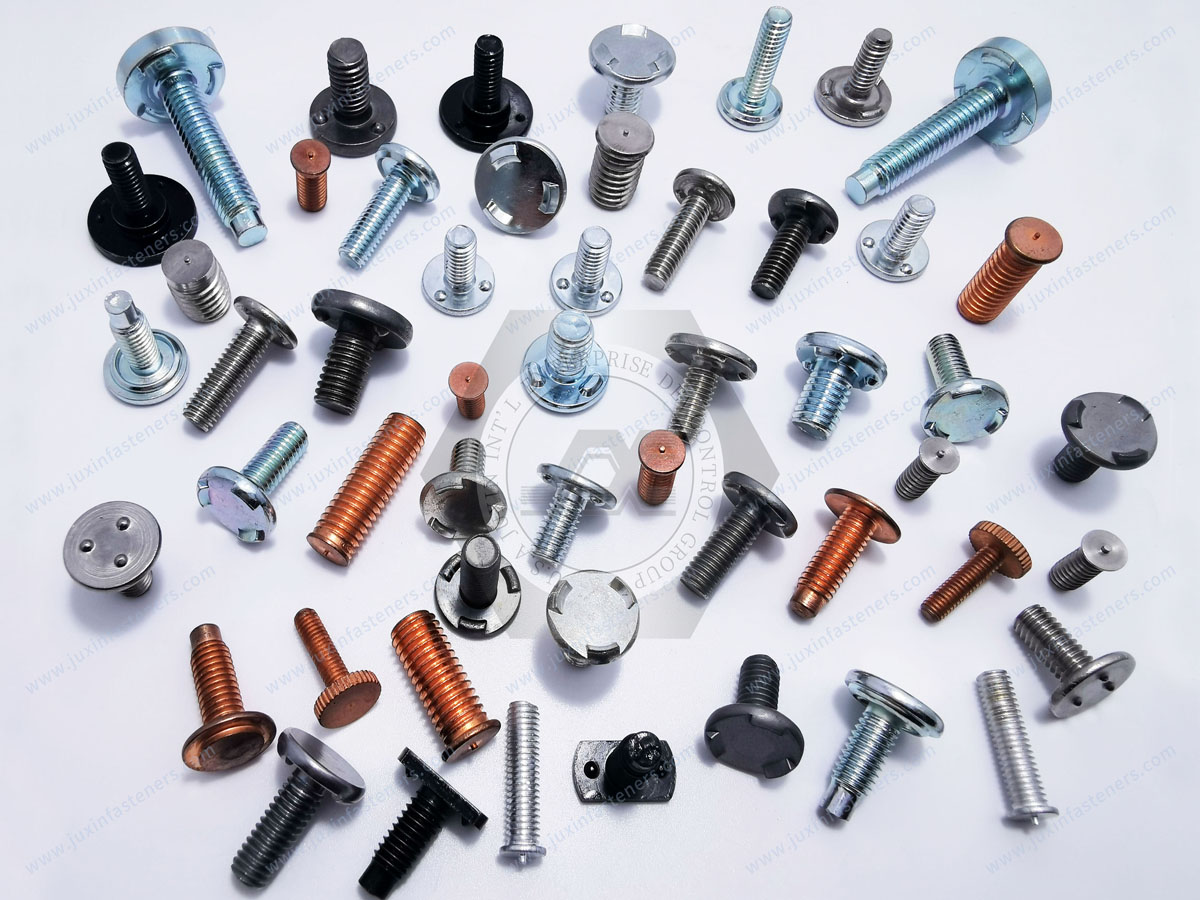
Why 100% Inspection Matters in Automated Production
Many suppliers rely on sampling inspection, which allows defective industrial weld fasteners to pass through.
In contrast, 100% inspection ensures:
Zero defective parts entering your production line
Stable feeding performance
Reduced downtime and maintenance costs
In automation, consistency is more important than price.
Where Are Precision Weld Studs Used?
High-quality weld studs for automated feeding systems are widely applied in:
Automotive body assembly
CNC automated production lines
Sheet metal fabrication
Electrical enclosures and industrial equipment
These applications require high reliability and repeatability in welding performance.
Why Choose Juxin as Your Weld Fasteners Supplier?
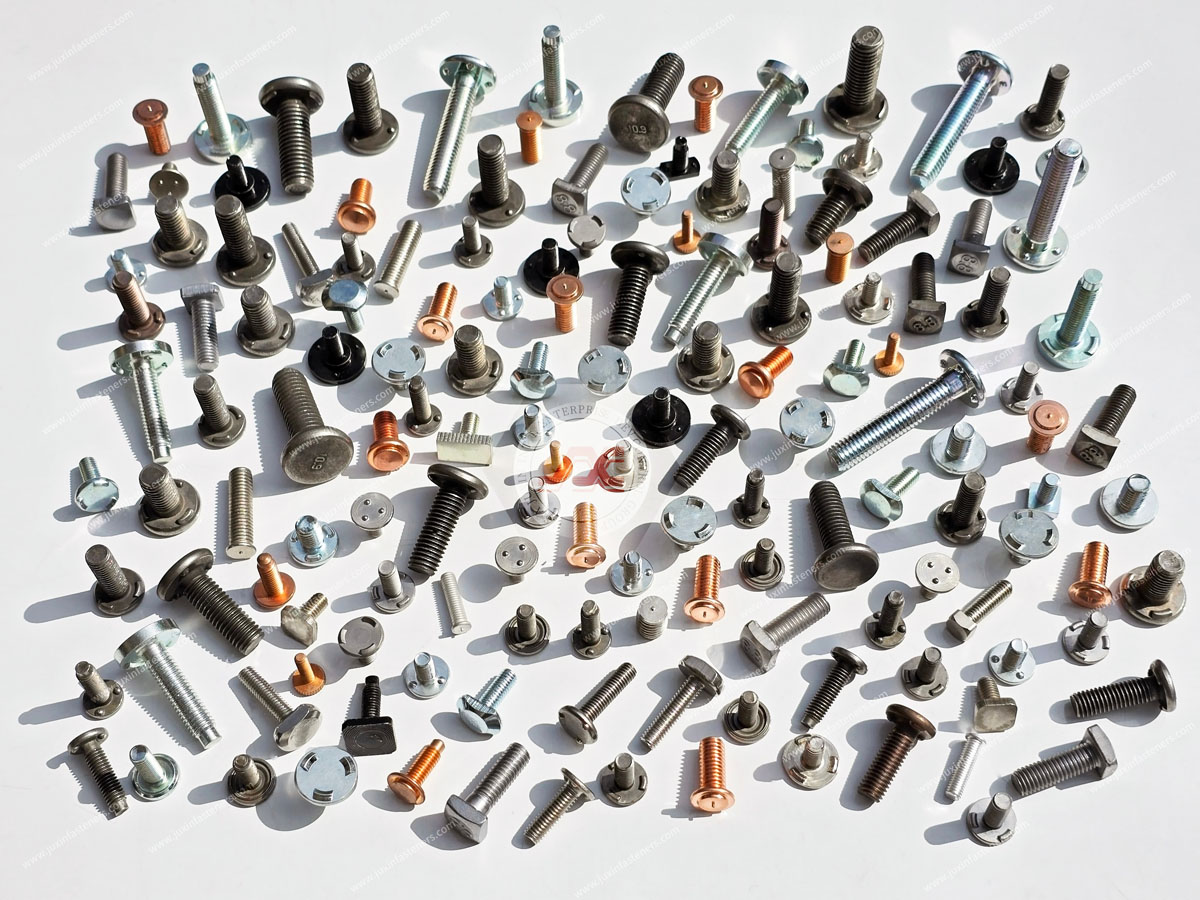
At Juxin Fasteners, we focus on delivering high-quality weld fasteners for demanding industrial applications.
Our advantages include:
Full-process quality control
Precision-engineered weld studs
Stable performance in high-speed automation
Proven reliability in automotive and industrial sectors
Conclusion: Small Component, Big Impact
A weld stud may be a small component—but in automated manufacturing, it plays a critical role.
Choosing the right industrial weld fasteners supplier helps you:
Avoid production downtime
Improve welding consistency
Ensure long-term manufacturing stability
Explore our weld fastener solutions:
https://www.juxinfasteners.com/weld-fasteners/
 MORE NEWS
Sep. 27, 2026
Sep. 27, 2026
Sep. 27, 2026
Contact Us
Tel.:
+86 020 8621 0320
+86 020 3121 6067
E-mail:
Technical Support:
Navigation
SEND INQUIREY