
Call Us
+86 136 6007 9809
Call Us
+86 136 6007 9809

Apr. 18, 2026
Weld Stud Quality in Automated Feeding Systems: A Critical Factor for Stable Production
In high-volume manufacturing environments, even a minor component defect can lead to major production losses. A single defective weld stud can stop an entire automated line—resulting in costly downtime, rejected assemblies, and delayed delivery schedules.
For manufacturers relying on automatic feeding systems, consistency is not just important—it is essential.
Hidden Risks in Weld Stud Supply
In today’s global fastener market, many buyers focus on price and availability. However, field experience shows that weld fasteners from bulk suppliers often carry hidden quality risks that are not immediately apparent during incoming inspection.
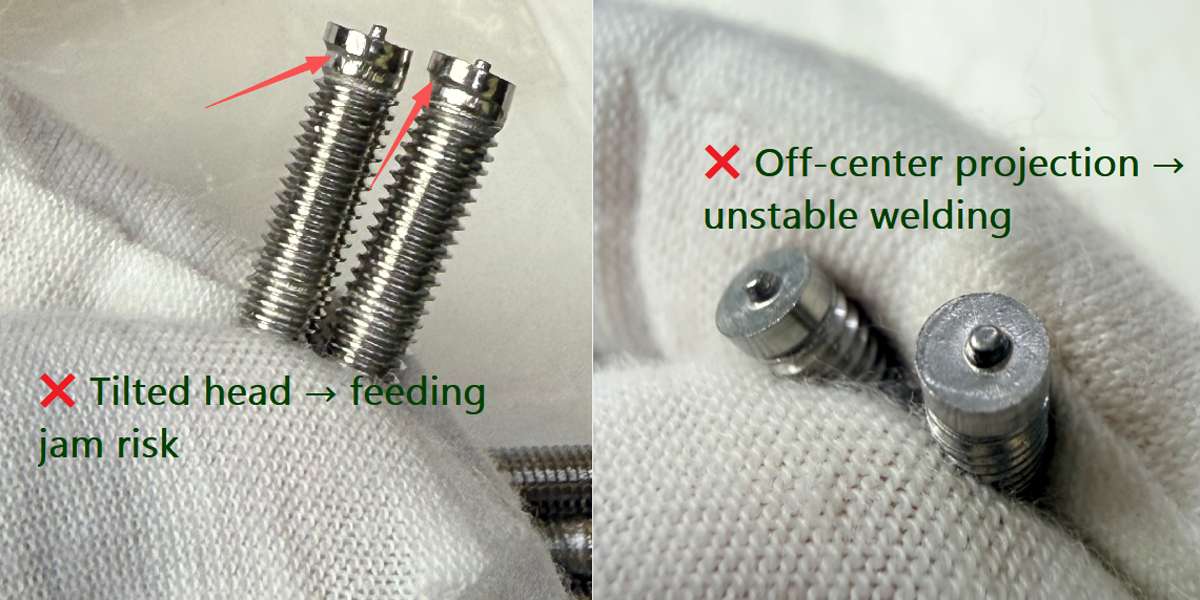
From real market samples, the most common issues include:
Slightly tilted heads affecting feeding alignment
Off-center weld projections are causing unstable welding performance
Mixed defective parts due to a lack of full sorting before shipment
These defects may seem minor—but in CNC automatic feeding systems, they can lead to:
Feeding jams and machine stoppages
Misalignment during welding
Inconsistent weld strength and product failure
The biggest challenge?
These risks typically remain undetected—until production begins.
Why Weld Stud Geometry Matters in Automation
In automated assembly environments, dimensional consistency and geometric accuracy of weld studs directly impact system performance.
Critical parameters include:
Head perpendicularity (to ensure smooth feeding)
Projection position and symmetry (to ensure stable weld current distribution)
Thread accuracy and surface condition
Any deviation can disrupt feeding tracks, vibratory bowls, or vacuum auto-feed systems—especially in high-speed production lines.
Juxin Weld Fasteners: Designed for Automation Reliability
At Juxin Fasteners, we understand that industrial fasteners are not just components—they are critical to system stability.
That’s why our weld studs and weld fasteners are engineered specifically for automated production environments.
Our Quality Assurance Approach
We go beyond standard industry practices to eliminate hidden risks:
100% Inspection
Every weld stud is fully inspected—no random sampling. This ensures defective parts are eliminated before shipment.
Controlled Geometry
Strict tolerance control on head alignment and projection positioning guarantees smooth feeding and consistent welding.
Full Sorting Process
Each batch is sorted to prevent mixing of non-conforming parts, ensuring uniform quality across all deliveries.
Application Scenarios
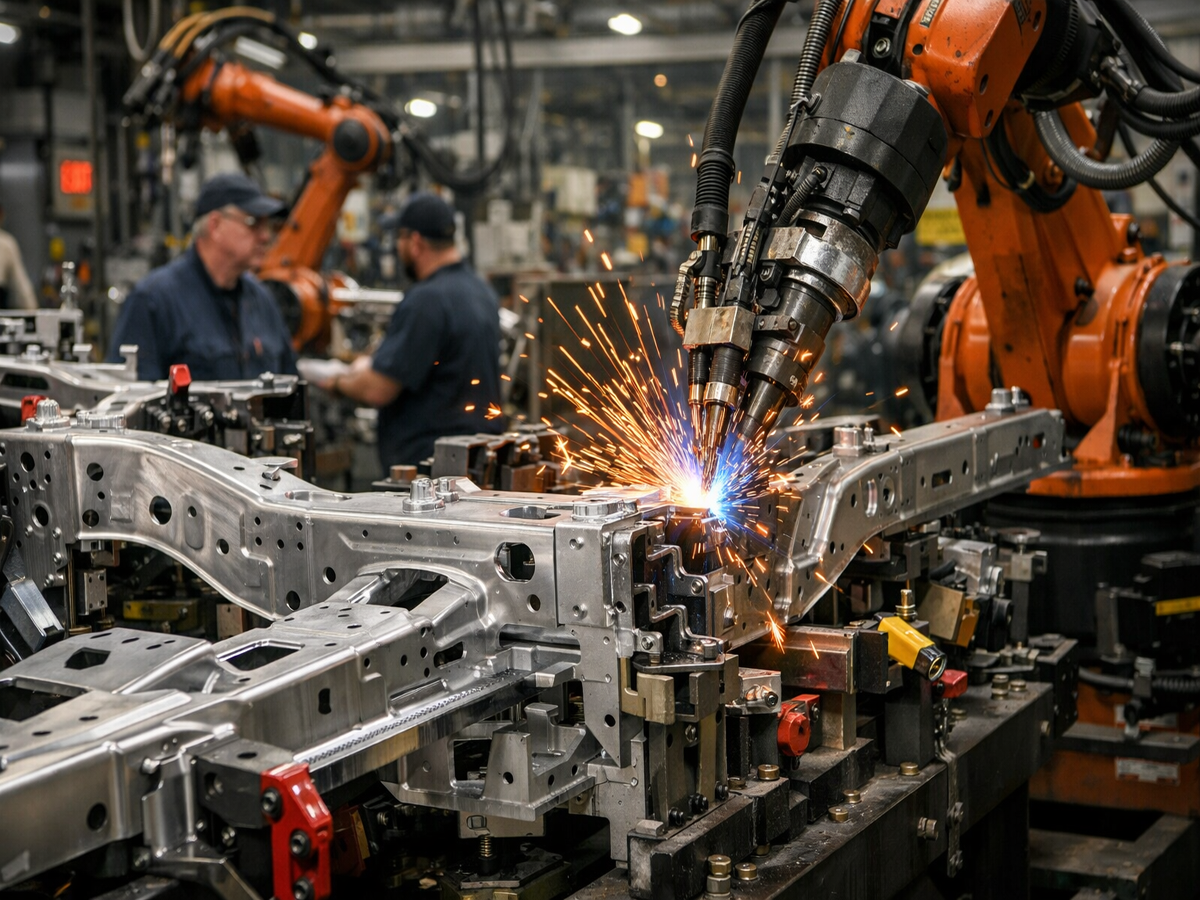
Our weld fasteners are widely used in:
Automotive manufacturing (body assembly, structural components)
CNC automated production lines
Sheet metal fabrication
Electrical enclosures and industrial equipment
Especially in high-volume automated welding applications, our products help reduce downtime and improve overall equipment efficiency (OEE).
The Real Cost of Low-Quality Weld Studs
Choosing lower-cost suppliers without strict quality control may seem economical—but the hidden costs can be significant:
Production downtime
Increased scrap rates
Additional labor for troubleshooting
Damage to brand reputation
In automation, even a small defect becomes a big problem.
Conclusion: Stability Starts with the Right Fastener
Reliable automation begins with reliable components.
By choosing high-quality weld studs with consistent geometry and full inspection control, manufacturers can ensure:
Smooth feeding performance
Stable welding quality
Reduced downtime and higher productivity
If your production relies on automated systems, investing in precision-engineered weld fasteners is not optional—it is essential.
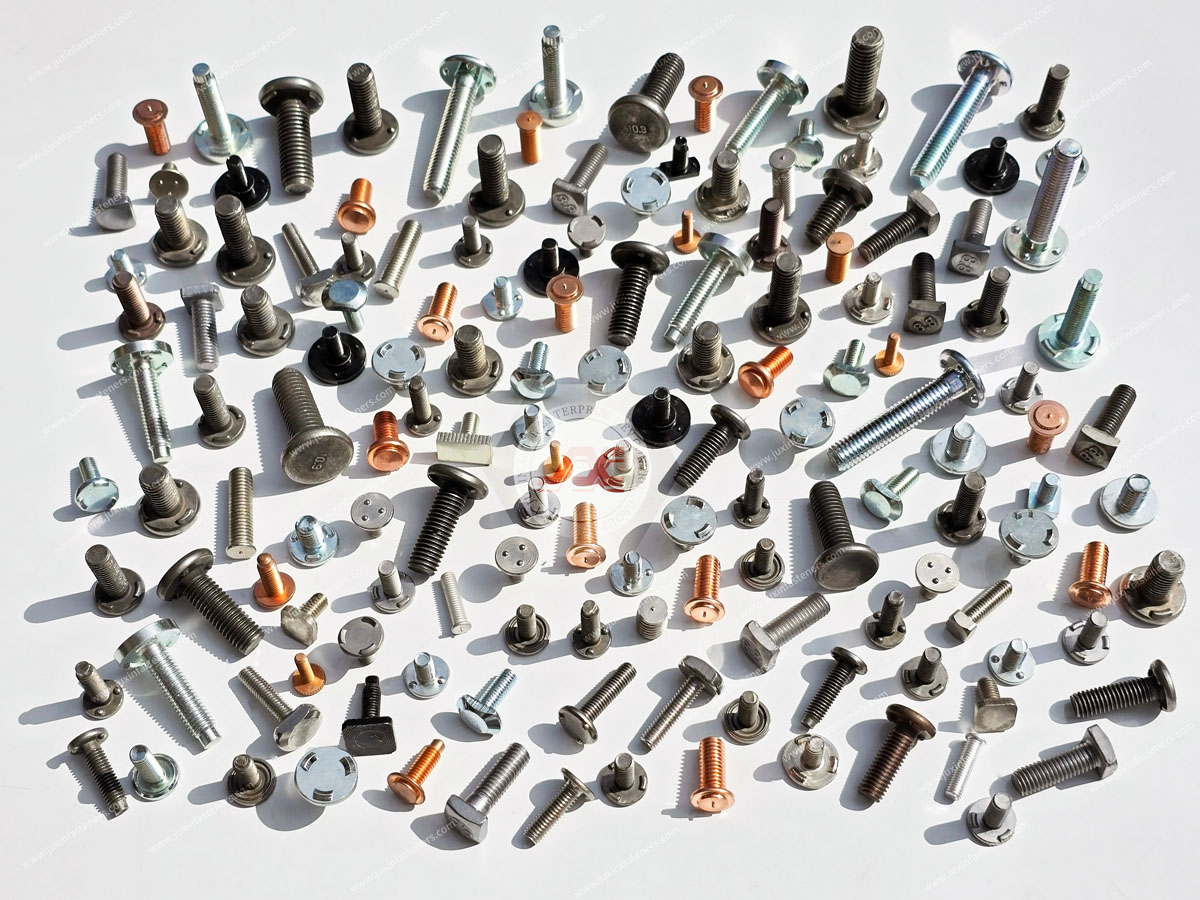
Explore our full range of weld fasteners and application solutions:
https://www.juxinfasteners.com/weld-fasteners/
 MORE NEWS
Sep. 27, 2026
Sep. 27, 2026
Sep. 27, 2026
Contact Us
Tel.:
+86 020 8621 0320
+86 020 3121 6067
E-mail:
Technical Support:
Navigation
SEND INQUIREY